
This 169-Acre State Park In Wisconsin Is One Of The State’s Best-Kept Secrets
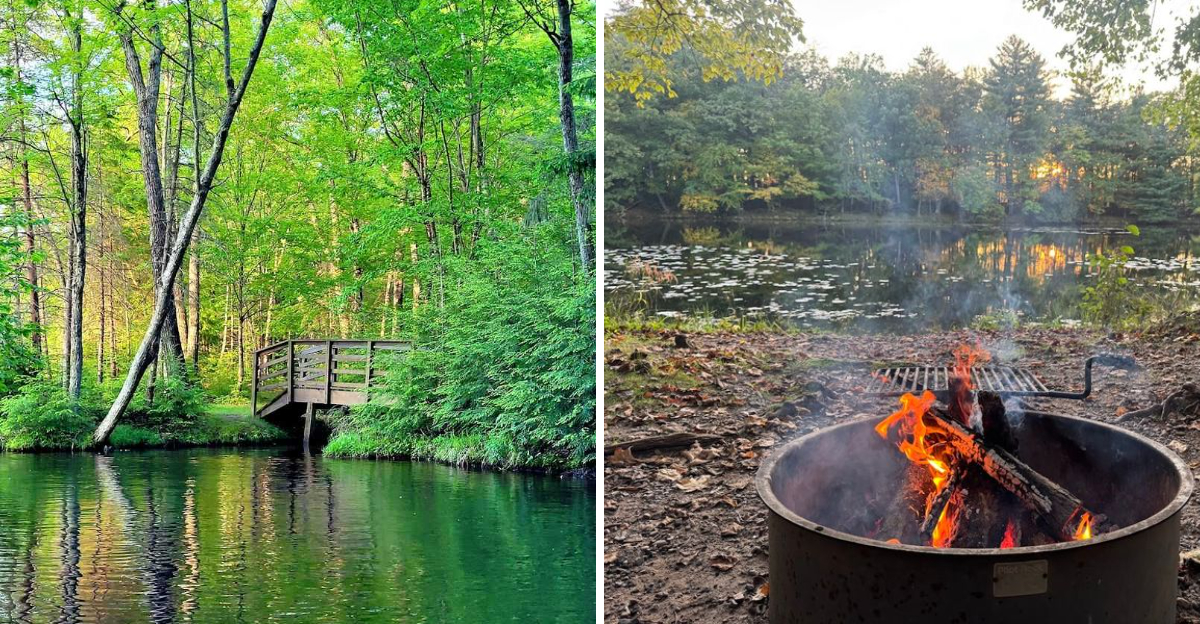
Two quiet rivers meet in northwestern Wisconsin, creating a peaceful landscape that many travelers unknowingly pass on their way to other destinations. Tucked into this scenic corner of the state is a stunning park where forested shoreline, calm waterways, and winding woodland trails offer a refreshing break from busy outdoor hotspots.
Spanning a mix of island terrain and mainland forest, the park provides easy river access, relaxed campsites, and plenty of room to explore without the usual crowds. Kayakers, anglers, and families often find their way here for a simple outdoor escape where the sounds of flowing water and rustling trees replace the noise of more popular parks.
A Peaceful Island Where Two Rivers Meet
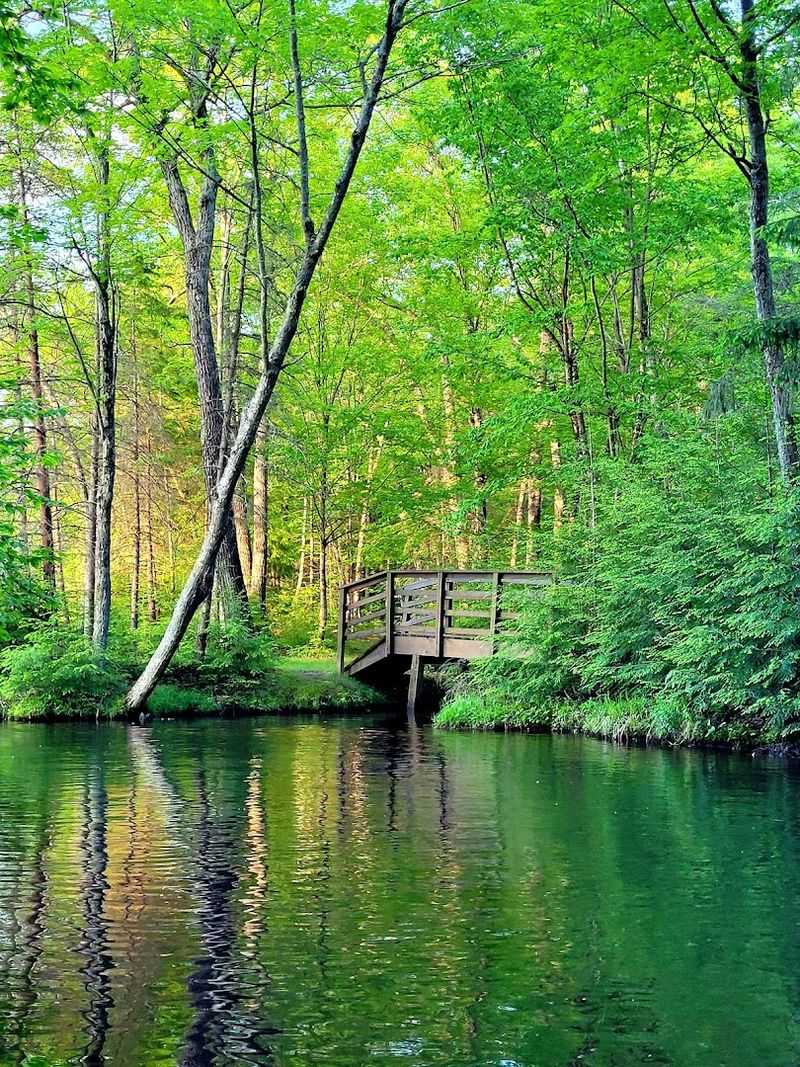
The island itself forms at the confluence of the Chippewa and Fisher Rivers, creating a geographic feature that feels both contained and expansive. Water surrounds nearly every corner of the park, and the rivers move slowly enough that the surface stays calm most days.
Paddlers and swimmers appreciate the gentle current, and the shallow areas near the shoreline make it easy to wade in without worry.
Access to the island comes by way of a single bridge that connects the mainland campground to the trails and day-use areas. Once across, the landscape shifts into a mix of hardwoods and pines that filter the sunlight and keep the interior cool even during summer afternoons.
The setting feels private, almost insulated, despite being just a few miles from town.
Visitors often remark on the stillness here. Birds call from the treetops, and the occasional splash of a fish breaking the surface punctuates the quiet.
Wooded Trails Perfect For Easy Hiking
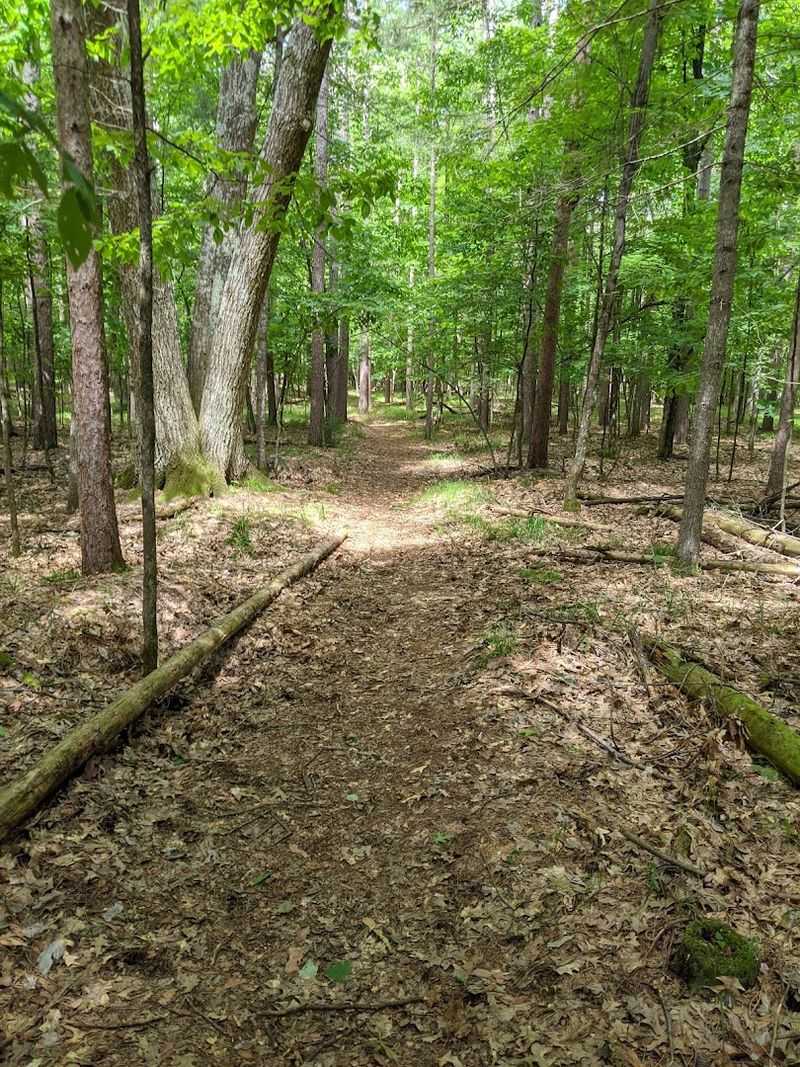
The trail system at Brunet Island covers roughly four miles and stays almost entirely flat, winding through a mix of oak, maple, and pine forest. The main loop circles the island and takes about an hour to complete at a relaxed pace.
Interpretive signs along the route provide information about the local ecology and the history of the area, including its use by logging companies in the early twentieth century.
Families with young children find these trails manageable, and the lack of elevation change makes them accessible to hikers of all abilities. The paths are well maintained, with clear markers and minimal root obstacles.
During the fall, the canopy transforms into shades of red, orange, and gold, and the trails become a popular destination for leaf watchers.
The Nordic Trail extends beyond the island and offers additional mileage for those looking for a longer outing. It connects to the Old Abe State Trail, a paved multi-use path that runs through the surrounding countryside.
Scenic River Views Around Nearly Every Turn
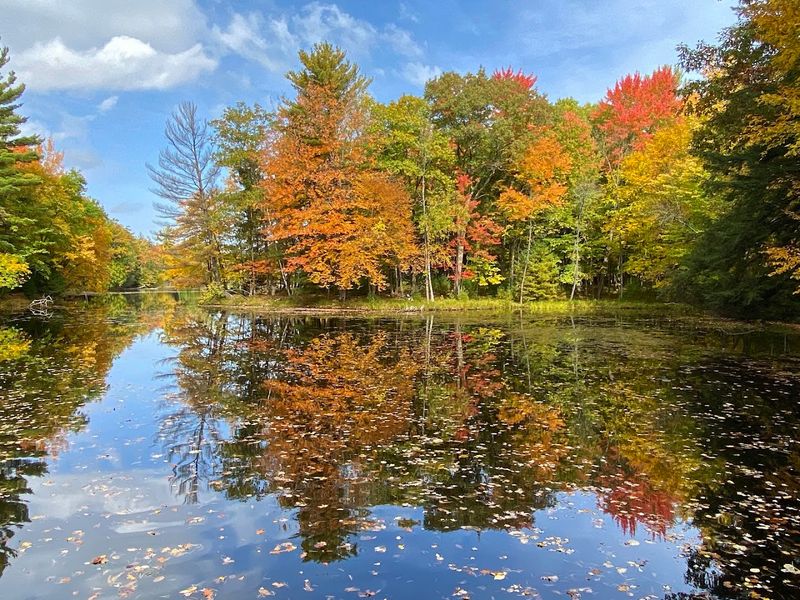
One of the defining features of Brunet Island is the constant presence of water. The trails that circle the island rarely stray far from the shoreline, and openings in the forest provide frequent views of the river.
Some spots offer wide vistas across the water, while others reveal narrow channels and hidden inlets that feel almost secret.
The river changes character depending on the season and the weather. In spring, snowmelt swells the water level and accelerates the current slightly.
By midsummer, the flow slows and the water takes on a deeper color. Fall brings a clarity that makes it possible to see the riverbed in the shallows, and winter transforms the entire landscape into a study in black and white.
Photographers and painters often visit specifically for these views. The combination of water, forest, and sky creates compositions that shift with the light, and the lack of development on the opposite shore keeps the scene uncluttered.
A Small Park With Big Northwoods Charm
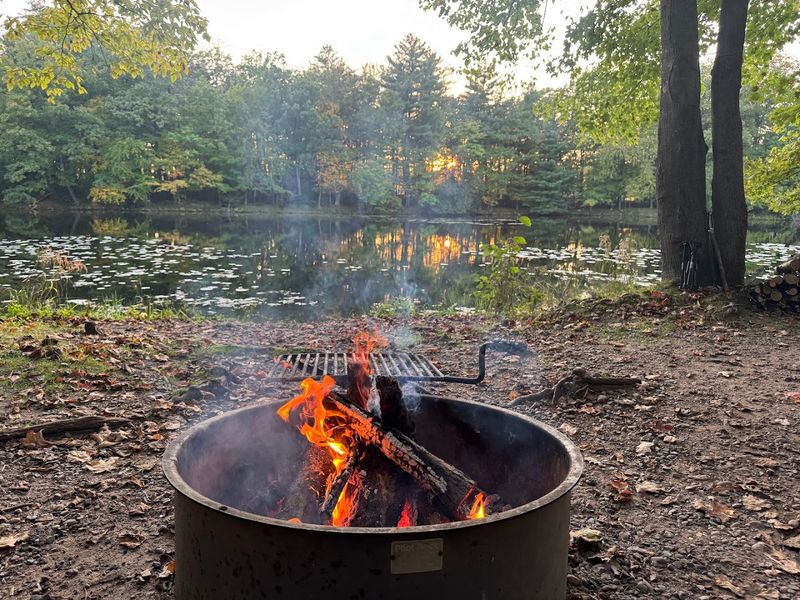
Brunet Island occupies a modest footprint compared to larger Wisconsin state parks, but it delivers an outsized sense of place. The landscape here feels quintessentially Northwoods, with dense stands of conifers, abundant wildlife, and an overall atmosphere of quiet seclusion.
The park avoids the manicured look of more developed destinations, instead embracing a more natural aesthetic that appeals to visitors seeking an authentic outdoor experience.
The small size works to the park’s advantage. Trails are short enough to complete in a single visit, campsites never feel overcrowded, and the entire island can be explored in an afternoon.
This scale encourages a slower pace and a more intimate connection with the surroundings. Visitors often report feeling as though they have the place to themselves, even during peak season.
The Northwoods character extends to the wildlife as well. Deer, raccoons, and chipmunks are common sights, and patient observers may spot herons, eagles, and a variety of waterfowl along the shoreline.
A Relaxing Campground Surrounded By Forest
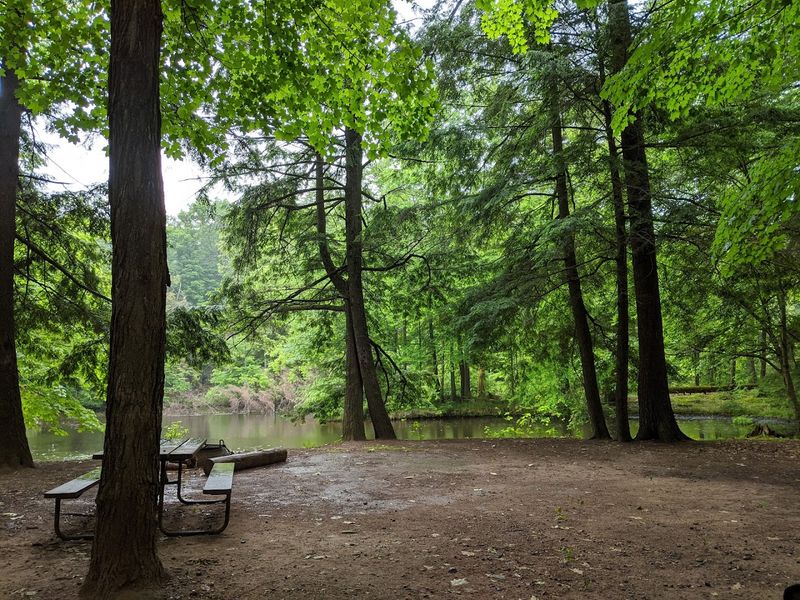
The campground at Brunet Island splits into two sections, each with its own character. The south loop offers electric sites and proximity to flush toilets and showers, making it popular with RV campers and families with young children.
The north loop, by contrast, features non-electric sites that sit directly on the river, appealing to tent campers and those who prefer a more rustic experience.
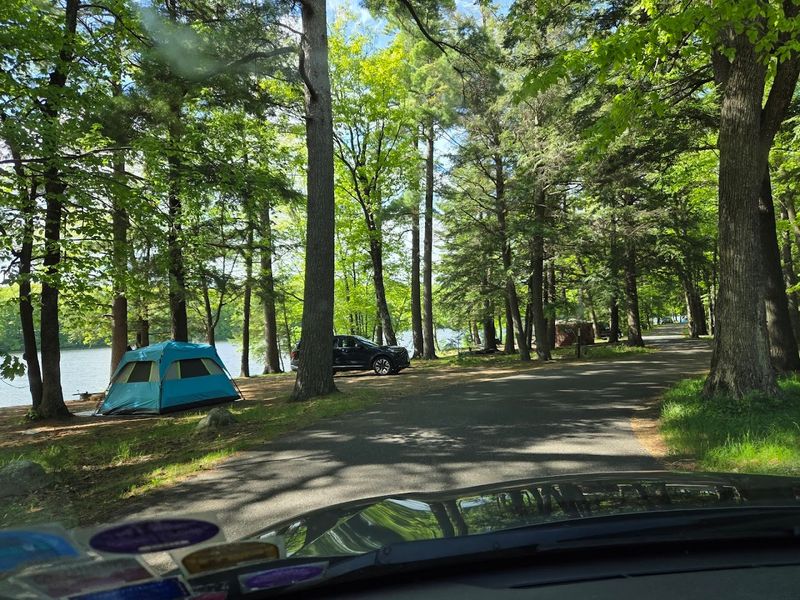
Sites in both loops are generously spaced, with ample room between neighbors and plenty of natural screening provided by the forest. Each site includes a picnic table and fire ring, and most offer at least partial shade.
The campground maintains a quiet atmosphere, with strictly enforced quiet hours and a general culture of respect among campers.
The location enhances the experience. Waking to the sound of birds and the gentle movement of the river creates a sense of calm that carries through the day.
Campers frequently return season after season, drawn by the combination of comfort and natural beauty.
Fishing Spots Along The Chippewa And Fisher Rivers
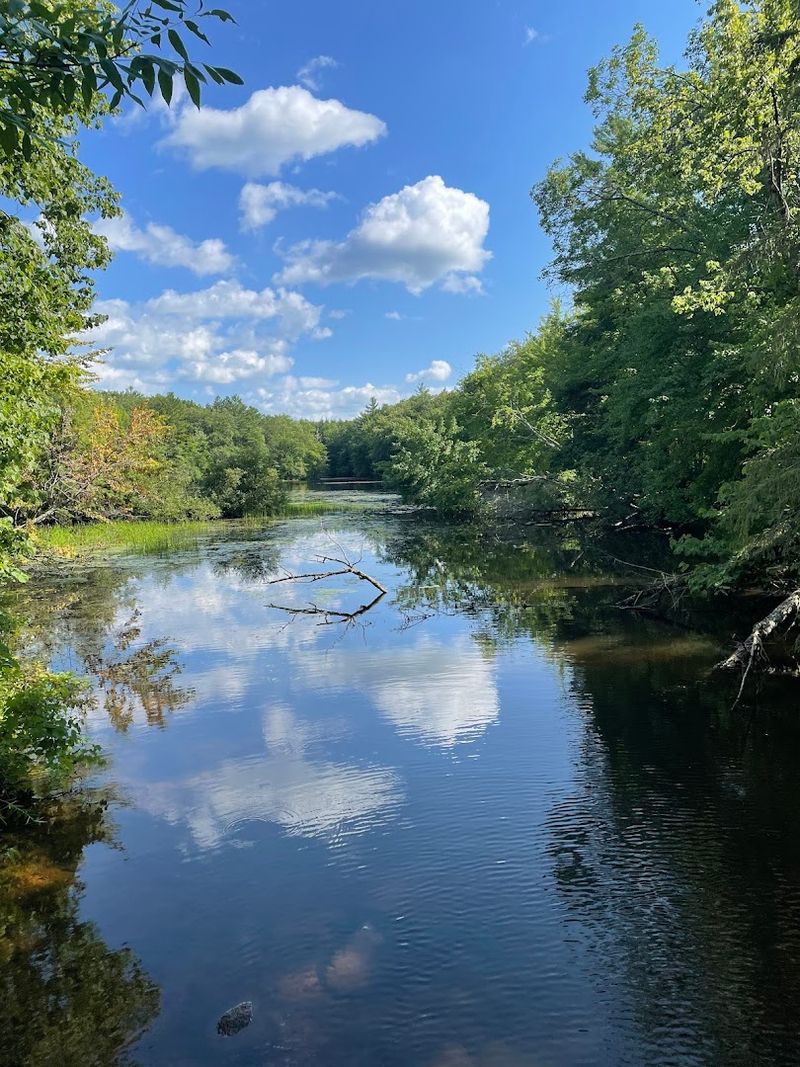
Both the Chippewa and Fisher Rivers support healthy fish populations, and anglers find plenty of opportunities to cast a line from shore, boat, or kayak. Walleye, northern pike, and smallmouth bass are the primary targets, though panfish and catfish also inhabit these waters.
The slow current and varied structure create ideal conditions for a range of fishing techniques, from trolling to still fishing.
Several campsites on the north loop provide direct water access, allowing anglers to fish within steps of their tent or RV. The park also maintains a boat launch that accommodates larger vessels, and the calm water makes it easy to navigate even for inexperienced boaters.
Early morning and late evening tend to produce the best results, particularly during the warmer months when fish move into the shallows to feed.
The fishing here is not about competition or trophy catches. It is about the rhythm of casting and retrieving, the anticipation of a strike, and the simple pleasure of spending time on the water.
Picnic Areas With Beautiful Water Views
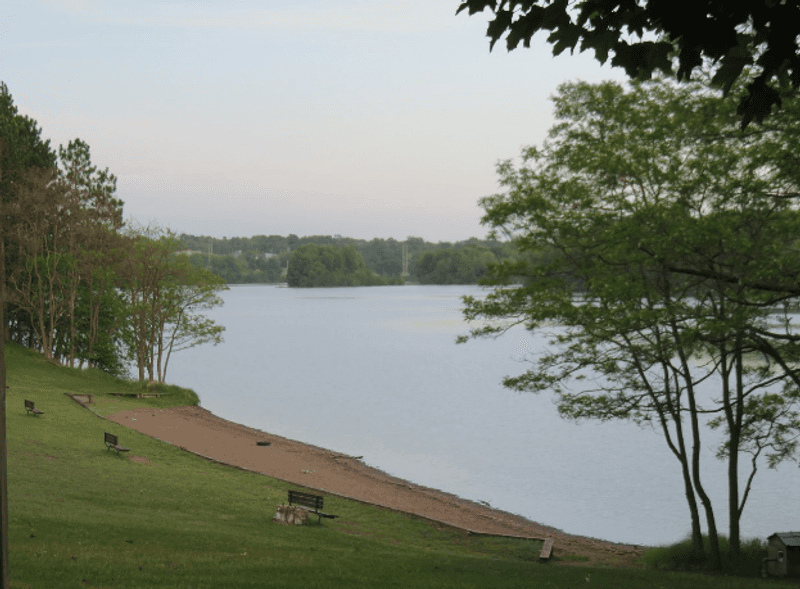
Several designated picnic areas sit along the shoreline, offering tables, grills, and open views of the river. These spots provide an easy way to enjoy the park without committing to a full camping trip, and they are popular with day visitors and locals looking for a quick escape.
The picnic areas are well maintained, with mowed grass and nearby restroom facilities, yet they retain a natural feel thanks to the surrounding forest.
Families often gather here for meals, spreading out blankets and setting up portable chairs while children explore the nearby shoreline. The water is shallow enough in some areas for wading, and the beach area provides a safe spot for swimming.
The combination of amenities and scenery makes these picnic spots particularly appealing during the summer months.
The views from these areas change throughout the day. Morning light casts long shadows across the water, midday sun illuminates the entire scene, and evening brings softer tones and the possibility of watching the sunset over the river.
A Kayaker’s Favorite Stretch Of River
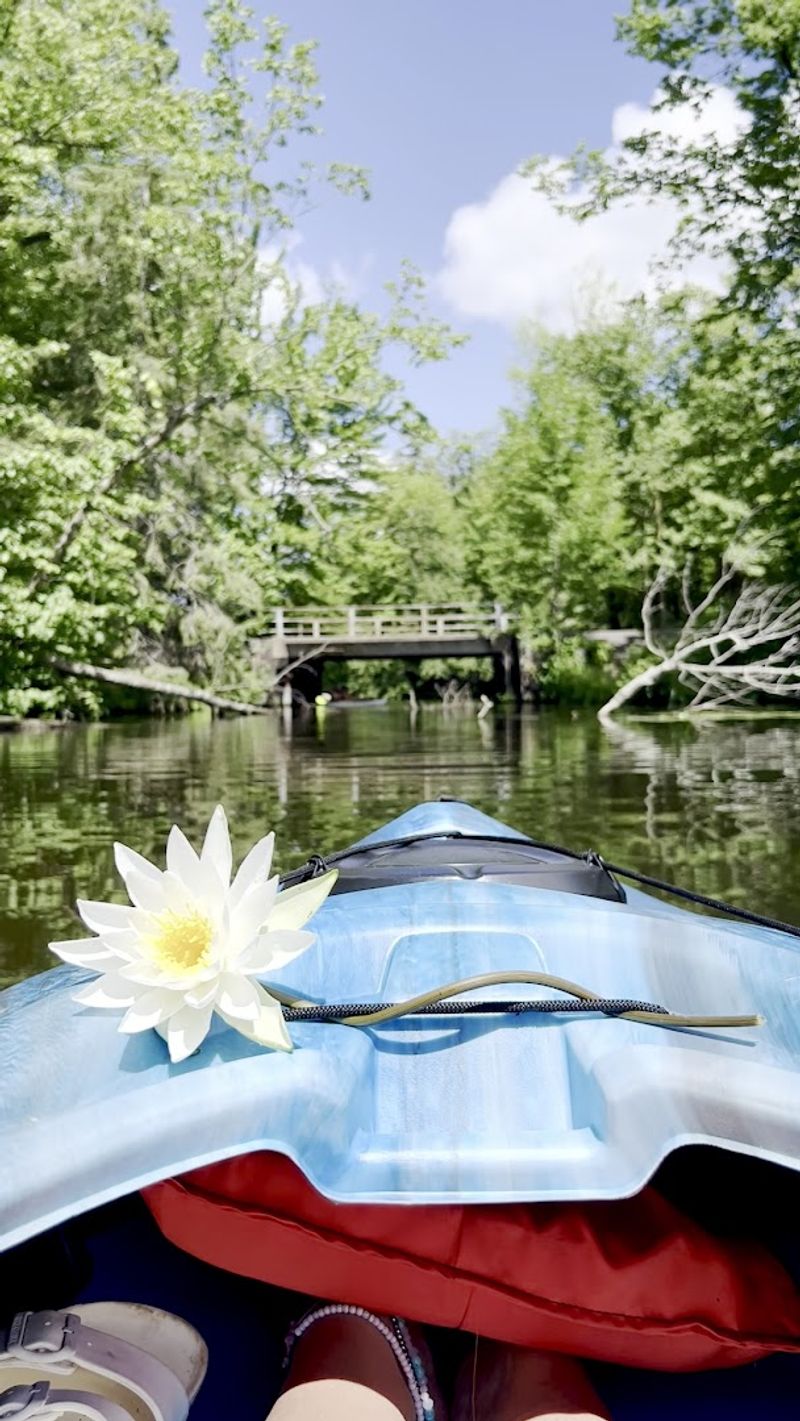
The calm waters around Brunet Island make it one of the most kayak-friendly destinations in northwestern Wisconsin. Paddlers can explore the main channels of the Chippewa and Fisher Rivers or venture into the smaller inlets and backwaters that branch off from the main flow.
The current remains gentle throughout most of the year, and the wide river provides plenty of room to maneuver without worrying about obstacles or rapids.
The park offers kayak and canoe rentals through a partnership with a local friends group, making it easy for visitors to get on the water even if they do not own their own equipment. Launch points are conveniently located near the campground and day-use areas, and the shallow shoreline allows for easy entry and exit.
Kayaking here is less about covering distance and more about observing the surroundings. Herons fish along the banks, turtles sun themselves on logs, and the forest closes in on both sides, creating a sense of immersion in the natural world.
Wildlife Sightings In A Peaceful Natural Setting
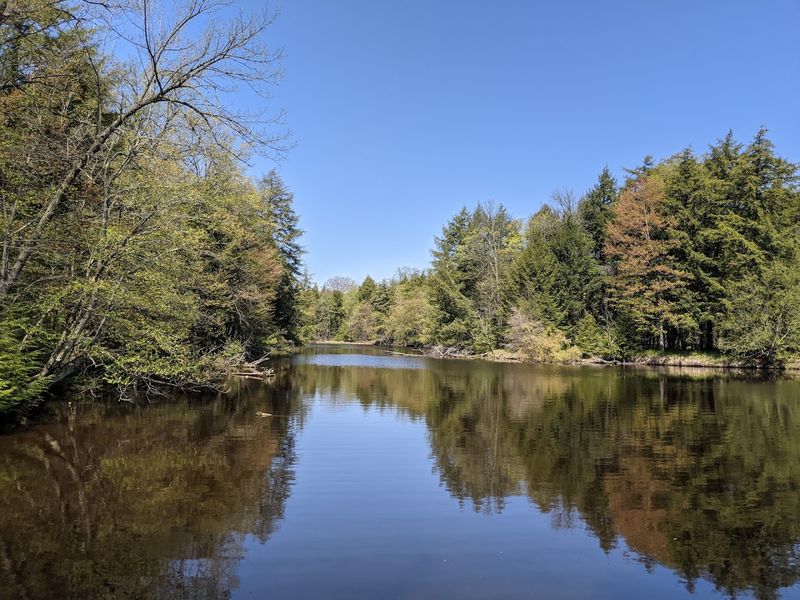
The combination of forest, water, and minimal human disturbance creates ideal habitat for a variety of wildlife species. White-tailed deer are a common sight, particularly in the early morning and evening hours when they move through the campground and along the trails.
Raccoons, chipmunks, and squirrels are abundant, and campers often find themselves sharing their space with these curious visitors.
Birdwatchers appreciate the diversity of species that frequent the park. Great blue herons stalk the shallows, bald eagles soar overhead, and a variety of songbirds inhabit the forest canopy.
The quiet atmosphere makes it easier to hear bird calls and spot movement in the trees, and the lack of heavy traffic noise allows for a more immersive experience.
Wildlife encounters here feel spontaneous and unforced. A deer crossing the trail, a heron taking flight, or a turtle sunning on a log becomes a moment to pause and observe rather than a spectacle to capture on camera.
Fall Colors That Transform The Entire Island
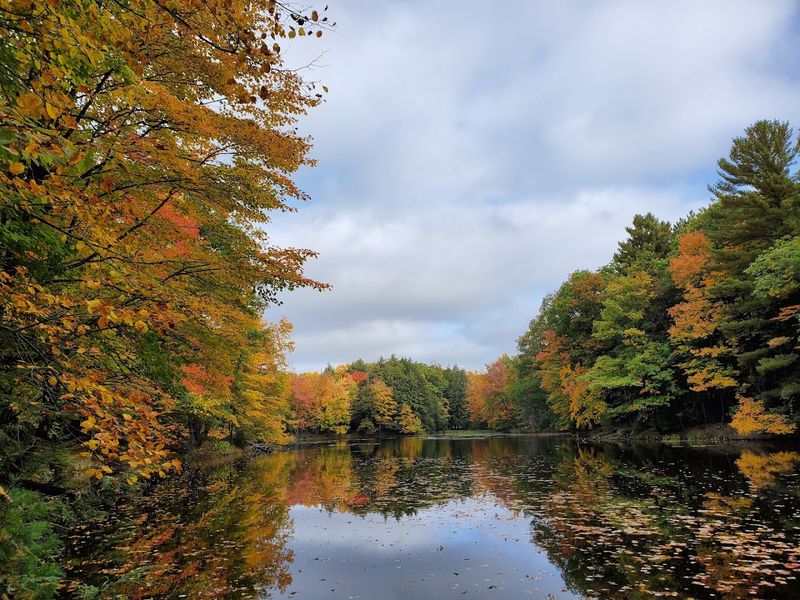
Autumn brings a dramatic transformation to Brunet Island as the hardwood forest shifts into full fall color. Maples turn brilliant shades of red and orange, oaks take on deeper tones of rust and burgundy, and the pines provide a contrasting backdrop of green that makes the other colors appear even more vivid.
The peak typically arrives in late September or early October, though the exact timing varies depending on weather conditions.
The trails become especially popular during this season, and photographers arrive to capture the interplay of color, light, and water. The river reflects the canopy above, doubling the visual impact and creating compositions that change with every shift in the wind.
The cooler temperatures make hiking more comfortable, and the absence of summer crowds allows for a more solitary experience.
Fall also brings a shift in the park’s atmosphere. The air smells of damp leaves and woodsmoke, the light takes on a golden quality, and the overall mood becomes more contemplative.
A Quiet Escape Just Outside The Town Of Cornell
The town of Cornell sits just a few miles from the park entrance, providing convenient access to supplies, dining, and other services without sacrificing the feeling of being away from urban areas. The town retains a small-town character, with locally owned shops, a historic downtown, and a pace of life that matches the surrounding countryside.
Visitors often stop in Cornell for ice cream, groceries, or a meal before heading to the park.
This proximity to town adds a layer of practicality to a visit. Campers can restock supplies without a long drive, and day visitors can combine a trip to the park with a stop at one of Cornell’s local businesses.
The town also hosts a few historical sites, including the last remaining hay stacker in the nation, which draws history enthusiasts and curious travelers.
The relationship between the park and the town feels symbiotic. Cornell benefits from the visitors drawn by Brunet Island, and the park gains from the services and character that a nearby community provides.