
This Storybook Coastal Town In Massachusetts Looks Like It’s Straight Out Of A Postcard
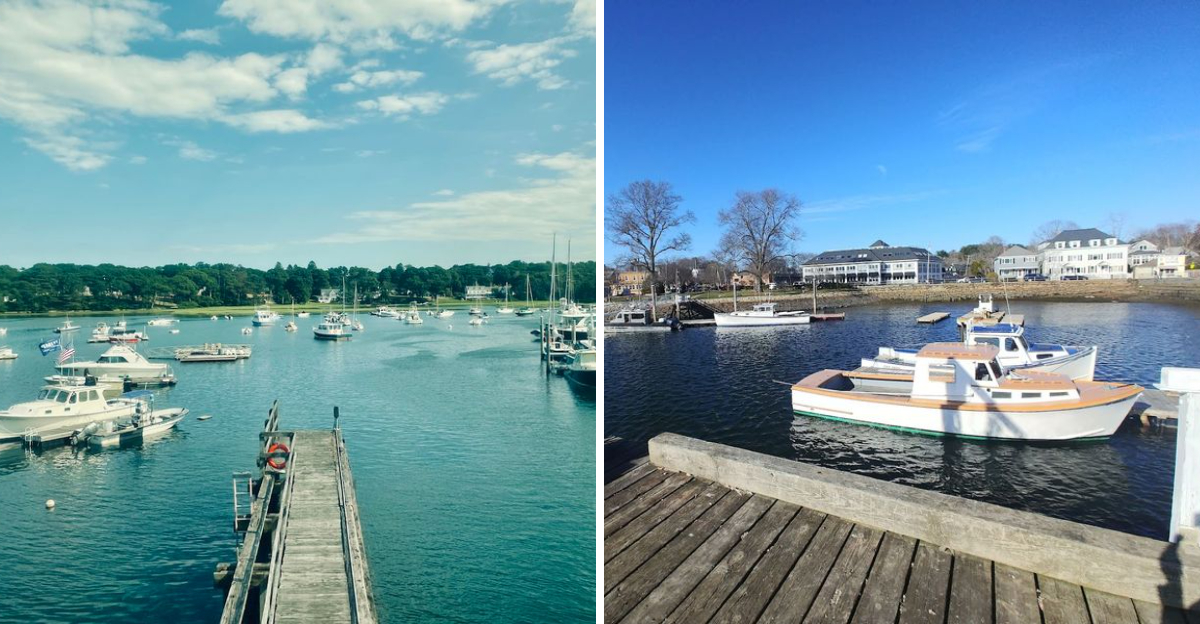
Some coastal towns look pretty in photos.
This one makes you wonder who arranged the whole scene so perfectly. In Massachusetts, this seaside escape has the kind of charm that feels almost illustrated.
Think harbor views, historic homes, salty air, quiet lanes, and beaches that make a simple walk feel like the best part of the day.
It is polished without feeling flashy. Peaceful without feeling sleepy.
Spring and summer bring a softer kind of magic here, with flowers near old houses, boats resting on the water, and ocean views that seem made for slow afternoons. You do not need a packed schedule to enjoy it.
A stroll, a scenic stop, and a little time by the shore are enough.
For anyone craving a coastal getaway with storybook looks and postcard-worthy views, this Massachusetts town makes a very strong case.
Singing Beach And Its Unforgettable Sound

Most beaches offer sand, surf, and sunburn. Singing Beach offers something harder to explain.
When you walk across the fine, dry grains here, they produce a soft, musical squeak beneath your feet, a phenomenon that has fascinated visitors since the 19th century.
The science behind it involves the uniform size and shape of the quartz grains, which vibrate at a specific frequency when compressed. Only a handful of beaches worldwide share this quirk.
Singing Beach sits on the northern side of the town, at the end of Beach Street, and is easily reached by the MBTA commuter rail from Boston’s North Station.
Offshore, two small islands frame the view in a way that genuinely looks composed by a painter. The water is clean and cold, the kind that makes you gasp and then laugh.
Summer weekends draw crowds, so arriving early on a weekday rewards you with the beach almost entirely to yourself.
Bring a towel, wear comfortable shoes for the short walk from the train station, and prepare to explain the squeaking sand to every person nearby who hears it for the first time.
Manchester Harbor And Its Maritime Soul

There is a particular kind of satisfaction in watching a harbor go about its daily business.
Lobster boats head out before most people have finished their coffee, sailboats drift back in by late afternoon, and the whole choreography repeats itself with a quiet, reliable rhythm.
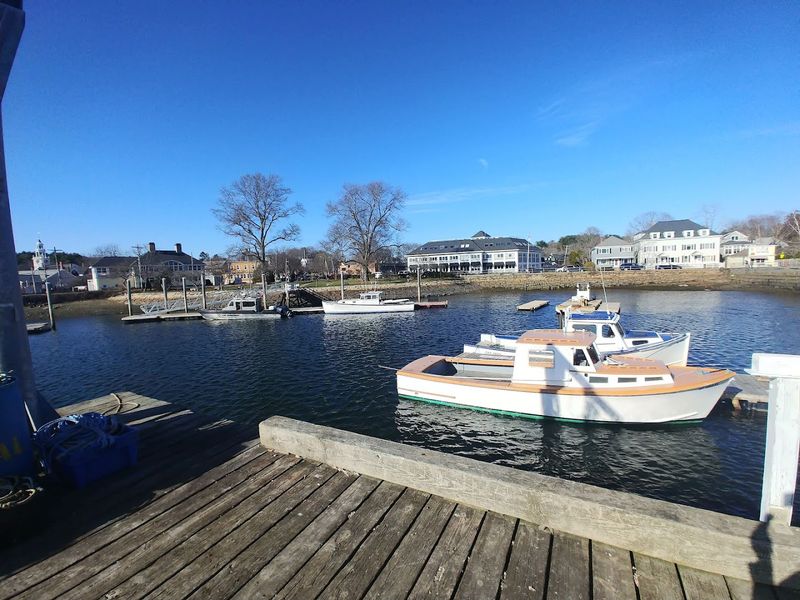
Manchester Harbor carries that same steady energy. The waterfront is unpretentious and genuinely working, not a sanitized marina built for Instagram.
You will find real fishing vessels alongside weekend sailboats, and the smell of salt and rope and low tide is honest and present throughout the morning hours.
The harbor sits at the heart of town and is best appreciated from the surrounding green spaces, where benches invite you to sit for longer than you planned.
Kayakers and paddleboarders make use of the calm inner waters during summer, and local sailing clubs run programs throughout the warmer months.
For those interested in a closer look, short boat tours are available seasonally.
The harbor area connects naturally to Masconomo Park, making it easy to spend an entire afternoon moving between water views, open lawns, and the gentle activity of a town.
Masconomo Park And The Gazebo By The Water
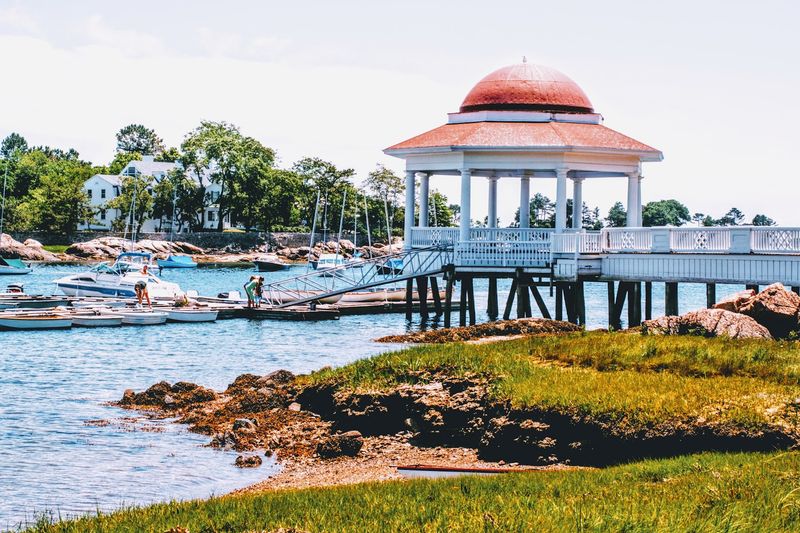
A well-placed park can define a town’s entire personality. Masconomo Park does exactly that for Manchester-by-the-Sea.
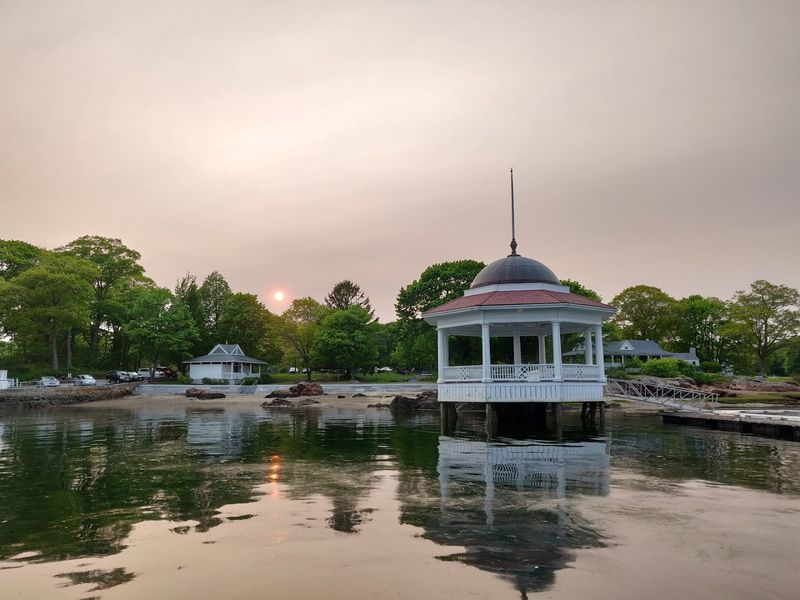
Stretching along the harbor’s edge with open lawns, mature trees, and a white gazebo that looks like it belongs on a greeting card, the park serves as the town’s communal living room.
Summer concerts are held at the gazebo on warm evenings, drawing locals with folding chairs and coolers, children running across the grass while their parents settle in for an hour of live music.
It is the kind of scene that makes you feel like you have stumbled into a simpler version of American life, one that still exists if you know where to look.
The park also features a playground and open space for picnics, and the views of the harbor from the lawn are unobstructed and generous. Lobster boats visible from the grass add a working-waterfront authenticity that polished resort towns rarely manage.
Masconomo Park is located along Harbor Street and is free to access year-round.
Even in the off-season, a walk through on a crisp October morning, when the leaves are turning and the harbor is quiet, offers a version of this place that feels genuinely private and rewarding.
Tuck’s Point And Its Rotunda Views
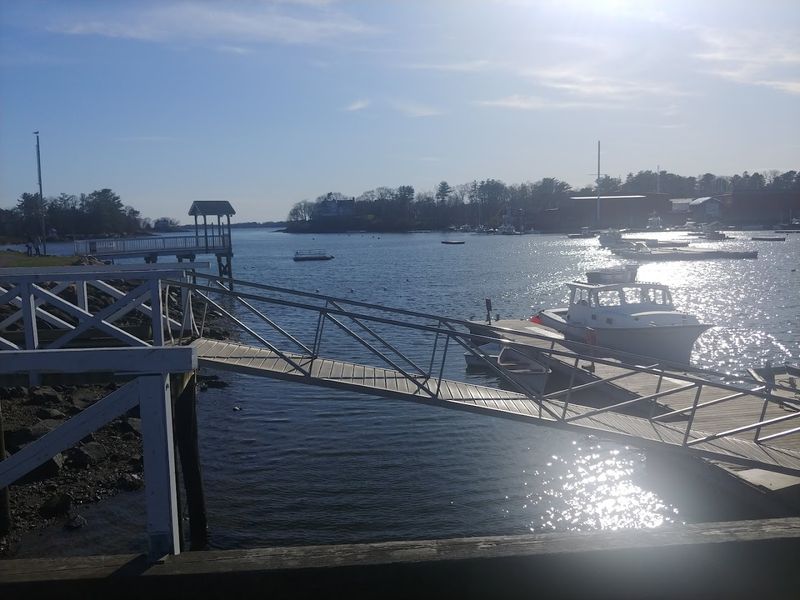
Tuck’s Point has the kind of view that makes people stop mid-sentence.
The white-railed rotunda standing at the tip of the point looks out over the harbor entrance and the open Atlantic beyond, framing the scene in a way that feels almost architectural.
The point itself is a short walk from the town center and functions as a public gathering space where locals come to fish off the pier or watch boats navigate the harbor mouth. It is not a destination that demands a long visit, but most people end up staying longer than they intended.
Sunrise at Tuck’s Point is particularly striking. The light comes in low and golden over the water, and on calm mornings the harbor surface reflects it in long, wavering lines.
Photographers find the rotunda a reliable compositional anchor, and it appears in countless images of the town. The pier below is functional, used by local fishermen and the occasional kayaker launching for a morning paddle.
Tuck’s Point is located off Tucks Point Road and is accessible year-round, with parking nearby and a short, easy walk to the overlook.
The Charming Town Center Worth Every Slow Step
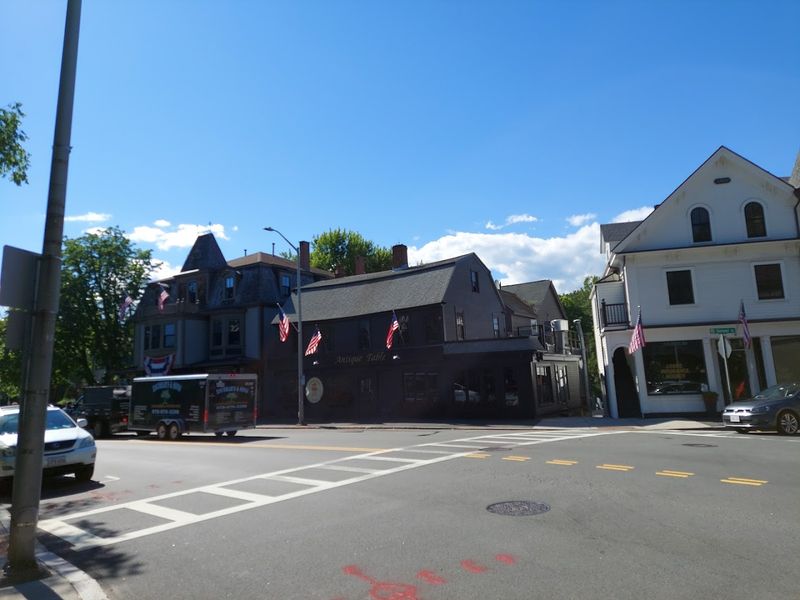
Walking through the center of Manchester-by-the-Sea feels like a version of small-town New England that has been thoughtfully preserved rather than artificially restored.
The streets are lined with mature trees, the storefronts are modest and local, and the pace of foot traffic encourages you to slow down and actually look at things.
Independent shops, a few good cafes, and a handful of boutiques occupy the historic buildings along the main commercial strip. Nothing feels corporate or chain-driven.
The bakeries smell the way bakeries should, the bookshop has a cat, and the hardware store has been in the same family for decades. These details accumulate into something that feels genuinely rare in contemporary American retail life.
The architecture throughout the downtown area reflects the town’s prosperous 19th-century history. Wide front porches, well-kept gardens, and Federal-style facades give the streets a composed, unhurried elegance.
The town center is best explored on foot, ideally on a weekday morning when the streets are calm and the light is good. Allow at least two hours to wander without purpose, which is really the only correct way to experience a place this well-proportioned.
Coolidge Reservation And The Ocean Lawn
The Coolidge Reservation is one of those places that rewards visitors who do not mind a bit of walking in exchange for an exceptional view.
This 67-acre coastal property sits on the western edge of the town and offers a network of trails leading through forest, along rocky bluffs, and out to its most celebrated feature: the Ocean Lawn.
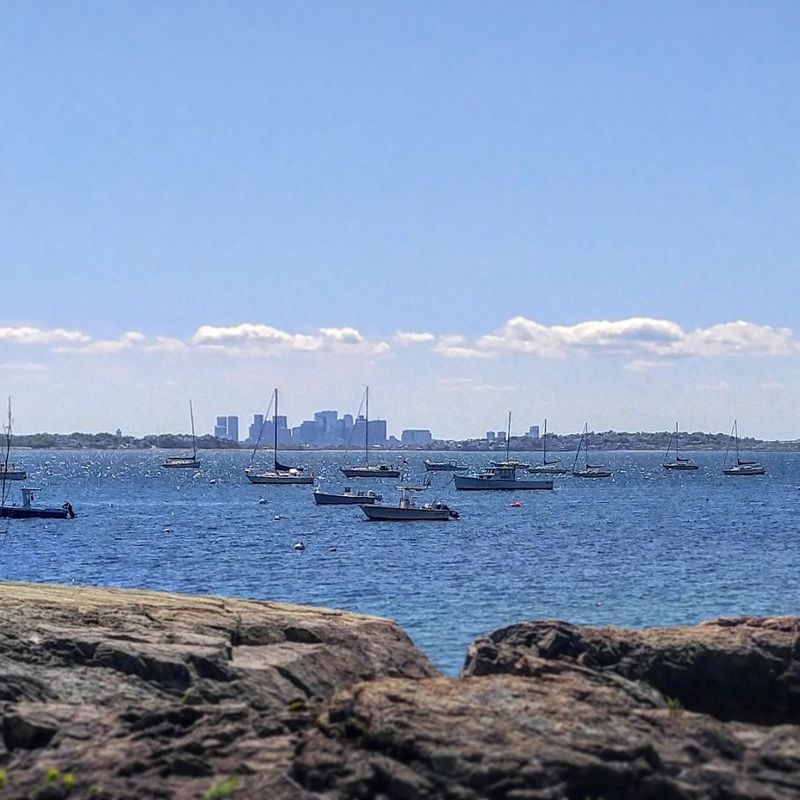
The Ocean Lawn is exactly what it sounds like. A broad, open expanse of grass meets the edge of a rocky coastline, and beyond it the Atlantic stretches to the horizon.
On clear days, the Boston skyline is faintly visible to the south, which gives the view an unexpected sense of scale. Photographers come specifically for this spot, and it is easy to understand why.
The reservation is accessible from Highland Street in Manchester-by-the-Sea and is open year-round. Trails are generally well-marked and suitable for casual walkers, though the rocky coastal sections require reasonable footwear.
The property also includes the restored Coolidge family home, which adds a layer of historical interest to the visit.
Autumn visits are particularly rewarding, when the foliage along the inland trails turns and the coastal light takes on the warm quality that makes New England fall photography so compelling.
Historic Architecture And The Summer Cottage Legacy
In the mid-19th century, wealthy Bostonians discovered Manchester-by-the-Sea and decided, collectively and with great enthusiasm, that it was the ideal place to spend a summer. They were not wrong.
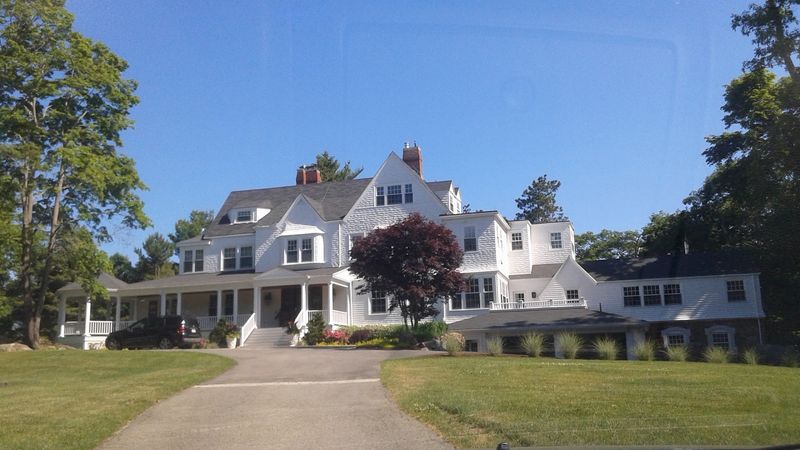
The result of their enthusiasm is a collection of grand summer estates that still line the roads leading away from the town center.
These homes, referred to locally as cottages with a degree of understatement that borders on comedy, range from large to genuinely enormous. Wide wraparound porches, ornate woodwork, and carefully maintained gardens characterize the best examples.
Many remain in private hands, but their presence along roads like Masconomo Street and Summer Street makes a driving tour of the residential neighborhoods genuinely worthwhile.
The architectural variety is broader than you might expect.
Federal, Greek Revival, Shingle Style, and Queen Anne influences appear across different blocks, reflecting the changing tastes of successive generations of summer residents.
This layered history gives the town a visual depth that newer resort communities simply cannot replicate.
Local historical walking tour maps are sometimes available at the town library.
Also, the Manchester Historical Museum offers exhibits that provide useful context for understanding how this architecture shaped the town’s identity over the past 150 years.
The MBTA Commuter Rail Connection To Boston
One of the more practical charms of Manchester-by-the-Sea is how easy it is to reach without a car. The town sits on the MBTA Newburyport/Rockport commuter rail line, and direct trains from Boston’s North Station make the trip in roughly 45 to 55 minutes, depending on the service.
For a day trip from the city, this is an unusually convenient arrangement.
The Manchester-by-the-Sea station itself is a well-maintained stop that deposits you within a short walk of both the town center and Beach Street, which leads directly down to Singing Beach.
Arriving by train also means you step off directly into the town’s atmosphere rather than spending the first twenty minutes hunting for parking.
Trains run regularly throughout the day on weekdays and on weekends, with frequency increasing during peak summer months.
The ride north from Boston passes through several other attractive North Shore communities, making it possible to combine Manchester-by-the-Sea with a stop in Gloucester or Rockport.
Checking the MBTA schedule in advance is always sensible, particularly for the return trip on busy summer weekends when trains fill quickly. The accessibility by rail is one of the town’s most underappreciated practical advantages.
Cape Ann And The Broader North Shore Setting
Manchester-by-the-Sea does not exist in isolation.
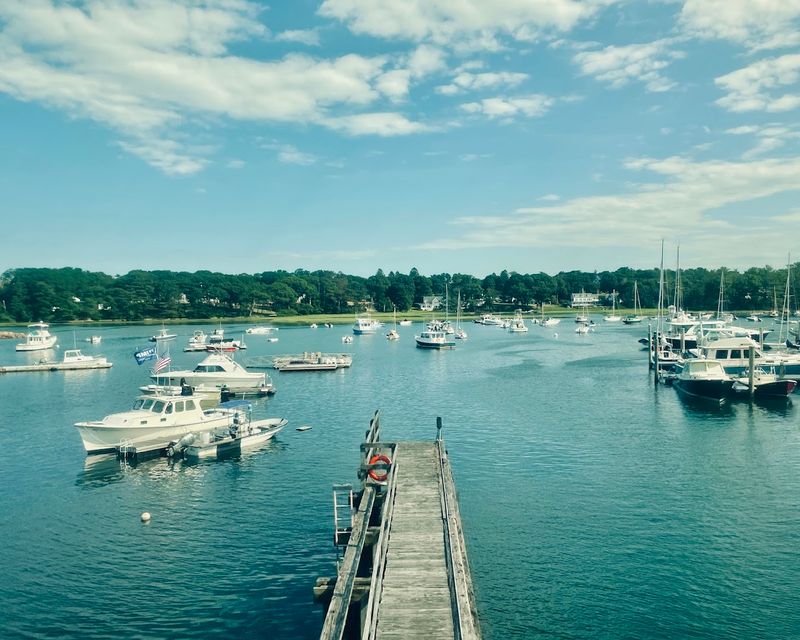
It sits on Cape Ann, a rocky peninsula that juts into the Atlantic north of Boston, and the broader geography of the cape shapes everything about the town’s character.
This includes its light, its weather, its relationship to the sea, and its sense of being slightly apart from the mainland in temperament as well as geography.
Cape Ann is shared with Gloucester, Rockport, and Essex, each town distinct in personality but unified by the same granite shoreline and the same quality of coastal light.
The Gloucester fishing industry, the Rockport artists’ colony, the Essex shipbuilding history: all of these add depth to a region that rewards exploration beyond any single stop.
Manchester-by-the-Sea occupies the southwestern corner of the cape, making it the first Cape Ann town encountered when approaching from Boston. This position gives it a slightly more refined, residential character compared to the working-port energy of Gloucester to the north.
The rocky coastline that defines Cape Ann’s edges is visible throughout the town.
The geology here is old and hard, and it gives the landscape a permanence that feels grounding in a way that sandy, flat coastlines rarely do.
Seasonal Rhythms And The Best Time To Visit
Every season in Manchester-by-the-Sea offers a genuinely different experience, and the town does not simply hibernate once summer ends.
July and August bring the fullest version of the place: beaches busy with swimmers, the harbor active with boats, the park concerts running, and the restaurants at capacity.
It is lively and social and very much worth experiencing, but it is also the period when the town is most crowded and parking most contested.
September and October represent a strong alternative.
The water stays swimmable well into September, the summer crowds thin considerably after Labor Day, and the fall foliage along the inland roads adds a layer of color.
Accommodation prices drop, the town feels more local, and the quality of light in October on the New England coast is something that landscape photographers specifically plan trips around.
Spring arrives slowly but rewardingly on Cape Ann.
April and May bring longer days, blooming gardens along the historic residential streets, and the quiet satisfaction of having a beautiful place largely to yourself.
Winter visits suit those who appreciate solitude: the harbor is calm, the beaches are empty, and the town carries the particular stillness of a seasonal community at rest. Each version of Manchester-by-the-Sea is worth knowing.