
This Stunning Arboretum In Wisconsin Feels Like Stepping Into A Work Of Art
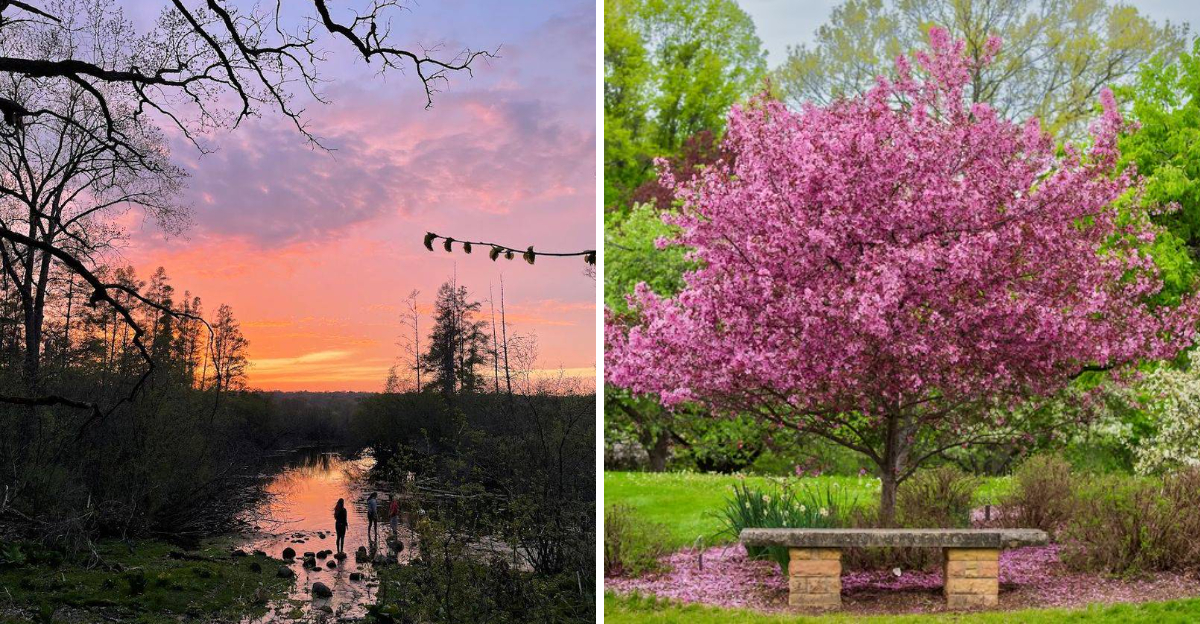
Madison holds a remarkable outdoor gallery that transforms with every season and sunrise. This arboretum stretches across 1,200 acres of carefully restored ecosystems, offering visitors a chance to walk through living history.
Colours shift with the seasons, light moves across the landscape in subtle ways, and no two walks feel exactly the same. There’s no rush, no entrance fee, and no single path to follow, just space to explore at your own rhythm.
It’s an environment that invites repeat visits, each one offering a slightly different view than the last.
A 1,200-Acre Landscape Filled With Diverse Natural Habitats
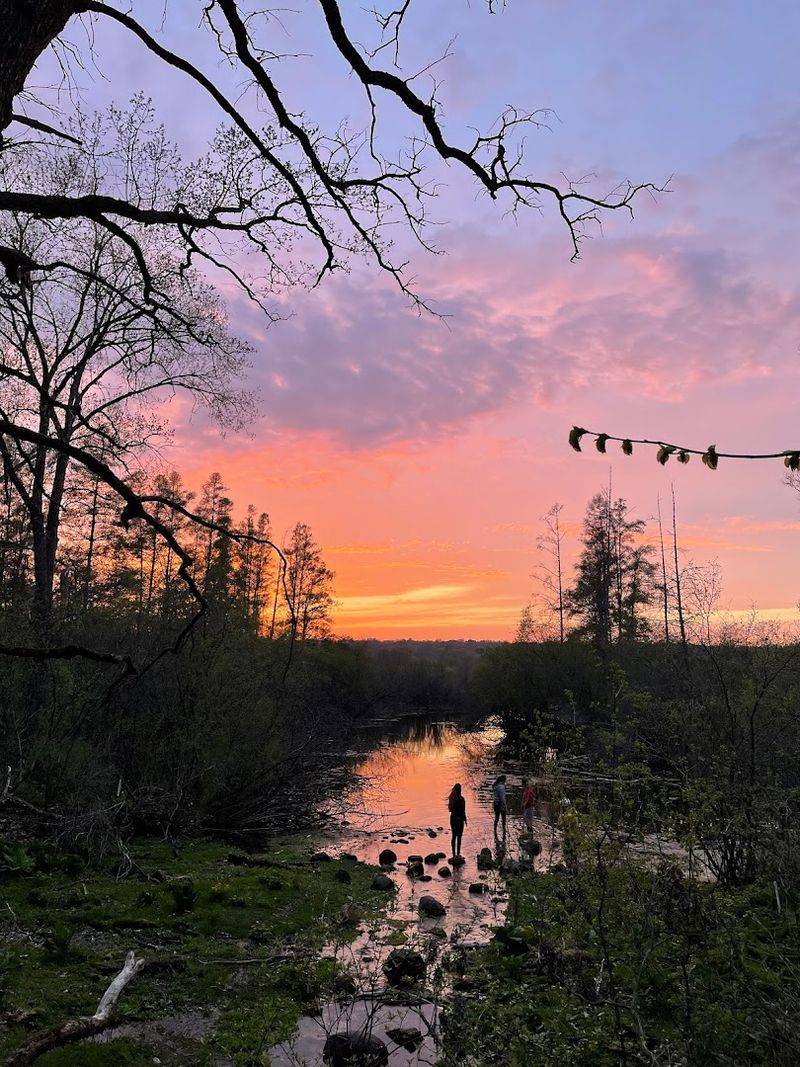
Spread across more than a thousand acres, the University of Wisconsin–Madison Arboretum offers a rare chance to experience multiple ecosystems without traveling far. Visitors find themselves moving from open grasslands into dense forests within minutes.
The property includes carefully maintained prairies, wetlands that hum with life, and woodlands that provide shade on warm afternoons.
Located at 1207 Seminole Highway, the arboretum opens its grounds from four in the morning until ten at night every day of the week. This generous schedule allows early risers to catch morning mist over the wetlands and evening visitors to enjoy sunset walks through the prairies.
The sheer size means you can return multiple times and still discover new corners.
Each habitat supports different wildlife populations, from deer wandering through wooded areas to turkeys foraging near the crabapple groves. The diversity creates visual interest throughout every season, ensuring no two visits feel identical.
Home To One Of The World’s Oldest Restored Prairies
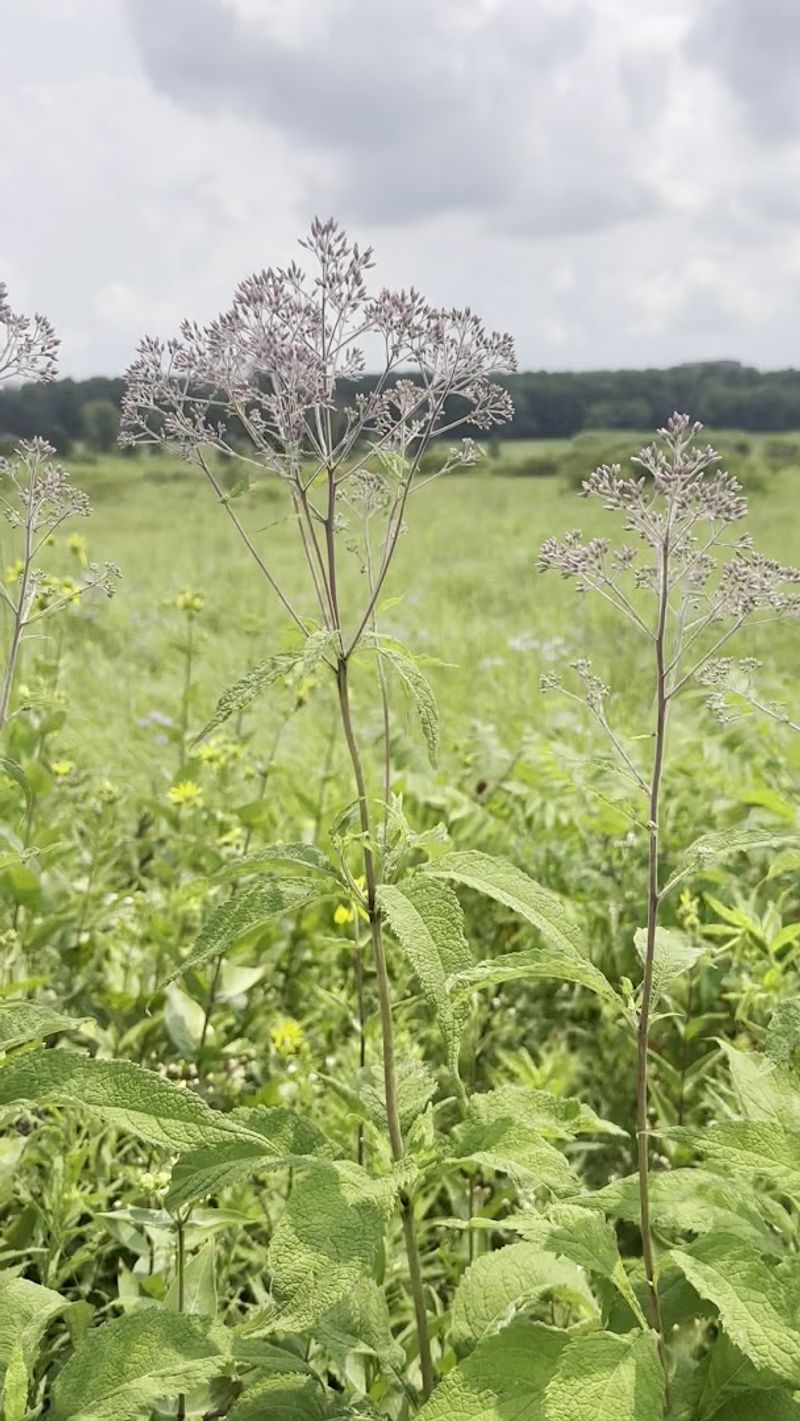
Curtis Prairie represents a groundbreaking achievement in ecological restoration, established in the 1930s as one of the first attempts to bring back native grasslands. Walking through this space feels like stepping back centuries, before settlement altered the landscape.
The restoration work continues today, maintaining plant communities that once covered much of the Midwest.
Wildflowers bloom in waves throughout the growing season, creating shifting palettes of color. Spring brings delicate blooms, summer explodes with vibrant yellows and purples, and fall turns the grasses into shades of amber and copper.
The prairie supports insects rarely seen elsewhere, including butterflies and dragonflies that depend on native plants.
Scientists from around the world study this prairie to understand restoration techniques and ecosystem dynamics. Visitors benefit from this research through interpretive signs and well-maintained trails that make the experience both educational and beautiful.
The success here inspired similar projects across continents.
Miles Of Scenic Trails That Invite You To Explore
Trail systems crisscross the arboretum, offering routes for quick strolls or extended hikes covering several miles. Clear signage at intersections helps visitors navigate confidently, even on first visits.
The paths vary in character, from wide gravel roads suitable for casual walking to narrower dirt trails that wind through dense vegetation.
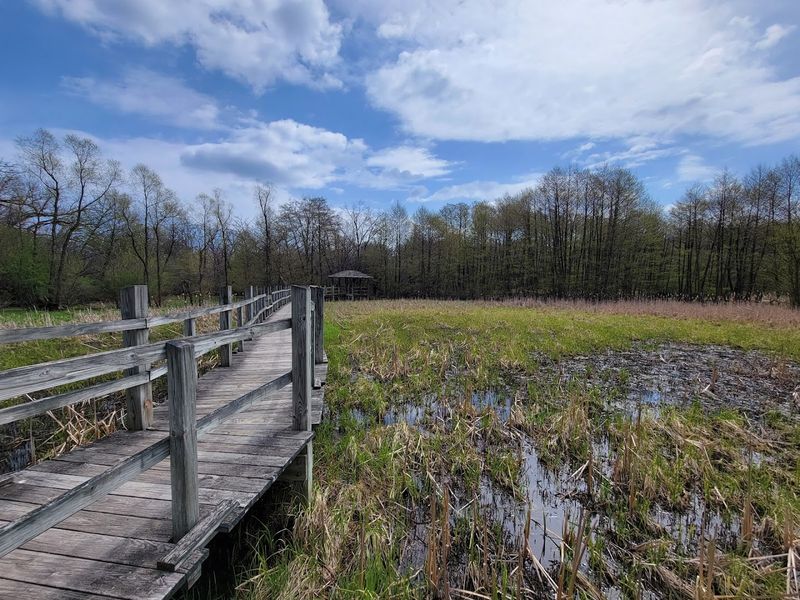
Maps available at the visitor center show different loops and connections, allowing people to customize their experience based on time and interest. Some trails follow wetland boardwalks, keeping feet dry while providing close views of aquatic habitats.
Others climb gentle hills through oak forests or traverse open prairies where views extend across rolling landscapes.
The well-maintained condition of these trails makes them accessible year-round. Winter visitors find them passable even with snow cover, while summer walkers appreciate the variety of shade and sun exposure.
Many people return regularly, establishing favorite routes while occasionally branching out to explore unfamiliar sections of the property.
A Mix Of Prairies, Woodlands, And Wetlands In One Place
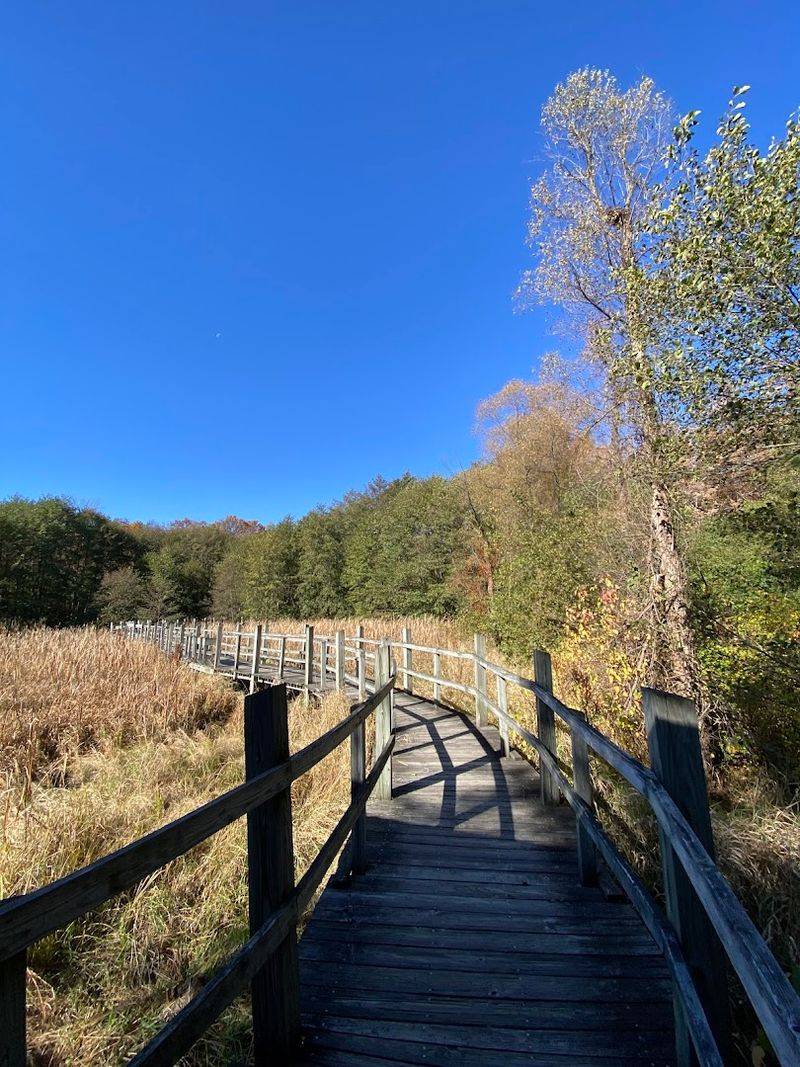
Few places compress such ecological variety into a single walkable area. The arboretum designers intentionally preserved and restored different habitat types, creating a living museum of regional ecosystems.
Visitors experience dramatic transitions as they move between zones, each supporting distinct plant and animal communities.
Wetlands occupy low-lying areas where water collects, supporting cattails, sedges, and aquatic wildlife. These spaces feel alive with bird calls and insect activity during warmer months.
Woodlands provide contrasting quiet, with mature trees filtering light and creating cooler microclimates underneath their canopy.
Prairie sections open up the landscape, offering long views and exposure to sky and weather. The variety means visitors can choose environments matching their mood or simply enjoy the contrasts as they walk.
Photographers particularly appreciate how different habitats create distinct backdrops within a short distance. This compressed diversity makes the arboretum valuable for both casual visitors and serious naturalists studying ecosystem relationships.
Seasonal Blooms That Change The Scenery Throughout The Year
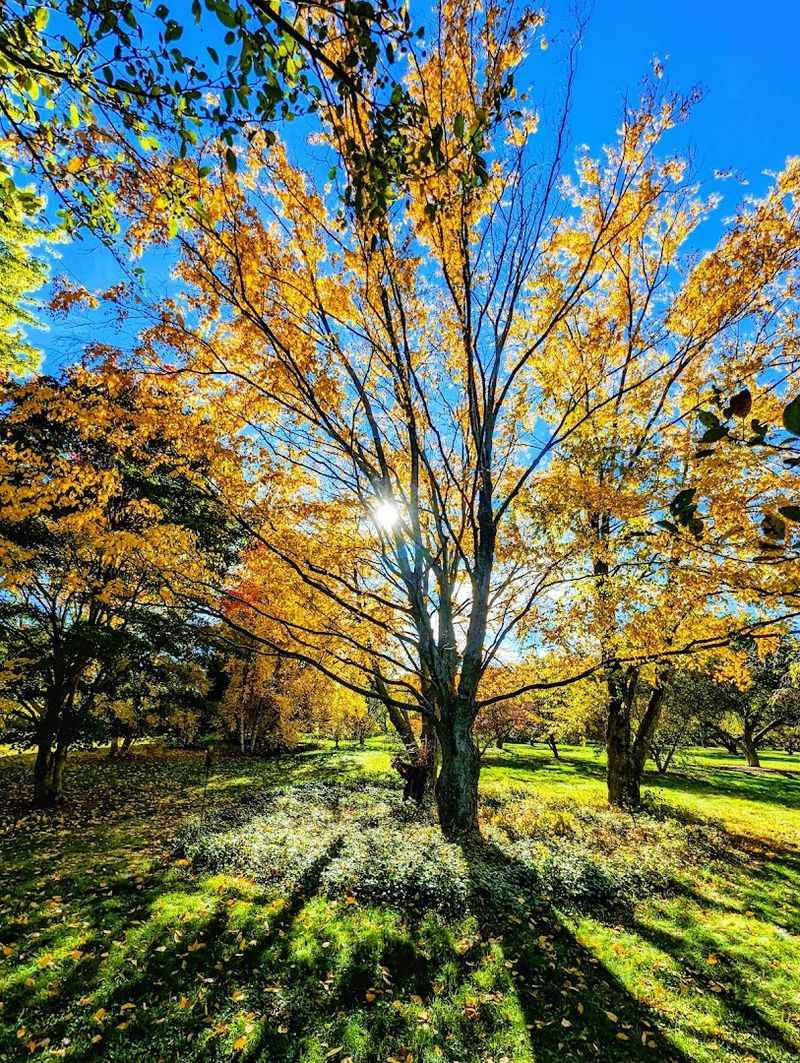
The arboretum never looks the same twice, thanks to plants that bloom on different schedules throughout the year. Spring arrives with magnolias creating clouds of pink and white blossoms that perfume the air.
These early flowers draw visitors eager for color after winter’s monochrome palette.
Summer brings prairie wildflowers into their glory, with black-eyed susans, coneflowers, and dozens of other species creating tapestries of yellow, purple, and orange. The intensity peaks in midsummer when pollinators fill the air.
Fall transforms the landscape again as trees display brilliant foliage and prairie grasses turn golden.
Even winter offers visual interest, with seed heads standing above snow and evergreens providing structure. The continuous change encourages repeat visits, as each season reveals different aspects of the landscape.
Many regular visitors develop favorite times to visit, though newcomers often find beauty regardless of when they arrive. This seasonal variety keeps the arboretum feeling fresh and dynamic year after year.
A Historic Site Known For Ecological Restoration Work
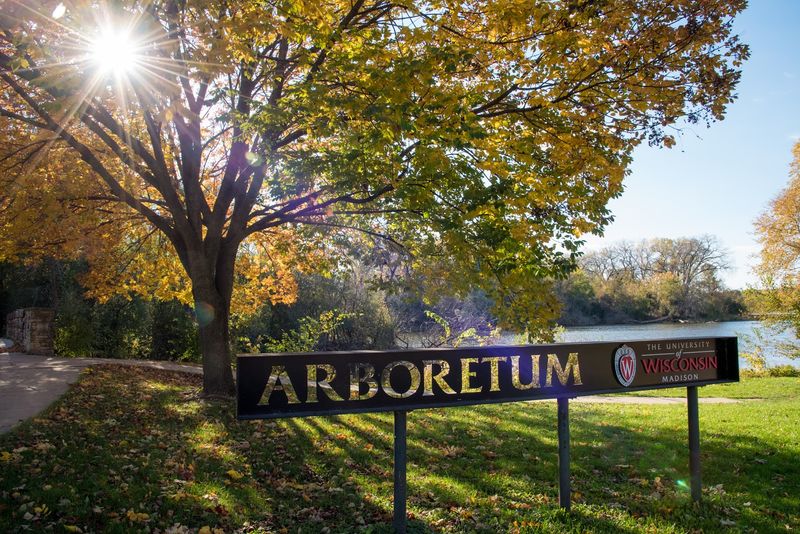
Pioneering restoration efforts began here during the 1930s, establishing methods still used worldwide today. Scientists and conservationists recognized that simply protecting land was not enough; active restoration could bring back lost ecosystems.
The arboretum became a testing ground for techniques like controlled burns, native seed collection, and invasive species management.
This work attracted researchers and students who wanted to learn restoration ecology firsthand. The knowledge gained here spread to other projects across North America and beyond.
Today, the arboretum continues serving as both a research site and a demonstration of what careful stewardship can accomplish.
Visitors walk through landscapes that represent decades of accumulated knowledge and effort. The success visible in healthy prairies and diverse forests validates the restoration approach.
Interpretive materials explain this history, helping people understand that natural-looking landscapes often require ongoing human intervention. The arboretum proves that damaged ecosystems can recover when given proper attention and scientific guidance.
Gardens Featuring A Wide Variety Of Trees And Plants
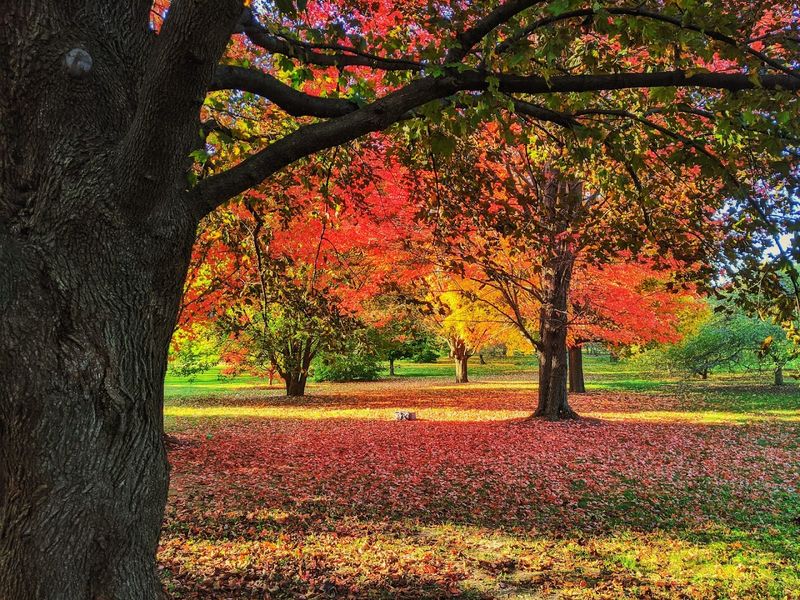
Beyond the restored natural areas, cultivated gardens showcase trees and plants from around the world. These collections serve both aesthetic and educational purposes, displaying species that thrive in Wisconsin’s climate.
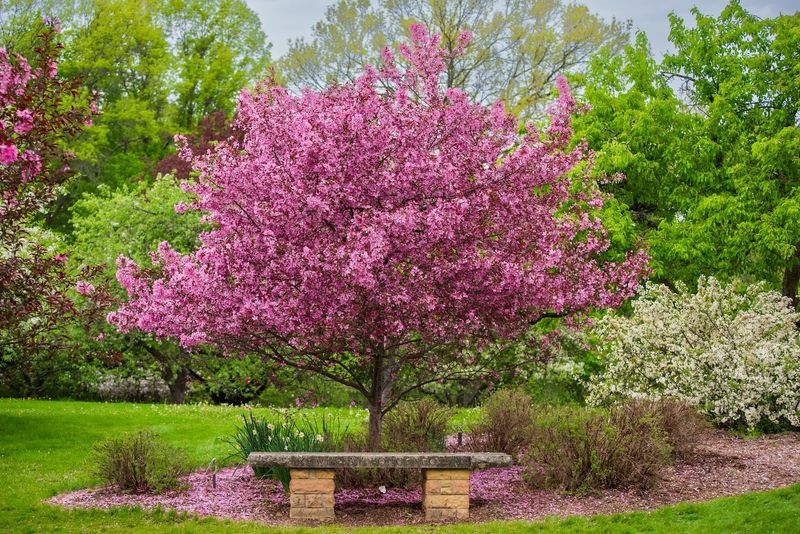
The crabapple collection alone includes numerous varieties, creating spectacular spring displays when blossoms open.
Mature specimen trees provide focal points throughout the grounds, including rare species not commonly seen in typical landscapes. Labels identify plants for visitors interested in learning names and origins.
The gardens change character with seasons, offering spring bulbs, summer perennials, fall color, and winter structure.
These cultivated areas complement rather than compete with the natural habitats, providing different experiences within the same visit. Gardeners find inspiration in plant combinations and selection, while casual visitors simply enjoy the beauty.
The variety demonstrates how many species can coexist in thoughtfully designed spaces. Walking through these gardens feels like browsing a living encyclopedia of plants suited to the upper Midwest climate zone.
Peaceful Water Features That Add To The Scenic Setting
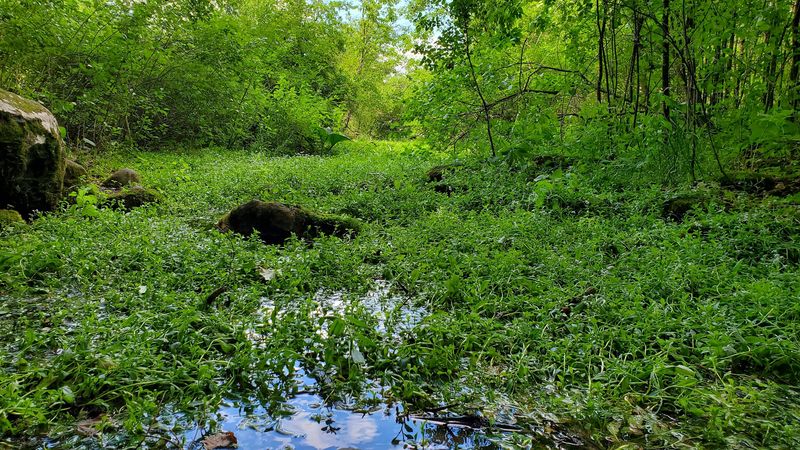
Water adds another dimension to the arboretum experience, from small ponds reflecting sky and vegetation to wetlands buzzing with dragonflies. Lake Wingra borders part of the property, offering shoreline access and sunset views that draw photographers and contemplative visitors.
The water features support aquatic ecosystems distinct from surrounding land habitats.
Boardwalks extend over wetland areas, allowing close observation without disturbing sensitive environments. These elevated paths provide unique perspectives on aquatic plants and the creatures living among them.
Turtles sun on logs, herons hunt in shallow water, and frogs call from hidden spots.
The presence of water creates microclimates that moderate temperature and humidity, making certain areas feel cooler on hot days. It also attracts wildlife that requires aquatic habitats for breeding or feeding.
Visitors often pause at water features, finding the combination of liquid movement and natural surroundings particularly calming. These spots become favorite destinations for people seeking peaceful moments away from urban noise.
A Space Designed For Both Research And Public Enjoyment
The arboretum successfully balances scientific work with public access, serving university research needs while welcoming thousands of visitors annually. Students conduct field studies in various habitats, collecting data on plant succession, wildlife populations, and ecosystem processes.
This research continues informing conservation practices worldwide.
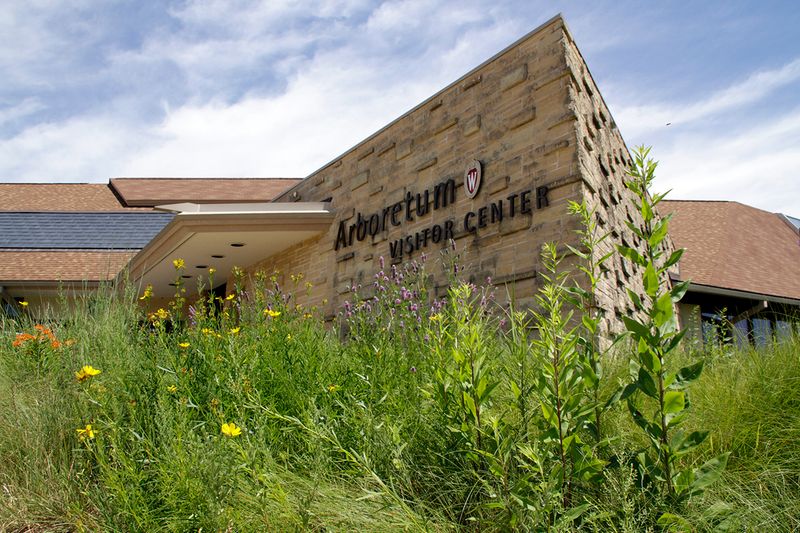
Public programs include guided hikes, nature classes, and seasonal events that help people connect with the landscape. The visitor center provides resources, restrooms, and staff who answer questions and suggest trails.
Educational materials explain ongoing research without overwhelming casual visitors.
This dual purpose enriches both functions rather than creating conflict. Researchers benefit from protected study sites, while visitors experience landscapes managed with scientific rigor.
The combination demonstrates how conservation areas can serve multiple constituencies effectively. People leave understanding that the beauty they enjoy results from careful management informed by ecological science.
The arboretum model shows that research sites need not be closed to public appreciation.
Free Access That Makes It Easy To Visit Anytime
No admission fees or parking charges create barriers to visiting this remarkable resource. The arboretum remains accessible to everyone regardless of economic circumstances, fulfilling its mission as a public educational facility.
Gates open early and close late, accommodating different schedules and preferences.
This accessibility encourages regular visits rather than treating the arboretum as a special-occasion destination. Local residents incorporate walks into their weekly routines, while visitors from farther away can explore without budget concerns.
The policy reflects a commitment to public service and environmental education.
Free access also means families can visit repeatedly, helping children develop familiarity with natural environments. Students use the grounds for informal learning, and individuals seeking outdoor exercise find welcoming space.
The arboretum demonstrates that valuable experiences need not carry price tags. This approach has built a loyal community of regular visitors who appreciate both the landscape and the inclusive access policy that welcomes everyone through the gates.