
This Stunning Historic Mansion In Mississippi Is A Time Capsule Of Elegance And Grandeur Worth Visiting
Elegance has a permanent address in Mississippi and it has held that address for a very long time. This is a historic mansion with the kind of quiet authority that only genuine age and real craftsmanship produce.
Grand staircases, original furnishings, a hidden history and rooms that tell a story without needing anyone to narrate them. Mississippi history at this level is personal and specific in a way that textbooks rarely capture.
The state has a deep and layered past and places like this are exactly why that past deserves more than a passing glance. Every detail here was built to last and remarkably it did.
A time capsule this beautiful only works if people actually visit it. Make sure you are one of them and go soon.
A Mansion That Stops You In Your Tracks
Some buildings earn a second glance. Others earn a full stop, a dropped jaw, and a slow walk around the block just to take it all in.
The mansion at the center of this story is exactly that kind of place. Long before you reach the front door, the sheer scale of the structure commands your attention in a way that few historic homes can manage.
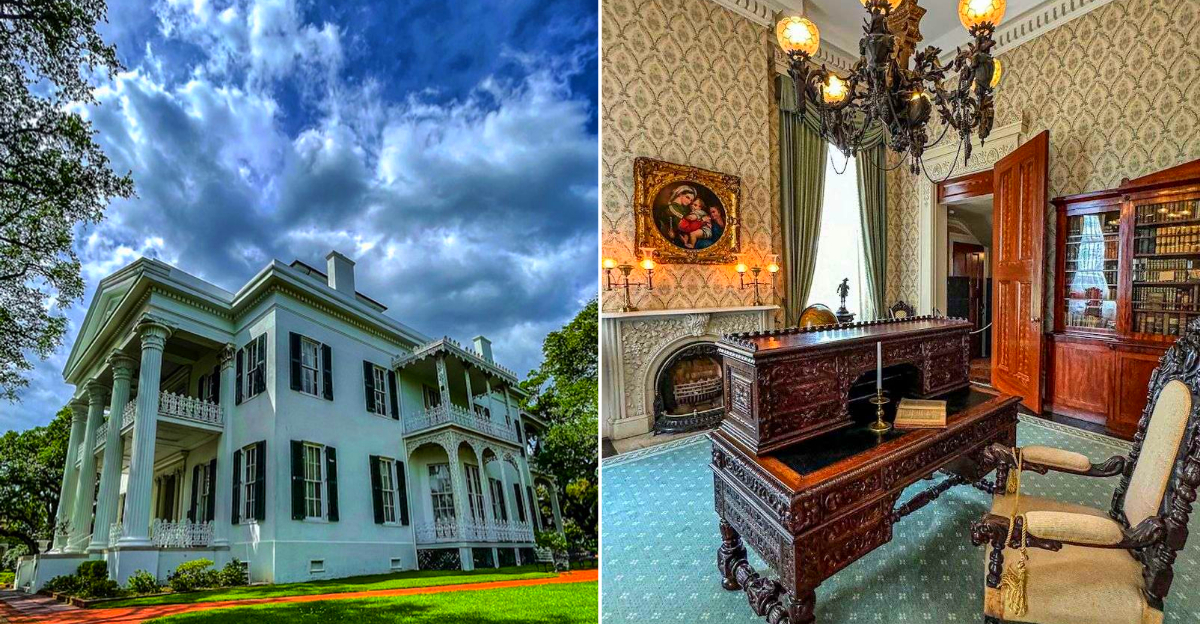
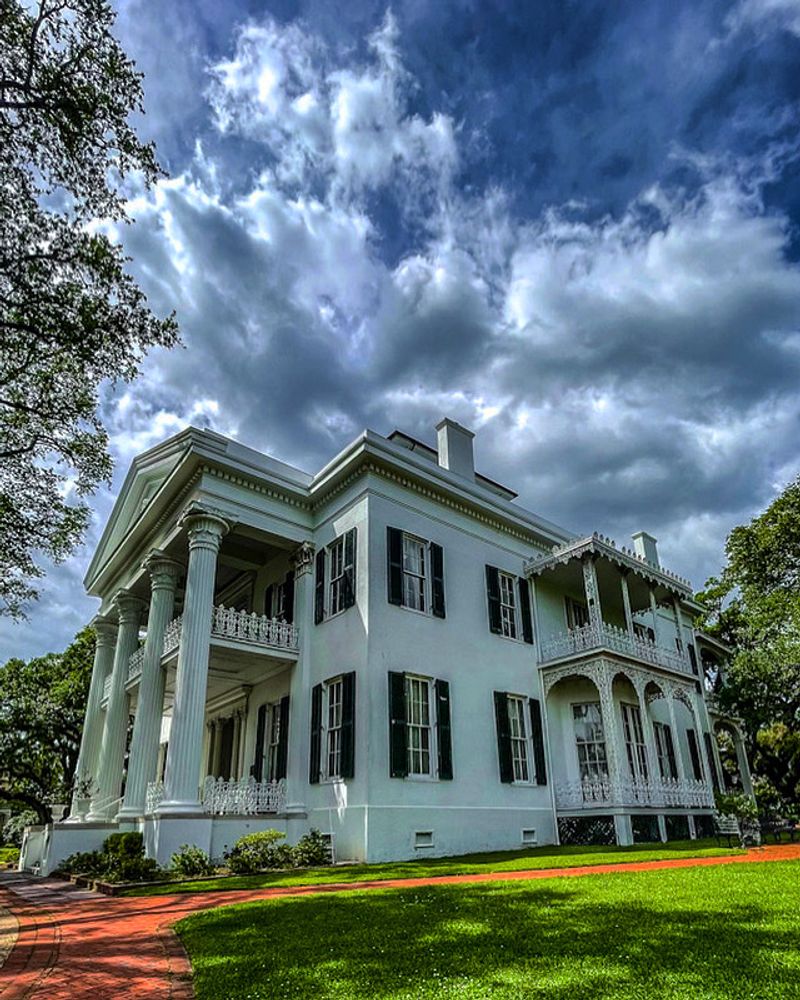
Occupying an entire two-acre city block, the mansion rises three stories high and stretches across the landscape with a quiet confidence that feels almost theatrical. The exterior is plastered and painted brilliant white, making it glow against the Mississippi sky on a sunny afternoon.
Four fluted cast-iron Corinthian columns frame the front entrance with the kind of grandeur usually reserved for government buildings.
At over 14,000 square feet, it was the largest completed antebellum townhouse in Natchez when it was finished. The proportions feel almost impossible to believe until you are standing right in front of them.
Greek Revival architecture rarely gets more impressive than this, and the building wears its age with tremendous dignity and poise.
Stanton Hall: The Crown Jewel Of Natchez
Frederick Stanton had a vision, and he spared absolutely no expense bringing it to life. Born in Ireland, Stanton was a wealthy cotton merchant and physician who chose Natchez as the stage for his grandest ambition.
Construction began in 1851 and was completed in 1857, with the total cost reaching approximately $83,000, an astonishing sum for the era.
He originally named the property Belfast, a nod to his Irish homeland. Today the world knows it as Stanton Hall, found at 401 High St, Natchez, MS 39120, and it carries a reputation that stretches far beyond the Mississippi River.
The mansion was designed by Thomas Rose, a local English immigrant builder whose craftsmanship is visible in every carved detail and measured proportion throughout the structure.
Frederick Stanton lived in the home for only nine months before he passed away from yellow fever. Despite that brief chapter, his legacy endured in the form of one of the most celebrated historic landmarks in the American South.
Declared a National Historic Landmark in 1974, Stanton Hall is also recognized as a Mississippi Landmark and sits within the Natchez On-Top-of-the-Hill Historic District.
Columns That Could Make An Architect Weep
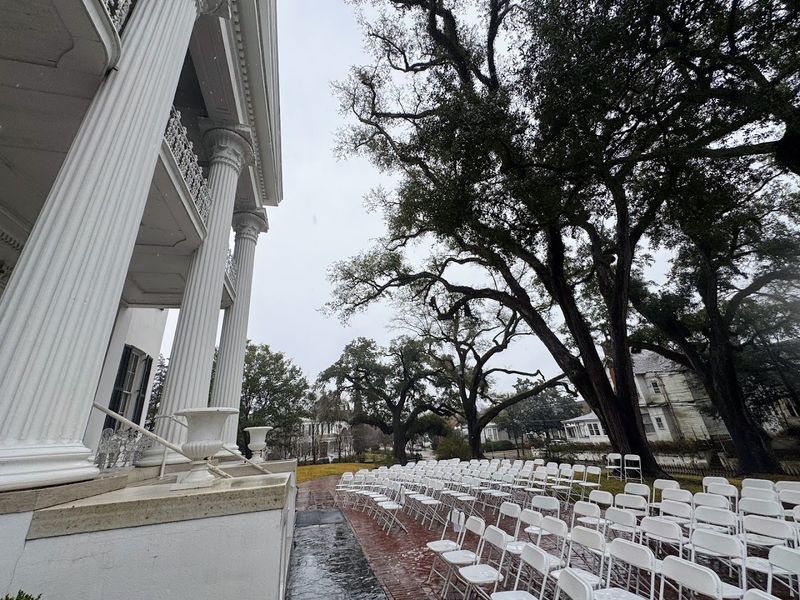
Architecture enthusiasts, prepare yourself. The front portico of Stanton Hall features a two-story Greek temple design with four fluted cast-iron Corinthian columns that rise with breathtaking authority.
The Corinthian order is the most ornate of the classical column styles, and these examples were crafted with exceptional care and precision.
The symmetrical proportions of the building follow Greek Revival principles faithfully, creating a sense of visual harmony that is immediately satisfying to the eye. Every element, from the column capitals to the window placements, feels considered and deliberate.
Nothing here was done halfway or left to chance.
Standing beneath those columns and looking up is one of those rare architectural moments that genuinely stops your thoughts. The scale is humbling without being oppressive, and the craftsmanship reminds you of a time when builders took enormous pride in their work.
The columns are not merely decorative. They carry the weight of history, the ambitions of their builder, and the admiration of every visitor who has passed beneath them over the last century and a half.
Ceilings So High They Deserve Their Own Address
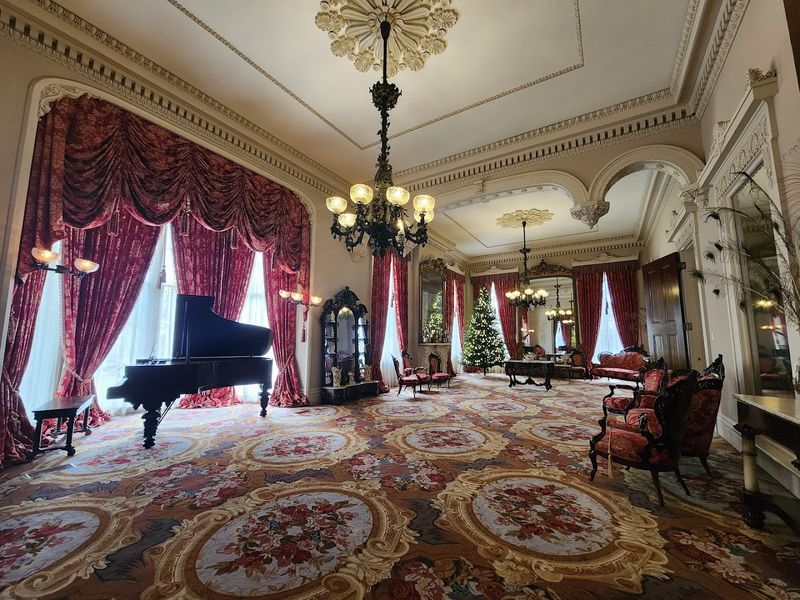
Most people are used to ceilings that hover around eight or nine feet above their heads. At Stanton Hall, the main floor ceilings reach a jaw-dropping seventeen feet high, which changes the entire feeling of being inside a room.
The air feels different. The light moves differently.
Even your voice sounds different when the ceiling is that far above you.
The doors on the main floors stand ten feet tall, which means a standard-sized person barely reaches the middle of the door frame. Every room feels like a formal occasion, like the architecture itself is reminding you to stand up straight and pay attention.
The hallway features ornate egg and dart molding that runs over ten inches deep, a level of decorative detail that is rarely seen in residential buildings of any era.
The craftsmanship behind every molded ceiling panel and carved cornice represents countless hours of skilled labor. Plasterers and artisans worked with extraordinary precision to achieve the finished effect.
Walking through these rooms gives you a genuine appreciation for the kind of patience and skill that built the world before power tools and prefabricated parts made everything faster but considerably less interesting.
Marble, Mirrors, And Pure Old-World Glamour
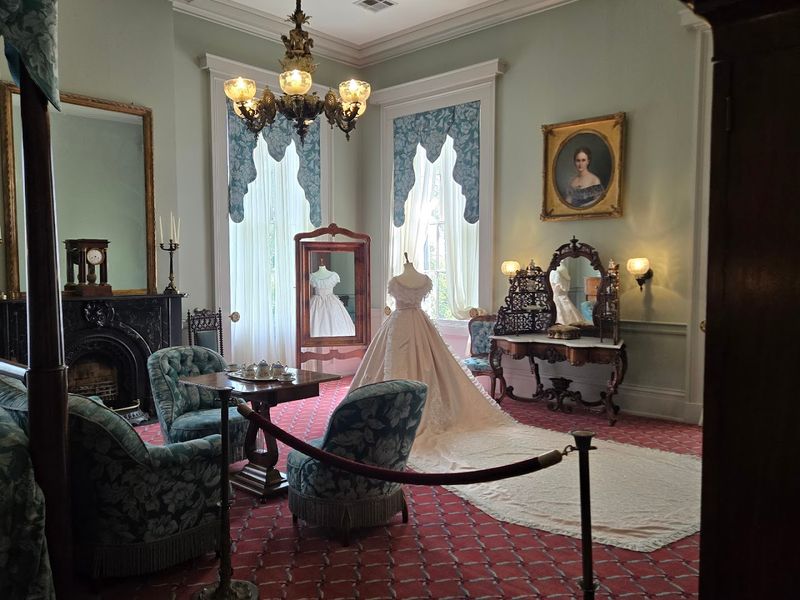
Carrara marble is the same material Michelangelo used for his sculptures, and Stanton Hall has it carved into fireplace mantels throughout the house. Each mantel is a unique work of art, shaped by skilled hands into flowing forms that anchor every room with quiet authority.
The marble alone would make the home worth visiting, but it is just the beginning of what awaits inside.
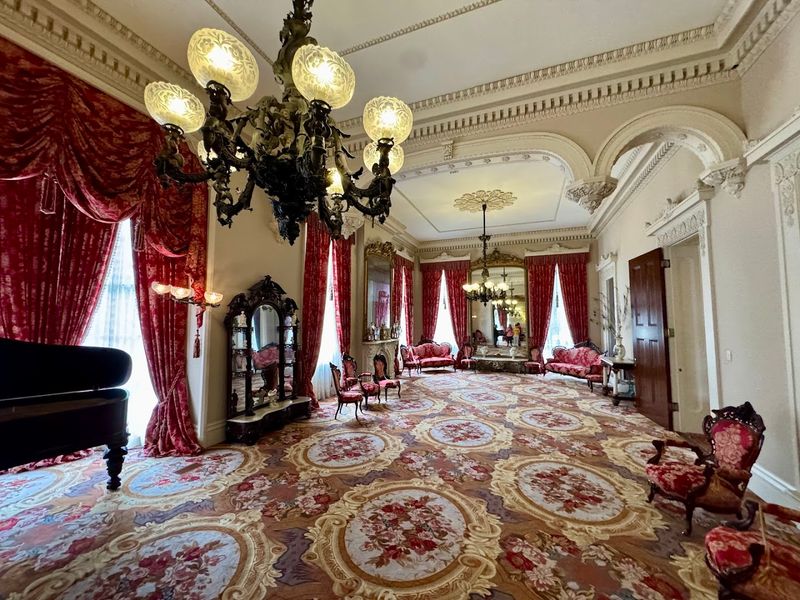
Tall pier mirrors line the walls between windows, reflecting light and space in ways that make the already enormous rooms feel even more expansive. French chandeliers cast in bronze hang from the lofty ceilings, and the hardware throughout the house is Sheffield silver.
The double parlors and dining room feature Cornelius and Baker chandeliers, among the finest American-made lighting fixtures of the 19th century.
About ninety percent of the furnishings inside are original to the home or authentic period pieces, which makes the experience feel remarkably genuine. You are not looking at reproductions or approximations.
You are looking at the real thing, placed in the rooms where such objects actually belonged. That authenticity gives every room a weight and a warmth that no replica could ever convincingly replicate.
The Guided Tour That Actually Teaches You Something
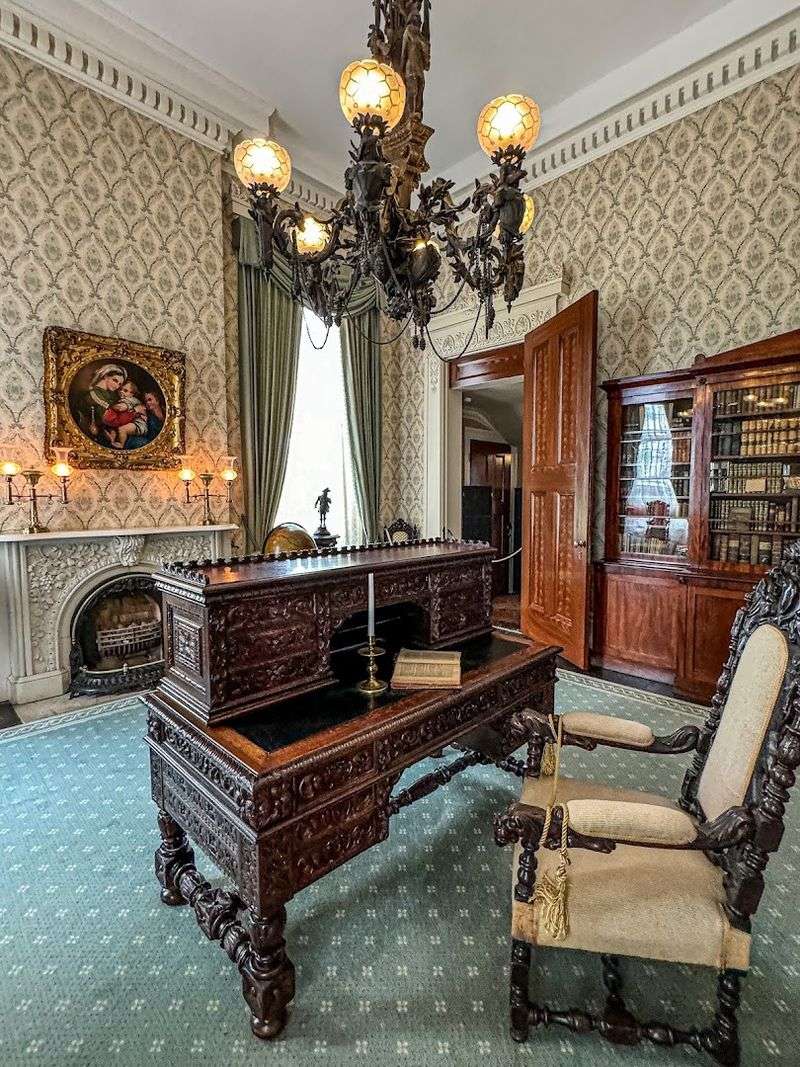
Guided tours at Stanton Hall run every thirty minutes during operating hours, which are Tuesday through Sunday from 9 AM to 4 PM. The pace is relaxed and the format is conversational, meaning you can ask questions and get real answers rather than a rehearsed script delivered to the middle distance.
The guides here genuinely know their material.
Each guide brings a different personality and focus to the tour, but the depth of knowledge remains consistently impressive. Some guides have backgrounds in fine arts or interior design, which adds layers of context to what you are seeing.
One tour might include an impromptu piano performance in the parlor using a period instrument. Another might focus heavily on the provenance of specific furniture pieces and how they made their way back to the home after decades away.
Tickets are purchased at the gift shop before the tour begins. The grounds are free to explore on your own, and a restaurant nearby makes it easy to extend your visit into a proper afternoon outing.
The Pilgrimage Garden Club has maintained the property since 1940, and their commitment to preservation and quality interpretation shows in every aspect of the visitor experience.
A History That Reads Like A Novel
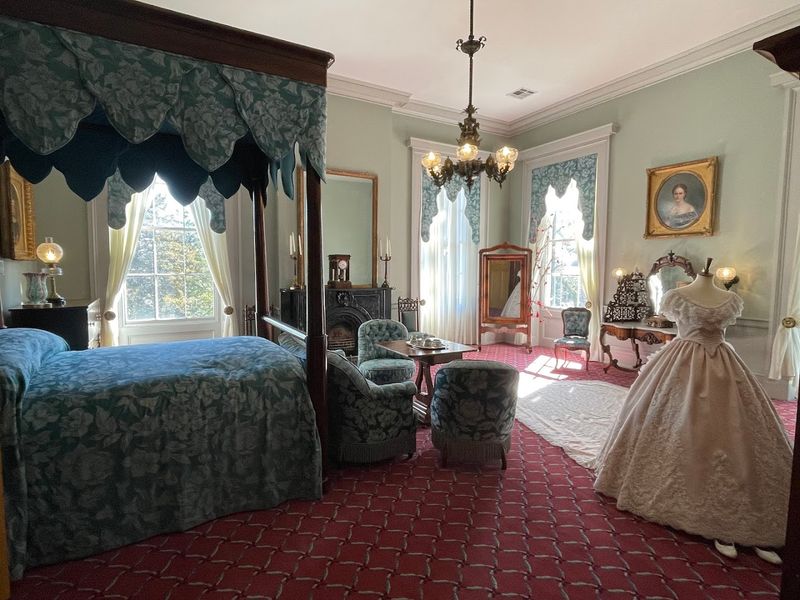
Frederick Stanton built his dream home and lived in it for less than a year before yellow fever claimed him in 1859. The mansion then passed through various hands and witnessed the upheaval of the Civil War firsthand.
Federal troops occupied Natchez, and Stanton Hall served as a Union headquarters during that turbulent period.
The antebellum decades brought significant change to the property. By 1890 the mansion had been transformed into Stanton College for Young Ladies, which is when the name officially shifted from Belfast to Stanton Hall.
The college gave the building a new chapter and a new purpose, filling those grand rooms with the energy of education rather than the stillness of a private residence.
The Pilgrimage Garden Club of Natchez acquired the property in 1940 and began the careful work of restoration and preservation that continues today. Through generous donors, many of them descendants of the original owner, the mansion was gradually refurnished with authentic period pieces.
The result is a home that feels genuinely inhabited by history rather than simply curated for display. Every object, every room, and every surface carries a story worth hearing.
The Inspiration Behind A Famous Haunted Attraction
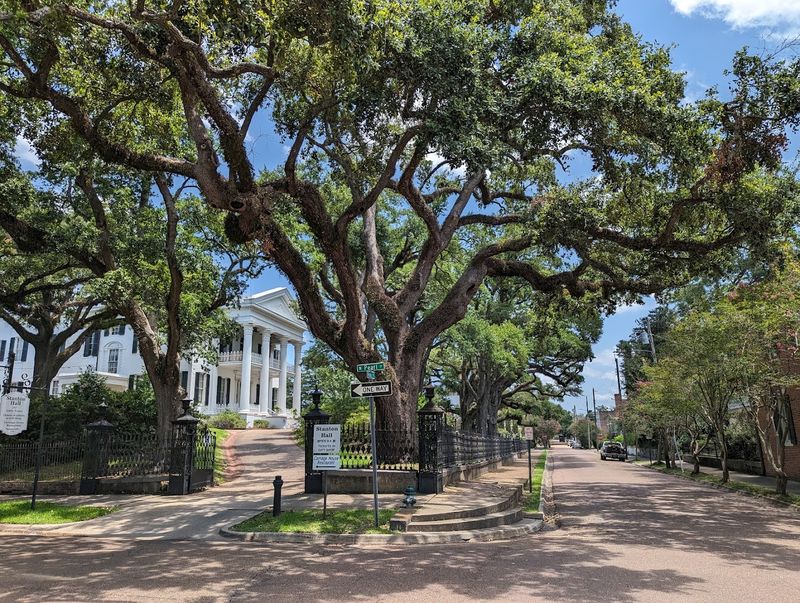
Here is a fun fact that tends to make visitors do a genuine double-take. Stanton Hall is widely said to have provided creative inspiration for the Haunted Mansion attraction at Disneyland.
The connection between a pristine white antebellum mansion and one of the most beloved theme park rides in history is not immediately obvious, but once you know it, you start to see the architectural echoes everywhere.
The grand columns, the imposing scale, the formal symmetry of the facade, and the sense that something extraordinary is happening just beyond the front door are all qualities that the two structures share in spirit.
Disney’s Imagineers drew from Southern plantation architecture when designing the attraction, and Stanton Hall stood as one of the most iconic examples of that style available for reference.
Knowing this adds a playful dimension to the visit without diminishing the historical gravity of the place. You can appreciate the mansion as a serious landmark and still allow yourself a quiet smile at the idea that it helped inspire millions of theme park visitors to line up for a ride through the supernatural.
History and pop culture rarely shake hands so entertainingly.
Gardens And Grounds Worth A Slow Stroll
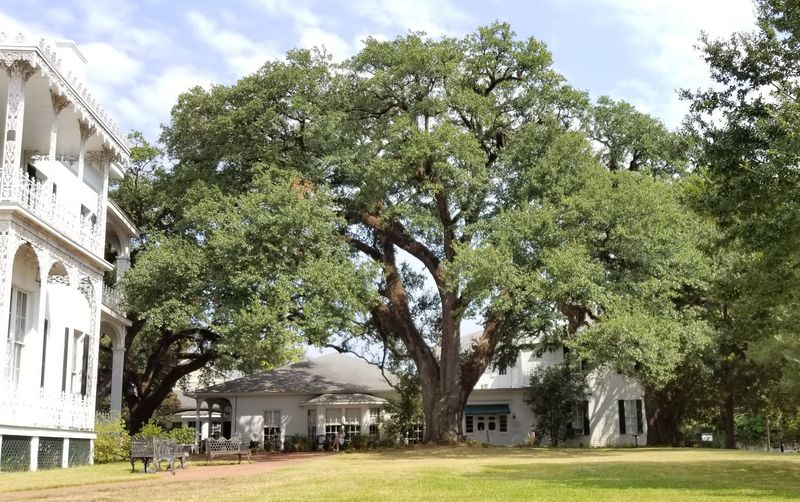
The two-acre grounds surrounding the mansion are free to explore without purchasing a tour ticket. That alone makes a visit worthwhile on a pleasant afternoon when the light is good and the air carries that particular Southern warmth that makes everything feel slightly slower and more deliberate.
The property occupies an entire city block, so there is genuine space to roam and absorb the setting at your own pace.
Mature trees provide shade along the perimeter, and the landscaping complements the formal architecture without trying to compete with it. The gardens offer a peaceful counterbalance to the intensity of the interior rooms, giving visitors a chance to breathe and reflect between sections of the tour.
Many people find themselves lingering outside longer than they expected.
Parking is available directly on the street in front of the property, which is a surprisingly convenient detail for a landmark of this significance.
The surrounding neighborhood of Natchez carries its own historic character, making the walk from your car to the front gate feel like a warm-up for everything the mansion itself has to offer.
The Pilgrimage Garden Club maintains the grounds with the same attentiveness they bring to the interior spaces.
Why Stanton Hall Belongs On Every Travel List
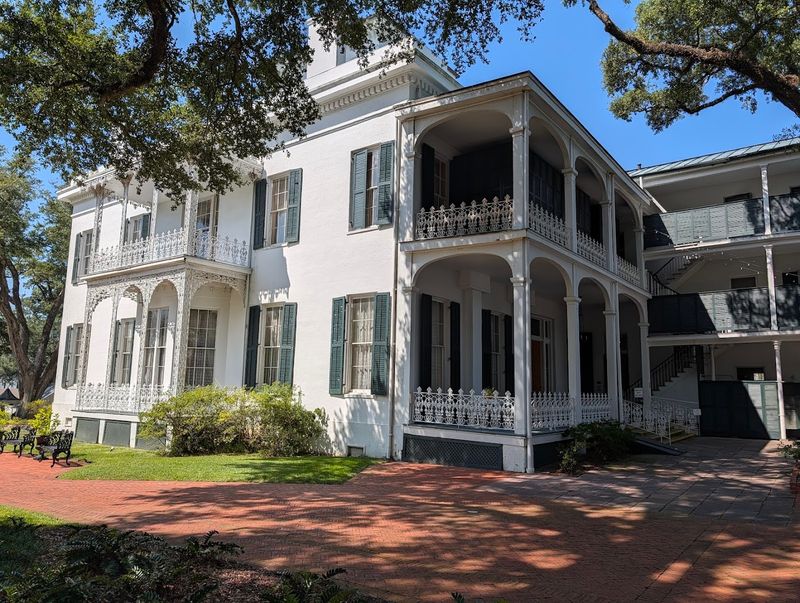
Natchez holds more antebellum homes per square mile than almost anywhere else in the country, and Stanton Hall consistently stands apart from the rest. The combination of architectural scale, interior authenticity, historical depth, and quality interpretation makes it a genuinely rare travel experience rather than just another house tour.
Few historic sites in Mississippi deliver this much on every level simultaneously.
The mansion earns its National Historic Landmark status every single day through the care and attention the Pilgrimage Garden Club brings to its maintenance and presentation.
The guided tours are informative without being overwhelming, and the pacing allows visitors to genuinely absorb what they are seeing rather than rushing through room after room.
The gift shop is a natural starting point, and the restaurant nearby makes the whole visit feel like a complete afternoon rather than a quick stop.
Stanton Hall is also available as a wedding and event venue, which means the grand rooms occasionally fill with celebration rather than just contemplation.
The mansion is open Tuesday through Sunday from 9 AM to 4 PM, and you can reach them at 601-442-6282 or visit natchezpilgrimage.com for more details.
Plan the visit, take the tour, and allow yourself to be genuinely moved by what you find inside.