
This Stunning 100-Foot-Wide Waterfall In Wisconsin Looks Like A Scene From A Dream
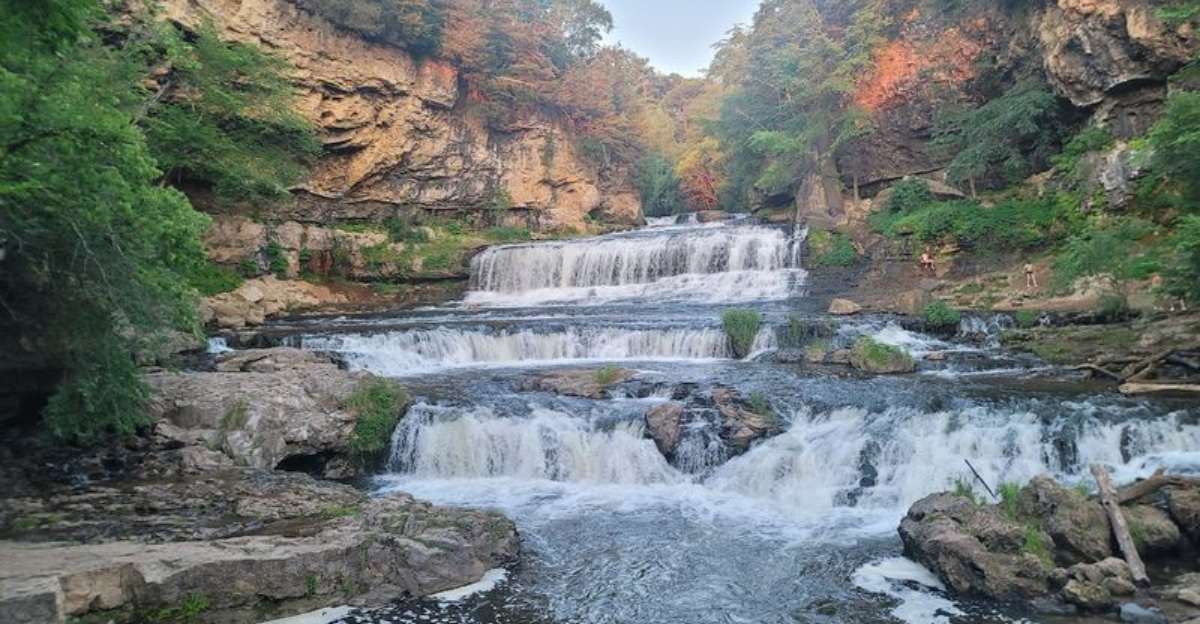
The sound reaches you before the view does. A steady rush of water echoes through the trees, building anticipation with every step along the trail.
Then the landscape opens up and suddenly there it is, a broad curtain of cascading water stretching nearly 100 feet across the river. Sunlight dances across the rushing current, mist drifts through the air, and the entire scene feels almost unreal for a moment.
Wisconsin has no shortage of beautiful natural places, yet this waterfall manages to stand apart. Wide, powerful, and surprisingly dramatic, it looks less like a typical Midwest sight and more like something lifted straight out of a dream.
Willow Falls Is The Most Famous Waterfall In Willow River State Park
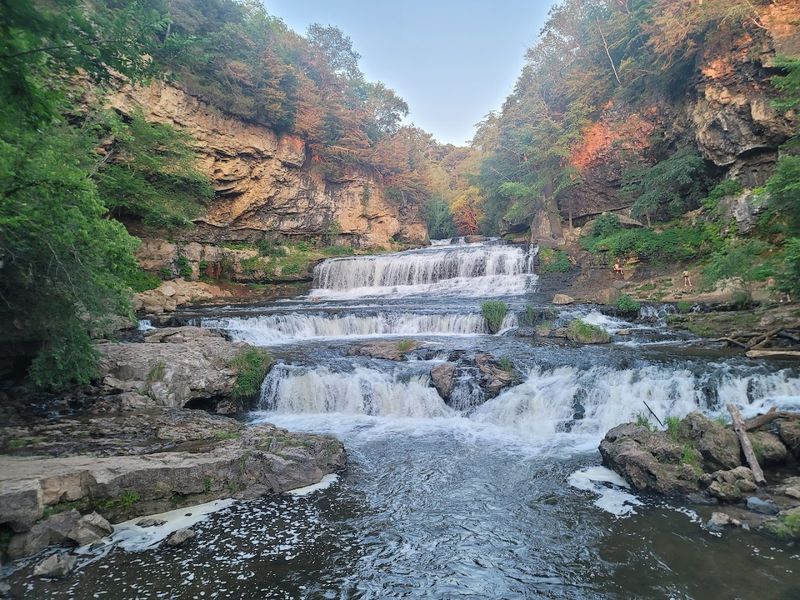
Willow River State Park protects over 2,800 acres of rolling hills and river valleys in St. Croix County. The park opened to the public in 1967, and since then, Willow Falls has become its undisputed star attraction.
Thousands of visitors make the journey each year specifically to witness this natural wonder.
The falls sit roughly a mile from the main parking area via a well-maintained trail system. Park staff have developed infrastructure around the site while preserving its wild character.
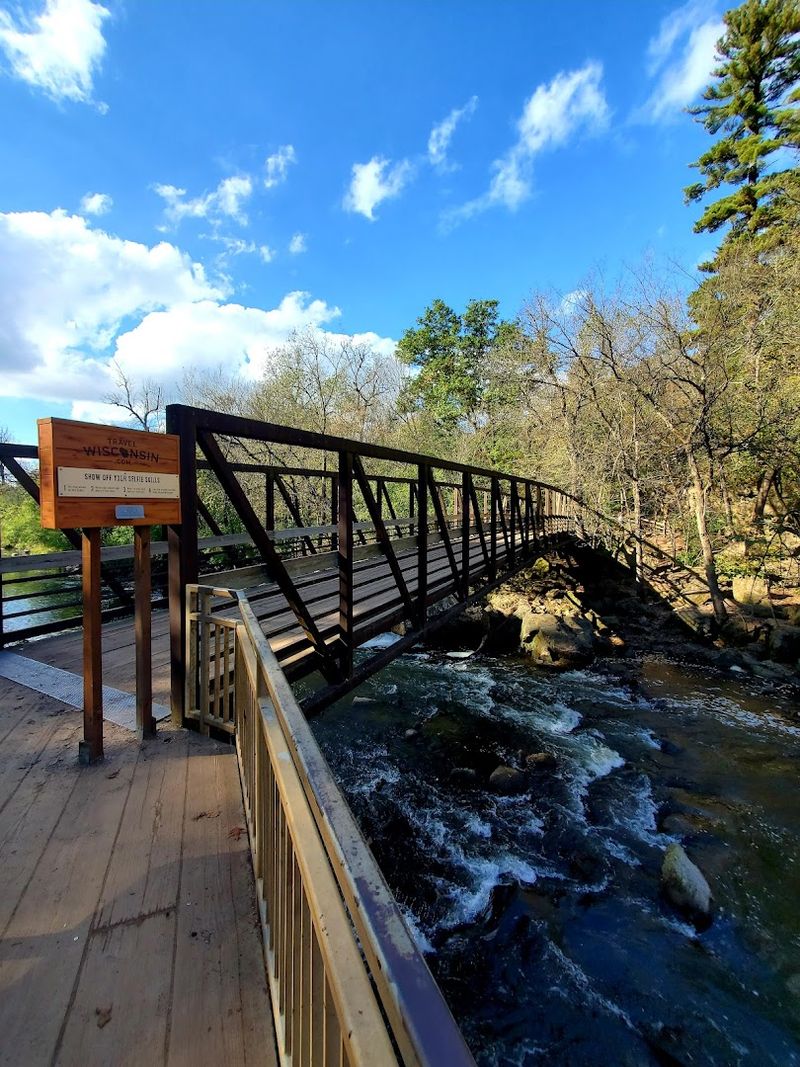
Viewing platforms, a footbridge, and stairways provide access without diminishing the sense of discovery.
Located at Hudson, WI 54016, the park welcomes guests daily from 6 AM to 11 PM. A vehicle admission fee applies, though annual state park passes offer unlimited access.
The falls remain the primary reason most people visit, but the surrounding park offers much more to explore once you arrive.
The Waterfall Stretches Nearly 100 Feet Across The River
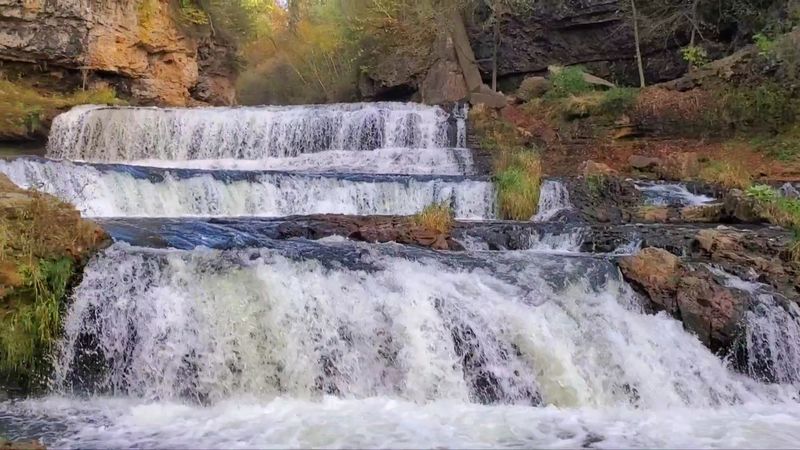
Few waterfalls in Wisconsin match the sheer horizontal scale of Willow Falls. The cascade extends approximately 100 feet from bank to bank, creating an impressive wall of falling water during peak flow periods.
This width gives the falls their distinctive character and visual impact.
The river divides into multiple channels as it approaches the drop, spreading the flow across the entire width of the rocky ledge. During spring runoff or after heavy rainfall, water surges across nearly every inch of this span.
In drier summer months, the flow concentrates in deeper channels, but the full width remains visible.
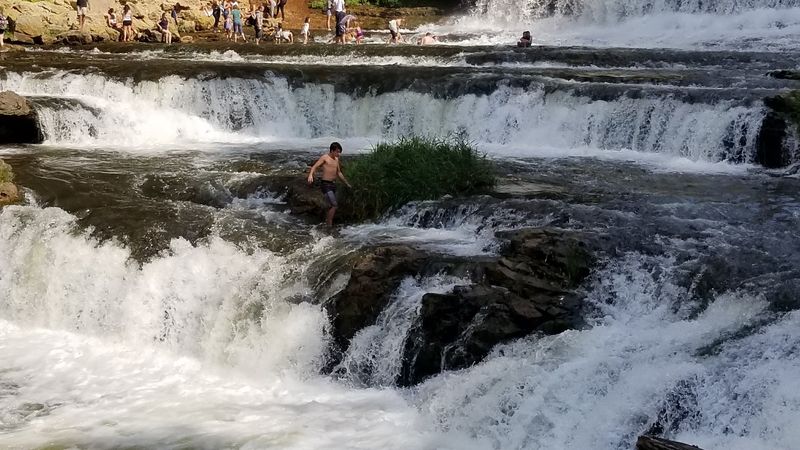
Standing on the observation deck or footbridge, you can take in the entire breadth of the falls in a single view. The scale becomes even more apparent when you see people standing on the rocks below, their figures dwarfed by the expanse of tumbling water above them.
Multiple Cascades Give The Falls Their Dramatic Look
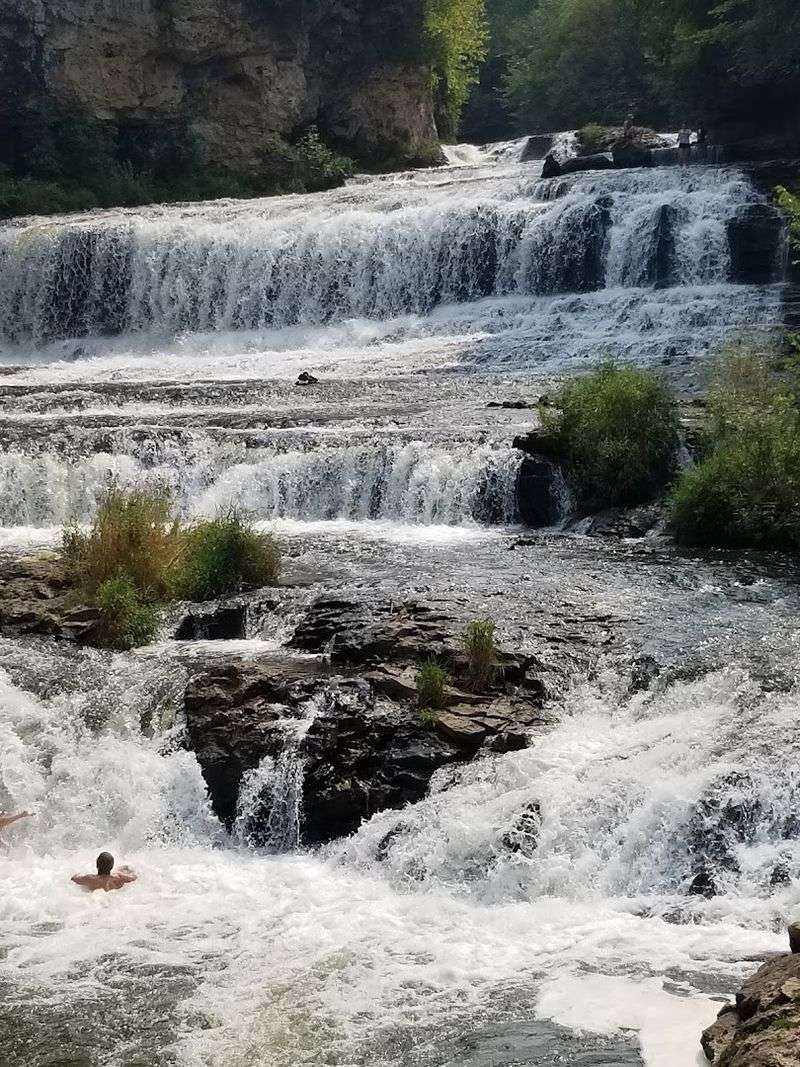
Willow Falls does not plunge in a single vertical drop. Instead, the water tumbles down in a series of cascades, each tier adding to the overall drama.
These multiple levels create constantly changing patterns of white water and dark rock, a visual complexity that holds attention far longer than a simple straight fall.
The layered rock formations that create these cascades formed over millions of years as the river carved through sedimentary deposits. Each resistant layer of stone creates a shelf where water gathers briefly before spilling to the next level.
The result resembles a natural staircase built for water rather than feet.
Photographers find this tiered structure endlessly interesting. The multiple cascades create varied textures and patterns depending on flow volume and light conditions.
Morning light hits certain tiers differently than afternoon sun, and the changing seasons alter which sections of the falls catch the eye first.
The Willow River Carves Through A Deep Rocky Gorge
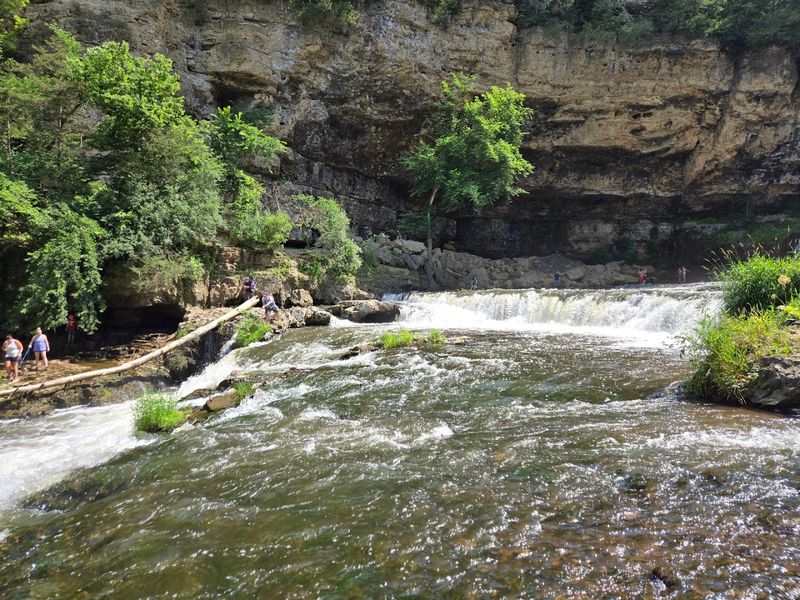
The falls occupy a dramatic gorge carved by countless centuries of flowing water. Steep rock walls rise on both sides of the river, creating a natural amphitheater around the cascade.
This geological feature amplifies the sound of falling water and concentrates the visual focus on the falls themselves.
The gorge walls reveal layers of sedimentary rock, each stratum telling part of the region’s ancient history. Geologists recognize these formations as evidence of prehistoric seas and river systems that existed long before the current landscape took shape.
The Willow River continues its patient work of deepening and widening this channel.
Visitors standing at the bottom of the gorge experience the falls from within this natural bowl of stone. The walls block outside distractions and create an intimate setting despite the falls’ grand scale.
Looking up from the base, the surrounding forest appears as a green fringe along the rim of the gorge.
A Scenic Trail Leads Visitors Directly To The Falls
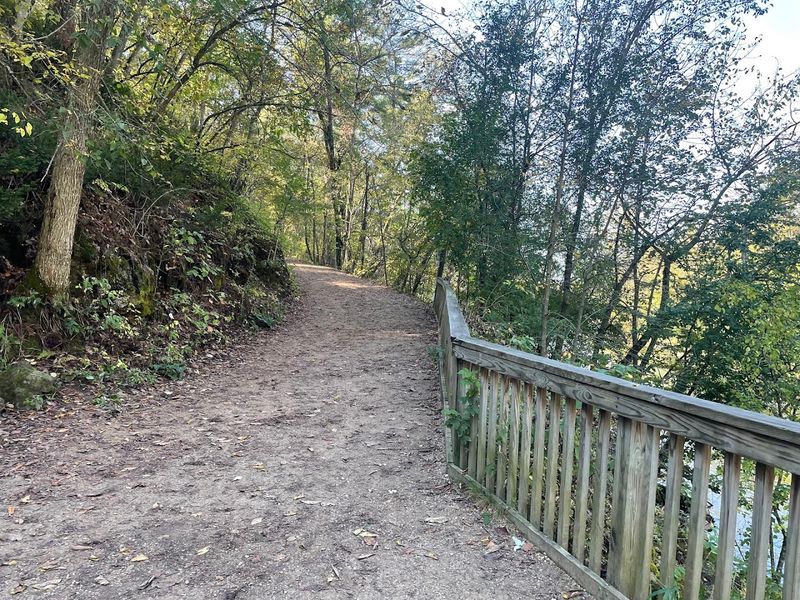
The main trail to Willow Falls begins at a dedicated parking area and winds approximately one mile through mixed hardwood forest. The path starts relatively level before descending into the river valley on a series of switchbacks and stairs.
Park maintenance crews keep the trail in good condition, though the steep sections demand attention and proper footwear.
Signage along the route helps orient visitors and marks distances to key features. The trail passes through ecological zones that shift from upland forest to the cooler, damper environment near the river.
Birdsong fills the canopy during warmer months, and deer tracks often mark muddy sections of the path.
The descent takes most visitors between 15 and 25 minutes, depending on pace and how often they stop to rest or take photos. The return climb requires more time and energy.
Benches placed at intervals offer welcome rest spots for the uphill journey back to the parking area.
Observation Areas Provide Excellent Views Of The Waterfall
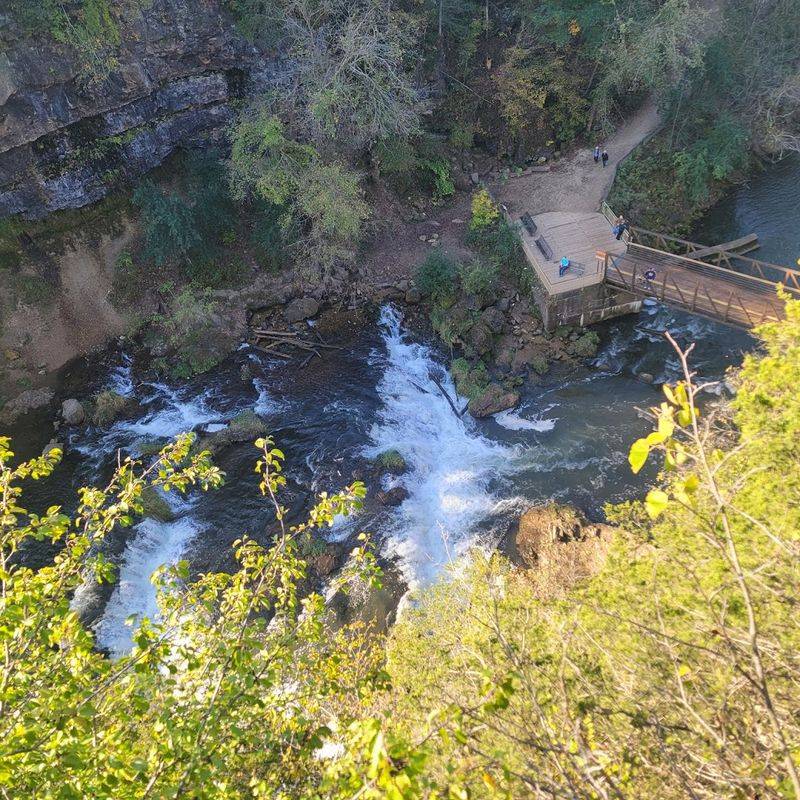
Park planners have installed several viewing areas that offer different perspectives on the falls. The upper observation deck sits near the top of the cascade, providing a bird’s eye view of the entire scene.
Benches here allow visitors to sit and watch the water for as long as they wish.
A sturdy footbridge spans the river just above the main drop, placing visitors directly over the rushing water. The bridge offers perhaps the most dramatic vantage point, with water flowing beneath your feet and the full cascade visible downstream.
The sound of the falls becomes almost overwhelming at this location.
Below the falls, visitors can carefully navigate rock formations to get close to the base of the cascade. This perspective shows the power of the falling water and allows for photos from angles impossible to capture from above.
The mist from the falls often creates small rainbows on sunny afternoons when viewed from these lower positions.
The Falls Are Especially Beautiful After Heavy Rain Or Snowmelt
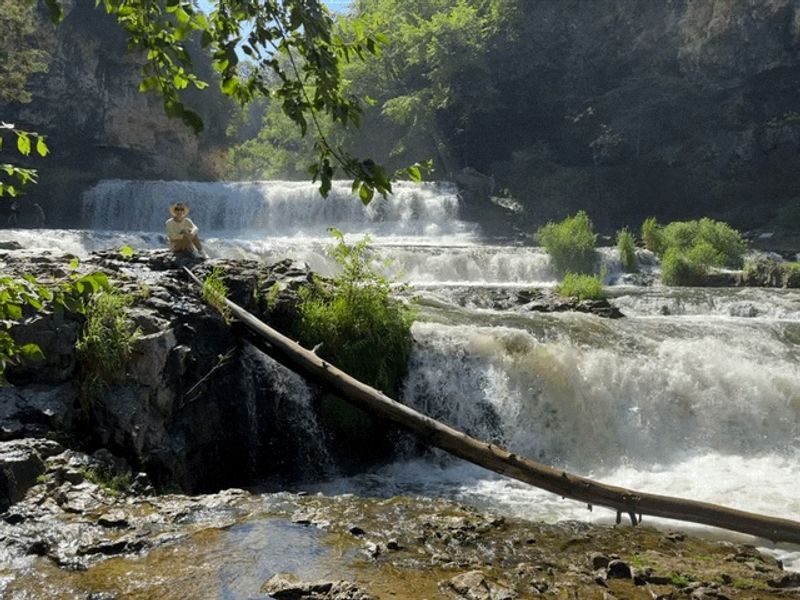
Spring brings the most dramatic water levels to Willow Falls. Snowmelt from the surrounding watershed swells the Willow River, sending tremendous volumes of water over the cascade.
The falls roar with energy during these peak flow periods, and the spray can reach observation areas that stay dry during summer.
Heavy rainstorms at any time of year can temporarily boost the falls to spectacular levels. Within hours of a major rainfall event, the river rises and the character of the falls transforms.
Water that normally trickles through side channels becomes a torrent, and the entire 100-foot width of the falls churns with white water.
Visiting after significant precipitation offers a completely different experience than during low water periods. The increased flow brings greater sound, more mist, and a sense of raw power that quiet summer days cannot match.
Photographers particularly value these high-water conditions for their dramatic visual impact.
Autumn Colours Make The Area Even More Spectacular
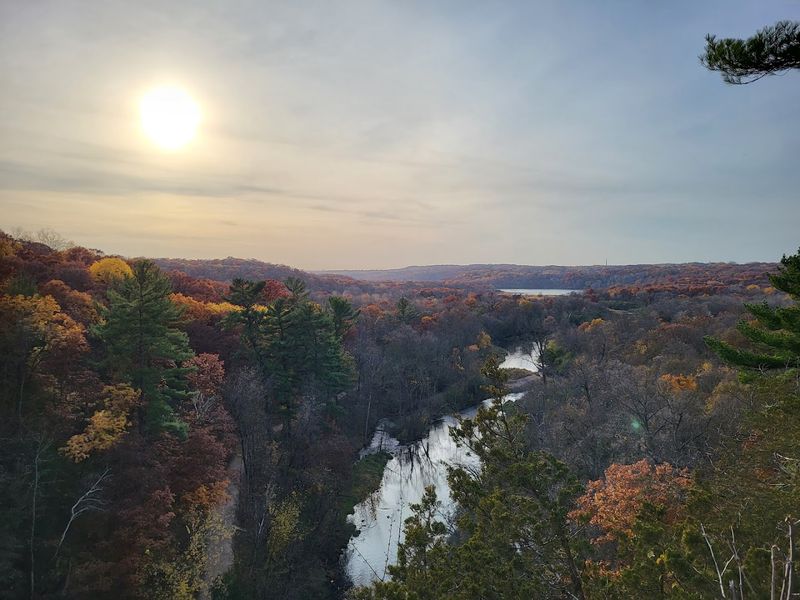
October transforms the forest around Willow Falls into a tapestry of gold, orange, and crimson. The mixed hardwood stands that line the gorge reach peak color in the first half of the month, creating a frame of brilliant foliage around the falling water.
The contrast between the white cascade and the autumn leaves draws photographers and casual visitors alike.
The trail to the falls becomes particularly scenic during fall, as the canopy overhead glows with color and fallen leaves carpet the path. Cool air settles into the gorge, and the changing light of autumn creates different shadows and highlights on the rock walls.
Morning fog sometimes rises from the river, adding another layer of atmosphere.
Weekends during peak fall color see increased visitor numbers, but the park rarely feels overcrowded. Early morning arrivals find the best light and the smallest crowds.
The combination of flowing water and autumn color creates scenes that justify the journey from anywhere in the region.
Photographers Often Visit For Sunrise And Sunset Views
Serious photographers know that Willow Falls reveals different personalities depending on the time of day. Early morning light enters the gorge at a low angle, creating long shadows and illuminating the mist with golden tones.
The falls face east, making sunrise particularly rewarding for those willing to arrive when the park opens at 6 AM.
Evening light brings warmer tones to the rock walls and creates dramatic backlighting effects as the sun moves toward the horizon. The changing quality of light throughout the day means that a photographer could spend hours at the falls without repeating the same shot.
Overcast days offer their own advantages, with soft light that eliminates harsh shadows.
Long exposure photography works beautifully here, smoothing the falling water into silky curtains while keeping the rocks sharp and detailed. Tripods and neutral density filters have become common sights on the observation platforms.
The park’s extended hours allow photography sessions that begin in afternoon light and continue through the golden hour into dusk.
The Falls Are One Of Western Wisconsin’s Most Popular Natural Attractions
Regional tourism statistics consistently rank Willow Falls among the top natural destinations in western Wisconsin. The falls draw visitors from the Twin Cities metro area just 30 miles west, from Milwaukee and Madison to the east, and from throughout the upper Midwest.
Its proximity to Interstate 94 makes it an easy addition to longer road trips.
The falls appear regularly in travel guides, social media posts, and outdoor recreation websites. This publicity has increased visitation over recent decades, though the park has managed growth without compromising the natural setting.
Most visitors come during summer weekends, but the falls reward visits in any season.
Local residents take pride in having such an impressive natural feature nearby. Many return repeatedly, watching how the falls change with seasons and water levels.
The combination of accessibility, scenic beauty, and the sheer impressive scale of the cascade explains why Willow Falls has earned its reputation as a must-see destination.
Willow River State Park Offers Hiking, Camping, And Picnicking

While Willow Falls serves as the main attraction, the broader state park provides diverse recreational opportunities. More than 13 miles of hiking trails wind through the property, ranging from easy lakeside paths to challenging routes over steep terrain.
These trails connect various park features and allow visitors to extend their time beyond just viewing the falls.
The park maintains a campground with both electric and non-electric sites for those wanting to spend a night or longer. Camping here provides early morning access to the falls before day visitors arrive.
The campground includes modern facilities and sits far enough from the falls to maintain a quiet atmosphere.
Picnic areas with tables and grills scatter throughout the park, and a swimming beach on Little Falls Lake attracts families during summer months. The nature center offers educational programs and exhibits about local ecology.
These amenities transform what could be a brief waterfall visit into a full day or weekend outdoor experience in one of Wisconsin’s most scenic state parks.