
This Stunning New Mexico Mountain Town Offers A Full And Comfortable Life For Just $1,500 A Month
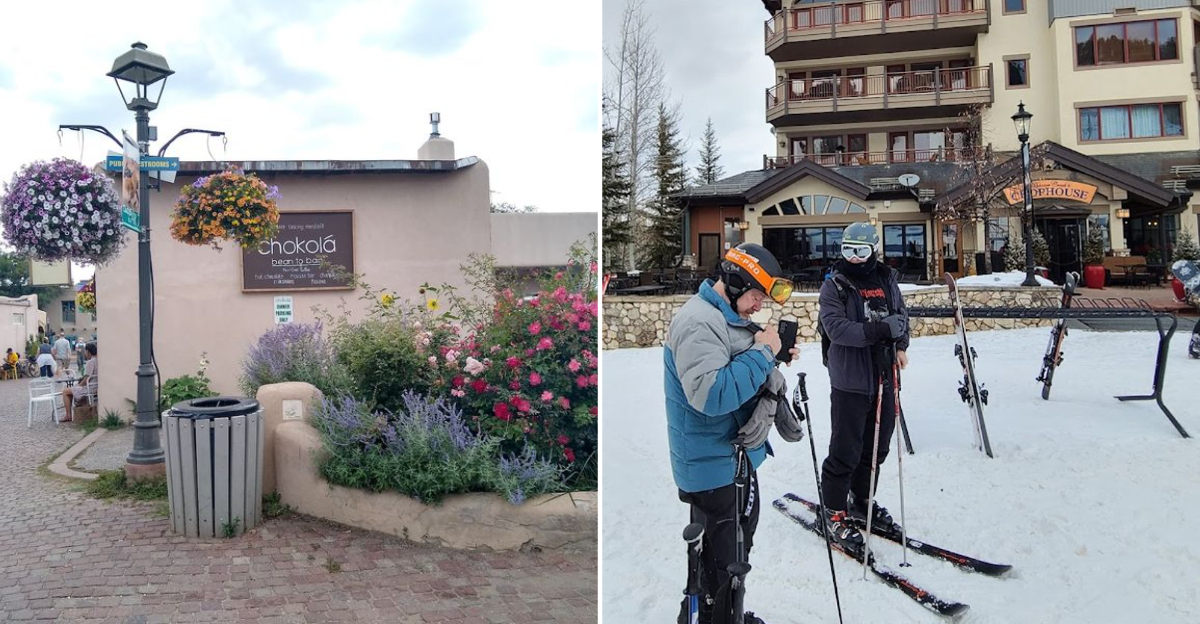
Picture morning coffee on a porch with snow-capped peaks in every direction. Then picture the rent check you probably signed for $700.
That is the everyday reality for people who have quietly made their home in one of New Mexico’s most overlooked mountain towns. No crushing commute.
No six-figure salary required. Just clean air, genuine community, and a cost of living that most Americans would not believe until they saw the numbers themselves.
For around $1,500 a month, you can cover rent, groceries, utilities, and still have money left for the weekend. This is not a compromise or a downgrade.
It is a different set of priorities made possible by a place that has not yet been discovered by the crowds. Some people stumble across it.
Others move there on purpose and never look back.
Cost Of Housing And Rental Options
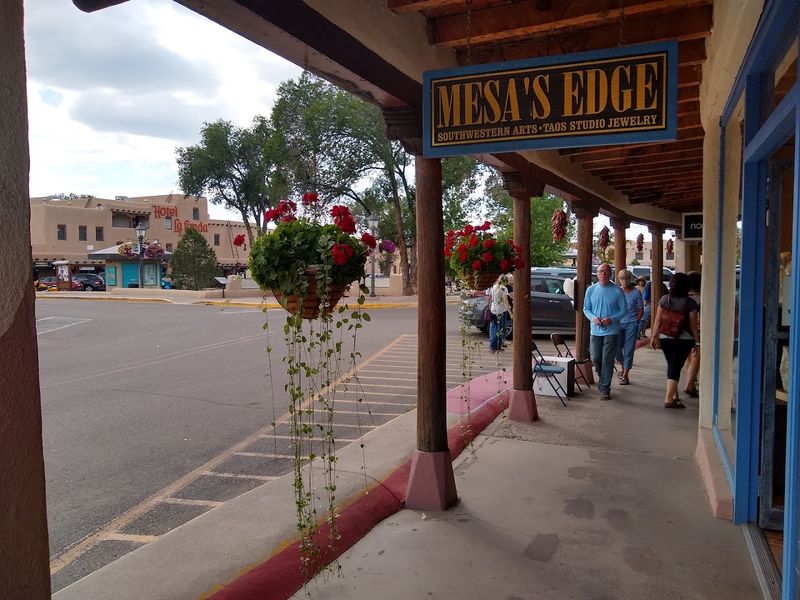
Housing in Taos is one of the first things people research, and the options are more varied than most expect. The town has a real mix of rental styles, from cozy studio apartments near Taos Plaza to small adobe homes along the River Road corridor.
One-bedroom apartments can be found at different price points depending on the neighborhood and amenities included.
Some rentals near the Rio Grande come with jaw-dropping views that feel like a daily reward just for showing up. The areas close to the historic plaza tend to be livelier, while neighborhoods on the outskirts offer more quiet and space.
Utility costs in Taos are manageable for a single person keeping a modest lifestyle.
Electricity rates run a bit higher than the state average, so being mindful of energy use genuinely helps. Groceries in Taos run slightly below the national average, which gives your budget some breathing room.
Taos, New Mexico, is the kind of place where smart budgeting meets beautiful surroundings, and that combination is hard to beat anywhere in the country.
Outdoor Activities And Recreation
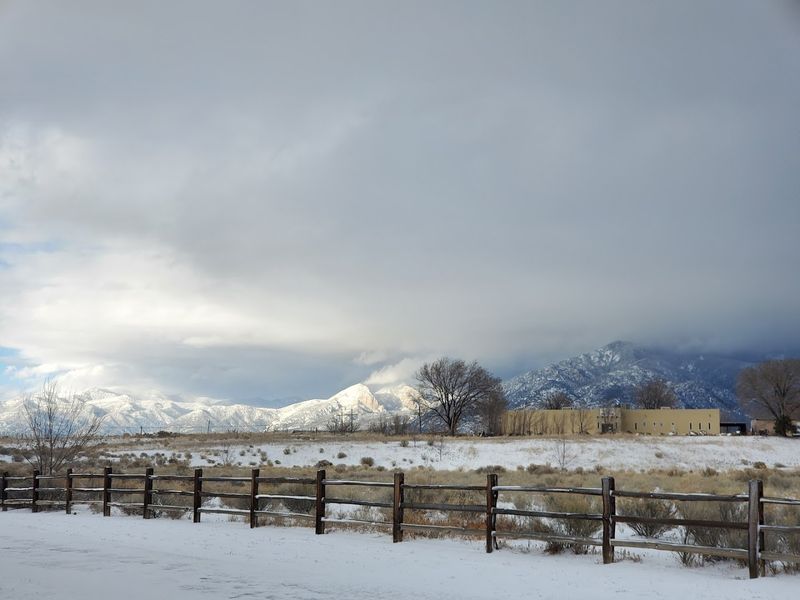
Taos is basically an outdoor playground, and the Bureau of Land Management oversees more than 594,000 acres of public land surrounding the area.
That number sounds abstract until you realize it means hiking, camping, fishing, and mountain biking are practically at your front door.
The Rio Grande runs right through the region, offering whitewater rafting that ranges from family-friendly floats to serious rapids.
Taos Ski Valley is a well-known destination for skiers and snowboarders, drawing visitors from across the country every winter season. Rock climbing spots around the Sangre de Cristo Mountains challenge beginners and experienced climbers alike.
Hot air ballooning over the high desert is another experience that locals quietly brag about to anyone willing to listen.
Hot springs are scattered throughout the area, and soaking in them after a long hike feels like the universe rewarding your effort. Fishing in the Rio Grande is genuinely productive, not just a rumor.
The outdoor lifestyle here is not an add-on to daily living. It is the daily living, and that shifts your entire perspective on what a good week actually looks like.
Local Food And Farmers Markets
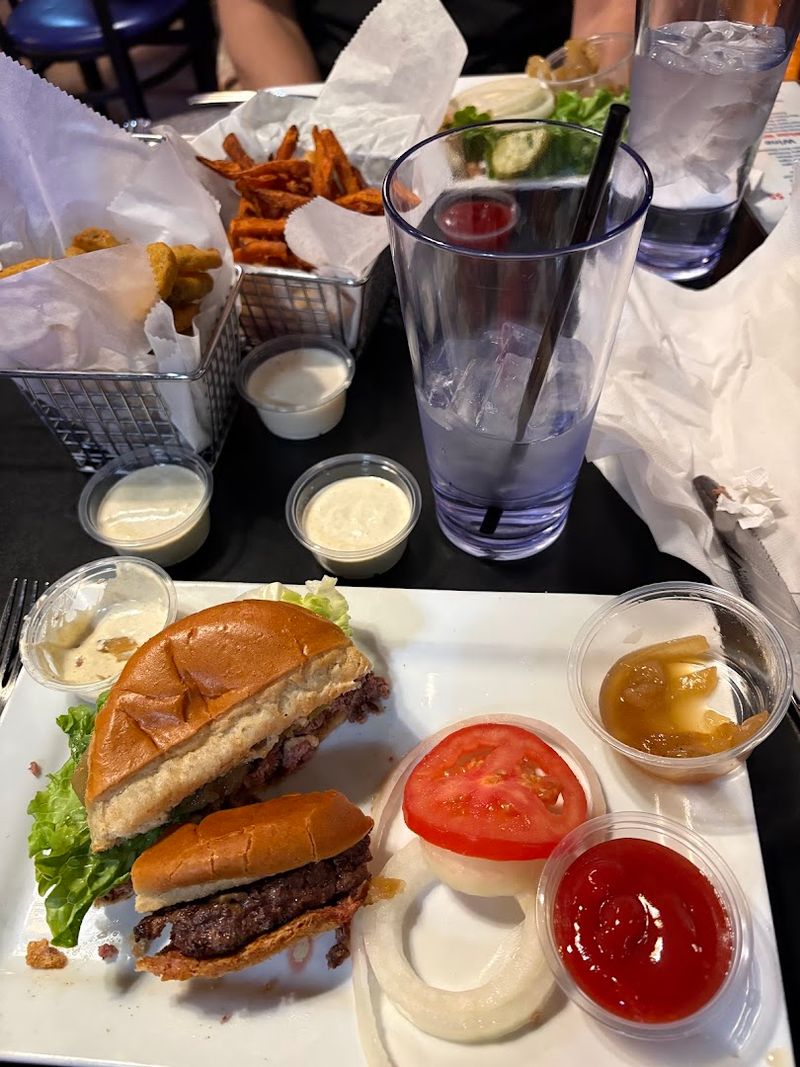
Taos has a food scene that quietly surprises everyone who shows up expecting a small-town menu. The culinary culture here blends traditional New Mexican flavors with contemporary American cooking, and the result is genuinely exciting.
Green chile shows up in places you would never expect, and somehow it always works.
Grocery shopping is covered by Albertsons Market and Walmart, both located within the town. Groceries here cost roughly four percent less than the national average, which adds up meaningfully over a year of careful shopping.
Farmers’ markets in the area connect residents directly with local growers, and the seasonal produce is noticeably fresh.
Casual restaurant meals are reasonably priced for a tourist destination, and the variety covers everything from street-style New Mexican plates to more polished dining experiences. Fast food options exist for budget days without judgment.
The local food culture carries a strong sense of place. Eating in Taos feels connected to the land and the people who have farmed and cooked here for generations.
That sense of roots makes even a simple meal feel like it belongs to a longer, richer story worth being part of.
Community Events And Social Opportunities
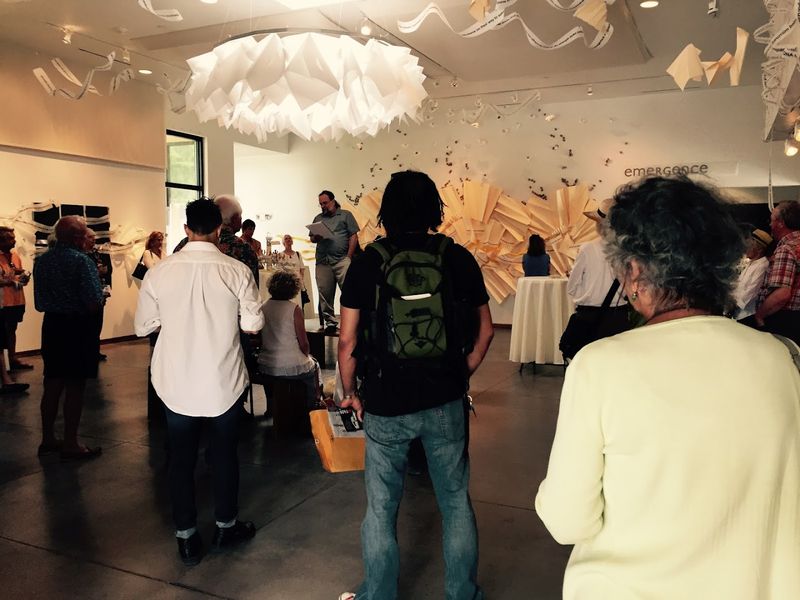
Community life in Taos moves at a pace that actually lets you enjoy it. The town calendar fills up with festivals, art events, and cultural celebrations that reflect the deep Spanish and Native American heritage woven into daily life.
These are not tourist performances. They are real community traditions that residents participate in year after year.
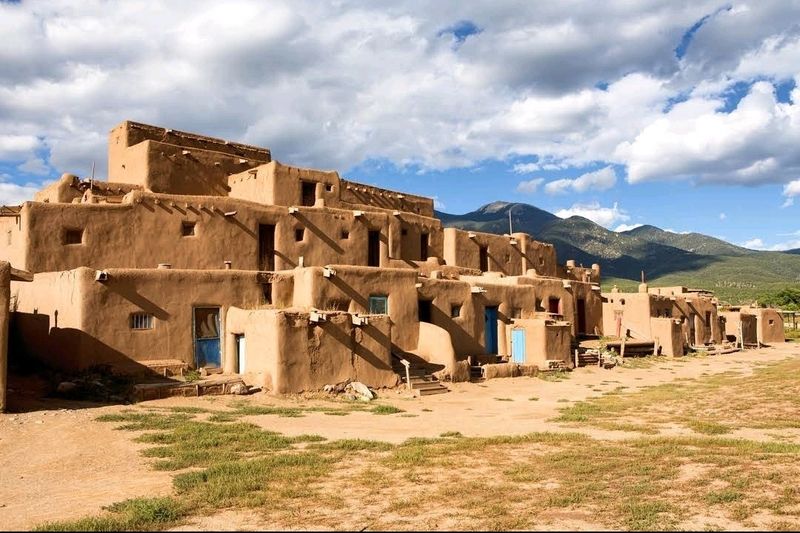
The Taos Pueblo, a UNESCO World Heritage Site, hosts ceremonial events that are among the most historically significant gatherings in North America.
Living near something that has been continuously inhabited for over 1,000 years has a way of putting your own daily concerns into perspective. Social opportunities here are organic rather than forced.
Newcomers do sometimes note that building deep friendships with longtime locals takes patience. Taos has a tight-knit identity, and earning a place in it requires genuine interest in the culture rather than surface-level appreciation.
But once you start showing up consistently to markets, events, and community spaces, connections form naturally.
The small-town atmosphere means familiar faces become regular fixtures, and that kind of social texture is something big cities genuinely cannot replicate, no matter how hard they try.
Healthcare Services And Accessibility
Healthcare access in a small mountain town is always a fair concern, and Taos takes it seriously.
The town has medical facilities that serve the local population, including primary care and urgent care options that handle everyday health needs without requiring a long drive.
For residents managing routine health maintenance, the available services cover a solid range.
Holy Cross Medical Center is the primary hospital serving Taos and the surrounding communities. It provides emergency services, surgical care, and a variety of specialty clinics that reduce the need to travel for common procedures.
Having a functioning hospital in a town this size is genuinely reassuring.
For more specialized care, Santa Fe and Albuquerque are reachable by road and offer larger hospital systems with broader specialist availability.
Telehealth options have also expanded access for residents who prefer managing certain appointments remotely. Health insurance coverage and costs follow national patterns, so planning matters.
The overall healthcare landscape in Taos is functional and improving.
It is not a metropolitan medical hub, but for most daily and moderate health needs, residents find the system workable and the providers genuinely invested in the community they serve.
Transportation And Commuting Benefits
Getting around Taos without a car is more realistic than most people assume when they first look at a map.
The North Central Regional Transit District operates the Blue Bus, which connects neighborhoods within Taos and runs routes to both Santa Fe and Albuquerque.
Some of these routes are completely free, which is a genuinely rare benefit for a town this size.
Private shuttle services like Taos Rides provide connections between Taos, Albuquerque Sunport, and Santa Fe Airport for travelers who need airport access.
A one-way trip from Albuquerque to Taos with these services typically costs between about one hundred and one hundred fifty dollars.
Rideshare apps technically operate in Taos, though availability is limited and reliability can be inconsistent depending on the time of day.
Most residents own a personal vehicle, and gasoline prices in the area are reasonable by national standards. The roads leading into and out of Taos offer some of the most visually spectacular drives in the American Southwest.
Commuting here rarely feels like punishment. The drives are short by city standards, and the scenery on any given morning genuinely makes the whole concept of rush hour feel like a different world entirely.
Weather Patterns And Seasonal Highlights
Taos sits at roughly 6,969 feet above sea level, and that elevation shapes every season in ways that feel dramatic and cinematic.
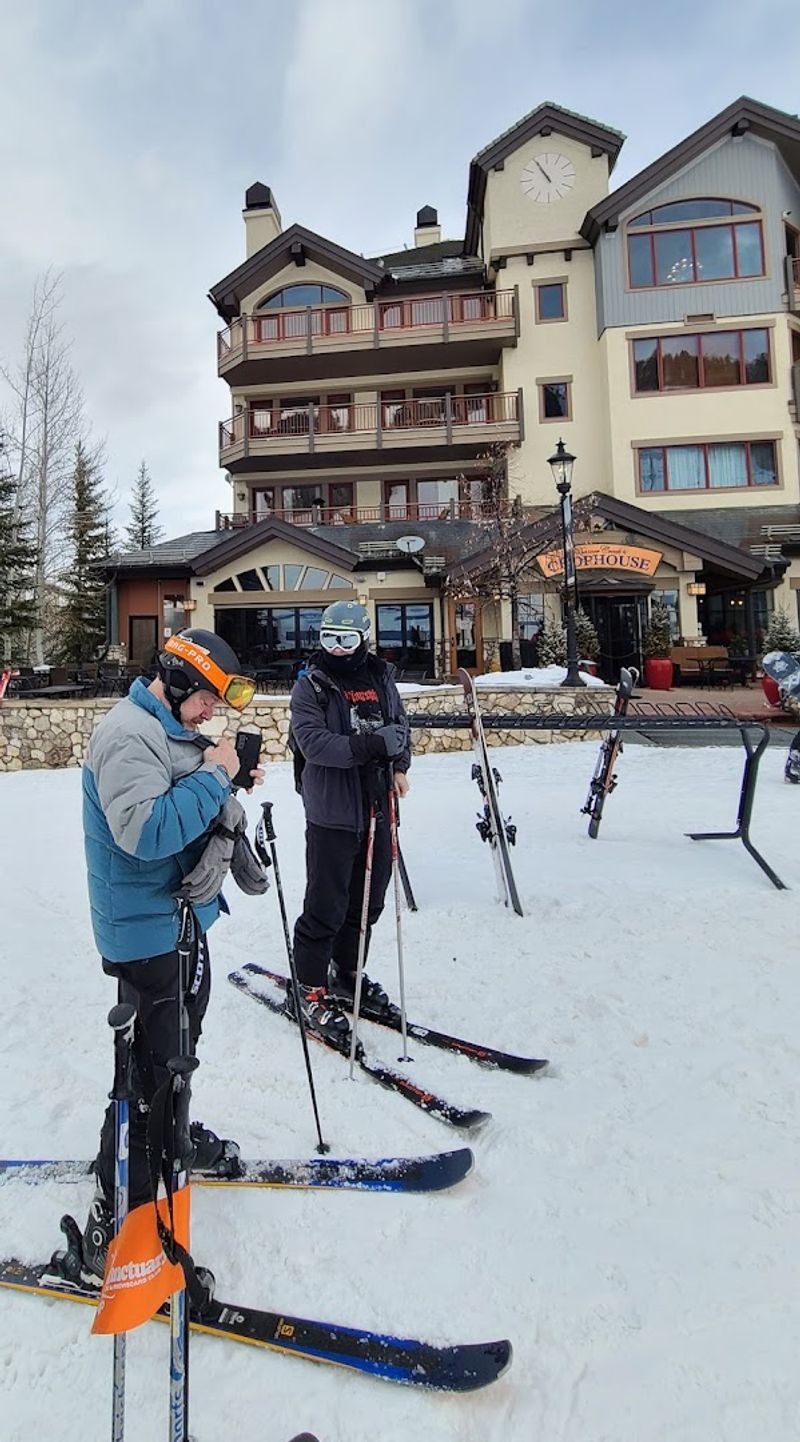
Winters bring real snowfall, especially up at Taos Ski Valley, where conditions attract serious skiers from across the country. Down in town, the snow is lighter but still creates a genuinely beautiful contrast against the adobe architecture.
Spring arrives gradually, with warming temperatures and wildflowers beginning to appear across the high desert landscape. Summer days are warm but rarely brutal thanks to the elevation.
Afternoon monsoon rains roll in regularly during July and August, cooling things down and painting the sky with impressive storm clouds that photographers absolutely love.
Fall is the season that makes longtime residents misty-eyed. The aspen trees in the mountains shift to brilliant gold, and the light in October has a particular quality that feels almost unreal.
Air quality throughout the year is consistently clean, which is one of those quality-of-life factors that sounds boring until you have lived somewhere with genuinely fresh air every single morning.
Taos weather rewards people who enjoy all four seasons without needing any single one to last forever.
Cultural Attractions And Artistic Scene
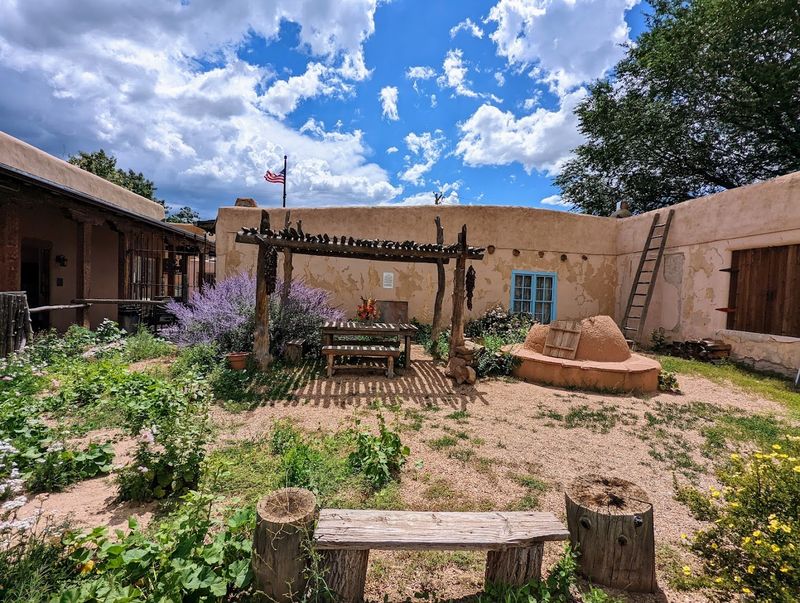
Taos has been an artist colony for well over a century, and that creative legacy is visible on virtually every street corner.
Galleries line the roads near the historic plaza, showcasing regional paintings, sculpture, photography, and mixed media from both established and emerging artists.
The Harwood Museum of Art and the Taos Art Museum are permanent fixtures in the cultural landscape and draw serious art enthusiasts year-round.
The Taos Pueblo is the single most historically significant site in the area. It is a UNESCO World Heritage Site and a National Historic Landmark.
People have lived there continuously for more than 1,000 years, making it one of the oldest continuously inhabited communities in North America. Standing near it genuinely changes how you think about history.
The cultural blend in Taos is unlike anywhere else in the United States. Spanish colonial heritage, Indigenous traditions, and generations of American artists have layered together into something completely original.
Music, dance, storytelling, and visual art all feel alive and practiced here rather than preserved behind glass. Moving to Taos means living inside a culture that is still actively being created, and that energy is contagious in the best way.