
This Stunning Turquoise Hot Spring In Nevada Looks Completely Out Of Place In The Desert
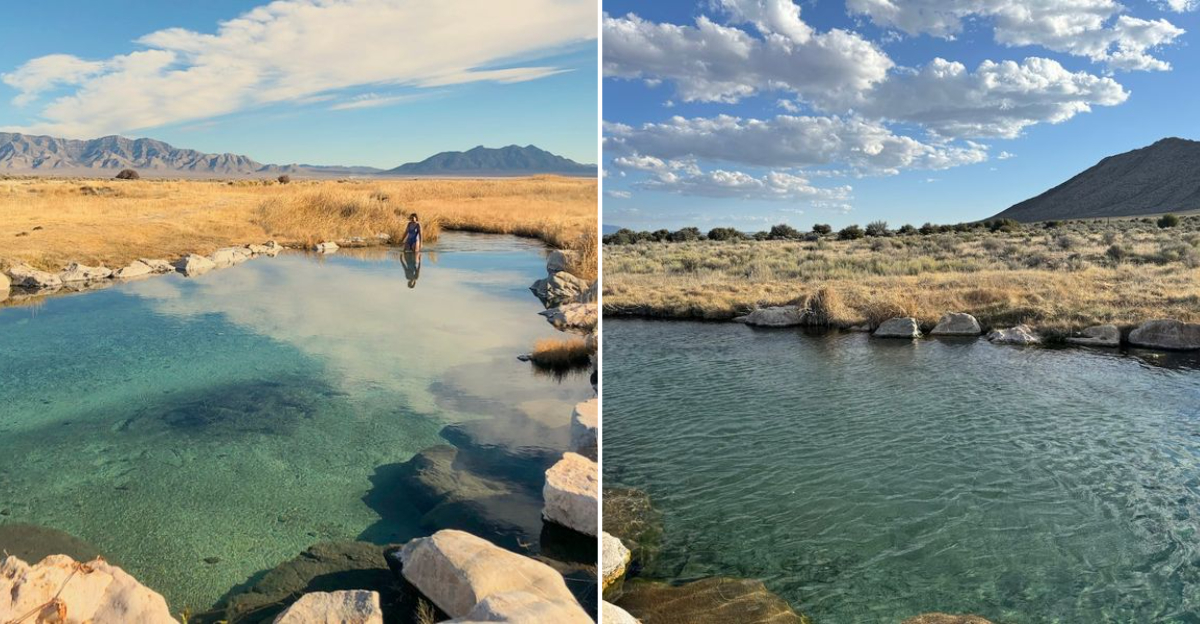
Nevada is mostly known for neon lights, slot machines, and endless stretches of dry desert. So when you stumble across a glowing turquoise spring sitting quietly in the middle of nowhere, your brain does a double take.
Hot Creek Spring is that place. Located within the Wayne E.
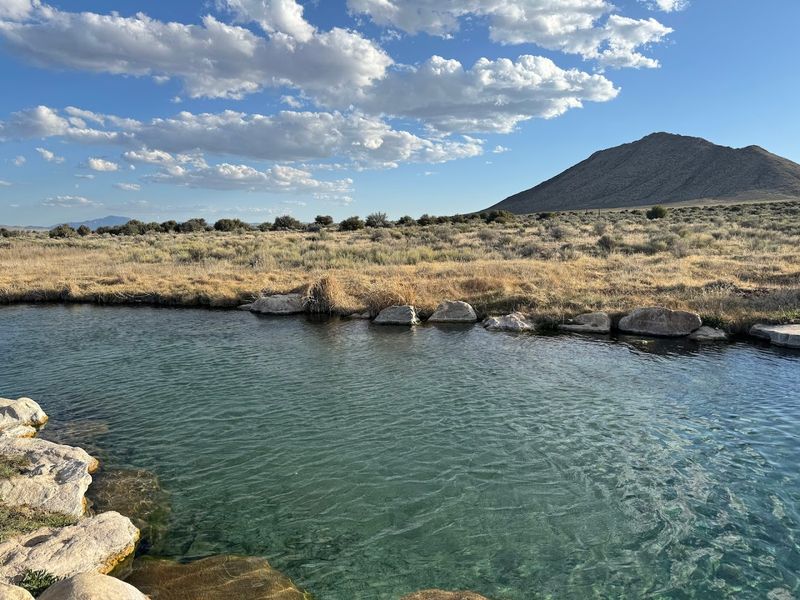
Kirch Wildlife Management Area near Lund, Nevada, this warm spring looks like someone copy-pasted a piece of the Caribbean straight into the high desert. The water is clear, the color is wild, and the whole scene feels almost too beautiful to be real.
People keep coming back because once you see it, you cannot unsee it.
Geothermal Features Behind The Vibrant Colors
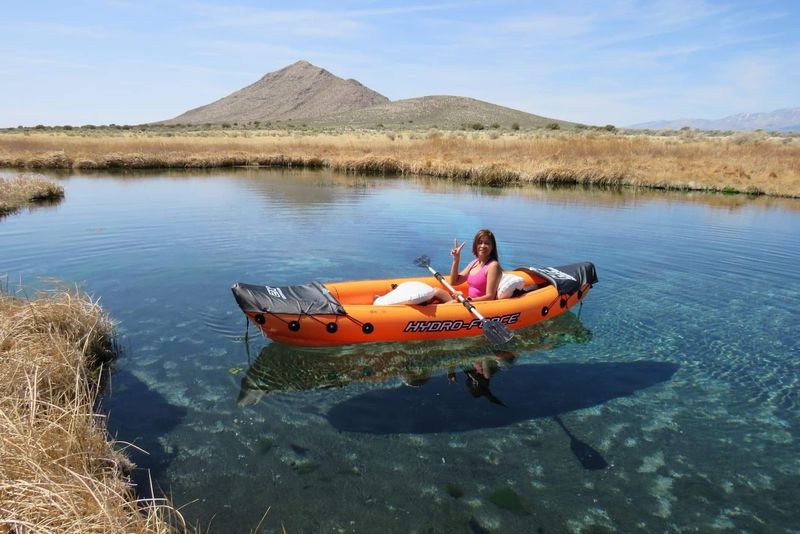
The water at Hot Creek Spring earns its jaw-dropping teal color from geothermal activity deep underground. Mineral-rich water rises from below the earth’s surface.
That upward flow brings dissolved minerals that scatter light in a way that creates the vivid blue-green hue.
The spring sits within a geologically active zone in central Nevada. Heat from deep within the earth warms the groundwater before it pushes upward.
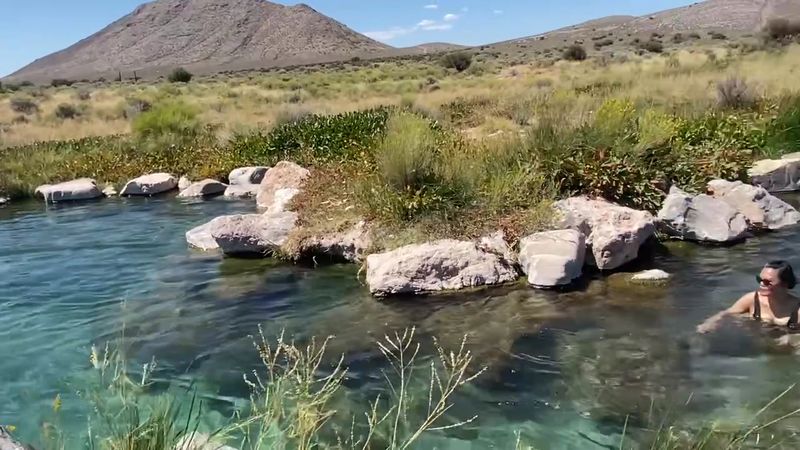
The result is a constant flow of clear, warm water into boulder-lined pools.
The average water temperature hovers around 85 degrees Fahrenheit. That classifies it as a warm spring rather than a scorching hot spring.
Still, the geothermal energy driving that warmth is very real and very impressive.
The teal color is not dye, not a filter, and definitely not a trick. It is pure geology doing its thing.
The minerals suspended in the water absorb certain wavelengths of light. What bounces back to your eyes is that unmistakable Caribbean-style blue.
Hot Creek Spring is located in Nevada 89317, within the Wayne E. Kirch Wildlife Management Area near Lund.
Visiting feels like watching Earth science come alive in the most photogenic way possible. The spring even carries National Landmark status, designated in 1972, which tells you this place is seriously special.
Health Benefits Of Soaking In Natural Springs
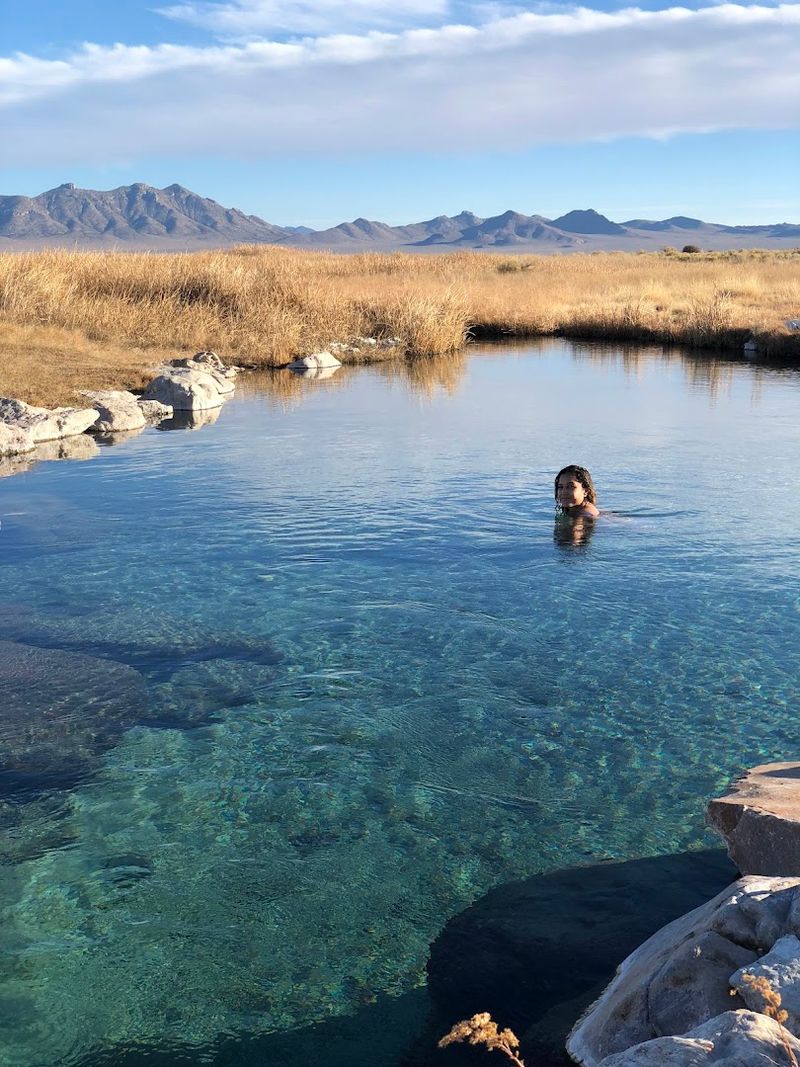
Soaking in a natural mineral spring is not just a vacation move. There are real reasons people have sought out warm springs for centuries.
The mineral content in geothermal water can support skin health and help muscles relax.
Hot Creek Spring sits at around 85 degrees Fahrenheit. That temperature is warm enough to feel genuinely soothing.
Think of it like a natural bath that also happens to look like a postcard.
Warm water immersion helps increase circulation throughout your body. Better blood flow means your muscles get more oxygen.
That is why a soak here can leave you feeling genuinely refreshed rather than just wet.
The minerals dissolved in the water include compounds that may ease joint stiffness. People dealing with tired muscles after long hikes often find relief in a warm soak.
The remote setting adds a mental health bonus, too. Silence and open sky do a lot for a stressed-out mind.
One important heads-up before you jump in. Avoid submerging your head in the water.
Natural springs can carry bacteria, so keeping your head above water is a smart move. The spring is also quite shallow in spots, and the submerged rocks are slippery, so watch your footing carefully.
A slow, careful entry makes the whole experience much more enjoyable and safe.
Seasonal Changes Affecting Water Temperature
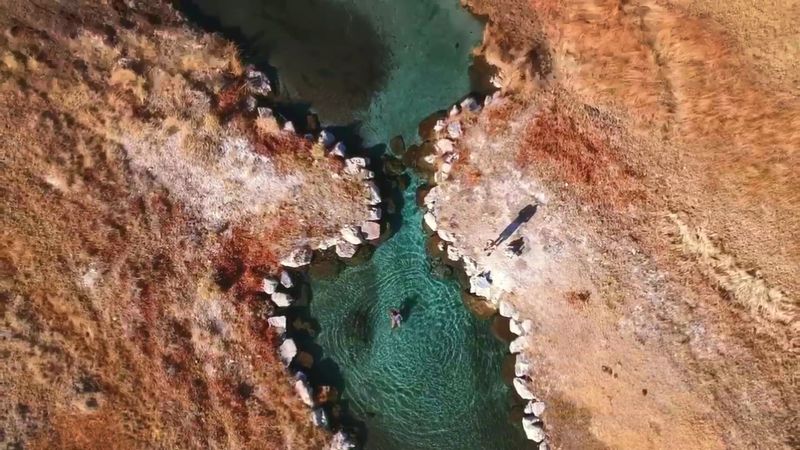
Hot Creek Spring does not stay the same year-round. Seasonal shifts affect the surrounding air temperature significantly.
The spring water itself stays relatively consistent, but your experience changes a lot depending on when you visit.
Spring and fall are widely considered the best times to go. Temperatures are comfortable, and the desert landscape looks its most inviting.
You avoid the brutal summer heat and the cold winter winds that make the trek less pleasant.
Summer at this location gets intense. July and August can push air temperatures between 100 and 110 degrees Fahrenheit.
Soaking in 85-degree water while the air above you bakes at 105 degrees is a very different experience than a calm October afternoon dip.
Winter visits are possible but come with wind and cold air that can make getting in and out of the water uncomfortable. The spring stays warm, but standing around in a wet swimsuit when temperatures drop is not ideal.
Plan your layers accordingly.
The area can be windy regardless of the season. Wind chill is real even when the sun is shining.
Checking local weather before your visit is genuinely useful here. A weather surprise in a remote Nevada location with no cell service nearby is not the fun kind of surprise.
Pack extra layers no matter what month you choose to visit.
Wildlife Surrounding Desert Springs
Hot Creek Spring is not just a pretty pool of water. It is a living ecosystem that supports wildlife you will not find anywhere else on the planet.
The spring is home to the Moorman White River Springfish. This rare fish exists in only three springs worldwide.
That is not a typo. Three springs in the entire world.
The Moorman White River Springfish is federally protected, and Hot Creek Spring is one of its last refuges. Seeing one dart through the clear water is genuinely exciting once you know what you are looking at.
The surrounding Wayne E. Kirch Wildlife Management Area supports a broader range of desert wildlife.
Birds are especially active around the spring and nearby marsh areas. Waterfowl, shorebirds, and raptors all use this region as habitat.
The contrast between the desert and the lush spring zone creates a natural gathering point for animals needing water.
Reptiles are common in the surrounding landscape. Lizards and snakes are regular desert residents in central Nevada.
They tend to stay out of your way, but staying aware of your surroundings is always a good idea.
Respecting the wildlife here is non-negotiable. The Moorman White River Springfish especially needs protection.
Do not disturb the fish or the spring habitat. Observing quietly and keeping your impact minimal protects these rare animals for future visitors to enjoy.
Geological History Shaping The Formation
It did not appear overnight. Its formation is the result of millions of years of geological activity in the Great Basin region of Nevada.
This part of the American West sits on a highly active tectonic zone. Faults, volcanic history, and shifting plates all played a role.
The Great Basin is known for its basin-and-range geology. This means the land has been stretched and faulted over time.
Those faults create pathways for groundwater to travel deep underground, where it picks up heat from the Earth’s interior.
Once heated, the water follows natural pressure gradients back toward the surface. Where it breaks through, you get springs.
Hot Creek Spring is one example of this process producing a visually spectacular result. The mineral content of the water reflects the rock types it traveled through underground.
Hot Creek Springs and Marsh earned National Natural Landmark status in 1972. That designation recognizes the geological and ecological significance of the area.
Not every spring gets that kind of recognition. This one earned it through a combination of rare biology and impressive geology working together.
The boulder-lined pools you see at the spring are partly natural and partly shaped by water flow over time. Rocks deposited by ancient water movement frame the soaking area.
Standing at the spring, you are essentially standing on top of a very long and dramatic Earth science story.
Conservation Efforts For Delicate Ecosystems
A place this unique needs serious protection. Hot Creek Spring sits within the Wayne E. Kirch Wildlife Management Area, which is managed specifically to preserve sensitive desert ecosystems. The area is not just a scenic stop.
It is an active conservation zone.
The Moorman White River Springfish alone justifies strict conservation measures. Because this fish exists in only three springs globally, any damage to its habitat could push it toward extinction.
That is not an exaggeration. It is the reality of what is at stake here.
Visitors are strongly encouraged to follow Leave No Trace principles. That means packing out everything you bring in.
There are no trash cans at the spring. Leaving garbage behind harms the ecosystem and disrespects a place that genuinely cannot afford that kind of damage.
The trailhead features interpretive signage that explains the ecological importance of the area. Reading those signs before entering the water gives you real context.
You will appreciate the spring more when you understand what lives in it and why it matters.
Keeping groups small and noise levels low helps protect both wildlife and the experience for other visitors. The spring is remote and peaceful.
Loud, disruptive behavior disrupts nesting birds and stresses the fish population. Conservation here is not just a suggestion.
It is the reason this place still looks as magical as it does today.
Visitor Amenities And Accessibility Options
Getting to Hot Creek Spring requires a bit of effort, but the setup is more visitor-friendly than you might expect for such a remote location. Access is via a dirt road that can have washboard sections.
Most standard vehicles can make it, though a vehicle with decent ground clearance makes the drive more comfortable.
At the trailhead, there is a large gravel parking lot. Well-maintained pit toilets are available right there, which is genuinely appreciated in the middle of the Nevada desert.
A short hiking trail with interpretive signage leads from the parking area to the spring itself.
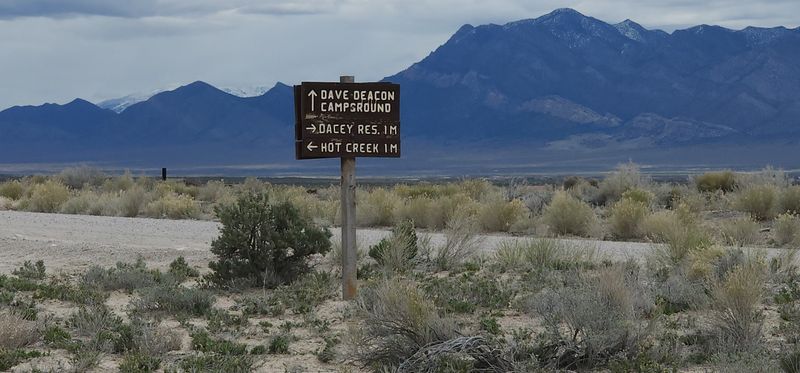
Free camping is available at the nearby Dave Deacon Campground, also called Hot Creek Campground. It sits about one mile from the spring.
The campground offers potable water and an RV dump station, which makes it a solid base for an overnight or multi-day visit.
The trail to the spring is short and manageable for most fitness levels. The terrain is open desert, so good footwear is helpful.
Sun protection is essential because shade is minimal along the route and in the surrounding area.
Cell service is limited to nonexistent in this area. Download offline maps before you leave civilization.
Bring enough water, food, and supplies for the full day. The remoteness is part of the appeal, but preparation makes the difference between a great trip and a stressful one.
Local Flora Thriving Around Areas
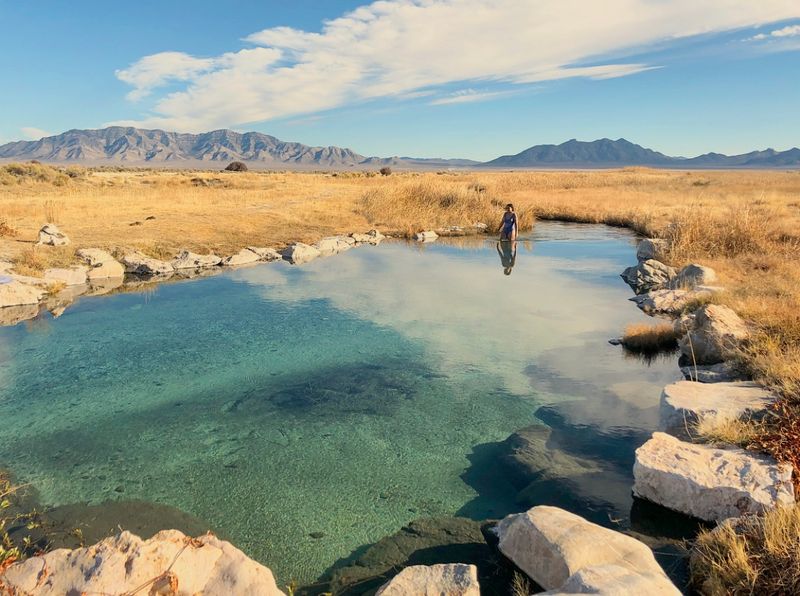
The vegetation around Hot Creek Spring tells two completely different stories at once. Just steps away from the spring, the landscape is classic Nevada high desert.
Dry, scrubby, and tough. Plants out here have adapted to survive on very little water and a lot of sun.
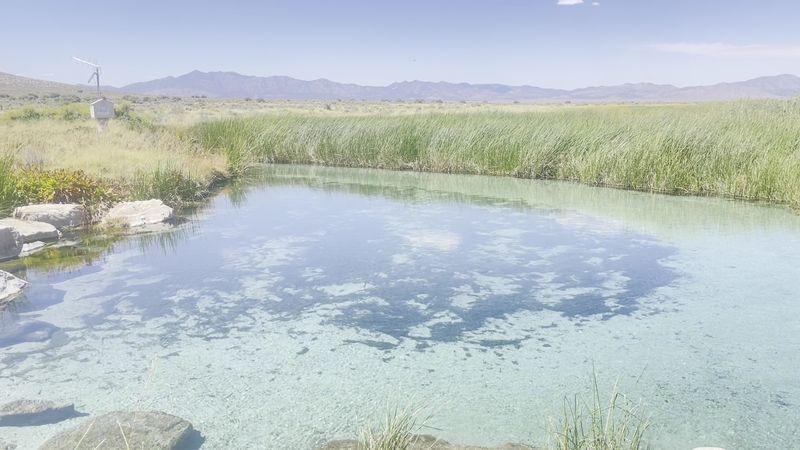
Right at the water’s edge, everything changes. The consistent moisture from the spring supports lush marsh vegetation that looks almost out of place in the surrounding dryness.
Reeds, rushes, and other water-loving plants cluster along the banks. The contrast is genuinely striking when you see it in person.
This type of vegetation zone is called a riparian corridor. It forms wherever consistent water meets dry land.
Even in the middle of the Nevada desert, a reliable water source creates a ribbon of green life. That green ribbon supports insects, birds, and small animals that depend on it.
Wildflowers also appear seasonally around the spring area. Spring and early summer bring color to the surrounding desert floor.
The bloom is brief but worth timing your visit around if you enjoy that kind of visual reward.
Native plant communities here are fragile. Foot traffic off the established trail can damage root systems and compact soil.
Staying on the marked path protects the plants and keeps the ecosystem intact. The flora around Hot Creek Spring is part of what makes the whole scene look so unexpectedly alive.