
This Stunning Wisconsin Lakeside City Will Throw A Massive Irish Festival Next Month
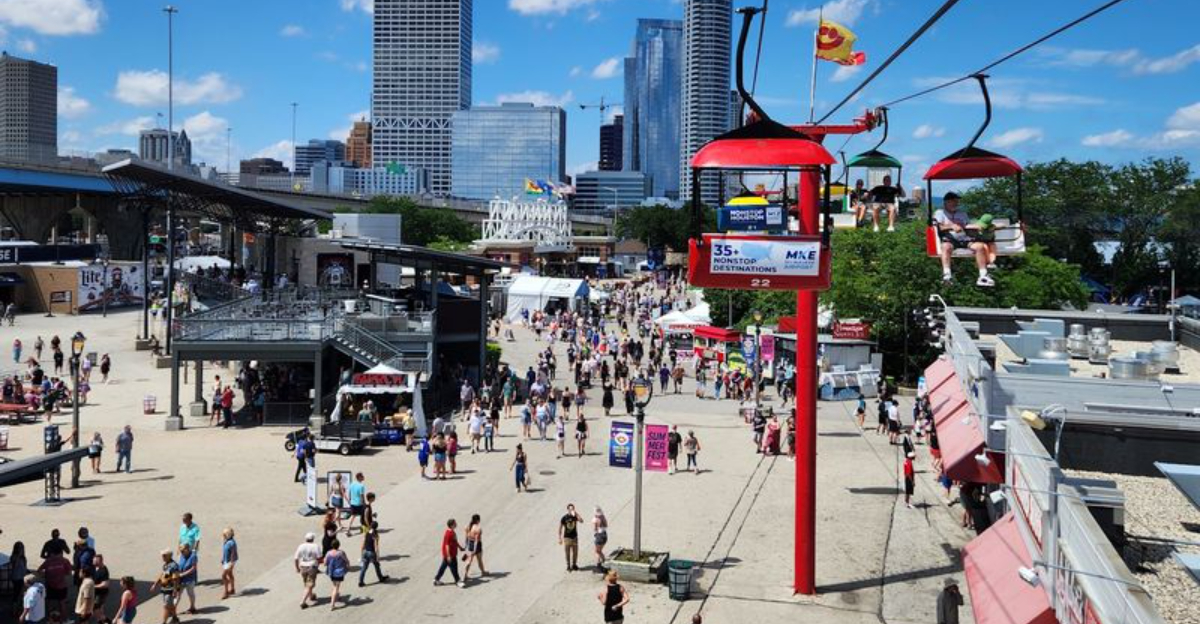
Water on one side. Bagpipes on the other.
This lakeside city throws one of the biggest Irish parties on the planet next month.
Think fiddles echoing across seventeen stages while dancers blur their feet in perfect rhythm. Players swing curved wooden sticks in a sport most Wisconsin visitors have never seen before.
Could a festival built by one determined organizer really outgrow entire countries?
Ask the volunteers who have worked the same gate for decades and still show up smiling.
This city hosts plenty of summer festivals, but none blend heritage and lakefront views quite like this one. Genealogy tents trace family trees, and food stalls serve stew until dark.
Ready to plan your own trip to Wisconsin? Bookmark this guide before the gates open.
A Lakefront Setting That Steals The Show
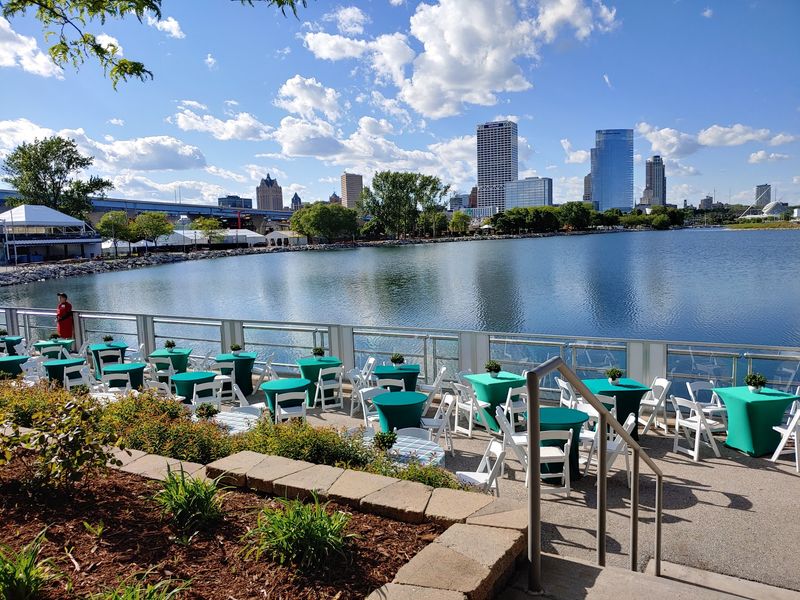
© Henry Maier Festival Park by Milwaukee World Festival, Inc.
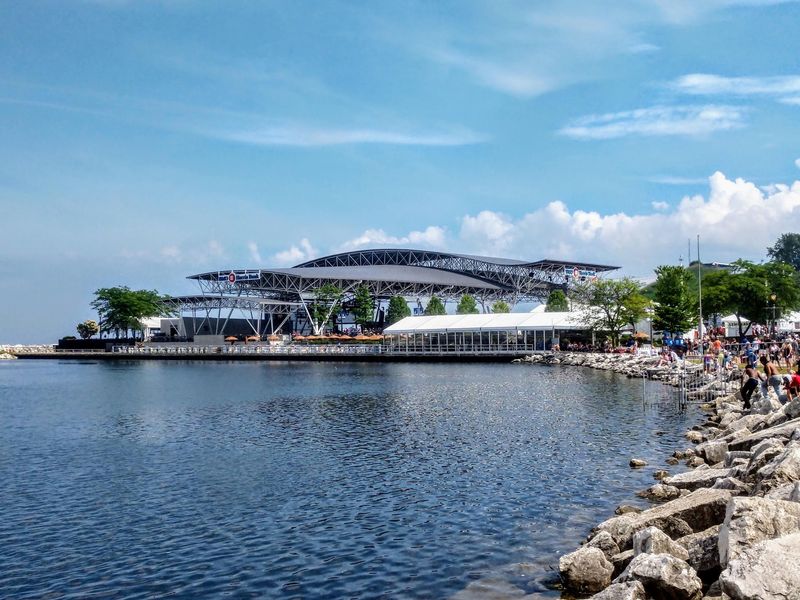
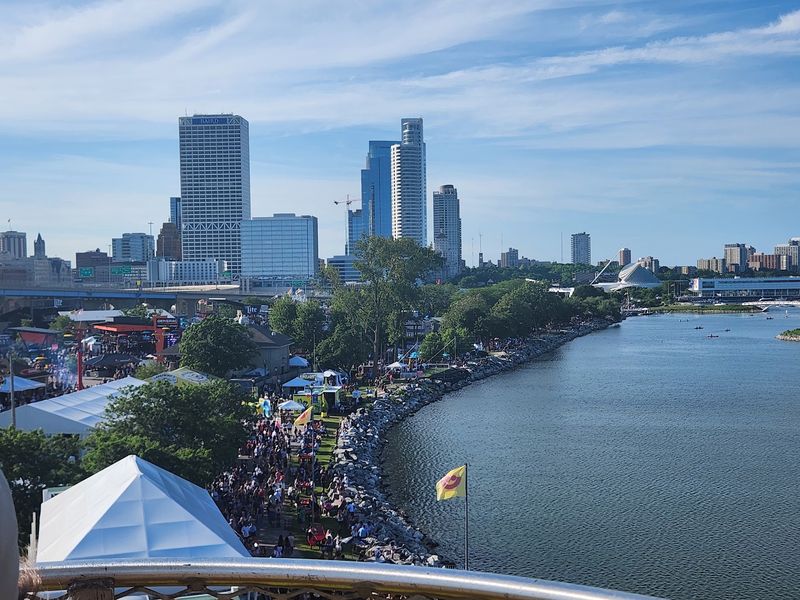
Water on one side, skyline on the other. Milwaukee Irish Fest sets up on a stretch of lakefront that already ranks among the prettiest festival grounds anywhere.
The park sits at 200 N Harbor Dr, Milwaukee, WI 53202, right where the city meets Lake Michigan. Permanent stages, paved walkways, and plenty of restrooms mean the infrastructure is already built for big crowds.
Breezes roll in off the lake all day. That keeps August afternoons bearable, though the same breeze can turn chilly once the sun drops.
Bring a light jacket. Regulars learn this lesson exactly once.
Shade can be limited near some stages, so a hat helps during midday sets. The lagoon walk offers a quieter, greener route between performances.
Views of the water show up constantly as visitors move between pavilions. Photographers tend to linger near the eastern edge, where the shoreline opens up.
The grounds are large, so comfortable shoes matter more than style. Expect real walking between the far corners.
Few festivals get scenery like this thrown in for free. Milwaukee simply happens to have it.
How A Three-Day Idea Grew Into Something Global
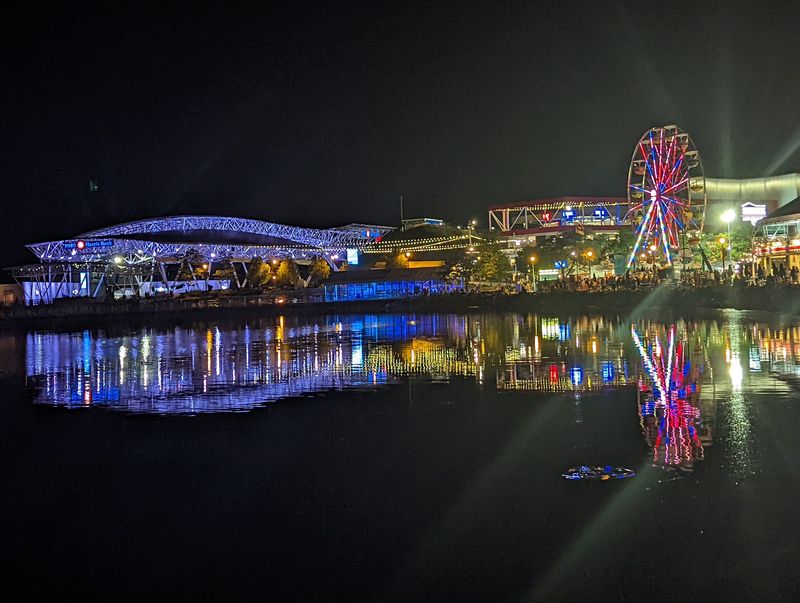
Back in 1981, the whole thing lasted three days. Nobody involved could have guessed what it would become.
Milwaukee Irish Fest was founded by one determined organizer who wanted a proper showcase for Irish music and culture. The idea caught on quickly with the city’s large Irish American community.
Four decades later, the event runs four days and draws performers from Ireland, Scotland, Canada, and across the United States. Organizers describe it as the world’s largest celebration of Irish music and culture.
Growth like that does not happen by accident. More than 4,300 volunteers pitch in each year, handling gates, stages, tents, and everything in between.
Many volunteer families have worked the same posts for generations. Their kids grow up and take over the shifts.
The festival also feeds the local economy, filling hotels and restaurants across Wisconsin during a busy summer stretch.
What began as a modest lakeside gathering now anchors an entire cultural organization. History here is not just displayed in exhibits.
It is being written every August on the same patch of ground.
Seventeen Stages And Nearly 250 Acts
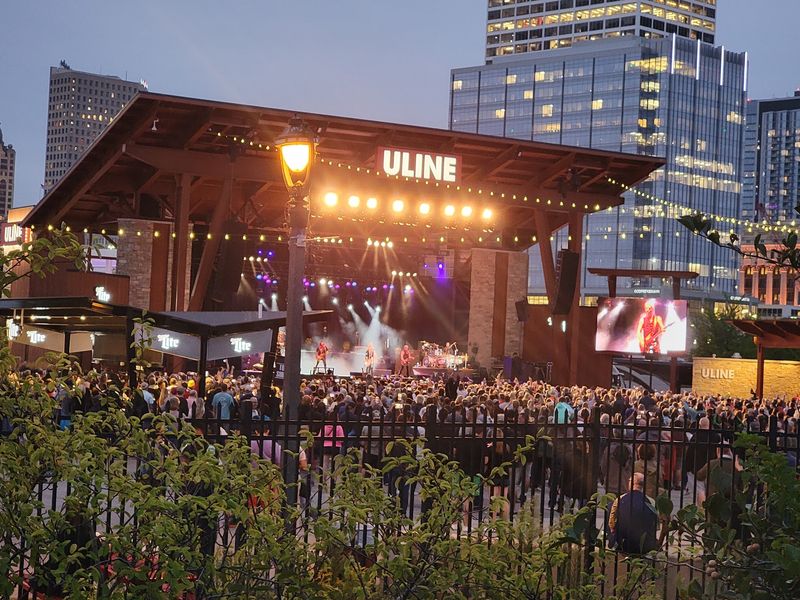
Ever tried to see everything at a music festival? Good luck here.
Milwaukee Irish Fest schedules close to 250 acts across 17 stages. The lineup runs from traditional Irish tunes to folk, bluegrass, indie rock, and neotraditional bands pushing the sound forward.
Fiddles, pipes, bodhrans, harps, and electric guitars all get their moment. Sets overlap constantly, so choices must be made.
Smart visitors grab a schedule early and circle three or four must-see acts. Everything else becomes happy discovery.
Stages sit far enough apart that sound rarely bleeds between them. Wandering from one to the next feels like flipping radio stations.
Smaller tented stages often deliver the most memorable moments. Performers chat with the audience between songs, and the mood stays loose.
Headliners fill the larger areas after dark, when the lake air cools and the crowd settles in.
Some musicians return year after year and treat the grounds like a reunion. Regular attendees recognize them instantly.
Four days, hundreds of performances, one lakefront park in Milwaukee. Ears will be busy.
Dancers Who Make Gravity Look Optional
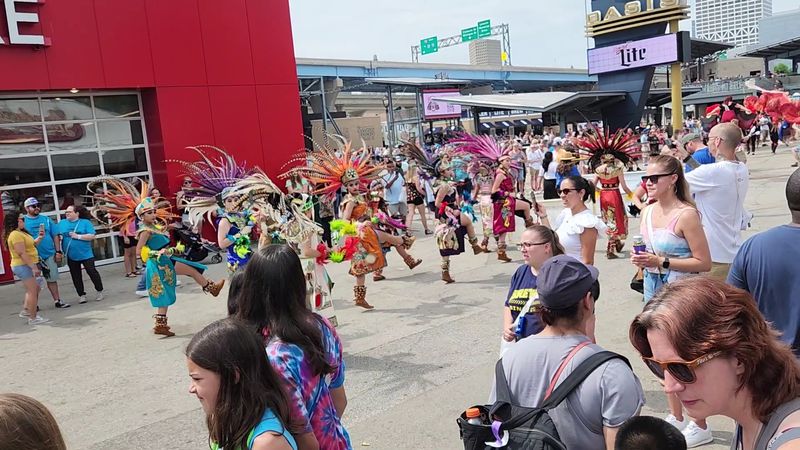
Sharp kicks, straight backs, and feet that blur. Irish dance draws some of the biggest crowds on the grounds.
Local Milwaukee dance troupes perform throughout the weekend, joined by visiting schools and touring companies. Costumes sparkle, and the precision is remarkable.
Watching is only half the fun. Céilí dance sessions invite anyone to step in and learn a few group figures.
No experience required. Instructors walk beginners through the steps slowly, then speed things up once the room catches on.
Kids especially love it. Parents usually get pulled in too.
Hard shoe numbers produce that famous clattering rhythm, while soft shoe routines float almost silently. The contrast between the two styles is easy to spot once explained.
Competitions and showcase performances fill stage time across all four days at Milwaukee Irish Fest. Schedules list which troupes appear where.
Front-row spots near dance stages fill early on Saturday. Arriving a set ahead usually solves that.
Sore calves the next morning are a badge of honor for anyone who joined in.
The Cultural Village Where Ireland Comes To Class
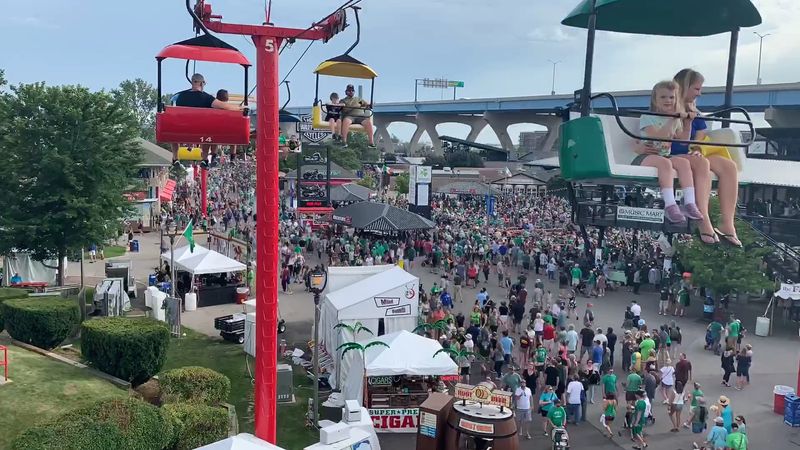
Music gets the headlines. The Cultural Village quietly steals hearts.
This dedicated area explores Irish and Celtic history, language, art, sports, and traditions. Exhibits inside the Cultural Pavilion have covered subjects like Ireland’s role in American history and the island’s puffin colonies.
Interactive displays keep things from feeling like a museum lecture. Kids poke at maps while adults read the panels behind them.
The Gaeltacht Stage focuses on the Irish language. Visitors can pick up simple phrases and hear native speakers in conversation.
Nearby, the Hedge School hosts talks on history and folklore. The Literary Corner brings authors in to read and answer questions.
Drama fans should find the Theatre Pavilion, where short plays and staged readings run throughout the weekend.
Wandering this section of Milwaukee Irish Fest offers a break from stage volume. Seating is shaded and conversation is easy.
Anyone curious about where Irish traditions actually come from will find answers here. Plenty of visitors plan their whole afternoon around it.
Learning something new counts as a souvenir.
Hurling, Gaelic Football, And Boats Called Currachs
Fast sticks, flying ball, zero hesitation. Hurling surprises almost everyone who watches it for the first time.
Irish sports hold a real place at Milwaukee Irish Fest. Gaelic football and hurling demonstrations bring athleticism that rivals anything on American television.
Players wear helmets and swing curved wooden hurleys. The pace rarely slows.
Currach racing adds a water element, with rowers powering traditional Irish boats near the lakefront. Cheering crowds gather along the edge to watch.
Volunteers explain rules for anyone confused. Questions are welcome, and the explanations are patient.
Kids sometimes get a chance to try holding a hurley or kicking a football. Photos from those moments end up framed.
Sports areas tend to be less crowded than music stages, which makes them a good midday escape.
Shade is limited near the fields, so water and sunscreen help.
Wisconsin sports fans often walk away with a brand new team to follow. Hurling has that effect.
Few festivals let visitors discover an entire sport in one afternoon.
Food Stands That Go Way Beyond Corned Beef
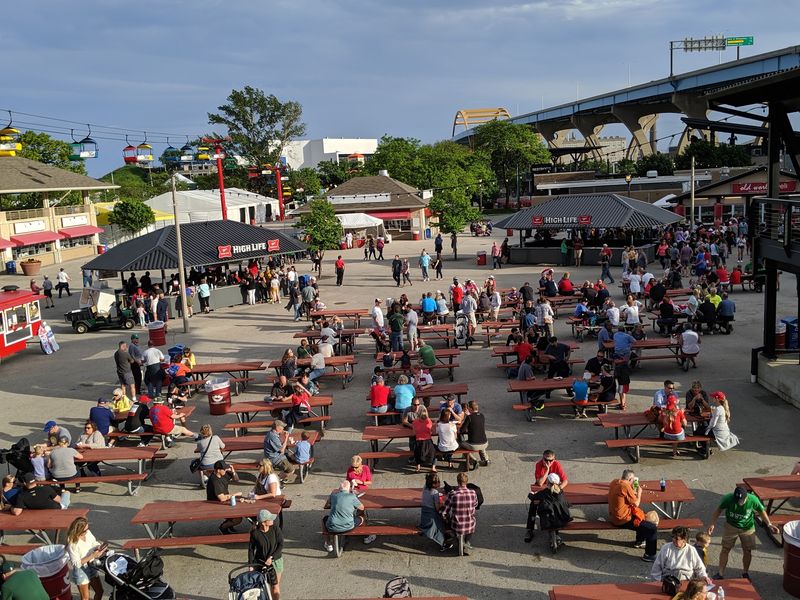
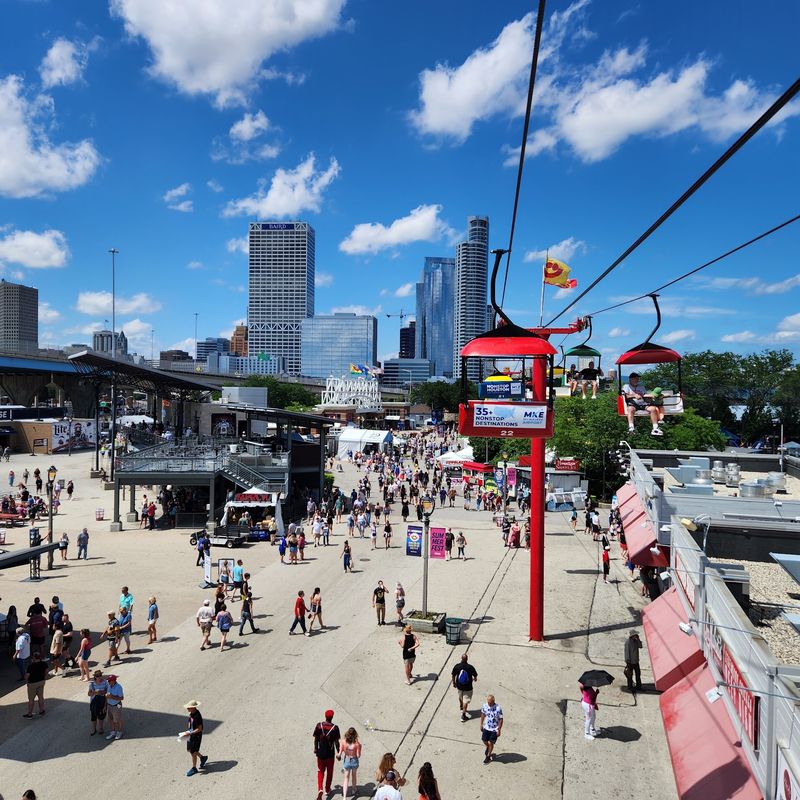
Hungry yet? More than 35 food locations operate across the grounds.
Traditional Irish plates anchor the menu at Milwaukee Irish Fest. Think shepherd’s pie, boxty, soda bread, and hearty stews served in generous portions.
Fish and chips lines move steadily all weekend. The smell alone pulls people off the walkways.
Not everyone wants Irish food for four straight days, and organizers know it. Standard festival options appear too, including burgers, sweets, and lighter snacks.
Vegetarian choices exist, though selection varies by vendor. Asking at the stand usually gets a quick answer.
Prices run typical for a large outdoor event. Sharing plates helps stretch a budget.
Scones and desserts show up at bakery stands, often selling out by evening. Early birds do better.
Seating clusters near the food areas, but shaded tables disappear fast at lunchtime. Eating slightly off-peak solves that problem.
Grabbing something warm before an evening concert is a small ritual for many regulars.
Nobody leaves this Wisconsin lakefront hungry, which may be the truest sign of Irish hospitality.
Tracing Family Roots In The Genealogy Tent
Ever wondered where a surname actually came from? A whole tent exists to answer that.
The Genealogy Tent at Milwaukee Irish Fest offers research assistance for visitors chasing Irish ancestry. Volunteers help navigate records, immigration documents, and family name origins.
Exhibits cover DNA testing, Irish naming patterns, and how surnames shifted after arrival in America. Even people with no Irish background find the displays interesting.
Bringing basic details helps enormously. A grandparent’s full name, birth year, or county of origin gives researchers a starting point.
Sessions can get busy on Saturday. Stopping by Friday or Sunday morning often means shorter waits and longer conversations.
Some visitors uncover connections they never expected. Others simply learn how to continue searching at home.
The volunteers running this area know their material well. Their enthusiasm makes the process feel less intimidating.
Free notepads and pens are usually available for jotting down leads.
Walking out with a new branch of the family tree beats any t-shirt from the marketplace. Plenty of guests count it as their favorite stop.
Little Ones Get Their Own Corner Of The Park
Small legs, big energy, endless snack requests. Families handle it all better here than at most festivals.
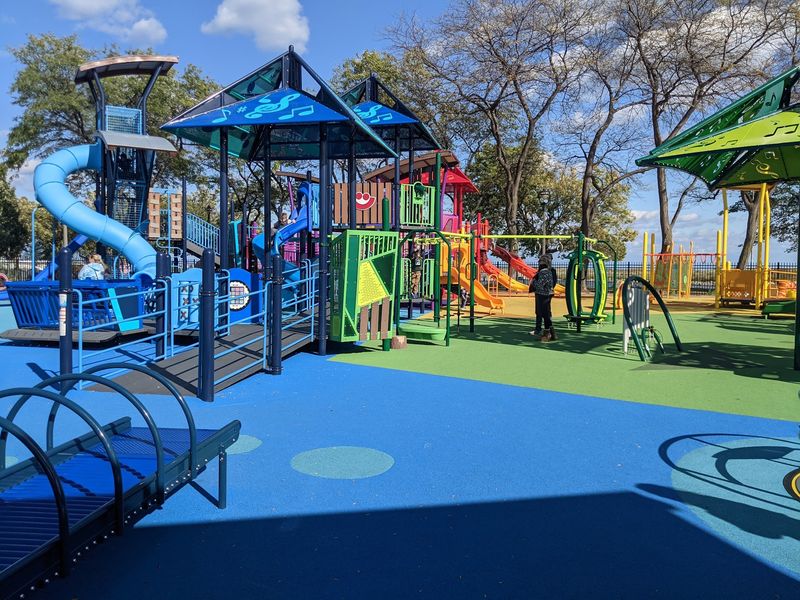
Milwaukee Irish Fest sets aside space specifically for kids. A children’s stage runs performances designed for younger attention spans throughout each day.
The Leprechaun Village adds costumed characters, games, and photo opportunities. A playground nearby gives everyone a chance to burn off energy.
A family passport encourages kids to visit different areas and collect stamps along the way. Turning exploration into a game works surprisingly well.
Storytelling sessions and craft activities appear on the schedule too. Younger children often sit longer than parents expect.
Strollers roll fine on the paved paths, though busy afternoons make navigation tricky. Sticking to the lagoon route helps.
Sound levels near the main stages can overwhelm small ears, so bringing hearing protection is a smart move.
Shade, water, and a mid-afternoon break keep meltdowns away.
Many Wisconsin families treat this as an annual tradition, returning with new babies year after year. Watching kids grow up on these grounds is part of the charm.
Marketplace Finds Worth Packing Home
Wool sweaters in August? Absolutely, and they sell.
Marketplace vendors at Milwaukee Irish Fest stock Celtic jewelry, knitwear, artwork, books, music, and household goods with Irish designs. Several sellers import directly from Ireland.
Claddagh rings and Celtic knot pendants draw steady attention. Craftspeople often explain the meanings behind the symbols.
Musicians selling their own recordings set up near stages. Buying directly after a set means a chance to talk with the performer.
Bookstalls carry Irish history, poetry, and fiction. Browsing them is a calm break from the crowds.
Prices vary widely, so walking the full row before buying pays off. Similar items sometimes differ between booths.
Cash speeds up transactions, though most vendors handle cards.
Shopping early leaves you carrying bags all day, so many visitors save it for the final hours. Bringing a foldable tote solves the problem either way.
Handmade goods tend to disappear by Sunday afternoon. Anyone eyeing something specific should not wait too long.
Souvenirs from here actually get used, which is rare.
Beating The Crowds With Smart Timing
Saturday afternoon gets packed. Everything else stays surprisingly manageable.
Regulars at Milwaukee Irish Fest say the grounds feel less crowded than several other events held at the same park. Timing still makes a difference.
Early mornings are calm and pleasant. Stages are quieter, food lines are short, and photographers get clean shots.
Sunday evening carries a mellow, unhurried mood. Many consider it the best window for relaxed listening.
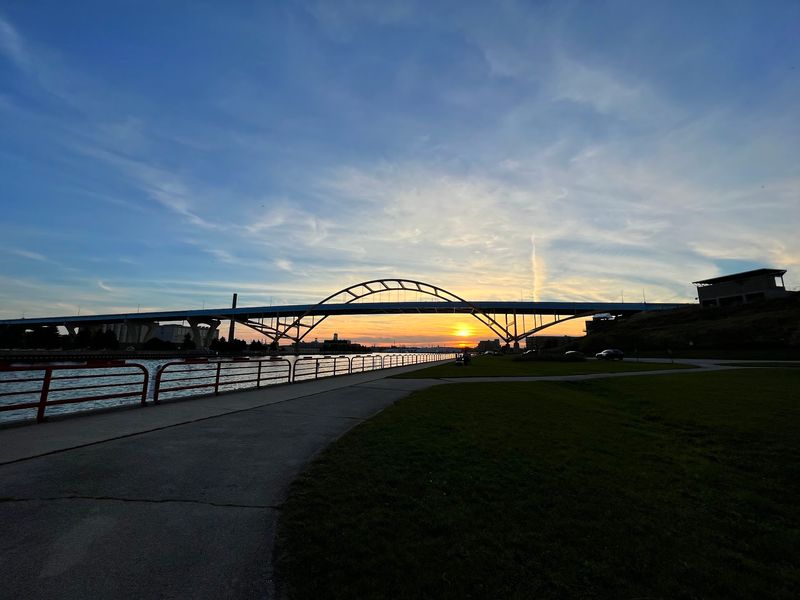
The lakefront path serves as an alternative to the main walkways when traffic builds. Fewer people use it, and the views are better.
Parking near the venue can be expensive and slow to exit. Booking a spot in advance through a parking app saves both money and patience.
Rideshare drop-off points work well for visitors avoiding the lots entirely.
The 2026 edition of the festival is scheduled for August 13 through 16, following its usual third-weekend pattern in Wisconsin.
Planning around peak hours turns a good day into a great one. A little strategy goes a long way on these grounds.
The Scattering And Other Closing Traditions
How does a four-day festival say goodbye? With everyone on stage at once.
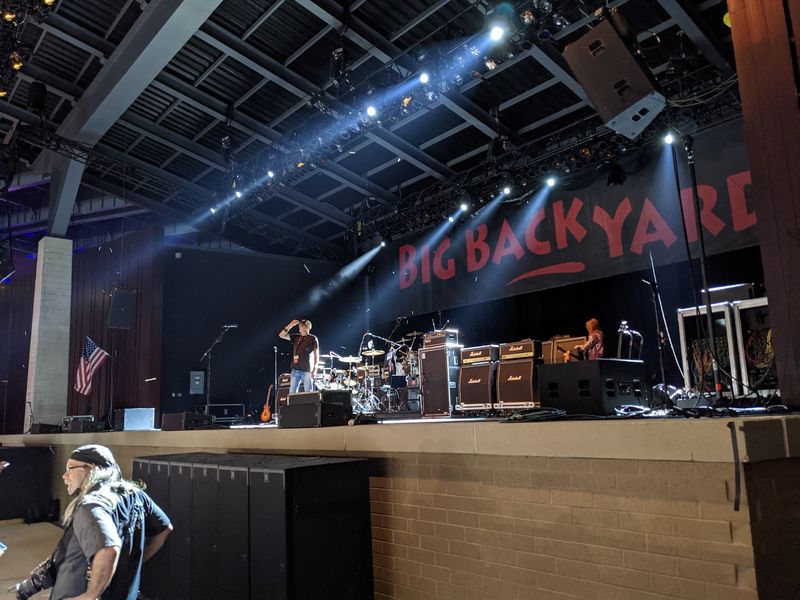
The Scattering closes Milwaukee Irish Fest each year, gathering musicians from across the weekend for one massive combined performance. Fiddlers, pipers, singers, and drummers share the same platform.
Crowds pack in for it. The energy is loud, warm, and a little emotional.
Sunday morning brings a very different tone with a Liturgy for Peace and Justice held on the grounds. Attendance is open to anyone.
Other traditions bookend the weekend too. A 5k run and walk takes place before the gates open, drawing runners along the lakefront.
Poetry and photography contests give creative attendees a way to participate rather than just watch.
Informal music sessions along the lagoon path often continue late, with musicians simply playing for each other.
The festival motto, Céad míle fáilte, means a hundred thousand welcomes. It shows up everywhere and actually feels earned.
Four days of music end, but the tunes stick around much longer. That is the point.