
This Tennessee Hike Takes Less Than An Hour And Delivers Views People Come Back For Every Season
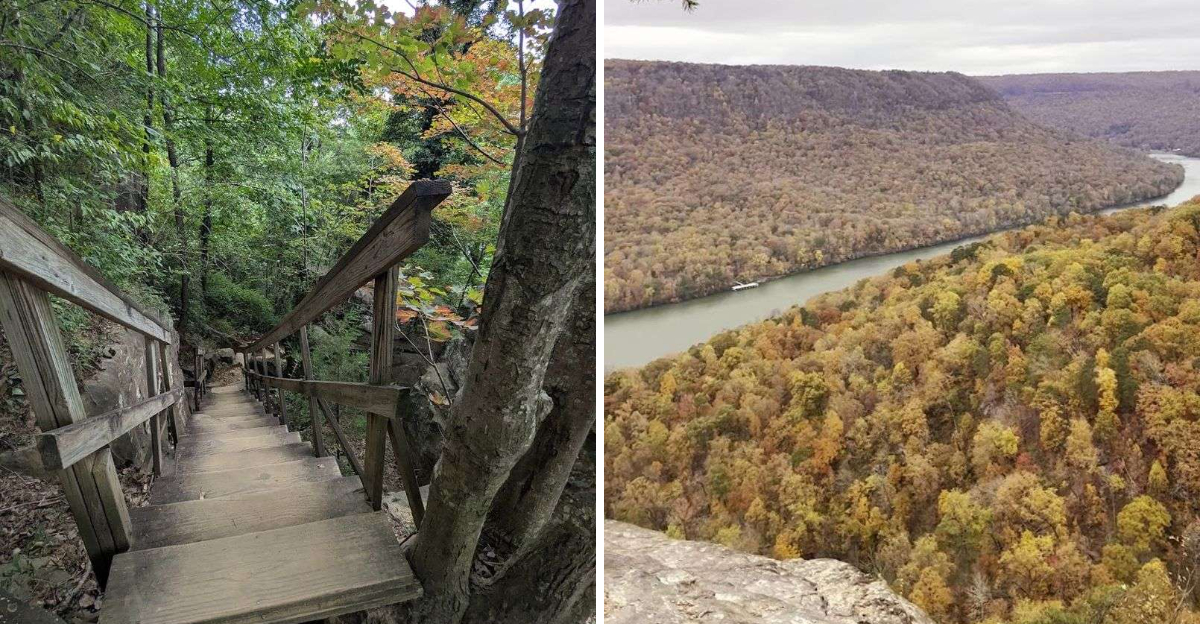
A great view should not always require an all-day climb. Tennessee makes that point beautifully with a short trail that gives hikers a big payoff in less time than a lunch break.
The walk is quick, but it still feels like a real little adventure, with forest, rocky footing, and that satisfying moment when the trees finally open up. Then the view takes over.
Wide gorge scenery, layers of green, fiery fall color, clearer winter sightlines, and fresh spring growth all give people a reason to return. That is the magic here.
The hike is manageable enough for a casual outing, but the overlook feels much larger than the effort required. Bring water, wear decent shoes, and leave a few extra minutes for staring.
Some trails ask for hours. This one simply asks you to show up.
The Trailhead At Signal Point Park And What To Expect Before You Start
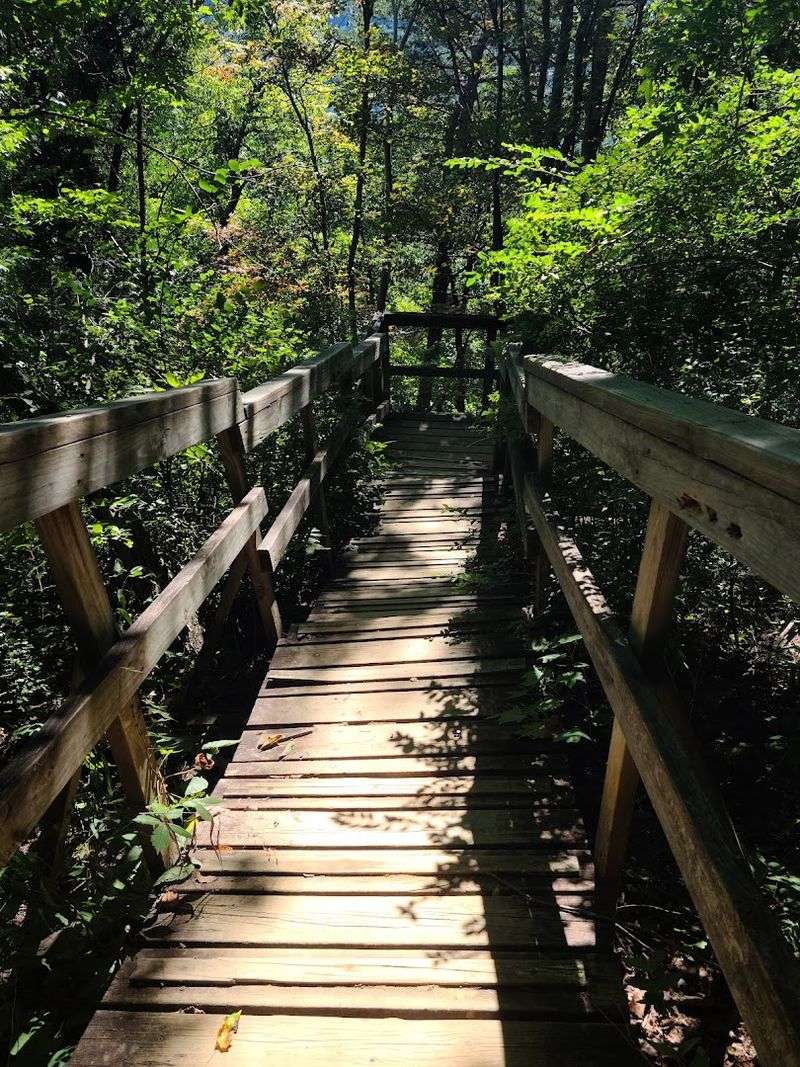
First impressions matter on any trail, and Signal Point Park sets a solid one.
The parking area sits at the top of Signal Mountain, and before you even lace up your boots, you are already looking at a sweeping view of the Tennessee River Gorge from the paved overlook.
The park is part of the Chickamauga and Chattanooga National Military Park system, which adds a quiet layer of historical significance to the whole experience.
Restrooms are available at the trailhead, though reviews from recent visitors suggest the facilities are functional but not exactly spotless. Parking is free, which is always a welcome detail.
On weekends, the lot fills up faster than you might expect, so arriving early in the morning gives you a better shot at a stress-free start.
Picnic tables near the overlook make the park a pleasant spot to linger before or after the hike. Bring water, wear shoes with real grip, and mentally prepare for a steep initial descent that begins almost immediately after you leave the paved area.
Those First Steps Down The Mousetrap Will Wake You Up In A Hurry
Local hikers have a name for the opening section of this trail, and it is not a flattering one.
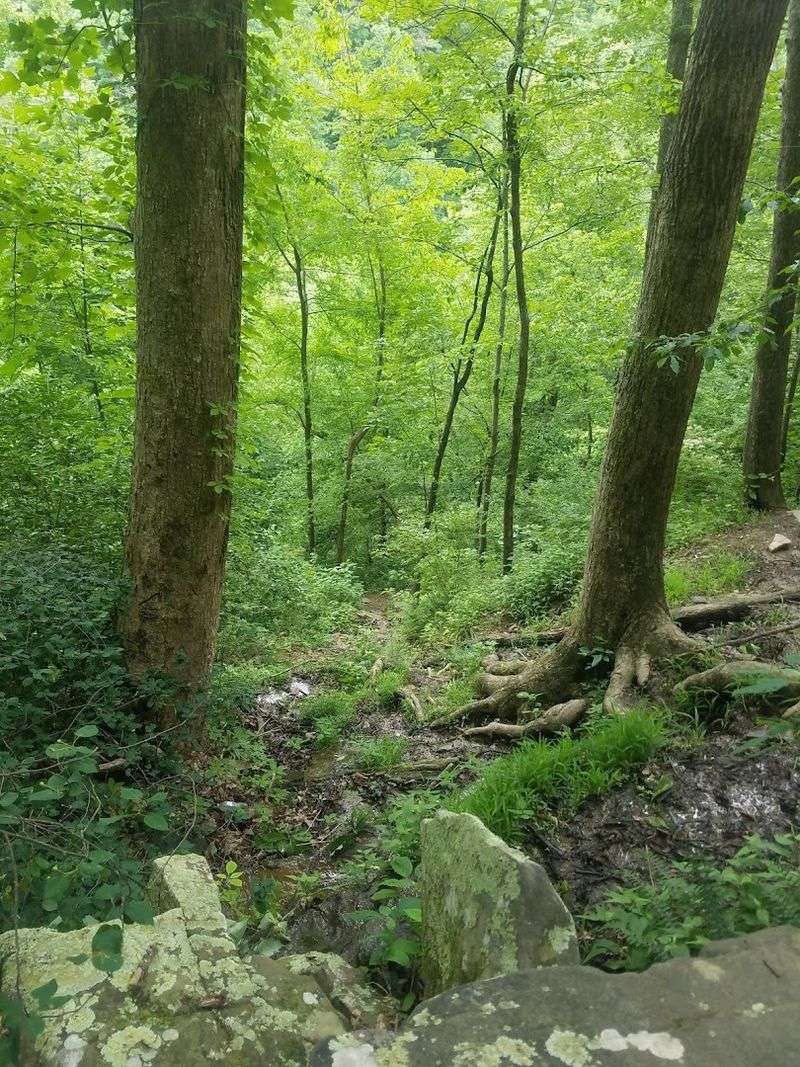
The stretch known as the mousetrap is a series of wooden ramps and stairs that drops roughly 200 feet in a short distance, plunging you off the ridge and into the gorge below.
The descent is steep, and the wooden structures have seen better days in some sections, with a few stairs missing portions of wood and some railings that feel less than reassuring.
Good news arrived recently, though. Several visitors have noted that new stairs have been installed at the beginning of the descent, replacing the older, more alarming ones.
Even with improvements, this section demands sturdy footwear and a measured pace. Rushing it is how people twist ankles.
After recent rainfall, the wooden surfaces become genuinely slippery, and fallen leaves in autumn add another layer of unpredictability underfoot. Hiking poles are worth bringing if you have them, especially for the return climb back up.
The mousetrap earns its reputation not because it is dangerous by nature, but because it punishes inattention. Pay attention, move deliberately, and you will handle it without drama.
The Tennessee River Gorge View That Rewards Every Step Of The Climb
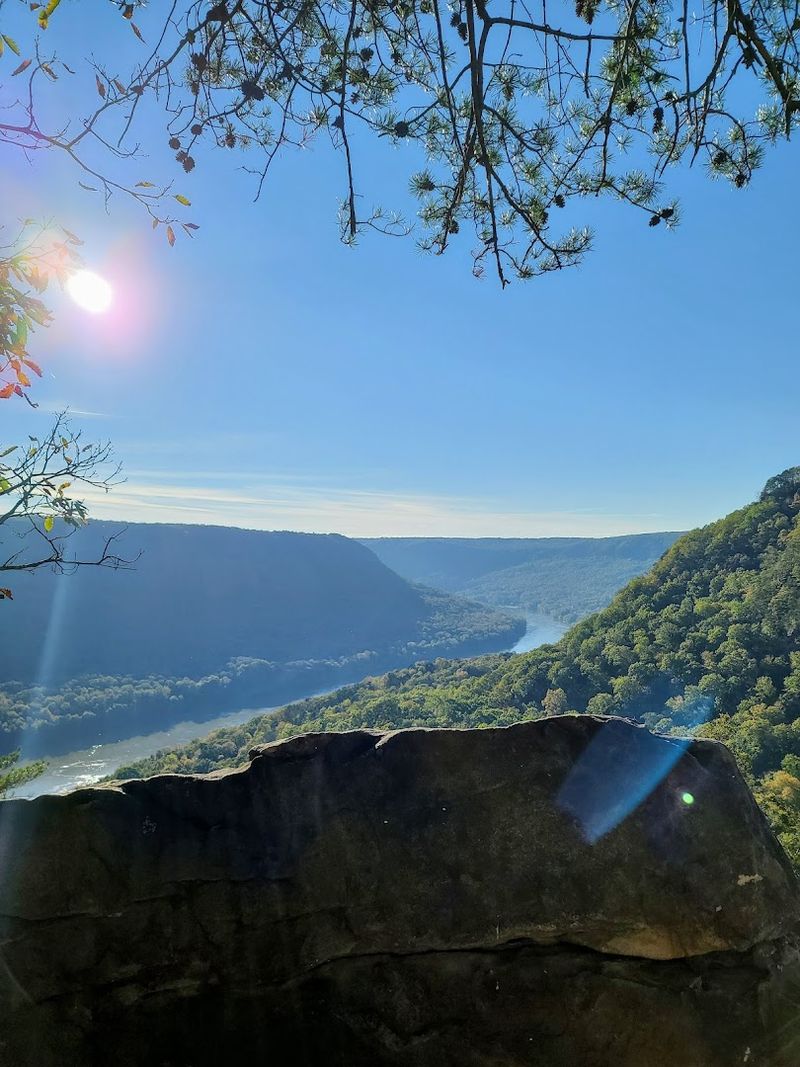
Standing at the Julia Falls Overlook, the Tennessee River Gorge opens up in front of you with a scale that photographs simply cannot capture. The river curves through the valley far below, flanked by dense ridgelines that stretch toward the horizon.
On a clear day, Williams Island is visible, and downtown Chattanooga appears in the distance like a faint suggestion of civilization tucked behind the hills.
The overlook itself is raw and unguarded. There are no safety railings, and the drop into the gorge is sheer and immediate.
That absence of barriers is both exhilarating and sobering, and it is a detail worth communicating clearly to anyone in your group before you arrive. The view rewards the effort completely, but it requires respect.
Raccoon Mountain and Edwards Point are visible across the gorge, giving the scene a sense of depth and geography that feels almost instructional. You start to understand the landscape in a way that a map never quite communicates.
The overlook sits at approximately 35.1216 latitude, 85.3698 longitude, and the elevation of Signal Mountain keeps the air noticeably cooler than the valley during summer months.
Julia Falls Itself And The Conditions That Bring It To Life
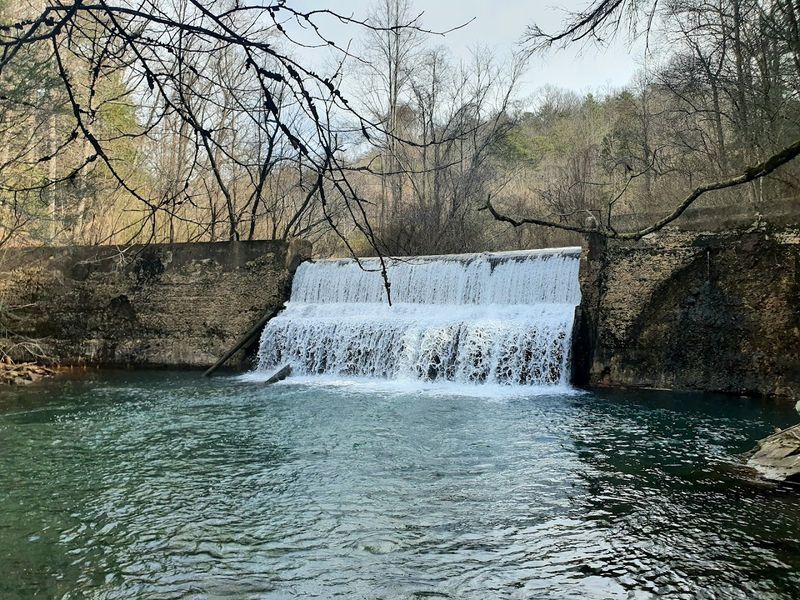
The waterfall that gives this overlook its name is not always easy to see, and that is part of what makes it interesting. Julia Falls drops roughly 95 to 100 feet down the opposite wall of Middle Creek Gorge, and its visibility depends heavily on recent rainfall.
After a significant storm, the falls run full and dramatic, a white ribbon cutting through dark rock. During dry spells, the flow reduces to something more modest.
Winter is actually one of the best times to observe the falls clearly.
When the trees shed their leaves, the sightlines across the gorge open up considerably, and the waterfall stands out against the bare landscape with a clarity that the leafy summer months simply do not allow.
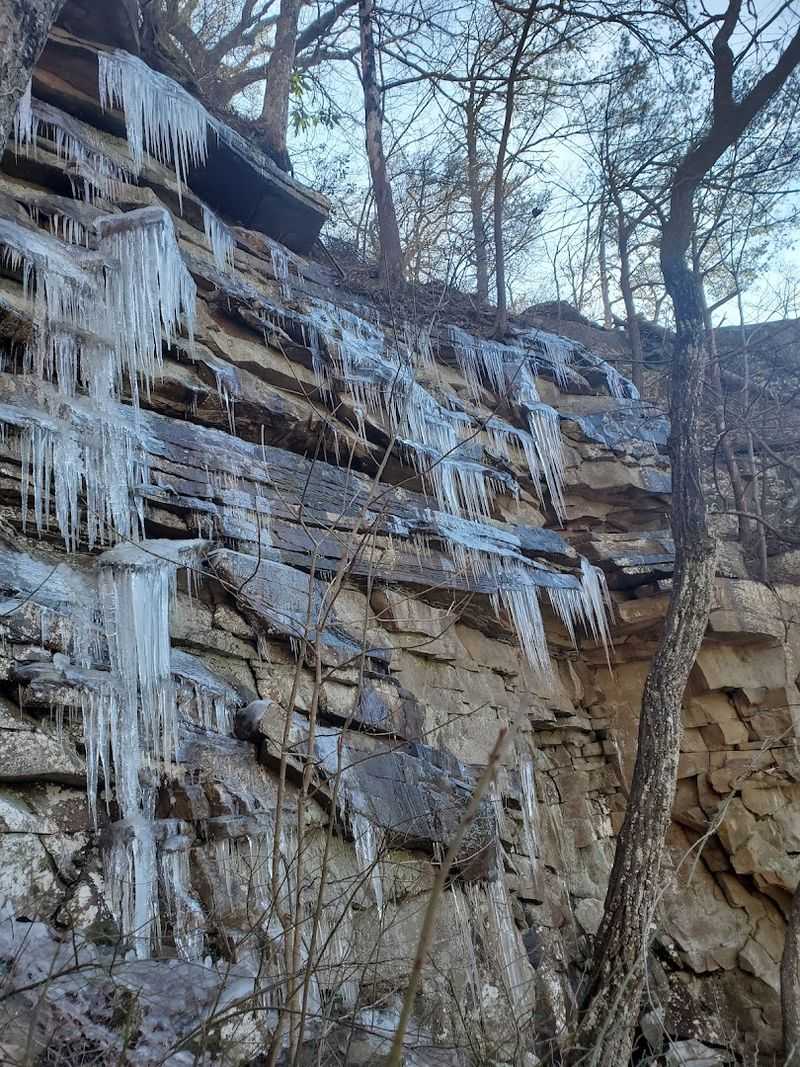
Some visitors have reported seeing ice formations around the falls during cold snaps, which adds an entirely different kind of visual reward.
The falls are not reachable directly from the overlook without a much longer hike, so what you see is a distant but genuinely impressive view. Planning your visit around a period of recent rain significantly increases the payoff.
Checking local weather in the days before your trip is a simple habit that makes a real difference in what you experience at this particular spot.
Fall Is When This Trail Reaches Another Level And The Photos Barely Do It Justice
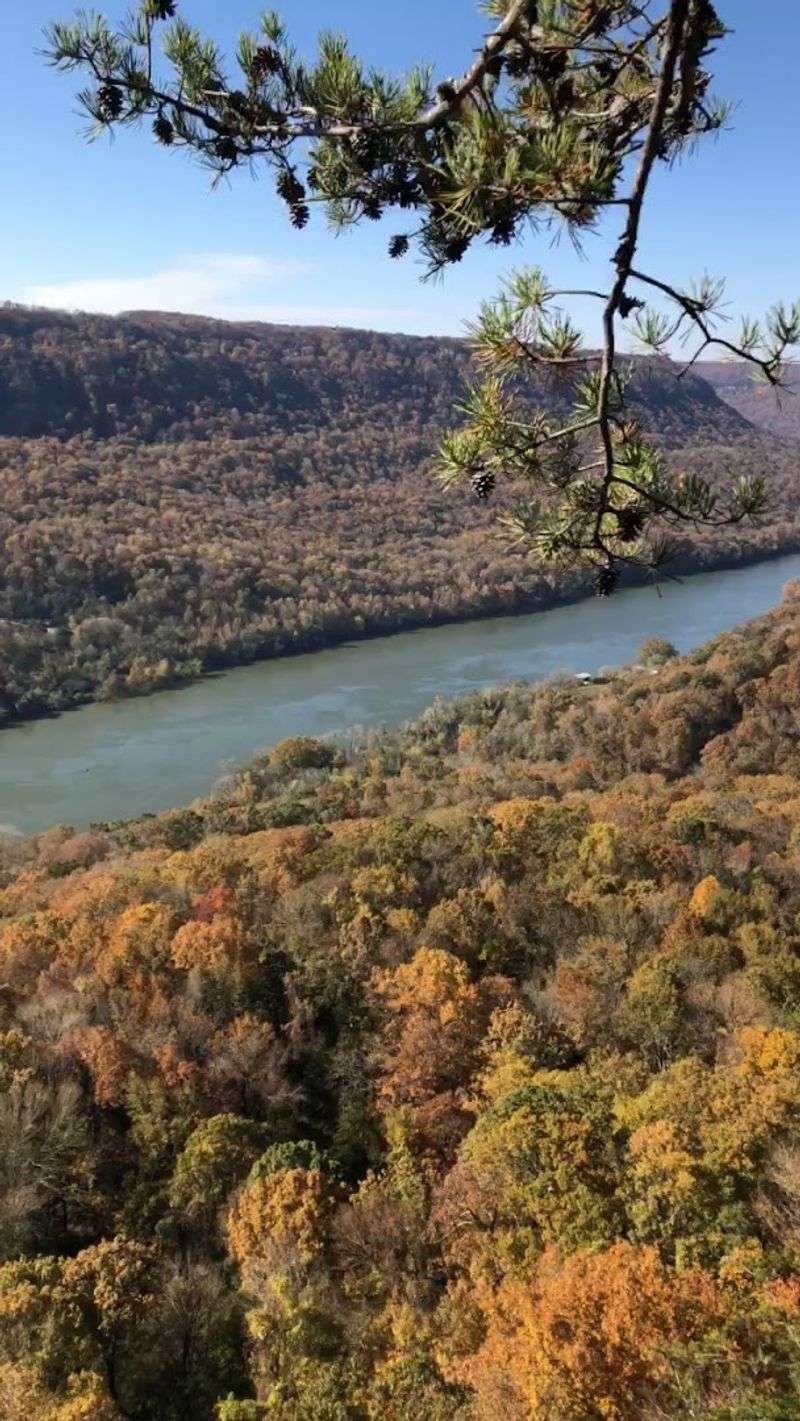
Autumn at the Julia Falls Overlook operates on a different level than any other season.
The tree canopy across Signal Mountain and the surrounding gorge shifts through a full range of color, from early yellows in late September to deep reds and burnt oranges through October.
The gorge below fills with color in a way that makes the already impressive view feel almost excessive in the best possible sense.
One visitor described coming during autumn as beautiful without reservation, and that sentiment appears consistently across multiple visitor accounts. The visual payoff is undeniable.
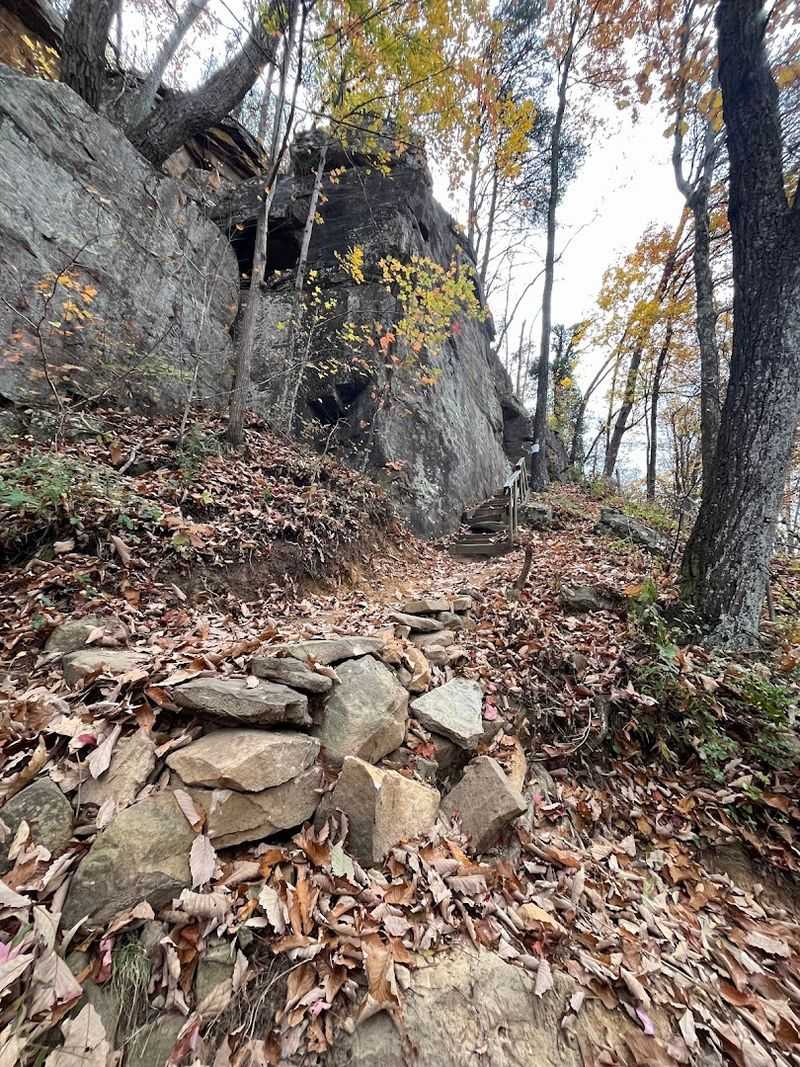
The one trade-off worth knowing is that fallen leaves coat the rocks and wooden steps on the trail, adding a layer of slipperiness that demands extra caution. The mousetrap descent becomes notably more technical when the leaves are down.
October tends to be the sweet spot for color, and the higher elevation of Signal Mountain often means slightly earlier peak color compared to the valley below.
Arriving on a weekday morning in mid-October gives you the best combination of foliage, manageable crowds, and comfortable temperatures.
The hike is short enough that you can take your time without feeling rushed, which is exactly the right pace for appreciating what autumn does to this landscape.
Winter Hiking Here And The Surprising Clarity That Cold Weather Delivers
Most people assume winter is the season to skip a trail like this. At Julia Falls Overlook, that assumption is worth reconsidering.
When the leaves are gone, the views expand dramatically.
Sightlines that were partially blocked by foliage in summer open up across the full width of the gorge, and Julia Falls becomes far more visible against the bare rock face on the opposite ridge.
One visitor specifically mentioned late February as a beautiful time to visit, describing ice and snow scattered across the rocky trail.
Another noted that winter is the season when you can see everywhere from the overlook, a description that captures the openness of the bare landscape well.
The higher elevation of Signal Mountain means temperatures can drop sharply, so dressing in layers is practical advice rather than just a cautious suggestion.
Trail conditions in winter require the same footwear diligence as any other season. Frozen or wet wooden stairs on the mousetrap descent add a level of care that should not be underestimated.
That said, the reduced crowds and the crystalline air make the cold-weather version of this hike genuinely rewarding.
Fewer people, better visibility, and a landscape stripped to its essential structure make winter visits memorable in their own quiet way.
Here Is An Honest Look At What This Hike Actually Asks Of You
The round trip to Julia Falls Overlook clocks in at roughly 0.8 to 1 mile from Signal Point Park.
That compact distance fools a fair number of first-time visitors into underestimating what the trail actually involves.
The elevation change, rocky footing, root crossings, and the mousetrap staircase combine to create a hike that several reviewers have described as strenuous despite its short length.
Children who are comfortable and experienced on trails can manage it, though most visitors suggest that kids under eight or nine years old may find it genuinely challenging. Strollers and wheelchairs are not suited to this terrain at all.
Dogs can join the hike on a leash, but visitors note that older or heavier dogs tend to struggle with the stairs. Also, the unguarded cliff edge at the overlook makes keeping pets under control an active responsibility.
People with knee concerns should factor in the steep return climb, which is demanding in its own right. The trail is not considered ADA accessible.
For anyone who is steady on their feet, wears proper footwear, and approaches the descent with patience, the hike is entirely manageable and deeply satisfying. The difficulty is real but proportionate, and the reward at the end makes the effort feel completely justified.
Gear And Preparation Tips That Make A Real Difference On This Trail
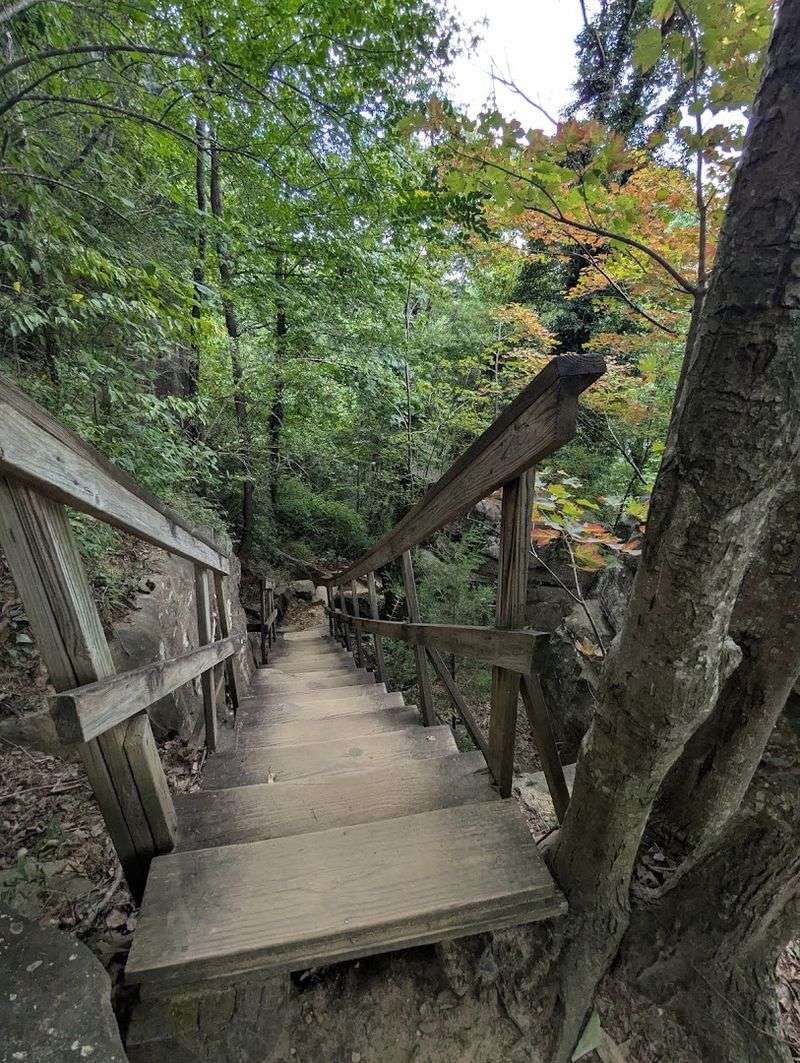
The single most consistent piece of advice across every visitor review for this trail is straightforward: wear shoes with serious grip. The combination of rocks, roots, wooden stairs, and occasional mud means that casual sneakers are a liability rather than a convenience.
Trail runners with aggressive soles or proper hiking boots are the right choice, and the difference in confidence and safety on the mousetrap descent is immediate and significant.
Trekking poles come up repeatedly in visitor accounts as a worthwhile addition, particularly for the steep sections and the return climb. They are not mandatory, but they reduce fatigue on the ascent and provide meaningful stability on the way down.
If you own a pair and are debating whether to bring them, the answer here is yes.
Water is essential even on a short hike like this, particularly during warmer months when the exertion level is higher than the mileage suggests. Sunscreen and a light layer for the overlook are worth packing since the exposed cliff edge catches wind.
Avoid visiting immediately after heavy rain if possible, as the wooden structures and rocky surfaces become significantly more hazardous when wet. A little preparation on the front end translates directly into a more enjoyable experience at the overlook.
Why People Return To This Overlook Season After Season Without Hesitation
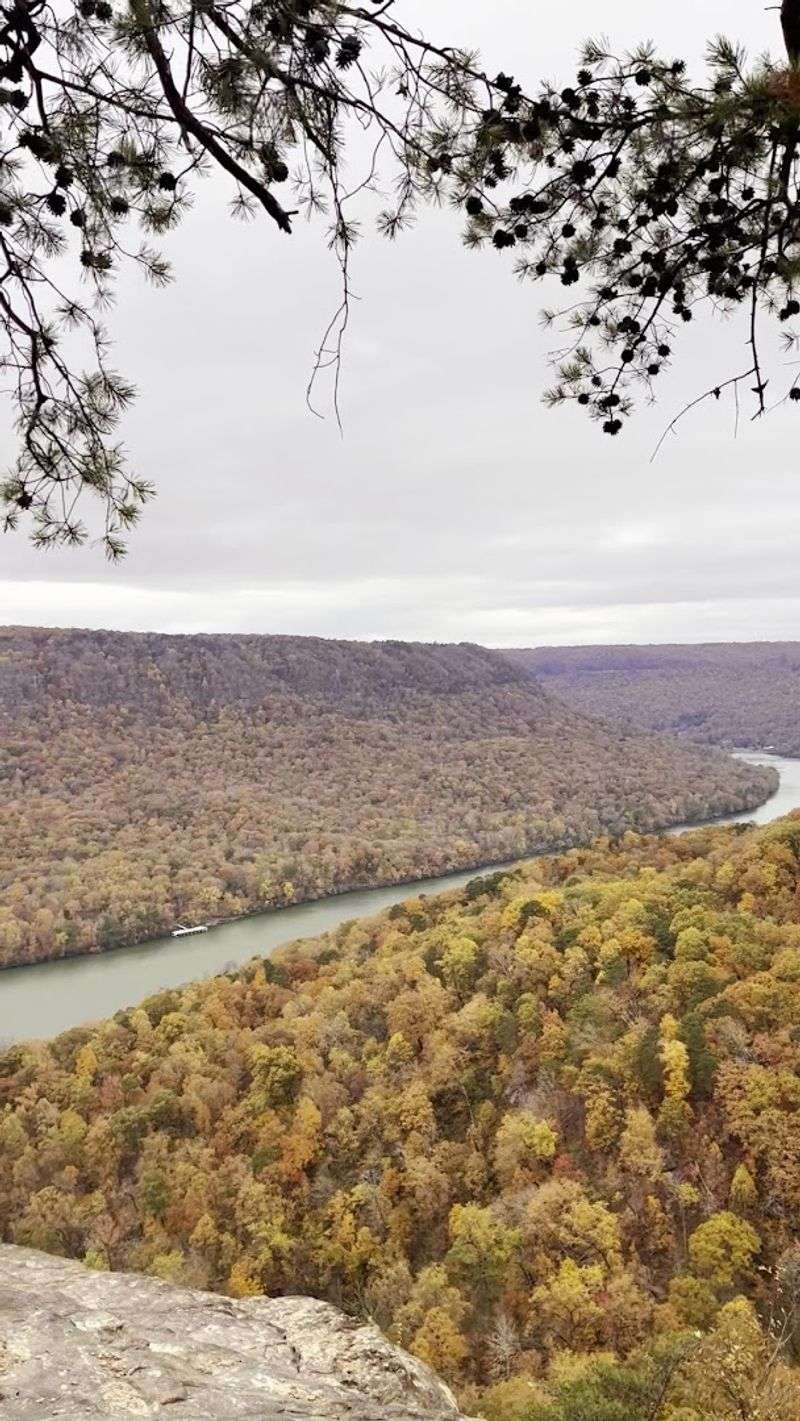
The view changes enough with each season to feel genuinely fresh, and the short distance means a spontaneous visit on a free afternoon is always a reasonable option.
What keeps people coming back is a combination of accessibility and quality that is genuinely hard to find in the same package.
The hike is short enough to fit into a half-morning without disruption, but the payoff at the overlook is substantial enough to justify the effort every single time.
That balance is rarer than it sounds, and hikers in the Chattanooga region seem to recognize it instinctively.
The Cumberland Trail at Signal Mountain sits within reasonable driving distance of Chattanooga, making it a practical destination for locals and a compelling detour for visitors passing through the region.
The combination of gorge views, seasonal waterfall visibility, historical park, and manageable trail length creates a reliable constant in the rotation of anyone who takes hiking seriously.