
This Tennessee Historic Park Has 268 Old Coke Ovens That Tell The Story Of A Forgotten Mining Town
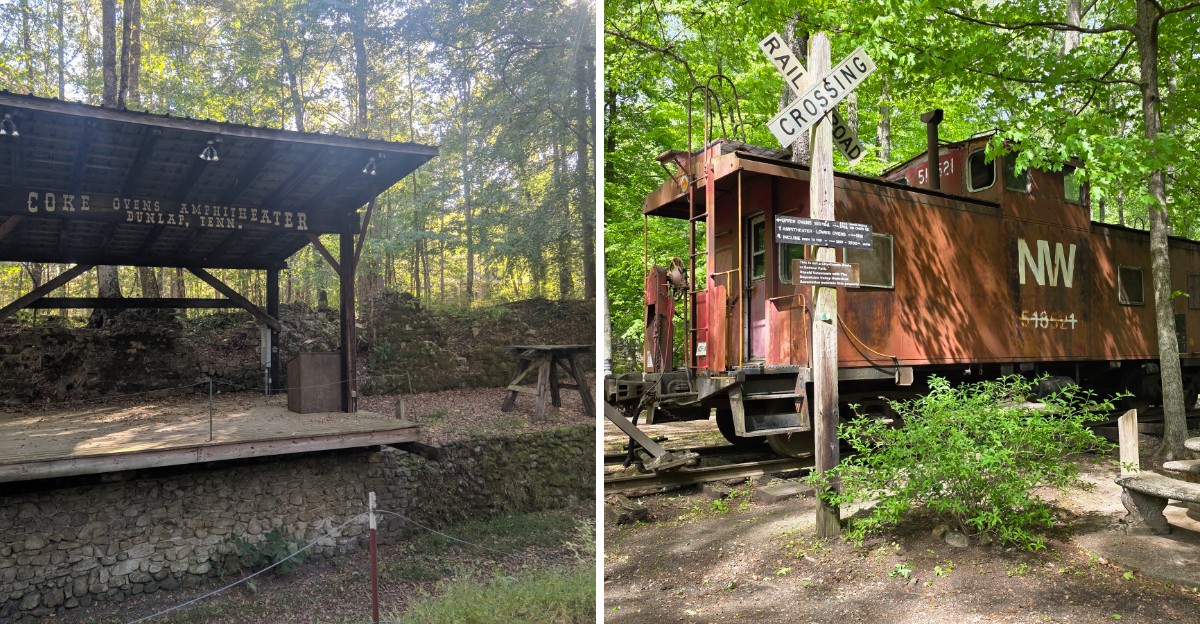
Two hundred sixty-eight stone ovens sit in rows at the foot of a Tennessee mountain. They once glowed day and night, turning coal into fuel for iron and steel.
Then the fires went out in 1927. For more than 50 years, the woods quietly swallowed them, and the story nearly faded with them.
I like how ordinary people refused to let that happen. Local volunteers cleared the ruins, built a museum, and still run the whole place without paid staff.
Admission costs nothing, which feels almost too generous for this much history.
I can’t imagine walking past those brick domes without wondering about the miners who fed them. Who were they?
What did a working day look like here? The answers are waiting in the trees, and they’re more fascinating than you’d guess.
Rows Of Beehive Ovens Will Stop You In Your Tracks
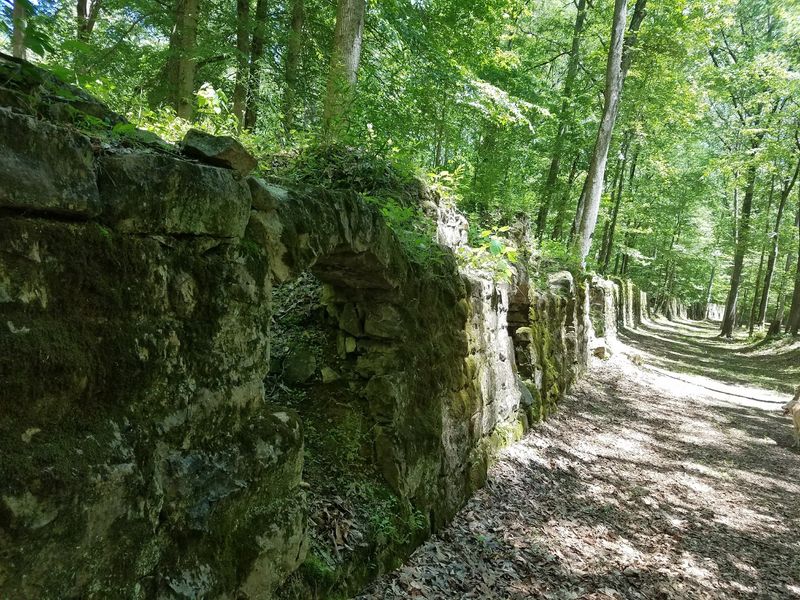
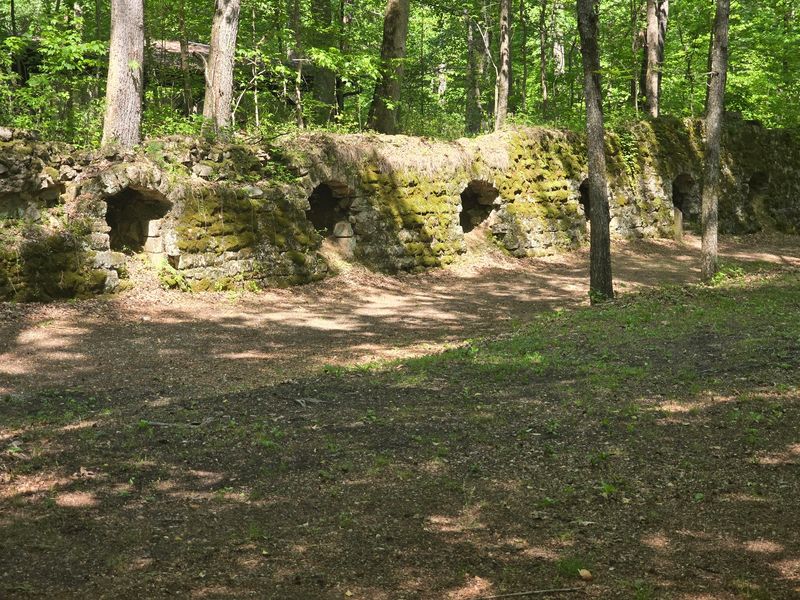
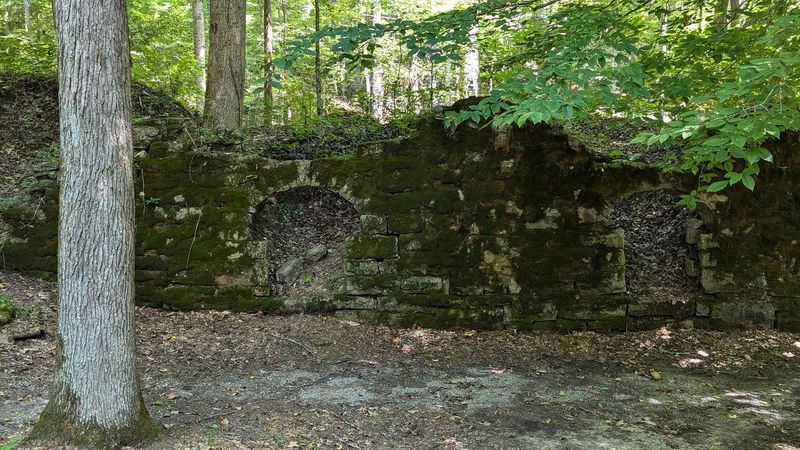
Brick domes stretch through the trees like a giant stone honeycomb. That’s the first big moment at Dunlap Coke Ovens Park and Museum, and it’s a strong one.
The park protects the remains of 268 beehive coke ovens. Workers built them to bake coal from nearby Fredonia Mountain into coke, a hot-burning fuel.
That coke traveled to iron and steel foundries in Chattanooga. So these humble ovens helped shape the industry of a whole region.
The layout is clever, too. Builders arranged the ovens in five groups called batteries.
Four are double batteries, built back to back. The fifth is a single battery set against an embankment.
Walking along them helps you understand the sheer scale of the operation. One oven is interesting, but hundreds in a row tell you this was serious business.
The ovens earned a spot on the National Register of Historic Places in 1985. That’s a big honor for structures that sat forgotten for decades.
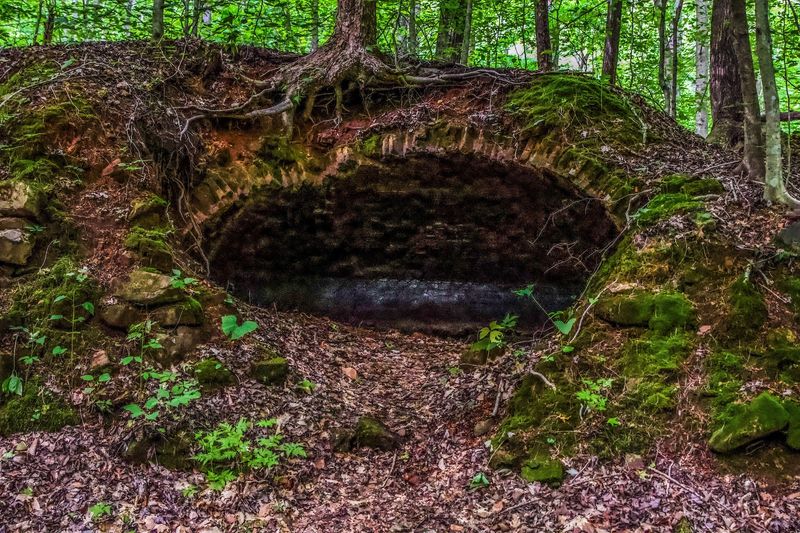
Give yourself time here. Look closely at the curved shapes and the old brickwork.
Every opening once held a fiery load of coal. Now each one holds a small piece of the story.
A Mountain Of Coal Built This Busy Little Operation
Mining on Fredonia Mountain kicked off in 1899. Three years later, the first 24 coke ovens and a company store were finished.
Demand kept climbing, and the company kept building. In 1906, workers added 144 more ovens and a steam-powered coal washer.
By 1916, another 100 ovens joined the lineup on the east end. A new coal washer arrived at the same time.
Add it all up and you get 268 ovens. That’s a lot of bricks and a lot of hard work.
The good times didn’t last forever, though. Coal prices dropped, and the company went bankrupt in the mid-1920s.
Operations ended in 1927. The ovens went cold, and the busy site slowly turned quiet.
Knowing this timeline makes a visit feel richer. You can almost trace each growth spurt as you walk from one end to the other.
It’s a little like reading tree rings, only made of brick. Each new battery marks a moment when the business was booming.
Bring the kids and quiz them on the dates. Turning history into a scavenger hunt keeps young explorers busy and curious.
Fifty Quiet Years Ended With A Hometown Rescue
Some comeback stories need a movie deal. This one deserves at least a really good documentary.
After 1927, the ovens sat unused for more than five decades. Nature crept in, and few people gave them much thought.
Then, in the mid-1980s, local citizens formed a historical group. Their goal was simple: save the ovens before they vanished.
Bowater Southern Paper Company donated the property for preservation. That gift gave the volunteers solid ground to work with.
Things moved quickly after that. The ovens joined the National Register of Historic Places in 1985.
Two years later, in 1987, Dunlap Coke Ovens Park officially opened. Not bad for a project powered by neighbors and hard work.
Today the Sequatchie Valley Historical Association and the Coke Ovens Museum Association keep it going. They operate as a nonprofit with no paid staff and no government funding.
That fact changes how the whole visit feels. Every trimmed path and tidy exhibit comes from someone giving up free time.
So if you enjoy your stroll, consider dropping a donation in the box. It’s a small way to say thanks to the folks keeping this story alive.
The Old Company Store Now Holds A Treasure Of Photos
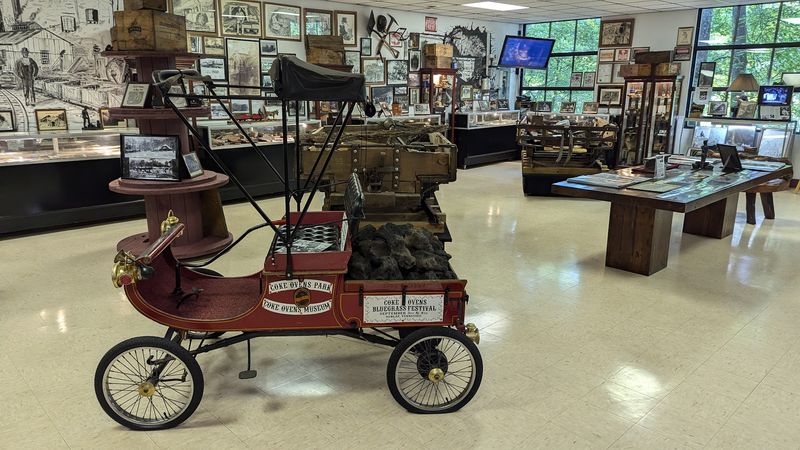
Back in 1902, miners and their families shopped at a company commissary right here. The museum today sits inside a replica of that original building.
It’s a smart choice. You learn about mining life inside a copy of the place where miners once bought their goods.
Inside, you’ll find the largest collection of historic coal mining photographs in Tennessee. That’s a bold claim for a volunteer-run spot, and it’s a fun one to see.
Hundreds of donated mining artifacts fill the space as well. Tools and objects help you picture the daily grind of the job.
History buffs and family researchers get a bonus treat. The museum keeps a library of census records going back to 1850.
There are other documents about the Sequatchie Valley, too. If your family has roots nearby, this could be a goldmine, or maybe a coal mine.
The museum also preserves rare video interviews with former Dunlap coal miners, available to researchers and educational groups by appointment.
Hearing real voices makes the story personal. It turns brick and photos into people with names and memories.
Plan Your Visit Around The Weekend Museum Hours
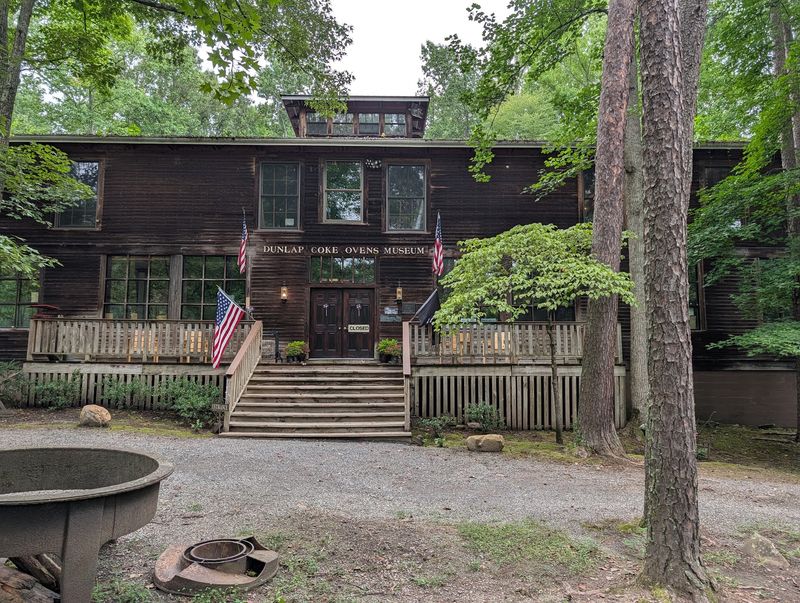
Timing matters here, so let’s talk schedules. The museum generally opens on weekends during its April through November season.
Saturday hours run from 10 a.m. to 4 p.m. Sunday hours run from noon to 4 p.m.
Central Time.
The park grounds are a different story. You can explore the 88 acres year-round from sunrise to sunset.
So a weekday trip still works if you mainly want the ovens and trails. Just know the museum doors will be shut.
Now for the happy news. Admission and parking are both free.
Donations are welcome, of course. Since volunteers run everything, a few dollars truly helps.
Want a deeper look? Group guided tours can be set up by appointment, depending on volunteer availability.
You’ll find Dunlap Coke Ovens Park and Museum at 350 Mountain View Road, Dunlap, TN 37327. It sits in Sequatchie County, Tennessee.
A few rules keep things pleasant. There’s no overnight parking or camping, except during the annual bluegrass festival.
Pack comfortable shoes and a water bottle. Then aim for a Saturday if you want the full experience in one trip.
Your Legs Will Feel This Climb To The Top
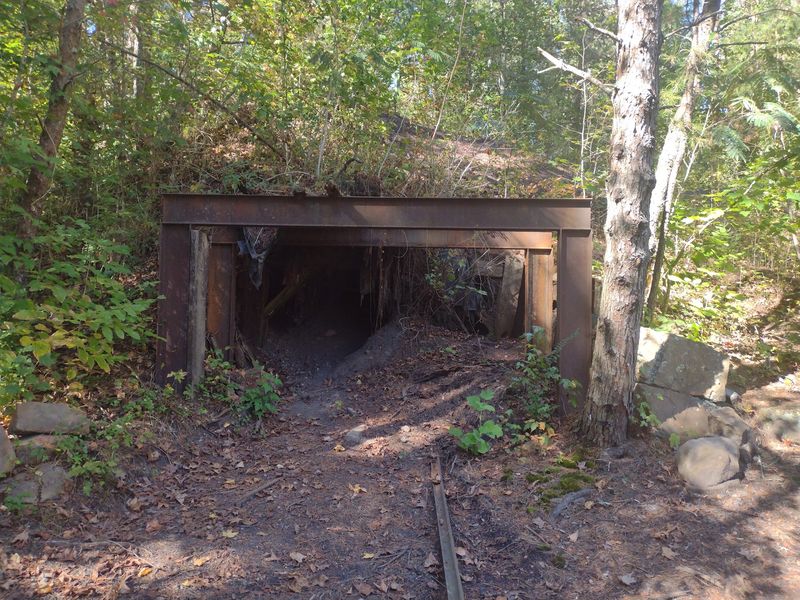
Ready for a workout with a view? A challenging trail climbs about 3,900 feet up toward the top of Fredonia Mountain.
This isn’t a lazy stroll. It’s an incline hike, and your calves will absolutely file a complaint.
The reward is worth the effort. Up top, you get wide views across the Sequatchie Valley.
The trail also leads to former coal mining areas. That means you follow the same mountain that once fed all those ovens below.
It’s a neat way to connect the dots. Coal came down this mountain, went into the ovens, and left as coke.
A word of caution helps here. The climb isn’t recommended during the summer months.
Tennessee heat and a steep trail make a rough combo. Spring, fall, and cooler winter days are much friendlier choices.
Wear sturdy shoes with good grip. Bring water, snacks, and maybe a buddy to cheer you on.
Not up for the big climb? No problem at all.
The lower grounds offer plenty of easier wandering. You can still enjoy the woods without the mountain-sized sweat.
Bring Lunch Because The Picnic Setup Is Excellent
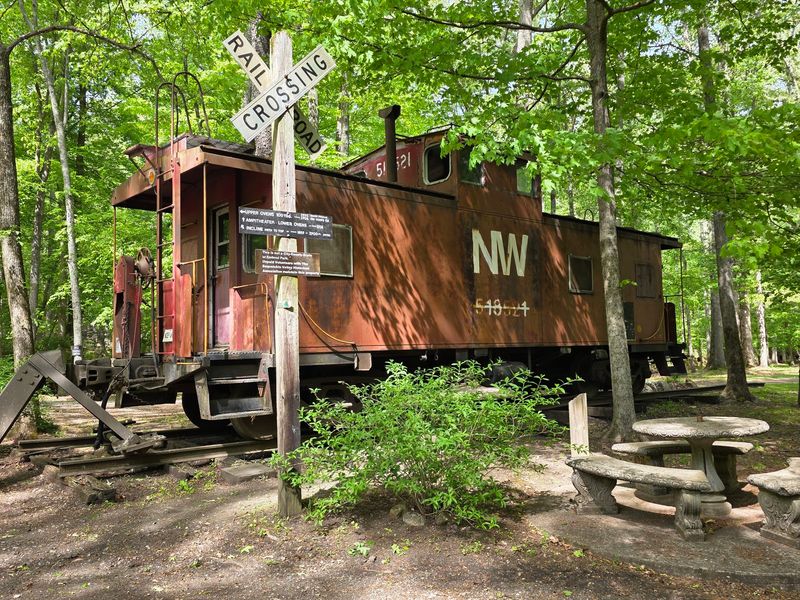
History makes people hungry. Luckily, the park comes ready for a good old-fashioned cookout.
Picnic areas sit around the grounds with BBQ pits and grills. Pack some burgers or hot dogs and you’re set.
A larger lakeside pavilion is available for special events. Family reunions, birthday parties, and group gatherings fit nicely here.
The setting helps, too. The park rests at the base of the Cumberland Plateau in the scenic Sequatchie Valley.
So your sandwich comes with mountain views. That’s an upgrade from your kitchen table.
A picnic also gives everyone a break between activities. Explore the ovens, eat lunch, then tour the museum with full bellies.
That rhythm works great for families with little ones. Kids recharge fast with a snack and some open space.
Keep a few things in mind before you go. Bring a trash bag and clean up when you’re done.
Volunteers handle the upkeep, so leaving things tidy matters a lot.
A cooler, a blanket, and some charcoal will carry you far. Good food and good history make a winning pair.
Banjos Take Over The Park Every May
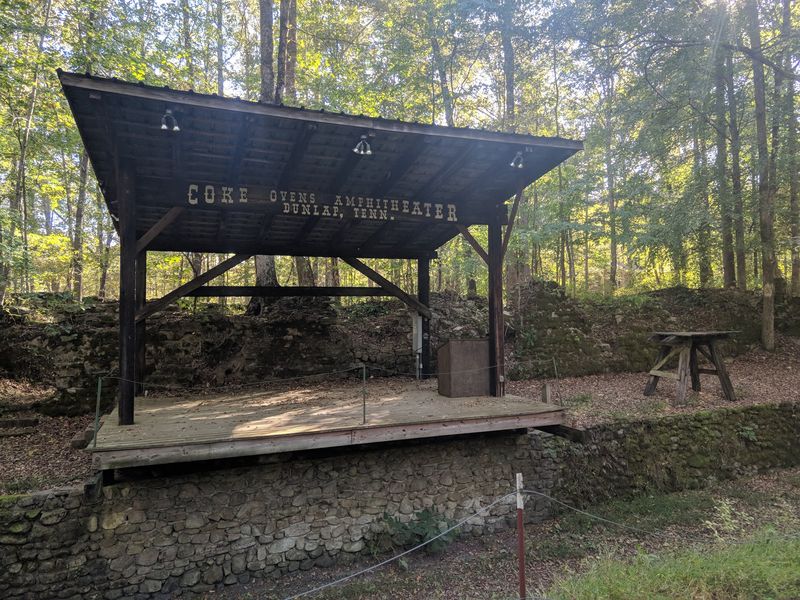
Fiddles, banjos, and mountain air make a pretty sweet mix. The park hosts its annual Coke Ovens Bluegrass Festival in June.
It fits the setting perfectly. Bluegrass grew up in Appalachian communities, and this valley sits right at the edge of that world.
Spring timing is a big plus. The weather is usually mild, and the woods start turning green again.
The festival also brings one special exception. Rough camping is allowed during this event, while it’s off-limits the rest of the year.
That makes it a fun chance to stay overnight among the trees. Just pack like you mean it, since rough camping means basic conditions.
Music festivals at historic sites have a unique feel. You can tap your foot to a tune, then walk over to century-old ovens.
It’s a lively way to experience Dunlap Coke Ovens Park and Museum. The quiet ruins suddenly have a soundtrack.
Mark your calendar early if this sounds like your kind of weekend. Bring lawn chairs, sunscreen, and plenty of energy for clapping along.
Deeper History Lives Beneath These Trees
The coal story is only one chapter of this land. Long before the ovens, another important moment happened nearby.
In November 1838, a group of the Cherokee Nation camped near this site. They were traveling the Trail of Tears.
That fact adds real weight to a visit. The ground here connects to one of the most painful journeys in American history.
It’s a good moment to slow down and reflect. Walking these paths, you share space with stories that stretch far beyond mining.
Parents can use this as a teaching opportunity. Kids often remember history best when they stand in the actual place.
Talk about who traveled here and why. A short, honest conversation can mean more than a long lesson.
This layered past makes the park special in Tennessee. Few spots tell so many different stories in one small valley.
Before you leave, take one last look around the grounds. The ovens, the mountain, and the trees each hold a piece of the past.
Honestly, that’s the magic of this place. One free visit, and you leave carrying a whole lot of history home.