
This Tennessee Lake Looks Almost Too Blue To Be Real
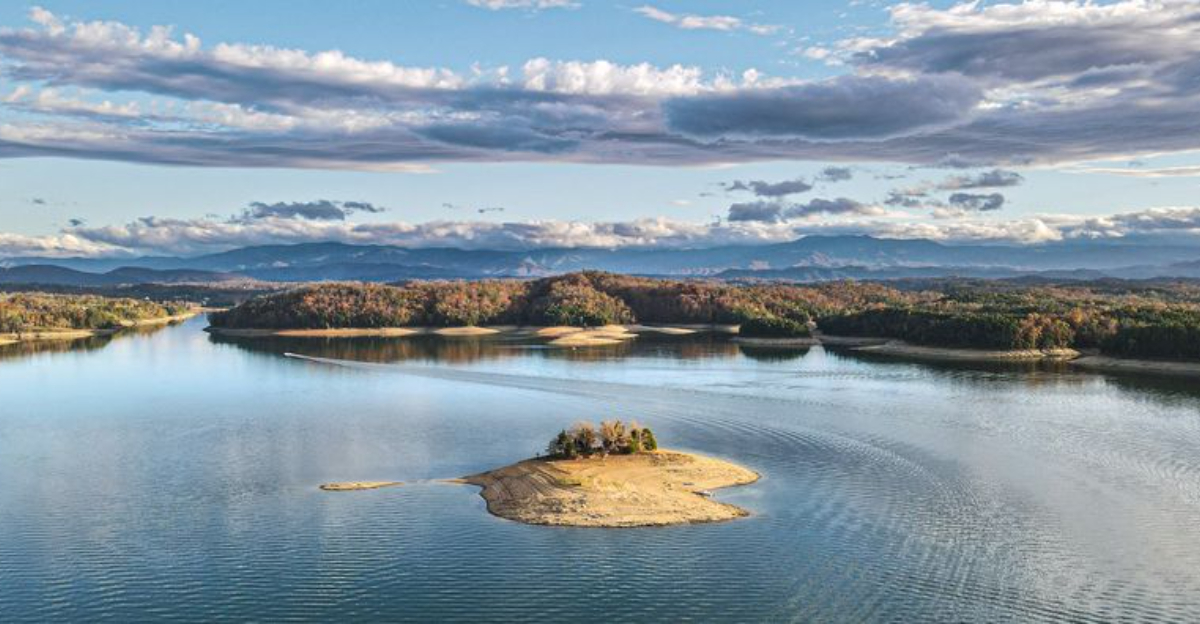
Can water really look that blue without a filter? One Tennessee lake makes the question feel fair the moment sunlight hits the surface.
The color shifts with the sky, bright one minute and deep the next, giving every overlook and shoreline stop a little extra drama. It is the kind of place that makes people pause before grabbing their phones.
Boats glide over the water. Hills rise around the edges. Quiet coves make the whole scene feel even more peaceful. Still, the lake is not just pretty to look at.
It is made for summer days, slow drives, fishing trips, picnic stops, and those simple outdoor moments that stay with you.
Tennessee has plenty of beautiful water, but this lake has a color that feels almost unreal. Once you see it, you understand why people keep talking about it.
The Unexpected Azure Of Tennessee’s Highlands
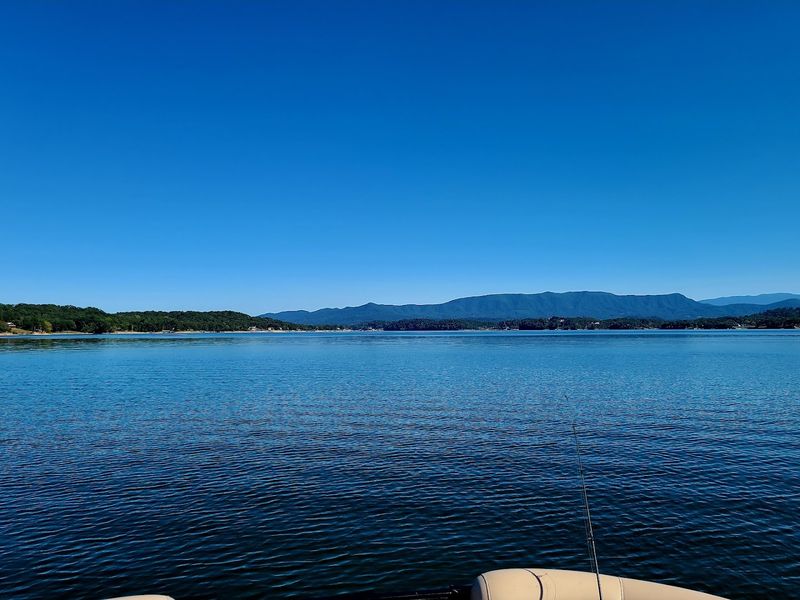
Most people do not expect to encounter water this blue in a landlocked state. Yet on a calm July morning at this lake, the surface carries a blue-green clarity that makes you pause and look twice.
The color is not a trick of photography or a seasonal accident.
The lake sits in the foothills of the Great Smoky Mountains, spanning parts of Jefferson, Cocke, Sevier, and Hamblen counties in East Tennessee. Its position among gently rolling hills creates a natural amphitheater that amplifies every reflection.
The mountains frame the water on multiple sides, adding depth and dimension to an already striking scene.
The lake covers approximately 30,000 surface acres at full pool and reaches depths of up to 140 feet. That depth contributes directly to the richness of its color, as deeper water absorbs longer wavelengths of light and scatters blue back to the eye.
Visitors often describe the experience as disorienting in the best way, like standing at the edge of something far larger than the map suggested. The color alone makes the drive worthwhile.
A Reservoir Forged In Urgency
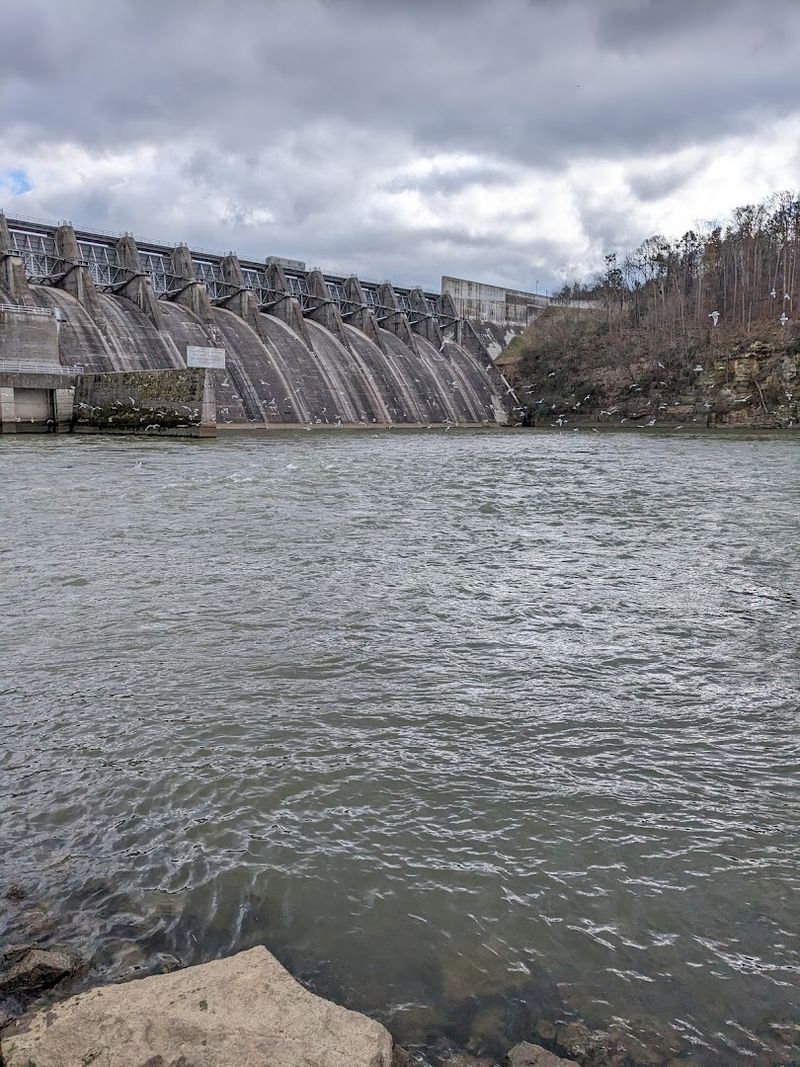
Few infrastructure projects in American history moved with the speed that Douglas Dam demanded. Construction began in February 1942 and finished in February 1943, a span of just 12 months and 17 days.
The Tennessee Valley Authority built it during World War II, when the need for hydroelectric power was not a policy preference but a military necessity.
The dam was designed to serve two primary functions: generate electricity for wartime industries and control flooding along the Tennessee River Valley.
Both goals required immediate action, and the TVA delivered with a construction pace that remains remarkable by any standard.
Workers operated around the clock in shifts, pushing through weather and logistical challenges to meet the deadline.
The result was Douglas Reservoir, a body of water that impounds the French Broad River and also receives flow from tributaries of the Nolichucky and Pigeon rivers. The lake stretches 43 miles upriver from the dam itself.
What began as a wartime engineering response has since become one of East Tennessee’s most visited natural destinations, a transformation that even its original planners likely never anticipated. History has a way of outlasting its original intentions.
Where Water Meets The Mountain’s Gaze
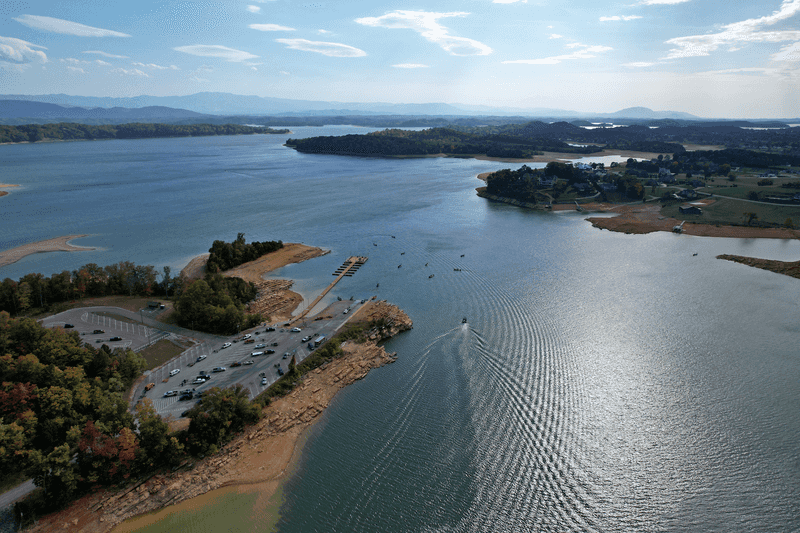
Standing at the Douglas Dam Overlook, you get a sense of the lake’s scale that photographs rarely capture.
The dam, the water, and the mountain ridgeline all appear in the same frame, each element holding its own weight without competing for attention. It is a view that rewards patience.
The Great Smoky Mountains form the dominant backdrop, their ridges softening into blue-gray tones as distance increases.
On clear days, the reflection of those ridges on the lake surface creates a layered effect, as though the water is holding a second version of the landscape just beneath its skin.
The towns of Dandridge and Baneberry sit along the shoreline, adding a human scale to an otherwise vast scene.
Dandridge, in particular, carries historical significance as one of Tennessee’s oldest towns, and its proximity to the lake gives visitors a reason to linger beyond the water itself.
The overlook remains one of the most accessible vantage points for taking in the full geography of the area.
You do not need to rent a boat or hike a trail to appreciate what Douglas Lake offers. Sometimes the view from solid ground is the most honest one available.
Wildlife’s Quiet Haven Along The Shore
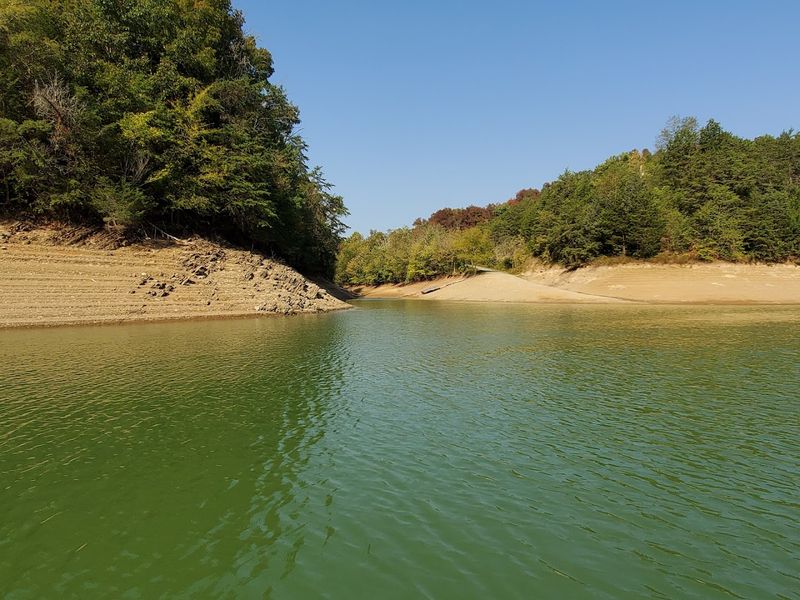
Between July and October, the shores of Douglas Lake become one of East Tennessee’s most productive birdwatching locations.
As water levels drop during the TVA drawdown, mudflats and shallow areas are exposed, creating ideal feeding conditions for migrating shorebirds, wading birds, and waterfowl passing through the region.
The Rankin Bottoms Wildlife Management Area is the primary gathering point for many of these species.
American white pelicans make appearances that consistently surprise first-time visitors, as most people do not associate pelicans with landlocked Tennessee.
Wood storks, double-crested cormorants, great blue herons, and great egrets are also regularly observed during peak migration periods.
The draw here is not just the variety of species but the accessibility of the viewing. You do not need specialized equipment or advanced birding knowledge to have a rewarding experience.
A pair of binoculars and a willingness to stand quietly for a few minutes will do. The lake’s undeveloped shoreline provides natural cover and feeding habitat that supports these populations season after season.
Wildlife at Douglas Lake is not a bonus feature of the visit. For many regulars, it is the main reason they return each autumn without fail.
The Lake’s Rhythmic Breath
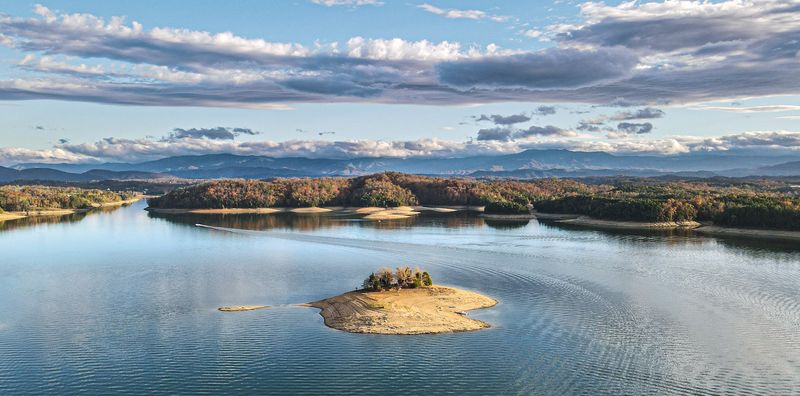
Douglas Lake does not stay the same from one season to the next, and that variability is by design. The TVA manages water levels with deliberate intention, lowering the lake each fall and winter to create storage capacity for runoff from seasonal storms.
Come spring and summer, those levels rise again to support recreation.
The annual fluctuation can reach approximately 44 feet, a dramatic shift that reshapes the lake’s character entirely.
During drawdown periods, islands emerge from the water, coves become shallow flats, and sections of shoreline that were previously submerged appear as sandy expanses.
For some visitors, this version of the lake has its own quiet appeal, especially for birdwatchers who arrive in the colder months.
Spring brings the return of the water and, with it, a renewed energy across the lake. Boat traffic picks up, campgrounds fill, and the color of the water deepens as levels approach full pool.
Each season offers a genuinely different experience at the same location, which is part of why repeat visitors keep returning.
The lake you saw in July is not quite the lake you will find in November, and that ongoing change keeps the place interesting across multiple visits.
How Small Lakeside Communities Bring The Shore To Life
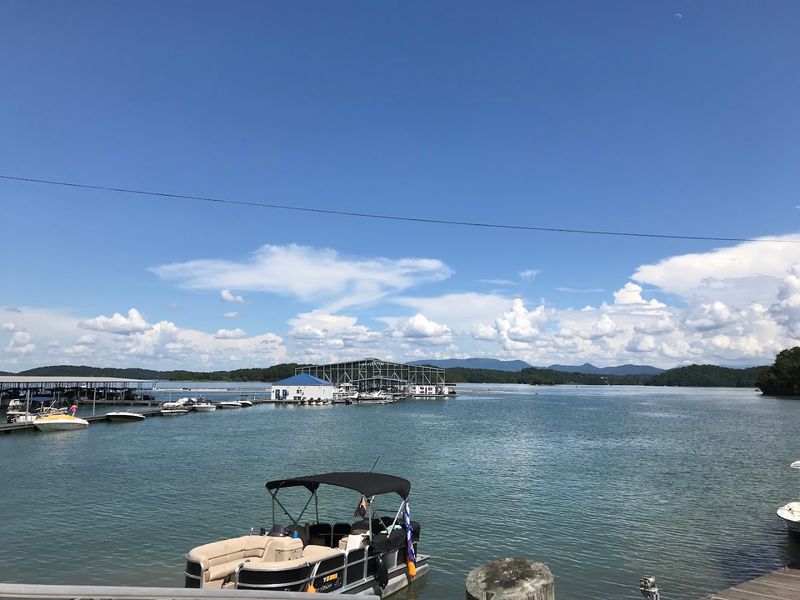
Life along the edges of Douglas Lake moves at a pace that feels deliberately unhurried.
The marinas and small communities that dot the shoreline have developed their own rhythms around the water, shaped by the seasons and the steady flow of visitors who return year after year.
Mountain Harbor Marina is one of the more well-known access points on the lake, offering boat rentals and services for those arriving without their own watercraft.
Dandridge, one of Tennessee’s oldest towns, sits nearby and provides a grounding sense of local history alongside the recreational appeal of the lake.
Its streets hold architecture and character that predate the reservoir itself.
Baneberry is another small community along the shoreline, quieter in profile but equally pleasant for those who prefer a slower pace of exploration.
The combination of working marinas, historic towns, and undeveloped shoreline creates a layered experience that rewards those who take time to move beyond the water’s edge.
Lakeside life here is not manufactured for tourism. It grew organically around a body of water that became central to how this part of East Tennessee defines itself.
That authenticity is something visitors tend to notice and appreciate, often without being able to fully articulate why.
There Are So Many Ways To Enjoy A Day On The Water
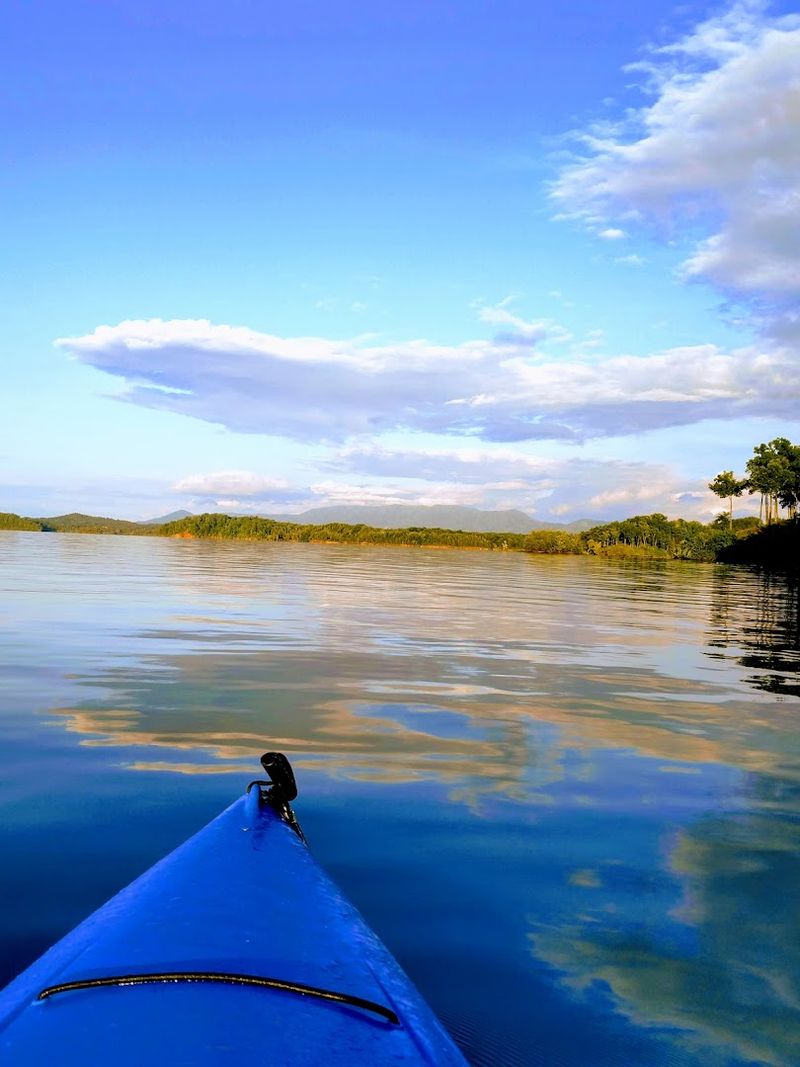
The range of activities available on Douglas Lake is broad enough to satisfy visitors with very different ideas of a good day on the water.
Pontoon boats and tritoons are popular for leisurely group outings, offering a stable platform for spending several hours on the lake without committing to any particular destination.
Jet skis add a faster, more energetic option for those who prefer movement over stillness.
Kayaks and paddle boats provide a quieter mode of travel, allowing paddlers to explore coves and shallow inlets at their own pace. Several rental operations around the lake make it straightforward to access equipment without owning any.
H2O Watersports is one provider that visitors have specifically mentioned for boat rentals, particularly for those who want a more guided introduction to the lake.
For a perspective that no boat can offer, hot air balloon tours operate in the area, providing aerial views of the lake and surrounding mountain landscape.
The combination of water surface and mountain backdrop from altitude creates a visual experience that differs entirely from anything available at ground level.
Swimming is also available, with sandy coves and the beach area near Douglas Dam drawing families during warmer months. There is genuinely no shortage of ways to spend time here.
How The French Broad River Adds To The Beauty Of East Tennessee
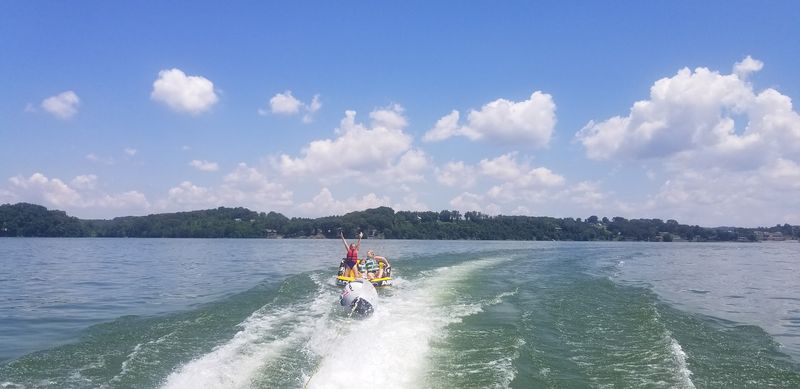
Douglas Lake exists because the French Broad River had somewhere to go. When Douglas Dam was completed in 1943, the impounded waters of the French Broad spread across the valley and created the reservoir that visitors know today.
The lake also gathers flow from tributaries of the Nolichucky and Pigeon rivers, making it a confluence point for a significant portion of East Tennessee’s watershed.
That geographic position contributes to the lake’s character in ways that go beyond simple hydrology.
The French Broad is one of the oldest rivers in North America, and its waters carry a history that predates European settlement by thousands of years.
To stand at the edge of Douglas Lake is, in a quiet sense, to stand at the end of a very long journey that the river has been making through these mountains for an extraordinary span of time.
The lake sits within easy reach of Pigeon Forge, Gatlinburg, and Sevierville, all within a short drive. Yet Douglas Lake maintains a distinct identity separate from those busier destinations.
Its 30,000 acres of open water, undeveloped shoreline, and mountain framing offer something those towns cannot replicate. The panorama here belongs entirely to the landscape, and the landscape does not rush anyone.