
This Texas Buffet Is A Must-Visit For Cajun Food Lovers In Search Of Big Flavor
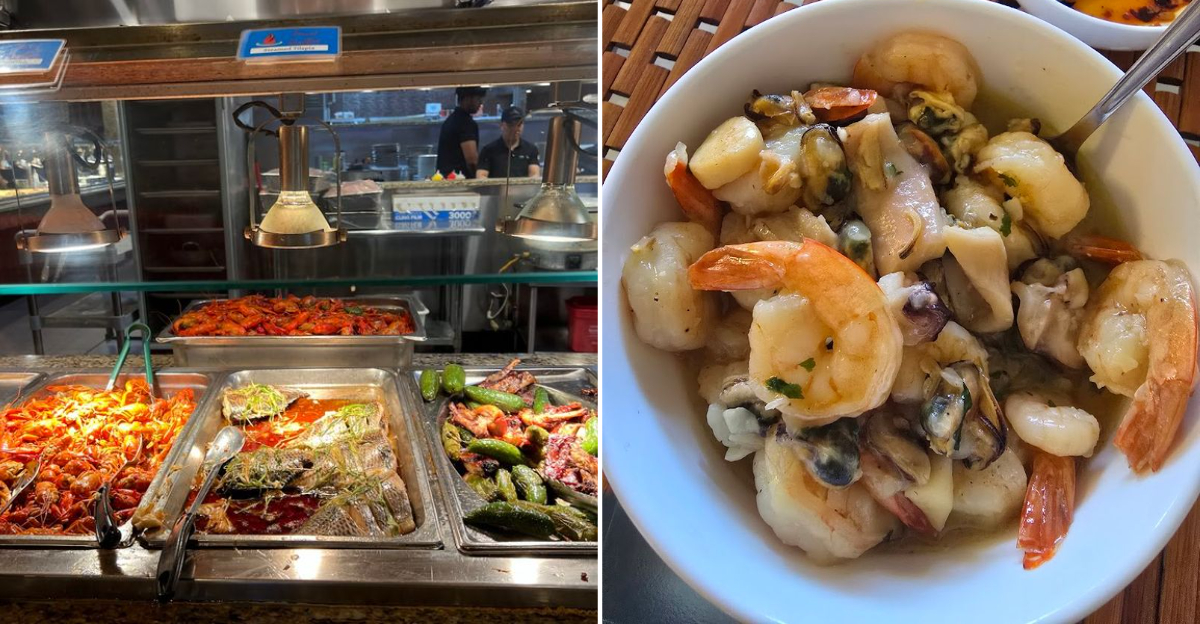
Cajun food is not supposed to be subtle, and this Texas buffet has absolutely no interest in being subtle. Which is exactly why people keep coming back for more. And more. And then probably one more plate after that.
Cajun cooking has a specific personality. Bold seasoning, deep flavor, the kind of heat that builds slowly and makes you reach for your drink while somehow also reaching for another bite.
It is food that demands your full attention and gives a lot back in return. This buffet understands that completely.
The spread here reads like someone sat down and asked what Cajun food does best and then committed to all of it at once. Étouffée with real depth. Jambalaya that actually has personality.
Fried catfish that crunches the way fried catfish is supposed to. Nothing here is playing it safe.
Texas has always had a comfortable relationship with bold food. This buffet fits right in, and then goes just a little further than expected.
First timers come in curious. They leave with a to-go container and a very strong opinion about when they are coming back.
Popular Seafood Choices In Cajun Cooking
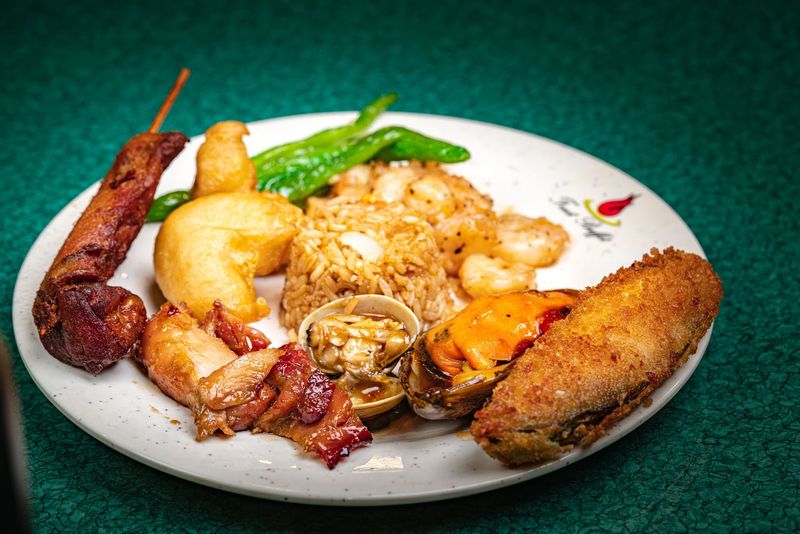
Cajun cooking and seafood have been best friends for a very long time. The Gulf Coast location of Louisiana and Texas gave Cajun cooks access to crawfish, shrimp, crabs, and oysters in massive quantities.
That tradition carries right into the buffet world today. Feast Buffet leans into this with a dedicated seafood station that brings serious variety to the table.
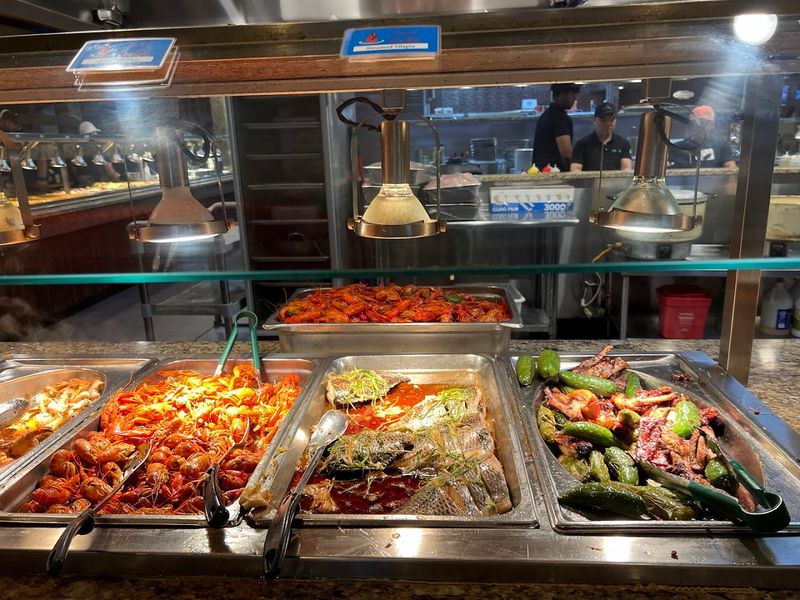
Crawfish is the crown jewel of Cajun seafood. Boiled in heavily spiced water with corn and potatoes, crawfish absorbs every bit of that seasoning.
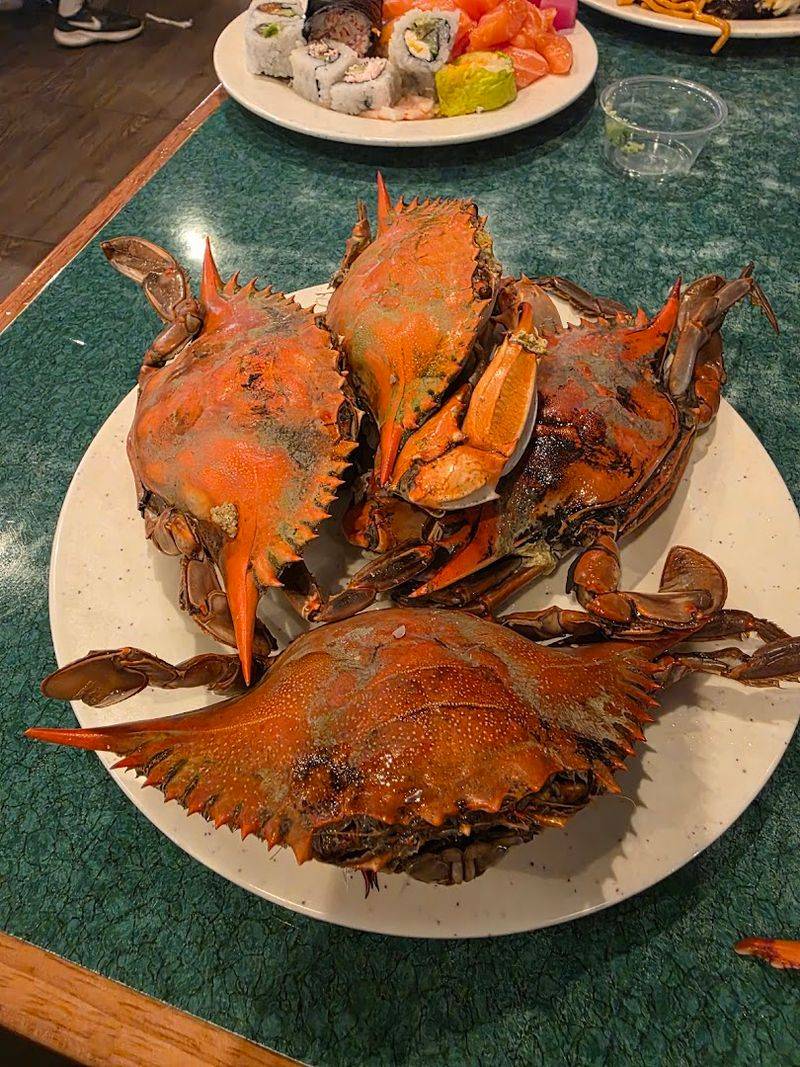
Crab legs are another crowd favorite because the natural sweetness of crab pairs beautifully with bold Cajun spice. Mussels, cooked in buttery or spiced broths, round out the shellfish lineup nicely.
Shrimp shows up in multiple forms at a Cajun buffet. You might find it boiled, fried, or tossed in a spiced sauce.
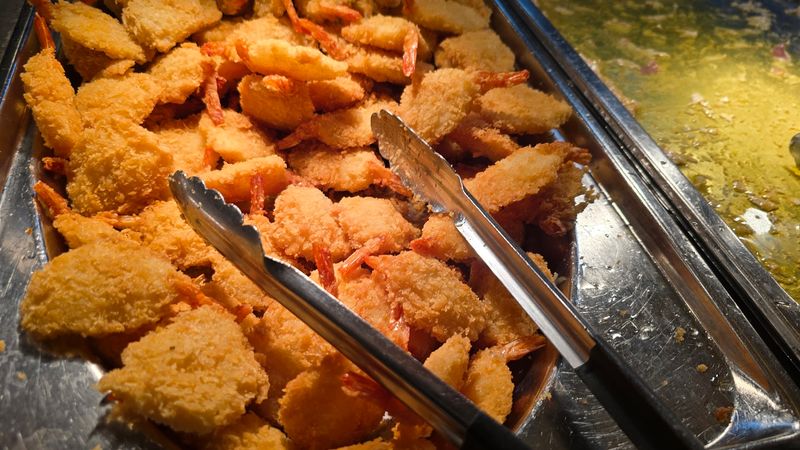
Each preparation brings out a different texture and flavor profile. Fried shrimp has that satisfying crunch.
Boiled shrimp soaks up seasoning deeply. The variety of seafood options at a Cajun-influenced buffet means you can build an entirely different plate on every visit.
Seafood lovers in Katy genuinely have a reason to be excited about what Feast Buffet puts on display daily.
Signature Cajun Seasonings And Their Uses
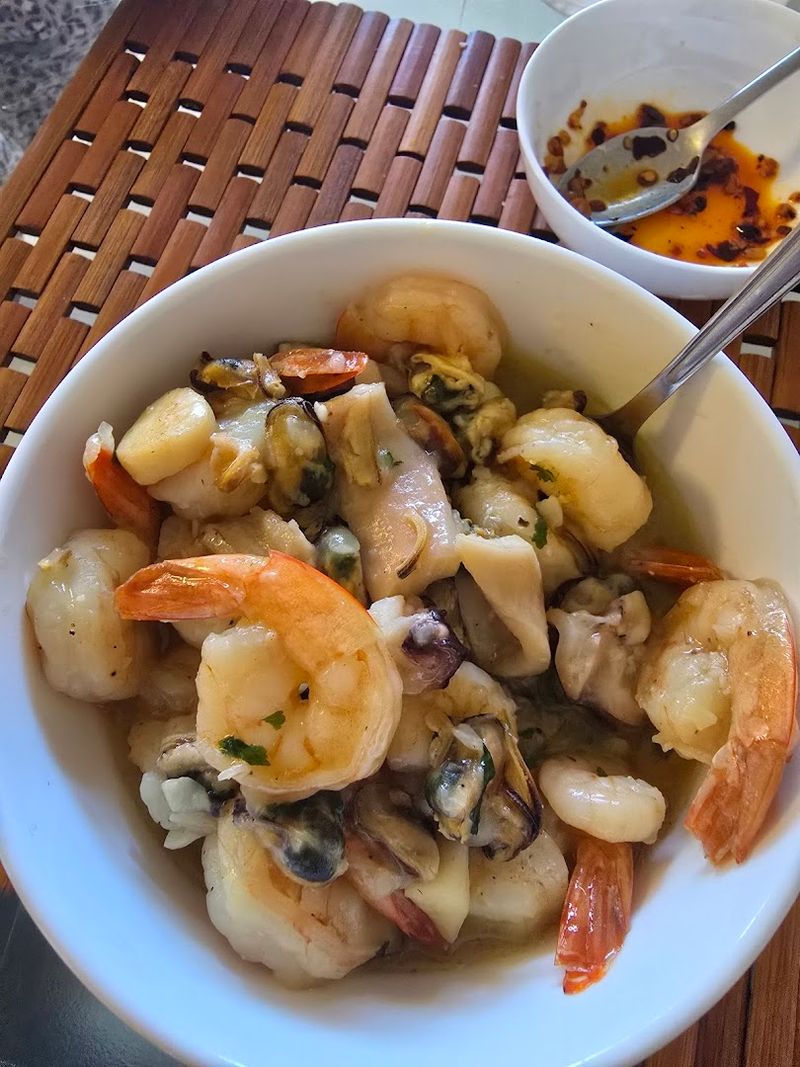
Cajun seasoning is the backbone of everything bold on a Southern-style buffet spread. At this buffet, located at 1707 N Fry Rd, Katy, TX 77449, the Cajun crawfish station shows exactly how these spice blends work in real cooking.
The seasoning mix is layered, meaning it builds heat slowly rather than punching you all at once.
Classic Cajun blends rely on paprika, cayenne, garlic powder, onion powder, black pepper, and dried oregano. Each spice plays a specific role.
Paprika adds color and mild sweetness. Cayenne brings the heat.
Garlic and onion powder create that deep savory base everyone recognizes immediately.
What makes Cajun seasoning special is how it works across different proteins. It coats crawfish perfectly, clings to shrimp, and soaks into crab shells during boiling.
The spices penetrate the meat rather than just sitting on the surface. That is why Cajun food tastes different from simply spicy food.
It has layers of flavor working together. When you try the seafood at a well-stocked Cajun buffet, you taste every single one of those layers in every bite.
That combination of warmth, smokiness, and savory depth is what keeps people coming back to Cajun cooking again and again.
Variations Of Cajun Rice Dishes
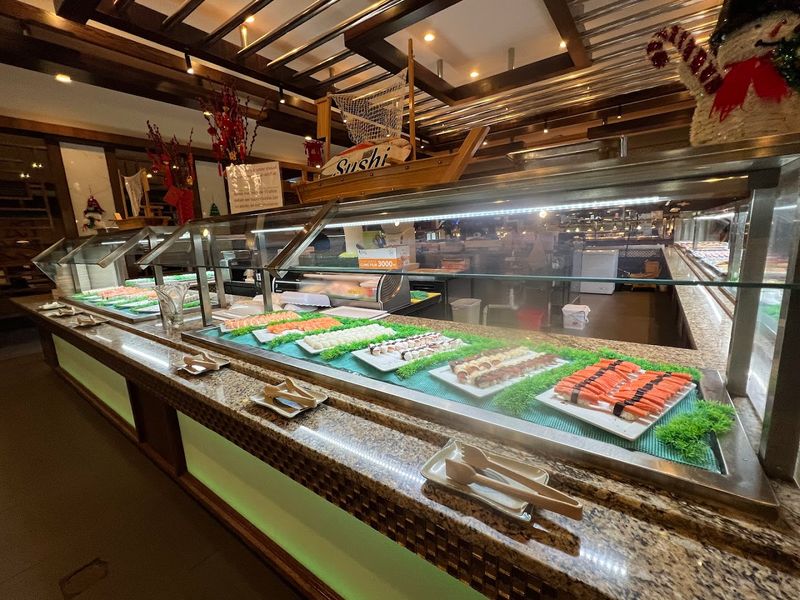
Rice is not just a side dish in Cajun cooking. It is a full participant in the meal.
Cajun cuisine has turned rice into something deeply flavorful and satisfying through dishes like jambalaya, dirty rice, and rice dressing. Each one has its own personality and its own story.
Jambalaya is probably the most famous. It combines rice with sausage, chicken, or shrimp, along with the classic Cajun trinity of onion, celery, and bell pepper.
Everything cooks together in one pot, which means the rice absorbs all that smoky, spiced liquid. The result is a dish where every grain of rice carries serious flavor.
Dirty rice gets its name from the color that ground meat, chicken livers, and spices give the rice during cooking. It looks rustic but tastes incredibly rich.
Rice dressing is a baked version that often appears at family gatherings and buffet spreads. It has a slightly denser texture than jambalaya but carries the same bold seasoning.
At a Cajun-influenced buffet, rice dishes act as the connective tissue between proteins and vegetables on your plate. They absorb sauces, balance spice levels, and add satisfying bulk to every serving.
Cajun rice dishes prove that even simple ingredients can deliver complex, memorable flavor when prepared correctly.
Traditional Hot Sauces To Enhance Flavor
Hot sauce in Cajun culture is not optional. It is practically a condiment religion.
Louisiana-style hot sauces are built on a foundation of aged peppers, vinegar, and salt. That combination creates a tangy, sharp heat that enhances food rather than just burning your mouth.
There is a real difference between heat that adds flavor and heat that destroys it.
Tabasco is the most globally recognized Louisiana hot sauce, made from tabasco peppers aged in oak barrels. Crystal hot sauce is a local favorite with a milder, more vinegar-forward profile.
Both sauces work differently on different foods. Crystal pairs brilliantly with fried seafood and boiled crawfish.
Tabasco cuts through richer, heavier dishes with its sharper bite.
At a Cajun buffet, hot sauce on the table is a sign that the kitchen takes flavor seriously. You can customize your heat level with just a few dashes.
Some people add it directly to boiled seafood. Others splash it into rice dishes or drizzle it over fried items.
The beauty of a good hot sauce is its versatility. It works on almost everything and costs almost nothing.
When the buffet spread already has bold seasoning built in, a quality hot sauce on the side pushes every dish from good to genuinely memorable.
Cooking Techniques Unique To Cajun Cuisine
Cajun cooking developed in the Louisiana bayou, where cooks worked with whatever ingredients were available and used fire, big pots, and bold seasoning to make magic happen.
The techniques that came out of that environment are still central to Cajun food today. They are practical, powerful, and produce incredible results.
The Cajun boil is one of the most iconic methods. A massive pot of heavily seasoned water comes to a rolling boil, and then crawfish, crab, shrimp, corn, and potatoes all go in together.
The proteins absorb the spiced liquid as they cook. Everything comes out seasoned from the inside.
The dark roux is another foundational technique. Flour and fat cook together over high heat until the mixture turns a deep brown color.
That roux becomes the base for gumbo and other stews, adding a nutty, complex flavor that cannot be replicated any other way.
Blackening is a high-heat technique where protein is coated in spices and cooked in an extremely hot cast-iron pan. The outside chars slightly while the inside stays juicy.
It creates a bold crust with incredible depth. These techniques show up in the flavors you taste at a Cajun buffet spread.
The food carries that history in every bite, and you can taste the craftsmanship even in a large-scale setting.
Vegetable Sides That Complement Cajun Meals
Cajun food gets a lot of attention for its proteins, but the vegetable sides are quietly doing serious work on the plate. The right vegetable side can balance the heat of a spiced crawfish boil or add a fresh contrast to a rich, heavy jambalaya.
Cajun cooks have always known this, which is why the sides are never an afterthought.
Okra is one of the most classic Cajun vegetables. It thickens gumbo naturally due to its mucilaginous texture, but it also fries up beautifully with a light cornmeal coating.
Corn on the cob cooked in a Cajun boil absorbs all that spiced liquid and becomes one of the best things on the table. Collard greens cooked low and slow with smoked meat develop a savory, slightly bitter flavor that cuts through rich dishes.
Bell peppers, celery, and onion form the Cajun trinity. These three vegetables appear in almost every major Cajun dish as the flavor base.
They soften and sweeten as they cook, building the foundation that everything else builds on. At a buffet with Cajun influences, finding well-prepared vegetable sides signals that the kitchen understands balance.
Bold Cajun flavor needs those quieter vegetable notes to make the whole plate feel complete and satisfying rather than just overwhelmingly spicy.
History Behind Cajun Food In Texas
Cajun food has a fascinating origin story that starts far from Texas. The Cajuns were French-speaking Acadians expelled from Nova Scotia, Canada, by the British in the mid-1700s.
They eventually settled in the Louisiana bayou and built a food culture around what the land and water provided. Crawfish, wild game, rice, and local vegetables became the core of their cuisine.
Texas and Louisiana share a long border and a deep cultural overlap. East Texas communities have absorbed Cajun cooking traditions for generations.
The Gulf Coast connection means both states have access to the same seafood, and the flavors moved naturally westward. Cities like Beaumont and Port Arthur in Texas have strong Cajun food traditions that stretch back well over a century.
As Texas cities like Houston and Katy grew rapidly, they attracted residents from across Louisiana who brought their food culture with them.
Cajun seafood boils became popular at local restaurants and buffet-style establishments throughout the greater Houston area.
Feast Buffet in Katy reflects that cultural blend by featuring Cajun crawfish and Gulf seafood alongside its broader menu.
The history of Cajun food in Texas is really a story about community, migration, and the way food travels with people and takes root in new places over time.
Dessert Options Typical At Cajun Buffets
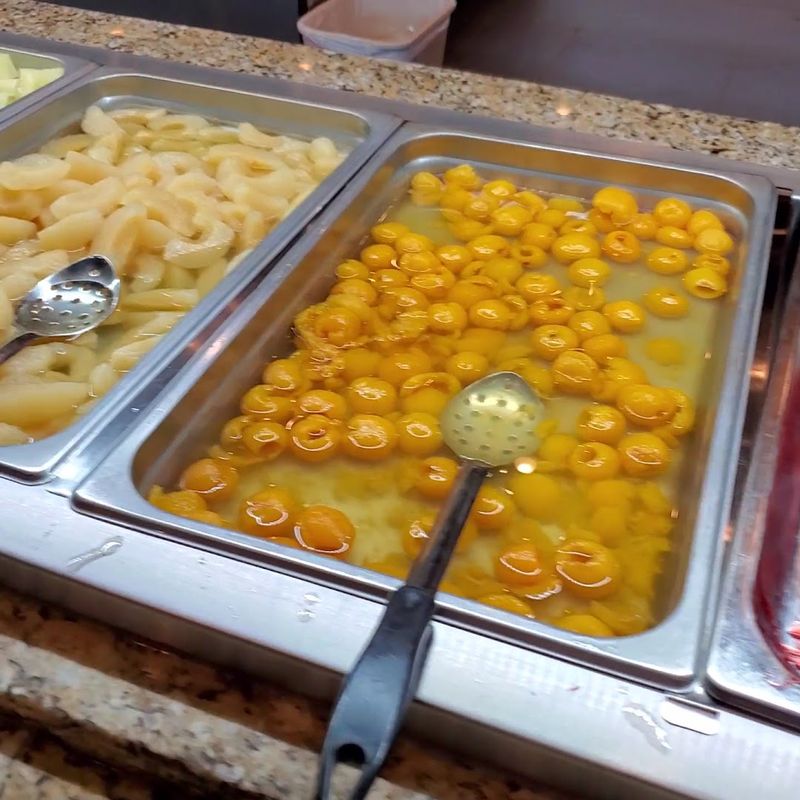
Cajun desserts are the kind of sweet endings that make you forget you were already full. They tend to be warm, rich, and deeply comforting.
Bread pudding is the undisputed champion of Cajun dessert culture. Day-old French bread soaks in a custard mixture of eggs, milk, sugar, and vanilla, then bakes until golden and soft.
A buttery sauce poured over the top makes it absolutely irresistible.
Beignets are another beloved Cajun dessert. These fried dough squares get buried under a snowstorm of powdered sugar and are best eaten while still warm.
They are crispy on the outside, airy on the inside, and completely addictive. Sweet potato pie is a Southern staple that appears frequently at Cajun-influenced buffets.
The natural sweetness and earthiness of sweet potato bakes into a smooth, spiced filling inside a flaky crust.
Pralines are a candy-like treat made from sugar, butter, and pecans that Cajun and Creole cooks have been making for centuries. They are sweet, nutty, and have a slightly grainy texture from the crystallized sugar.
At a buffet like Feast Buffet in Katy, the dessert section often includes options that nod to these Southern traditions alongside a broader selection. A good dessert spread signals that the kitchen cares about finishing the meal on a genuinely satisfying note.