
This Texas Steakhouse Has Built A Serious Following Around Thick-Cut Steaks And Small-Town Character
There’s something about a properly cooked steak that always manages to win over a good chunk of any crowd. This Texas steakhouse has built exactly that kind of following around its thick-cut steaks and small-town character.
Cuts here get trimmed and prepared fresh each day instead of arriving pre-portioned from somewhere else. Nothing about the process gets rushed just to keep up with a busy dinner rush.
Regulars return knowing exactly what they’ll get, cooked exactly how they like it. Portions stay generous without needing to announce it on the menu.
That kind of reliability took years to build and shows no sign of fading. This steakhouse earned its reputation the honest way, one perfectly cooked cut at a time.
A Historic General Store That Became A Steak Legend
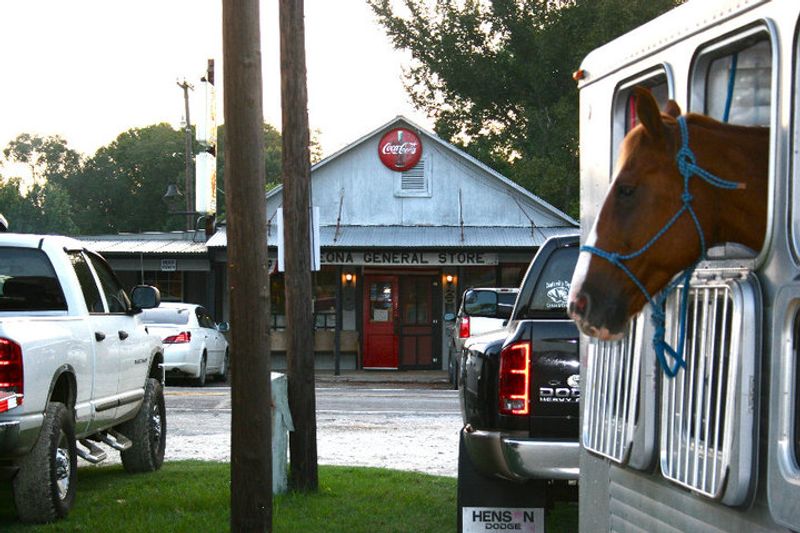
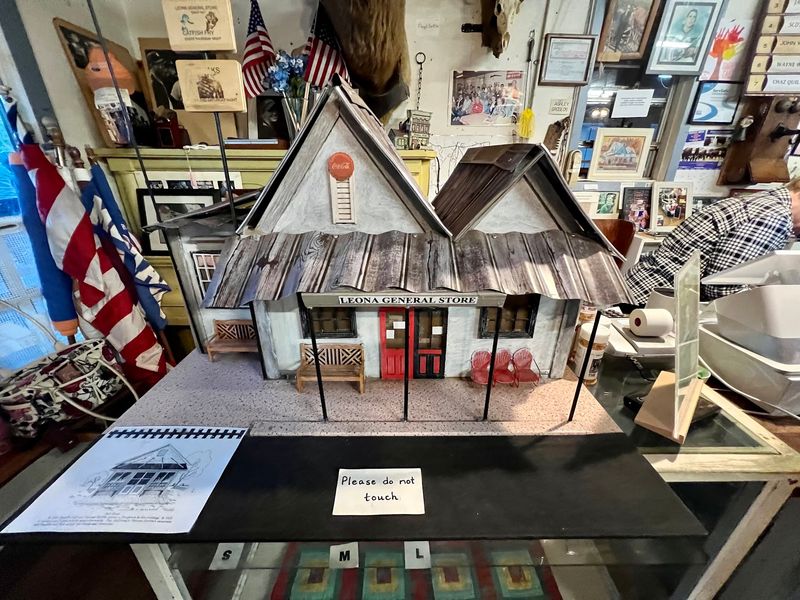
Back in 1921, this building sold flour, nails, and whatever else Leon County families needed. Nobody imagined it would one day be famous for beef.
Leona itself was once the county seat, a busy little spot with real importance. Then the Interstate went in a mile away, and the traffic went with it. The town got quiet.
Jerry and Cynthia House bought the old store in 1998 and turned it into a steakhouse. Their family roots in the area stretch back to the 1870s, which explains why the place feels less like a business and more like a family living room with a grill out back.
The bones of the original store are still there. Wooden walls, a metal roof overhead, and a layout that looks small from the road but opens up once you get past the front door.
What’s wild is how a town the Interstate ignored ended up pulling crowds from Houston, Dallas, and College Station. Beef did that.
Beef and about 25 years of doing the same thing well, over and over.
History here isn’t decoration. It’s the actual floor, the actual walls, the actual family running the register.
You’ll find it at 136 Leona Blvd N, Leona, TX 75850.
Hand-Cut Ribeyes Over Oak Charcoal
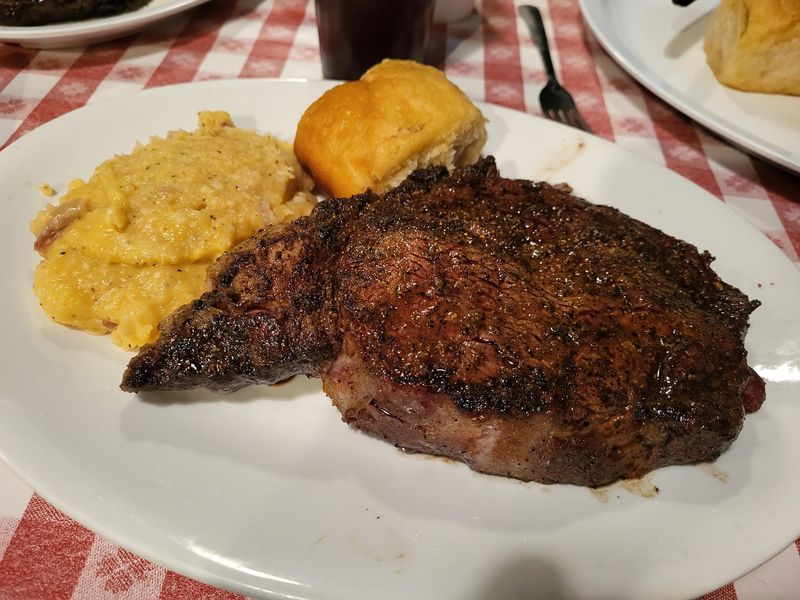
Ribeye is the headliner here, and it doesn’t share the spotlight with much.
Every steak gets cut by hand, not pulled frozen from a box. Then it goes onto oak charcoal pits outside, where the smoke does what gas grills simply cannot.
The flavor lands somewhere between backyard cookout and something a whole lot better.
A signature rub goes on before the meat ever hits the fire. It’s simple seasoning done right, and plenty of people leave with a bottle of it under one arm.
The cook comes out tender, beefy, and juicy underneath a crust that actually crunches a little. That crust is the whole point. Charcoal builds it in a way ovens never will.
Here’s a fun detail worth knowing. Bubba Oden, the Mayor of Leona, has been cooking ribeyes on those oak pits for 19 years. A mayor working the grill feels about as small-town Texas as it gets.
On a normal night, the kitchen turns out roughly 300 steaks. Across a year, that adds up to something near 46,500 pounds of ribeye.
Cooking outdoors takes time, so food doesn’t sprint to the table. That’s the trade.
Patience buys you a better steak.
Order By The Ounce And Prepare To Be Surprised
Forget scanning a long menu. You pick your meat, then you pick a size, and that’s basically the whole conversation.
Steaks start at 10 ounces and climb from there in small increments. Simple system, easy to remember, hard to mess up.
Now for the part people talk about most. Portions run big.
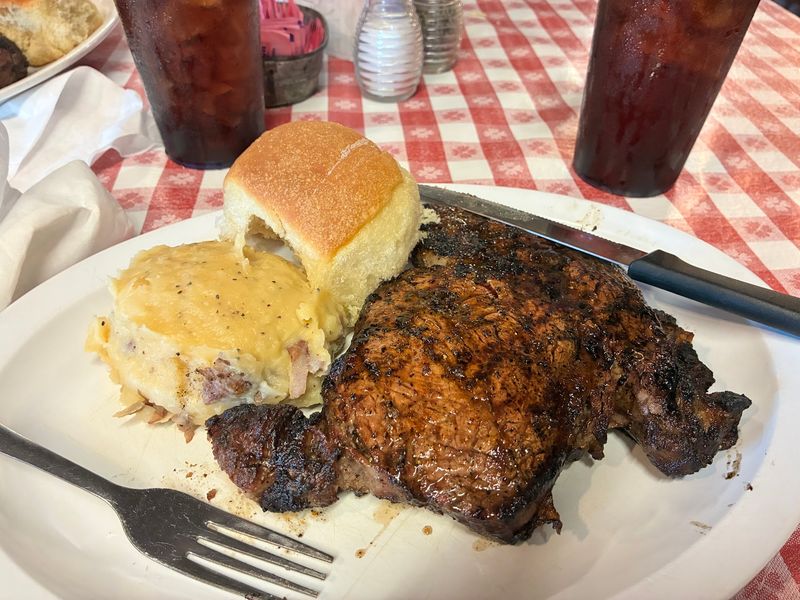
A steak ordered at 10 ounces frequently shows up closer to 16, and a 12-ounce order often lands in that same neighborhood.
The record for the biggest steak eaten in the building reportedly passed 90 ounces. That’s not a typo.
Someone sat down and took on nearly six pounds of ribeye in one sitting.
Because of the size, splitting a larger cut between two people works out fine. Ordering an extra set of sides handles the rest.
Ribeye isn’t the only choice either. Smoked chicken and grilled pork ribeye round out the options, and the pork has quietly earned its own fan club among people who swore they only came for beef.
First-timers tend to over-order, then leave carrying a box. Consider that fair warning, or maybe just good planning.
Go smaller than instinct tells you. The kitchen will still send out more than you expected.
Checkered Tablecloths And Walls Full Of Stories
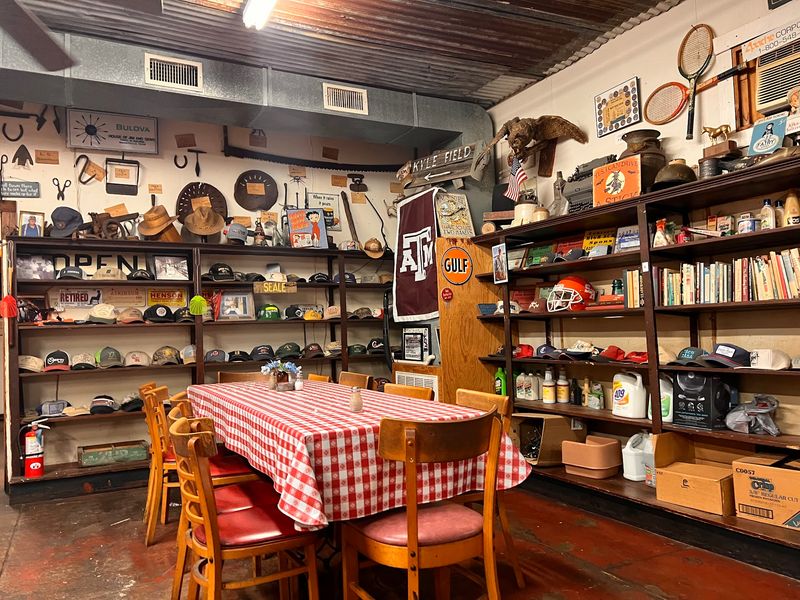
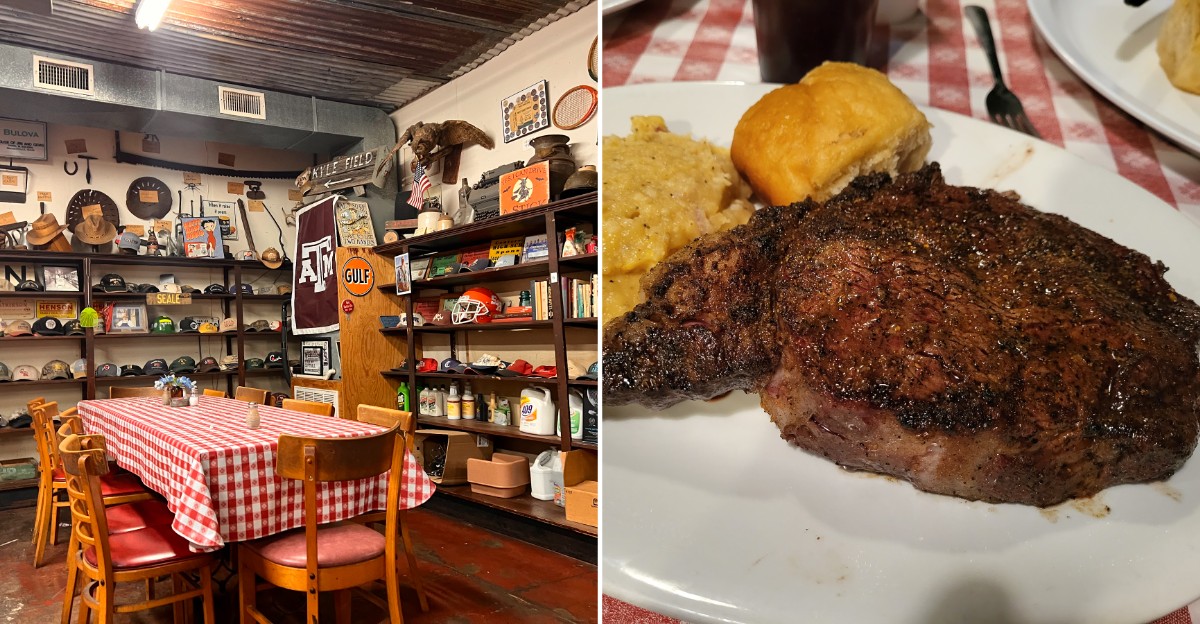
Red and white checkered tablecloths set the mood before a single plate arrives.
The wooden walls carry vintage signs, old books, worn-out cowboy boots, faded photographs, drawings, hats, and mounted taxidermy. Nothing looks ordered from a catalog.
Every piece got there the slow way, over years.
There’s a historic soda fountain too, which is exactly the kind of thing you’d hope for in a building that started as a general store.
Nobody would call the dining room quiet. On a Friday or Saturday, it hums with conversation, laughter, and silverware, and the noise turns into part of the fun rather than a problem.
Space is another surprise. From the parking lot, the building looks modest, almost tiny.
Inside, it stretches back much further than anyone expects.
Six generations of family history hang on those walls. That’s not marketing; that’s just what’s framed and nailed up around the room.
The overall effect makes food taste better somehow. Eating a charcoal-grilled steak inside a century-old country store hits differently than eating one in a chain restaurant booth.
Rustic, cluttered, and completely honest about what it is. That mix is exactly why people keep making the drive.
The Line Outside Is Half The Experience
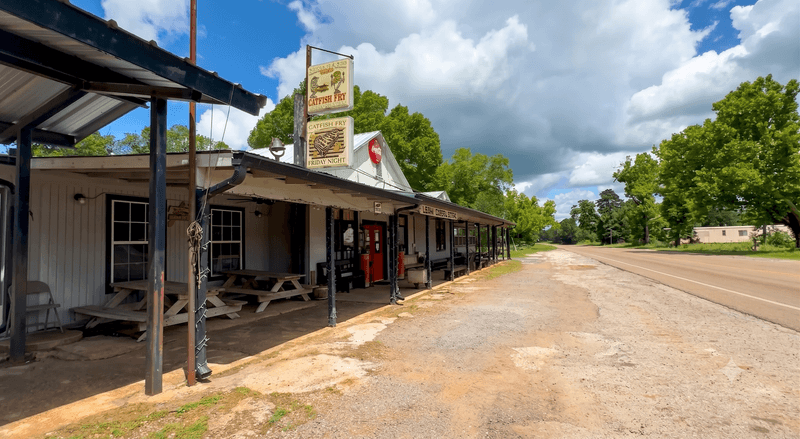
Reservations don’t exist here, and that rule has created one of the strangest traditions in Texas dining. Folks show up early. Really early.
Lines can start forming up to 90 minutes before the doors open, wrapping around the building and heading down the side road.
On busy nights, more than a hundred people might be standing ahead of you, with just as many stacking up behind. Sounds miserable. It isn’t.
Strangers talk. People compare drives, swap recommendations, and share tips about which dessert to get.
The line turns into a weirdly social event where nobody seems annoyed, even when Texas heat is doing its worst.
Seating moves fast once things open. Crowds that look impossible from the back often clear within fifteen or twenty minutes because the staff has the process down cold.
Guests get seated in the order they lined up, which keeps everything fair and cuts out the arguing.
Bring patience and maybe a folding chair. Arriving around an hour before opening puts most people in solid shape.
Calling ahead for to-go orders is also an option for anyone who’d rather skip the whole scene entirely.
Sides That Refuse To Play Backup
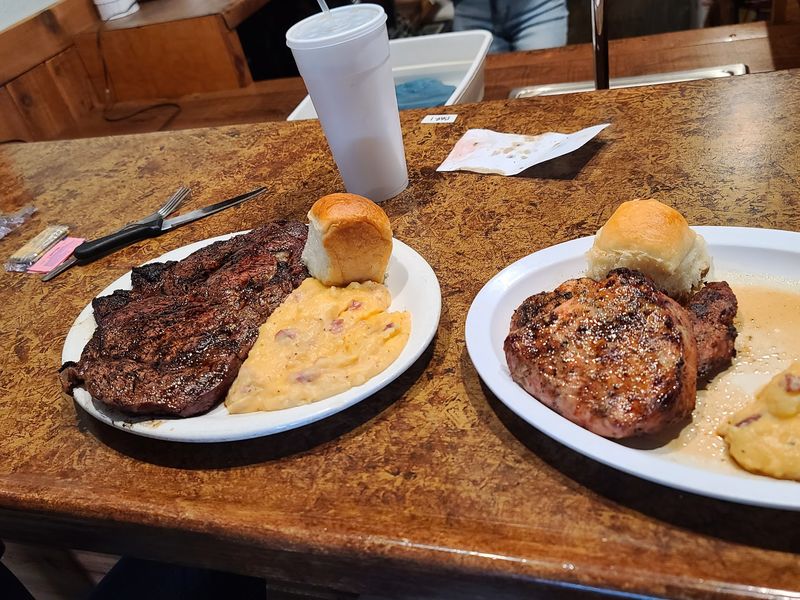
Cheesy mashed potatoes here are so loaded with butter they turn yellow. That’s not an exaggeration; that’s just the color.
Skin-on and thick, they land somewhere between comfort food and a dare. People who claim they came only for the steak usually end up scraping the potato bowl clean.
Homemade rolls arrive alongside, warm and soft. One per person, which makes each one feel like a small event.
A self-serve salad bar covers the greens. Lettuce, a few toppings, dressings, and coleslaw that has quietly built its own following.
The salad works best as something to graze on while waiting for the grill crew outside to finish your steak. Cooking over charcoal takes time, and the salad bar fills that gap nicely.
Fresh-brewed iced tea shows up at plenty of tables too.
Everything included with a steak entree follows the same idea. No frills, no tiny artistic plating, just food that makes sense next to a big piece of beef.
Simple sides handled well beat fancy sides handled poorly every single time. That philosophy runs through this entire menu, and it’s a big reason the formula still works after all these years.
Thursday Belongs To The Catfish
Steak nights get all the attention, but Thursday quietly runs its own show.
Fried catfish takes over the kitchen, and a different crowd shows up for it. Golden, crispy, and served up without any fuss.
Plates come with coleslaw, beans, French fries, and a hush puppy. That combination hasn’t needed updating in years, and nobody’s asking for changes.
Catfish night tends to feel a little more relaxed than the weekend rush. The energy shifts.
Less of a stampede, more of a neighborhood dinner.
For anyone who’s been curious about the place but nervous about the weekend lines, Thursday makes a smart entry point. Same building, same walls, same family, lower stress level.
Kids’ portions exist too, which matters when you’re driving in with a full car.
Hush puppies have become one of the most talked-about small items on the whole menu, which says something when the competition includes hand-cut ribeye.
There’s a certain Texas logic to a steakhouse that switches to fried fish one night a week. Nobody questions it.
They just show up, eat, and come back.
Plan accordingly if catfish is the goal, because it’s a Thursday-only deal.
Cobblers Banana Pudding And A Family Running The Whole Show
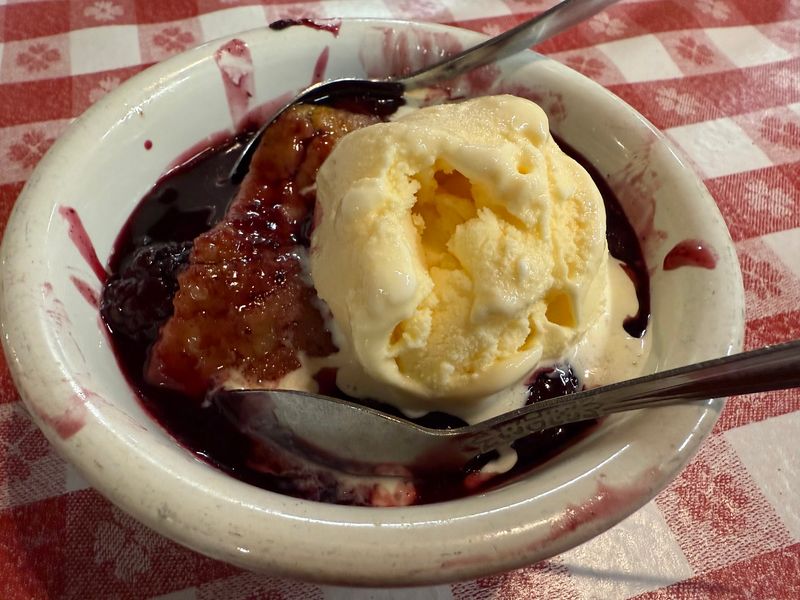
Save room. Seriously, save room, because the dessert lineup here punches above its weight.
Blackberry cobbler and pecan cobbler get ordered constantly, usually warm with ice cream melting into the crust. Banana pudding holds its own.
Chocolate fudge brownies and buttermilk pie round things out.
Bread pudding with rum sauce comes from Mary Jane Mizwa, Cynthia’s sister, who also works the cash register. That kind of double duty tells you everything about how this operation runs.
The whole family pitches in. Cynthia greets guests at the front, daughter Emily works tables, and daughter Laura handles the kitchen alongside son-in-law Don.
Old-fashioned soda fountain treats are part of the deal too. Ice cream sodas, banana splits, sundaes, cones, and cups all live on that list.
Pies come from a local woman in town who brings them in, which is about as small-town as a supply chain gets.
Desserts often need a to-go box, especially after a steak that outweighed its listed size by six ounces.
That mix of homemade sweets and family faces is what turns a long drive into a tradition. People don’t come back only for beef. They come back for the whole thing.