
This West Virginia Swimming Hole Has Stunning Blue Water You Have To See To Believe
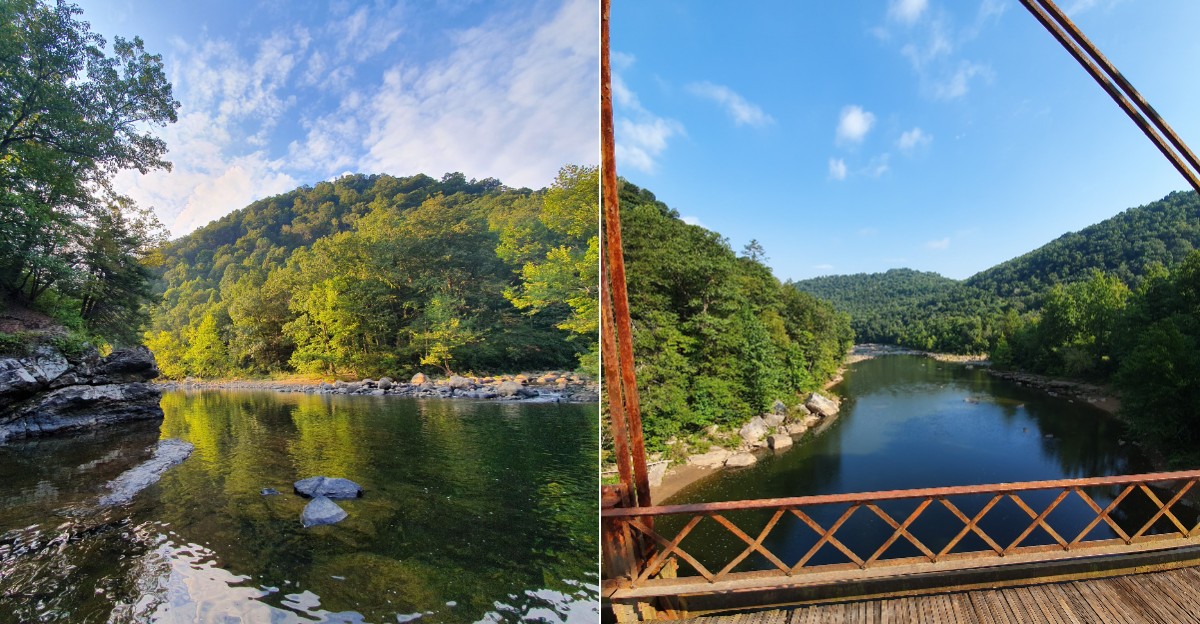
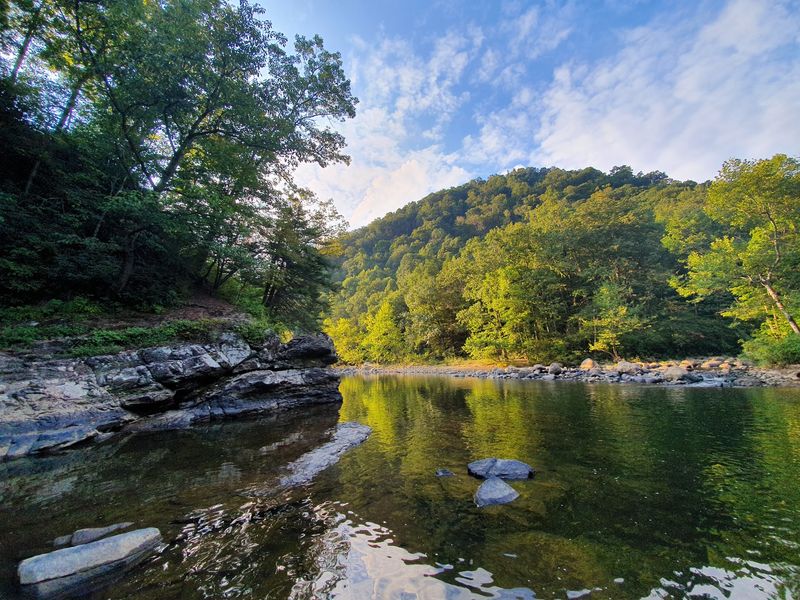
Picture water so clear and blue that it almost looks painted. That kind of scene exists in West Virginia, hidden down in a deep river canyon where two waterways meet and mountain currents slide over smooth stone.
Tall hills rise on both sides, the forest leans in close, and the sound of moving water replaces everything else.
Getting there takes some planning and a sturdy vehicle, because the road in is rough and rocky. But travelers who make the trip talk about it for years afterward.
Sunlight hits the surface, the riverbed shows through in ripples of gold and blue, and suddenly the drive feels worth every bump. Swimmers float in the wide basin.
Anglers cast lines from the rocks. In autumn, the surrounding trees turn gold and red, and the whole place looks like a postcard nobody printed yet.
West Virginia is full of wild corners, but few of them shine quite like this one.
Where Two Wild Waters Collide
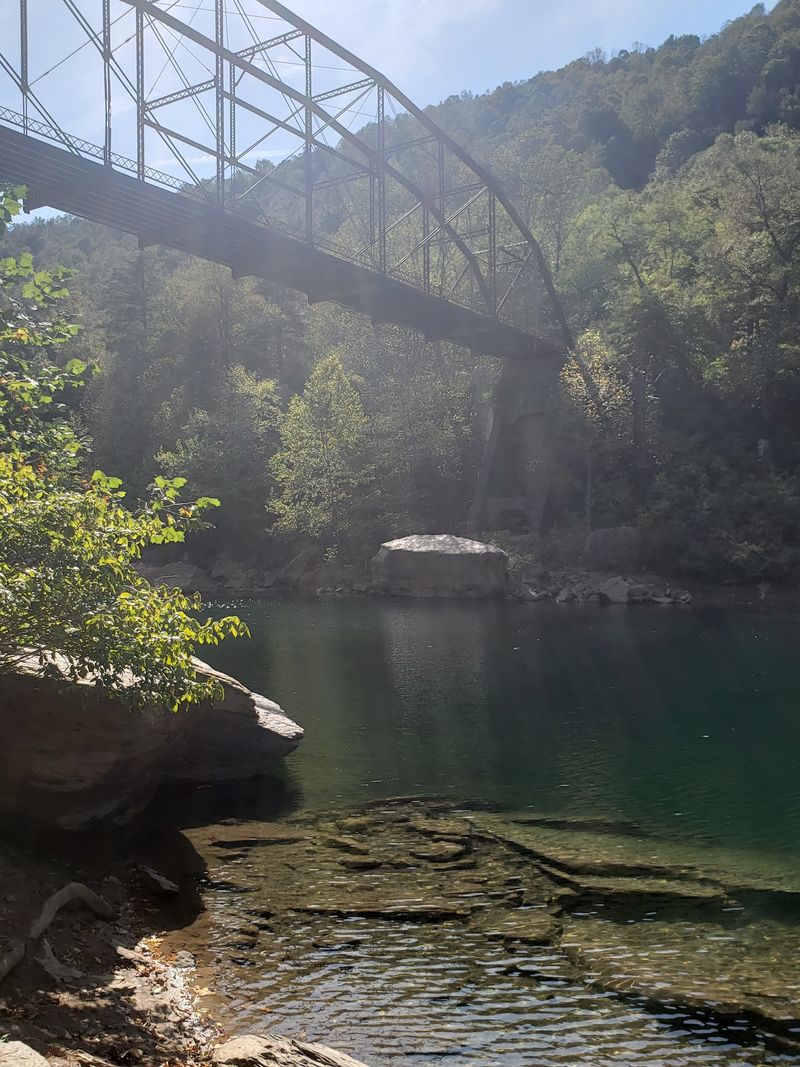
At the spot where Big Sandy Creek pours into the Cheat River, West Virginia hides one of its most photographed swimming holes. Locals call it the Blue Hole, and the name fits perfectly.
Mountain-fed water gathers in a deep natural basin here, framed by smooth rock ledges worn down over centuries. The color is the headline.
Depending on the light and the time of day, the water shifts between deep sapphire and pale turquoise.
Why so blue? Clear water absorbs warm colors from sunlight and sends blue light back to your eyes.
Add a bright, sandy bottom and the effect gets even stronger.
An old narrow bridge crosses the river nearby, adding a rustic touch to every photograph. Steep hills climb on both sides, closing the canyon in and muffling sound from the outside world.
Visitors often mention how peaceful it feels on a quiet weekday morning. The current keeps moving, birds call from the treetops, and the rest of life fades back a little.
Keep in mind that the river and creek nearby run fast and strong in places. The calm basin is one thing, the rapids beyond are another entirely.
Have you ever stood somewhere so pretty that you forgot to take a picture for a minute?
The Rugged Road Down
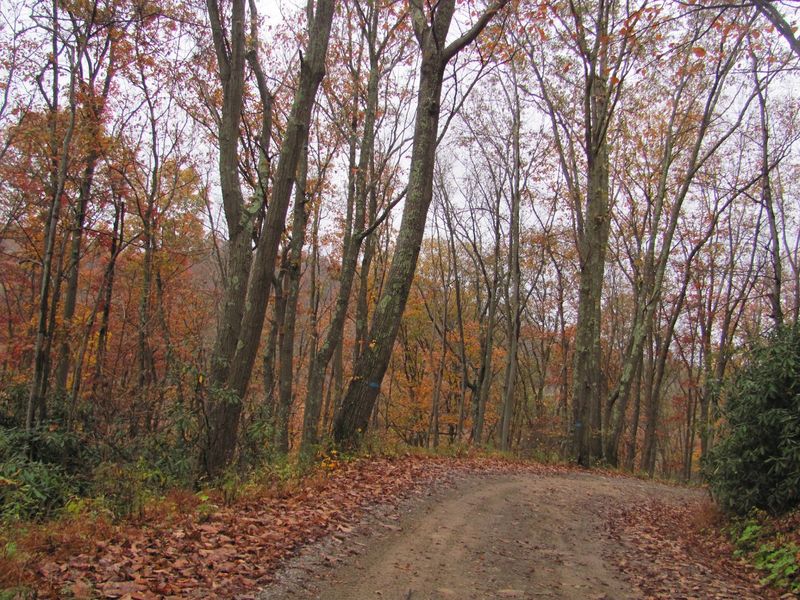
Fair warning before you load the cooler: the drive in is the hardest part of this trip. Several miles of dirt and gravel road wind down into Cheat Canyon, and the surface is genuinely rough.
Deep potholes, loose rock, and a narrow width that barely fits one vehicle are all part of the experience. On one side, the ground drops away sharply toward the trees below.
Travelers consistently recommend a lifted SUV, a small four-wheel-drive rig, or an off-road truck. A low-clearance car can scrape bottom repeatedly, and that is putting it mildly.
Skip the trip right after heavy rain. Dirt roads turn slick, potholes fill with water so you cannot judge their depth, and the descent becomes much more serious.
Cell service down in the canyon is unreliable at best. Download your maps ahead of time and let someone know your plans before you head out.
Drive slowly. Really slowly.
There is no prize for speed here, and the scenery along the way is genuinely lovely if you take your time.
Some visitors treat the road as half the adventure. Others turn around.
Both choices are completely reasonable in this corner of West Virginia.
How comfortable are you behind the wheel on a bumpy backcountry road?
Swimming In Mountain Clear Water
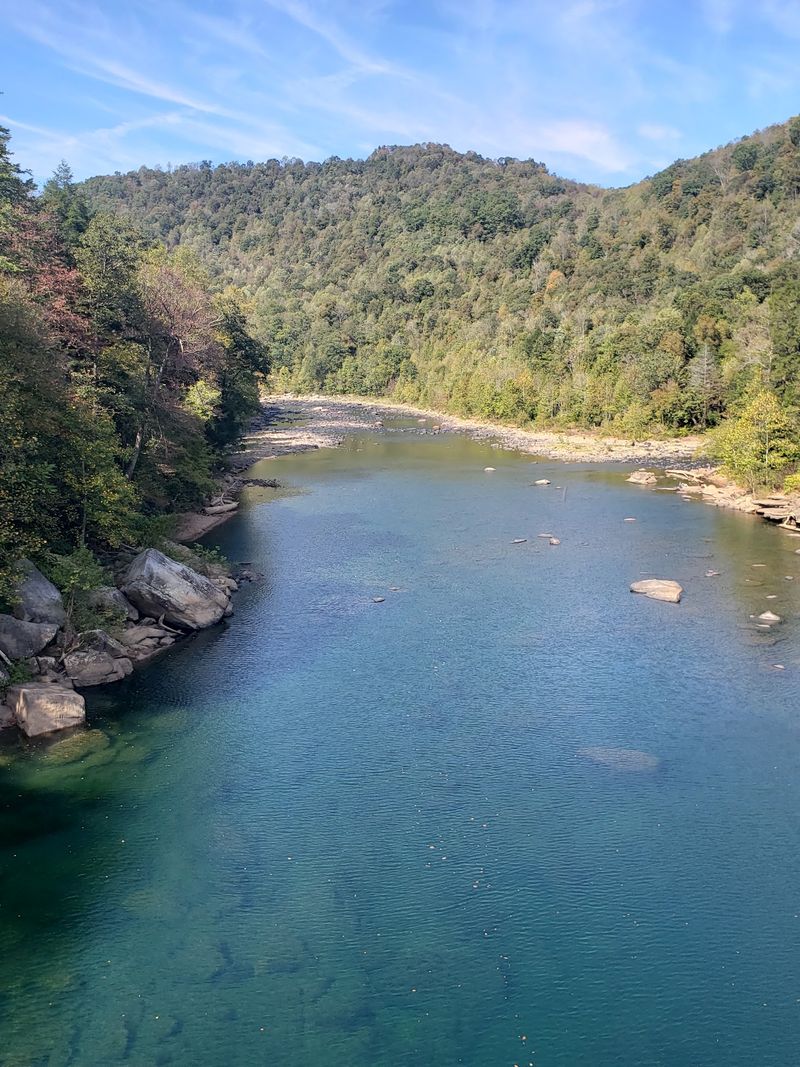
Cool water on a hot afternoon is hard to beat, and this natural pool delivers. Swimmers describe the temperature as refreshing rather than shocking, which means you can stay in longer than you might expect.
The basin is wide and deep enough for real swimming, not just ankle-splashing. Float on your back, look up at the canyon walls, and let the current do its thing.
Underwater visibility is part of the fun. On bright days you can see rocks and ripples of sand well below the surface, almost like looking through glass.
Water shoes are a smart call. The rocks along the edge are smooth in some spots and sharp in others, and wet stone gets slippery fast.
Always check the water level before you get in. After rain, the Cheat River rises and moves with serious force, and conditions can change quickly.
There are no lifeguards here. Strong swimmers should stay near the calm basin, and less confident swimmers should stick to shallow edges.
Bring a towel, a dry bag for your phone, and something warm for afterward. Canyon shade arrives earlier than you think.
Cast A Line Here
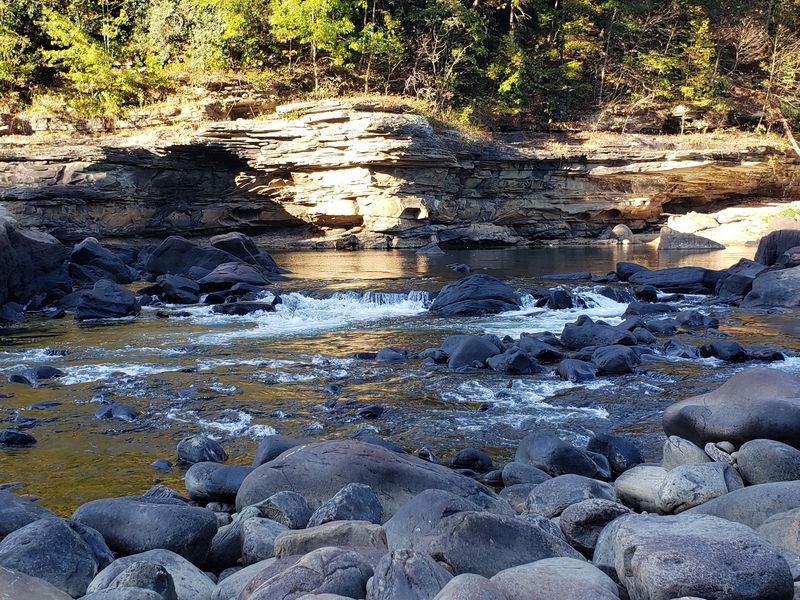
Anglers have a soft spot for this stretch of water, and it is easy to understand why. The mix of a deep calm pool and faster moving current creates the kind of variety fish seem to like.
Early mornings tend to be the quietest time, before swimmers arrive and the canyon warms up. The light is soft then, and the water surface goes glassy.
Rock ledges along the bank double as natural casting platforms. Just watch your footing, because the stone stays damp in shaded spots.
West Virginia requires a valid fishing license, so sort that out online before you make the drive. Rules can change, so check current regulations for the Cheat River area.
Bring more gear than you think you need. There are no shops down in the canyon, and turning around for a forgotten item is not a quick errand.
Pack out every scrap of line, packaging, and bait container. Discarded line is genuinely harmful to birds and wildlife along the riverbank.
Even on slow days, the setting makes up for it. Few places let you fish with a wall of forest rising behind you and blue water at your feet.
Trails And Whitewater Nearby
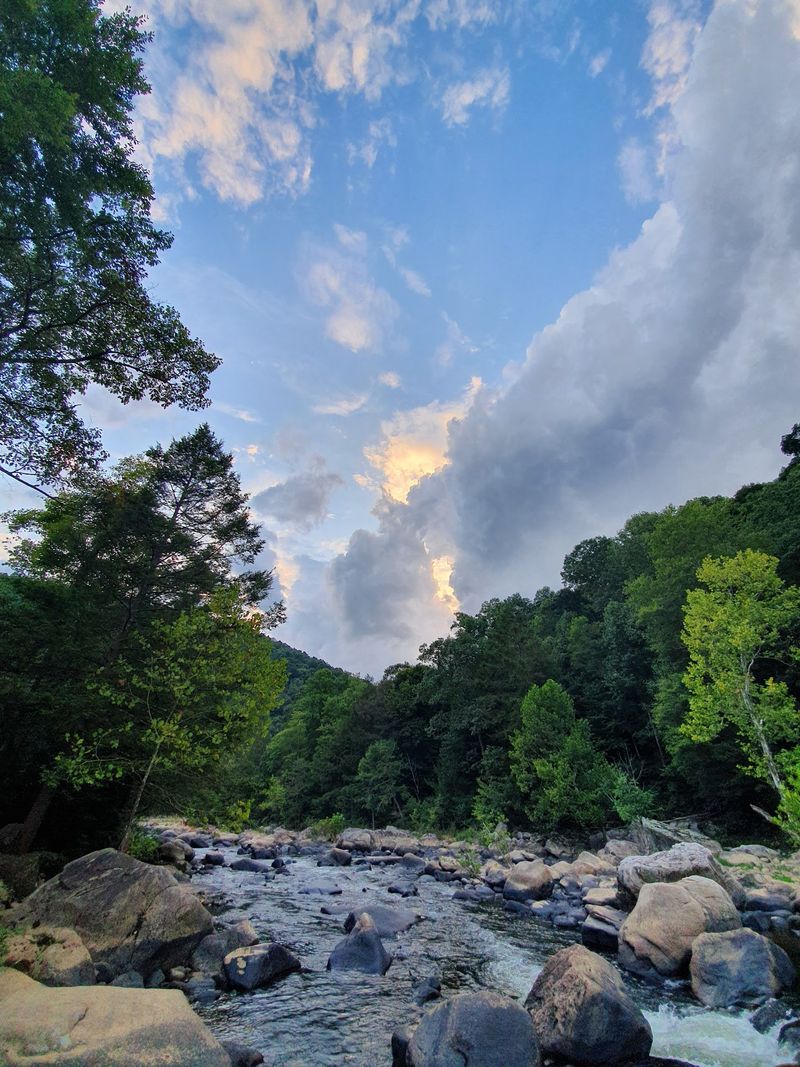
Swimming is only the beginning around here. The Cheat River is famous among paddlers, and the stretch heading toward Morgantown features a long run of rapids and drops.
Roughly ten miles of whitewater await downstream, which is why the river draws serious kayakers and rafters from across the region. Those sections demand real skill and proper gear.
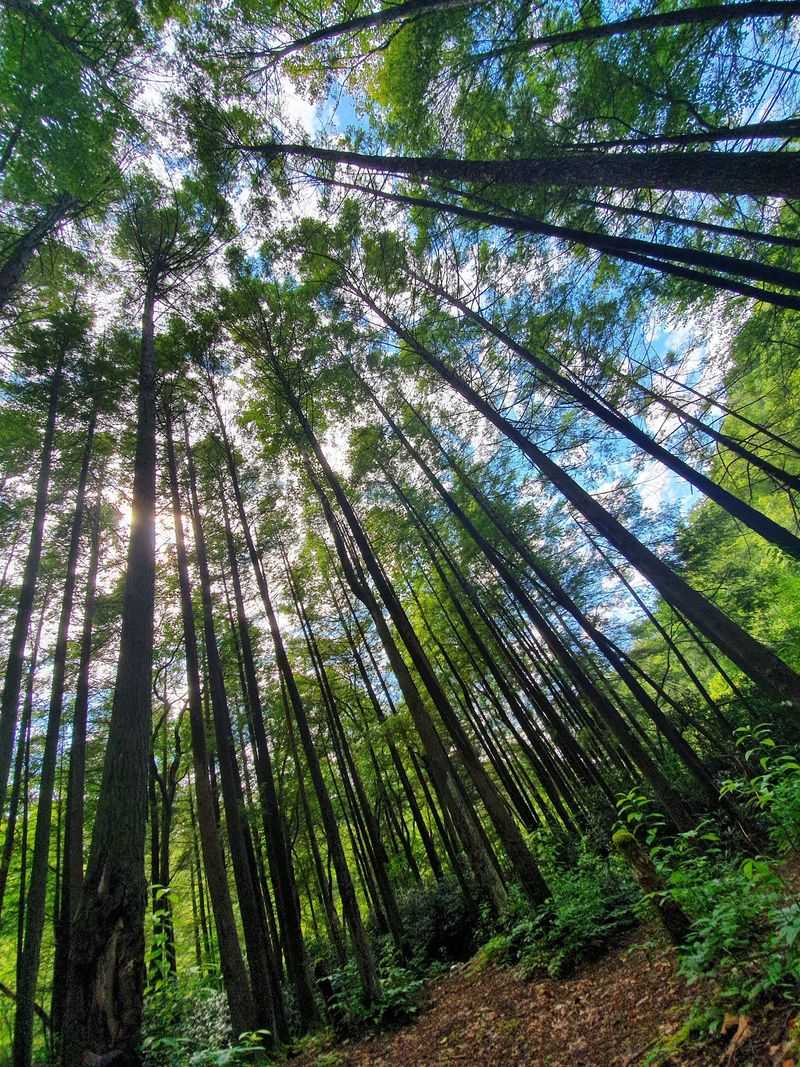
If paddling is not your thing, the surrounding canyon offers hiking and biking through some genuinely wild West Virginia forest. Trails wind through hardwoods and along rocky ridges.
The area sits within the Jenkinsburg Recreation and Natural Area, a rugged pocket of protected land shaped by the two waterways that meet below.
Wildlife sightings come free with admission. Deer, hawks, songbirds, and the occasional black bear all call this canyon home, so stay alert and give animals plenty of room.
Wear real shoes for any walking. Flip-flops and loose gravel slopes are not a friendly combination.
Plan a full day rather than a quick stop. Once you have made the drive down, you may as well soak up everything the canyon has to offer.
Would you rather spend your afternoon floating in still water or chasing rapids downstream?
Quiet Mornings Versus Busy Weekends
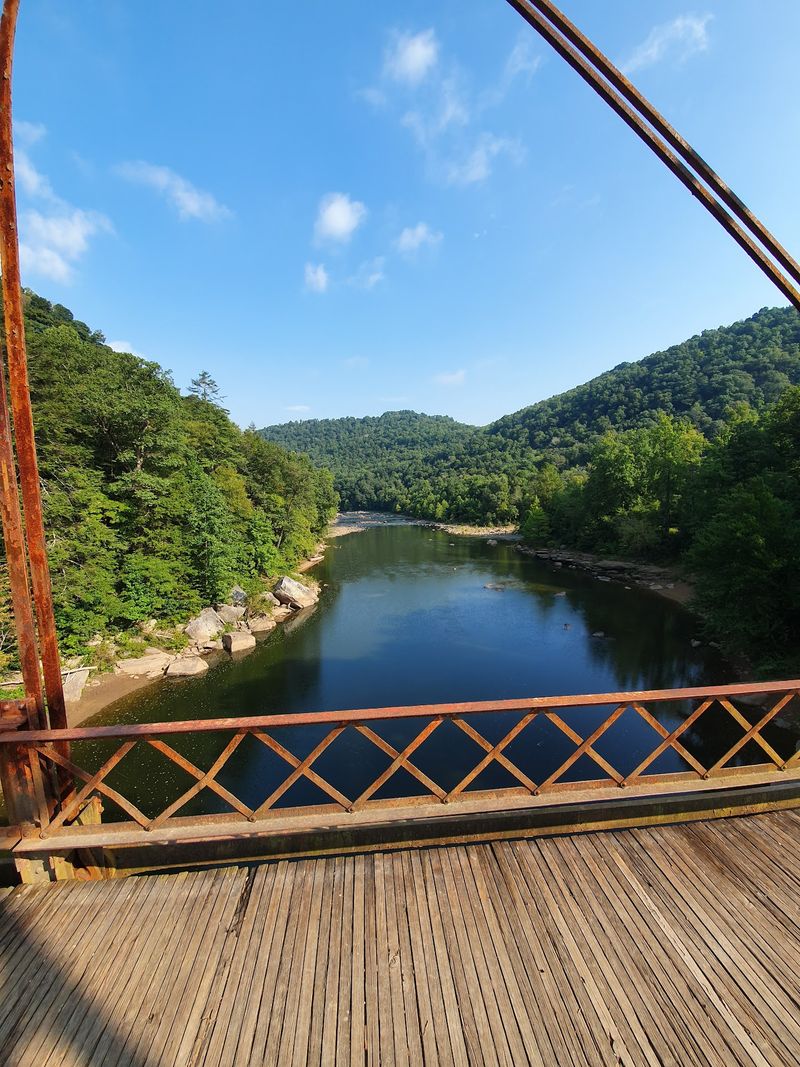
Timing changes everything at this spot. Roll in on a weekday morning and you might have the whole basin to yourself, with nothing but water sounds and birdsong for company.
Weekends tell a different story. Groups gather, music plays, and the canyon takes on a lively, social feel that some visitors love and others would rather avoid.
Neither version is wrong. Just know which one you are hoping for before you plan your trip.
Solitude seekers should aim for early hours, shoulder-season days, or midweek visits. Autumn weekday mornings are especially peaceful, with mist drifting over the water.
One visitor described having the place entirely to themselves in fall, surrounded by changing colors reflecting off the river. That image sticks with people.
Parking is limited and informal, so arriving early also improves your odds of finding a spot without a hassle.
Noise carries in a canyon. Sound bounces off the rock walls, so keeping volume reasonable is a kindness to everyone else sharing the water.
Bring everything you need, because there are no facilities, no snack stands, and no restrooms down here. Pack food, water, sunscreen, and a trash bag.
Are you an early bird who beats the crowd, or do you like a little company at the water?
Leave It Better Than Found
Here is the part that actually matters most. Places this beautiful only stay beautiful when visitors take care of them, and this one has taken some hits over the years.
Spray paint on rocks and litter left behind have frustrated travelers who came looking for untouched scenery. It is an easy problem to fix, one bag at a time.
Bring a trash bag and carry out everything you carry in. Food wrappers, bottle caps, and cigarette butts all count.
Consider picking up a few extra pieces on your way out. It takes two minutes and makes a real difference for whoever arrives next.
Leave the rocks unmarked. Stacking stones, carving initials, and painting surfaces all change a landscape that took thousands of years to shape.
Skip glass containers entirely. Broken glass in a swimming area is a serious hazard, especially for barefoot swimmers and pets.
Respect the surrounding land and any posted signs. Much of the canyon is protected, and access depends on people treating it well.
West Virginia has no shortage of wild scenery, but spots with water this clear are rare. Protecting them keeps the state worth exploring for the next generation of travelers.
What small habit do you follow to leave a natural place cleaner than you found it?
Planning Your Canyon Day Trip
Ready to make it happen? A little preparation turns this from a stressful drive into a fantastic day out in the mountains.
The Blue Hole sits at the confluence of the Cheat River and Big Sandy Creek at West Virginia 26542, with the most reliable approach coming off Route 26 through Bruceton Mills or Valley Point. It falls within the Jenkinsburg Recreation and Natural Area.
Access conditions for natural areas like this shift with weather and road maintenance, so check local conditions before setting out rather than assuming the route is clear.
Pack water, snacks, sunscreen, bug spray, a towel, sturdy footwear, and a basic first aid kit. A spare tire in good shape is not a bad idea either.
Fill your fuel tank before you head down. There is nothing resembling a gas station once you leave the main road.
Autumn may be the prettiest season here, when gold and crimson leaves frame the blue water. Summer brings the swimming, and winter turns the canyon quiet and frosted.
Give yourself plenty of daylight. You do not want to be climbing back up that road after dark.
West Virginia rewards travelers willing to go a little off the beaten path, and few rewards look as good as this one. What will you notice first when you finally see that water?