
This 30-Foot Waterfall In Wisconsin Is The Kind Of Place You’ll Want To See Twice
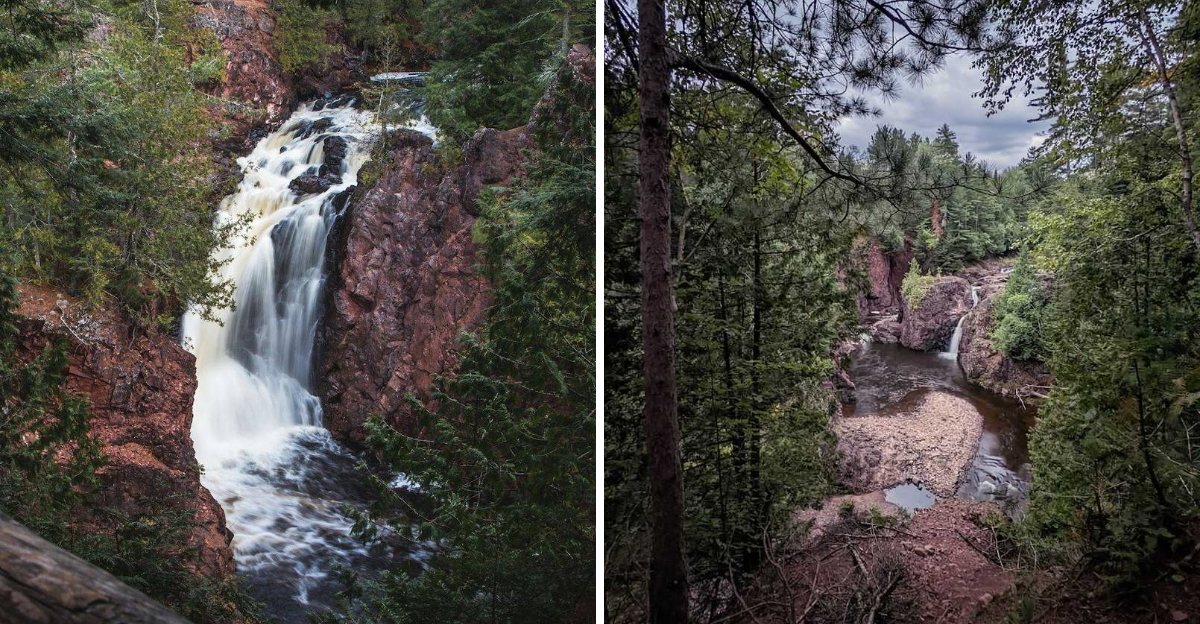
Deep in Wisconsin’s Northwoods, a stretch of the Potato River suddenly gathers speed and tumbles over rugged rock ledges, sending water cascading into the quiet forest below. The drop is impressive, but the setting is what truly lingers in memory.
Ancient stone, shaped by glaciers long ago, frames the rushing water while thick woodland surrounds the scene in calm and shade. Visitors who discover this secluded corner of Iron County often find themselves coming back, drawn again to the steady rhythm of the falls and the peaceful stillness around them.
It’s the kind of place that doesn’t shout for attention yet leaves a lasting impression once you’ve seen it.
A Scenic Waterfall Along The Potato River
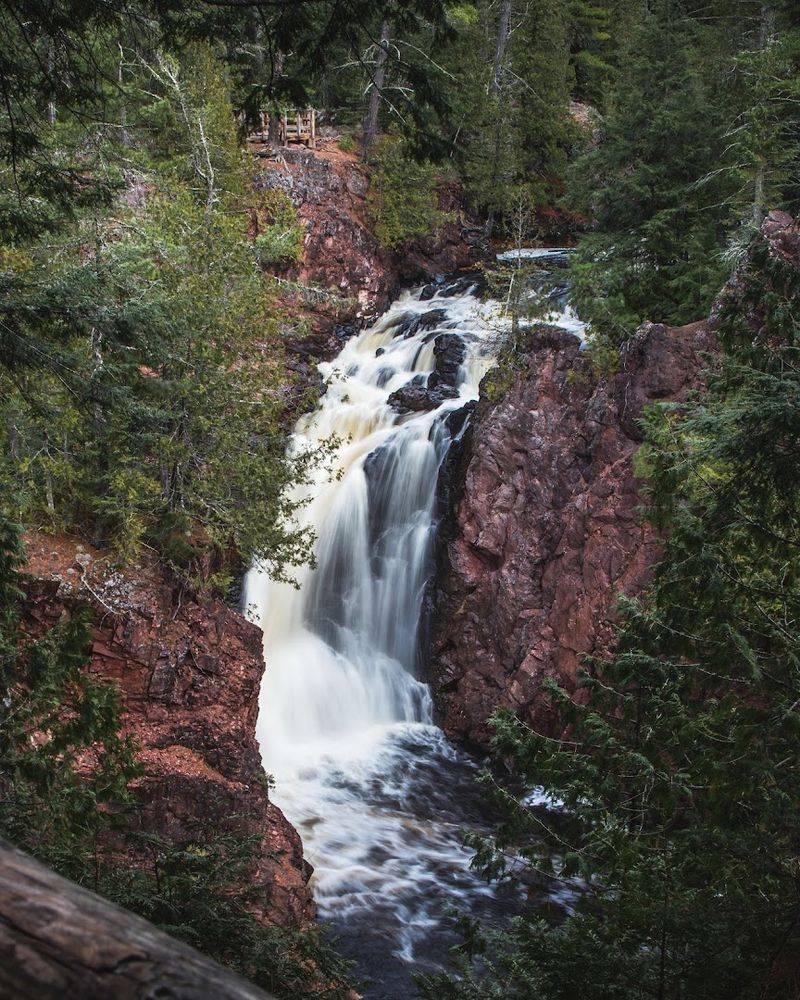
Brownstone Falls belongs to the Potato River, a waterway that cuts through Iron County with determination and grace. The river has carved its path through bedrock over thousands of years, and at this particular point, it drops sharply to create a cascade that holds attention without fanfare.
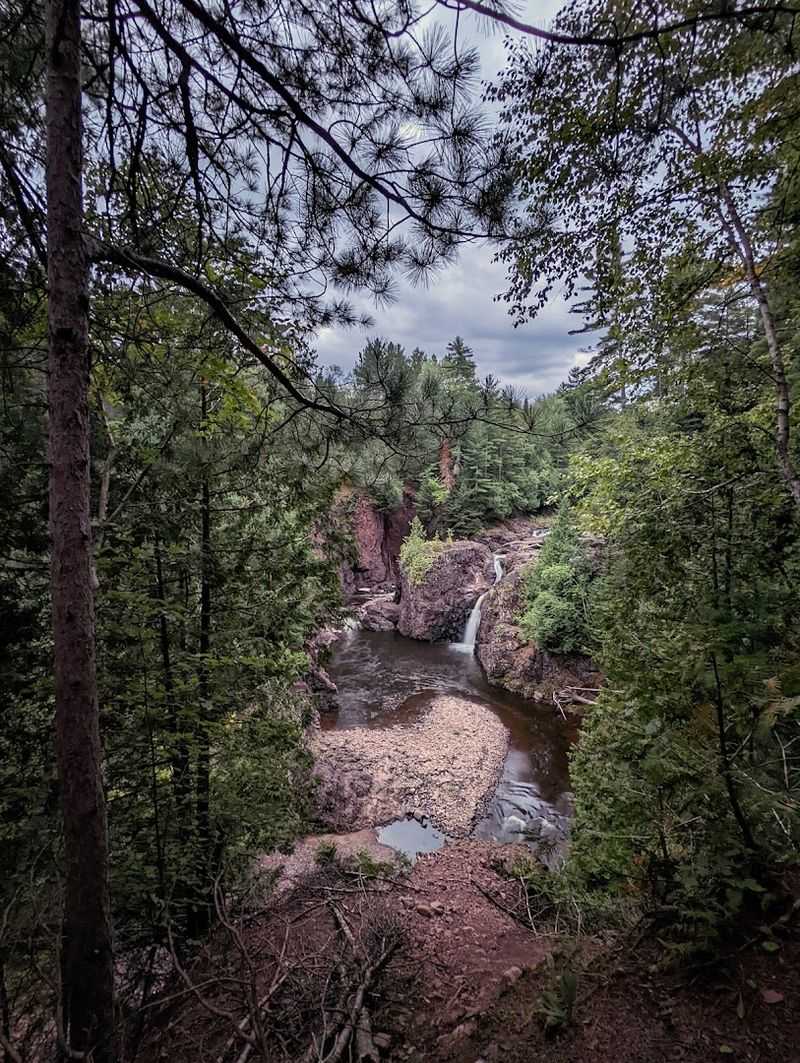
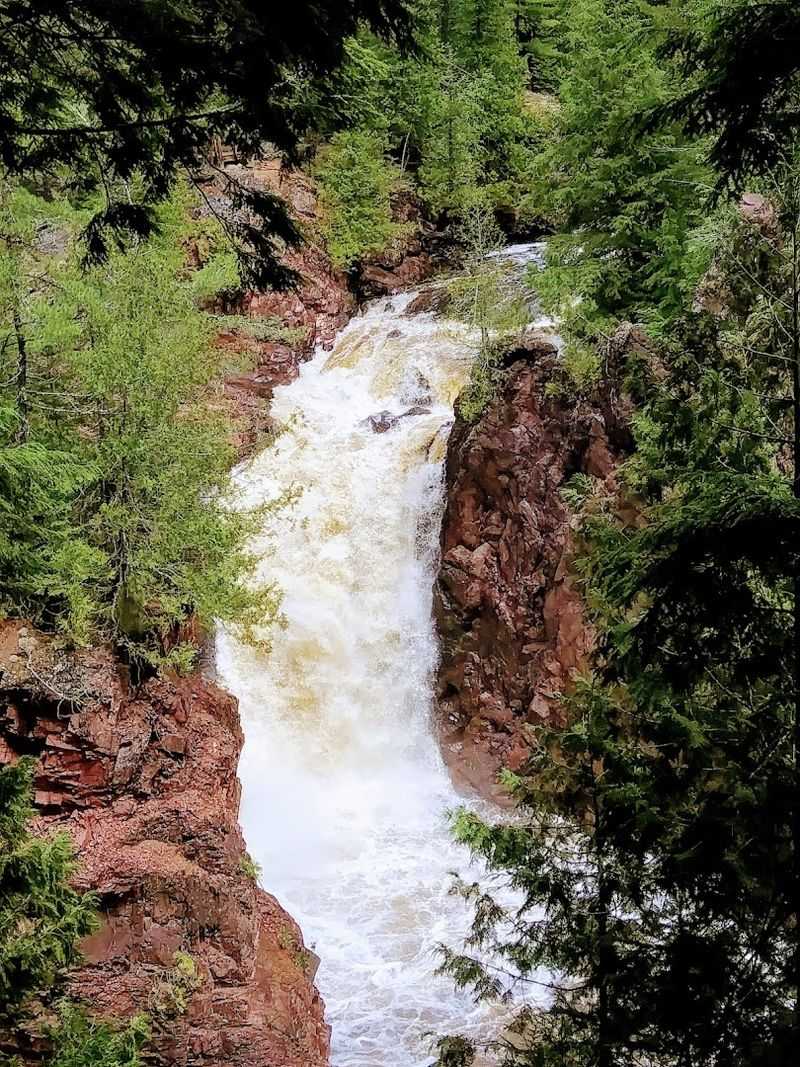
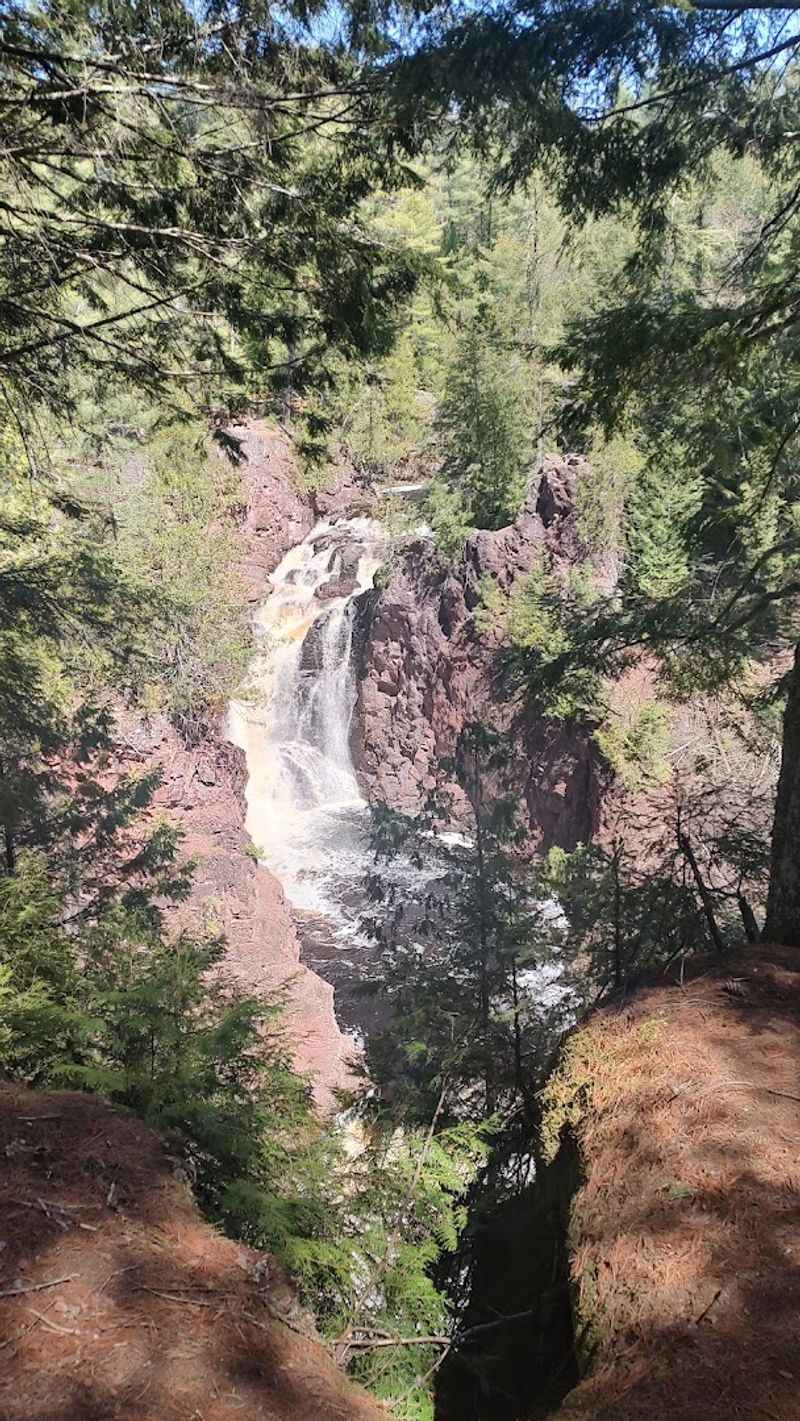
The falls measure around thirty feet from top to bottom, spilling over layers of rock stained rust and brown by mineral deposits. Water flows year-round, though volume shifts with the seasons.
Spring runoff brings the heaviest flow, turning the falls into a roaring column of white water. By late summer, the cascade softens into a series of smaller threads that trace delicate lines down the rock face.
Standing at the base or viewing from above, you notice how the sound changes with the water level. The falls do not shout for attention but offer something steady and grounding instead.
A Cascade Surrounded By Rugged Northwoods Forest
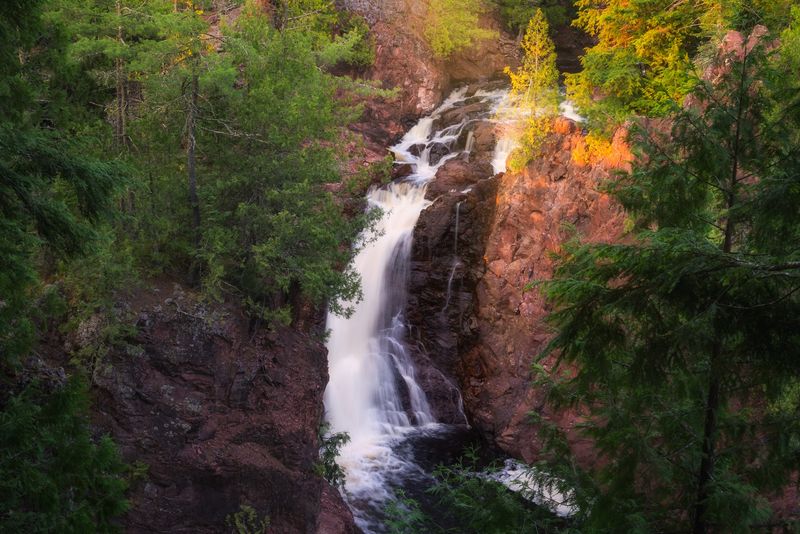
The forest around Brownstone Falls feels untamed in the best sense. Towering pines mix with birch and maple, creating a canopy that filters sunlight into shifting patterns on the forest floor.
Moss clings to rocks and fallen logs, evidence of the moisture that hangs in the air near the water. The undergrowth grows thick in places, and the ground rises and falls in uneven rolls shaped by glacial movement long ago.
Walking through this landscape, you get the sense that people are visitors here, not residents. The trees grow at their own pace, and the forest operates according to rhythms that predate highways and visitor centers.
Birds call from branches overhead, and occasionally you might spot deer moving quietly between trunks. The ruggedness is not hostile but indifferent, which makes the experience feel more authentic and less curated than many popular outdoor destinations.
Around Thirty Feet Of Flowing Water Over Rock
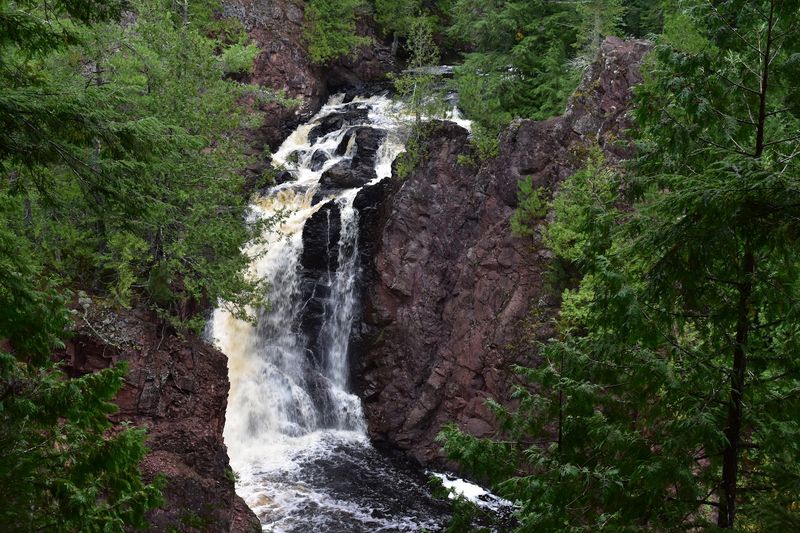
The height of Brownstone Falls registers immediately when you approach. Thirty feet might not sound dramatic on paper, but standing before it, the measurement translates into something visceral and real.
Water accelerates as it approaches the edge, then commits to the drop with a kind of inevitability. The rock face beneath shows layers of sediment laid down over geological time, each stripe telling a story about ancient environments.
Minerals in the water have stained portions of the cliff in shades of rust, copper, and deep brown, giving the falls its name. The flow pattern changes depending on water volume, sometimes spreading wide across the entire rock face, other times concentrating into a narrow central channel.
Spray rises from the pool at the base, especially during high water periods, and on sunny days you might catch rainbows forming in the mist. The falls operate with mechanical simplicity but produce effects that feel anything but ordinary.
A Peaceful Spot In Wisconsin’s Northern Wilderness
Peace is not guaranteed at every natural attraction, but Brownstone Falls delivers it consistently. The location sits far enough from major population centers that crowds rarely gather, even during peak summer weekends.
You can stand near the water and hear nothing but the sound of the cascade and wind moving through pine branches. The absence of mechanical noise feels restorative after time spent in towns or cities.
Benches and viewing areas exist but do not dominate the landscape. The site feels managed with a light touch, allowing the natural elements to remain primary.
Visitors tend to speak quietly here, as though recognizing that the space calls for a different volume than everyday conversation. Solitude is possible even when others are present, simply because the forest absorbs people into its larger pattern rather than forcing them into proximity.
This quality makes the falls ideal for anyone seeking restoration rather than entertainment.
A Remote Setting In Iron County
Iron County occupies the northern edge of Wisconsin, bordering Michigan’s Upper Peninsula and stretching toward Lake Superior. The county takes its name from the iron ore that once drove its economy, though today forests and water define the landscape more than mining.
Brownstone Falls sits in this remote territory near the small community of Morse, which qualifies as a town more by courtesy than population. Getting here requires intention and navigation, as the falls do not sit along major tourist routes.
Roads narrow as you approach, transitioning from highway to county road to gravel in some stretches. Cell service becomes unreliable, and gas stations grow scarce.
This remoteness serves as a filter, ensuring that visitors arrive because they chose the destination specifically rather than stumbling upon it by accident. The isolation also means that the surrounding landscape remains largely undeveloped, preserving the character that makes the falls worth visiting in the first place.
The Falls Are Part Of The Potato River System
Brownstone Falls represents just one feature along the Potato River, which hosts multiple waterfalls as it descends toward its eventual meeting with the Wisconsin River. The river system has carved a series of drops and cascades through the bedrock, creating a concentration of waterfalls within a relatively small geographic area.
Understanding this context adds depth to a visit. The falls are not an isolated phenomenon but part of a larger hydrological story playing out across miles of forest.
Other waterfalls along the Potato River offer different characteristics, some wider, others taller, a few tucked into narrow gorges. Visiting multiple falls in sequence allows you to see how the river adapts to different geological challenges.
The Potato River system also supports diverse ecosystems, with cold water providing habitat for brook trout and other species. The health of the river depends on the forest that surrounds it, creating an interconnected web that becomes apparent the more time you spend in the area.
Beautiful Views After Rain Or Snowmelt
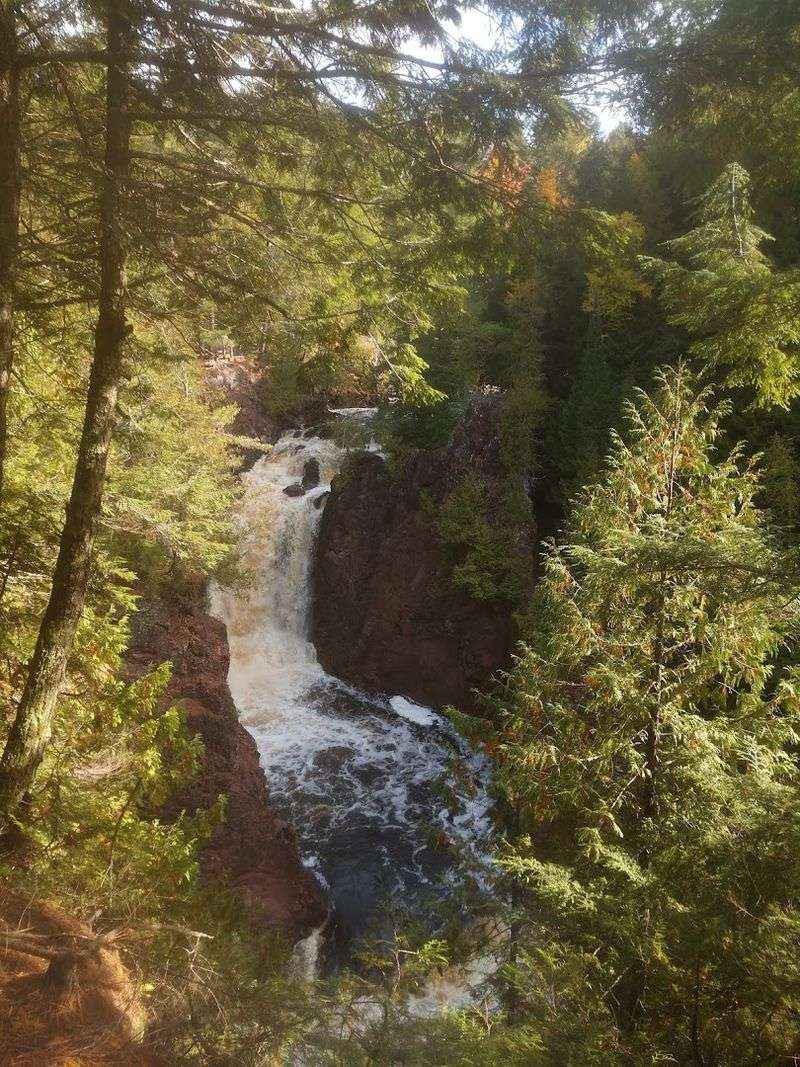
Timing matters when visiting waterfalls, and Brownstone Falls rewards those who arrive after significant precipitation or during spring thaw. Rain swells the Potato River quickly, transforming the falls from a moderate cascade into something genuinely powerful.
The increased volume changes the sound, the spray pattern, and the overall energy of the site. Water thunders over the edge with force that you can feel through the ground.
Spring snowmelt produces similar effects, with the added benefit of cool temperatures that keep the forest fresh and the air sharp. The contrast between lingering snow patches and rushing water creates visual interest that photographers particularly appreciate.
Visiting after rain also means the forest smells richer, with earth and decomposing leaves releasing scents that dry weather suppresses. The rocks glisten, and moss appears more vivid.
These post-rain visits require flexibility in planning but deliver experiences that feel more dynamic than those during average conditions.
Wild And Untouched Northwoods Scenery
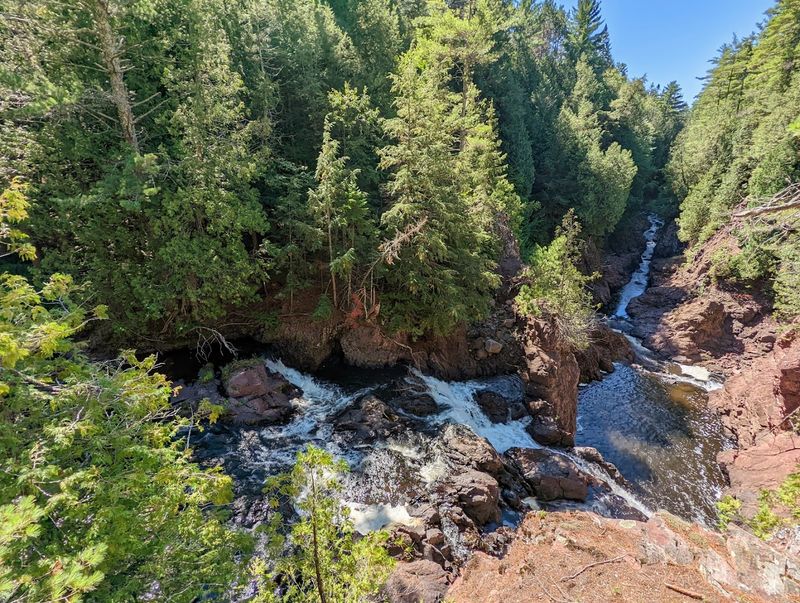
Development has touched much of Wisconsin, but the Northwoods around Brownstone Falls retains a wild quality that feels increasingly rare. The forest grows according to its own logic, with deadfall left to decompose naturally and undergrowth spreading without human intervention.
This wildness does not mean inaccessibility, but it does mean accepting the landscape on its own terms. Trails may be uneven, views partially obscured by branches, and facilities minimal.
The payoff comes in authenticity. You are seeing the forest as it exists rather than as it has been shaped for visitor convenience.
Wildlife moves through this landscape with less wariness than in heavily trafficked areas. The plant communities reflect local conditions rather than landscaping choices.
For visitors accustomed to manicured parks and maintained overlooks, this wildness might require adjustment. For those seeking genuine wilderness experience without backpacking miles from roads, it offers an accessible middle ground that satisfies without demanding extreme effort or specialized equipment.
A Quiet Destination Away From Busy Parks
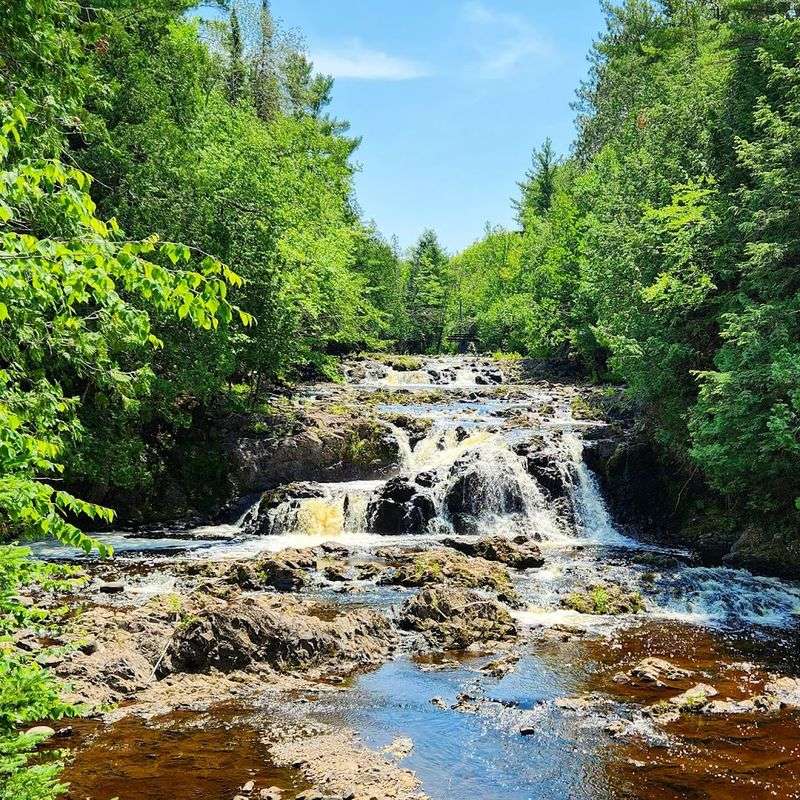
Wisconsin operates several state parks that attract thousands of visitors during summer months, with parking lots filling early and trails becoming congested by midday. Brownstone Falls offers an alternative to that experience.
The site receives visitors but never in numbers that compromise the atmosphere. You can arrive without reservations or early starts and still find space to experience the falls without feeling rushed or crowded.
This quietness stems partly from location and partly from the fact that the falls have not been heavily marketed or developed into a major attraction. No gift shops or concession stands exist nearby.
The experience remains focused on the natural feature itself rather than surrounding amenities. For families seeking outdoor time without navigating crowded facilities, or for individuals wanting contemplative time in nature, this quality proves invaluable.
The falls accommodate both quick visits and extended stays without pressure from crowds waiting for their turn at viewpoints or photo locations.
A Natural Stop Near Other Potato River Waterfalls
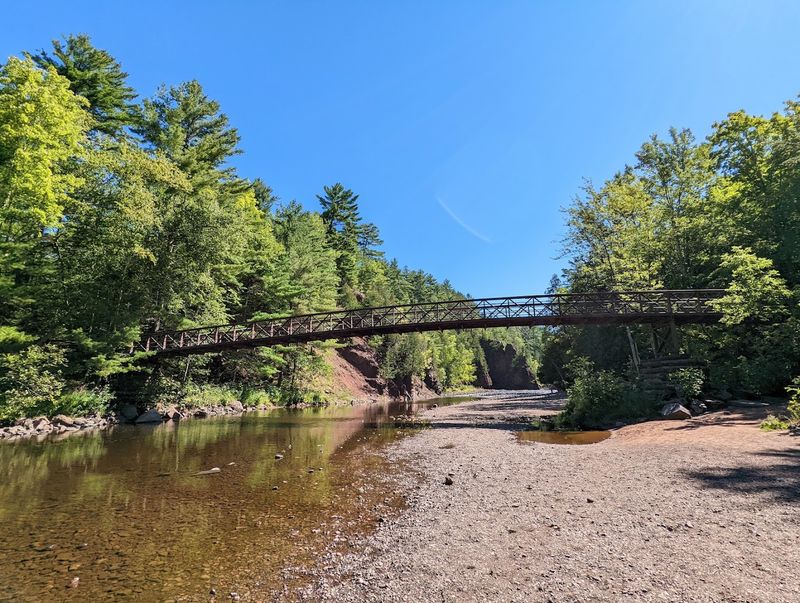
Planning a trip to Brownstone Falls becomes more rewarding when you include other waterfalls along the Potato River in your itinerary. The proximity of multiple falls allows you to see variations on a theme, each cascade shaped by slightly different geological conditions.
Some falls drop in single plunges, others descend in steps. Some spread wide across rock faces, others concentrate into narrow channels.
Visiting several in sequence takes only a few hours but provides a comprehensive look at how water interacts with the landscape. The drive between falls also offers scenery worth attention, with forest roads winding through terrain that changes subtly as you move along the river system.
This clustering of natural features makes the area particularly appealing for day trips from nearby towns or as a destination for weekend getaways. You can structure your time around waterfall visits while leaving room for spontaneous stops at overlooks or short hikes that catch your interest along the way.