
This Unassuming Aviation Museum In Wisconsin Will Make You Feel Like You’re In Top Gun
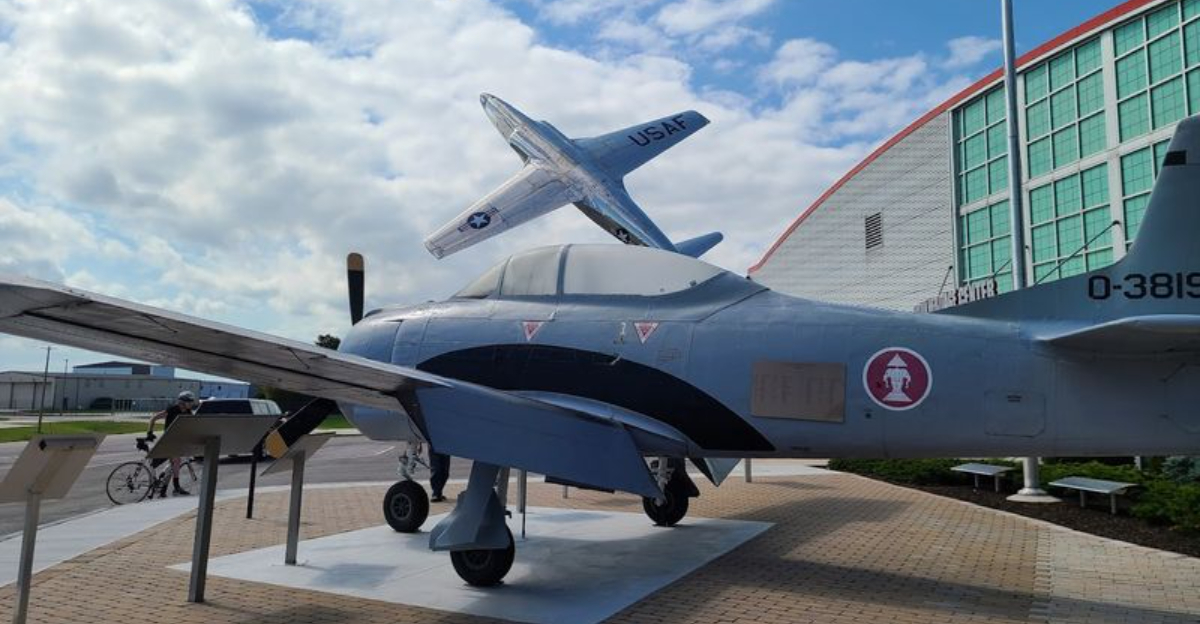
Aviation enthusiasts and curious travellers alike will find something memorable at this small museum in Sheboygan Falls. Despite its modest size, it offers an experience that feels surprisingly immersive, drawing you right into the world of flight.
Detailed aircraft displays sit alongside hands-on features that invite you to engage rather than just observe. Interactive cockpit simulators add an extra layer of excitement, making it easy to imagine life in the pilot’s seat.
It captures both the history and thrill of aviation in a way that leaves visitors feeling genuinely connected to the skies.
A Small Museum With A Surprisingly Strong Aviation Focus
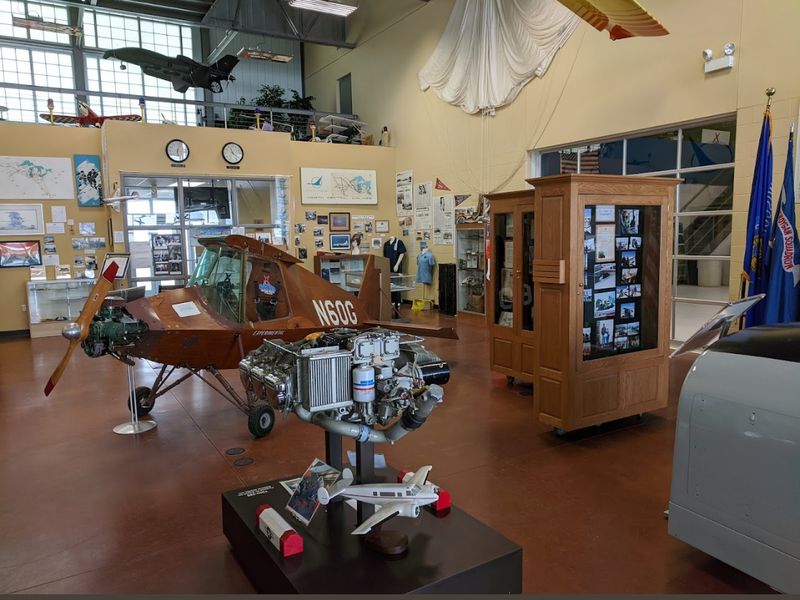
Size does not dictate substance at this facility located at N6191 Resource Dr. The collection here demonstrates careful curation rather than overwhelming volume. Visitors find themselves immersed in aviation history through thoughtfully arranged displays that highlight both local and national flight achievements.
The space manages to pack considerable information into its modest footprint. Each exhibit area serves a purpose, guiding you through different eras and aspects of aviation without feeling cramped.
The layout allows for comfortable viewing while maintaining an intimate atmosphere that larger institutions often lack.
What sets this museum apart is its commitment to telling complete stories rather than simply showcasing machinery. Historical context accompanies each aircraft and artifact, providing understanding of how these machines shaped both regional development and broader aeronautical progress.
The focused approach creates a more memorable experience than wandering through endless halls of disconnected displays.
Aircraft Displays That Bring Flight History Up Close
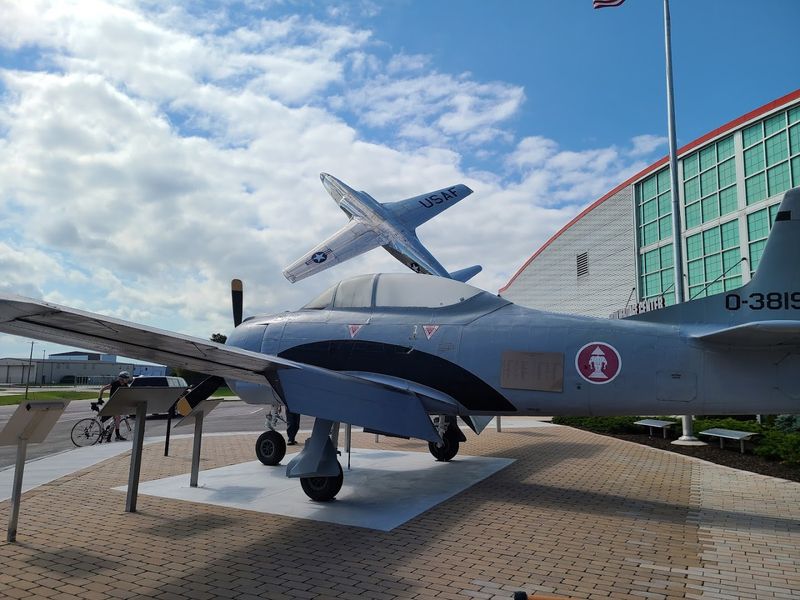
Standing beside a full-scale aircraft creates an entirely different impression than viewing photographs or watching films. The museum positions its aircraft collection to allow close inspection of construction details, cockpit layouts, and engineering solutions that made flight possible.
You can study rivets, examine control surfaces, and appreciate the craftsmanship that went into building these machines.
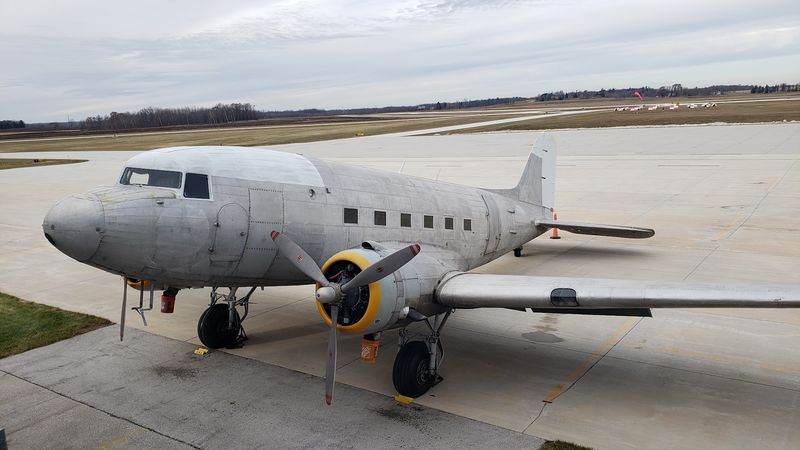
Several aircraft represent different periods of aviation development. The variety helps illustrate how quickly technology advanced from early flight attempts to modern aircraft.
Each plane carries its own story, from training missions to combat operations, giving visitors insight into how these machines served their purposes.
The proximity to these aircraft generates genuine appreciation for the pilots who flew them. Seeing the cramped cockpits and basic instruments helps you understand the skill and courage required to operate these machines.
This direct contact with aviation history creates connections that textbook descriptions simply cannot match.
Military Aviation Stories That Add Depth To The Experience
Military history forms a significant portion of the museum’s narrative. The exhibits honor service members who flew combat missions and supported aviation operations during various conflicts.
Personal accounts and historical documentation provide context that transforms metal and machinery into stories of human courage and sacrifice.
One particularly notable section pays tribute to Hmong pilots who served during the Vietnam conflict. This recognition of often-overlooked contributions adds dimension to standard military aviation narratives.
The firsthand accounts and artifacts create powerful connections to events that shaped international history.
Veterans occasionally volunteer at the facility, bringing living history to the exhibits. Their presence transforms static displays into dynamic educational experiences.
Hearing stories directly from those who lived them adds authenticity that no written description can fully capture, making visits unpredictable and rewarding in ways that scripted museum tours cannot replicate.
Hands-On Elements That Make It More Than Just A Walkthrough
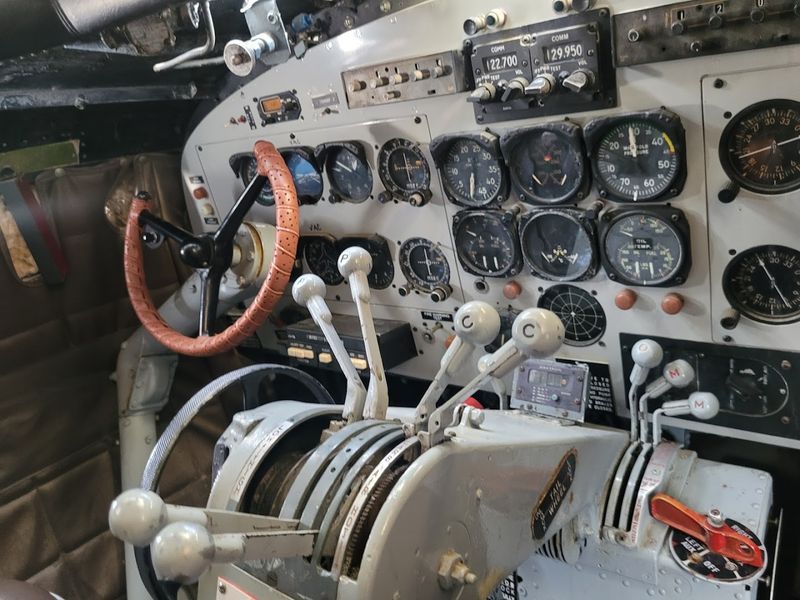
Interactive elements distinguish this museum from purely observational experiences. Cockpit simulators allow visitors to sit in pilot seats, manipulate controls, and hear radio communications.
These hands-on opportunities create engagement that passive viewing cannot achieve, particularly for younger visitors developing interest in aviation.
The simulators feature working switches, levers, and sound effects that simulate flight operations. Children and adults alike can experience the complexity of aircraft controls firsthand.
This tactile interaction helps demystify flight operations and builds appreciation for pilot training and skill requirements.
Beyond simulators, the museum encourages questions and exploration rather than maintaining strict do-not-touch policies. This approach creates a more relaxed educational environment.
Families find the interactive elements particularly valuable, as they keep children engaged while adults absorb historical information. The combination of observation and participation ensures that visitors of different ages and interests find something meaningful during their time at the facility.
Hangar Setting That Feels True To Aviation Roots
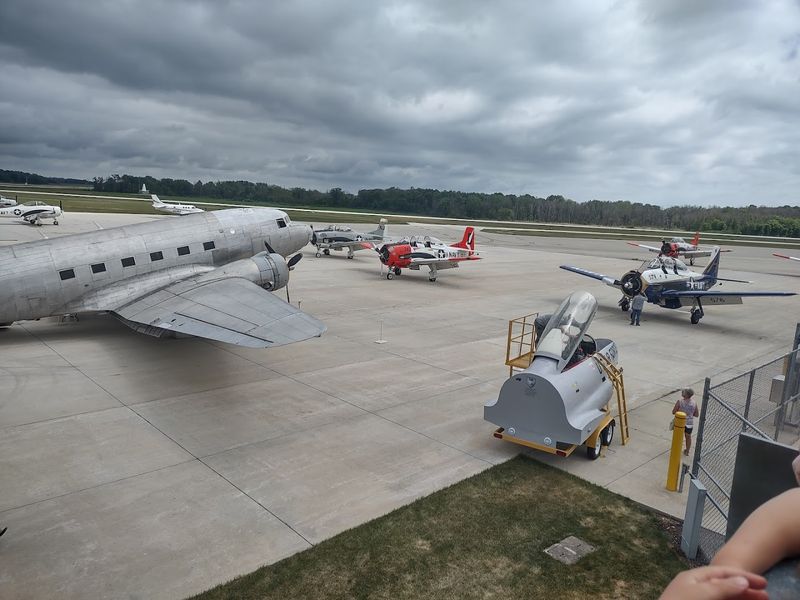
The museum occupies space at Sheboygan County Memorial Airport, placing it in an active aviation environment. This location provides authenticity that purpose-built museum structures cannot replicate.
The hangar architecture and airport setting create immediate immersion in aviation culture from the moment you arrive.
Active runways adjacent to the facility mean visitors often witness aircraft operations during their visit. Watching planes take off and land adds dynamic elements to the museum experience.
The sounds and activity of a working airport reinforce the connection between historical displays and contemporary aviation.
This authentic setting helps visitors understand that aviation remains a living field rather than purely historical subject matter. The combination of preserved aircraft and active flight operations creates a unique educational environment.
Standing in a hangar surrounded by aviation history while hearing modern aircraft overhead creates a temporal bridge that enriches understanding of how flight has evolved while maintaining fundamental principles established by early pioneers.
Knowledgeable Volunteers Who Share Firsthand Insights
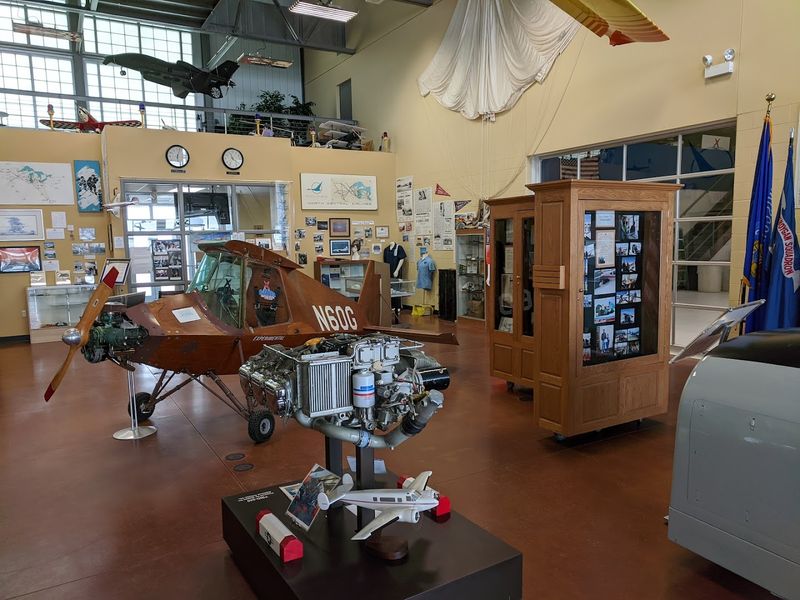
Volunteer staff members bring personal passion and expertise to the museum experience. Many possess direct aviation experience, from flying to aircraft maintenance, providing informed perspectives on the exhibits.
Their enthusiasm for the subject matter creates an infectious energy that enhances visitor engagement.
These volunteers offer more than scripted tours. They share anecdotes, answer technical questions, and provide context that written placards cannot convey.
Their willingness to discuss aviation topics in depth transforms casual visits into educational conversations. This personal interaction creates memorable experiences that distinguish the museum from larger institutions with less accessible staff.
The volunteer presence also ensures that exhibits remain dynamic rather than static. As different volunteers work different days, each visit might offer new perspectives or information.
Their dedication to preserving and sharing aviation heritage demonstrates community commitment to maintaining this educational resource. The human element they provide proves that museums succeed not just through artifacts but through the people who care for and interpret those collections.
Rotating Displays That Keep The Visit Interesting
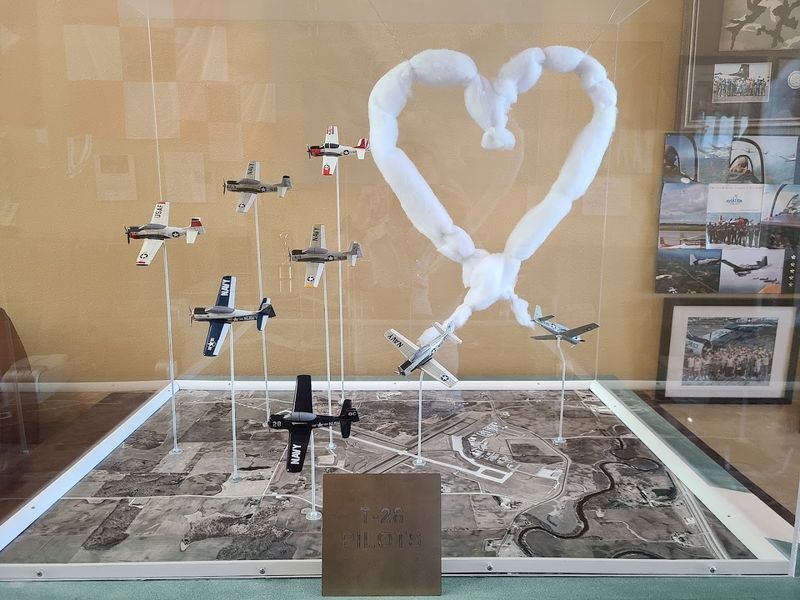
The museum refreshes its exhibits periodically, providing reasons for repeat visits. Rotating displays prevent the collection from becoming stale while allowing deeper exploration of specific aviation topics.
This approach maximizes the educational value of limited space by cycling through different aspects of flight history.
Model aircraft collections represent one area where displays change regularly. These detailed reproductions showcase aircraft that cannot be displayed full-scale, expanding the museum’s scope.
The craftsmanship in these models deserves attention in its own right, representing hours of meticulous work by dedicated builders.
Special events and themed displays further diversify the museum’s offerings. Father’s Day celebrations with classic cars and pancake breakfasts, Friday night aviation film screenings in the hangar, and other activities create community gathering opportunities.
These events transform the museum from a simple display space into an active cultural center that serves multiple purposes within the region, building connections between aviation enthusiasts and the broader community.
Quiet Location That Lets You Take Your Time
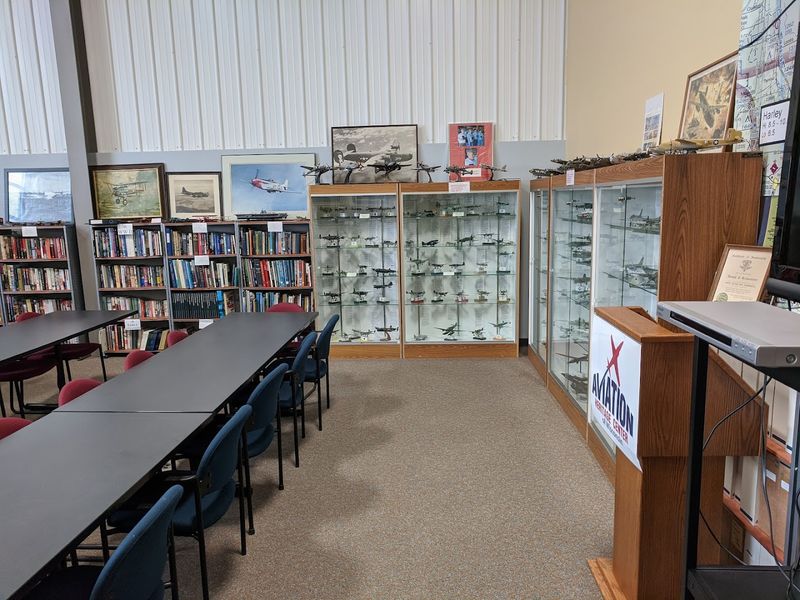
The museum’s relatively modest visitor traffic creates an unhurried atmosphere. You can spend as much time as desired examining exhibits without feeling rushed or crowded.
This relaxed pace allows for genuine absorption of information rather than superficial scanning that occurs in heavily trafficked attractions.
The spacious layout accommodates comfortable movement between displays. Families with children appreciate the room to explore without constant concerns about disturbing other visitors.
The quieter environment also facilitates conversation with volunteers and fellow visitors, creating opportunities for shared learning and discussion.
Operating hours from Thursday through Sunday allow for weekend visits while maintaining manageable staffing through volunteer coordination. The schedule suits travelers planning day trips through the region.
Arriving during weekday hours often means having large portions of the museum to yourself, creating almost private viewing experiences. This peaceful setting proves particularly valuable for photography enthusiasts and those who prefer contemplative rather than rushed museum visits.
Spot That Appeals To Both Enthusiasts And Curious Visitors
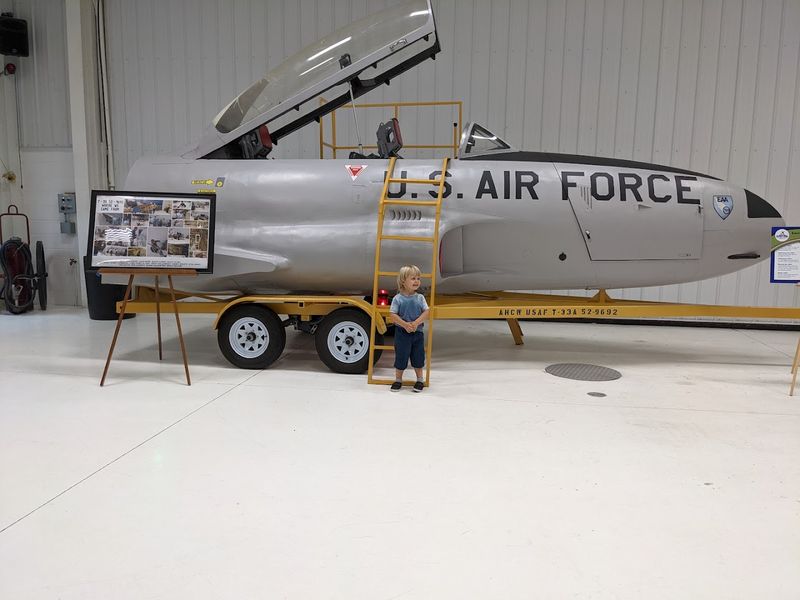
Aviation expertise is not required to appreciate what this museum offers. The exhibits balance technical information with accessible narratives that engage general audiences.
Hardcore aviation enthusiasts find sufficient depth to satisfy their interests, while casual visitors discover approachable entry points into flight history.
Families particularly benefit from this balanced approach. Children engage with interactive elements and visible aircraft while adults explore historical context and technical details.
The museum accommodates different learning styles and interest levels within the same space, making it suitable for groups with varied backgrounds.
First-time visitors often express surprise at how engaging they find the experience despite limited prior aviation interest. The combination of tangible artifacts, personal stories, and hands-on elements creates multiple pathways into the subject matter.
This inclusive approach serves the museum’s educational mission while building broader appreciation for aviation heritage. The facility demonstrates that specialized museums can serve diverse audiences without diluting their core focus or compromising educational value.
Sheboygan County Hidden Gem That Rewards Those Who Visit
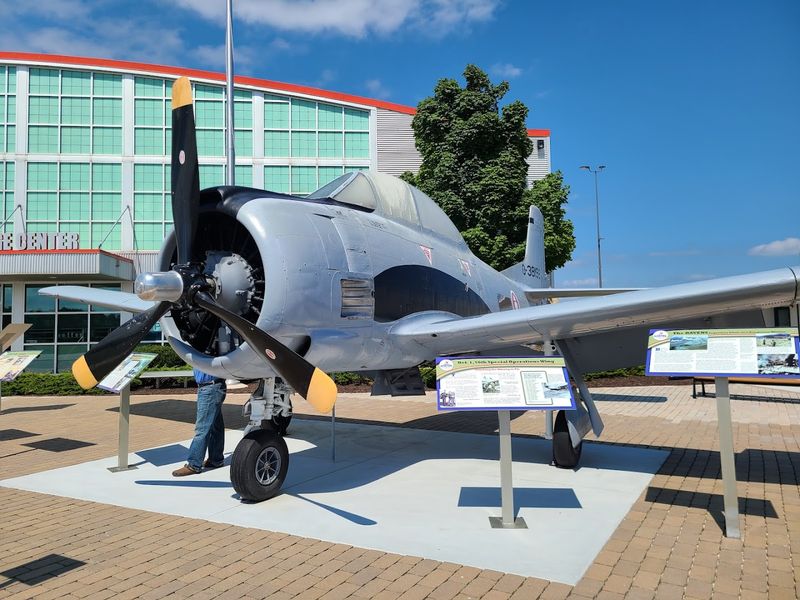
Regional museums like this one often escape notice in favor of larger metropolitan attractions. The Aviation Heritage Center of Wisconsin proves that significant cultural and educational resources exist outside major cities.
Travelers willing to explore beyond obvious destinations discover experiences that larger crowds have not yet discovered.
The museum’s location in Sheboygan Falls positions it well for travelers exploring Wisconsin’s eastern regions. The facility offers a worthwhile stop during longer journeys or serves as a destination for day trips from nearby communities.
Free admission removes financial barriers, making it accessible to families and budget-conscious travelers.
Discovering places like this reinforces the value of curious exploration. Not every worthwhile destination appears prominently in tourist guides or generates massive online attention.
Sometimes the most rewarding experiences come from following local recommendations or investigating interesting markers on maps. This museum exemplifies how community-supported institutions preserve important heritage while providing genuine value to visitors who take time to seek them out.