
This Under-The-Radar California Ski Town Feels Like A Local Secret
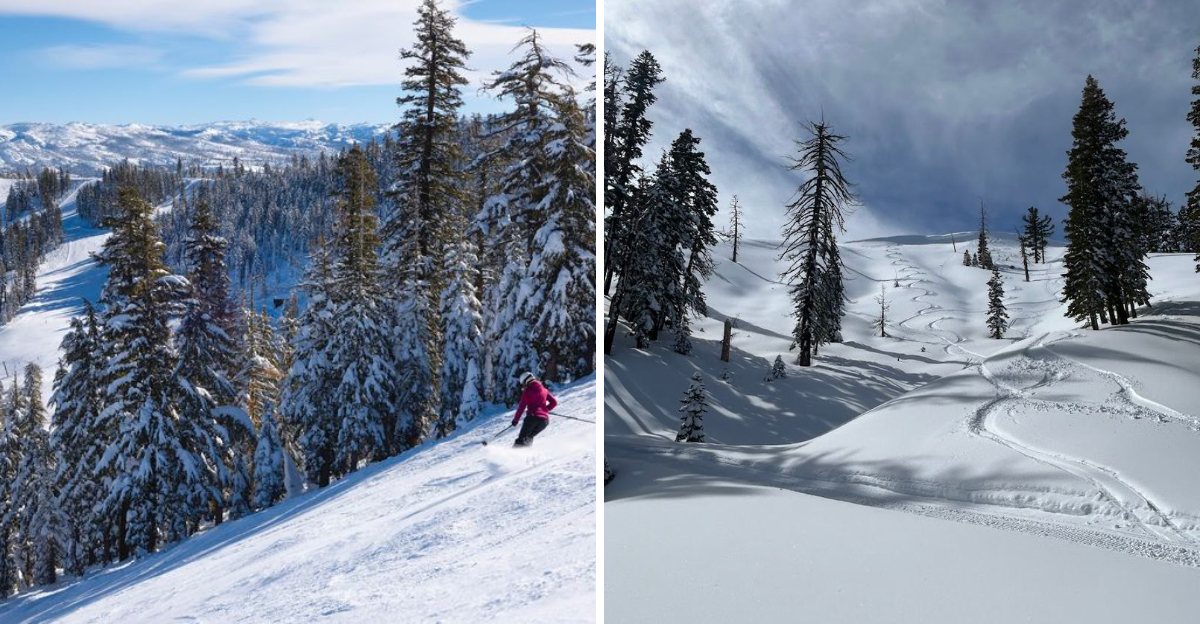
Most people driving through the Sierra Nevada foothills have never heard of Bear Valley, California, and that is precisely what makes it so appealing. Sitting in Alpine County at an elevation that guarantees solid snowfall, this small ski town has quietly served loyal visitors for decades without chasing fame or crowds.
With a permanent population of around 128 people, Bear Valley operates on a scale that feels personal, unhurried, and refreshingly real. If you have been searching for a California mountain escape that still feels undiscovered, Bear Valley might be exactly what you have been looking for.
It Feels Worlds Away From Tahoe Crowds
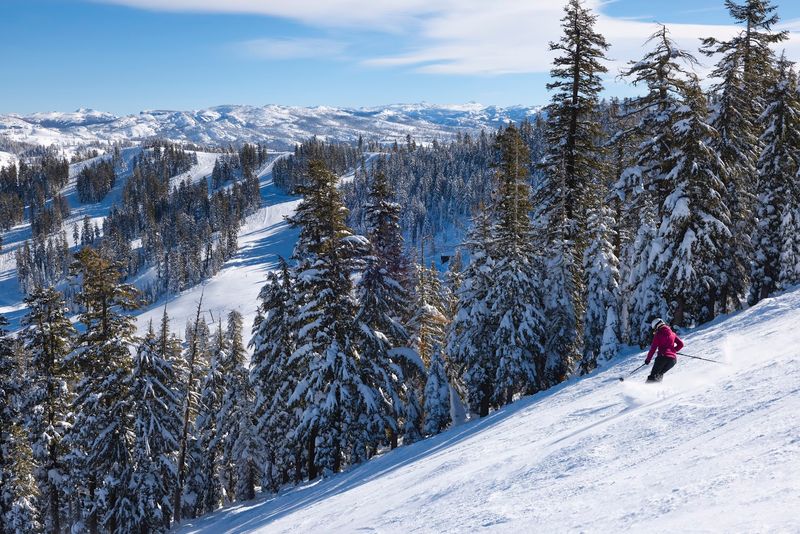
Bear Valley sits in Alpine County, California, roughly 45 miles from South Lake Tahoe, but the atmosphere between the two destinations could not be more different. Tahoe draws millions of visitors annually, with resort villages built for spectacle and commerce.
Bear Valley, by contrast, draws people who have done their research and prefer a quieter reward for the effort.
The parking lots rarely overflow. The lodge does not pulse with nightclub energy.
You can actually hear the snow fall, which sounds like an exaggeration until you experience it firsthand.
Skiers who have grown tired of waiting in lift lines at Heavenly or Palisades often make the switch to Bear Valley and never look back. The mountain offers comparable terrain variety without the sensory overload.
For those who measure a good ski day by runs completed rather than celebrities spotted, Bear Valley consistently delivers without asking anything dramatic in return.
The Ski Terrain Is Impressive Without Being Overwhelming
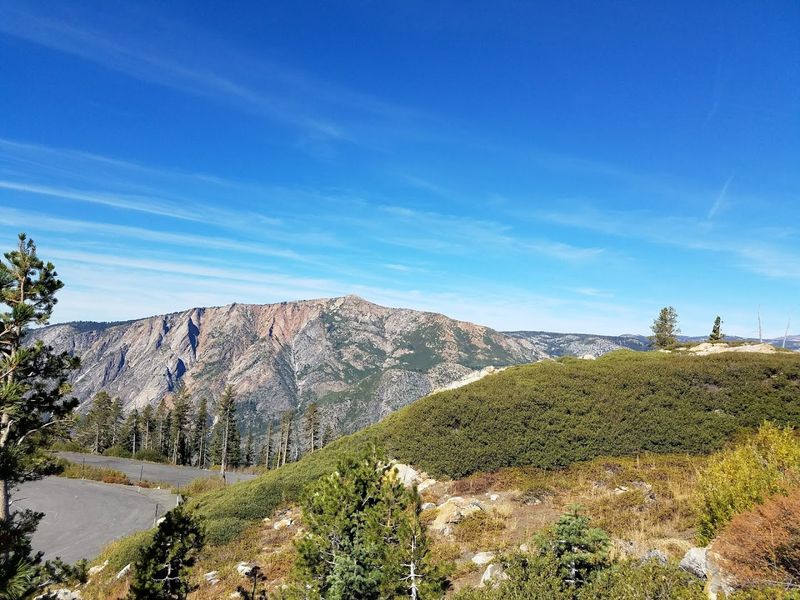
Bear Valley Mountain Resort spans approximately 1,280 acres of skiable terrain, spread across a vertical drop of 1,900 feet. That figure places it well within the range of serious ski destinations, yet the mountain never feels like it is trying to intimidate you.
Beginners have dedicated zones that actually teach confidence rather than just limiting access.
Intermediate skiers, who make up the largest portion of any resort’s guest population, will find plenty of groomed blue runs with enough pitch to stay engaged across a full day. Advanced skiers can push into steeper chutes and tree runs that reward skill and patience in equal measure.
The resort receives an average of 350 inches of snowfall each season, which keeps conditions reliable through the core winter months. Snowmaking supplements natural coverage when needed.
The result is a mountain that functions well across ability levels without demanding that every visitor arrive with expert credentials or a high tolerance for steep exposure.
There’s No Flashy Village — And That’s The Charm
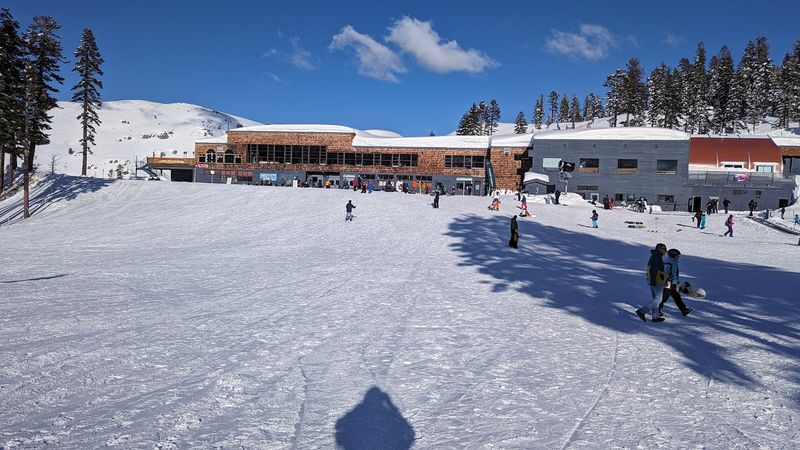
Some ski resorts have spent enormous sums building pedestrian villages designed to keep money circulating long after the lifts close. Bear Valley took a different path, and the result is a base area that feels more like a working mountain community than a curated shopping district.
You will find a lodge, a rental shop, a few places to eat, and not much else in the way of commercial infrastructure. That restraint is not an oversight.
It reflects the character of a place that has always valued skiing over spectacle, and community over consumption.
Visitors who arrive expecting rooftop bars and boutique hotels will need to recalibrate their expectations. Those who arrive prepared to enjoy the mountain for its own merits will feel immediately at ease.
The absence of manufactured entertainment actually creates space for the kind of relaxed conversation and slow afternoon that most people claim to want but rarely find at larger resorts.
Lift Lines Are Often Shorter Than You’d Expect
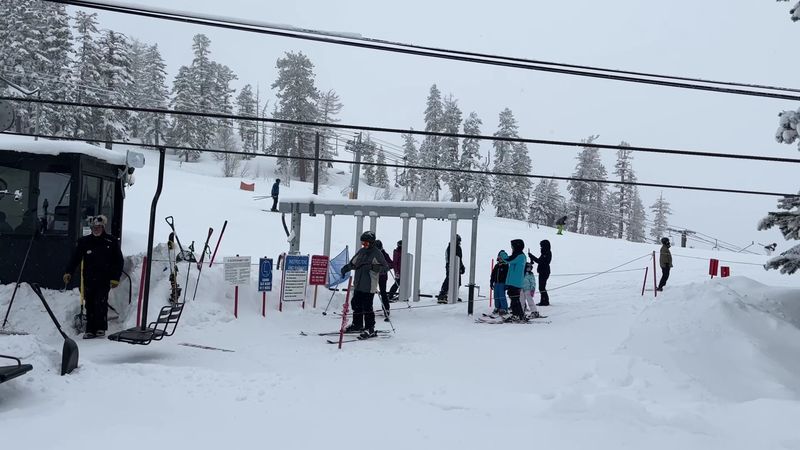
On a busy weekend at a major California ski resort, spending forty minutes in a lift line before your first run is considered an acceptable inconvenience. At Bear Valley, that kind of wait would qualify as a minor crisis worth reporting to management.
The lift infrastructure moves guests efficiently, and the guest volume simply does not test it very often.
Most visitors report boarding chairlifts within minutes, even on holiday weekends when the resort sees its highest attendance. That rhythm changes the entire feel of a ski day.
You spend more time on the mountain and less time standing still in cold air watching strangers scroll through their phones.
The resort operates several lifts serving different sections of the mountain, so traffic distributes naturally without creating bottlenecks. Locals have long understood this advantage and factor it into their decision to return year after year.
Getting more runs into a single day, without rushing, is a quiet luxury that Bear Valley delivers with remarkable consistency.
The Surrounding Stanislaus National Forest Adds To The Seclusion
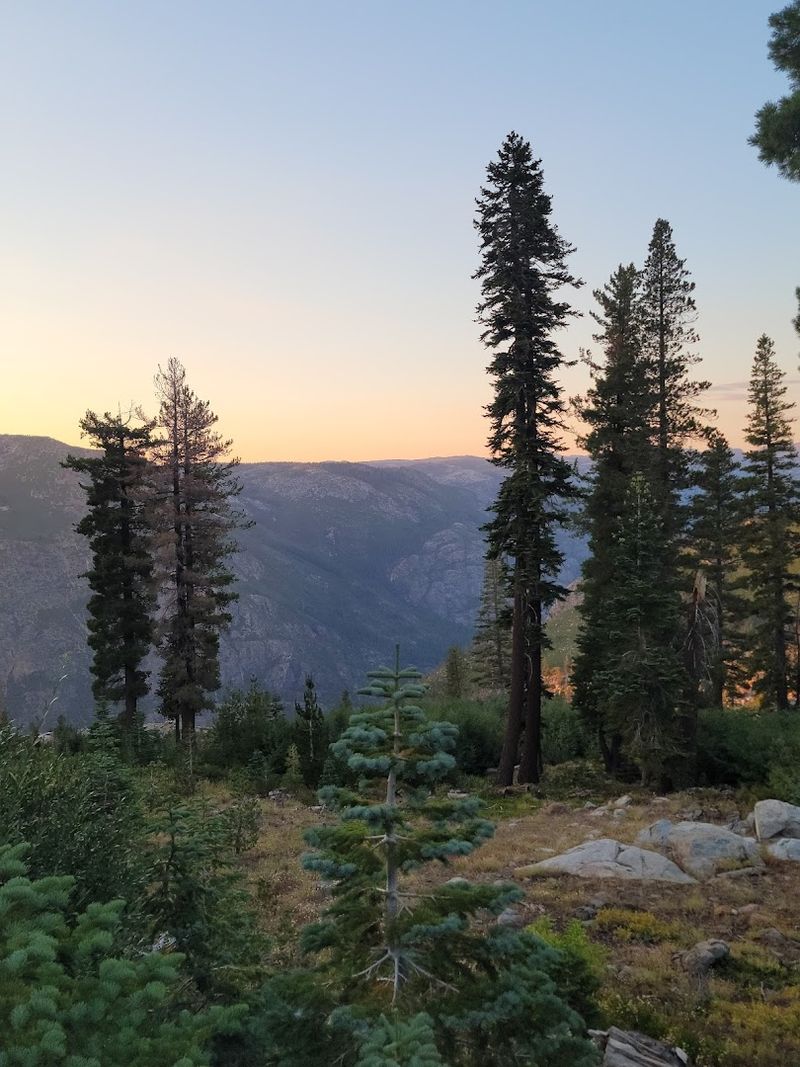
Bear Valley sits within the Stanislaus National Forest, a 898,000-acre expanse of Sierra Nevada wilderness that serves as a natural buffer against the kind of sprawl that tends to follow popular mountain destinations. The forest does not just provide scenery.
It actively shapes the experience of being in Bear Valley by keeping development limited and the landscape largely intact.
Driving into the area along Highway 4, you pass through miles of dense conifer forest before the resort appears. That approach conditions your mind before you even step out of the car.
The surrounding trees muffle road noise and create a sense of genuine arrival rather than the gradual commercial buildup common at other resort towns.
Cross-country skiing and snowshoeing trails extend into the national forest, offering a quieter complement to the downhill experience. In clearer weather, views from the upper mountain reach across ridgelines that show no visible signs of human infrastructure, which is increasingly rare in California’s mountain regions and worth appreciating without understatement.
Summer Is Just As Beautiful As Winter
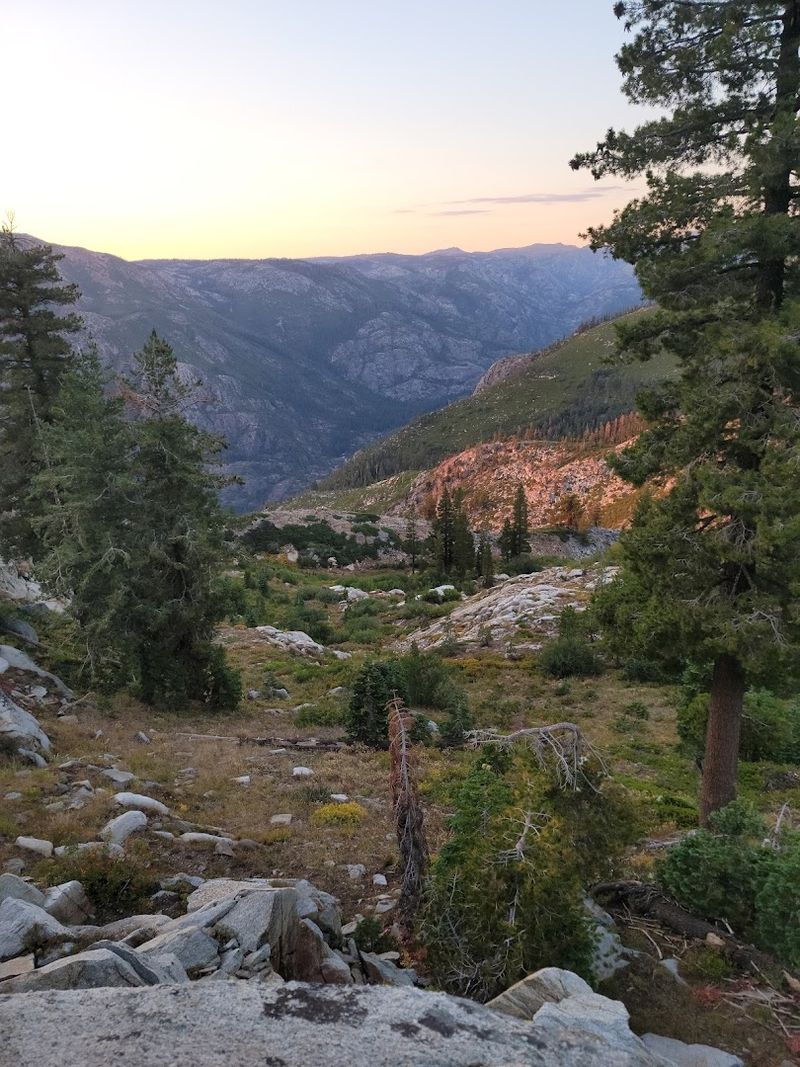
Bear Valley does not close its identity when the snow melts. The summer months reveal a different version of the same landscape, one defined by wildflower meadows, warm afternoons, and access to trails that wind through the Stanislaus National Forest at a pace entirely set by the visitor.
Bear Valley is located near Lake Alpine, a clear mountain lake sitting at approximately 7,350 feet elevation that draws hikers, kayakers, and anglers throughout the warmer months. The lake’s surface reflects the ridgeline in a way that photographs poorly but impresses strongly in person, which is a fair trade for anyone willing to make the drive.
Mountain biking trails become accessible as snow retreats, and the resort area takes on a relaxed summer-camp quality that suits families particularly well. Temperatures stay comfortable at elevation even during California’s hottest months, making Bear Valley a practical retreat for those looking to escape the Central Valley heat without crossing state lines or booking expensive travel.
Cabins And Lodges Feel Classic, Not Corporate
Accommodation in Bear Valley leans toward the practical and the personal rather than the polished and the branded. Rental cabins in the area tend to feature wood paneling, stone fireplaces, and the kind of furniture that invites you to stay longer than originally planned.
They feel like places people actually use, not showrooms designed to photograph well for booking platforms.
Several cabin communities sit within easy distance of the ski area, and many have been passed between families or repeat visitors for years. That continuity gives the lodging landscape a sense of history that newer resort developments rarely manage to replicate regardless of budget or design intent.
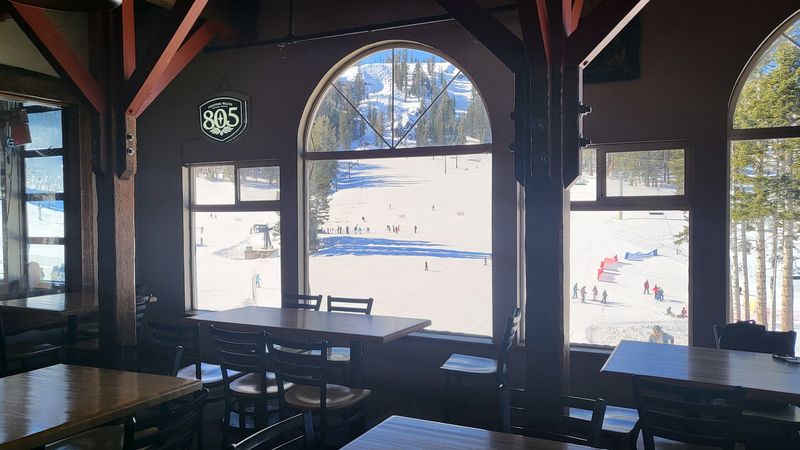
The Bear Valley Lodge serves as the central accommodation option near the mountain, offering rooms with straightforward comfort and a dining room that functions as a genuine gathering point during winter weekends. Staying on the mountain rather than commuting from a distant town changes the pace of the trip entirely and makes early morning first-chair access genuinely achievable.
It’s A Favourite For Families Who Want A Relaxed Ski Trip
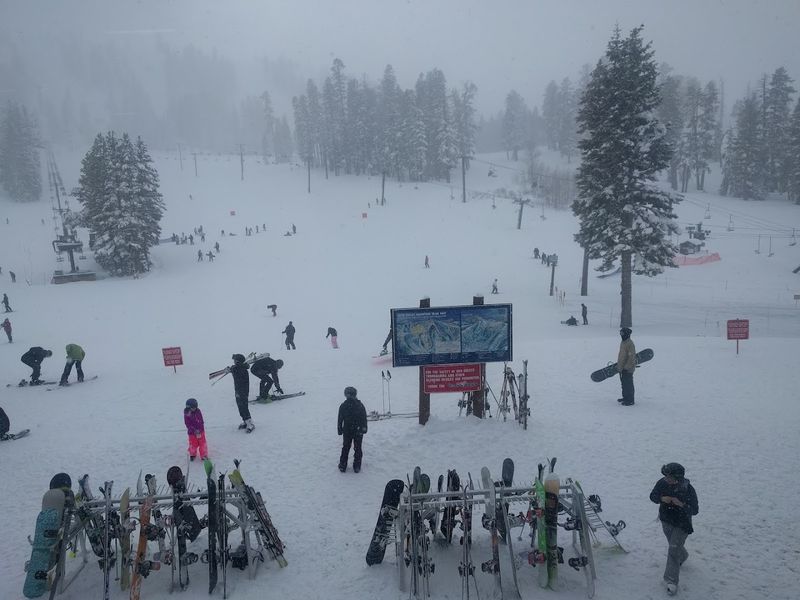
Families with young skiers often find that large resorts create more stress than enjoyment. Long drives to distant lifts, crowded base areas, and expensive everything combine to make a ski trip feel more like a logistical exercise than a vacation.
Bear Valley solves several of those problems simply by operating at a more human scale.
The ski school program at Bear Valley has a solid reputation for working well with young beginners, and the dedicated learning areas keep new skiers away from terrain that would overwhelm them before they have built any confidence. Parents can ski nearby without feeling anxious about their children’s safety or visibility.
The overall cost of a Bear Valley trip also tends to run lower than comparable California ski destinations, which matters considerably when you are purchasing multiple lift tickets, rentals, and lessons simultaneously. Families report being able to ski for multiple days without the financial strain that has made a Tahoe-area ski trip feel prohibitive for many households in recent years.
The Drive There Feels Scenic, Not Commercial
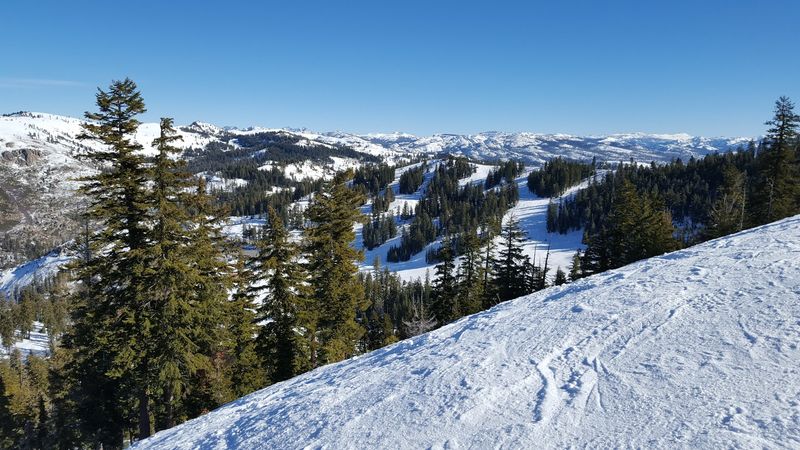
Getting to Bear Valley requires driving Highway 4 through the Sierra Nevada foothills, a route that passes through small Gold Rush-era towns like Murphys and Arnold before climbing into serious mountain elevation. The road does not follow the logic of a commercial corridor.
It follows the logic of the landscape, which makes the drive feel like a deliberate choice rather than a commute.
The transition from oak woodland to pine forest happens gradually and visibly as you gain elevation, giving passengers something worth watching through the window. By the time the snowline appears, the sense of arrival has already begun building for some time.
That unhurried approach sets the tone for the kind of trip Bear Valley tends to deliver.
Highway 4 closes at Ebbetts Pass during winter months, so Bear Valley sits at the end of its own road rather than on a through route. That geographic fact reduces casual traffic significantly and reinforces the sense that reaching the mountain required a genuine decision, not simply a convenient exit off a busy interstate.
Locals Come For The Community, Not The Scene
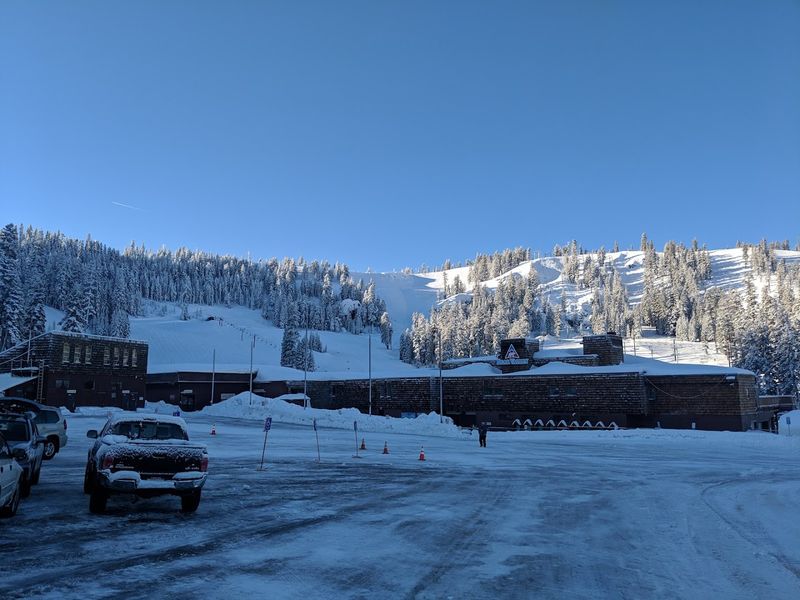
Bear Valley has a permanent population of around 128 people, which means the community that forms around the resort each winter is built primarily by returning visitors rather than transient tourists. That distinction matters more than it might initially appear.
People who return to the same small mountain year after year develop real relationships with each other and with the place itself.
The social atmosphere at Bear Valley rewards familiarity. You recognize faces at the lodge, at the lift, and at the few local establishments that serve the area.
Conversations start without formal introductions and continue across multiple days without effort. That kind of easy sociability is rare at larger resorts where anonymity is practically built into the infrastructure.
Regulars often describe Bear Valley with a quiet pride that stops short of aggressive promotion. They are happy to share the mountain but not particularly interested in advertising it to the point where the qualities they value most begin to erode.
That restraint is itself a form of community stewardship worth respecting.
It’s Big Enough To Explore But Small Enough To Learn Quickly
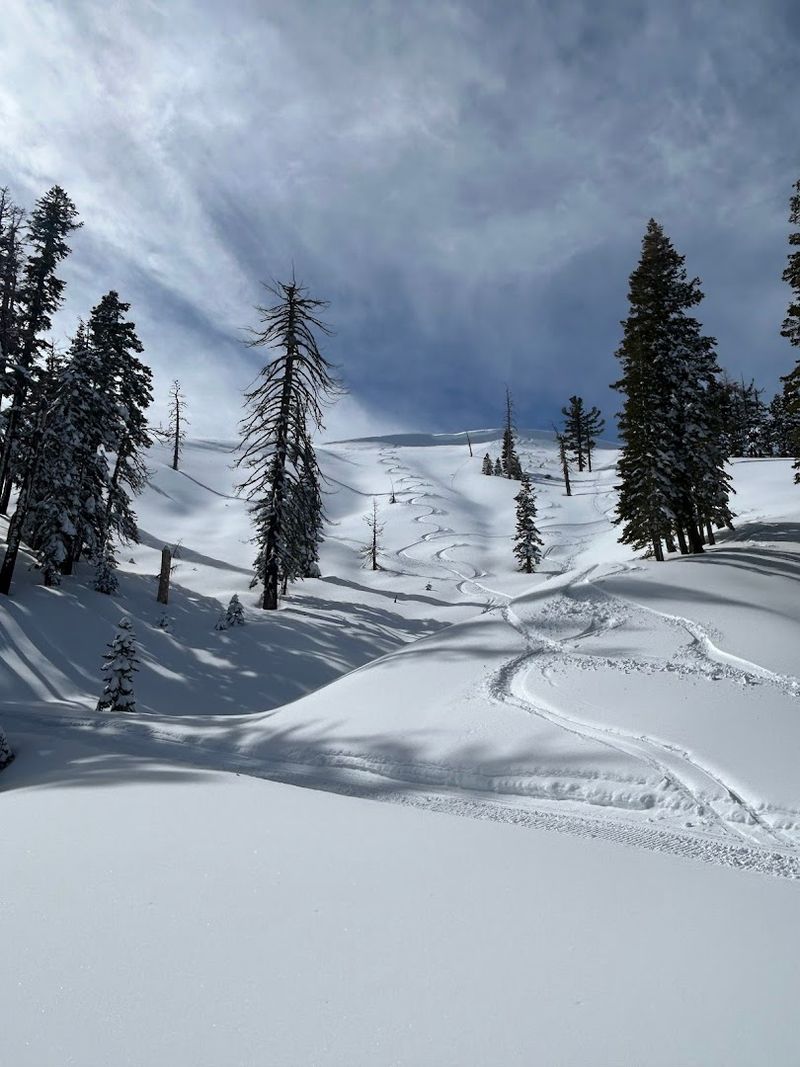
One of Bear Valley’s most practical virtues is its navigable size. With 1,280 skiable acres and a trail network that a competent intermediate skier can largely survey within a day or two, the mountain rewards exploration without punishing confusion.
You do not need a GPS or a seasoned guide to find your way around with reasonable efficiency.
First-time visitors tend to orient themselves quickly, which reduces the anxiety that often accompanies a first day on an unfamiliar mountain. Knowing where you are and where you want to go allows more energy to go toward the actual skiing, which is the point of the exercise.
At the same time, the mountain offers enough variation to stay interesting across multiple visits. Different conditions reveal different aspects of the terrain, and skiers who commit to learning Bear Valley thoroughly find that the mountain continues to offer new lines and perspectives even after dozens of days on the snow.
That balance between accessibility and depth is genuinely difficult to achieve and rarely accidental.