
This Under-The-Radar Wisconsin Automobile Museum Showcases Over 100 Rare Antique Cars
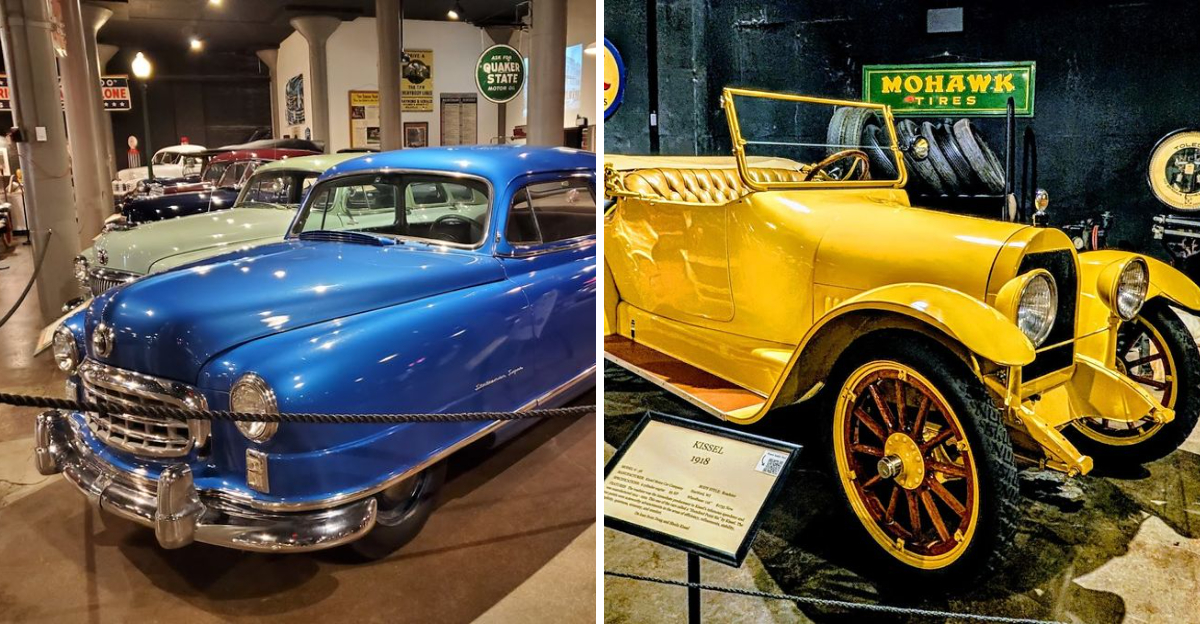
Hartford is not the first place most people think of when planning a road trip, but that is precisely what makes it worth the detour. Sitting quietly at 147 N Rural St, an unassuming building holds one of the most genuinely surprising collections of historic vehicles in the entire Midwest.
More than 125 cars fill its two floors, ranging from turn-of-the-century curiosities to mid-century American classics that most people have never seen outside of old photographs. For anyone with even a passing interest in automobiles, American history, or simply the pleasure of discovering something unexpected, this Wisconsin museum delivers far more than its modest exterior suggests.
A Collection Of Over 125 Historic Vehicles
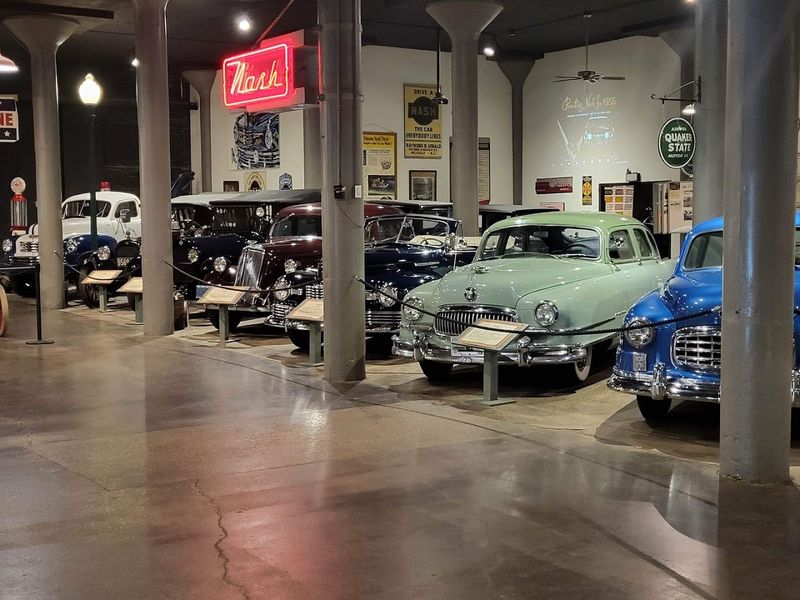
Walking through the front doors of the Wisconsin Automotive Museum, the sheer scale of the collection is the first thing that registers. More than 125 vehicles are spread across two floors, arranged with enough breathing room that each car gets its proper moment of attention.
The variety is genuinely impressive, spanning decades of American automotive ambition.
Some vehicles arrived as generous donations from private collectors, while others are on loan from families who wanted their prized machines seen and appreciated by the public. Volunteers stationed throughout the building are knowledgeable and approachable, ready to share the backstory of nearly any car on the floor without making visitors feel rushed.
Admission is reasonably priced, making the museum accessible for families, solo travelers, and curious day-trippers alike. Few collections of this depth exist outside of major metropolitan museums, which makes Hartford a genuinely rewarding stop for anyone passing through Washington County.
The World’s Largest Collection Of Kissel Cars
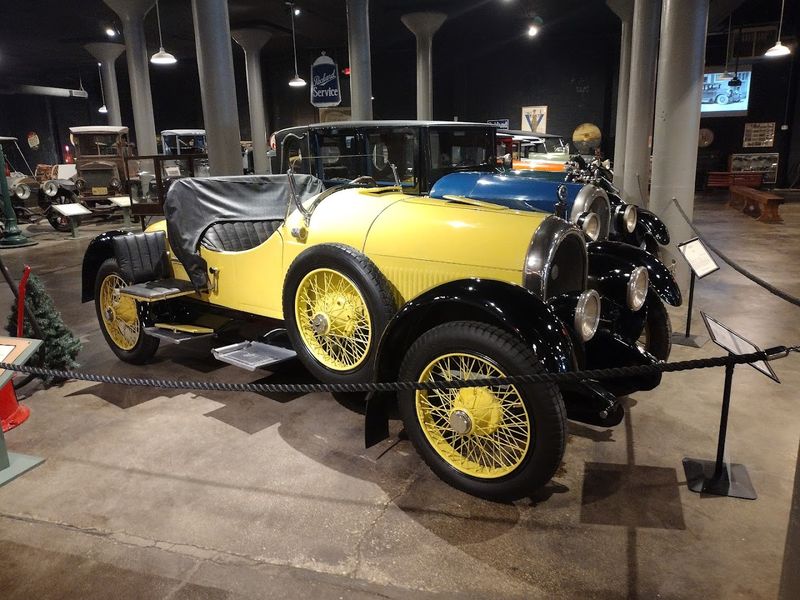
Hartford, Wisconsin was once home to the Kissel Motor Car Company, and the Wisconsin Automotive Museum preserves that legacy with extraordinary dedication. The museum holds the world’s largest publicly displayed collection of Kissel automobiles, a fact that alone justifies the drive from Milwaukee or Madison.
Kissel cars were not ordinary machines. Built between 1906 and 1931, they were known for quality craftsmanship and a loyal following among celebrities, athletes, and affluent buyers who wanted something more distinctive than the standard offerings of the era.
Al Jolson and Amelia Earhart were among the notable Kissel owners.
Seeing multiple Kissels lined up together offers a rare opportunity to trace the brand’s visual evolution across two decades of design. Each car carries its own personality, from the elegant touring models to the sportier configurations that turned heads on American roads long before the phrase “muscle car” existed.
A Rare Look At Wisconsin’s Early Auto Industry
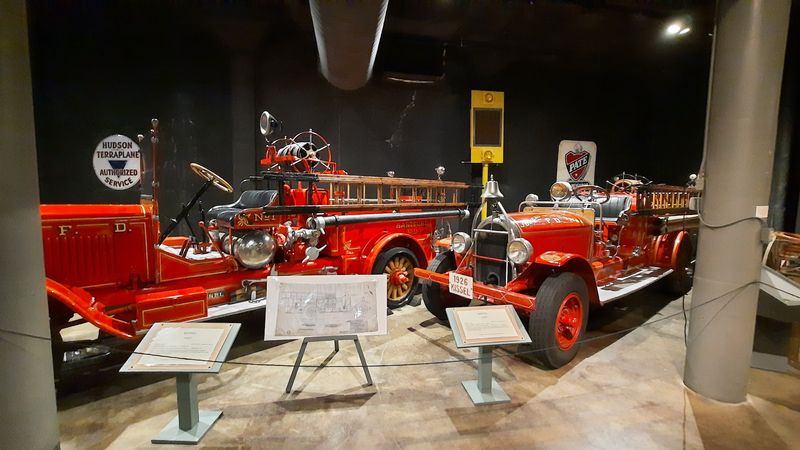
Most Americans associate early automobile manufacturing with Detroit, but Wisconsin played a meaningful and often overlooked role in shaping the industry. The Wisconsin Automotive Museum dedicates considerable space to telling that local story with genuine depth and historical accuracy.
Hartford itself was a hub of automotive production during the early twentieth century, and the museum contextualizes that history with archival photographs, factory records, and vehicles that were built right in the surrounding region. The 1902 Rambler and a one-of-a-kind Badger automobile are among the standout pieces that illustrate just how active Wisconsin’s early auto scene truly was.
Exhibits on the ground floor provide historical grounding before visitors head upstairs to the main vehicle displays, creating a natural narrative flow through the collection. Understanding the industrial backdrop makes the cars themselves feel less like static objects and more like chapters in a larger, still-unfinished American story.
Cars That Span Nearly A Century Of Design
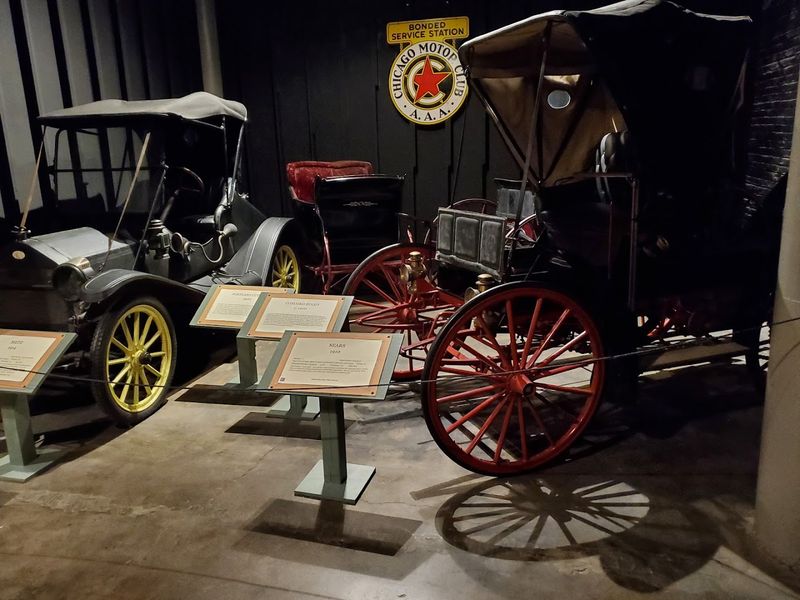
One of the quiet pleasures of the Wisconsin Automotive Museum is watching automotive design evolve as you move from one end of the collection to the other. Vehicles from the early 1900s sit within sight of mid-century models, and the contrast between them is both striking and instructive.
Early cars look almost skeletal by modern standards, with exposed mechanics and upright seating that reflects an era when the automobile was still figuring out what it wanted to be. By the time you reach the postwar models, the lines have grown longer, lower, and considerably more confident in their ambitions.
A 1913 Metz is among the older pieces in the collection, offering visitors a tangible connection to a period when motoring was still considered an adventurous undertaking rather than an everyday convenience. Spending time with these cars side by side gives even casual visitors a new appreciation for how far industrial design has traveled in a relatively short span of time.
Classic American Brands Visitors Will Recognise
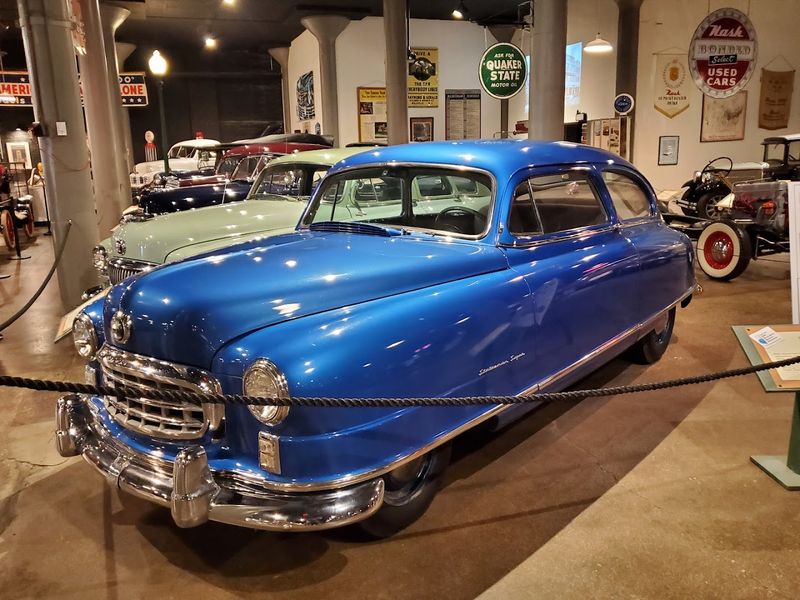
Alongside the rarer regional brands, the Wisconsin Automotive Museum also features a strong showing of the classic American marques that defined the country’s automotive identity for generations. Nash, Buick, Chevrolet, and other familiar names appear throughout the collection, displayed with the same care given to the more obscure vehicles.
Nash has a particularly strong presence, which makes sense given the brand’s deep roots in the Wisconsin region. Conversations with the museum’s knowledgeable volunteers often circle back to Nash’s contribution to American car culture and the brand’s eventual transformation into what became American Motors Corporation.
Seeing these well-known models in a museum setting rather than at a car show changes the experience considerably. The context provided by informational placards and the surrounding historical exhibits gives each vehicle a biography rather than just a price tag.
Visitors who grew up around these cars often find the experience quietly nostalgic, while younger guests tend to approach them with fresh and unfiltered curiosity.
The Famous Kissel Gold Bug Speedster
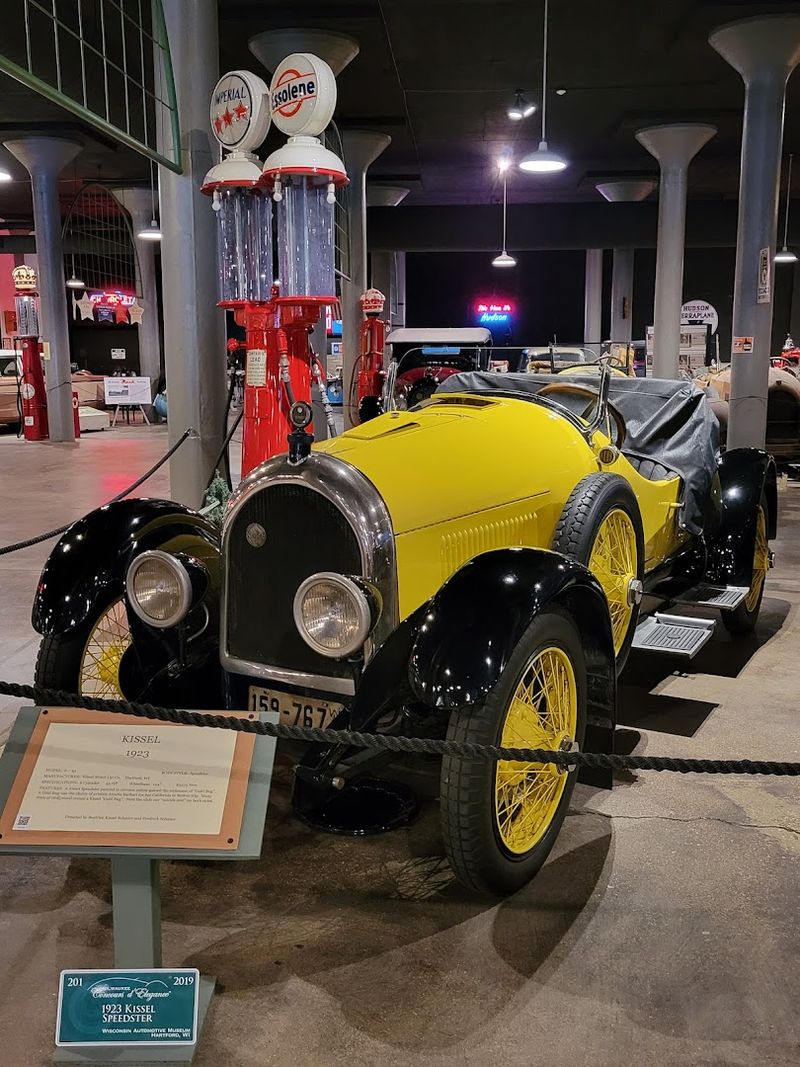
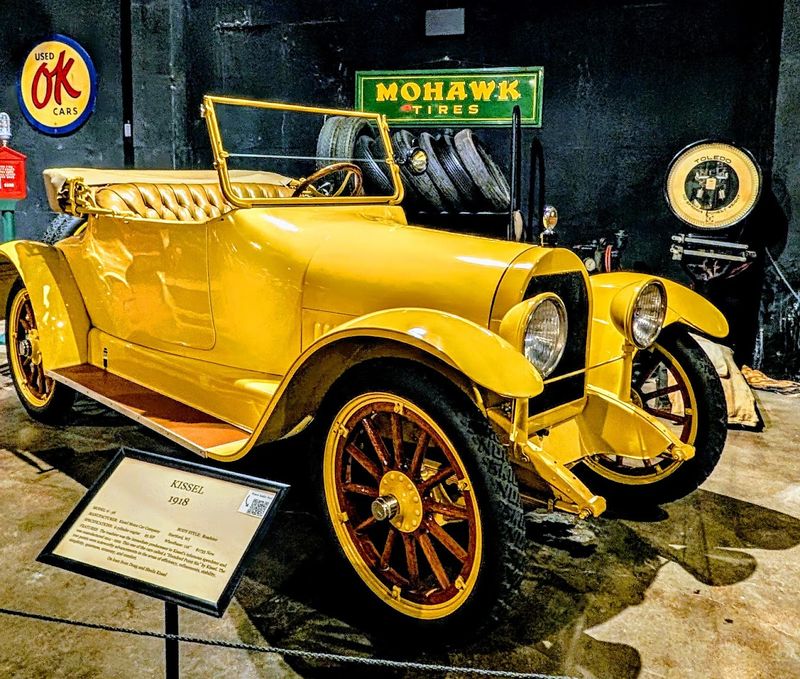
Among the many Kissel automobiles in the collection, the Gold Bug Speedster holds a special place. Produced in the early 1920s, it arrived at a moment when American car buyers were beginning to expect not just transportation but personality from their vehicles, and the Gold Bug delivered both in considerable measure.
The car’s distinctive yellow finish and low, aerodynamic profile made it immediately recognizable on any road it traveled. Greta Garbo was reportedly among those who owned one, which says something about the car’s appeal to people who valued style as much as performance.
Standing beside the Gold Bug today, it is easy to understand why it captured the public imagination. The proportions feel ahead of their time, and the craftsmanship visible in the bodywork reflects a manufacturer that took pride in every detail.
It remains one of the most photographed vehicles in the entire museum, and that reputation is entirely earned.
A Massive Display Space Packed With Automotive History
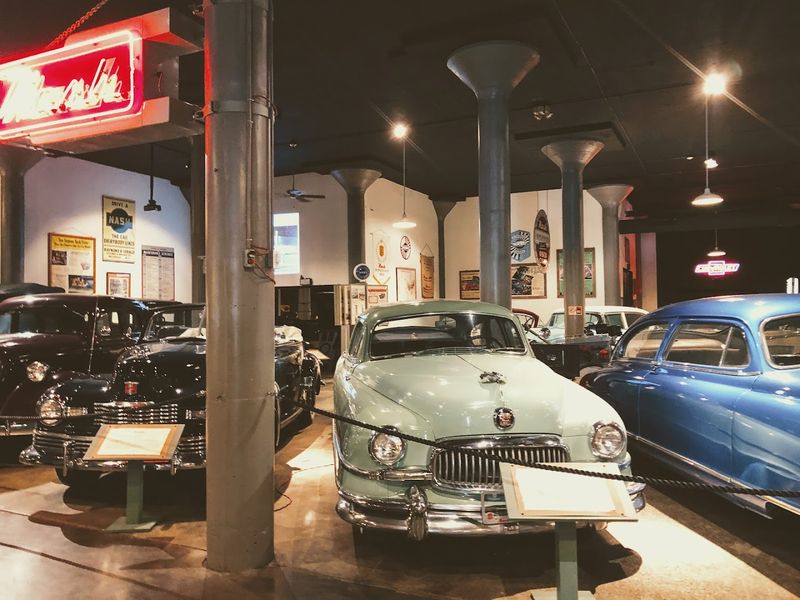
The building that houses the Wisconsin Automotive Museum is considerably larger than its street-facing exterior implies. Visitors frequently express surprise at the scale of the interior, which accommodates well over a hundred vehicles without feeling cramped or chaotic.
The layout rewards a slow, deliberate pace.
Two full floors of display space mean that the collection can be organized thoughtfully, with regional history and ground-level context downstairs and the bulk of the vehicle collection upstairs. A working elevator ensures the experience is accessible to all visitors regardless of mobility considerations.
Beyond the cars themselves, the museum incorporates exhibits on local auto racing through the Southeastern Wisconsin Short Track Hall of Fame, vintage gas pumps, period signage, and automotive tools that round out the story of car culture in the region. The building also shares its footprint with a performing arts center, which gives the entire complex an unexpectedly civic and community-centered character that feels genuinely welcoming.
Vintage Scooters Motorcycles And Automotive Memorabilia
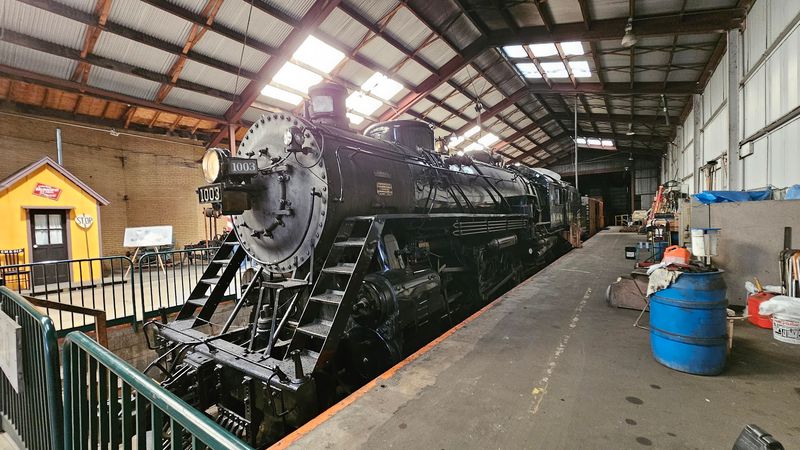
The Wisconsin Automotive Museum does not limit its focus to four-wheeled vehicles alone. Scattered throughout the collection are vintage scooters, motorcycles, and an assortment of automotive memorabilia that adds texture and variety to the overall experience.
These pieces appeal to visitors who might not consider themselves traditional car enthusiasts.
Antique gas pumps, period advertising signs, and vintage tools line portions of the exhibit space, reconstructing the atmosphere of early American garages and filling stations with a degree of authenticity that photographs alone cannot provide. Each object carries its own quiet story about the culture that surrounded the automobile.
For younger visitors, these supplementary exhibits often generate as much conversation as the cars themselves. A child who might walk past a century-old touring car without much reaction will sometimes stop and stare at a hand-operated fuel pump or a faded enamel sign from a long-defunct oil company.
The museum understands that automotive history is about more than engines and bodywork.
A Piece Of History Right In Downtown Hartford
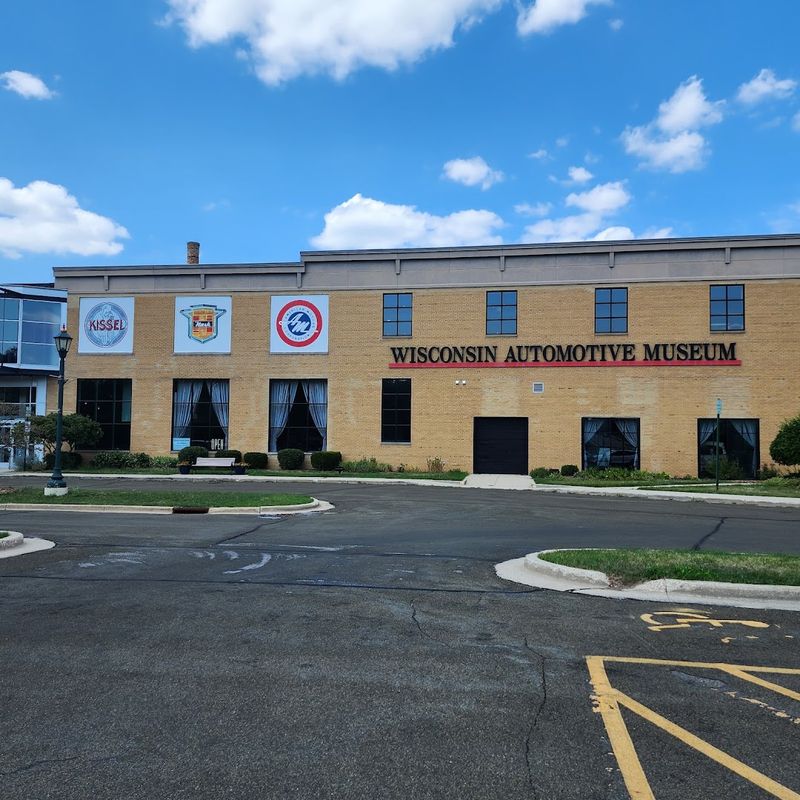
Located at 147 N Rural St in downtown Hartford, the Wisconsin Automotive Museum occupies a prominent building that has become a quiet anchor for the surrounding community. Hartford is a small city in Washington County, roughly forty minutes northwest of Milwaukee, and the museum gives visitors a compelling reason to spend time there beyond a quick pass-through.
The downtown setting means the museum is easy to reach and convenient to pair with a meal or a walk through the surrounding streets. Hartford itself carries the architectural character of a mid-sized Midwestern city that grew up during the industrial era, and the museum fits that context with a natural sense of belonging.
Open Wednesday through Saturday from 10 AM to 5 PM, the museum operates with the kind of schedule that suits a leisurely day trip rather than a rushed visit. The phone number for inquiries is 262-673-7999, and more information is available at wisconsinautomuseum.com for anyone planning ahead.
A Hidden Destination For Car Lovers
Word travels slowly about places like the Wisconsin Automotive Museum, and that is part of what preserves their character. The museum draws visitors from across the Midwest, many of whom arrive expecting a modest local attraction and leave genuinely impressed by what they found.
That gap between expectation and reality is one of the more satisfying experiences travel can offer.
Volunteer guides bring warmth and expertise to the experience without imposing on visitors who prefer to explore independently. The self-guided format means families can linger over the cars that interest them most and move quickly past the ones that do not, which keeps the pace comfortable for groups of mixed ages and interests.
For car enthusiasts specifically, the museum represents the kind of concentrated, well-curated collection that usually requires a trip to a major city to find. The fact that it exists in a small Wisconsin town, run largely by passionate volunteers, makes the whole enterprise feel like something genuinely worth celebrating.