
This Underrated Wisconsin Shack On The Water Serves Some Of The Best Fried Fish Around
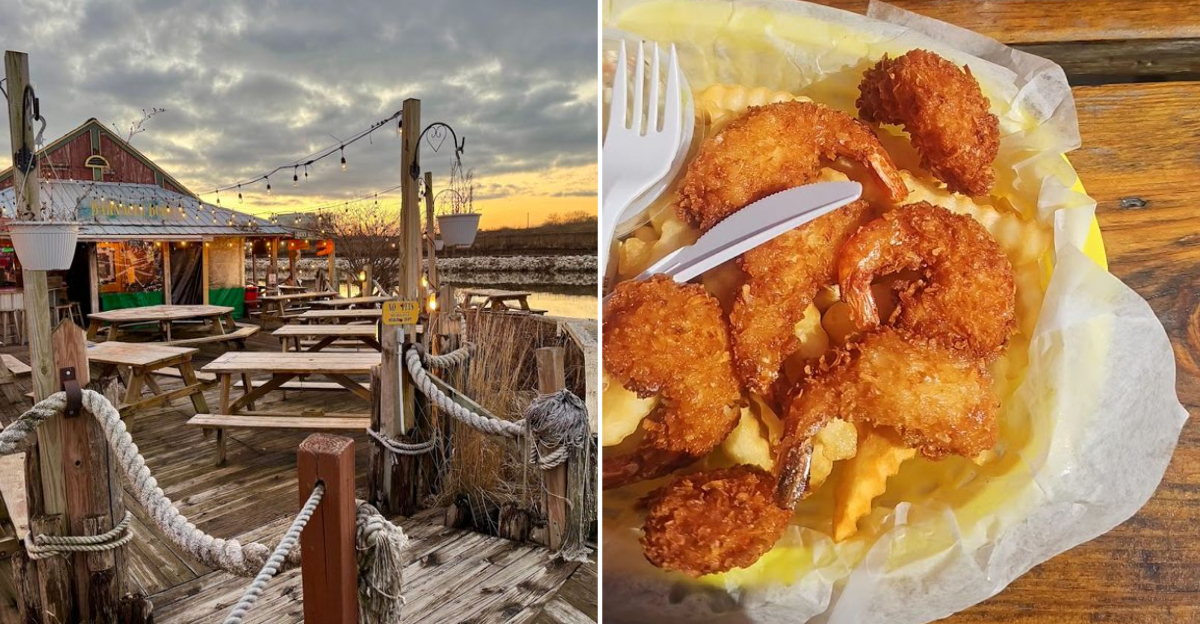
Fried fish this close to the water sets an expectation that most kitchens cannot meet. This shack meets it without much ceremony.
Battered properly, fried to the right color, and served hot enough that the crust still has something to say on the first bite. The shack itself sits close enough to the water that the connection between source and plate feels immediate rather than assumed.
No elaborate interior, no lengthy menu, and no attempt to be anything other than exactly what it is. Wisconsin has a Friday fish fry culture that runs deep, and this shack honors that tradition with more consistency than most manage.
Regulars show up with the quiet confidence of people who already know the answer before they sit down. First-timers arrive on a recommendation and leave wondering how long this place has been sitting here without them knowing about it.
History Of Local Fried Fish Recipes
The Wisconsin fish fry tradition goes back over a century. Catholic communities started weekly Friday fish fries as a way to observe meatless Fridays.
Over time, it became a statewide ritual that went way beyond religion.
Barnacle Bud’s carries that tradition forward at 1955 S Hilbert St, Milwaukee, WI 53207, United States. Open since 1992, this waterfront spot has been frying fish for more than 30 years.
That kind of consistency builds a real reputation in a city that takes its fish fry seriously.
The menu reflects classic Wisconsin roots. Battered cod, fried grouper, fried catfish, and fried smelt are all part of the lineup.
These are not trendy fusion dishes. They are honest, straightforward preparations that respect the original recipes.
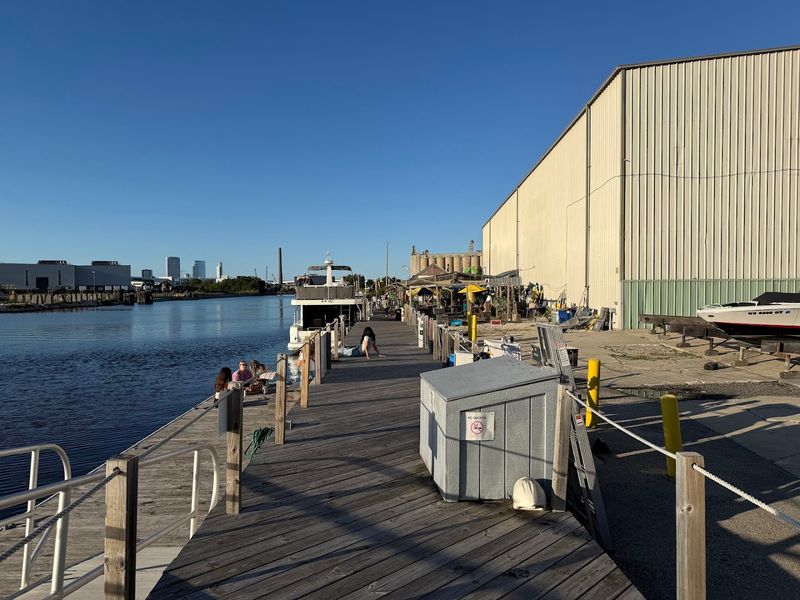
What makes the history here interesting is the location. Sitting along the Kinnickinnic River, Barnacle Bud’s feels like a throwback.
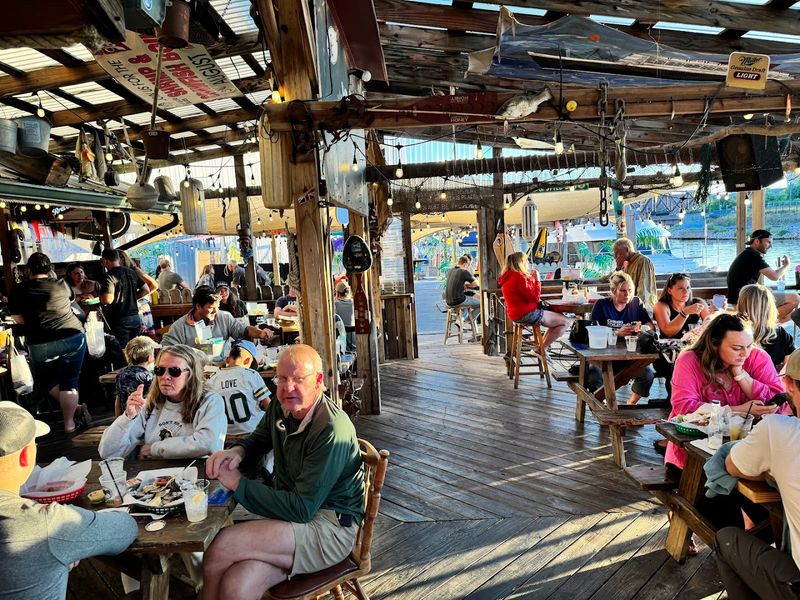
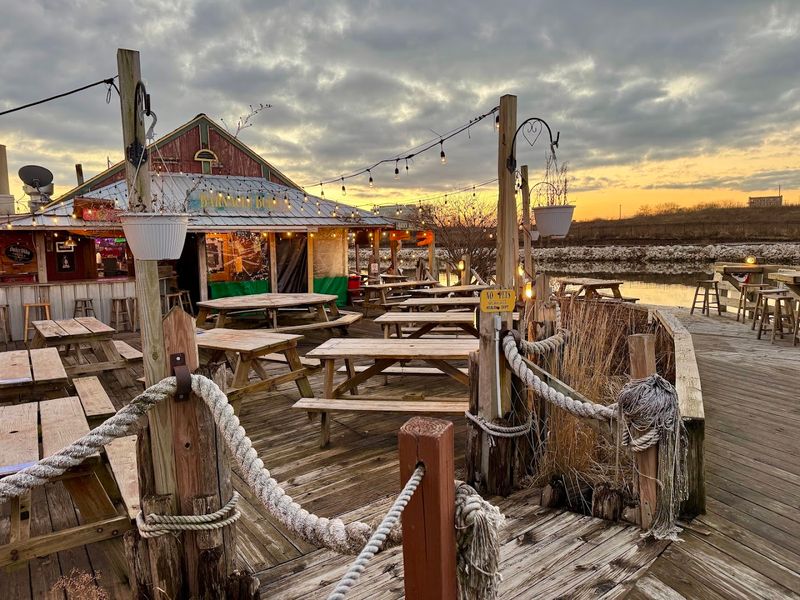
The wooden deck, the boats docked nearby, and the industrial surroundings all add to that old-school Milwaukee character. It does not pretend to be something flashy.
The fish fry in Wisconsin is more than a meal. It is a weekly ritual, a community gathering, and a point of local pride.
Barnacle Bud’s fits right into that story. Knowing the history behind what lands on your plate makes every bite taste a little more meaningful.
Unique Batter And Seasoning Combinations
Not all fried fish batters are created equal. Some are thick and heavy, leaving you feeling like you ate a brick.
Others are so thin that the fish barely has any coating at all.
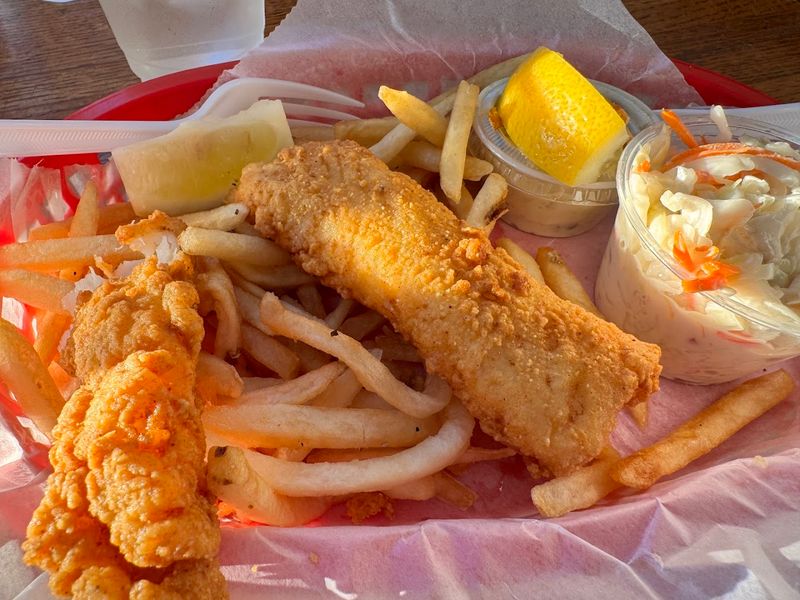
Barnacle Bud’s hits a different balance. The grouper fish fry is a standout example.
The batter comes out light and crisp without being greasy. The fish stays moist inside while the outside has a real crunch.
Beer batter is the classic Wisconsin choice, and Barnacle Bud’s uses it well on their cod. The carbonation in beer creates tiny air bubbles that make the coating lighter.
That is the science behind why a good beer batter fries up so much better than a plain flour coating.
Seasoning matters just as much as the batter itself. Bland fried fish is a real disappointment.
The right mix of salt, pepper, and spices should enhance the fish without covering it up completely. Balance is everything here.
The catfish and smelt options give regulars a chance to explore different flavor profiles. Each fish has its own natural taste, and the batter needs to complement that.
Smelt are delicate and mild. Catfish has a slightly earthier flavor.
Adjusting seasoning for each type shows real attention to the craft of frying fish the right way.
Sustainable Freshwater Fish Sourcing
Sourcing fish responsibly is a big deal in the Great Lakes region. Wisconsin sits right next to some of the largest freshwater bodies on the planet.
That geography shapes how restaurants think about where their fish comes from.
Freshwater fish like perch, smelt, and catfish are part of the local ecosystem. When restaurants source carefully, they help maintain healthy fish populations.
It is not just an environmental talking point. It actually affects what ends up on your plate in terms of freshness and flavor.
Barnacle Bud’s menu reflects a mix of freshwater and ocean fish options. Cod and grouper are saltwater fish, while smelt and catfish connect more directly to Midwest freshwater traditions.
Offering both gives diners a broader experience while still honoring local heritage.
Freshness is easy to notice with fried fish. Fish that has been properly handled and stored fries up cleaner.
The flesh holds together better, and the flavor is noticeably brighter. Old fish, no matter how good the batter, cannot hide its age once it hits hot oil.
The waterfront setting at Barnacle Bud’s adds a layer of context to the sourcing conversation. Eating fish while watching boats move along the Kinnickinnic River connects the meal to the water in a real and tangible way.
That connection to place is part of what makes the experience feel authentic.
Perfect Frying Techniques For Crispy Texture
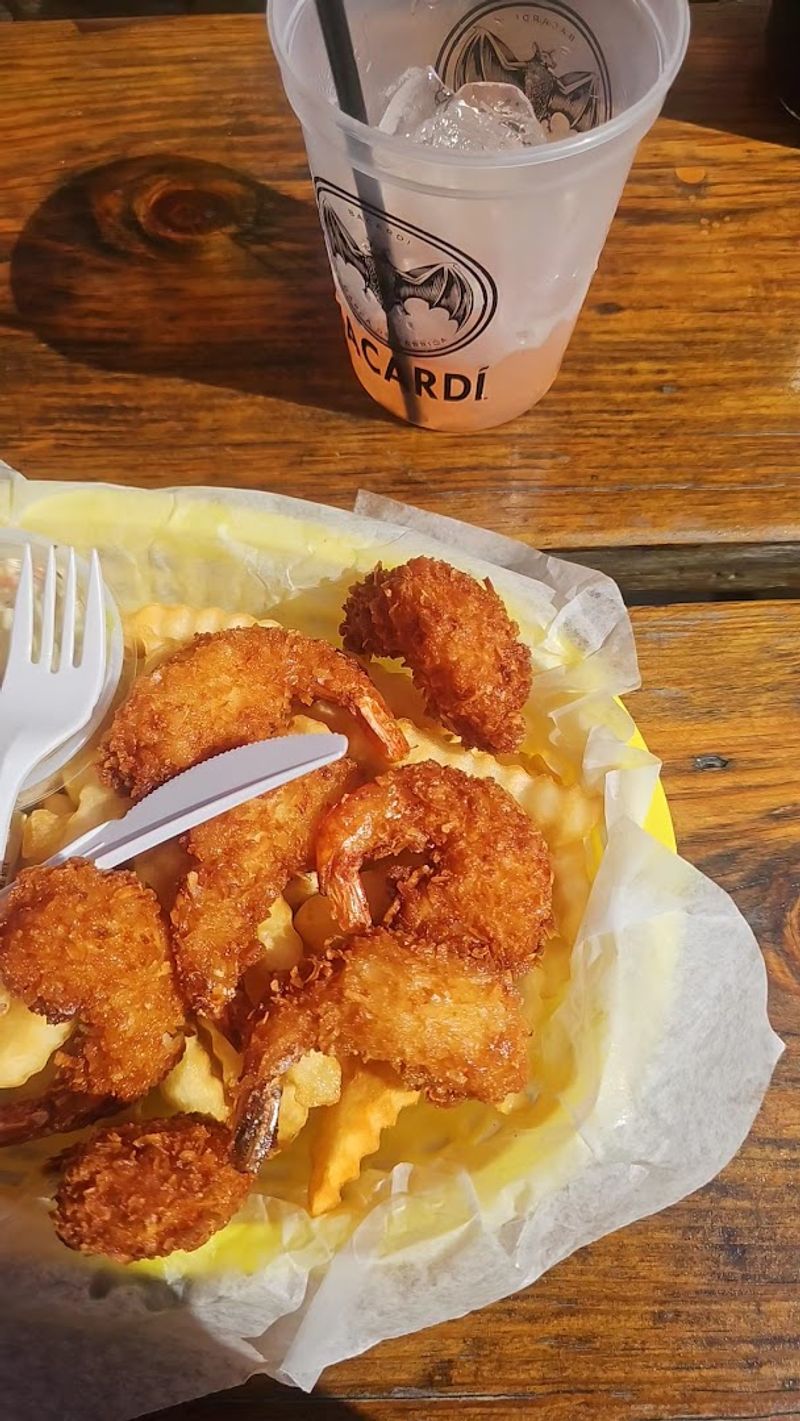
Getting fried fish right is harder than it looks. Oil temperature is the most critical factor.
Too low and the batter absorbs grease like a sponge. Too high and the outside burns before the fish cooks through.
The sweet spot for deep frying fish sits around 350 to 375 degrees Fahrenheit. At that range, the batter sets quickly on contact with the oil.
That fast set is what creates the crispy exterior everyone is chasing.
Barnacle Bud’s consistently delivers fish that comes out hot and fresh. That is a sign of good kitchen discipline.
Fried food that sits under a heat lamp loses its crunch fast. Timing the fry correctly means the fish arrives at the table at its best.
Draining fried fish properly matters too. Letting the oil drip off on a wire rack instead of paper towels keeps the bottom from getting soggy.
It sounds like a small detail, but it makes a noticeable difference in the final texture.
Portion size also plays into frying technique. Overcrowding the fryer drops the oil temperature suddenly.
That leads to uneven cooking and a greasier result. Cooking fish in properly sized batches is a discipline that separates average fried fish from really good fried fish.
Barnacle Bud’s track record over 30 years suggests they have figured out this balance pretty well.
Traditional Side Dishes That Complement Fish
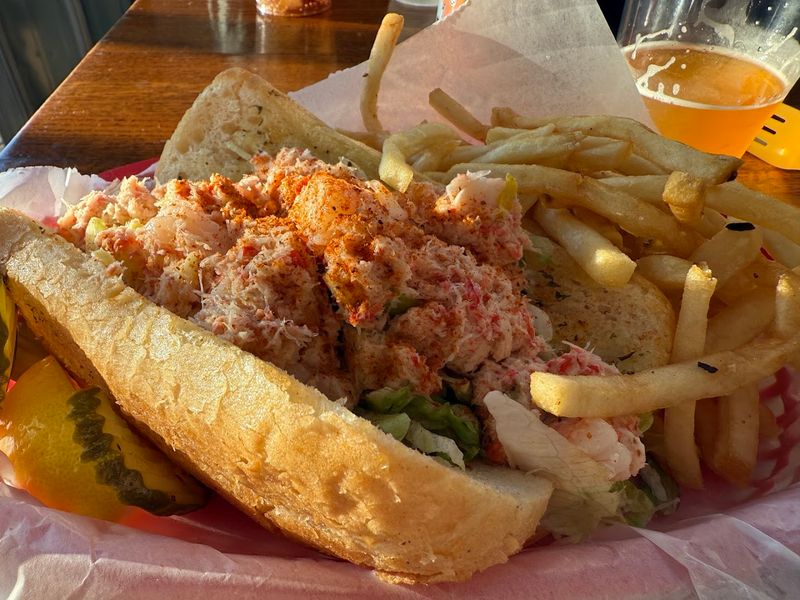
A great fish fry plate is only as good as what surrounds the fish. In Wisconsin, the traditional sides are non-negotiable.
Coleslaw, rye bread, and fries are the holy trinity of the classic fish fry plate.
Rye bread might seem like an odd pairing at first. But it has been part of the Wisconsin fish fry tradition for generations.
The slightly sour, dense bread holds up well against the rich fried fish. It soaks up sauces without falling apart immediately.
Coleslaw provides the cool, creamy contrast that cuts through the richness of fried food. A well-made coleslaw has crunch, a little tang, and just enough creaminess.
Barnacle Bud’s coleslaw gets positive attention from regulars, which is not easy to earn in a city full of fish fry opinions.
Fries at Barnacle Bud’s have varied over time between crinkle cut and shoestring styles. Crinkle fries hold heat longer and have more surface area for seasoning to cling to.
Shoestring fries cook faster and get crispier but cool down quicker.
The combination of all these sides creates a complete meal experience. Nothing on the plate feels like an afterthought.
Each element has a purpose and plays a specific role in balancing the overall flavors. That thoughtful approach to the full plate is part of what keeps people returning to Barnacle Bud’s week after week.
Customer Favorite Signature Sauces
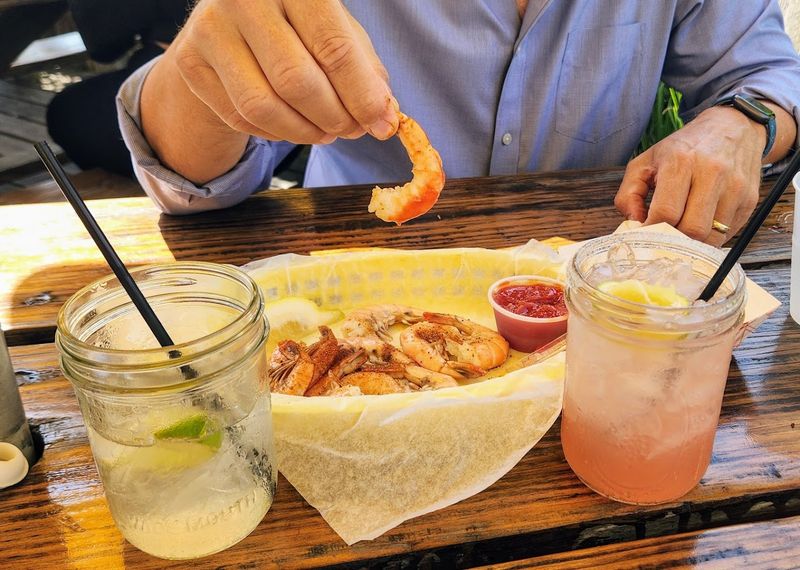
Sauce can completely change a fried fish experience. The right sauce adds brightness, richness, or heat depending on what the fish needs.
A bad sauce, or no sauce at all, leaves the plate feeling incomplete.
Tartar sauce is the classic companion for fried fish. A good house-made version uses real mayo, chopped pickles, and a touch of acid from lemon juice or vinegar.
The creamy tang cuts right through the richness of the batter.
Barnacle Bud’s Grouper Reuben is a menu item that builds sauce into the dish itself. Thousand Island dressing, slaw, and cheese work together with the fried grouper inside the sandwich.
When all those components are properly balanced, it creates something genuinely satisfying.
Cocktail sauce is another staple that shows up alongside seafood options like oysters and shrimp. The sharp horseradish heat in a good cocktail sauce wakes up the palate.
It keeps the seafood tasting fresh rather than heavy.
House sauces tell you a lot about a kitchen. Restaurants that make their sauces from scratch care about the details.
Pre-made sauces from a bottle are easy to spot. They lack the brightness and freshness that a house recipe delivers.
At a spot like Barnacle Bud’s, where the seafood is the main event, getting the sauces right is a critical part of delivering a complete and memorable plate.
Seasonal Variations In Fish Offerings
Fish availability changes with the seasons, and that is actually a good thing. Seasonal menus force creativity and keep the food feeling fresh and relevant throughout the year.
Smelt are a classic Wisconsin seasonal fish. They run in spring along Great Lakes tributaries and have been a beloved local delicacy for generations.
Fried smelt are small, crispy, and eaten whole. They are an experience more than just a meal.
Barnacle Bud’s menu includes options like cod, grouper, catfish, and smelt, giving the kitchen flexibility to shift emphasis depending on what is freshest and most available.
A restaurant that adapts to seasonal availability is one that stays connected to the natural rhythms of the region.
Summer brings peak season for the waterfront patio experience. The Kinnickinnic River comes alive with boat traffic and warm evenings.
Lighter fish preparations feel more appropriate in summer heat. Heavier, richer options tend to be more welcome in the colder months.
Seasonal specials also give regular customers a reason to keep coming back. If the menu never changes, there is less incentive to return frequently.
Rotating fish offerings based on season and availability creates anticipation. It gives diners something to look forward to on their next visit to the wooden deck along the river at Barnacle Bud’s.
Community Events Celebrating Lake Fish
Wisconsin fish fry culture is a communal experience at its core. It was never meant to be eaten alone in silence.
The whole tradition is built around gathering, conversation, and sharing a table with people you actually like.
Barnacle Bud’s has hosted pop-up supper club events that bring the community together in a more structured way. These events sell out weeks in advance.
That kind of demand says a lot about how much people value the experience this place creates.
The waterfront setting makes Barnacle Bud’s a natural venue for seasonal celebrations.
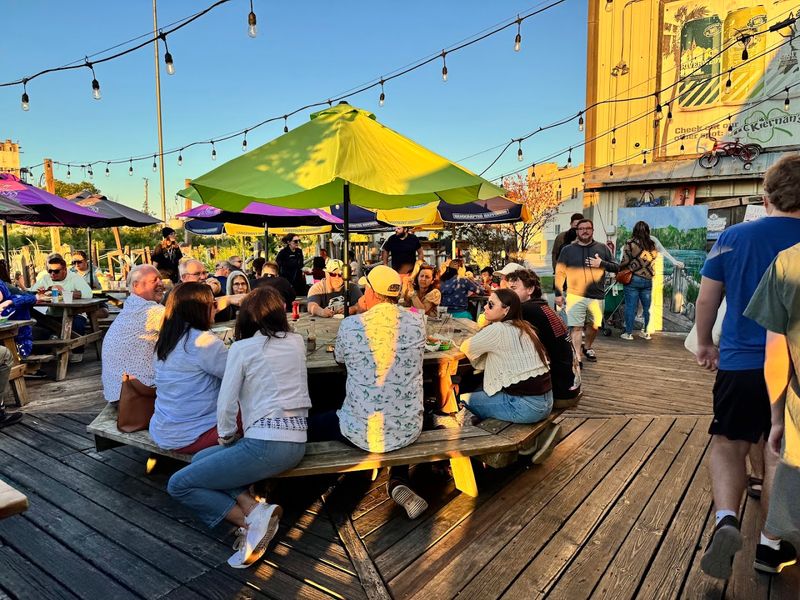
Summer evenings on the wide wooden deck, with boats on the Kinnickinnic River and sunsets over the water, offer one of Milwaukee’s most memorable backdrops.
Live music has been part of the atmosphere at various points. Music adds energy to an outdoor dining space in a way that nothing else quite matches.
It turns a regular meal into something that feels more like an event worth remembering.
Community events centered on fish and local food traditions help keep regional food culture alive. They remind people why these recipes and rituals matter.
Barnacle Bud’s plays a real role in that ongoing story for Milwaukee. More than 30 years of operation along the river is proof that the community has embraced what this shack on the water represents.