
This Vermont Salvage Store Keeps Locals Coming Back For Unique Finds Incredible Deals And Unexpected Treasures
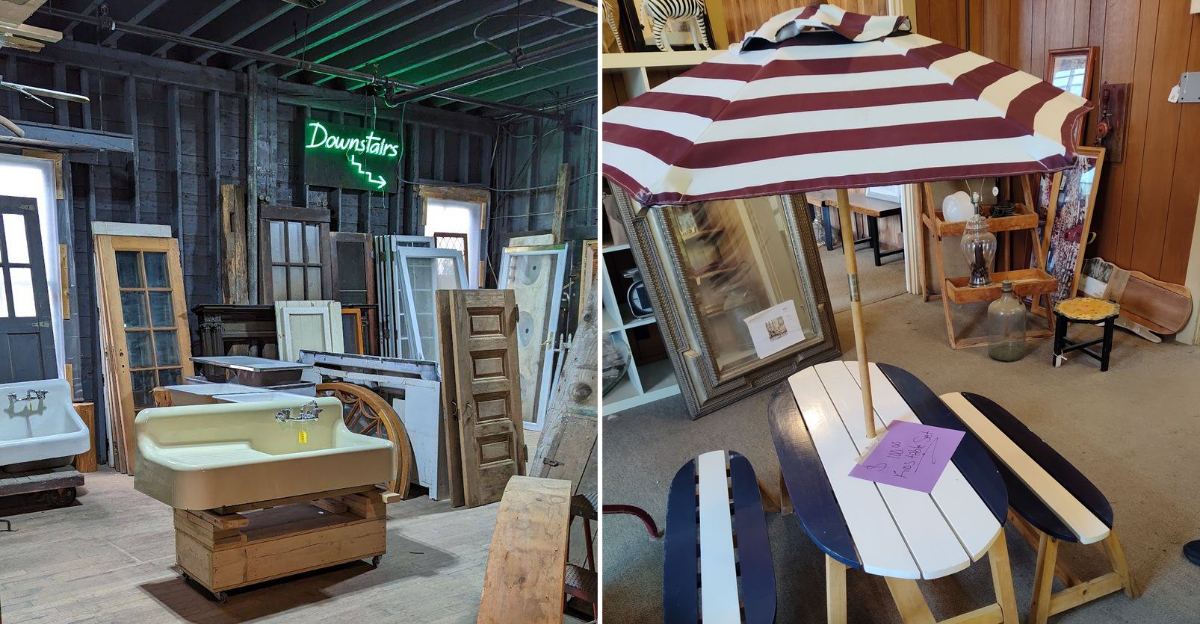
When you manage to negotiate something cheaper than expected, that’s a win-win situation likely to bring you back again. This Vermont salvage store keeps locals returning for exactly that kind of experience.
Racks and shelves fill with donated items nobody bothered sorting into neat categories. Regulars know inventory turns over constantly, meaning no two visits ever look quite the same.
Unique finds show up mixed in with ordinary items, unsorted and unadvertised until someone actually finds them. Nothing here gets marked up just because of a recognizable name or origin.
Patience matters more than luck, rewarding those willing to dig through everything slowly. This store proved that sometimes the best deals require getting a little lost first.
Variety Of Vintage Collectibles Available
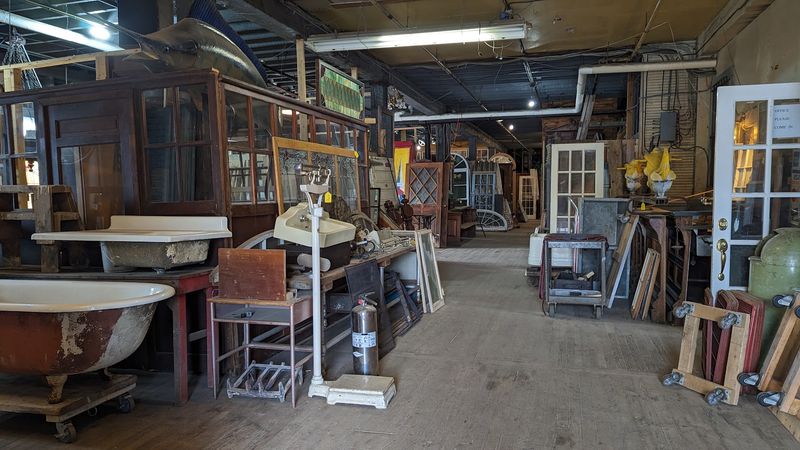
Three floors. That is the first thing worth knowing about Vermont Salvage Exchange, because the size sneaks up on people who expect a small shop.
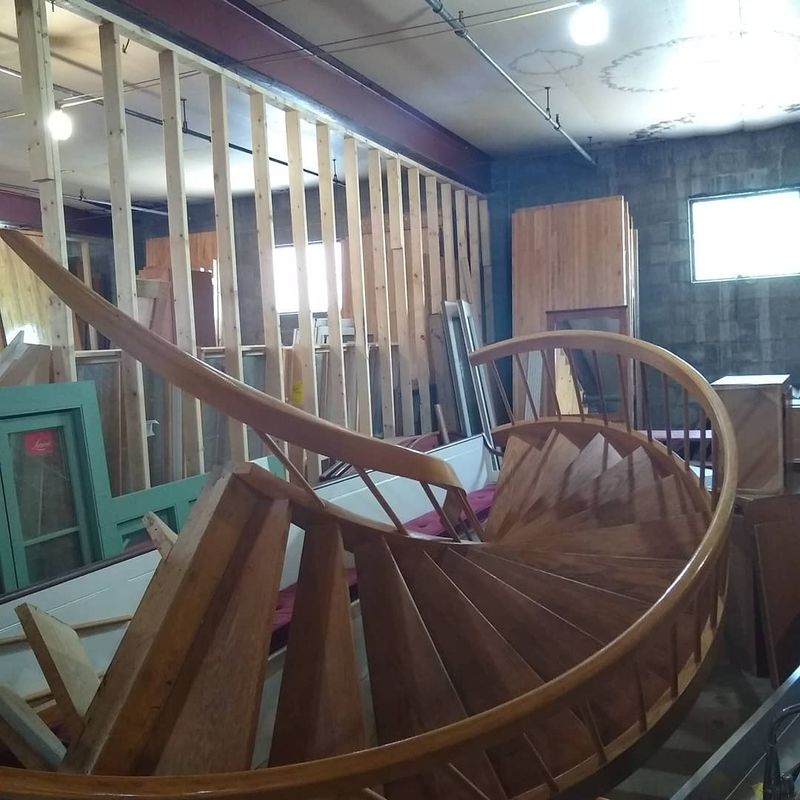
The ground floor holds a bit of everything, from credenzas to hardware to oddities that defy easy labeling. Upstairs leans toward lighting fixtures, newel posts, and pieces of old wooden staircases.
Head down to the basement and shutters take over, stacked in quiet rows.
Old doors are the backbone of the inventory here, and there are more of them than most people can count in one visit. Windows, sinks, and porcelain tubs fill out the rest.
Stained glass shows up regularly, and so do sections of actual bowling lanes pulled from an alley that closed, now reborn as countertops and butcher blocks.
Some of the stranger items become legends. Giant painted fish.
Old bank safes. Salvaged material sourced from houses, barns, schools, hospitals, churches, and military bases means the mix never stays the same for long.
Walking through feels a little like touring a museum where every exhibit happens to be for sale. Browsing is encouraged, and nobody rushes the process.
Find it at 4 Gates St, White River Junction, VT 05001.
Affordable Pricing Strategies That Benefit Shoppers
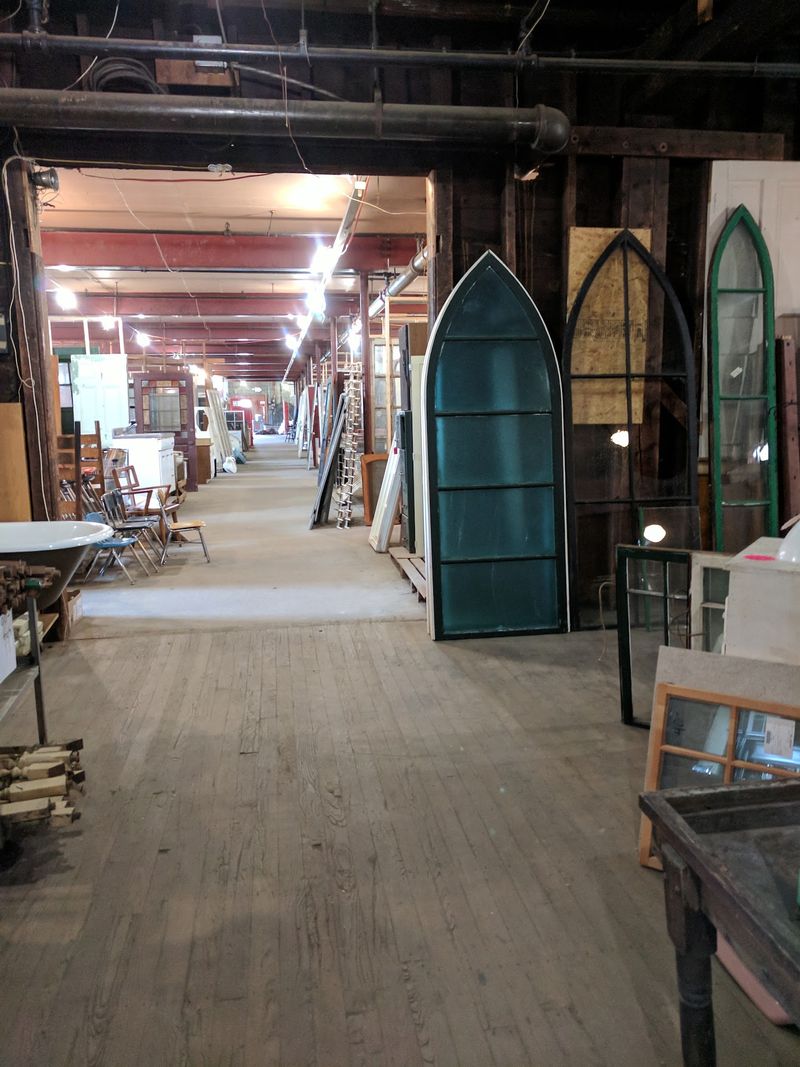
Here is the truth about salvage shopping anywhere: the tag on a rare piece reflects the fact that nobody is making another one. Rarity and condition drive what things cost, and that logic runs through the whole building.
The upside is that renovation shoppers often land solid deals on the workhorse items, the doors and windows and sinks that fill out a project without needing to be showstoppers.
There is also room to talk. Negotiation is part of the culture at salvage yards, and asking a question about a piece rarely goes badly.
Staff know the stock well enough to point out what has been sitting a while.
Two policies make the whole thing less stressful. Items can be placed on hold for three days at no charge, which buys time to go home and measure that doorway you were guessing at.
There is also a full cash refund window of seven days after purchase.
That combination matters more than people expect. Salvage buying involves guesswork, and a bad measurement can turn a great find into an expensive doorstop.
Bring a tape measure, bring photos of your space, and bring patience. The hunt rewards people who show up prepared rather than people in a hurry.
Seasonal Items That Attract Repeat Visitors
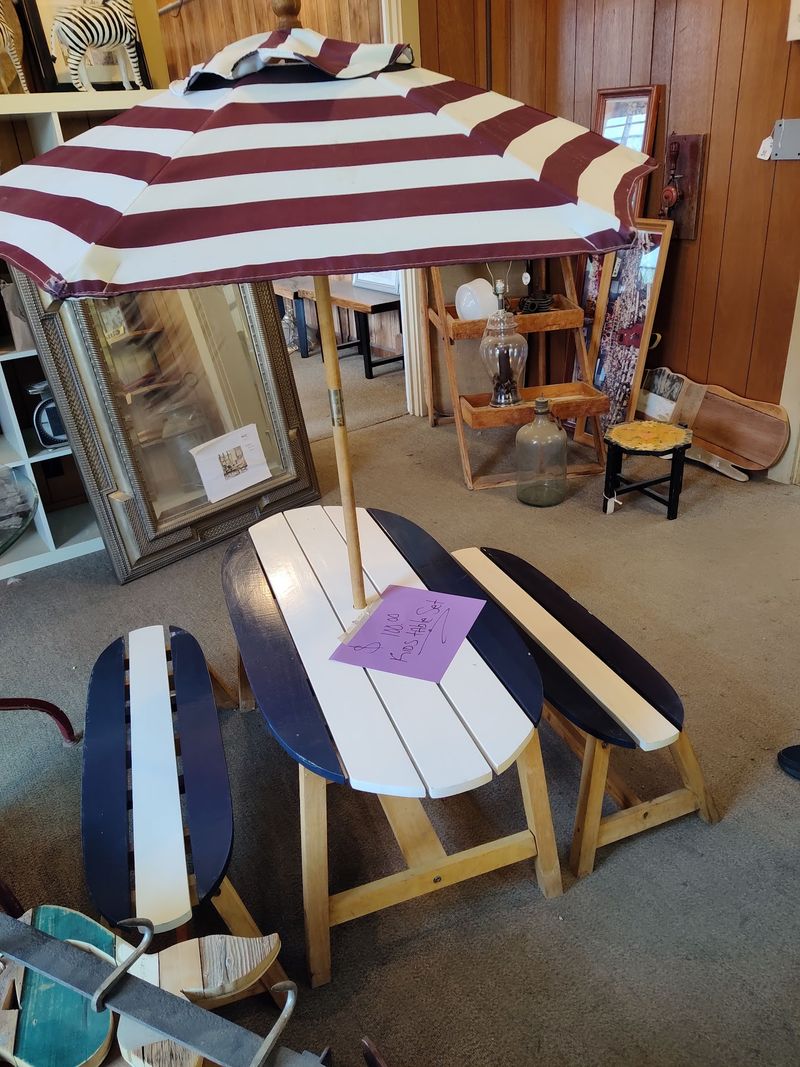
Regular shoppers here operate on a simple theory: whatever was on the floor last month probably is not there now. That churn is the whole appeal.
Because the stock comes from demolition and renovation projects across the region, arrivals depend entirely on which buildings are being emptied. A church renovation might bring in pews and stained glass.
A school closure could mean rows of heavy oak doors and old lockers.
Hospitals, barns, and military bases have all contributed pieces at one point or another. No two loads look alike, which is why a visit in April and a visit in September can feel like two different stores.
Renovation work also follows the calendar. Warmer months bring more demolition activity, meaning fresh material tends to flow in when contractors are busiest.
The practical takeaway is straightforward. If a specific item is on your list, checking back matters more than searching harder on any single trip.
Some people build a habit around it, swinging by every few weeks just to see what showed up. Others call ahead, and staff has been known to walk the floors hunting for a requested piece.
The website inventory gets updated regularly too, which helps narrow things down before making the drive.
Tips For Identifying Valuable Goods
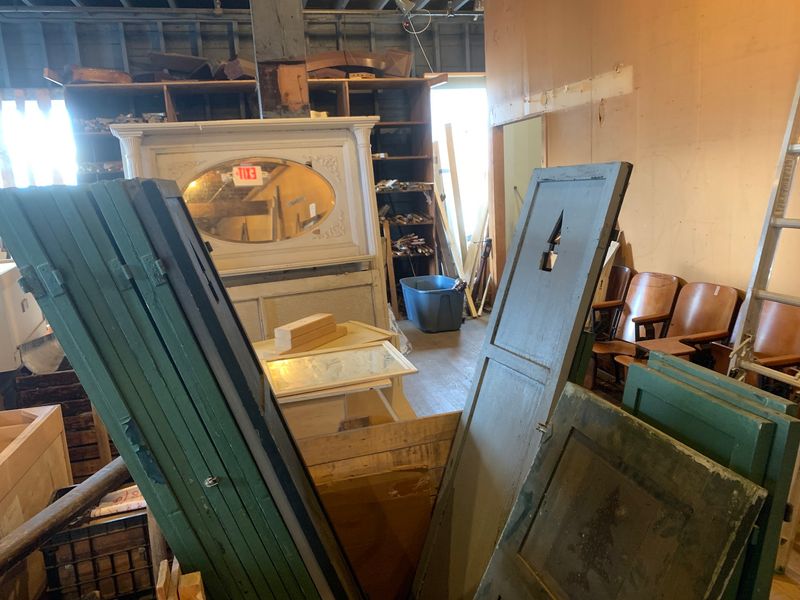
Knowing what to look for turns a fun browse into a smart purchase. A few clues separate the genuinely valuable pieces from the merely old ones.
Age matters first. Materials from pre-1900 construction generally hold more value than anything built later, largely because the wood and craftsmanship were different.
Wood species is the next clue. Old-growth heart pine and American chestnut sit near the top of the list, and chestnut in particular is prized because blight wiped out the trees a century ago.
Nobody is harvesting more of it.
Completeness makes a huge difference with hardware. A mortise lock set with every original component beats a partial set by a wide margin, so check for the knobs, plates, spindle, and key when possible.
Style and period matter too. Victorian and Craftsman pieces have active collector markets, which means demand stays steady even when trends shift elsewhere.
Then there are the practical checks anybody can do. Look at the joinery on doors, feel the weight, check for warping, and inspect glass for cracks or missing glazing.
Original paint layers can be a bonus or a headache depending on your plans, especially with anything predating 1978. A quick question to staff usually clears that up fast.
Community Events And Sales Promotions
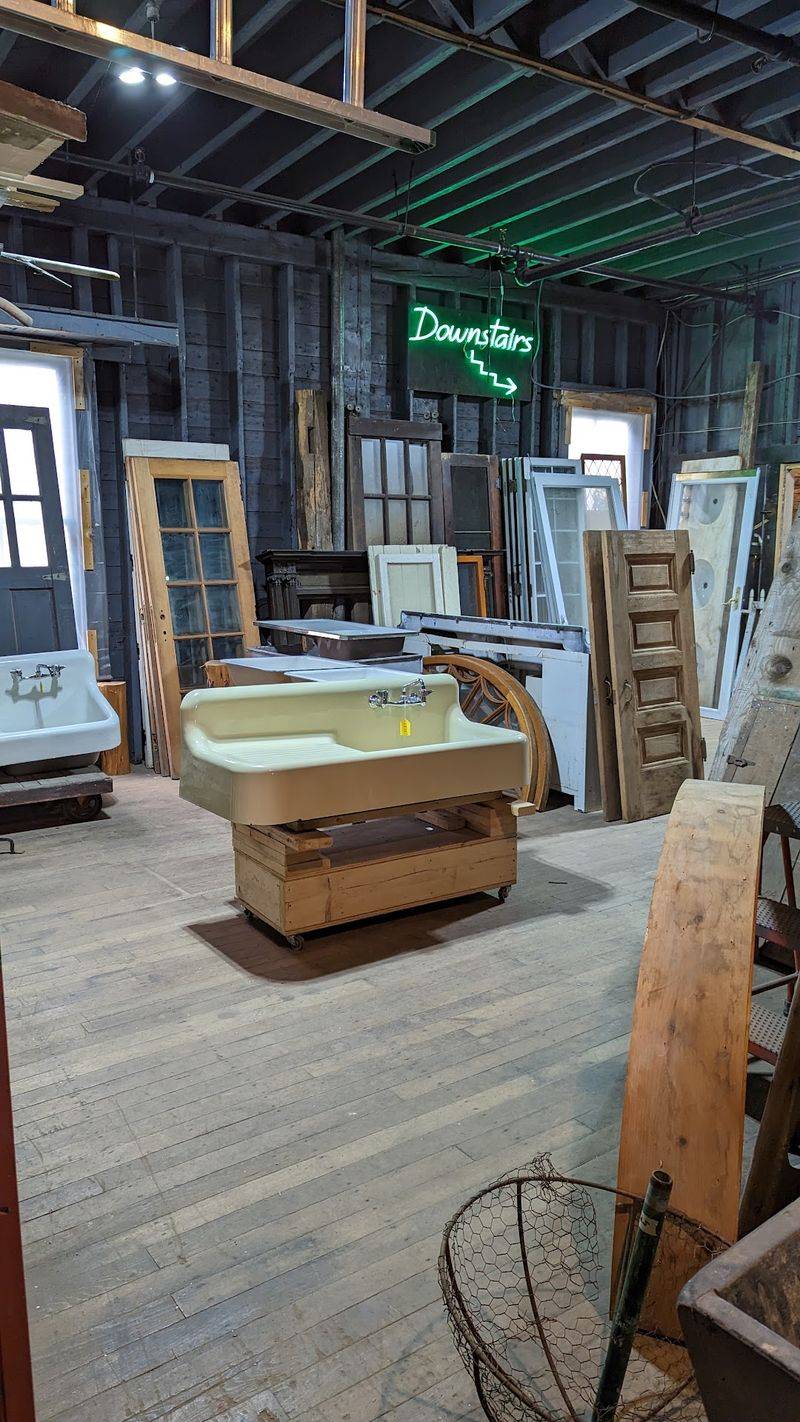
Not every salvage yard makes room for a nonprofit, but there is a Habitat for Humanity connection woven into this operation.
Upper Valley Habitat for Humanity has space here to sell donated building materials, and a portion of those sales funds their upcoming builds. The arrangement means shoppers browsing for a project can accidentally support a housing project across the valley.
Donations work through the same partnership. The store accepts donated items on behalf of Habitat for Humanity, and donors receive the benefit of a full tax write-off for what they contribute.
That setup solves a real problem. People clearing out an old house often have perfectly usable cabinets, fixtures, and lumber with nowhere sensible to send it.
Social media handles the announcements. Facebook and Instagram accounts post when notable arrivals hit the floor, which is genuinely useful given how fast the good pieces move.
Following along beats guessing. A stained glass panel or an unusual mantel might appear on a Tuesday and be gone by the weekend.
Hours run Tuesday through Friday from nine to three, with Saturday mornings until one. Monday and Sunday are closed, so plan accordingly before making the drive to White River Junction.
Calling ahead works too, especially for anything oversized.
Sustainable Shopping Practices Emphasized
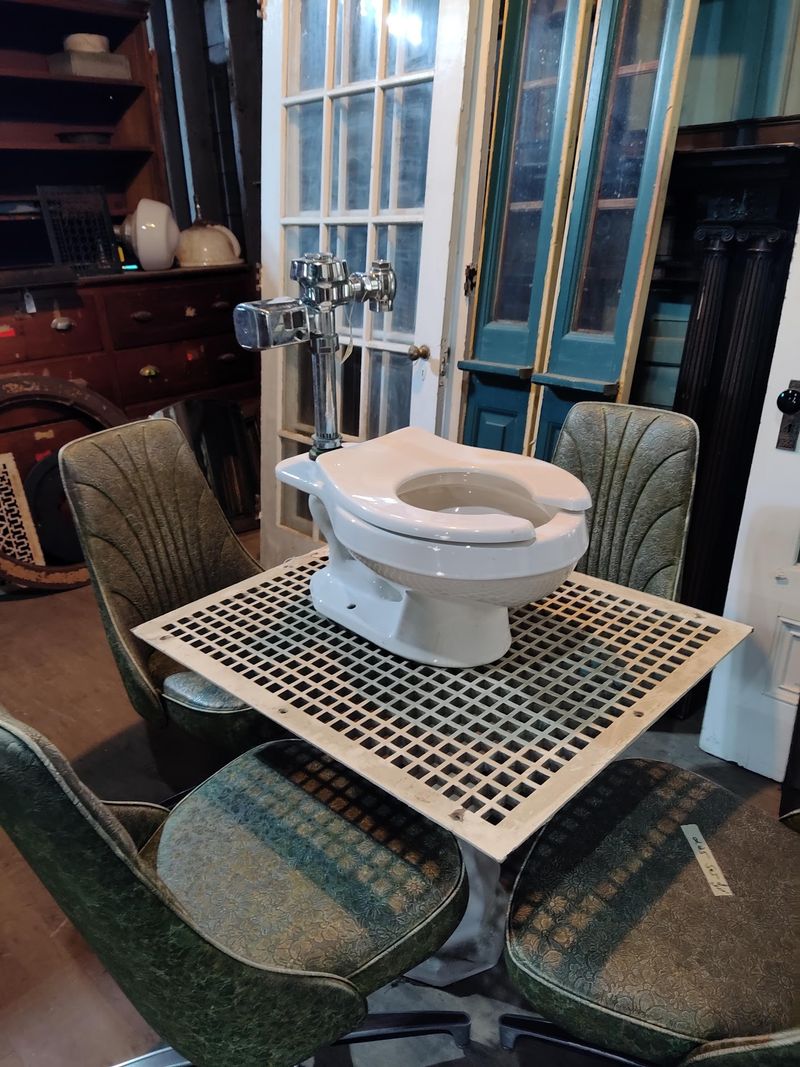
Every door on these floors was headed somewhere else before it landed here. Usually a dumpster.
The business model centers on removal, preservation, and resale of antique architectural salvage, which is a fancy way of saying old buildings get carefully taken apart instead of crushed. That single choice keeps an enormous volume of material out of landfills.
Construction and demolition waste is one of the heaviest categories of trash in the country. Wood, glass, porcelain, and metal all take up serious space once they hit the pile.
Vermont has pushed reuse and repair programs statewide as part of its waste reduction efforts, and salvage operations like this one fit neatly into that goal.
There is an environmental math problem worth appreciating here. A hundred-year-old door already exists, has already used its resources, and needs no new lumber, no factory, and no shipping container from overseas.
Buying it is essentially recycling at full scale, with better-looking results than most recycling produces.
Old-growth wood also outperforms much of what gets sold new. Tighter grain, denser material, and construction methods built for repair rather than replacement.
Shoppers here participate in a circular economy whether they think about it that way or not. The character is just a bonus.
Organizing And Restoring Purchases
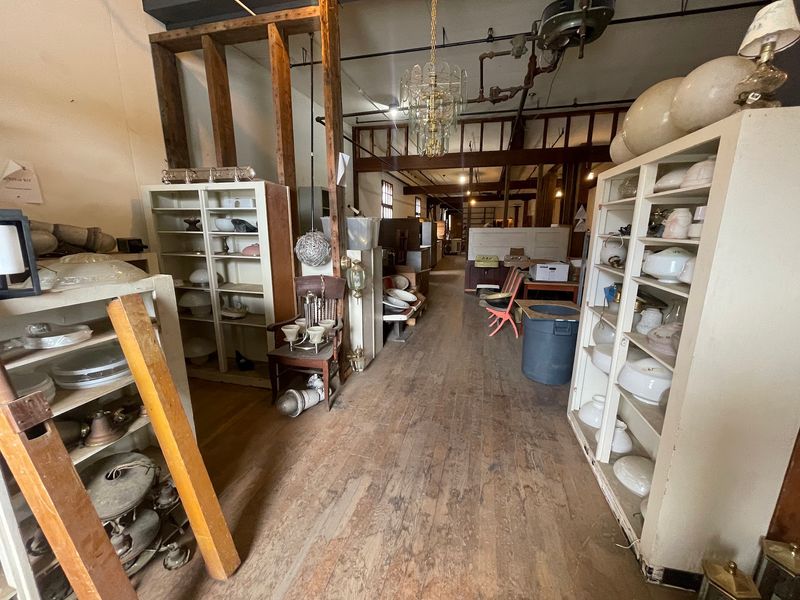
Buying the piece is the easy part. What happens next is where projects either shine or stall out in a garage for two years.
Clawfoot tubs are a classic example. Most get purchased with restoration in mind, meaning stripping, refinishing, and sometimes new hardware before they ever hold water again.
Doors need their own routine. Cleaning, careful stripping, checking the fit, and often planing an edge because old openings were rarely square and modern ones definitely are not.
A staging plan helps enormously. Set aside a dry space where salvaged pieces can sit without warping, and label everything with the room it belongs to.
Photographs save headaches. Snapping a picture of how hardware sat before disassembly makes reassembly far less of a puzzle.
Lighting fixtures almost always need rewiring, which is worth budgeting for from the start rather than discovering later. An electrician can handle it quickly.
Stained glass may need releading or a new frame, depending on how it came out of its original building.
The reward for all that effort is a house with pieces nobody else has. A door with three generations of scuffs beats a smooth new slab every single time, at least for people who care about that sort of thing.
Customer Stories About Memorable Finds
Some finds become the story people tell about their house forever.
Picture a stained glass panel that happens to match an odd opening down to the inch, the sort of coincidence that feels arranged by someone. Those moments happen here more often than statistics would suggest.
Carved wooden doors are frequent stars. A heavy one with original detail can anchor an entire renovation, turning an ordinary entryway into the thing guests comment on first.
Then there are the wild ones. Sections of actual bowling lane, cut and refinished into kitchen islands, countertops, and butcher blocks, complete with the arrows and inlaid markers still visible.
Spiral staircases have found new homes. So have three-bay sinks that people spent years searching for elsewhere without luck.
Tiny house builders come through hunting for windows and fixtures that give a small space real personality. Contractors show up for period-correct trim.
What ties the stories together is the rescue element. Each piece came out of a building that no longer stands, or one that changed beyond recognition.
Giving that material a second life is a quiet kind of preservation. The house gets character, the material avoids the landfill, and the owner gets a conversation starter that never gets old.