
This Wildly Underappreciated State Park May Be Massachusetts’s Best-Kept Place To Visit In 2026
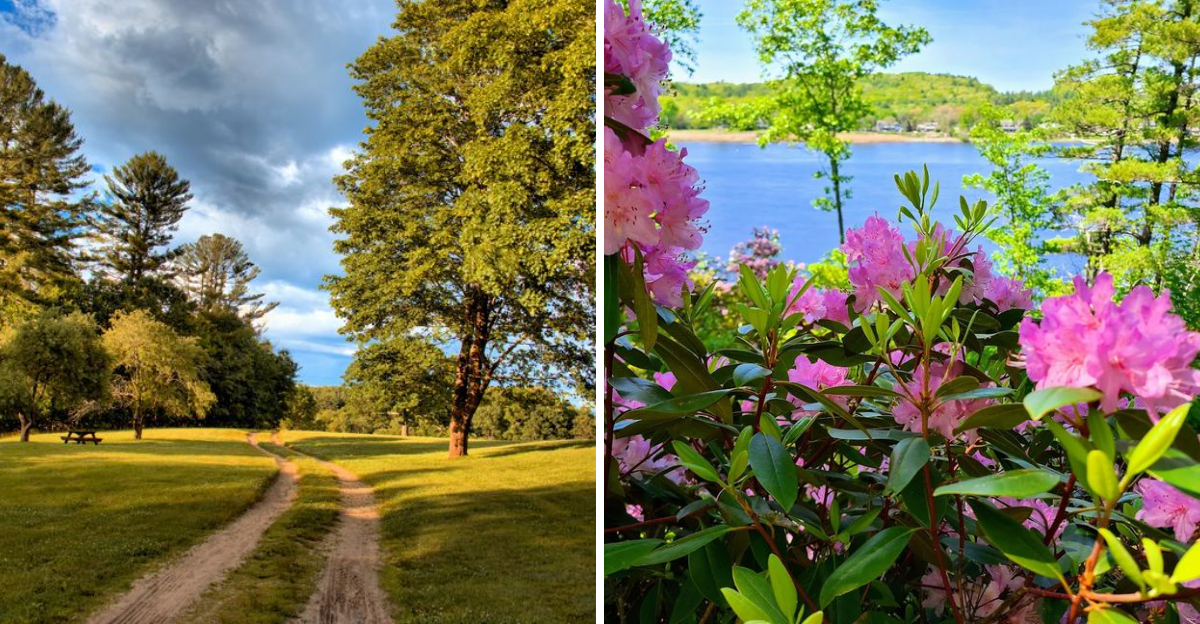
Massachusetts has a reputation. Everyone knows the Freedom Trail, the Cape Cod beaches, the leaf-peeping drives through the Berkshires.
Those places are beloved for a reason. But here’s the thing – a state this rich in history and natural beauty does not give up all its secrets easily.
Some places just quietly exist, season after season, waiting for the right people to find them. This is one of those places.
It’s the kind of spot that makes you stop walking and just stand there for a second, looking around, thinking: how is this not everywhere? How has nobody told me about this?
Locals who know it tend to keep it close. They visit on quiet Tuesday mornings.
They bring their dogs, their kids, their coffee. They leave feeling like they got away with something.
If you live in Massachusetts and have never been, consider this your sign. If you’re planning a visit to the state this year, consider this essential.
A Former Estate That Time Transformed Into Something Extraordinary
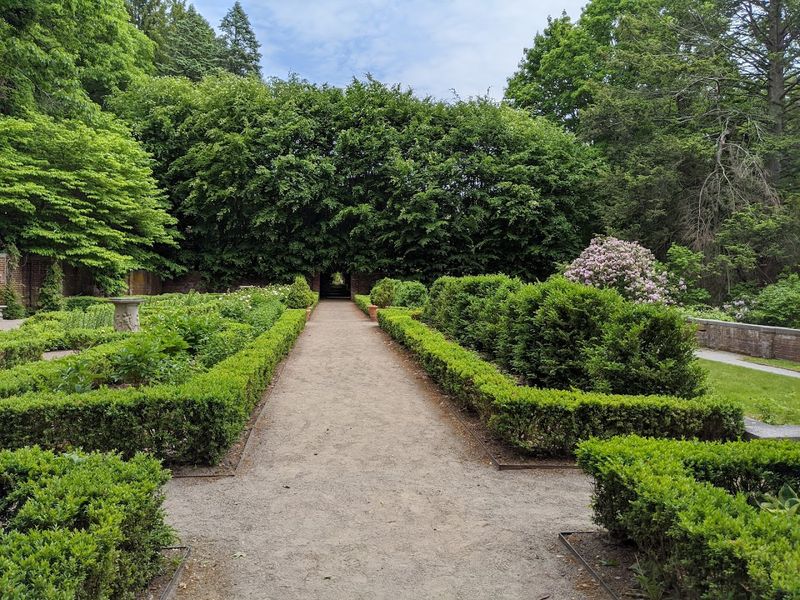
Before it became a public park, this land belonged to the Moseley family, one of the prominent New England households of the 19th century.
Their estate, originally called Maudesleigh, covered hundreds of acres along the Merrimack River in Newburyport, Massachusetts.
What they left behind was not just land, but a layered landscape full of character.
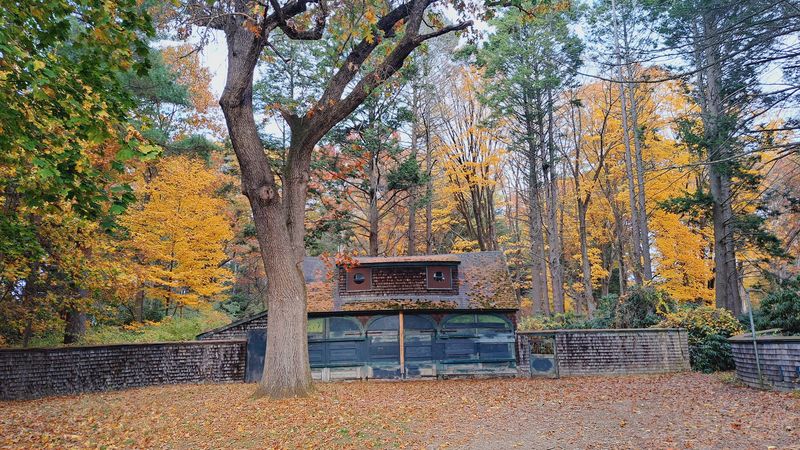
The original carriage roads still wind through the property today, wide enough for horses and wide enough for your imagination. Stone bridges cross quiet streams in spots where guests once arrived by carriage for summer gatherings.
Old foundations peek through the underbrush, hinting at the scale of what once stood here.
This park now manages all of this under the Massachusetts Department of Conservation and Recreation. The transformation from private estate to public land is one of the more quietly remarkable stories in the state.
Walking these grounds, you sense that history is not displayed here so much as absorbed, slowly, through the soles of your shoes.
Mountain Laurel Blooms That Rival Any Garden In New England
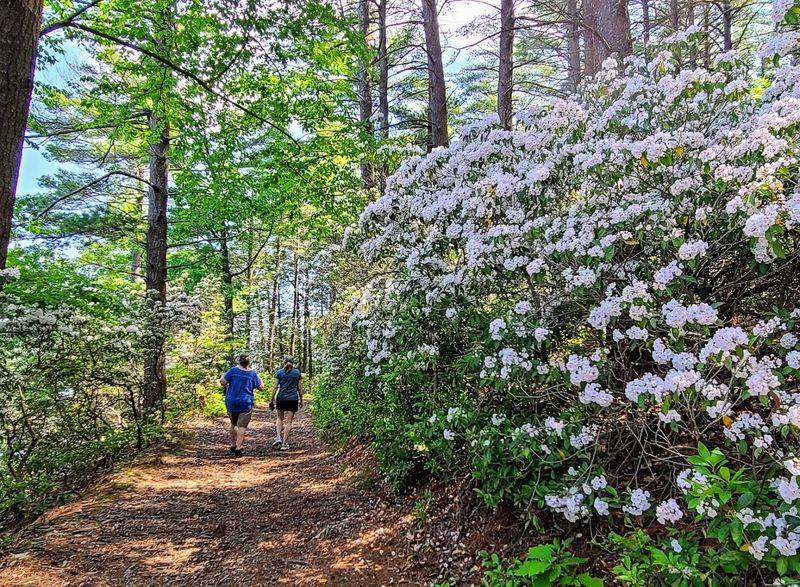
Few natural spectacles in Massachusetts match the sight of mountain laurel in full bloom, and Maudslay State Park holds one of the largest naturally occurring stands of it in the entire state.
Come late May or early June, the trails transform into something almost surreal, with white and pink clusters crowding the path edges in every direction.
The blooms are not just plentiful, they are enormous. Some of the rhododendron shrubs reportedly reach heights of 25 feet, towering above visitors who expect modest garden plants.
The fragrance on a calm morning is strong enough to stop you mid-stride.
Beyond the mountain laurel, the park’s 19th-century plantings include azaleas and ornamental trees that add layers of color throughout the spring season.
Park rangers often advise checking the park’s website before visiting during bloom season, since peak timing can shift by a week or two depending on the year.
For photographers, the floral displays offer compositions that feel almost staged, yet remain entirely wild and unmanaged in the best possible way.
Sixteen Miles Of Trails That Suit Every Kind Of Visitor
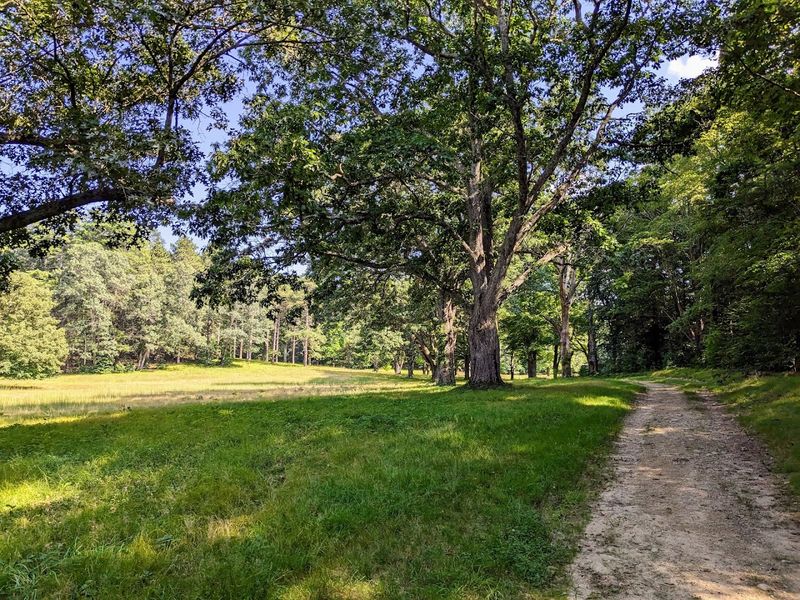
Not every state park can honestly claim something for everyone, but Maudslay at 74 Curzon Mill Road in Newburyport comes close.
With 16 miles of trails spread across nearly 500 acres, the options range from flat riverside strolls to more demanding woodland routes that reward those willing to put in the miles.
Hikers who set out to cover the full trail network often find themselves pleasantly surprised by how long it takes.
Mountain bikers use portions of the trail system, and horseback riders are also welcome, which gives the paths a lively, shared-use energy that feels different from quieter, foot-traffic-only parks.
In winter, cross-country skiers and snowshoers take over, giving the park a completely different atmosphere under a layer of snow.
Families with strollers have reported navigating the main carriage roads without major difficulty, though some rougher side trails are better suited to boots than wheels. Trail maps are posted at the trailhead, and most routes are reasonably well marked.
A walk of five to six miles covers many of the major highlights without demanding serious athletic commitment from casual visitors.
Bald Eagles And Wildlife That Make Every Walk Feel Like A Discovery
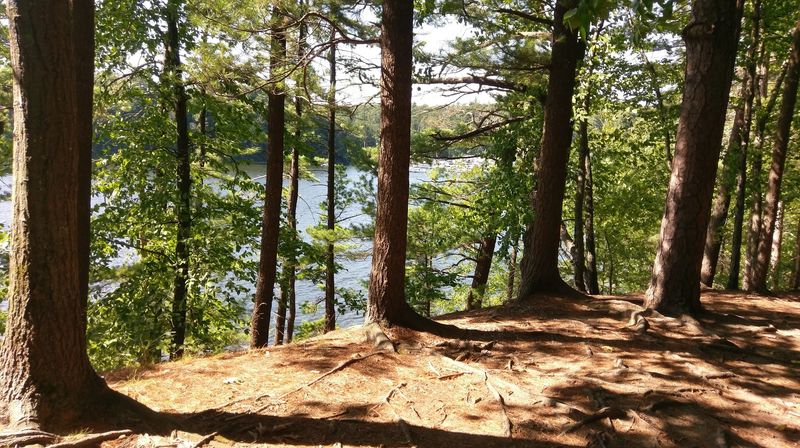
There is something genuinely startling about rounding a bend on a quiet trail and realizing a bald eagle is watching you from a pine branch overhead. At Maudslay State Park, this is not a rare occurrence.
The park’s towering white pines, believed to have never been logged, provide ideal nesting habitat for bald eagles, and the birds return reliably each season.
During winter months, certain areas of the park may be restricted to protect roosting eagles, which speaks to how seriously the park takes their presence. Hawks and other raptors are also frequently spotted riding thermals above the open meadows.
Deer appear regularly along the woodland edges, often close enough to observe without binoculars.
Smaller wildlife sightings, red squirrels, chipmunks, and the occasional snake moving through a pond, add texture to any given afternoon walk.
The park’s mix of meadows, dense woodland, river frontage, and thickets creates a variety of habitats that support an unusually diverse range of species for a park this size.
Birders in particular find Maudslay worth multiple visits throughout the year.
The Merrimack River Frontage Offers Views Worth The Walk
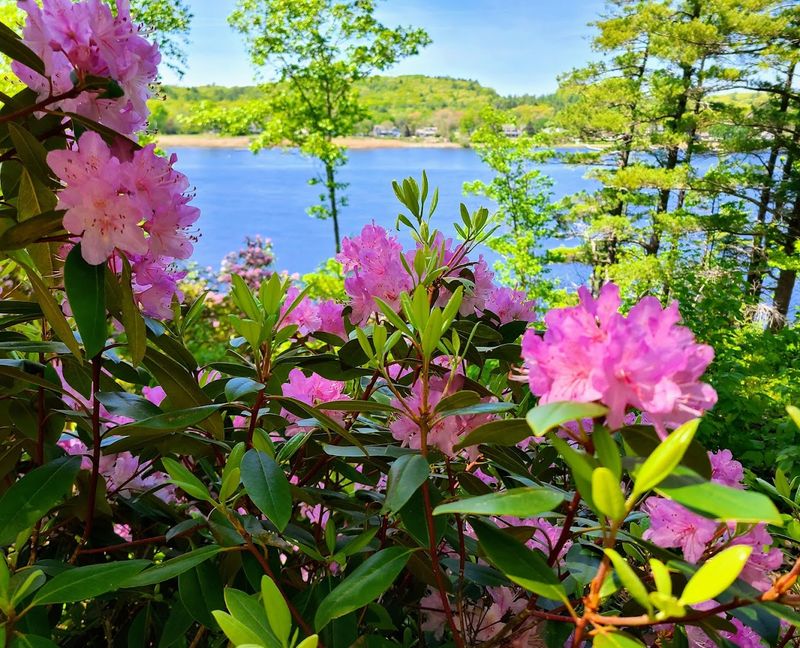
Running along the park’s eastern boundary for approximately 1.5 miles, the Merrimack River gives Maudslay a quality that many inland parks simply cannot offer.
The river is wide and slow-moving at this point, and the views from the higher trail sections carry a sense of open space that contrasts nicely with the dense woodland elsewhere in the park.
Getting down to the shoreline requires a bit of care, as the banks can be slippery in places. Visitors who manage the descent often spend time simply sitting by the water, listening to the current move past.
The effort is modest and the reward is real.
The Artichoke River also borders the park, adding a second water feature to the landscape.
Together, these waterways shape the park’s ecology significantly, influencing the plant life, wildlife corridors, and the overall sense of the land being in motion rather than static.
On autumn afternoons, the combination of river light and turning foliage along the upper trail produces the kind of view that makes people reach for their phones.
Hidden Ruins And Curiosities That Reward Curious Explorers
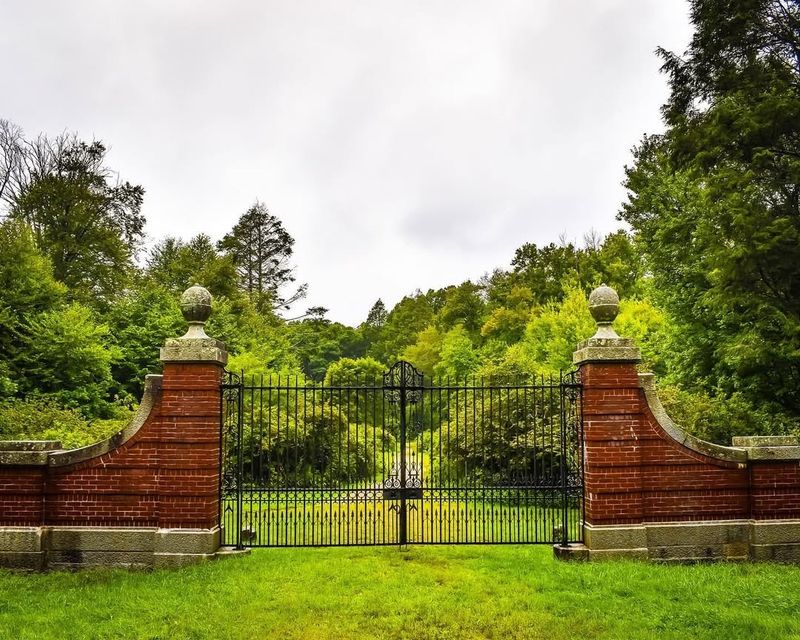
A park built on a former private estate is almost guaranteed to hold secrets, and Maudslay delivers on that promise with a satisfying collection of oddities.
Somewhere within the grounds sits a massive root cellar, its stone walls covered in layers of graffiti accumulated over decades.
It is the kind of structure that invites speculation about what was once stored there and by whom.
An abandoned greenhouse stands in partial ruin, its glass panels long gone but its iron framework still suggesting the ambition of whoever commissioned it. The structure feels like a pause in time rather than a ruin in the traditional sense.
Nearby, a small woodland pet cemetery marks a corner of the estate with modest stones and an atmosphere that is more tender than eerie.
Perhaps most intriguing is an iron gate known locally as the Gates of Hell, a name that sounds dramatic but fits the mood of the surrounding overgrowth. These curiosities are not signposted or promoted heavily, which means finding them involves some genuine exploration.
That quality, the sense of discovery rather than guided consumption, is part of what makes Maudslay feel unlike most parks of its kind.
Outdoor Performances And Cultural Events Give The Park A Second Life
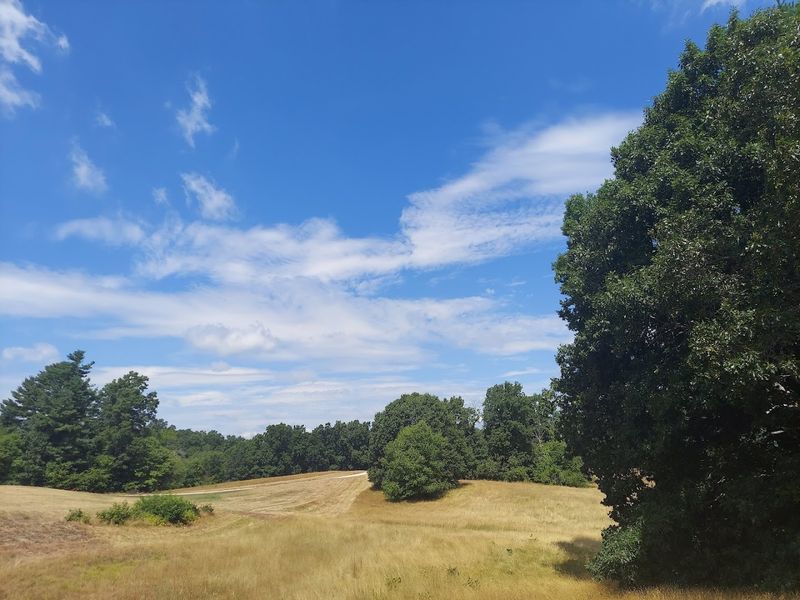
Not many state parks double as a cultural venue, but Maudslay has managed exactly that.
The Maudslay Art Center, operating within the park, hosts summer concerts that locals have described as a mini-Tanglewood.
Theater in the Open brings outdoor performances to the grounds throughout the year.
Their spring production, known as the Rites of Spring pageant, takes place in May, when the park is already in full floral display.
The combination of live performance and blooming landscape creates an atmosphere that is difficult to replicate indoors or in a conventional theater setting.
Come October, the same group presents Maudslay is Haunted, a guided trail walk with theatrical vignettes performed by live actors. Visitors have described the event as genuinely fun for families, with apple cider, maps, and moments of laughter scattered throughout.
These events transform the park from a passive natural space into something participatory and seasonal, giving people reasons to return across multiple times of year rather than just once.
Ancient White Pines That Create A Forest Unlike Any Other In The Region
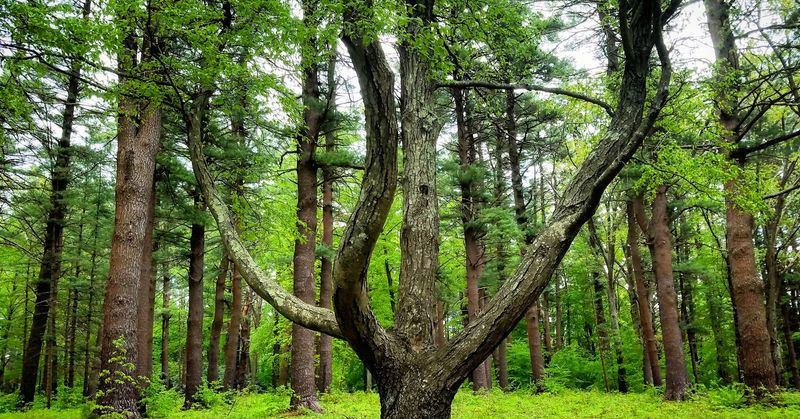
There is a section of Maudslay State Park where the white pines grow so tall and so close together that the light changes completely. The canopy closes overhead, the temperature drops a few degrees, and the sound of the outside world fades.
These trees are believed to have never been logged, which makes them genuinely rare in a region where most old-growth forest was cleared centuries ago.
Standing beneath them, you begin to appreciate scale in a way that photographs cannot fully communicate. The trunks are thick, the bark deeply furrowed, and the upper branches sway in wind that barely reaches the forest floor.
It is a calming and slightly humbling experience, particularly for visitors accustomed to younger, thinner woodland.
The primeval quality of this section of the park is one of the details that surprises first-time visitors most. Most people arrive expecting a pleasant walk through a former estate garden and leave having stood inside a forest that predates the estate itself.
That contrast between cultivated history and untouched nature is one of Maudslay’s most compelling characteristics, and one that no amount of description quite prepares you for.
Practical Visitor Information That Makes Planning Easy
Planning a visit to Maudslay State Park requires minimal effort, which is part of its appeal.
The park is located at 74 Curzon Mill Road in Newburyport, Massachusetts, and is open daily from 8 AM to 8:30 PM.
Parking is available on-site with a daily fee of five dollars for Massachusetts residents and twenty dollars for out-of-state visitors, with payment processed electronically at the lot.
Annual passes are available for frequent visitors, and Massachusetts residents aged 62 and older can obtain a Senior Parking Pass for ten dollars, valid for life. Restrooms are located at the parking area and are reported to be clean and well-maintained during operating hours.
Dogs are welcome throughout the park but must remain on-leash at all times.
A few restrictions are worth noting before arrival. Swimming, fires, alcohol, and motorized vehicles are all prohibited.
Photography sessions require a permit.
For visitors with mobility impairments, the park offers a mobility scooter free of charge.
The park can be reached by phone at 978-465-7223, and current seasonal information is posted at mass.gov.
Why 2026 Is The Right Year To Finally Make The Trip
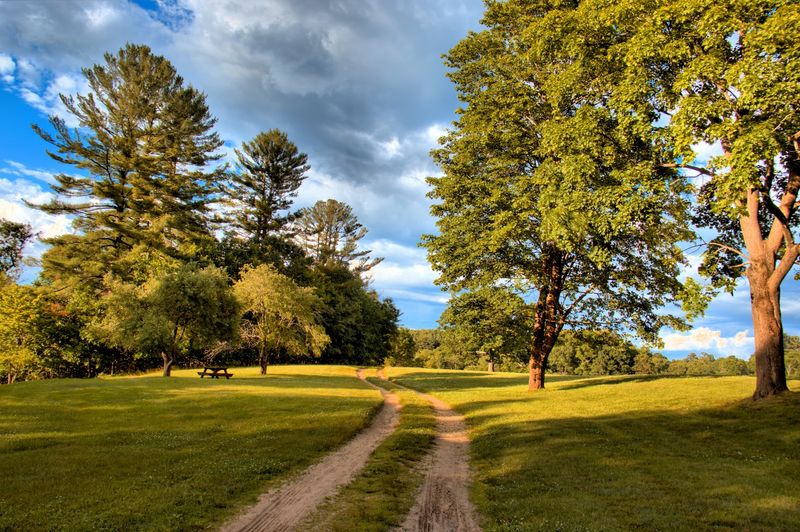
Places like Maudslay State Park exist in a particular kind of balance.
They are well-maintained enough to be accessible and comfortable, yet underpromoted enough to retain a sense of quiet and space that more famous parks have long since lost.
That balance is worth protecting, and also worth experiencing before it shifts.
The park holds a 4.7-star rating across nearly 1,000 reviews, which speaks to consistent quality rather than occasional brilliance. Visitors return across seasons, drawn back by blooms in spring, foliage in autumn, eagle sightings in winter, and cultural events through summer.
Few parks of this size offer that kind of year-round variety without requiring significant travel or expense.
Massachusetts has no shortage of outdoor destinations competing for attention in 2026, but Maudslay earns its place through substance rather than marketing.
The trails are real, the history is layered, the wildlife is present, and the price of admission remains genuinely reasonable.
For anyone who has been meaning to find a new favorite outdoor space in the region, this park along the Merrimack River in Newburyport is a strong and overdue answer to that search.