
This Wisconsin Beach Park Hides A Mile-Long Shoreline And A Seasonal Waterfall Surprise
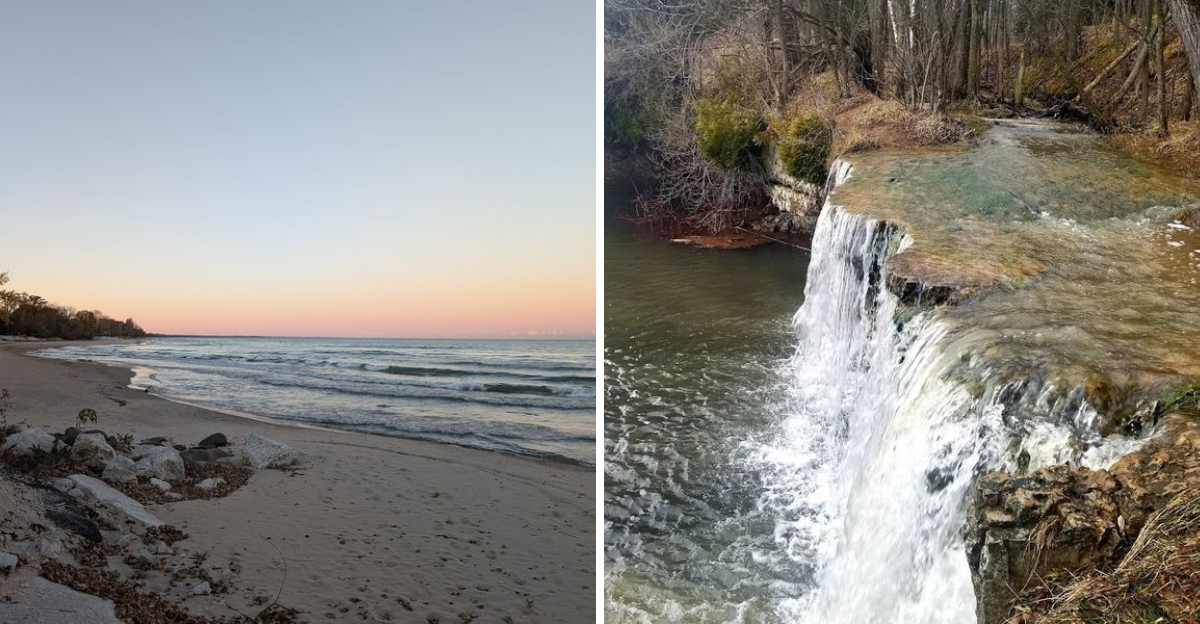
Lake Michigan knows how to make a day out feel bigger than expected. Along Wisconsin’s shoreline, one park mixes sandy beach time, wooded paths, quarry views, and a little old-industry drama into a single outing.
One minute, you are listening to waves roll in. Next, you are staring at clear water framed by limestone walls and wondering how a former worksite became so pretty.
Trails add room to wander, campsites keep the lake close, and the night sky gets its own moment thanks to an observatory made for curious visitors. Add the chance of a small waterfall after the right conditions, and this place feels like several adventures sharing the same address.
The Park Has More Than A Mile Of Lake Michigan Beach
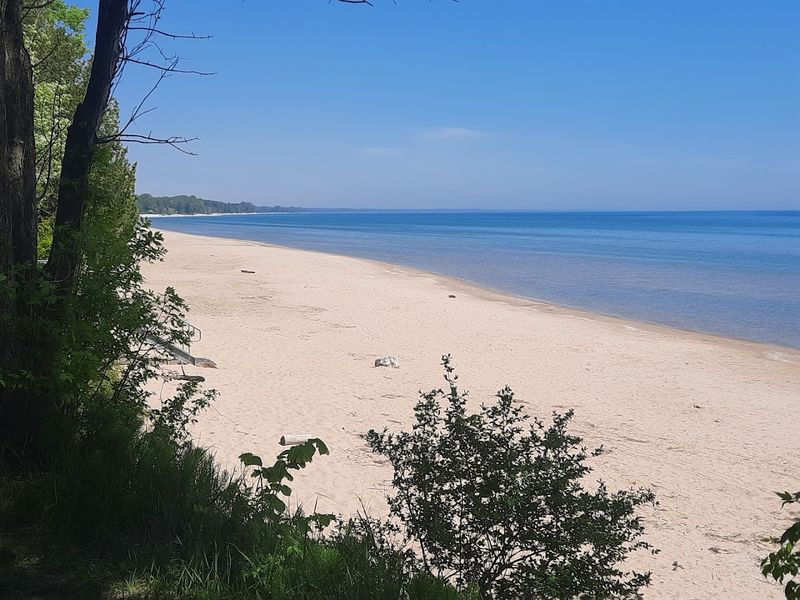
Harrington Beach State Park stretches across more than a mile of Lake Michigan coastline, providing one of the longer public beach areas in southeastern Wisconsin. The sand here stays relatively clean and soft, and the water remains shallow for a good distance from shore, making it accessible for wading and swimming during warmer months.
Families spread out along the beach with plenty of room to claim a spot without feeling crowded, even on busy summer weekends.
The park maintains facilities near the main beach area, including restrooms and a parking lot that fills quickly on hot days. A separate dog beach area allows pets to enjoy the water and sand off-leash in a designated section.
Lake Michigan can produce strong waves and currents depending on wind conditions, so visitors should check weather forecasts and stay alert to posted warnings.
The beach at 531 County Road D in Belgium attracts both locals and travelers looking for a quieter alternative to busier urban beaches farther south.
Quarry Lake Adds A Second Waterfront View
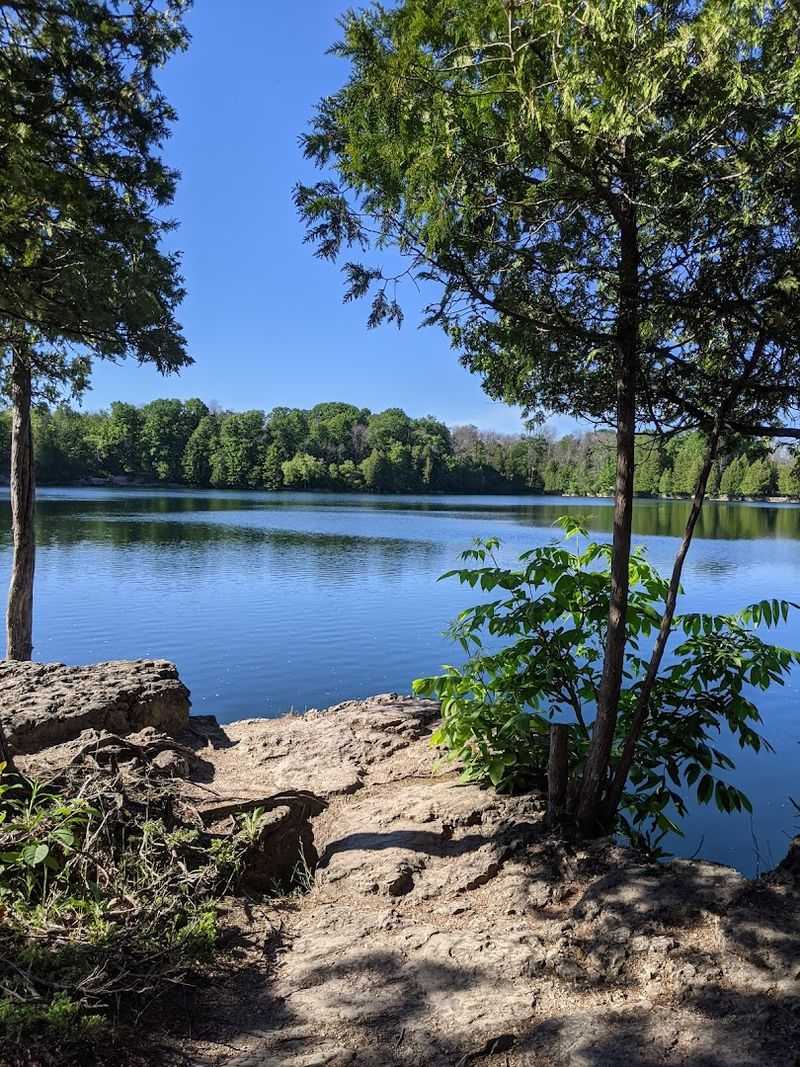
Beyond the main beach, Harrington Beach State Park features Quarry Lake, a former limestone quarry that filled with water after mining operations ended decades ago. The lake sits in a basin carved by industrial excavation, and its depth and isolation from sediment runoff give the water a striking clarity.
Visitors walking the loop trail around the quarry can peer down through several feet of water to see rocks and aquatic plants below the surface.
Fishing is allowed at Quarry Lake, and anglers try their luck from the shore in hopes of catching panfish and bass. The limestone walls rise along parts of the shoreline, creating a dramatic backdrop that contrasts with the forested sections of the trail.
Birds frequent the area, particularly cormorants and herons that hunt in the shallows.
The quarry offers a completely different atmosphere from the open expanse of Lake Michigan, providing a calm and protected spot to sit and observe the water.
A Seasonal Waterfall Appears Near The Old Quarry
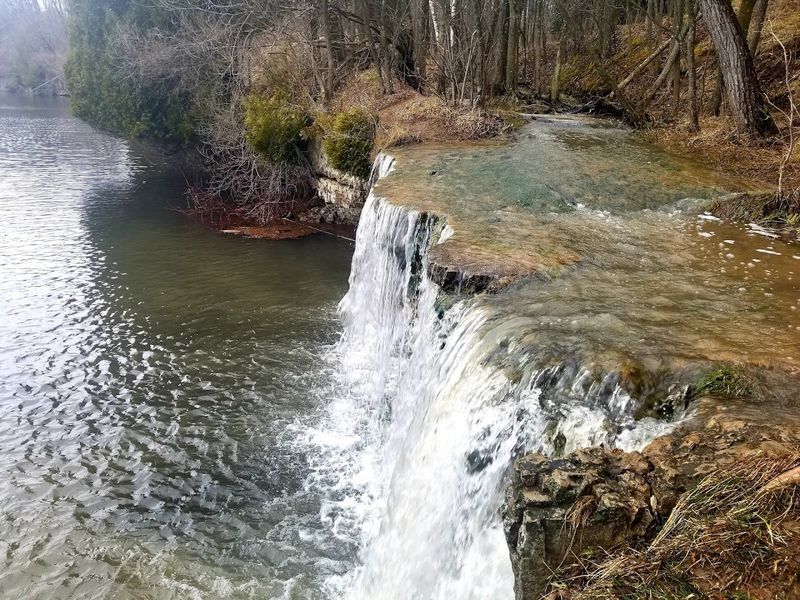
During periods of heavy rain or snowmelt, a small waterfall emerges along the limestone walls near Quarry Lake, trickling down the rock face in thin streams. The flow depends entirely on recent precipitation, so the waterfall may be absent during dry spells or reduced to a faint seep in summer.
Timing a visit after a rainstorm increases the chances of seeing the water in motion, though the display remains modest compared to larger waterfalls found elsewhere in Wisconsin.
The waterfall adds a temporary feature to the landscape, drawing attention to the layered limestone that defines the quarry area. Moss and small plants grow along the damp rock surfaces where the water flows, creating pockets of green against the pale stone.
Photographers appreciate the opportunity to capture the waterfall when conditions allow, though patience and a bit of luck are required.
The unpredictability of the waterfall makes it a pleasant surprise rather than a guaranteed attraction, rewarding visitors who arrive at the right moment.
The Quarry Lake Trail Makes An Easy Scenic Loop
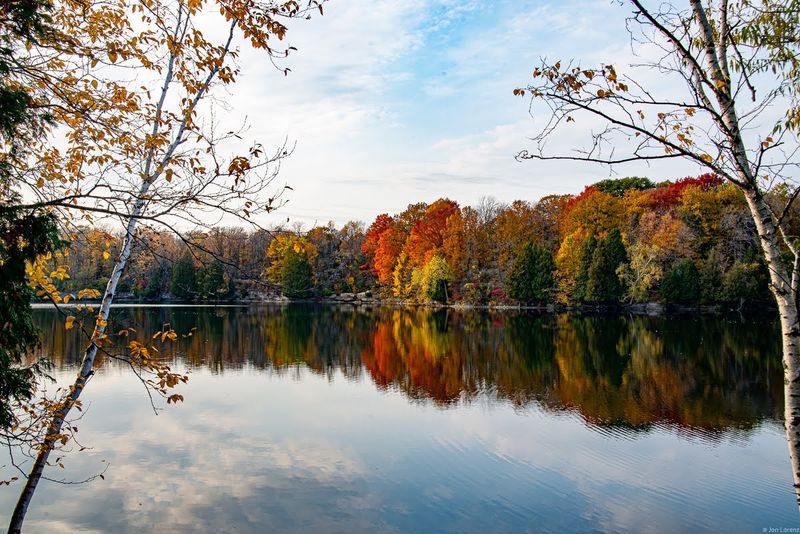
The Quarry Lake Trail forms a loop around the former limestone quarry, offering a relatively flat and easy walk that takes about 30 to 45 minutes at a leisurely pace. The path stays close to the water for much of the route, providing continuous views of the lake and the surrounding limestone formations.
Benches appear at intervals along the trail, giving visitors spots to rest and take in the scenery without rushing through the experience.
The trail passes through a mix of open areas and shaded sections where trees arch overhead, creating a pleasant microclimate even on warm days. Interpretive signs along the route explain the history of the quarry and the natural processes that have reclaimed the site.
Wildlife sightings are common, with deer, squirrels, and a variety of birds making appearances throughout the day.
The loop connects to other trails within the park, allowing hikers to extend their walk toward the beach or into the wooded areas farther inland.
Seven Miles Of Trails Cover Beach, Woods, And Wetlands
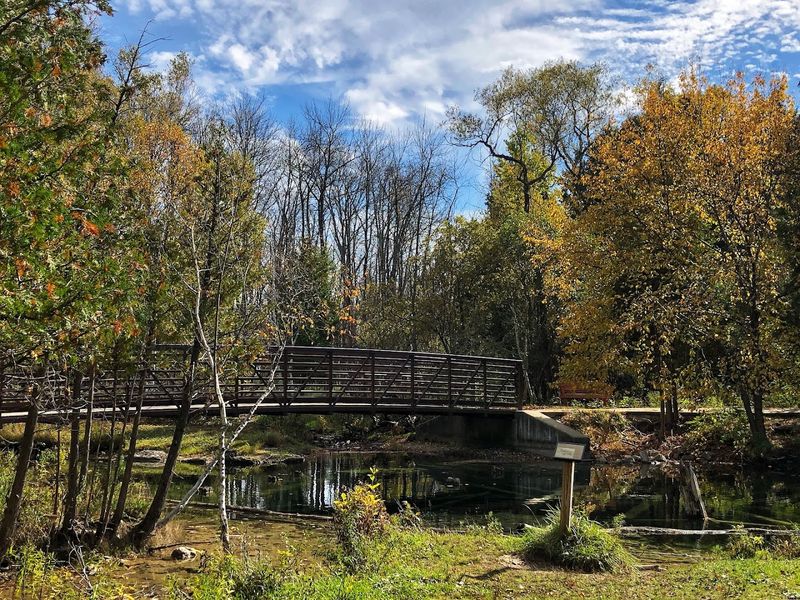
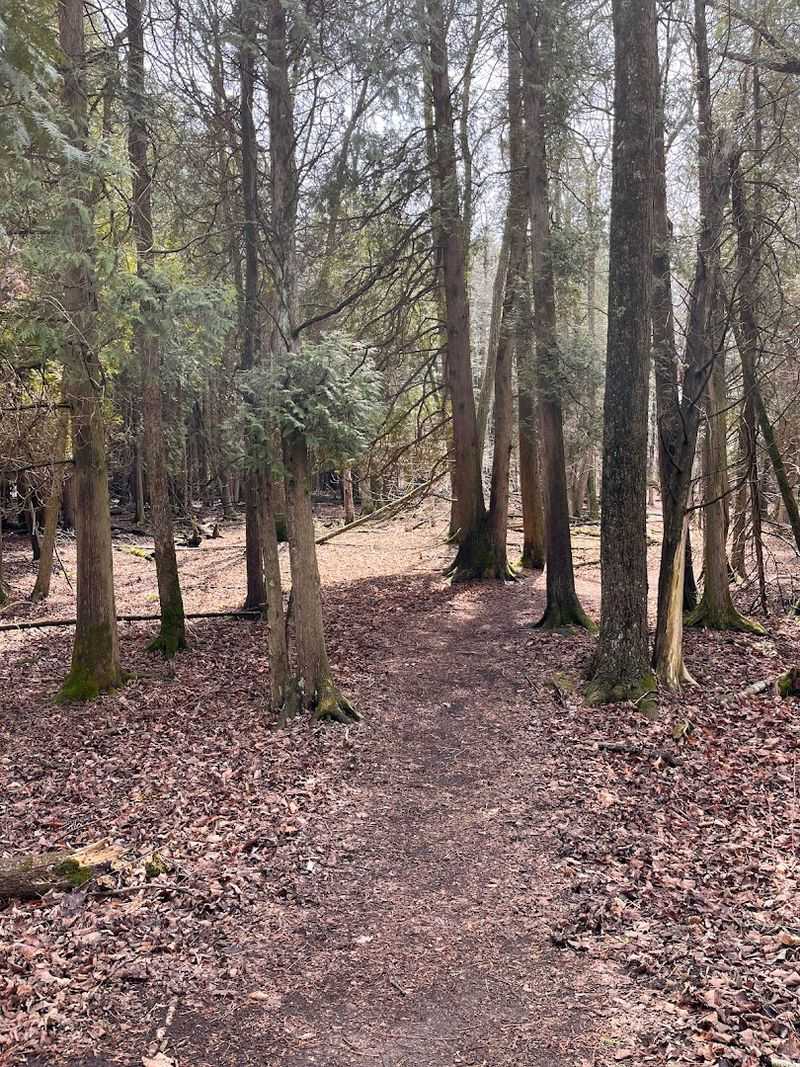
Harrington Beach State Park maintains seven miles of trails that wind through diverse landscapes, including beachfront paths, forested sections, and wetland boardwalks. The trail system accommodates hikers of varying skill levels, with some routes staying flat and accessible while others venture into slightly more rugged terrain.
Maps posted at trailheads help visitors plan routes based on distance and difficulty, and the trails are well marked to prevent confusion at intersections.
The White Trail leads through dense woods where oak and maple trees create a canopy that provides shade and shelter for understory plants and wildlife. Wetland areas along certain trails support cattails and other water-loving vegetation, attracting frogs, turtles, and wading birds.
Some trails connect directly to the beach, allowing hikers to transition from forest to shoreline without retracing their steps.
The variety of environments within a relatively compact park makes it possible to experience multiple ecosystems in a single visit, appealing to both casual walkers and dedicated nature observers.
Limestone Ledges Hint At The Park’s Quarry Past
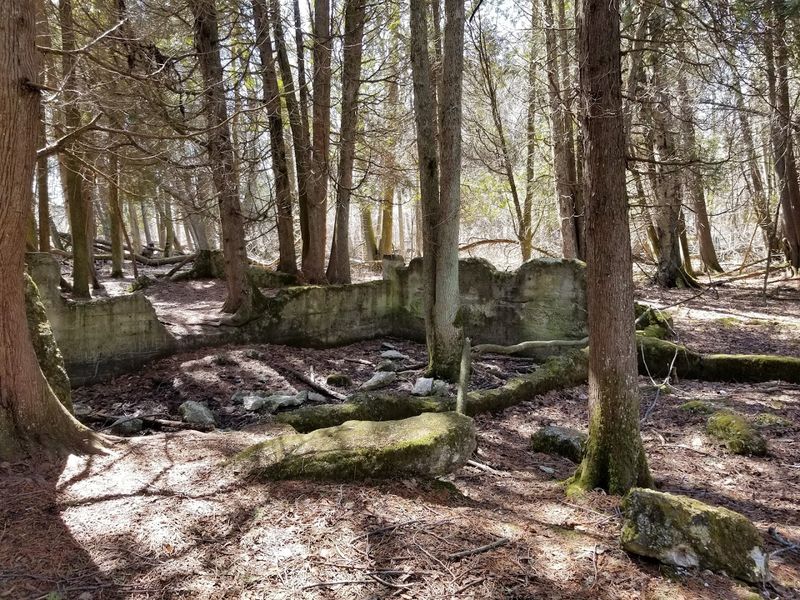
Limestone ledges and exposed rock faces throughout Harrington Beach State Park reveal the site’s history as a working quarry that supplied building materials for regional construction projects. The stone here formed from ancient marine sediments that compacted over millions of years, and the quarrying process left behind visible cuts and layers that tell the story of both geological time and industrial activity.
Visitors can examine the rock surfaces up close along certain trails, observing fossils and mineral deposits embedded in the limestone.
The quarry operated during the late 19th and early 20th centuries, and remnants of the infrastructure still appear in scattered locations, though nature has reclaimed most of the site. The limestone walls around Quarry Lake stand as the most prominent reminder of the excavation work, rising abruptly from the water’s edge.
These formations create habitat for plants and animals that thrive in rocky environments, adding ecological value to the historical landscape.
The presence of limestone shapes the character of the park and distinguishes it from other coastal areas in Wisconsin.
Old Pier Remnants Tell A Forgotten Shipping Story
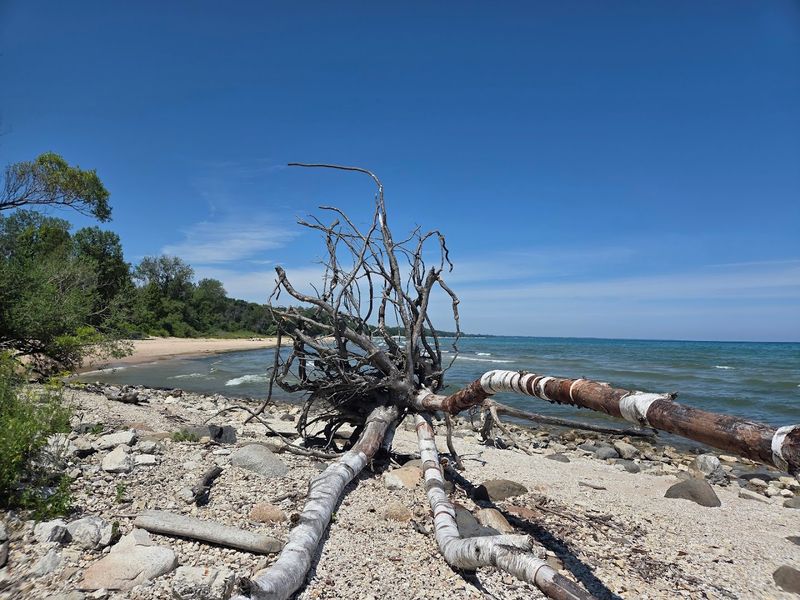
Remnants of an old pier extend from the shoreline into Lake Michigan at Harrington Beach State Park, marking the location where ships once docked to load limestone quarried from the site. The wooden pilings that remain have weathered decades of waves and ice, and some still stand upright in the shallow water while others have collapsed into jagged fragments.
The pier served as a crucial link between the quarry and markets across the Great Lakes, allowing the transport of stone to cities like Milwaukee and Chicago.
Shipping operations ceased when the quarry closed, and the pier gradually deteriorated without maintenance. The structure now provides perches for gulls and cormorants, and it has become a visual marker of the park’s industrial past.
Visitors walking along the beach can spot the remnants and imagine the activity that once filled the area with workers, ships, and the sounds of loading and unloading cargo.
The pier adds a layer of historical texture to the beach experience, connecting the present landscape to its commercial origins.
The Park Offers Camping Near Lake Michigan
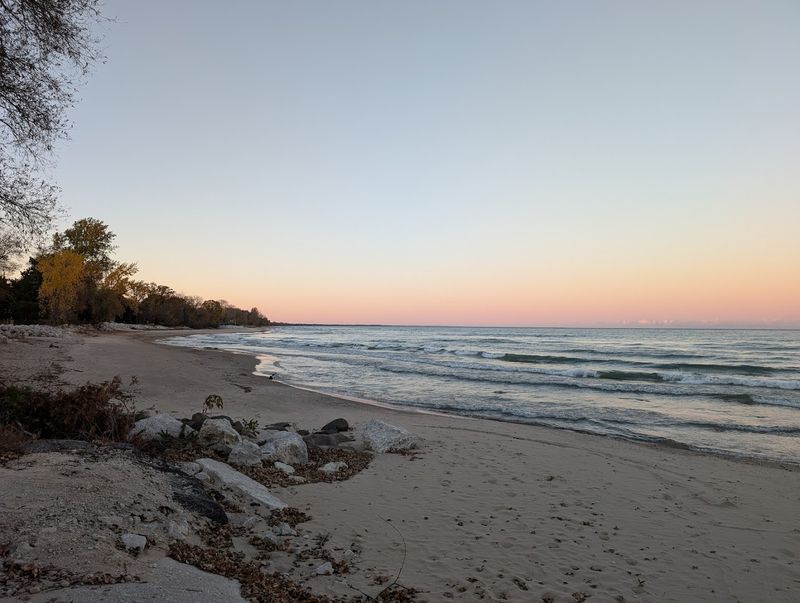
Harrington Beach State Park operates a campground with sites located within walking distance of Lake Michigan, providing convenient access to the beach for overnight visitors. The campsites are spaced to offer privacy, with bushes and vegetation creating natural barriers between neighbors.
Modern amenities include a shower building with clean facilities, and the campground hosts maintain the area throughout the season. Sites accommodate both tents and recreational vehicles, though the availability of hookups and specific site features varies.
Campers can walk to the beach in the morning or evening without needing to drive, and the proximity to the water makes it easy to enjoy sunrise or sunset along the shore. The campground fills quickly during peak summer weekends, so advance reservations are recommended.
Quiet hours are enforced to maintain a peaceful atmosphere, and campfires are allowed in designated rings at each site.
Staying overnight at the park allows visitors to experience the beach and trails at different times of day, including early morning when wildlife activity peaks.
Birdwatching Adds Another Reason To Slow Down
Birdwatchers find Harrington Beach State Park productive for spotting both resident and migratory species, with the combination of beach, wetland, and forest habitats attracting a diverse avian population. Shorebirds patrol the beach for invertebrates, while warblers and thrushes move through the woods during spring and fall migration periods.
The wetland areas host herons, egrets, and ducks, and the open water of Quarry Lake and Lake Michigan provides feeding grounds for gulls, terns, and cormorants.
The park maintains a reputation among local birding groups as a reliable location for building species lists, particularly during migration when unusual sightings occur. Benches and observation points along the trails allow birders to sit quietly and wait for activity, and the relatively low visitor traffic in certain areas helps minimize disturbance to sensitive species.
Binoculars and a field guide enhance the experience, though casual observers can enjoy watching birds without specialized equipment.
The variety of habitats within a small geographic area makes the park efficient for birding, allowing observers to cover multiple environments in a single visit.
The Observatory Brings Stargazing Into The Visit
Harrington Beach State Park hosts a small astronomy observatory that opens to the public during scheduled events, allowing visitors to view planets, stars, and deep-sky objects through telescopes operated by knowledgeable volunteers. The observatory benefits from the park’s location away from major urban light pollution, providing darker skies than most areas in southeastern Wisconsin.
Programs typically run on clear evenings during warmer months, and participants learn about celestial objects visible in the current season while taking turns at the eyepiece.
The observatory adds an educational dimension to a park visit, appealing to families and anyone curious about astronomy. Volunteers explain how to locate constellations and identify bright planets, and they share information about the equipment and techniques used in amateur astronomy.
The programs are free with park admission, though donations support the observatory’s maintenance and equipment upgrades.
Combining a day at the beach with an evening of stargazing creates a full outdoor experience, and the observatory gives visitors a reason to linger at the park after sunset.