
This Wisconsin Botanical Garden Has Lily Pads That Quietly Steal The Show
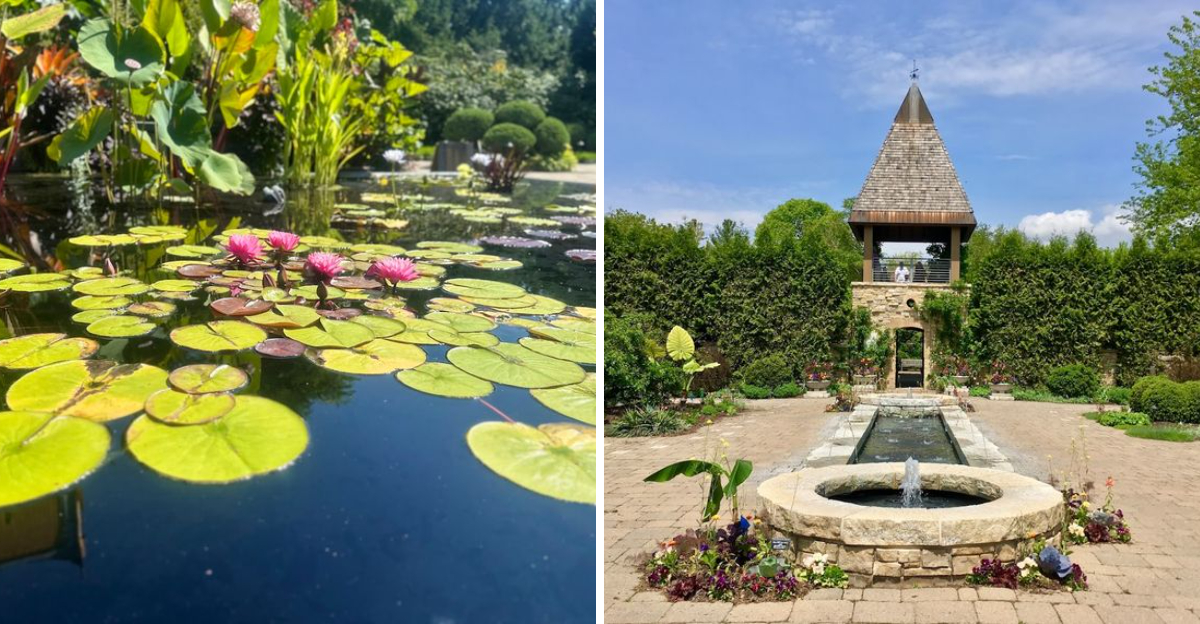
Madison is home to a botanical escape that catches visitors off guard in the best way, blending thoughtful design with a surprising range of plant life. Spanning acres of carefully arranged outdoor spaces and a tropical conservatory that feels worlds away in colder months, it offers something new with every visit.
While vibrant blooms often take the spotlight, it’s the lily pads drifting across the garden ponds that tend to linger in your memory, adding a quiet, reflective moment that stays with you long after you’ve left.
Botanical Garden Known For Its Diverse Outdoor Spaces
Olbrich Botanical Gardens occupies sixteen acres at 3330 Atwood Avenue, offering visitors an impressive range of garden styles and plant collections. The layout invites exploration without overwhelming guests, balancing formal beds with natural plantings that shift character as you move from one area to another.
Each section maintains its own personality while contributing to the cohesive whole. Rock gardens transition into perennial borders, herb collections give way to rose displays, and wetland areas provide habitat for native species.
The garden opens daily at 10 AM and closes at 6 PM, giving visitors ample time to wander through the different zones. Admission to the outdoor gardens costs nothing, making this one of Madison’s most accessible cultural attractions.
Parking occupies a generous lot adjacent to the entrance, and pathways accommodate wheelchairs and strollers throughout most of the property. The grounds handle crowds gracefully even during peak bloom periods, maintaining pockets of solitude for those seeking quiet contemplation.
Lily Pads That Become A Seasonal Highlight
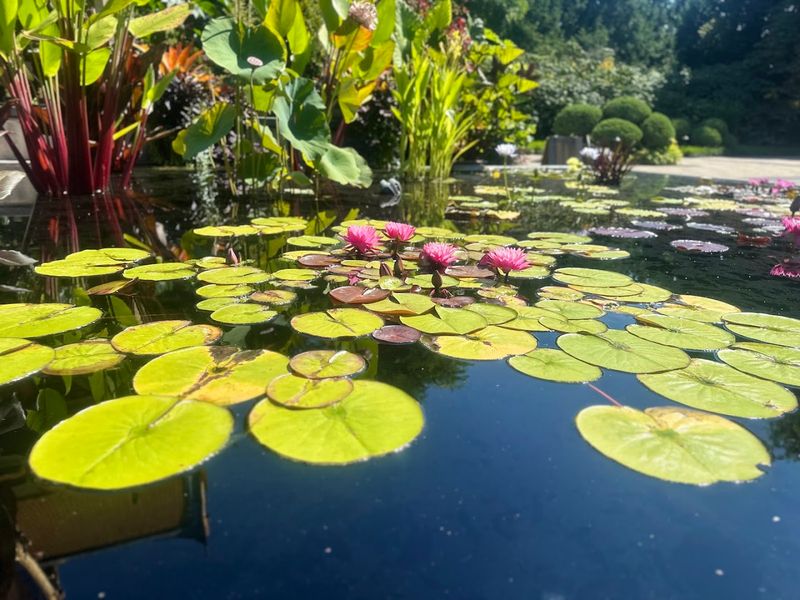
The lily pads at Olbrich emerge as summer progresses, transforming the water features into living sculptures that capture light and shadow. Victoria water lilies grow to remarkable sizes, their circular leaves creating platforms that seem substantial enough to support weight, though visitors must admire them from the edges.
These aquatic plants produce flowers that open white and gradually shift to pink over their brief blooming period. The blooms release fragrance during evening hours, rewarding visitors who time their walks for late afternoon.
Photographers circle the ponds throughout the growing season, seeking angles that capture the geometric perfection of the leaves and the delicate beauty of the flowers. The pads create natural focal points that draw the eye across the water surface.
Staff members tend these plants with particular care, monitoring water temperature and nutrient levels to ensure healthy growth. The lily collection peaks in July and August, though hardy varieties persist into early autumn before retreating as temperatures drop.
Tropical Conservatory That Brings Warm-Climate Plants To Wisconsin
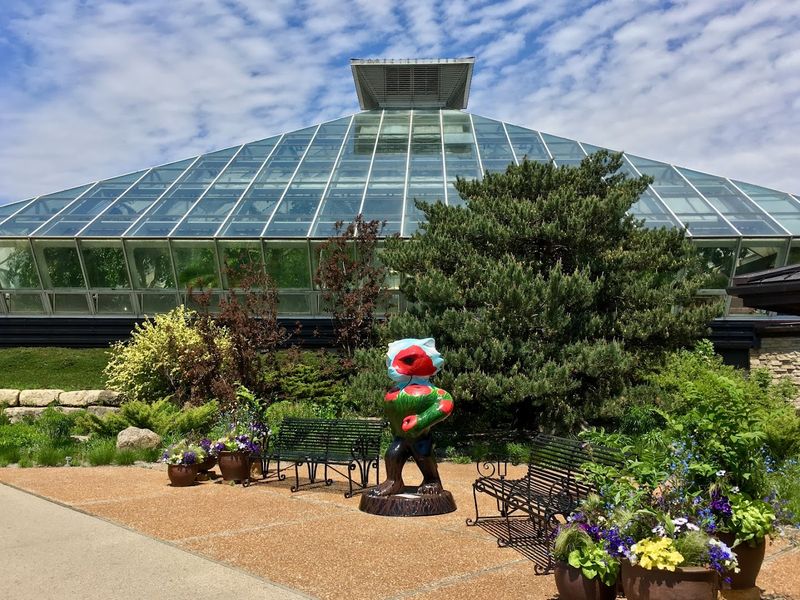
The Bolz Conservatory rises as a glass structure that maintains tropical conditions year-round, offering Madison residents respite from harsh winters. Inside, temperatures hover around eighty degrees with humidity levels that support orchids, bromeliads, and fruit-bearing trees from equatorial regions.
Banana plants grow alongside kumquat and orange trees, their branches heavy with fruit that adds unexpected color to the green canopy. Small birds fly freely through the space, their calls echoing off the glass walls while canaries dart between branches and quail patrol the ground level.
The conservatory charges a modest six-dollar entrance fee that supports plant acquisitions and climate control costs. Visitors spend anywhere from twenty minutes to over an hour inside, depending on their interest in tropical flora and their tolerance for the humid environment.
A winding path leads guests through multiple elevation changes, creating the illusion of exploring a much larger space. Benches positioned throughout allow for rest stops where you can observe the birds or simply absorb the warmth before returning to Wisconsin weather.
Peaceful Setting Designed For Slow Walks
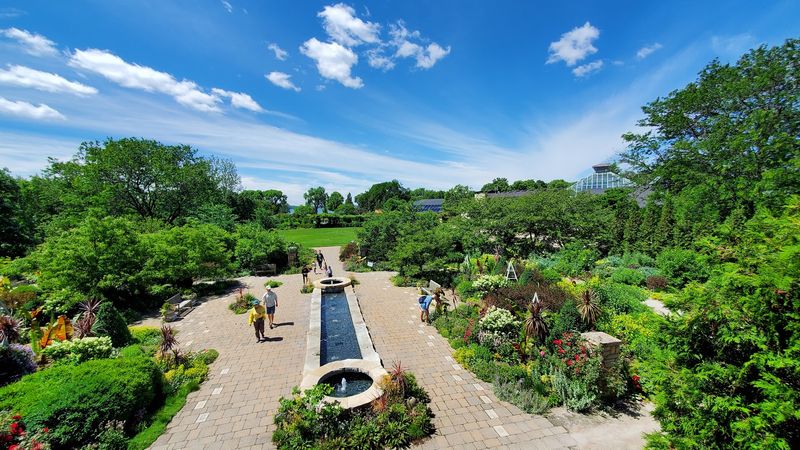
Pathways meander through Olbrich at a pace that discourages rushing, with benches positioned at intervals that suggest pausing rather than pushing forward. The garden design acknowledges that botanical appreciation requires time, creating spaces where lingering feels natural rather than indulgent.
Mature trees provide shade during summer months, making walks comfortable even during afternoon heat. The paths avoid steep grades, accommodating visitors with mobility concerns while maintaining enough variation to keep the route interesting.
Water features add gentle background sound that masks traffic noise from surrounding streets. The garden maintains a buffer of plantings that creates psychological distance from the urban environment beyond its borders.
Families with young children navigate the paths alongside solitary visitors seeking contemplation, the space somehow accommodating both groups without conflict. Morning hours attract locals who incorporate garden walks into their daily routines, while tourists tend to arrive later in the day.
The layout encourages discovery without requiring a map, though signage provides plant identification for those interested in learning botanical names and growing requirements.
Carefully Curated Plant Collections From Around The World
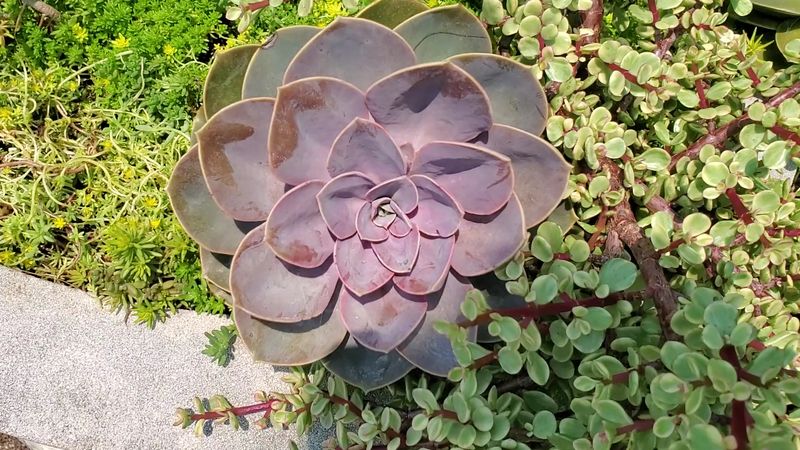
Olbrich assembles plants from six continents, creating collections that represent diverse climates and growing conditions. The staff selects specimens based on their ability to thrive in Wisconsin’s challenging weather while maintaining educational value for visitors interested in global horticulture.
Asian species occupy several garden areas, including selections from Japan and China that demonstrate adaptations to temperate climates similar to the upper Midwest. Mediterranean plants cluster in rock gardens where drainage mimics their native conditions.
The herb garden showcases culinary and medicinal plants from European and Middle Eastern traditions, arranged in geometric beds that recall formal monastery gardens. Labels provide botanical names along with historical uses that connect plants to human culture.
Staff members travel to botanical gardens and plant collections worldwide, bringing back seeds and cuttings that expand Olbrich’s holdings. These acquisitions undergo quarantine and testing before joining the permanent collections, ensuring they carry no pests or diseases.
Seasonal displays rotate through the conservatory, featuring orchid shows in winter and specialized collections that highlight particular plant families or geographic regions throughout the year.
Layout That Changes With The Seasons
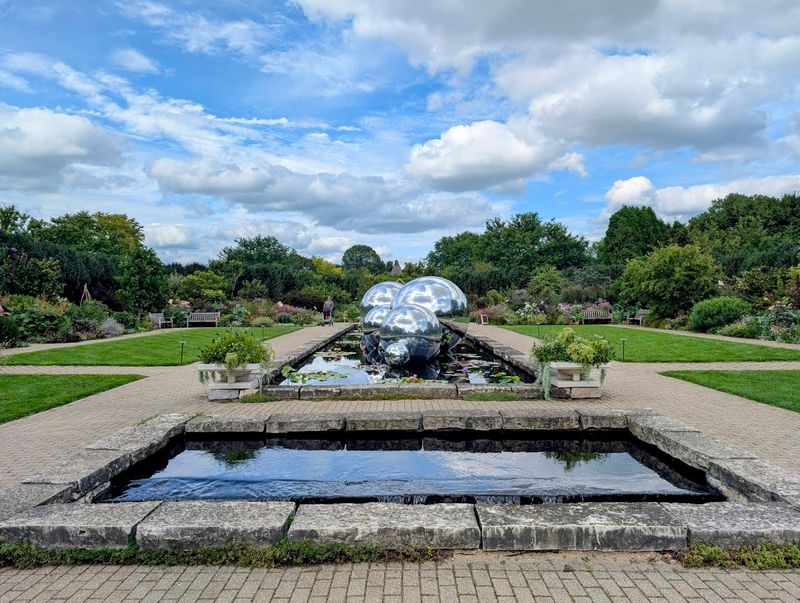
Spring bulbs emerge as early as March when snow still covers portions of the garden, their blooms signaling the start of the growing season. Tulips and daffodils give way to irises and peonies as temperatures warm, creating waves of color that shift week by week.
Summer brings peak bloom in the rose garden and perennial borders, with salvias, coneflowers, and ornamental grasses reaching full height. The lily ponds become focal points as aquatic plants mature and water lilies open their flowers.
Autumn transforms the garden again as foliage plants dominate the color palette. Grasses turn golden, sedums develop bronze tones, and late-blooming perennials extend the season into October.
Winter strips the garden to its structural bones, revealing the thoughtful placement of evergreens and the architecture of bare branches. The conservatory becomes the primary attraction during cold months, offering tropical warmth when outdoor gardens rest beneath snow.
This seasonal rhythm keeps the garden fresh for repeat visitors, ensuring that each trip reveals different aspects of the collection and new combinations of plants in bloom.
Water Features That Add To The Garden’s Atmosphere
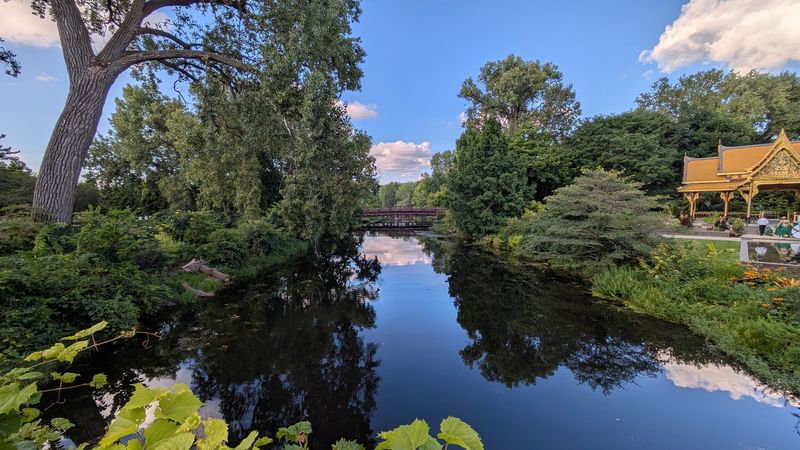
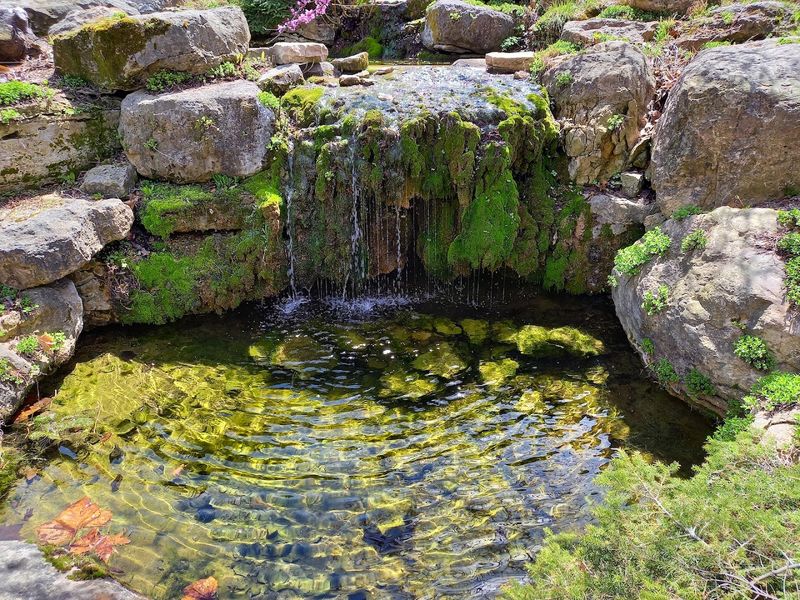
Ponds and streams thread through Olbrich, creating reflective surfaces that double the visual impact of surrounding plantings. The water features serve practical purposes for aquatic plant collections while contributing sound and movement that animate the garden landscape.
Fountains operate during warmer months, their gentle splashing providing auditory interest without overwhelming conversation. The water circulates through filtration systems that maintain clarity and support fish populations that help control mosquitoes.
Edges transition gradually from water to land, planted with moisture-loving species that create natural-looking margins. Cattails, irises, and rushes establish habitat for frogs and dragonflies that complete the ecosystem.
The Thai Pavilion sits beside the largest pond, its gilded surfaces reflecting in the water to create a focal point visible from multiple vantage points throughout the garden. This structure was a gift from the Thai government, assembled by Thai craftsmen who traveled to Madison for the installation.
Visitors often pause at water features longer than at other garden areas, drawn by the calming effect of moving water and the opportunity to observe fish and aquatic life.
Popular Spot For Photography And Quiet Moments
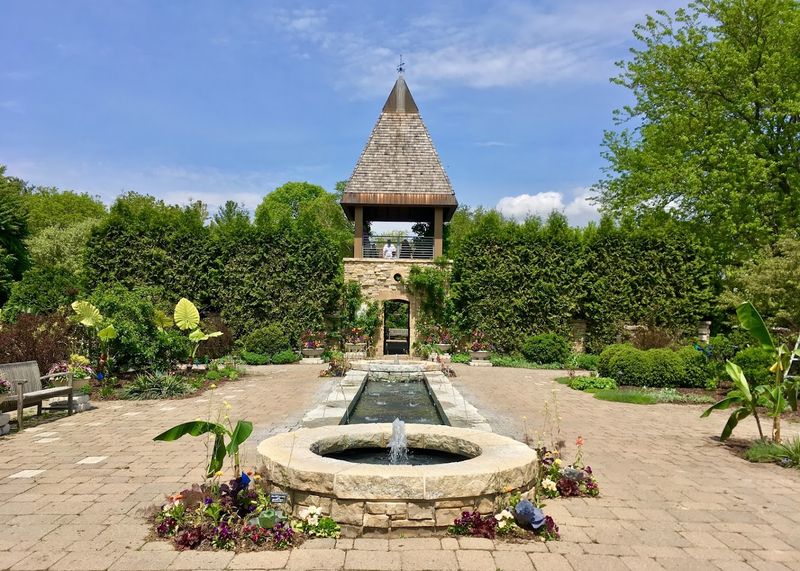
Cameras appear throughout Olbrich during all seasons, with photographers ranging from professionals with elaborate equipment to smartphone users capturing quick snapshots. The garden provides endless subjects, from macro opportunities with individual blooms to landscape compositions incorporating multiple garden elements.
Wedding parties arrive regularly for formal portraits, the conservatory and Thai Pavilion serving as popular backdrops. The garden accommodates these sessions while maintaining access for general visitors, designating specific times and areas for commercial photography that requires permits.
Beyond photography, the garden attracts visitors seeking solitude and mental restoration. Benches positioned throughout the grounds offer spots for reading, sketching, or simple observation, removed from the demands of daily life.
The combination of free outdoor admission and peaceful atmosphere makes Olbrich accessible to people across economic circumstances. Students study on benches during pleasant weather, retirees make regular visits part of their weekly routines, and families introduce children to plants and insects in a controlled environment.
The garden maintains this contemplative character even during busy periods, the space somehow absorbing crowds without feeling congested or losing its essential calm.
Madison Favorite That Draws Visitors Year After Year
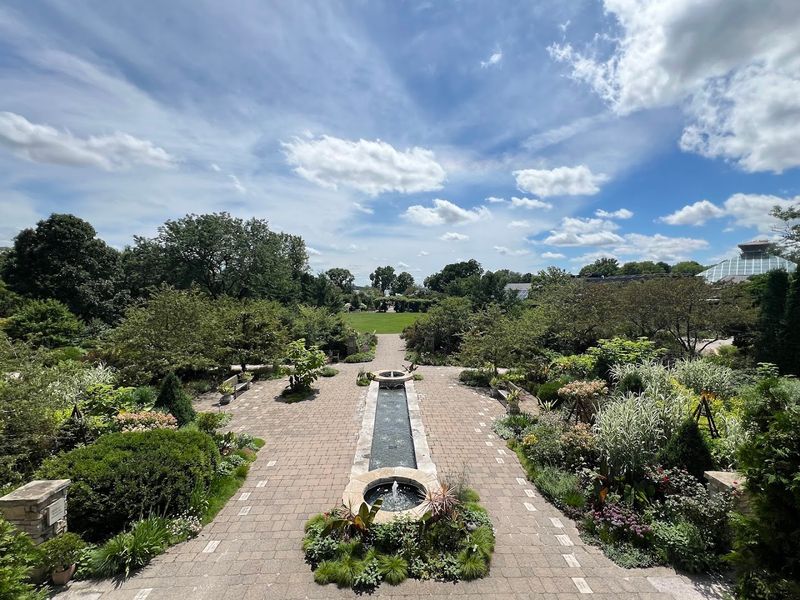
Local residents return to Olbrich across decades, marking life passages and seasonal transitions with garden visits that become personal traditions. The combination of free admission and consistently high-quality maintenance removes barriers that might limit repeat visits to other cultural attractions.
Membership programs support garden operations while giving frequent visitors a stake in the institution’s success. Members receive benefits including conservatory admission and advance notice of special events, though many join primarily to support an organization they value.
The garden hosts seasonal events that draw crowds beyond regular visitors. Gleam, an evening light installation held during autumn, transforms the grounds with artistic illumination that creates an entirely different experience of familiar spaces.
Educational programs serve children and adults, offering classes in botanical illustration, garden design, and plant care that deepen participant understanding of horticulture. These programs build community among gardening enthusiasts while generating revenue that supplements the operating budget.
Staff consistency contributes to the garden’s sustained quality, with horticulturists and volunteers maintaining institutional knowledge that informs planting decisions and long-term planning for collection development and infrastructure improvements.
Garden That Balances Natural Beauty With Thoughtful Design
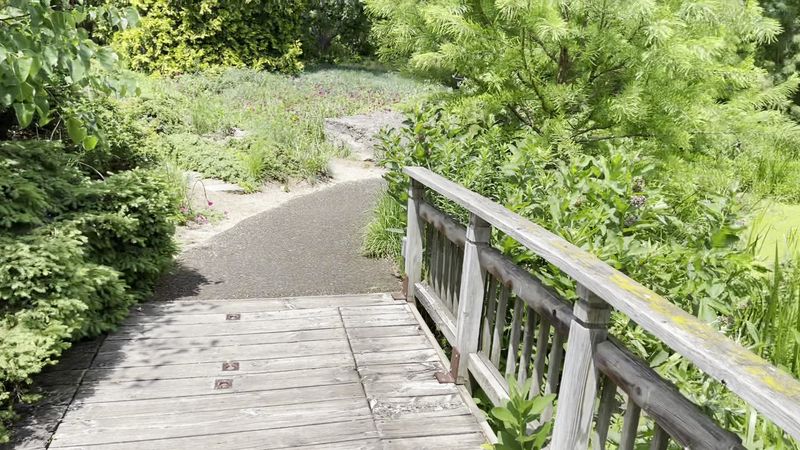
Olbrich navigates the tension between formal garden design and natural plant communities, creating spaces that feel both intentional and organic. Formal beds near the entrance and conservatory give way to looser plantings in outlying areas, acknowledging different aesthetic preferences while maintaining horticultural standards throughout.
The garden avoids the sterile perfection that can make botanical collections feel like outdoor museums, instead allowing plants to self-seed and spread within controlled parameters. This approach creates casual abundance that reads as generous rather than chaotic.
Design principles remain visible in the careful attention to color combinations, seasonal succession, and spatial relationships between different garden rooms. Evergreen structures provide year-round framework that supports changing displays of flowering plants.
Hardscape elements including paths, walls, and structures receive the same thoughtful consideration as plant selections. Materials and styles suit the Midwest setting without defaulting to predictable regional clichés.
The result feels mature and settled, as though the garden has occupied this site for generations rather than decades. This quality emerges from patient cultivation and respect for the time required for plants and landscapes to develop character and depth.