
This Wisconsin Botanical Garden Is So Pretty, It Belongs On Every Bucket List
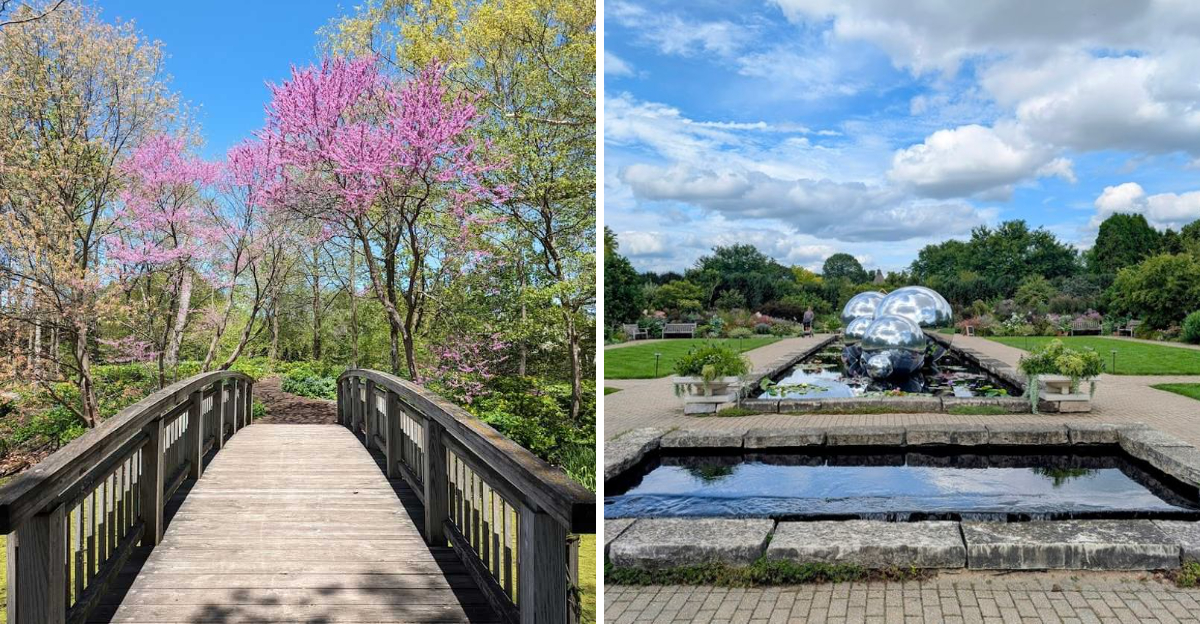
A quiet garden can change the pace of an entire day, especially when it offers more than pretty flowers. In Wisconsin, this Madison spot combines outdoor paths, tropical colour, seasonal displays, and one architectural surprise that feels completely unexpected.
Visitors can wander through peaceful gardens, step into a warm conservatory, admire changing blooms, and enjoy a setting that feels calm without being boring. The experience is affordable, easy to fit into a day trip, and rewarding in every season.
For anyone planning a beautiful Wisconsin outing that does not feel crowded or overcomplicated, this garden gives Madison a very good reason to pause.
A Madison Garden With Sixteen Acres Of Outdoor Beauty
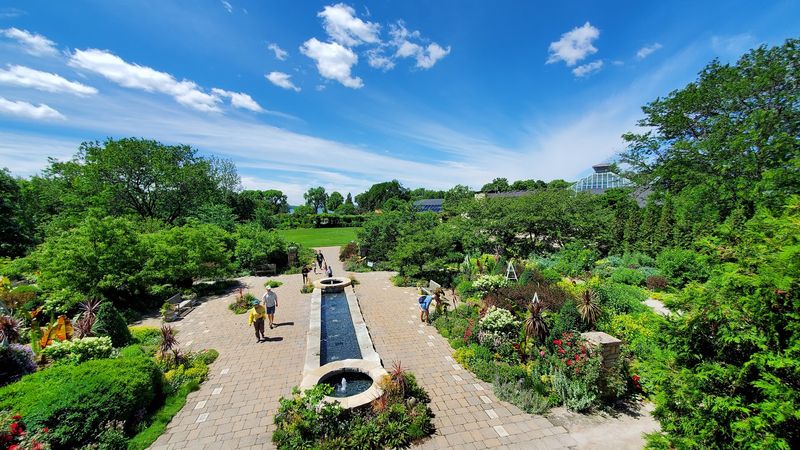
Olbrich Botanical Gardens opens daily from 10 AM to 6 PM, and the outdoor grounds welcome visitors without charging admission. That generosity makes it accessible to everyone, from families looking for an afternoon outing to photographers hunting for the perfect shot.
The sixteen acres contain enough variety to fill several hours, with paths that wind through different garden styles and moods.
Most visitors arrive expecting a quick stroll and end up staying much longer than planned. The layout encourages slow exploration rather than rushing from one landmark to another.
Benches appear at regular intervals, inviting you to sit and absorb the surroundings instead of treating the visit like a checklist.
Free parking adds another layer of convenience that bigger attractions often overlook. You can visit multiple times throughout the growing season and watch the landscape transform without worrying about the cost adding up over repeated trips.
The Royal Thai Pavilion Gives The Garden Its Signature View
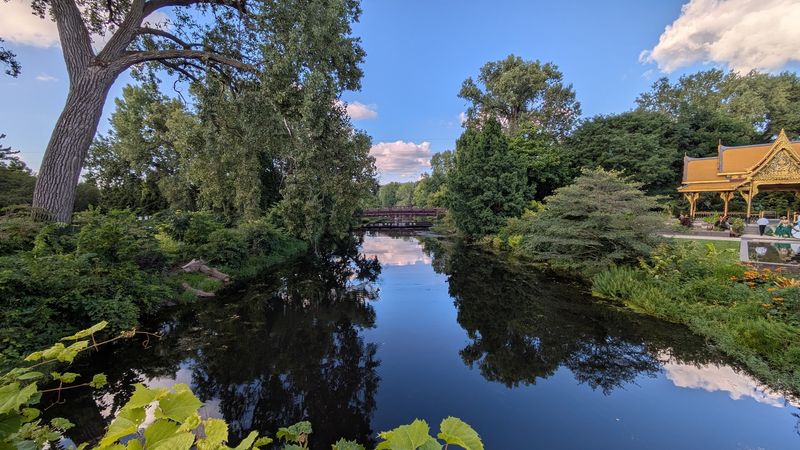
A gilded structure rises near the edge of the garden, catching sunlight in ways that seem almost impossible for Wisconsin. The Royal Thai Pavilion arrived as a gift from the Thai government and the Thai Chapter of the American Institute of Architects, celebrating the relationship between Madison and its sister city of Chiang Mai.
Its presence feels unexpected and entirely fitting at the same time.
Gold leaf covers the exterior, creating a shimmer that changes throughout the day as light shifts across the water. The pavilion sits beside a reflecting pond that doubles its visual impact, particularly on calm days when the surface turns mirror-smooth.
Photographers circle this spot repeatedly, searching for the angle that captures both the structure and its watery twin.
The craftsmanship speaks to traditions carried across continents. Thai artisans completed the work using methods passed down through generations, resulting in details that reward close inspection rather than a quick glance from a distance.
It Has The Only Thai Pavilion In The Continental United States
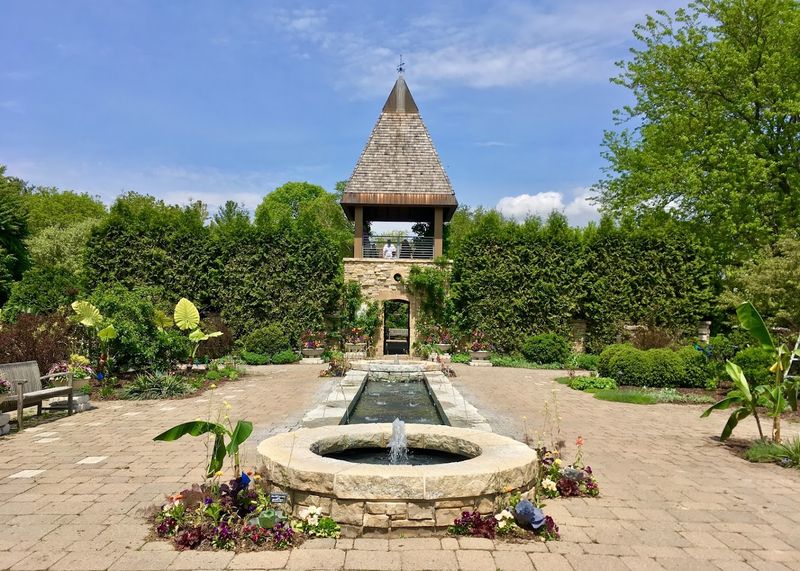
No other location in the continental United States can claim this particular distinction. The pavilion stands alone in its category, making Olbrich a destination for anyone interested in Thai architecture without the ability to travel overseas.
That uniqueness draws visitors who might otherwise skip a botanical garden entirely, adding an international dimension to what could have remained a purely regional attraction.
The structure took shape in Thailand before being disassembled and shipped to Madison for reconstruction. That process required coordination between craftsmen on two continents, along with careful documentation to ensure every piece found its proper place.
The result justifies the effort, creating a landmark that functions as both art and architecture.
Local residents often bring out-of-town guests here specifically to show them something they cannot see elsewhere. The pavilion has become a point of civic pride, representing cultural exchange in tangible form rather than abstract diplomatic language.
The Thai Garden Brings A Tropical Feel To Wisconsin
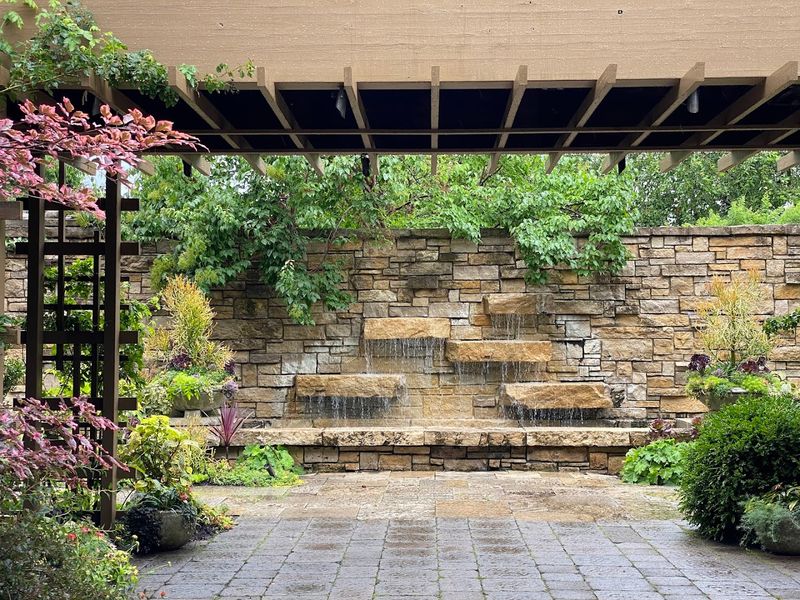
Surrounding the pavilion, the Thai Garden extends the international theme through plant selection and design principles borrowed from Southeast Asian traditions. Stone lanterns mark pathways while water features add sound to the visual experience.
The plantings lean toward species that can survive Wisconsin winters while still suggesting warmer climates, a balancing act that requires horticultural knowledge and creative thinking.
During summer months, the garden reaches peak lushness, with foliage thick enough to create shaded pockets and hidden corners. The design encourages meandering rather than direct routes, with small discoveries waiting around each turn.
Benches placed at strategic points let visitors pause and absorb the atmosphere without feeling rushed.
The garden demonstrates how borrowed aesthetics can adapt to local conditions without losing their essential character. It avoids becoming a literal recreation while still capturing the spirit of its inspiration, resulting in something that feels authentic rather than like a theme park interpretation.
The Bolz Conservatory Adds A Warm Indoor Escape
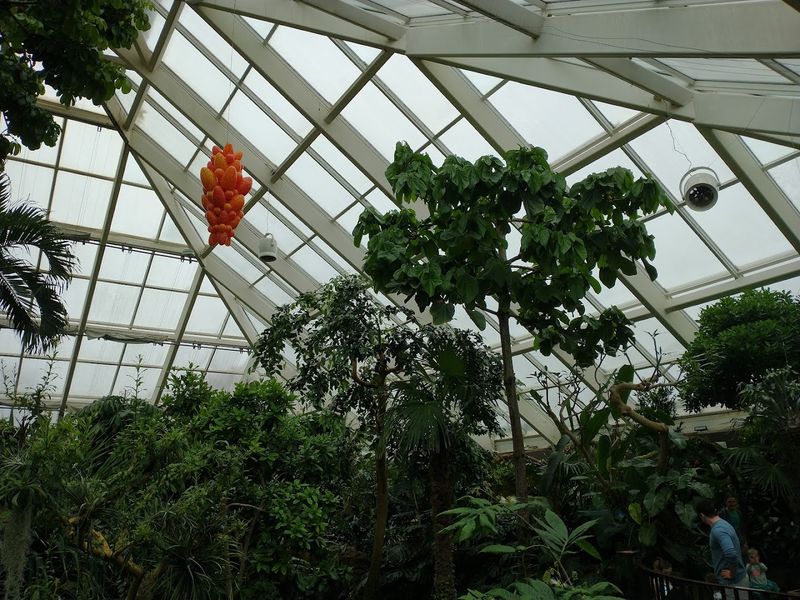
Glass walls rise to enclose a tropical environment that operates year-round, offering a warm retreat during Wisconsin’s lengthy winter. The Bolz Conservatory charges a modest admission fee, currently around six dollars, which supports the maintenance of plants that require consistent heat and humidity.
Inside, the temperature stays comfortable even when snow covers the outdoor gardens.
Birds fly freely through the space, adding movement and occasional song to the experience. Small quail scurry along the ground while canaries dart between branches overhead.
The combination of living plants and active wildlife creates an immersive environment that feels more like a jungle fragment than a traditional greenhouse.
Visitors often spend an hour or more winding through the paths, which gradually ascend to an upper level before looping back to the entrance. The design makes the space feel larger than its actual footprint, with sight lines blocked by foliage and terrain changes that prevent you from seeing the entire conservatory at once.
Specialty Gardens Make Every Turn Feel Different
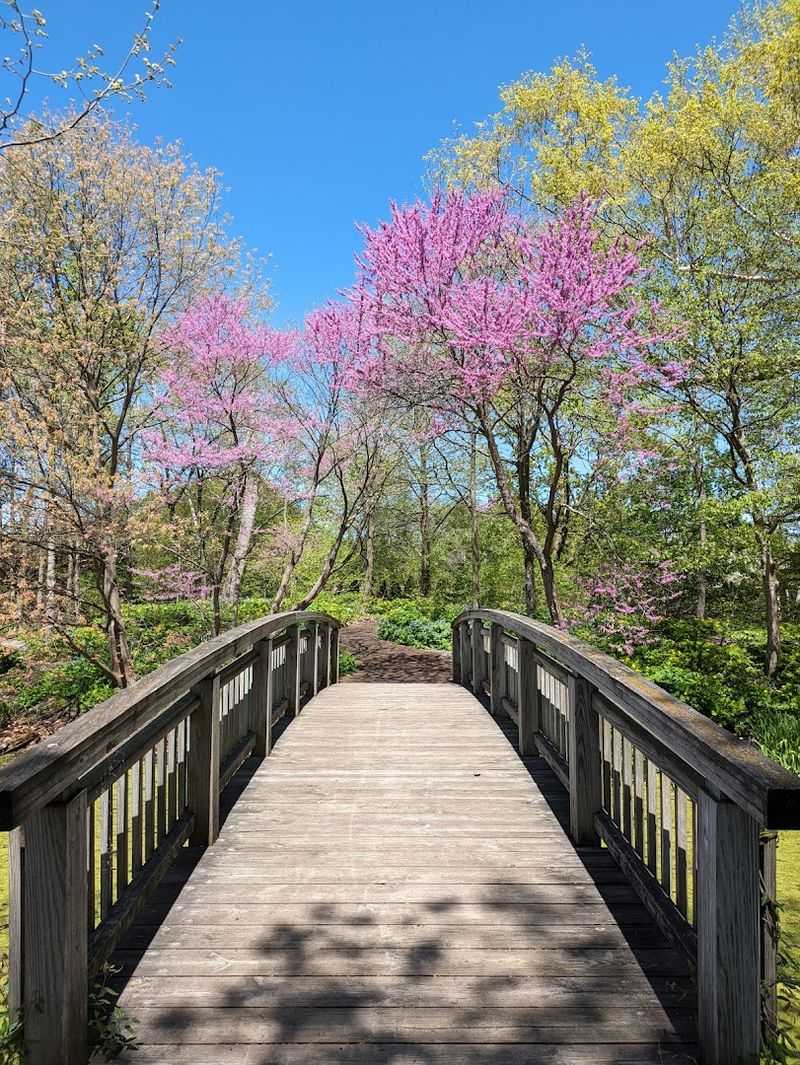
Rather than maintaining a single aesthetic throughout, Olbrich divides its acreage into distinct garden types that shift mood and focus. This approach means you might move from a formal rose garden into a wildflower meadow within minutes, experiencing contrasting styles without leaving the property.
Each specialty area receives attention appropriate to its theme, with plant selections and maintenance schedules tailored to support specific goals.
The variety prevents the visual fatigue that can set in at larger gardens where similar plantings stretch for acres. Your eyes and mind stay engaged because the surroundings keep changing, offering new colors, textures, and scents as you progress along the paths.
Signage helps orient visitors without overwhelming the landscape, marking transitions between garden types clearly enough to inform without cluttering sightlines.
Repeat visitors often develop favorite sections while still discovering overlooked corners on subsequent trips. The layout rewards both focused exploration of individual gardens and broader wandering that takes in the entire property.
The Sunken Garden Is One Of The Prettiest Photo Spots
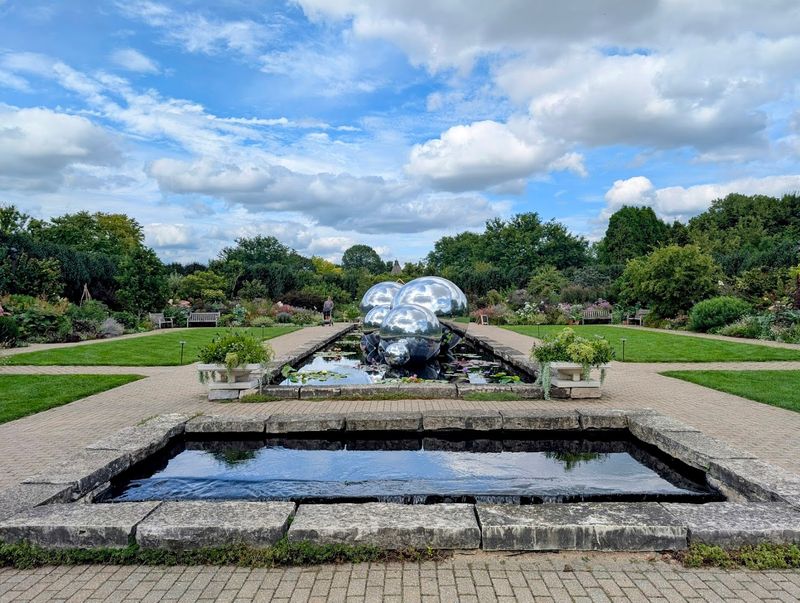
Steps descend into a formal garden space that sits below the surrounding grade, creating a sense of enclosure and intimacy. Stone walls frame the perimeter while plantings fill the interior with color that changes throughout the growing season.
The sunken design offers elevated viewpoints from multiple angles, letting photographers shoot down into the composition rather than across it at ground level.
Peak bloom times turn this area into one of the most photographed spots on the property. The formal layout provides structure that complements rather than competes with the organic forms of flowers and foliage.
Symmetry guides the eye without feeling rigid, achieving a balance between order and natural growth.
Many visitors return specifically to photograph the sunken garden during different seasons, building collections that document how the space transforms. Spring bulbs give way to summer perennials, which eventually yield to fall displays, each phase offering distinct visual possibilities for anyone with a camera.
The Perennial Garden Adds Colour Throughout The Growing Season
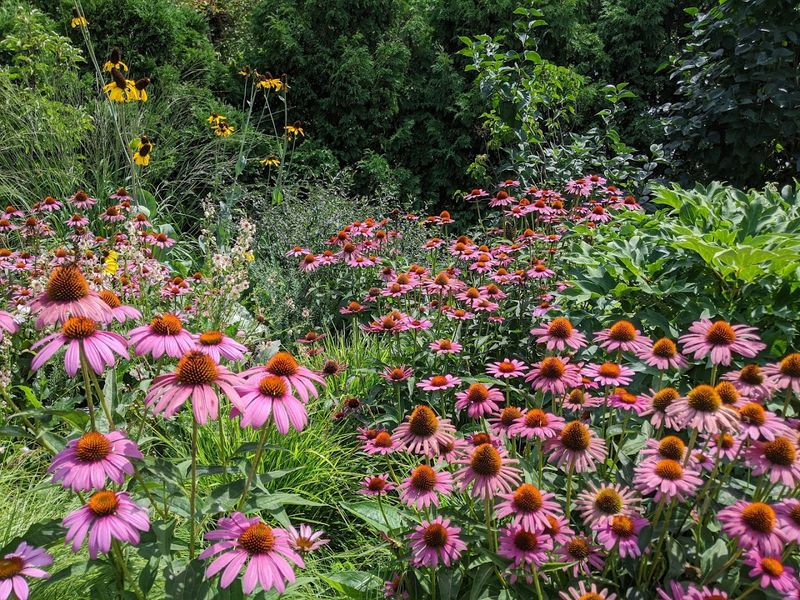
Perennials return year after year, and the dedicated section at Olbrich showcases varieties selected for extended bloom periods and complementary color combinations. The plantings aim for continuous interest rather than a single peak moment, meaning visitors find something in flower from spring through fall.
This approach requires careful planning and knowledge of how different species time their blooms.
Groupings mix heights and textures to create depth and visual complexity. Tall specimens rise in back while shorter plants fill the foreground, with mid-height varieties bridging the transition.
The layering prevents any single plant from dominating while ensuring that everything remains visible from the pathways.
Gardeners visit this section to gather ideas for their own properties, studying combinations that work and noting varieties that thrive in the local climate. The perennial garden functions as both display and educational resource, demonstrating practical applications of design principles rather than showcasing exotic rarities that few could replicate at home.
The Herb Garden Gives Visitors A Fragrant Little Detour
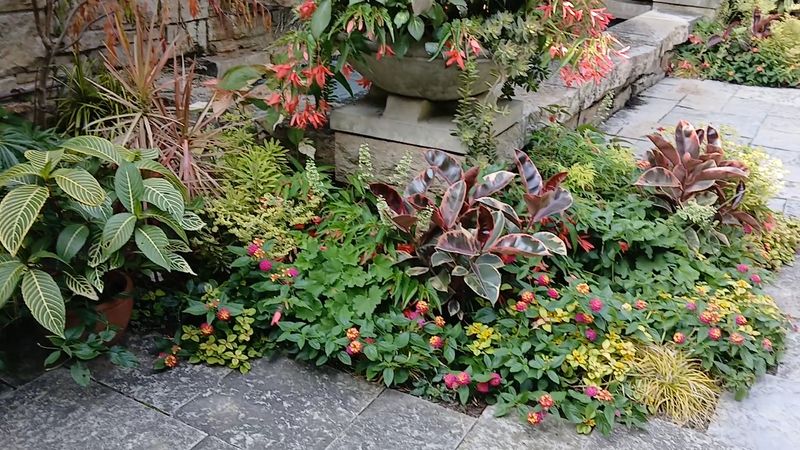
Scent becomes the primary attraction in the herb garden, where brushing against foliage releases oils that carry oregano, thyme, basil, and dozens of other fragrances. The plantings include both culinary varieties and species grown primarily for their aromatic properties.
Labels identify each plant, helping visitors connect names with the smells and appearances they encounter.
The garden occupies a relatively small footprint compared to some of the showier sections, but it draws consistent attention from people interested in cooking or natural remedies. Many herbs produce modest flowers that lack the visual punch of roses or dahlias, yet the overall effect remains appealing through texture and the promise of practical use.
Children often respond well to this area because the sensory engagement goes beyond just looking. Teachers bring school groups here to discuss plant uses and the history of herbs in medicine and food preparation, adding educational context to what might otherwise be a simple stroll through greenery.
The Rose Garden Brings A Classic Romantic Touch
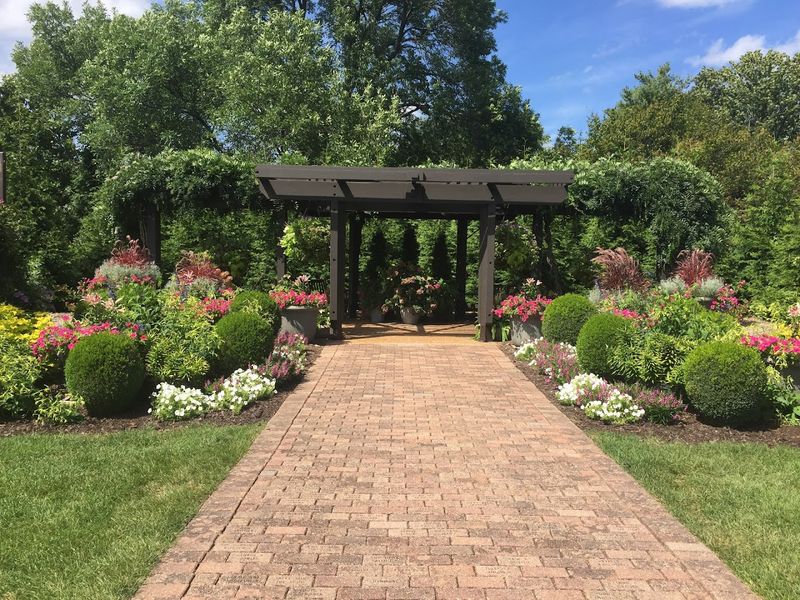
Roses carry cultural weight that few other flowers can match, and the dedicated rose garden at Olbrich honors that tradition through careful variety selection and formal layout. Beds contain both modern hybrids and older cultivars, offering a range of forms, colors, and fragrances.
Peak bloom typically arrives in early summer, though many varieties continue producing flowers until frost.
The garden design follows classical principles with symmetrical beds and clear pathways that guide visitors through the collection. Arches support climbing varieties while standards rise on single stems, creating vertical interest above the bushy growth of shrub roses.
The formality suits the subject matter, matching the elegance that roses represent in literature and art.
Wedding photographers frequently book sessions here during bloom season, taking advantage of the romantic associations and reliable beauty. The roses also attract serious growers who study disease resistance, bloom habits, and other characteristics while planning their own gardens.