
This Wisconsin Church Is One Of The Most Breathtaking Gothic Landmarks In The Midwest
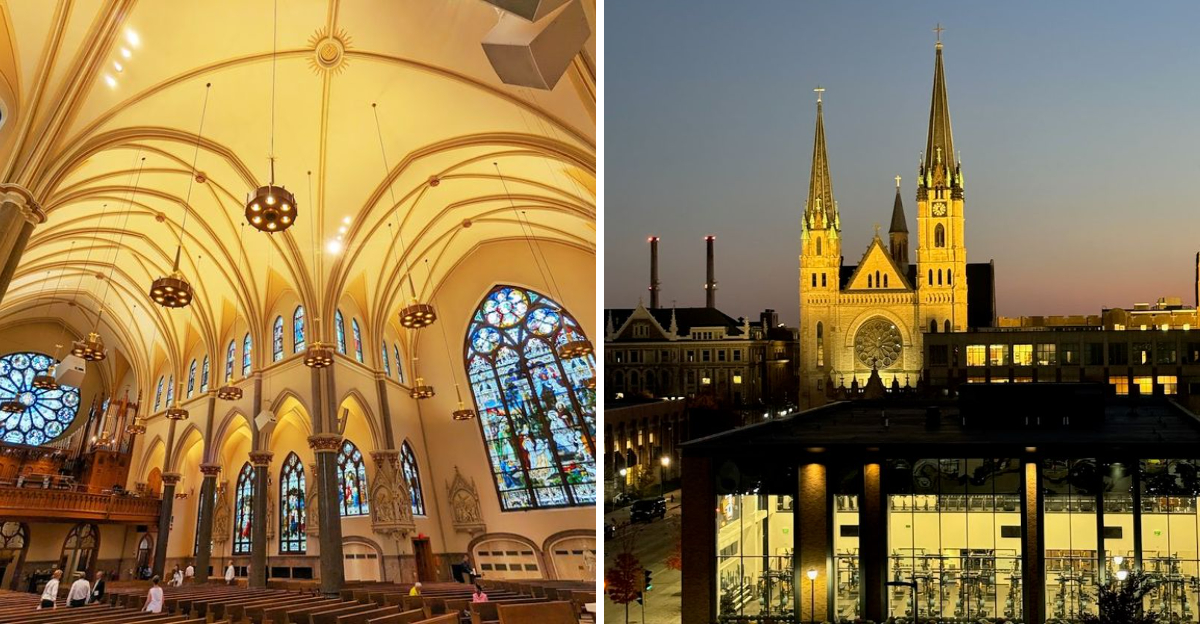
Milwaukee has a way of surprising you, but this Wisconsin church raises the bar fast. One glance at its twin spires, carved details, and old world drama, and the city suddenly feels a little more like Europe.
Built in the 1890s, the Gothic Revival landmark still anchors campus life while giving architecture lovers plenty to stare at. Sunlight pours through stained glass. Stone arches stretch overhead. Every corner seems designed to make you slow down, look up, and forget the traffic outside.
It is grand without feeling cold, historic without feeling dusty, and beautiful enough to make even a quick visit feel like a small event. For travelers chasing Milwaukee’s most unforgettable sights, this church earns its place.
Milwaukee’s Skyline Defining Gothic Landmark
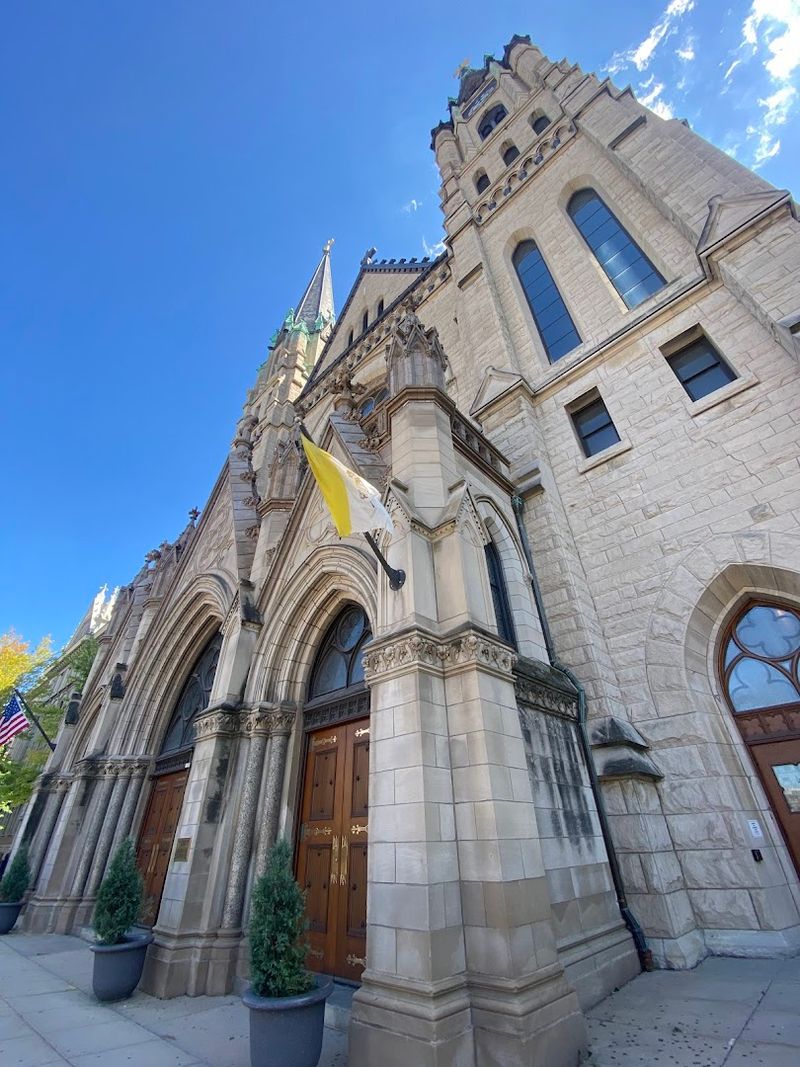
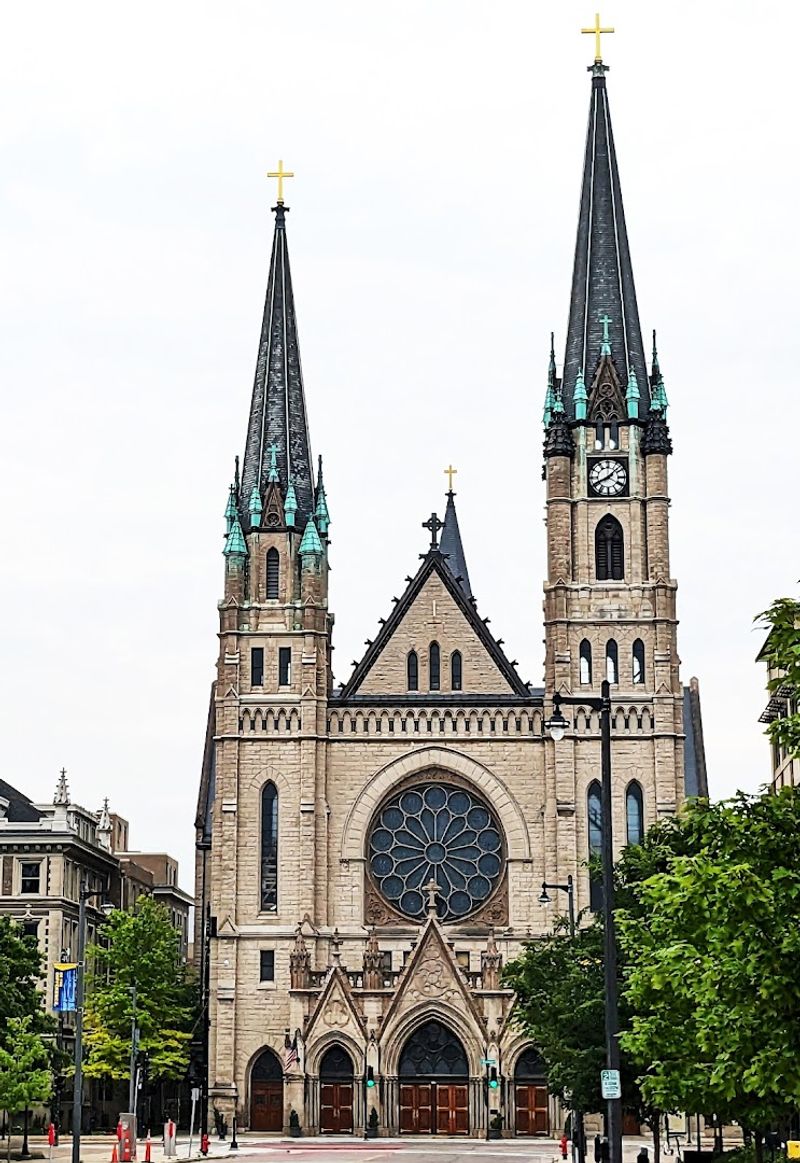
From blocks away, the twin spires of Gesu Church pierce the Milwaukee skyline with unmistakable authority. Completed in 1894, this architectural marvel has served as a visual anchor for the city’s west side for more than a century.
The vertical thrust of its Gothic design creates a dramatic silhouette that photographers and artists have captured countless times.
Positioned at 1145 West Wisconsin Avenue, the church sits prominently on the Marquette University campus. Its location places it at the intersection of academic life and urban energy, making it accessible to both students and city residents.
The building’s height and ornate details make it impossible to overlook when traveling through this historic neighborhood.
The structure has earned its place on the National Register of Historic Places since 1986. Recognition of its architectural significance confirms what locals have known for generations: this is no ordinary house of worship but rather a defining feature of Milwaukee’s cultural landscape.
The Architecture Was Inspired By One Of Germany’s Most Famous Cathedrals
The designers of Gesu Church looked across the Atlantic for inspiration, drawing heavily from German Gothic cathedral traditions. This influence appears in every pointed arch, ribbed vault, and carefully carved stone detail throughout the building.
The result feels authentically European while maintaining its own distinct character as an American interpretation of medieval design principles.
Walking through the entrance, visitors encounter proportions and spatial arrangements that echo the great cathedrals of Germany. The architects understood how to manipulate light, height, and ornamentation to create an environment of transcendence.
These design choices were deliberate attempts to transport worshippers beyond their everyday experience into something more profound.
Such careful attention to historical precedent required both knowledge and skill. The craftsmen who built Gesu possessed an understanding of traditional construction methods that has largely disappeared from modern building practices.
Their work stands as testament to an era when religious architecture represented the highest achievement of the building arts.
Every Detail Was Designed To Make Visitors Look Up In Awe
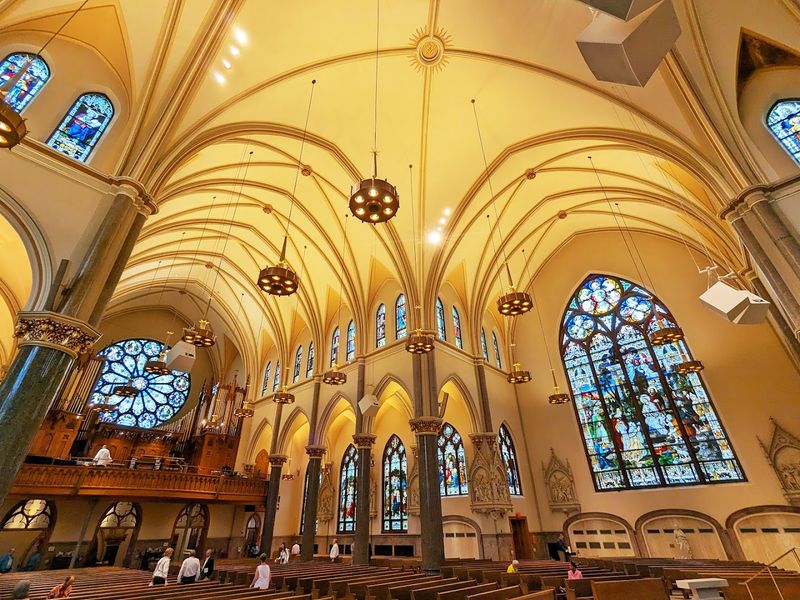
Gothic architecture operates on a simple principle: direct the human gaze upward. Gesu Church accomplishes this goal with remarkable effectiveness through its soaring ceilings and vertical emphasis.
The pointed arches create natural lines that pull attention toward the heavens, while the ribbed vaulting overhead adds visual complexity that rewards extended observation.
Stepping inside for the first time typically produces an audible gasp from visitors. The scale of the interior space exceeds what most people expect, creating an immediate sense of grandeur.
This reaction occurs regardless of religious affiliation, as the architectural impact transcends any single belief system.
The builders employed numerous techniques to enhance this upward movement. Slender columns rise without interruption from floor to ceiling, emphasizing height over horizontal spread.
Decorative elements concentrate in the upper reaches of the building, encouraging viewers to crane their necks and discover new details. Even the lighting scheme reinforces this vertical orientation, with windows placed high on the walls to create shafts of illumination that descend from above.
The Stained Glass Windows Turn Sunlight Into A Work Of Art
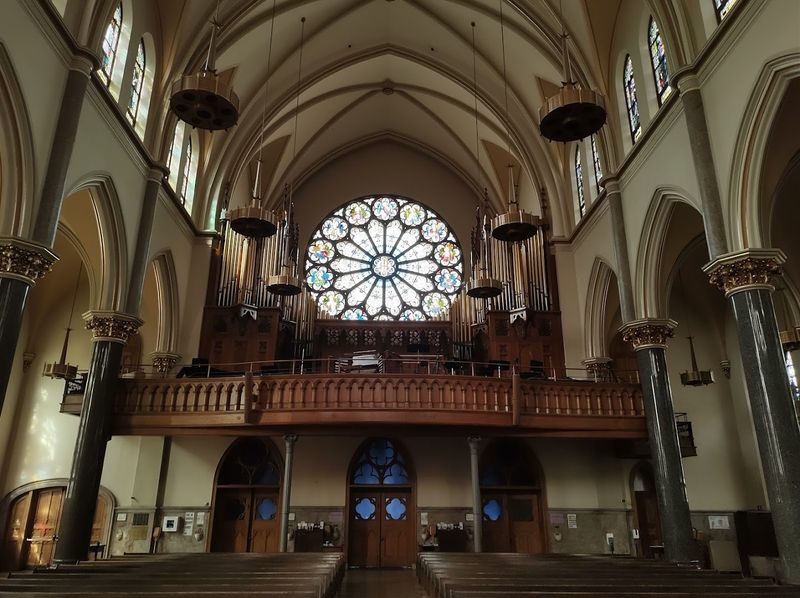
Sunlight passing through colored glass creates magic that no electric bulb can replicate. The stained glass windows at Gesu Church demonstrate this truth with spectacular effect, transforming ordinary daylight into pools of ruby, sapphire, and emerald that shift across the stone floor as hours pass.
Each window tells its own story through carefully arranged pieces of colored glass held together by lead came.
The collection of windows represents significant artistic and financial investment. Craftsmen created these panels using traditional techniques that require both artistic vision and technical precision.
The colors derive from metallic oxides mixed into molten glass, producing hues that remain vibrant even after more than a century of exposure to Wisconsin weather.
Visiting at different times of day reveals entirely different experiences. Morning light from the east creates one mood, while late afternoon sun from the west produces another.
Many visitors return multiple times to observe how seasonal changes in the sun’s angle alter the interior atmosphere throughout the year.
A Massive Pipe Organ Adds To The Sense Of Grandeur
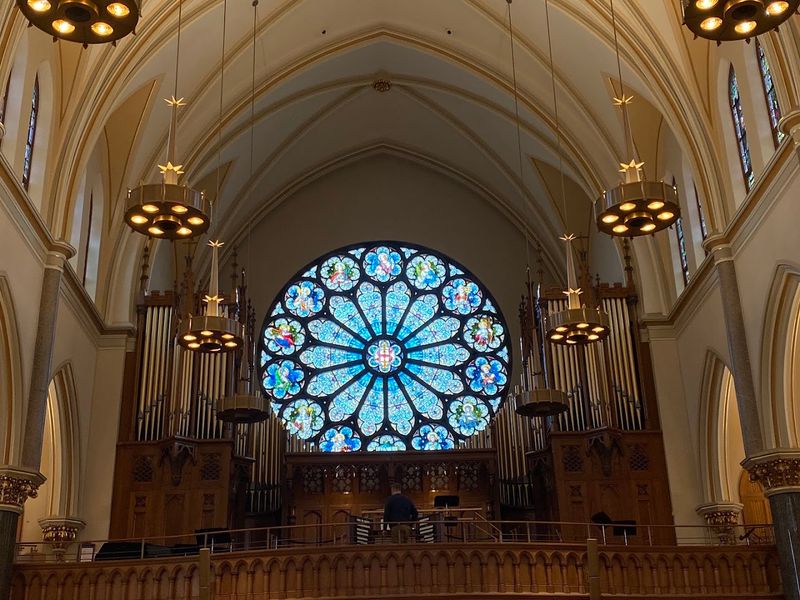
The pipe organ at Gesu Church represents one of the finest musical instruments in the region. Its thousands of pipes range from pencil-thin reeds to massive tubes that produce notes felt as much as heard.
When played during services or concerts, the organ fills the entire building with sound that seems to emanate from the walls themselves rather than any single location.
This instrument requires regular maintenance and tuning to keep its complex mechanical systems functioning properly. Each pipe must speak clearly at the correct pitch, a challenge that becomes more difficult as temperature and humidity fluctuate with the seasons.
Skilled technicians dedicate hours to ensuring the organ remains in optimal playing condition.
The visual impact of the organ case adds to its musical contribution. Carved wooden panels and gilded details frame the pipes in an architectural statement that complements the Gothic interior.
Standing before this impressive instrument, visitors gain appreciation for the craftsmanship required to build something both beautiful and functional on such a monumental scale.
The Exterior Looks Like Something You’d Expect To Find In Europe
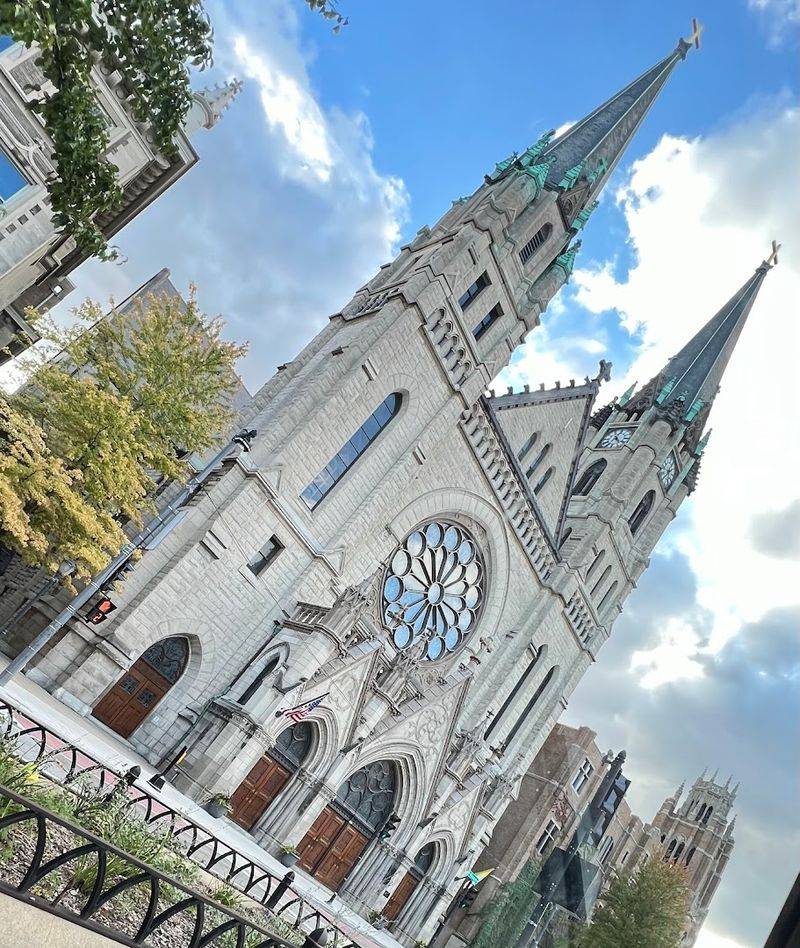
First-time visitors often express surprise at finding such authentic Gothic architecture in Milwaukee. The exterior stonework displays the kind of meticulous carving and attention to detail typically associated with medieval European construction.
Flying buttresses, pinnacles, and sculptural elements combine to create a facade that would look perfectly at home in France or Germany.
The stone itself has weathered beautifully over the decades. Its surface shows the natural patina that comes from more than a century of exposure to rain, snow, and wind.
This aging process adds character rather than diminishing the building’s appearance, giving it the gravitas that only time can provide.
Architectural historians recognize Gesu as an exceptional example of Gothic Revival design in America. The building demonstrates that skilled architects and craftsmen working in the late nineteenth century could successfully adapt European traditions to American settings.
The result stands as proof that great architecture transcends geographical boundaries and speaks to universal human aspirations for beauty and meaning.
It Sits At The Heart Of A Historic Milwaukee Campus
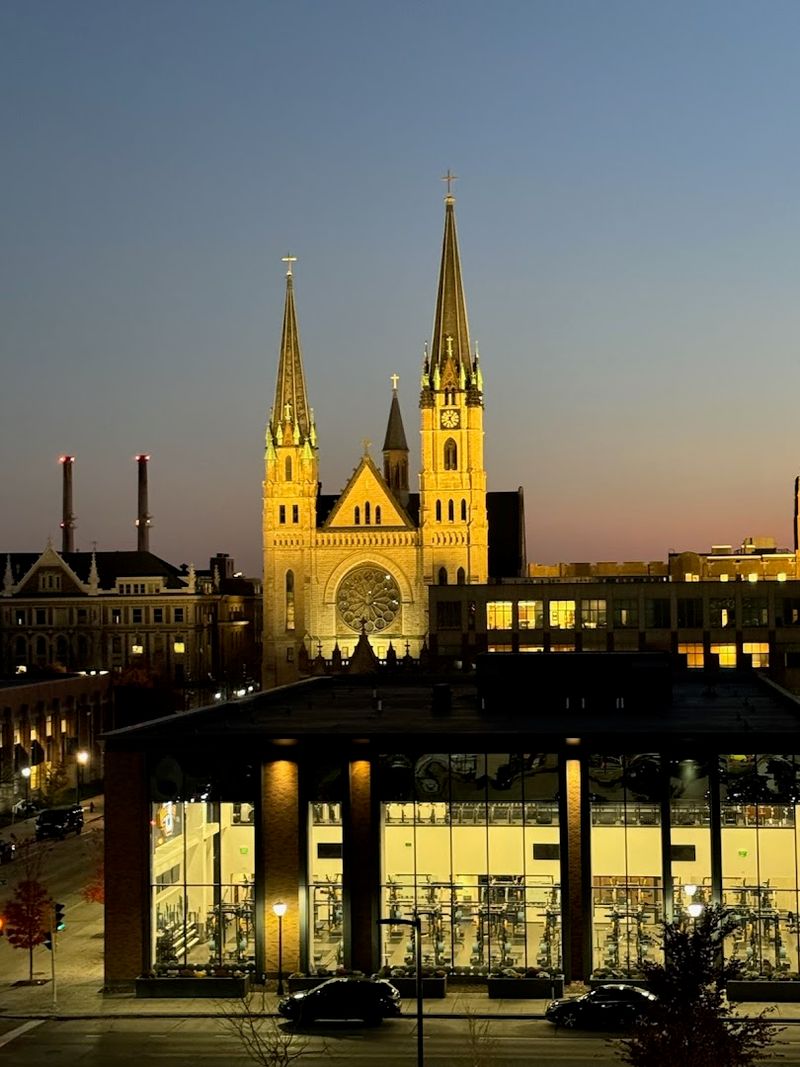
The relationship between Gesu Church and Marquette University runs deep. Since its construction, the church has served as the spiritual heart of campus life, providing a physical and symbolic center for the Jesuit educational mission.
Students walking between classes pass by its imposing walls daily, creating a constant visual reminder of the university’s religious heritage.
This integration of church and campus creates unique dynamics. The building functions simultaneously as an active parish serving the surrounding neighborhood and as a university chapel hosting academic ceremonies and student gatherings.
Weddings, funerals, concerts, and regular worship services all take place within its walls, making it a genuinely multipurpose community resource.
The church’s presence shapes the character of the entire campus. Its Gothic architecture sets an aesthetic standard that influenced the design of nearby buildings, creating visual cohesion across the university grounds.
For alumni returning years after graduation, the sight of Gesu’s spires triggers powerful memories of their time in Milwaukee.
Restoration Efforts Have Helped Preserve Its Original Beauty
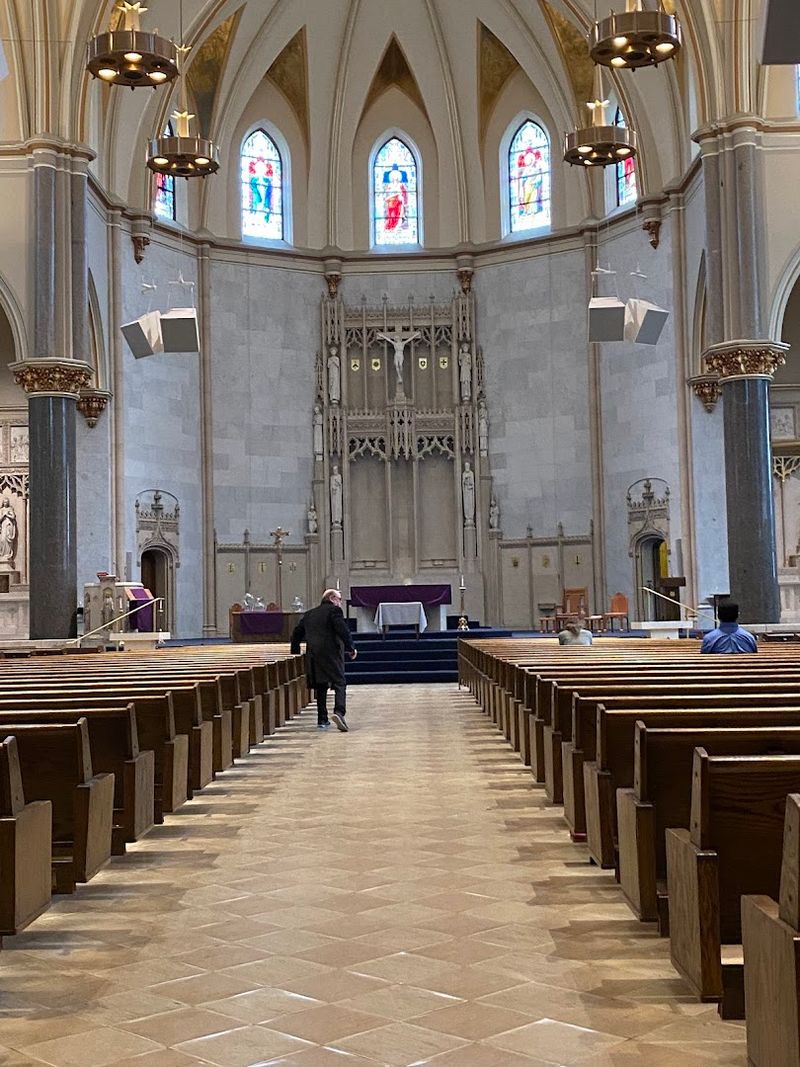
Maintaining a building of this age and complexity requires ongoing dedication and substantial financial resources. Recent restoration projects have addressed deteriorating stonework, updated mechanical systems, and cleaned surfaces dulled by decades of accumulated grime.
These efforts aim to preserve the church’s original beauty while ensuring it remains functional for contemporary use.
The most recent major renovation occurred in late 2024, bringing fresh attention to interior details that had grown dim over time. Workers carefully cleaned stone surfaces, repaired damaged plasterwork, and restored decorative elements to their intended appearance.
The results revealed colors and details that many regular attendees had never noticed before.
Preservation work on historic buildings presents unique challenges. Modern building codes must be satisfied without compromising architectural integrity, and new systems must be integrated invisibly into century-old structures.
The teams working on Gesu have demonstrated remarkable skill in balancing these competing demands, ensuring the church will continue serving the community for generations to come.
Visitors Don’t Need To Be Religious To Appreciate What They’re Seeing
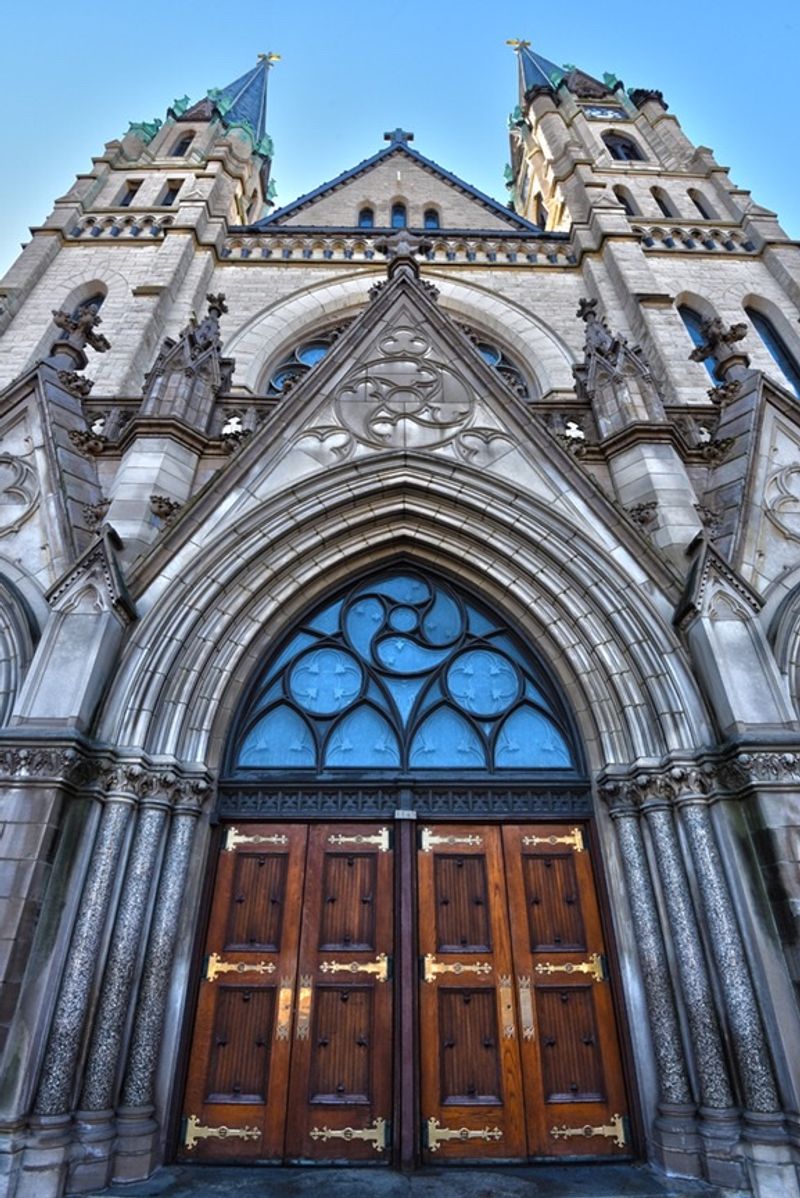
Architecture of this caliber transcends religious boundaries. People from all backgrounds and belief systems visit Gesu Church to admire its artistic and historical significance.
The building functions as both a place of worship and a cultural landmark, offering different experiences to different visitors while remaining welcoming to all.
Many who enter these doors come seeking aesthetic rather than spiritual experiences. They photograph the stained glass, study the architectural details, and appreciate the craftsmanship without participating in religious services.
The church accommodates this interest, recognizing that beauty itself can be a form of outreach and that exposing people to great architecture serves the broader community.
This openness reflects confidence in the building’s power to speak for itself. The Gothic design creates an atmosphere that affects people regardless of their religious convictions.
Standing in a space of such intentional beauty and careful proportion produces reactions that go beyond intellectual appreciation into something more visceral and immediate.
Standing Inside Feels Like Stepping Into Another Era
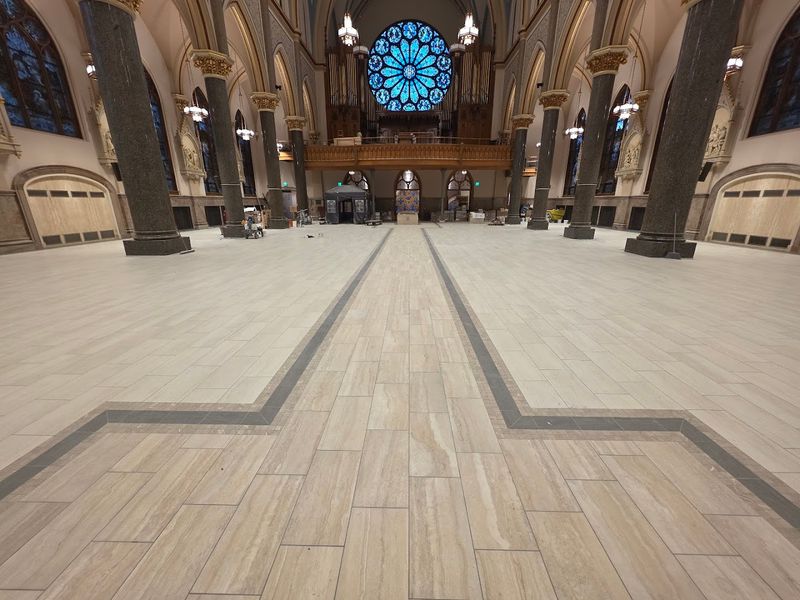
Crossing the threshold into Gesu Church creates an immediate sense of temporal displacement. The modern world with its noise and hurry seems to fall away, replaced by an environment that operates according to different rhythms and priorities.
This feeling comes partly from the architecture itself and partly from the accumulated history contained within these walls.
The interior has witnessed countless human dramas over more than a century. Generations of Milwaukee families have celebrated weddings, mourned losses, and marked life’s significant transitions in this space.
That collective memory seems to permeate the stone and wood, creating an atmosphere distinct from newer buildings that lack such layered histories.
Time moves differently in spaces designed for contemplation rather than efficiency. The high ceilings and filtered light encourage visitors to slow down, look around, and notice details they might otherwise rush past.
This enforced deceleration provides a welcome contrast to contemporary life’s relentless pace, offering a brief respite from the demands of the modern world.