
This Wisconsin Farm Hosts An Intimate Italian Dinner That Books Out Almost Instantly
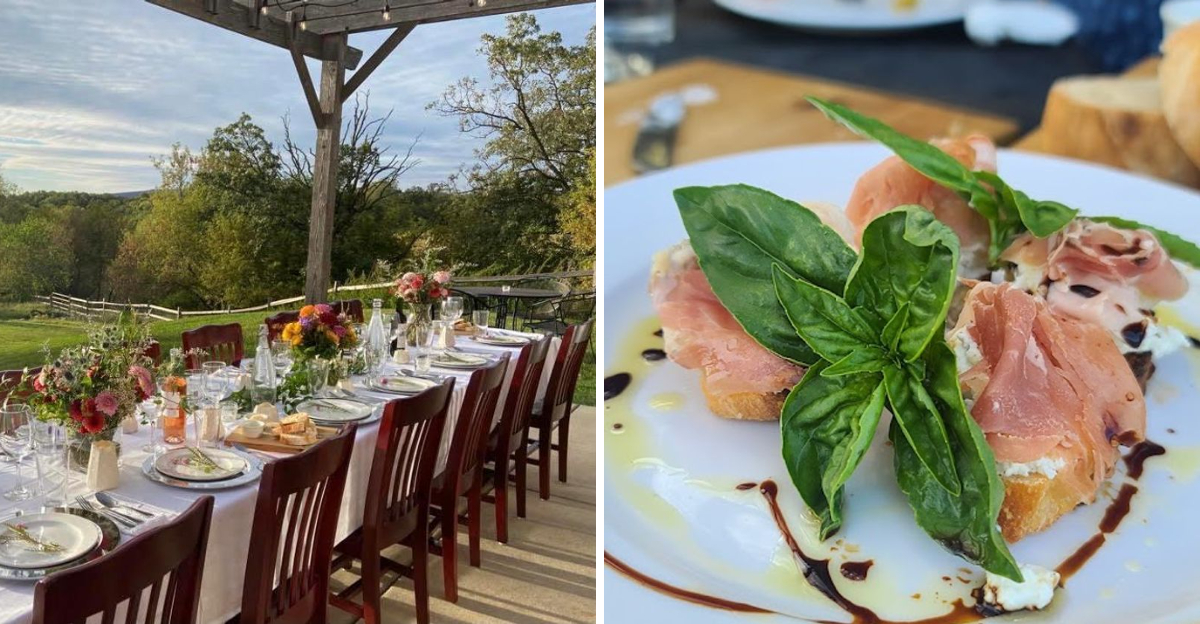
Dinner here does not wait for late arrivals or last minute decisions. At a set hour, guests settle around communal tables and prepare to enjoy the same carefully planned courses.
That old fashioned rhythm feels almost rebellious now. One evening may bring garden vegetables, handmade pasta, slow cooked meat, local cheese, and a dessert worth saving room for.
Wisconsin farmland supplies much of the inspiration, so menus shift with the harvest instead of following a permanent script. Reservations can vanish quickly, giving each meal the excitement of an event rather than an ordinary restaurant visit.
By the final course, conversations have crossed the table, strangers are swapping stories, and dinner feels closer to a lively Italian family gathering than a standard night out.
Saturday Dinner Unfolds Over Several Carefully Planned Courses
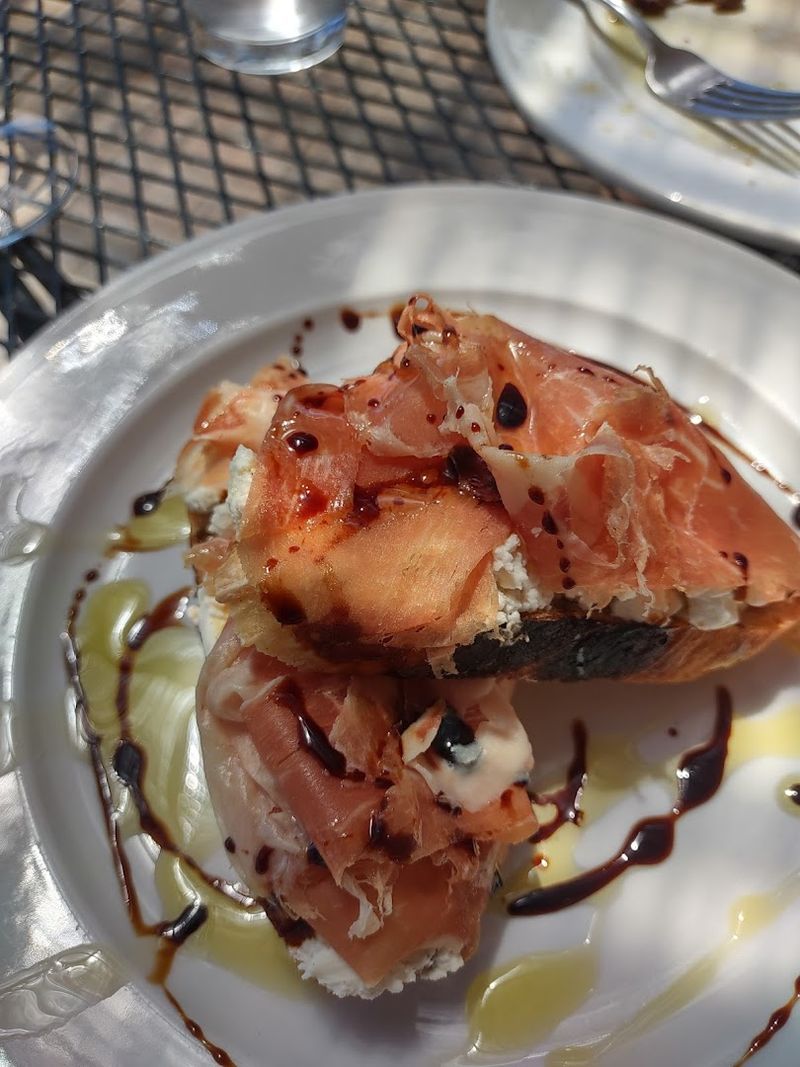
Saturday evening at Campo di Bella means committing to a five-course journey that refuses to rush. Marc orchestrates each progression with the precision of a conductor who knows exactly when violins should enter.
Bruschetta might arrive first, followed by salad dressed simply with lemon, then a main protein cooked to temperatures that would make cooking school instructors weep with pride.
Cheese courses showcase regional dairy producers before dessert closes the performance. One guest reported eating homemade vanilla ice cream so rich it rewrote their understanding of what frozen cream could accomplish.
Another evening featured cider-braised pork shoulder tender enough to justify immediate rebooking.
The format demands patience and appetite in equal measure. Diners surrender control over pacing and selection, trusting instead that the kitchen understands hunger better than they do themselves at that particular moment.
Italian Heritage Inspired A European Style Farm Experience
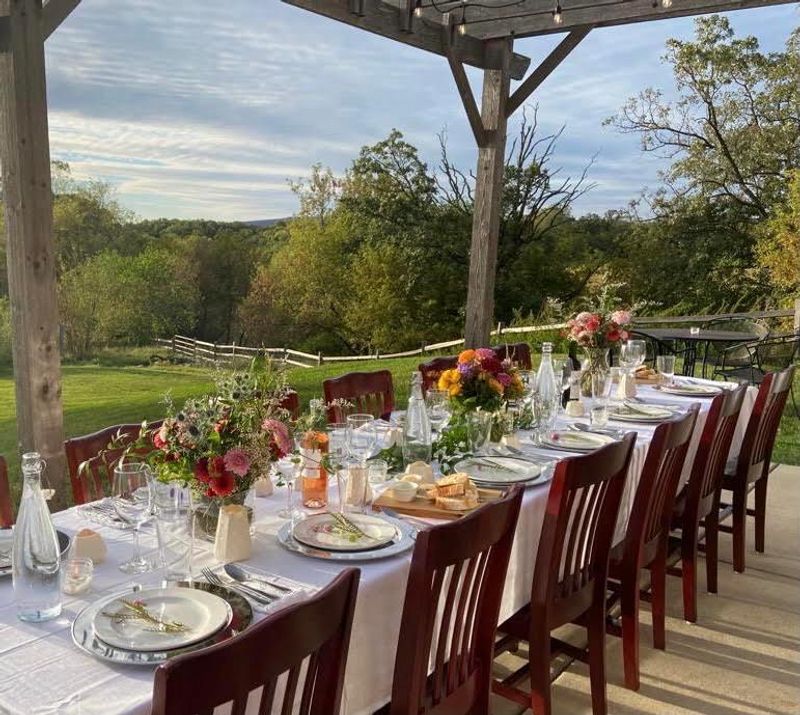
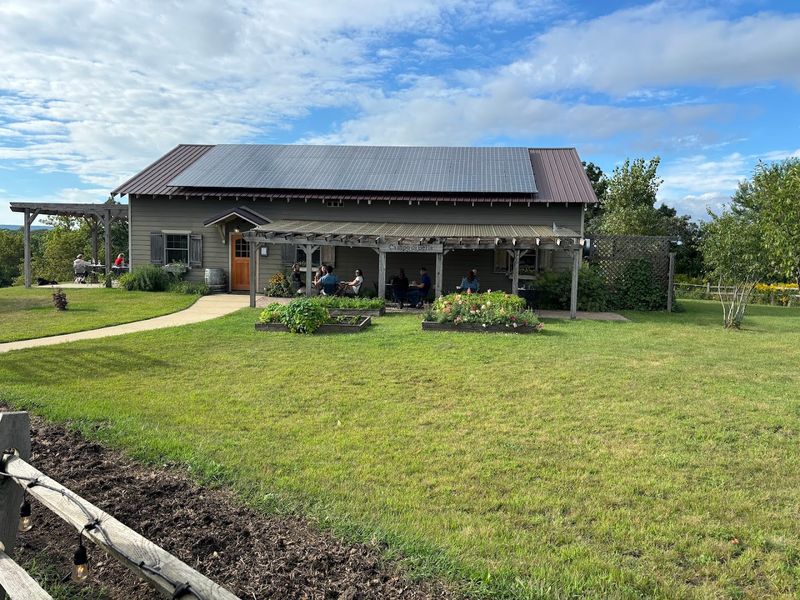
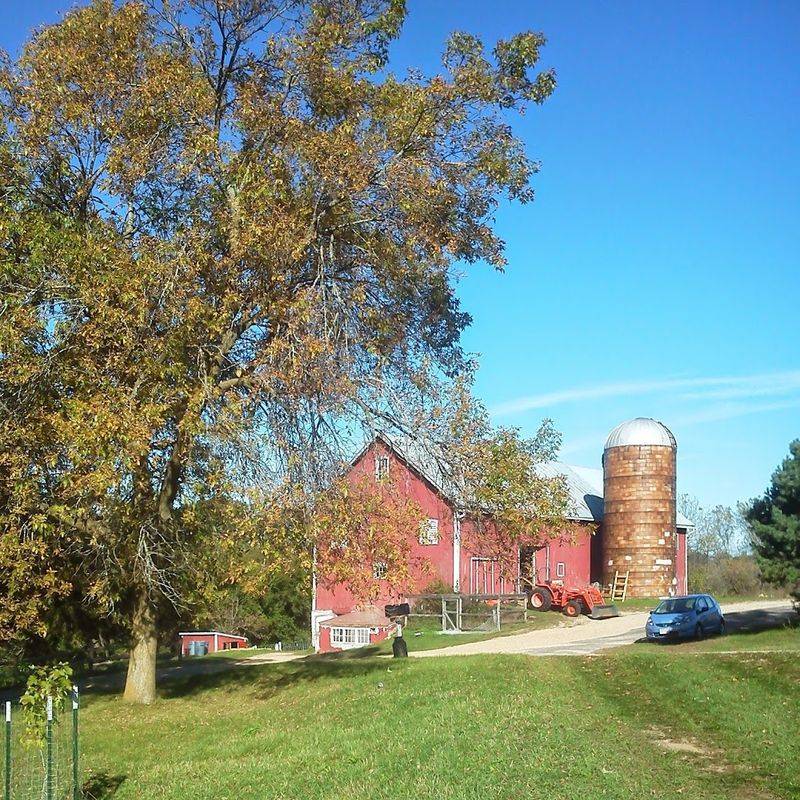
Mary Ann and Marc built something rare and beautiful at 10229 Sharp Road in Mt Horeb, Wisconsin. Their farm pulls inspiration from generations of Italian farming families who understood that great meals begin long before anyone lights a stove.
The landscape reflects Old World sensibilities adapted to Wisconsin soil, creating an environment where grapevines meet grain fields and European tradition shakes hands with Midwestern practicality.
Guests arrive to find a property that feels transplanted from Tuscany yet remains unmistakably rooted in southern Wisconsin. The couple designed their operation around principles learned from Italian agriturismos, where farms open their doors to feed visitors food grown steps from the kitchen.
This philosophy shapes every decision, from crop selection to table arrangement.
The result feels both familiar and foreign, comfortable yet special enough to justify the effort required to secure a seat.
Friday Cenetta Offers A Relaxed Three Course Experience
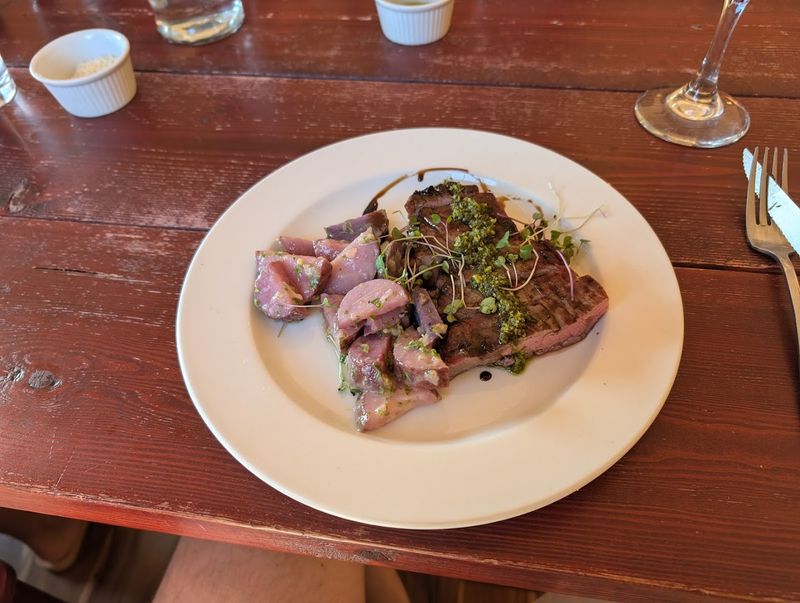
Friday operates under different rules than its weekend sibling. The Cenetta format condenses the experience into three courses, perfect for diners who want the Campo di Bella treatment without surrendering their entire evening.
This abbreviated version maintains the farm-to-table commitment while acknowledging that sometimes people have Saturday morning plans that require earlier bedtimes.
The condensed format still delivers substantial satisfaction. Courses arrive with the same attention to sourcing and technique that define the longer Saturday meals.
Portions acknowledge that three courses need different calibration than five, and the kitchen adjusts accordingly without anyone leaving hungry or overstuffed.
Many regulars alternate between Friday and Saturday visits depending on schedule and appetite. Both formats share the communal dining philosophy and seasonal menu approach, differing mainly in duration and course count rather than quality or intention behind the cooking.
Every Dinner Menu Changes With The Season
Marc refuses to serve tomatoes in February or butternut squash in July. His menus shift as dramatically as Wisconsin weather, following what actually grows rather than what distributors can ship from warmer climates.
This commitment occasionally frustrates guests hoping to recreate a dish they loved months earlier, but it ensures that everything arrives at peak flavor and nutritional value.
Summer menus lean heavily on zucchini, fresh herbs, and whatever the garden decides to overproduce. Fall brings squash preparations that surprise people who thought they understood that vegetable.
Winter forces creativity with root vegetables and preserved ingredients, while spring celebrates the return of tender greens and early season produce.
Repeat visitors learn to appreciate this unpredictability. The menu you ate last visit has already disappeared, replaced by whatever currently grows best in the fields surrounding the dining room where you sit.
Vegetables Travel Only Steps Before Reaching Your Plate
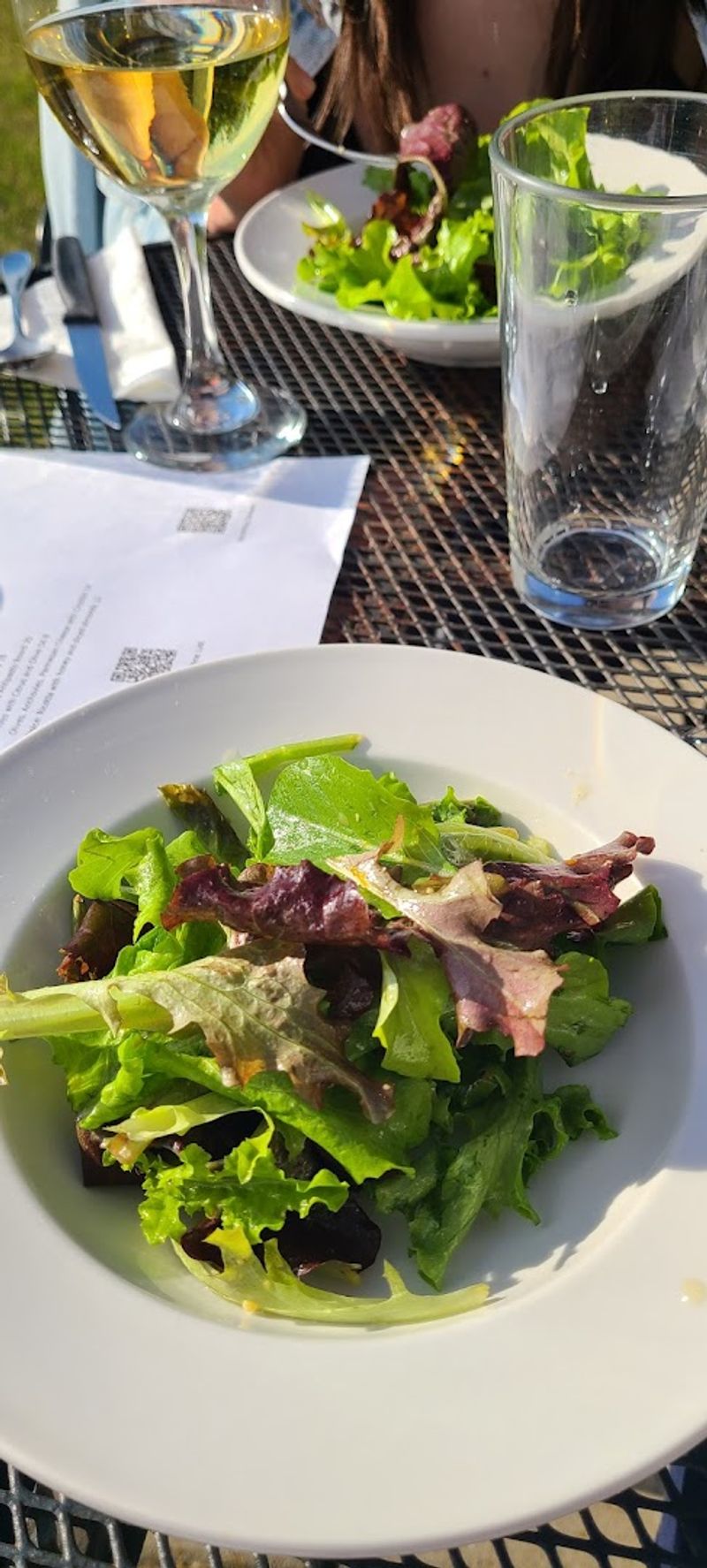
The salad greens on your plate probably grew within sight of your table. Campo di Bella maintains extensive gardens that supply the majority of produce served during growing season.
This proximity eliminates the usual journey vegetables make from distant farms through distribution networks before landing on restaurant plates days after harvest.
Mary Ann sometimes leads garden tours before dinner service begins, showing guests exactly where their meal originated. The experience connects diners to their food in ways that menu descriptions cannot accomplish.
Seeing actual plants bearing the vegetables you will eat an hour later changes how you taste them.
This hyperlocal approach means menus adapt to what thrives rather than what recipe books suggest. If the lettuces bolt early or the tomatoes produce abundantly, the kitchen responds accordingly.
Diners eat what the farm offers rather than what they might have expected or requested.
Local Producers Help Complete Each Menu
Campo di Bella cannot grow everything a complete Italian meal requires. Dairy products arrive from nearby cheese makers who share the farm’s quality standards.
Proteins often come from regional producers raising animals under conditions Marc and Mary Ann personally verify. Even specialty items like olive oils get sourced as locally as physics and agriculture allow.
This network of suppliers functions like an extended family, each member contributing specific expertise to complete the larger meal. The cheese course might feature samples from multiple dairies, each selected for how their product complements that evening’s menu.
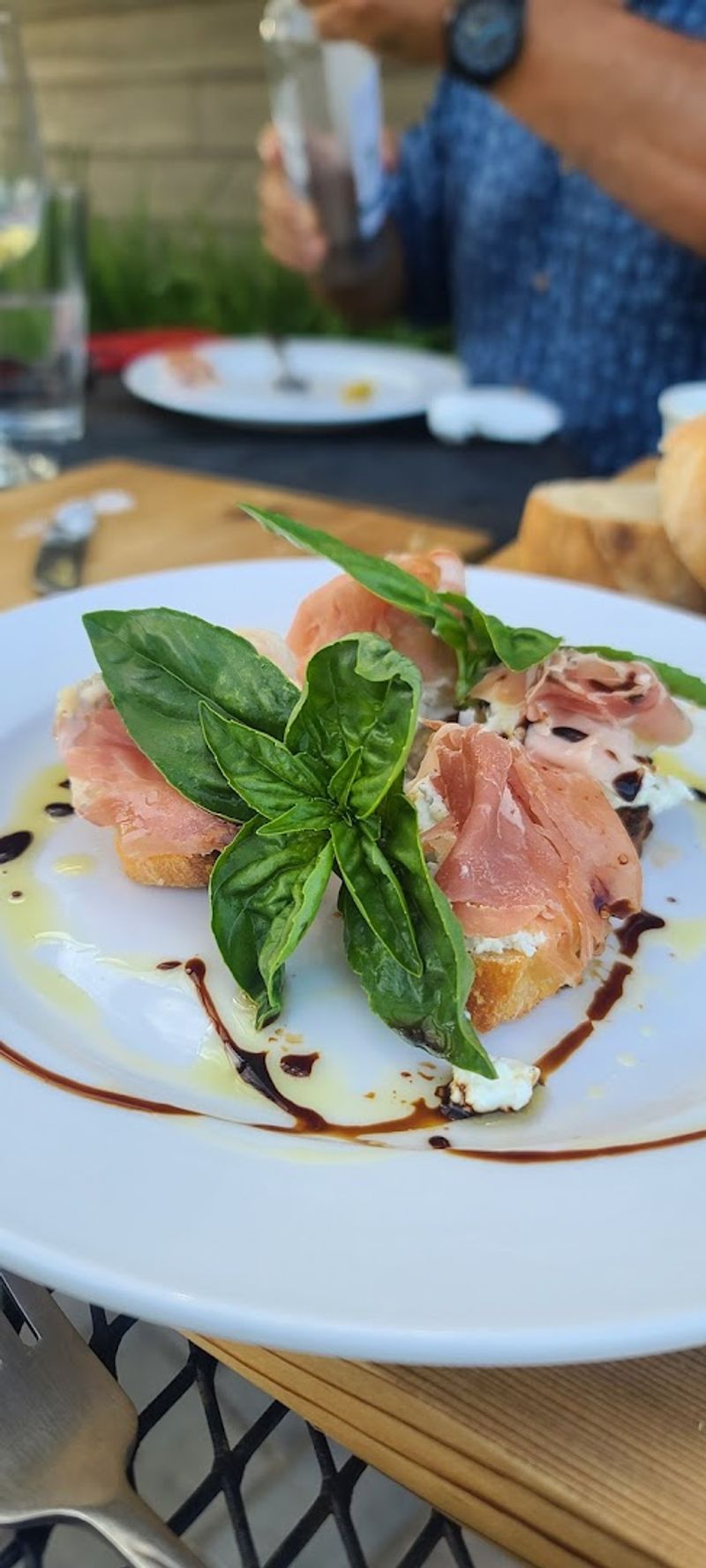
Prosciutto arrives sliced impossibly thin from suppliers who understand Italian curing traditions.
These partnerships allow Campo di Bella to serve complete meals without compromising their commitment to quality sourcing. The farm produces what it can grow well, then fills gaps with ingredients from producers who meet equivalent standards for their particular specialty.
Handmade Pasta Brings Italian Tradition To The Table
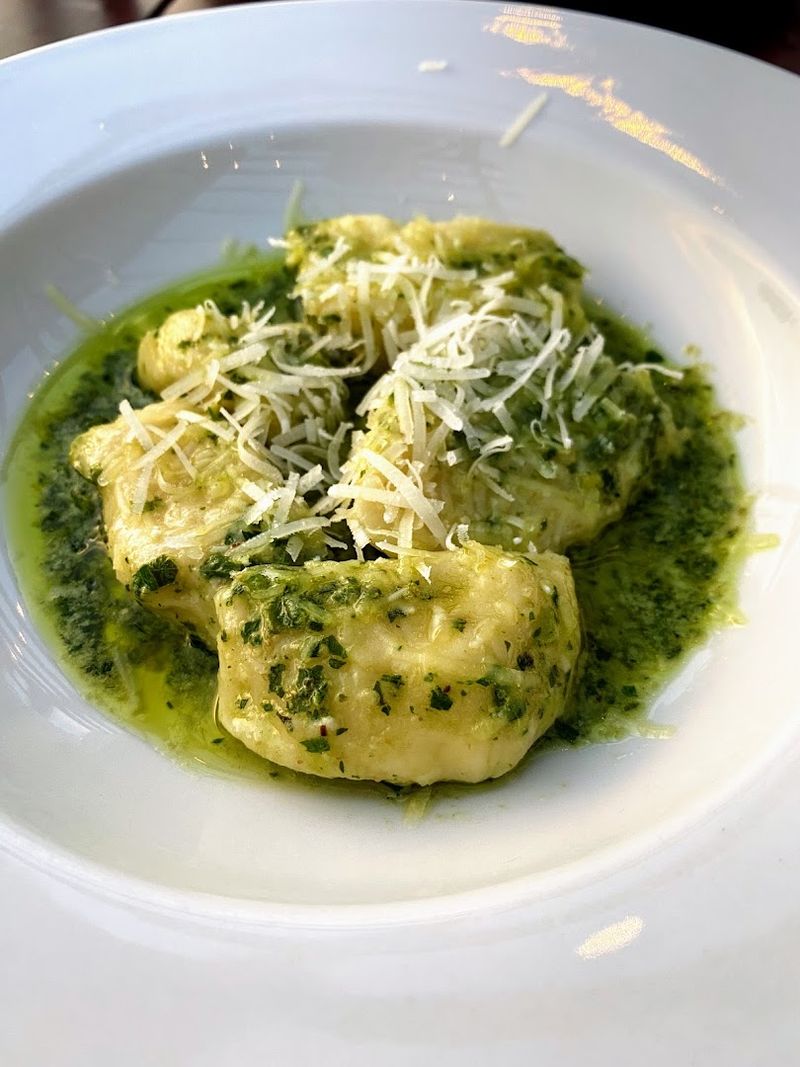
Marc makes pasta the old way, using techniques that predate mechanical extruders and factory production. His hands shape dough into forms that sauce clings to properly, creating the texture contrasts that define great pasta dishes.
The difference between his handmade versions and dried commercial pasta becomes obvious with the first bite.
Each pasta shape serves specific purposes in his kitchen. Some hold chunky sauces in their curves, while others work better with lighter preparations that coat rather than fill.
The choice of which pasta to make for any given dinner depends on the sauce and how the two will interact on the plate and palate.
Guests often mention pasta courses as meal highlights. The combination of proper technique, quality ingredients, and appropriate pairing creates results that justify the labor involved in making each batch from scratch rather than opening a box.
Farm Raised Ingredients Shape The Main Course
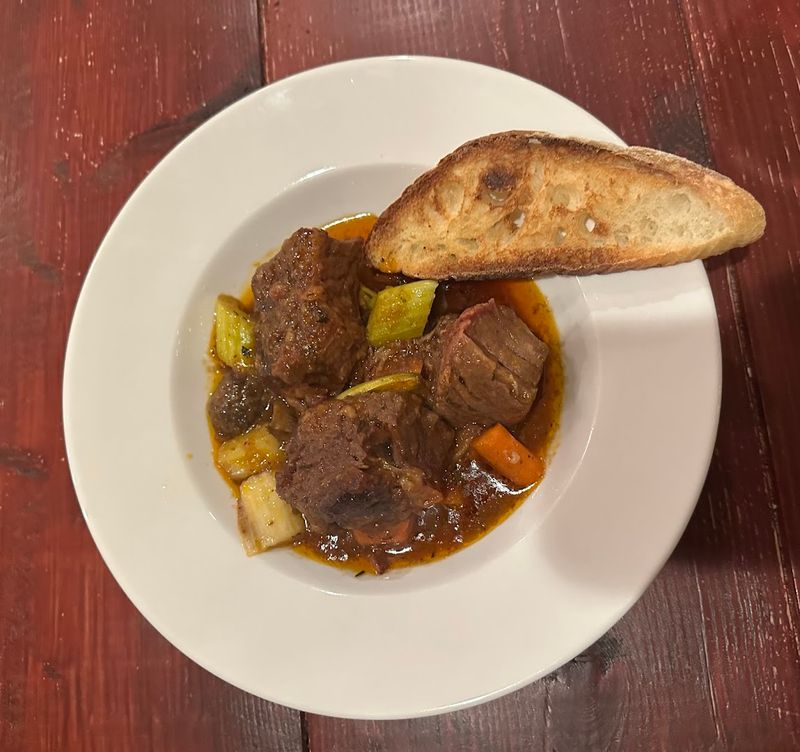
Main courses at Campo di Bella frequently feature proteins raised on the property or nearby farms operating under similar philosophies. The flank steak cooked to perfection one guest remembered likely came from cattle raised on pasture rather than feedlots.
Pork shoulders braised with cider probably originated from pigs that lived better lives than most humans manage.
Marc treats these ingredients with respect earned through their quality. His cooking techniques aim to highlight rather than disguise what the animal or farm produced.
Simple preparations often work best when starting with exceptional raw materials that need little intervention to shine.
The farm-raised approach affects flavor in ways that surprise diners accustomed to commercial proteins. Meat from animals raised outdoors on varied diets tastes different from confinement-raised equivalents.
These differences become obvious when cooking stays simple enough to let the ingredient speak for itself on the plate.
Indoor And Outdoor Tables Offer Different Experiences
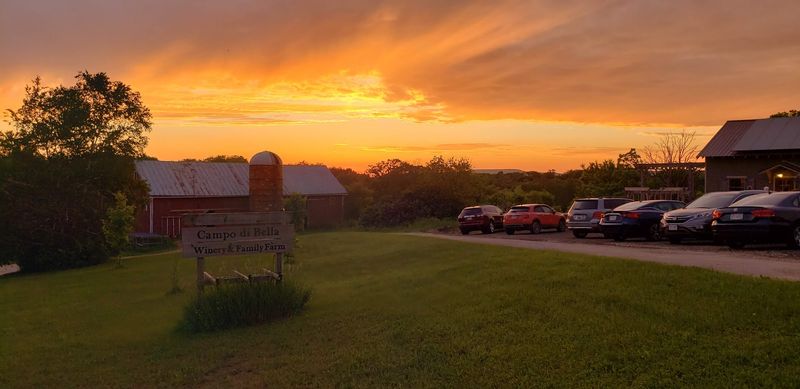
Campo di Bella provides two distinct dining environments depending on weather and preference. Indoor seating creates intimate, cozy conditions that can get pleasantly loud when conversation flows.
The small room encourages interaction between tables, turning strangers into temporary dinner companions. Some guests find this energy invigorating, while others note it can challenge quiet conversation.
Outdoor tables offer different advantages during suitable weather. Porch seating provides sunset views over the farm while maintaining protection from elements.
The open air changes the acoustic dynamic, spreading sound across the landscape rather than bouncing it around enclosed walls. Farm animals sometimes wander near enough to supervise the meal.
Both settings deliver the same food and service, differing mainly in atmosphere and noise levels. Regulars develop preferences, though many appreciate having experienced both environments across multiple visits throughout different seasons and weather conditions.
The Meal Begins At One Set Time For Everyone
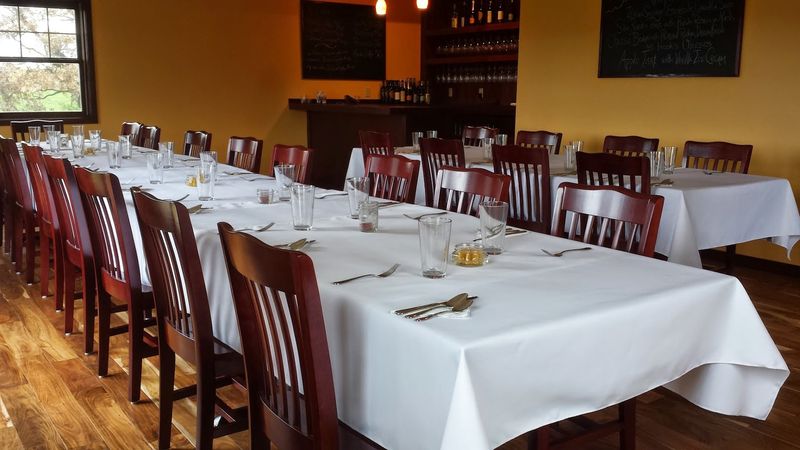
Campo di Bella runs on a schedule that would horrify conventional restaurants. Everyone arrives within a narrow window, sits down together, and begins eating simultaneously.
No staggered seating, no accommodating late arrivals, no holding tables for tardy reservations. The kitchen cooks for a single synchronized service rather than managing tickets that arrive randomly throughout the evening.
This approach creates unusual dining room dynamics. Strangers become temporary community members, sharing an experience timed to unfold identically for everyone present.
Courses arrive when the kitchen decides they are ready, not when individual tables signal their readiness for the next plate.
The format requires diners to surrender control over pacing and timing. You eat when the meal begins, progress through courses at the speed Marc sets, and finish when the final plate gets cleared.
This structure feels foreign to people accustomed to controlling their restaurant experience through ordering and timing decisions.
Reservations Open Only A Few Weeks Before Dinner
Securing Campo di Bella reservations requires vigilance and quick reflexes. The farm releases seats only weeks before each dinner date, creating a scramble among people who have learned to watch the website religiously.
Spaces disappear rapidly, sometimes within hours of becoming available, leaving slower clickers to wait for the next release.
This system prevents long-term advance booking while maintaining enough notice for guests to plan travel and adjust schedules. The limited window keeps the calendar manageable for Mary Ann and Marc, though it frustrates diners hoping to lock in dates months ahead.
Popular dates like Saturday dinners vanish fastest, while Friday Cenetta reservations occasionally last slightly longer.
The scarcity adds to Campo di Bella’s appeal for some guests while annoying others who prefer more conventional booking timelines. Either way, the policy remains firm, forcing everyone to play by the same rules regardless of how badly they want a table.