
This Wisconsin Maple Syrup Farm Offers Sweet Treats And Scenic Farm Tours
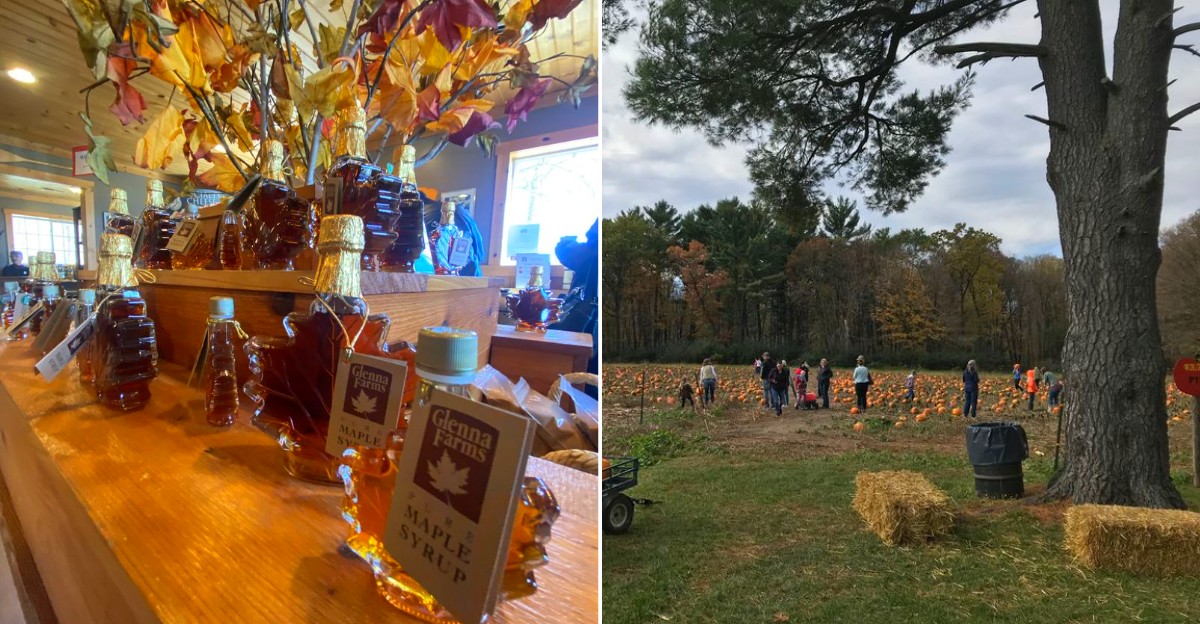
Wisconsin mornings can start in the woods, where maple trees provide the sap that eventually becomes something far sweeter.
Ever wondered what happens before maple syrup reaches a bottle? This is your chance to follow the process almost from the tree to the spoon, with buckets, tubing, steaming kettles, and plenty of fresh air along the way.
The fun is in seeing how much work goes into every batch. Clear sap slowly cooks down until it becomes rich, golden syrup, and the transformation is surprisingly satisfying to watch.
There is time to explore the sugarbush, see the boiling process up close, and learn how generations have kept the tradition going. By the end, that bottle on the breakfast table may look a whole lot more impressive.
A Working Sugarbush You Can Actually Walk Through
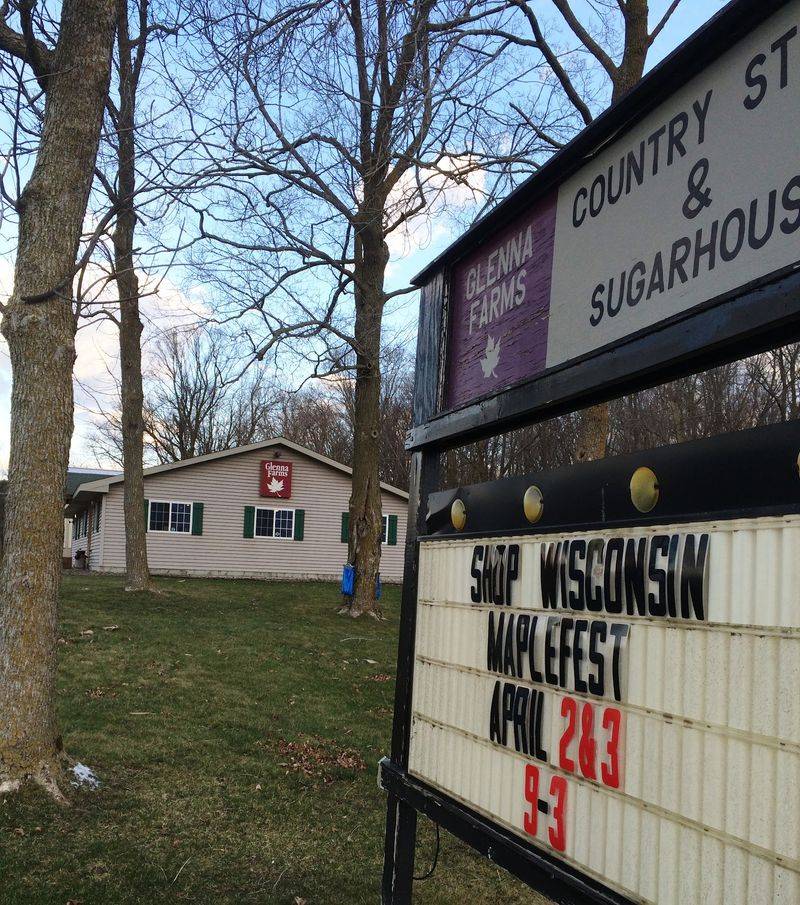
Most people picture maple syrup coming from a factory. In reality, it starts in a forest full of sugar maples, and at Glenna Farms you can wander right through the middle of that forest.
The trees stand quiet and bare in early spring, with snow still hanging on in shady spots. Networks of tubing run from trunk to trunk, carrying sap downhill toward the collection point.
You will notice how gentle the whole process looks. A tap goes into the tree, sap drips out, and the tree can continue growing for years afterward. Many maples used for syrup have been tapped for decades.
Walking the sugarbush gives you a real sense of scale. It takes roughly 40 gallons of sap to make a single gallon of finished syrup, so those quiet woods are doing an enormous amount of work.
Wear boots you do not mind getting muddy. Spring ground in this part of Wisconsin gets soft, and the trails follow natural slopes rather than paved paths.
Bring a camera too. Morning light filtering through bare maple branches makes for photos you will want to keep.
Watch Sap Turn Into Syrup Inside The Sugarhouse
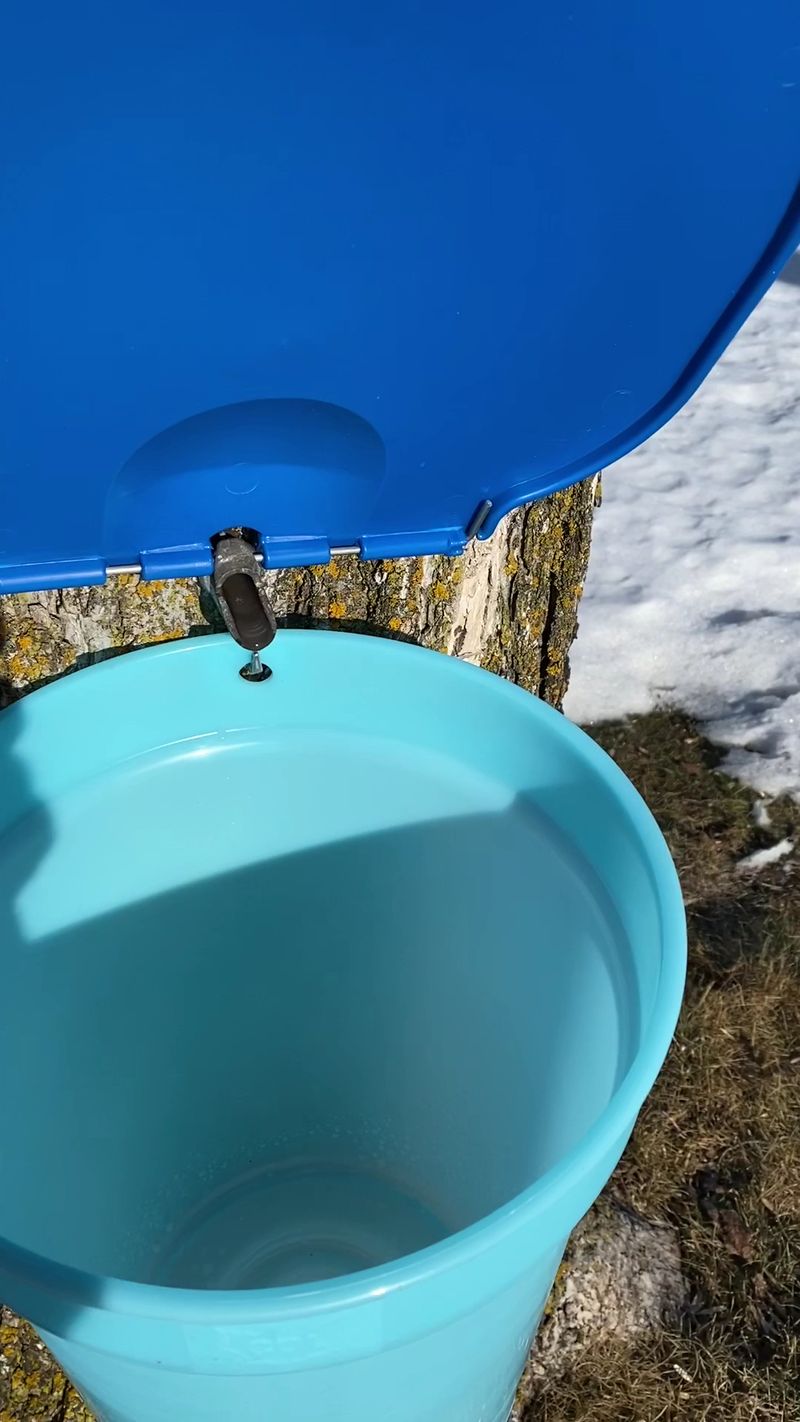
Steam hits you first. Inside the sugarhouse, a large evaporator bubbles away while clouds of sweet-smelling vapor roll toward the ceiling vents.
Watching this part at Glenna Farms is the highlight for a lot of visitors. Sap enters one end of the evaporator as thin, watery liquid that tastes barely sweet at all.
Heat does the rest. As water boils off, the liquid moves through a series of channels, growing darker and thicker with every pass.
By the time it reaches the draw-off valve, it has become true maple syrup at exactly the right density. Producers check it carefully, because syrup that is too thin will spoil and syrup that is too thick turns grainy.
You can ask questions while the boiling happens. The people running the operation are happy to explain why some batches turn out golden and delicate while later-season syrup comes out dark and bold.
Dress in layers. The sugarhouse stays warm and humid even when it is chilly outside, so you will want something you can peel off easily once you step in.
Sweet Treats That Go Far Beyond A Bottle Of Syrup
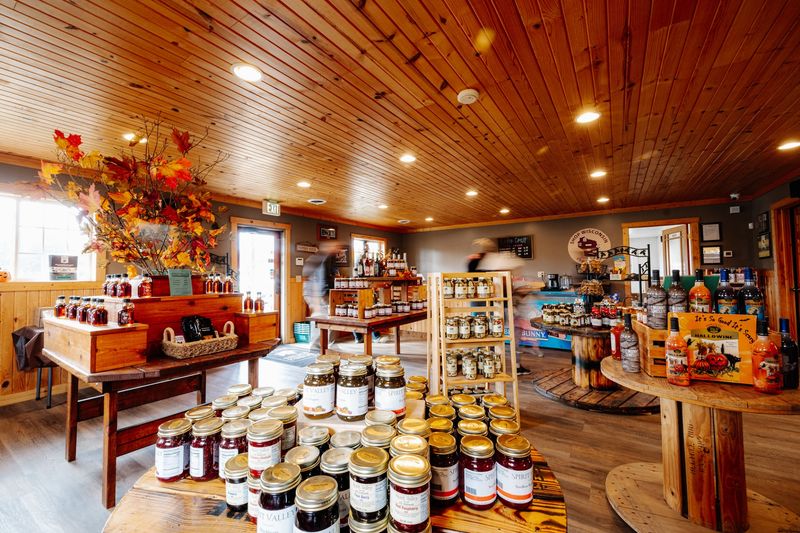
Syrup is only the beginning. Maple gets turned into candy, cream, sugar, and a handful of other treats that most grocery stores never carry.
Maple candy is the one kids grab first. Pressed into little leaf shapes, it melts on your tongue almost instantly and tastes like concentrated sunshine.
Maple cream deserves attention too. Despite the name, there is no dairy in it at all, just syrup whipped until it becomes a smooth spread you can put on toast or crackers.
Granulated maple sugar works as a swap for regular sugar in coffee, oatmeal, and baking. A little goes a long way, so one bag lasts longer than you would expect.
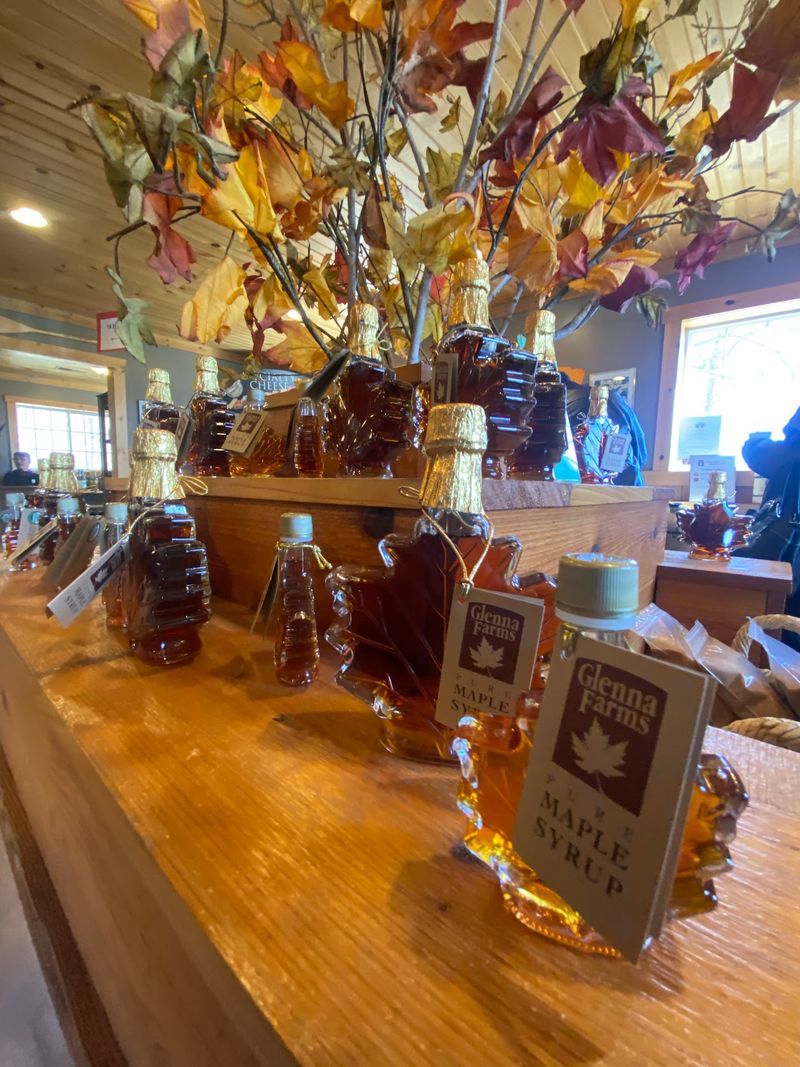
At Glenna Farms, you can sample its pure maple syrup before deciding what to take home. Golden syrup suits pancakes and light desserts, while dark syrup holds up in barbecue sauce, baked beans, and glazes.
Pick up an extra bottle. Maple products travel well and make thoughtful gifts for anyone who appreciates food made close to home.
Self-Guided Farm Tours Built For Curious Visitors
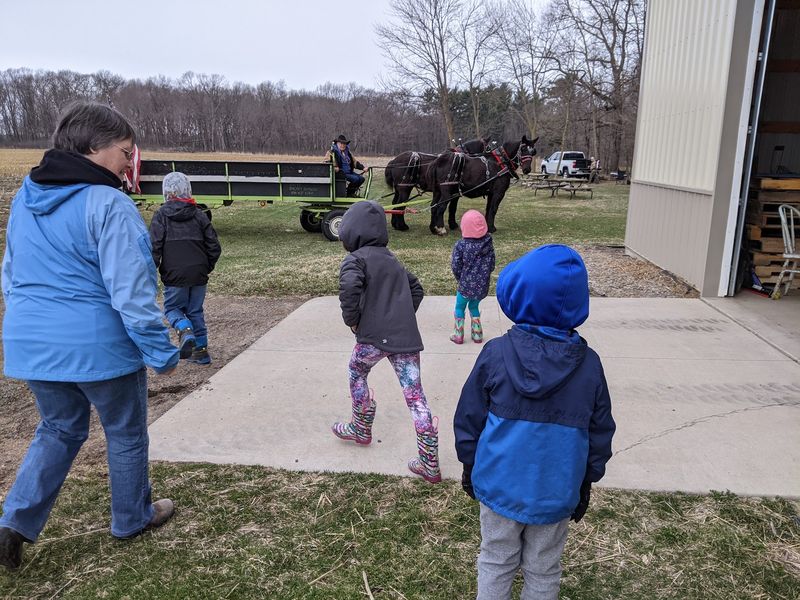
Guided walks turn a nice afternoon into a genuine learning experience. The self-guided experience takes you through the maple syrup operation and shows how sap becomes finished syrup.
Kids tend to ask the best questions. Why does sap only run in spring? What happens to the tree afterward? How do you know when syrup is finished? The experience brings you closer to the equipment and process used to turn maple sap into finished syrup.
Because the regular tour is self-guided, you can explore the syrup operation at your own pace.
Timing matters more than at most attractions. Sap season depends entirely on weather, usually running somewhere between late February and early April in Wisconsin, so you should check ahead before making the drive.
Bring your questions and a bit of patience. Farm schedules shift with temperature swings, and the same flexibility that makes syrup season unpredictable is what makes visiting during a good run so satisfying.
Scenic Countryside Views Around Every Bend
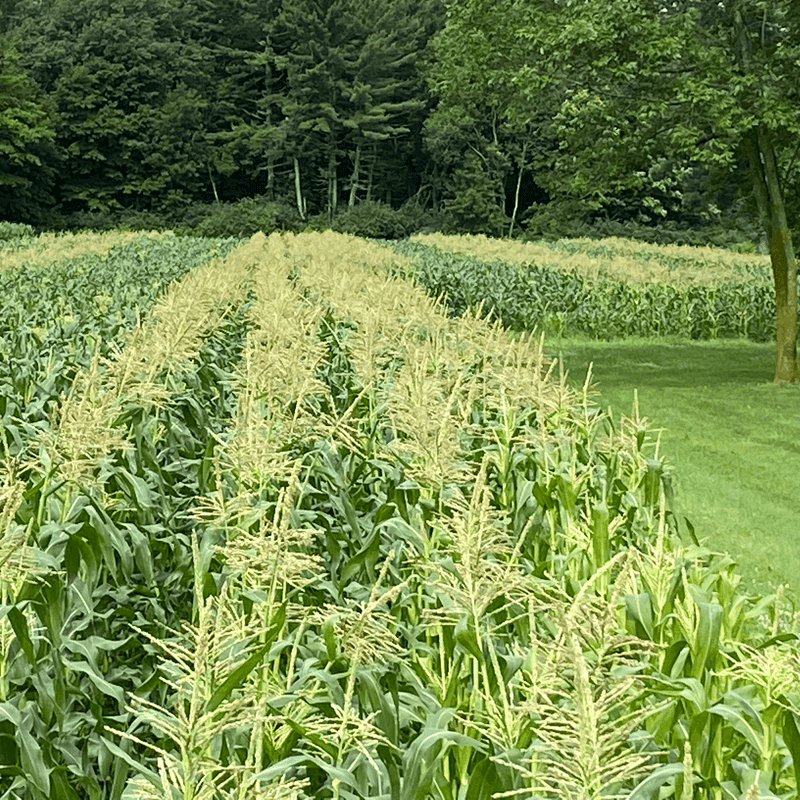
Rolling farmland stretches out in every direction here, and the drive alone is worth the trip. Polk County sits in a part of Wisconsin where fields, woodlots, and small lakes fit together like pieces of a quilt.
You will find the farm at 1333 120th St, Amery, WI 54001, along a rural road where traffic thins out and the scenery opens up.
Early spring shows the land in transition. Snow melts back in patches, creeks run full, and the first hints of green appear at the edges of fields. Photographers appreciate the light out here. Without city glare, sunrise and late afternoon both cast long shadows across open ground.
Take your time getting there. Country roads in this region reward slow driving, and you will likely spot hawks, deer, and sandhill cranes along the way. Glenna Farms sits close enough to the Twin Cities for a day trip, yet far enough that the pace feels completely different once you arrive.
Pack a thermos and plan a loop. Combining the visit with a drive through nearby small towns makes for a full, unhurried day.
Learn Why Weather Controls The Whole Season
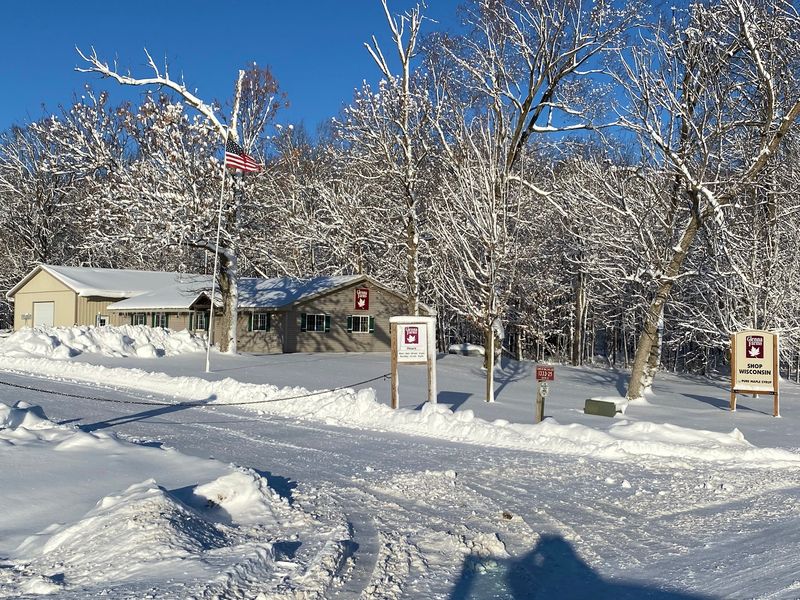
Here is something that surprises first-time visitors: maple syrup production depends almost entirely on temperature swings. Sap flows best when nights drop below freezing and days climb into the upper thirties or forties.
Pressure changes inside the tree push sap upward during warm afternoons and pull it back at night. That daily rhythm is what fills the lines.
A stretch of steady warm weather ends everything. Once buds start to swell, sap chemistry changes and the syrup develops flavors producers no longer want. Some years give six good weeks. Others give barely two, and nobody knows which kind of year it will be until it happens.
Understanding that makes a visit to Glenna Farms feel more meaningful. You are watching a harvest that cannot be scheduled, rushed, or manufactured.
Wisconsin ranks among the top maple producing states in the country, and small operations like this one make up a big share of that total.
Check conditions before you head out. A cold snap followed by sunshine usually means the sap is running and the evaporator is fired up.
A Family Outing That Keeps Everyone Interested
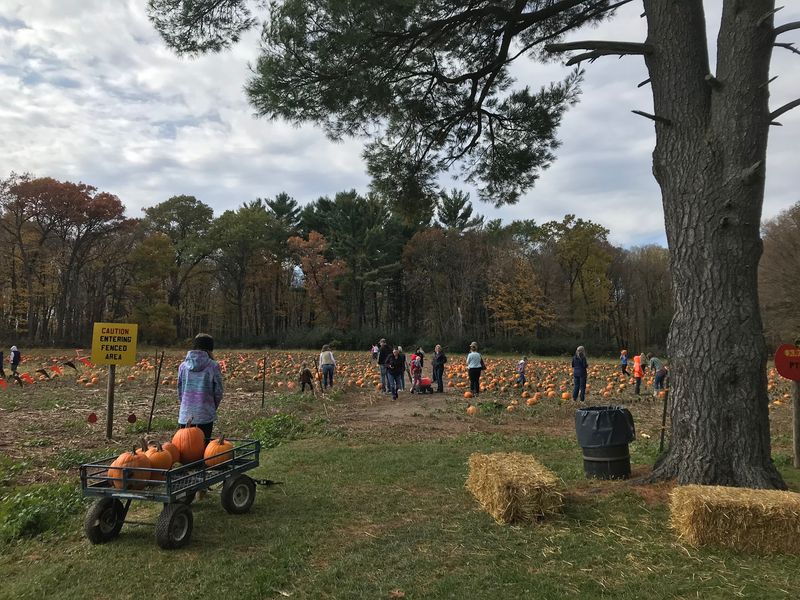
Finding an activity that satisfies a seven year old and a grandparent at the same time is not easy. Maple season manages it, mostly because there is something to taste at every stop.
Younger kids love the hands-on parts. Seeing the maple operation, sampling syrup, and learning how sap becomes syrup all beat simply reading about the process.
Older visitors often connect with the history. Maple sugaring in this region goes back centuries, long before commercial equipment existed, when Indigenous communities boiled sap in bark vessels over open fires.
Glenna Farms gives you room to move at your own speed. Nobody rushes you through, and there is space outdoors for kids who need to burn off energy.
Plan for the weather. Late winter in Wisconsin can throw mud, slush, or a surprise flurry at you, so hats and waterproof shoes make a real difference.
Snacks help with younger children, though the maple samples usually handle that job. Keep the visit to a couple of hours and everyone leaves in a good mood rather than worn out.
Reasons To Put Amery On Your Spring Calendar
Some outings you forget by the next weekend. Watching sap become syrup is not one of them, mainly because you carry the taste home with you.
Every pancake breakfast afterward comes with a little context. You know which trees it came from, how long it boiled, and why the color turned out the way it did.
A stop at Glenna Farms also supports a type of agriculture that keeps woodlands standing. Healthy maple forests mean cleaner water, wildlife habitat, and land that stays productive for generations.
Western Wisconsin has plenty to offer alongside the farm. Small towns, lakes, and country roads round out the trip nicely if you want to make a full day of it.
Timing remains the one thing you cannot control. Reach out before you go, since the season opens and closes with the thermometer rather than the calendar.
Go once and you will likely go again. Maple season comes around every spring, and it has a way of becoming a tradition families look forward to all winter long.