
This Wisconsin Observatory Lets Visitors Look Through A Telescope And It Costs Almost Nothing
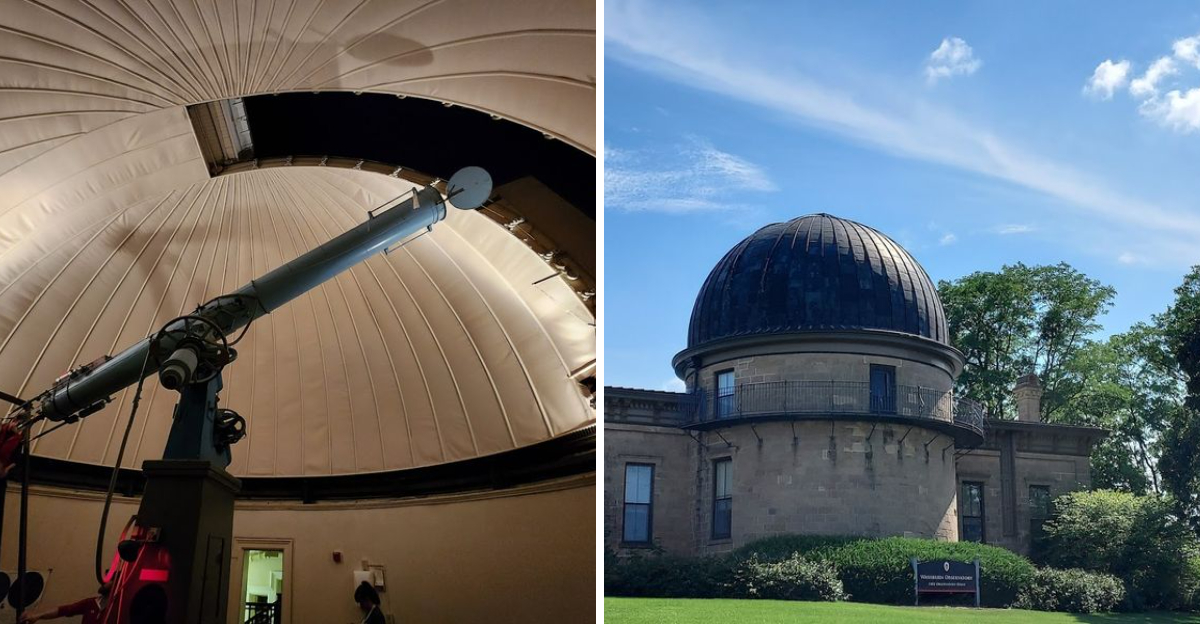
Stargazing sounds expensive until Wisconsin reminds you that wonder does not need a fancy ticket. In Madison, a historic observatory gives visitors the chance to look skyward through a telescope with serious old-school credentials.
Ever wanted to see the night sky through equipment that has been turning curious eyes toward space since the 1800s? That is the thrill here.
The building has history in its bones, the dome feels wonderfully dramatic, and the experience is refreshingly simple. Show up, look through the lens, and let the universe do the showing off.
For families, students, or anyone who still gets excited by planets and stars, it is a small outing with a surprisingly big payoff.
Visitors Can Look Through A Historic Telescope
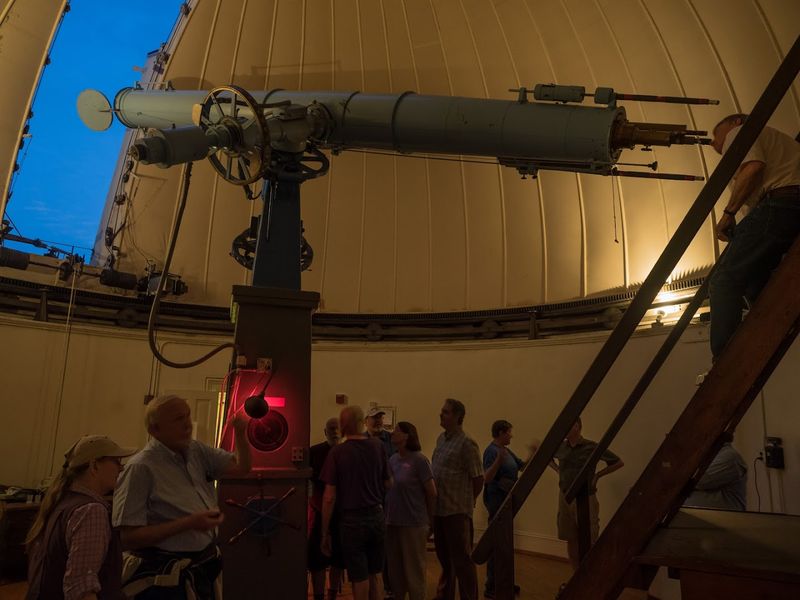
Most people never get the opportunity to use a real research telescope during their lifetime. Washburn Observatory changes that by allowing public visitors to observe celestial objects through the same instrument that scientists used for decades of astronomical research.
This hands-on experience connects people directly to the tradition of scientific discovery in a way that photographs or digital displays simply cannot match.
The telescope itself remains in excellent working condition despite its considerable age. Graduate students from the University of Wisconsin astronomy department operate the instrument during public nights, adjusting its position to track planets, stars, and other objects as they move across the sky.
Visitors take turns approaching the eyepiece, each person receiving a few moments to observe whatever celestial target has been selected for that evening.
Looking through antique glass lenses provides a tangible link to the past. The same optics that revealed astronomical discoveries in the nineteenth century still function today, offering views that inspired generations of scientists and continue to spark wonder in modern observers.
The 15.6-Inch Refractor Dates Back To 1879
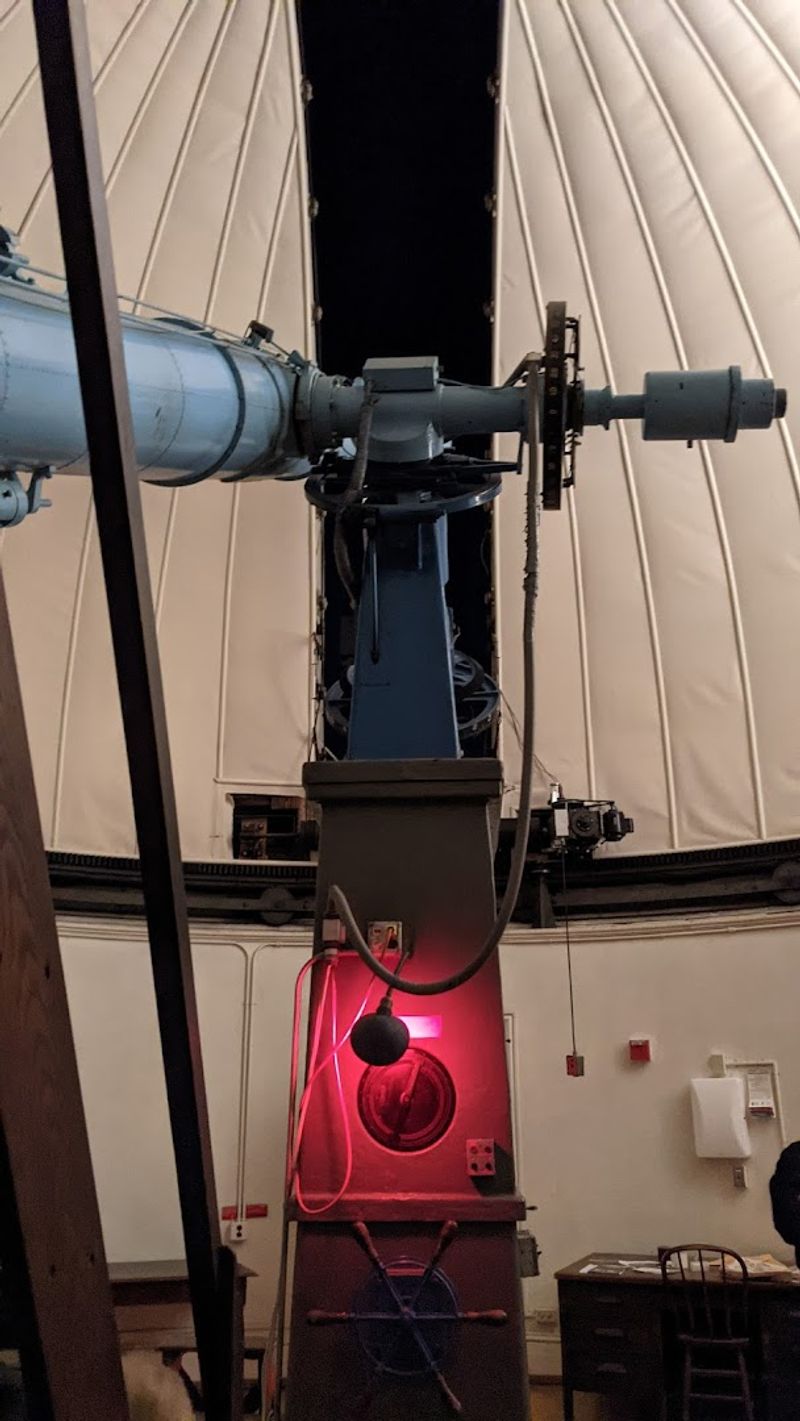
Alvan Clark and Sons completed construction of this remarkable instrument in 1879, two years before Washburn Observatory itself opened to house it. The telescope represents the pinnacle of nineteenth-century lens-making craftsmanship, with its 15.6-inch objective lens ground and polished to exacting specifications that still impress modern optical engineers.
Such precision work required months of careful labor using techniques that have since become nearly obsolete.
Refractor telescopes use lenses rather than mirrors to gather and focus light from distant objects. This design creates particularly sharp, high-contrast images ideal for observing planets and double stars.
The Washburn refractor maintains its original optical components, meaning visitors today see through the exact same glass that astronomers used during the presidency of Rutherford B. Hayes.
Few working telescopes of this vintage still exist anywhere in the world. Most have been retired to museums or replaced with modern equipment, making the Washburn instrument especially valuable for both historical and educational purposes.
Its continued operation demonstrates the enduring quality of expert craftsmanship from the industrial age.
It Was Once One Of North America’s Largest Telescopes
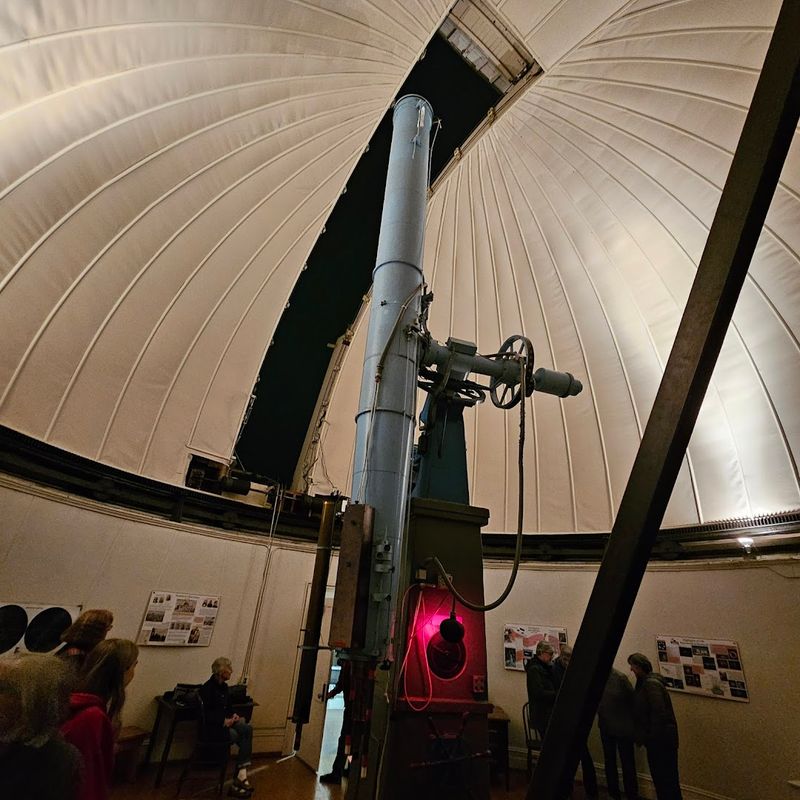
During the 1880s, only a handful of telescopes in North America exceeded the size and capability of the Washburn refractor. The University of Wisconsin invested substantial resources to acquire this instrument, recognizing that cutting-edge research required cutting-edge tools.
For several decades, the observatory competed with much larger institutions for astronomical discoveries, punching well above its weight in the scientific community.
The telescope’s 15.6-inch aperture allowed astronomers to observe fainter objects and resolve finer details than smaller instruments could manage. This capability proved essential for studying double stars, measuring stellar positions, and examining planetary features.
Research conducted at Washburn contributed to catalogs and publications that advanced astronomical knowledge throughout the late nineteenth and early twentieth centuries.
Time and technological progress eventually moved frontier research to larger facilities with more modern equipment. Washburn’s telescope no longer ranks among the giants, but its historical significance remains undiminished.
The instrument serves as a working monument to an era when American universities competed vigorously to establish themselves as centers of scientific excellence.
Free Public Observing Nights Make It Budget-Friendly
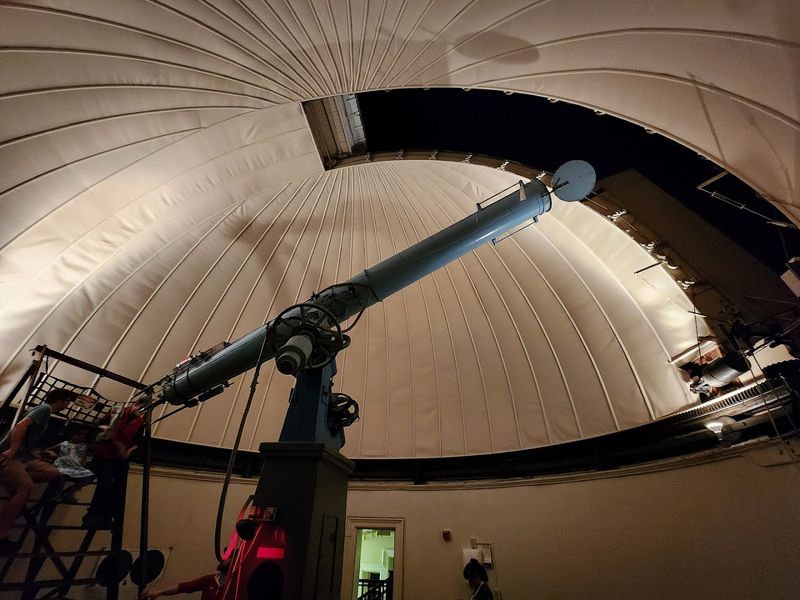
Astronomy should not require a fortune to enjoy. Washburn Observatory proves this by hosting public observing sessions at no charge, making celestial exploration accessible to anyone curious about the night sky.
Families, students, and casual stargazers can all participate in these events without worrying about ticket prices or reservation fees.
The observatory opens its doors on select Wednesday evenings throughout the year, allowing visitors to experience professional-grade astronomical observation. This policy stands in sharp contrast to many planetariums and science centers that charge admission for similar experiences.
The University of Wisconsin supports these free programs as part of its commitment to public education and community engagement.
Budget constraints often prevent people from exploring scientific interests, but Washburn removes this obstacle entirely. Located at 1401 Observatory Drive in Madison, the facility welcomes anyone who can make the climb up Observatory Hill.
The zero-cost model ensures that economic background never determines who gets to look at Saturn’s rings or Jupiter’s moons through a historic telescope.
UW Astronomy Graduate Students Host The Open Houses
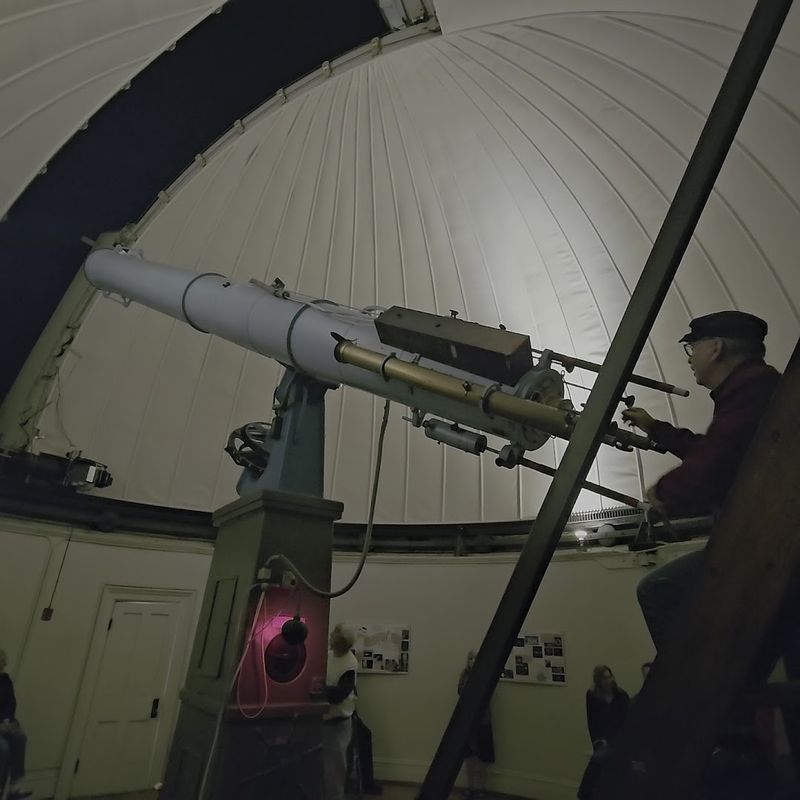
Graduate students pursuing advanced degrees in astronomy volunteer their time to operate the telescope and answer questions during public observing nights. These future scientists bring enthusiasm and expertise to their interactions with visitors, explaining not just what appears in the eyepiece but also the broader context of what observers are seeing.
Their presence transforms a simple viewing session into an informal educational experience.
Students handle the technical aspects of operating the historic telescope, making precise adjustments to track celestial objects as Earth rotates. They also decide which targets to observe based on current sky conditions and what might prove most interesting to visitors.
Many enjoy the opportunity to share their passion for astronomy with people who might never otherwise encounter the field.
This arrangement benefits everyone involved. The public gains access to expert knowledge and equipment, students develop their communication skills and teaching experience, and the University fulfills its mission of public service.
The graduate students often remember their own first experiences looking through a telescope, and they appreciate the chance to provide that same sense of wonder to others.
Summer Brings Weekly Wednesday Viewing Nights
From June through August, Washburn Observatory expands its schedule to offer public viewing every Wednesday evening, weather permitting.
This increased frequency during summer months takes advantage of warmer temperatures and generally clearer skies, making the experience more comfortable for visitors and more likely to succeed.
The extended summer schedule also accommodates families with children out of school and tourists visiting Madison during peak travel season.
Regular weekly sessions create a predictable rhythm that allows interested people to plan visits without extensive advance coordination. Locals can incorporate observatory visits into their summer routines, returning multiple times to observe different objects as planets move through their orbits and the seasonal constellations change.
This consistency builds community engagement with the facility and astronomy in general.
During other months, the observatory maintains a reduced schedule with public nights on the first and third Wednesday of each month. The seasonal variation acknowledges both practical considerations about weather and the availability of graduate student volunteers.
Anyone planning a visit should verify the current schedule and check whether conditions permit observation.
The Observatory Sits On The UW-Madison Campus
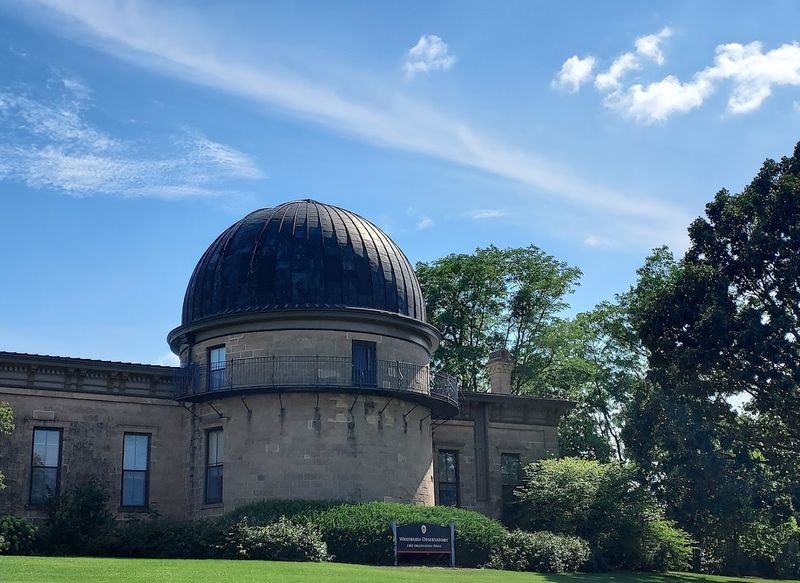
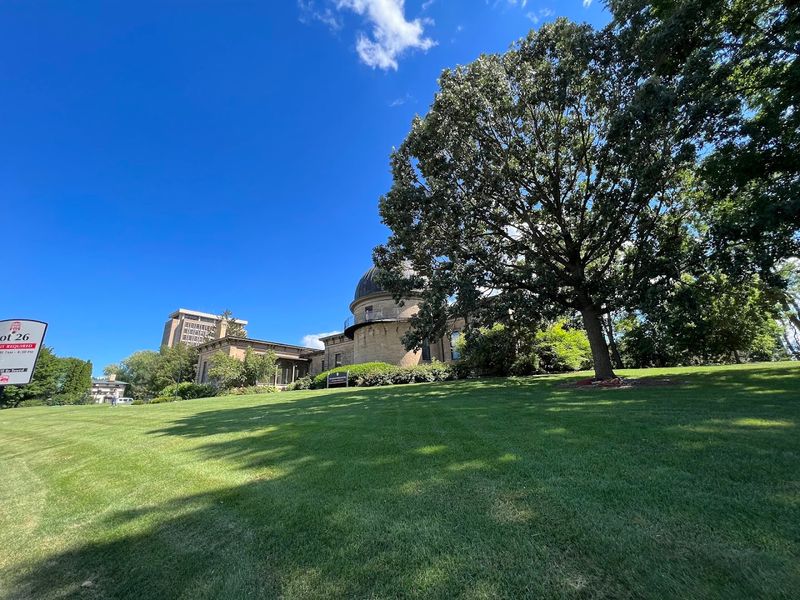
Observatory Hill rises above the main University of Wisconsin campus, providing the elevation and clear sightlines necessary for astronomical observation. Washburn Observatory occupies this prominent position, surrounded by walking paths and green spaces that remain relatively undeveloped despite urban growth around them.
The building itself presents classic nineteenth-century institutional architecture, with red brick walls supporting the distinctive wooden dome that rotates to aim the telescope.
Campus location means the observatory benefits from university infrastructure and support while remaining easily accessible to both students and the general public. Parking areas and bike lanes serve visitors arriving from elsewhere in Madison, though some choose to walk from downtown or other parts of campus.
The hill itself requires a modest climb that most people manage without difficulty.
Being part of an active university keeps the facility connected to current astronomical research and education. Students and faculty from the astronomy department maintain ongoing relationships with the historic building, even though their primary research now takes place at more modern facilities.
Washburn serves as a physical reminder of the department’s long history and continued commitment to both science and public engagement.
Weather Decides What Visitors Can See
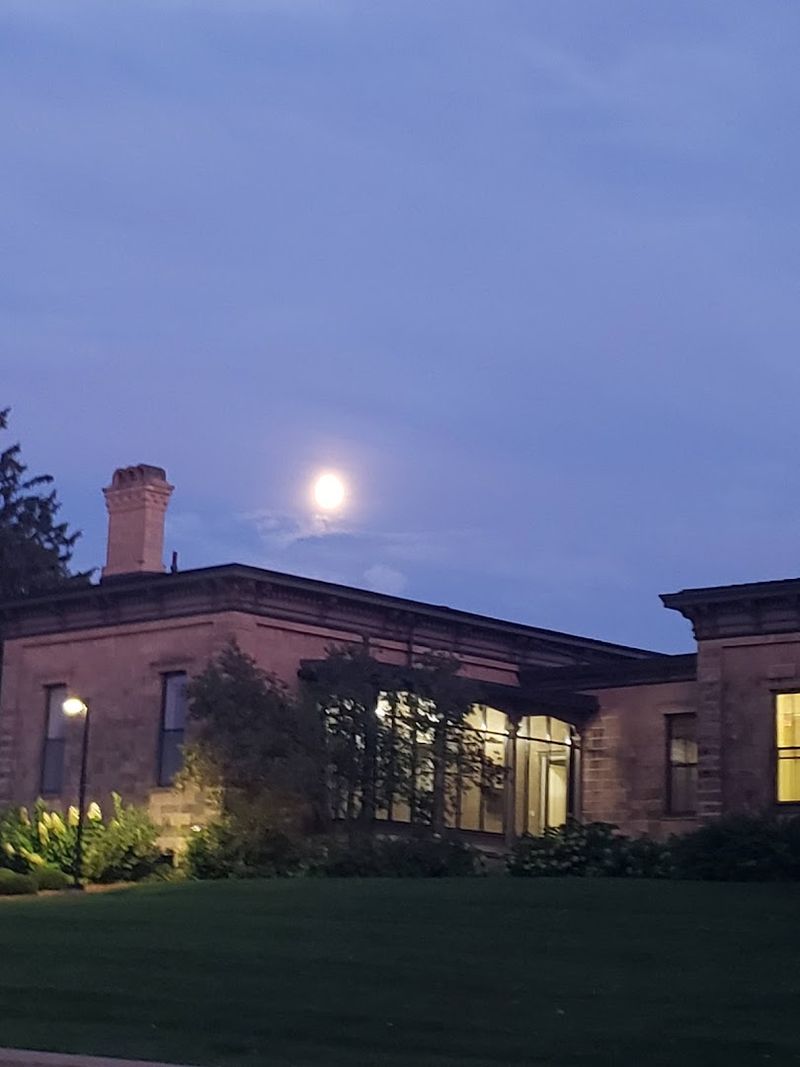
Cloud cover determines whether any viewing can happen at all on scheduled public nights. Graduate students monitor weather forecasts and sky conditions, making decisions about opening the observatory based on whether celestial objects will actually be visible.
Heavy clouds, rain, or fog result in cancellations that disappoint visitors but cannot be avoided given the nature of optical astronomy.
Even on nights when observation proceeds, atmospheric conditions affect what the telescope can reveal. Turbulence in the air causes stars to twinkle and planets to shimmer, reducing the sharpness of images.
Particularly steady atmospheric conditions allow observers to discern fine details on planetary surfaces or cleanly separate close double stars. Madison’s continental climate produces variable conditions, with some nights offering exceptional viewing and others proving marginal despite clear skies.
The observatory maintains social media accounts where staff post updates about whether a scheduled session will proceed. Checking these announcements before making the trip saves potential visitors from arriving only to find the building closed.
This uncertainty adds an element of chance to the experience, but also makes successful visits feel more rewarding when weather cooperates.
The Dome Opens To The Night Air
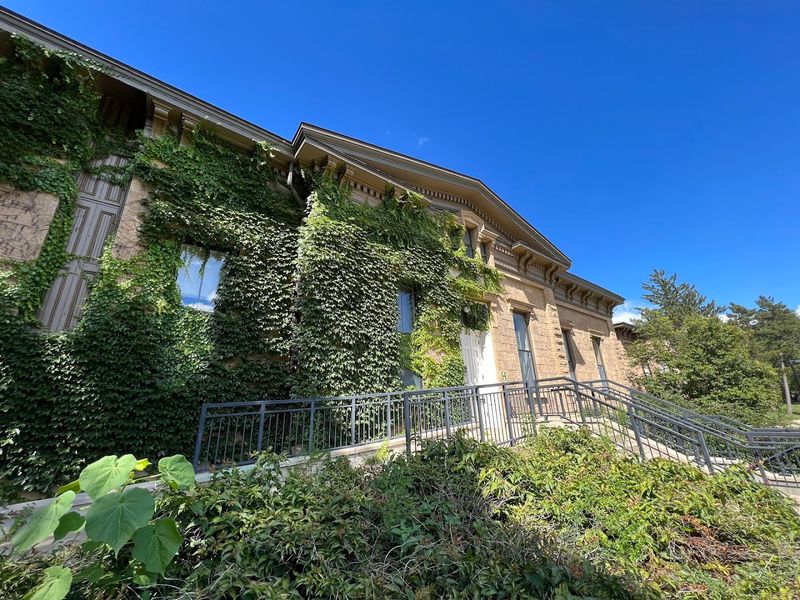
The rotating wooden dome that shelters the telescope features a vertical slit that opens to expose the instrument to the sky. This opening must align precisely with whatever celestial target the astronomers wish to observe, requiring the entire dome structure to rotate on its supporting mechanism.
The original mechanical system still functions, though it has received maintenance and upgrades over the decades to keep it operational.
Opening the dome brings the temperature inside to match outdoor conditions, which helps stabilize the telescope optics and reduces air currents that would blur images. Visitors during public nights experience the same environment that nineteenth-century astronomers worked in, including whatever weather conditions prevail.
Summer evenings provide pleasant temperatures, while spring and fall sessions can grow quite cool as the evening progresses.
The wooden dome itself represents a rarity in modern observatory construction. Most facilities built in recent decades use metal domes that require less maintenance and provide better protection from the elements.
Washburn’s original wooden structure contributes to the building’s historic character and serves as a functioning example of nineteenth-century engineering solutions to practical astronomical challenges.
Lake Mendota Adds To The Observatory Hill Setting
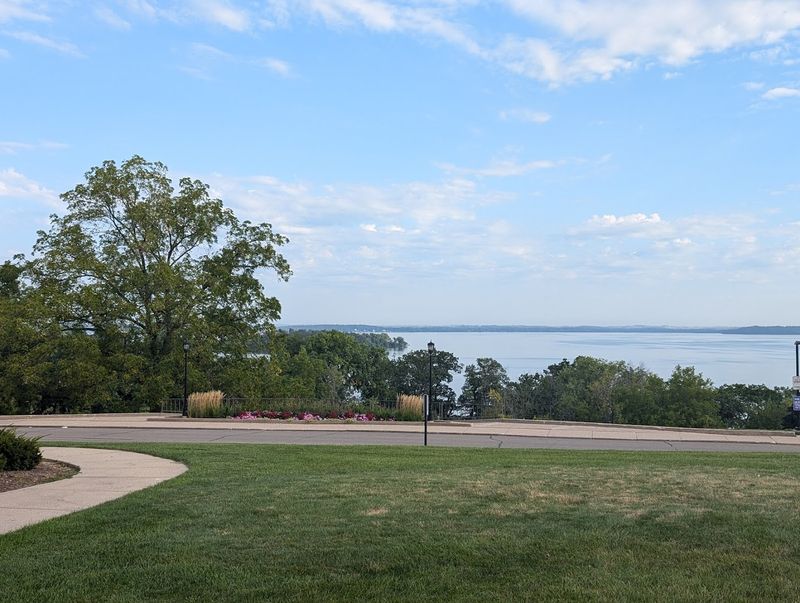
Observatory Hill provides views across Lake Mendota that enhance the experience of visiting Washburn Observatory beyond just astronomical observation. The lake stretches across the northern horizon, its surface reflecting sunlight during afternoon approaches and fading into darkness as evening viewing sessions begin.
This natural setting creates a peaceful atmosphere that contrasts with the urban development elsewhere on campus.
The combination of elevation, historic architecture, and water views makes the observatory grounds attractive even when the telescope is not in operation. People visit during daylight hours to walk the paths, enjoy the scenery, and photograph the distinctive building.
The surrounding area includes effigy mounds created by indigenous peoples centuries ago, adding cultural and historical layers to the landscape.
Location matters for astronomical facilities, and the early planners who selected this site chose well. The hilltop position provided clear views of the horizon in all directions, essential for tracking objects as they rise and set.
Modern light pollution from Madison affects what can be observed, but the fundamental advantages of the location remain. Lake Mendota adds beauty without interfering with the observatory’s scientific purpose.