
This Wisconsin Park Has A Surprising Side Rockhounds Will Love
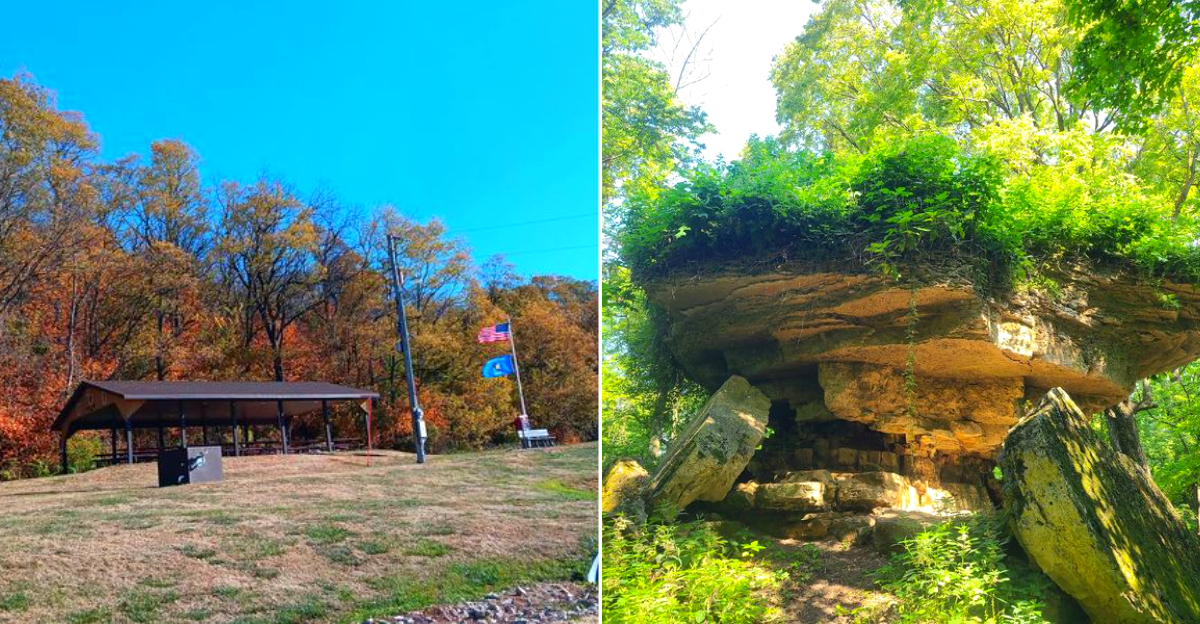
A quiet state park can hide a lot beneath the surface. This one proves it with rocky surprises, unusual formations, and a landscape shaped by geological history.
The trails feel peaceful at first, but the details quickly steal the show. Exposed rock, changing terrain, and interesting natural features make every stretch worth a closer look.
Wisconsin gives curious visitors plenty to discover here without needing flashy attractions or crowded overlooks.
Rock enthusiasts can slow down and study the landscape. Casual hikers can simply enjoy the unexpected scenery along the way. Either way, the park turns a simple outdoor escape into something far more interesting.
It is calm, scenic, and packed with small discoveries that reward anyone willing to pay attention. What looks like an easy nature stop at first quickly becomes the kind of place that keeps your eyes on the trail and your curiosity switched on.
What Shaped This Scenic Mound
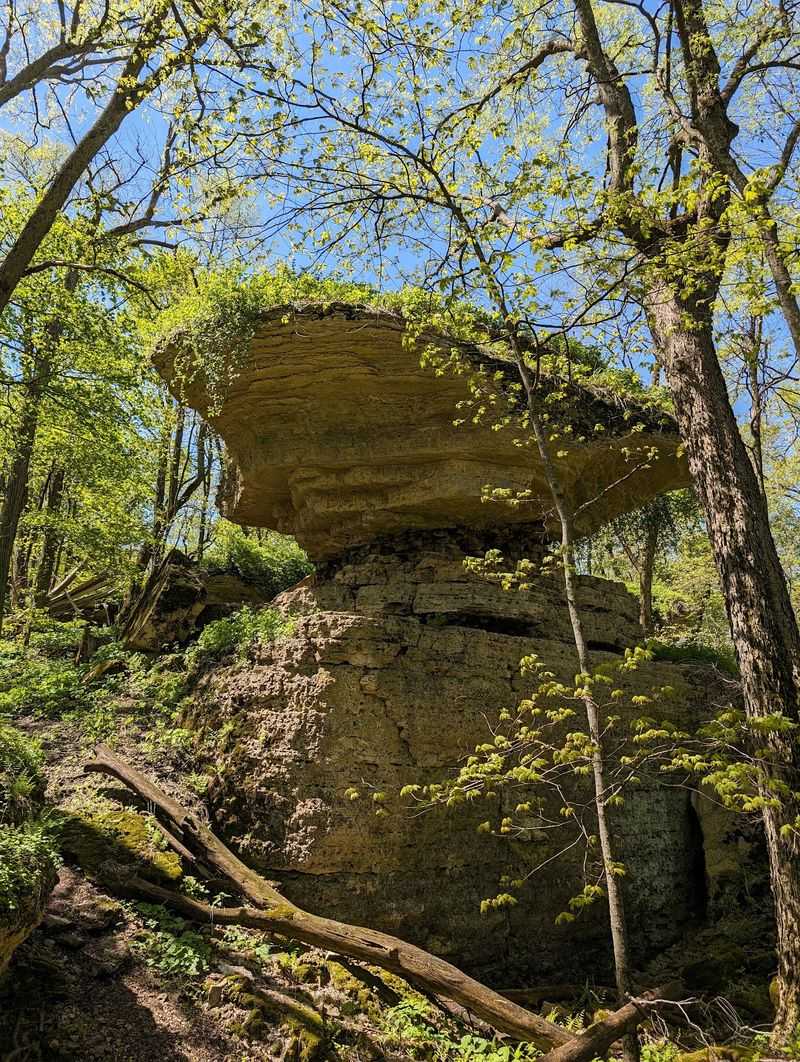
Long before this park had trails or picnic tables, the land itself was doing something remarkable. Belmont Mound is an erosion-resistant remnant protected by a hard cap of Niagara dolomite after surrounding rock wore away over millions of years.
The mound rises sharply above the surrounding farmland, making it a standout feature in southwest Wisconsin’s landscape.
The rock layers visible throughout the park tell a story that goes back to ancient shallow seas. Dolomite and sandstone dominate the formations here, and if you pay attention while hiking, you can spot where different rock types meet.
That contact zone is a great place to stop and look closely.
For rockhounds, understanding this geology is the foundation of the whole visit. Knowing what kind of rock you are standing on helps you predict what formations you might find along the trail.
The mound itself is a living textbook, and every step upward reveals another chapter of Earth’s deep past written in stone.
Mushroom Rock Formation You Have To Find

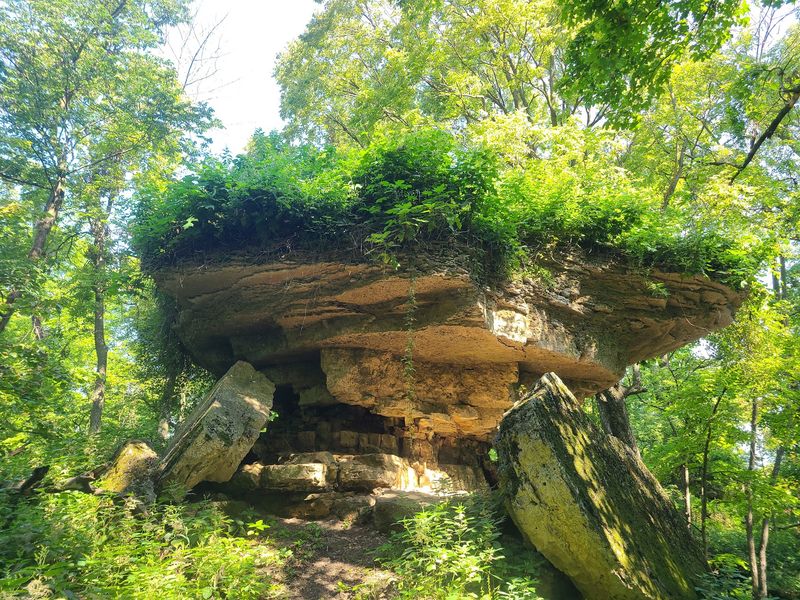
One of the park’s most distinctive formations is the Devil’s Dining Table, a broad slab of rock resting on a narrow pedestal. Erosion carved this formation over thousands of years, leaving a broad cap of harder rock balanced on a narrower base.
The result looks almost too perfect to be natural.
Finding it does require a bit of trail navigation. The formation is on the north slope, so checking the park’s trail map before heading out can help with navigation. Most visitors who spot it say the search is half the fun. You are basically on a mini geological scavenger hunt.
The Mushroom Rock is a prime example of differential erosion, a process where softer rock erodes faster than harder rock above it. For younger visitors or kids just getting into rocks and nature, this is the kind of feature that sparks real curiosity.
You can see science happening in slow motion right in front of you. Bring a camera, because this one deserves a photo.
Rock Snake Trail Feature Worth Seeking Out

Not every cool feature at Belmont Mound State Park comes from millions of years of geology. One of the most charming surprises along the trail is the rock snake, a community-built formation made entirely of painted rocks left by visitors over the years.
It stretches along the upper road section of the park and keeps growing every time someone new adds a stone. The tradition is simple and fun. If you visit, you are encouraged to bring a painted rock and add it to the snake.
Kids especially love this part of the trip. It turns a regular hike into something interactive and creative, and it gives your visit a personal touch that you can leave behind for others to enjoy.
The rock snake is located up the road portion of the park, past the playground area. Keep your eyes open as you walk, because it blends into the surroundings in a surprisingly natural way.
This kind of community art is a reminder that parks are living spaces shaped by the people who visit them. It is a small thing, but it adds a layer of warmth to the whole experience at this Wisconsin park.
A Trail Adventure For Curious Rockhounds
Belmont Mound State Park offers a mix of trail types, and each one gives rockhounds a slightly different experience. The paved road that winds up the hill is a good starting point, especially if you want a steady incline without uneven footing.
From there, several dirt footpaths branch off into the more densely wooded areas where rock outcrops are easier to spot.
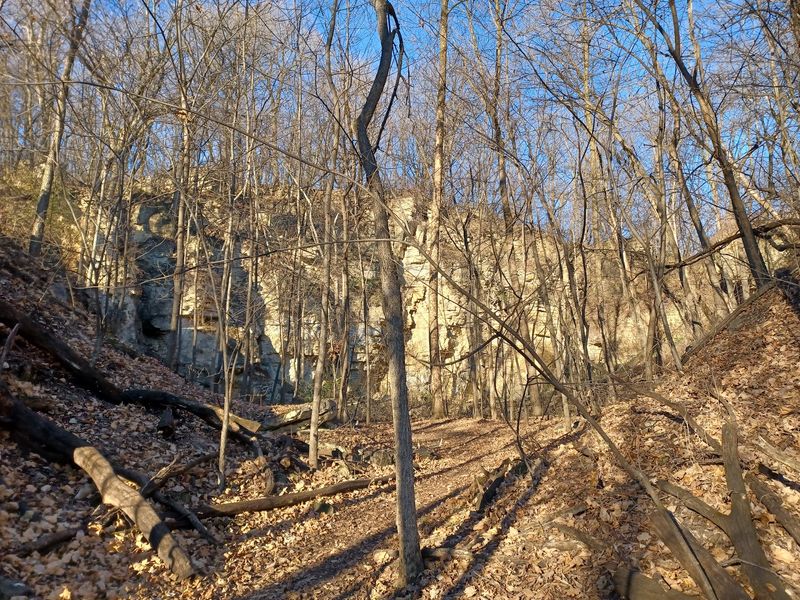
The steeper footpath near the park entrance takes you through sections where the hillside cuts away and exposes raw rock. These exposed areas are ideal for studying the natural layers up close.
You can often see where frost, rain, and root growth have cracked and shifted the stone over time. It is geology in action, and you do not need any special equipment to appreciate it.
The park is located at 18650 County Road G, Platteville, WI 53818, and is open daily from 6 AM to 11 PM. Trails are generally easy to moderate, making them accessible for most ages. Wearing sturdy shoes is a good idea since some paths get uneven near rock outcrops.
Take your time on the trail and look around rather than just looking ahead.
What Rockhounds Can Realistically Expect To Find
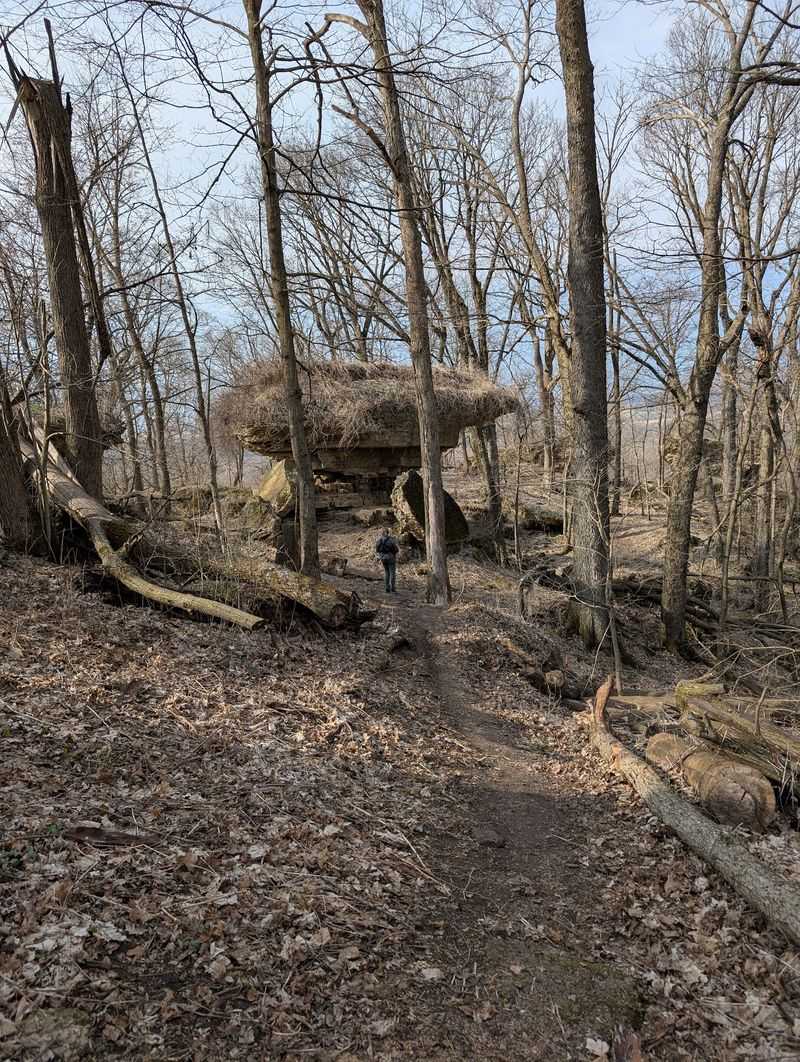
Rockhounding at Belmont Mound State Park is more about observation than collection. Wisconsin state parks have rules against removing rocks and natural materials, so the experience here is really about seeing and learning rather than filling a bag.
That said, what you get to see is genuinely impressive for a small park in the middle of farm country.
Dolomite is the dominant rock type, and it shows up in chunky outcrops along the hillside. Sandstone layers appear lower on the mound and often show interesting cross-bedding patterns left behind by ancient water currents.
If you look carefully at loose rock near trail edges, you might also spot fossils from marine organisms that lived in Wisconsin’s ancient inland sea.
Crinoid stems and brachiopod shells are among the fossils occasionally found in dolomite formations across this region of the state. You probably will not spot them on every visit, but knowing what to look for makes the hike much more engaging.
Bring a hand lens or magnifying glass if you have one. Getting up close to the rock surface reveals texture, color, and structure that you would completely miss from a standing distance.
A Rewarding View At The Top
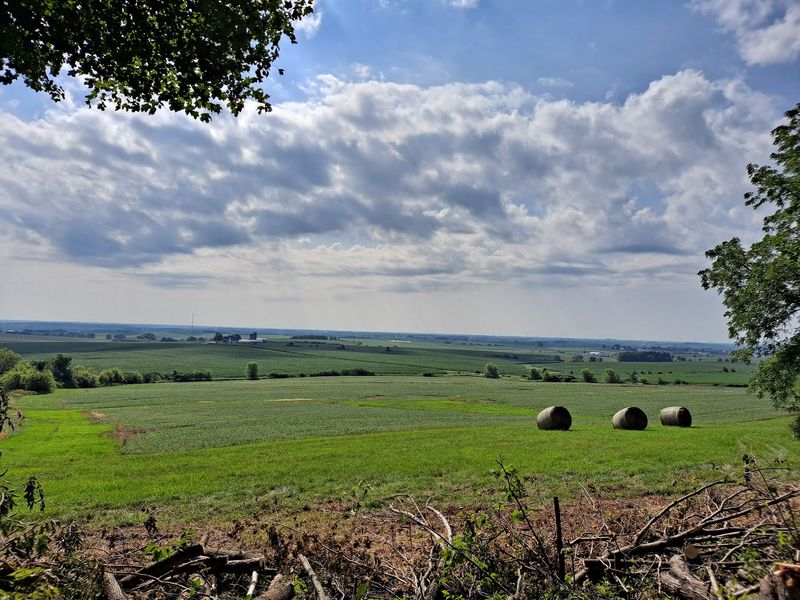
Reaching the top of Belmont Mound gives you a payoff that is hard to describe without seeing it yourself. The mound rises above the surrounding farmland. From the summit, you get wide views across southwest Wisconsin’s fields, farms, and distant ridgelines.
On a clear day, the visibility stretches for miles in every direction.
The observation tower that once stood at the top has been removed, but the views from the hilltop are still worth the climb. You do not need an elevated platform to appreciate the scale of the landscape around you. The natural elevation of the mound does most of the work.
Sunset visits are particularly rewarding, with the light changing the colors of the farmland below in a way that feels almost painted.
For rockhounds, the summit also offers a chance to look down at the mound itself and understand its shape from above. You can see how the resistant rock cap has protected the hill from the same erosion that flattened the surrounding land.
That geological perspective from the top ties together everything you observed on the way up, making the whole hike feel like a complete story.
Family-Friendly Features Beyond The Rocks
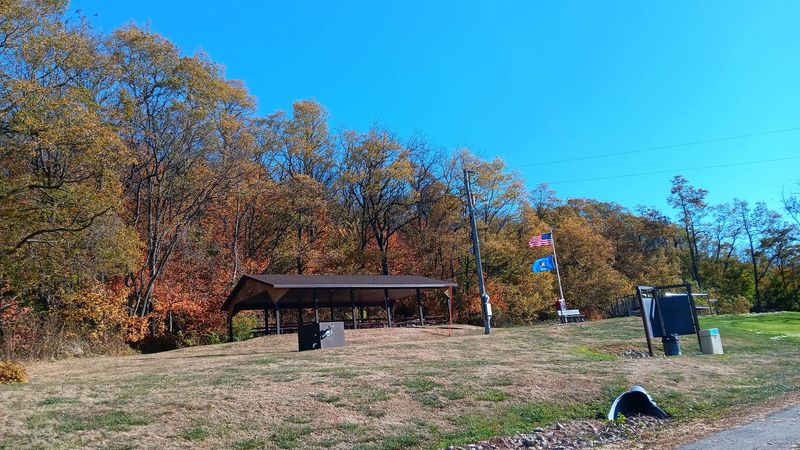
Belmont Mound State Park is not just for geology enthusiasts. The park also has a playground, a covered pavilion, picnic tables, and clean restroom facilities, making it a solid option for a family outing.
You can easily combine a rock-focused hike with a relaxed picnic without needing to drive anywhere else.
Dogs are welcome on the trails, which is a big plus for pet owners who want to explore with their four-legged companions. The trails are wide enough in most sections to walk comfortably with a dog on a leash.
Just keep in mind that some paths narrow as you get deeper into the wooded areas, so a shorter leash helps in those spots.
The park’s location in southwest Wisconsin also puts it near other interesting sites. The First Capitol State Historic Site is about a half mile west of the park, adding a layer of Wisconsin history to your visit.
If you are making a day trip out of the area, you can easily combine both stops without much extra driving. The park is free to enter, so the whole experience is very accessible for families looking for an affordable outdoor adventure.
Why This Park Deserves A Spot On Your List
Belmont Mound State Park does not try to be everything, and that is exactly what makes it worth a visit. It is a focused, peaceful space where the natural landscape does the talking.
The rock formations, the forested hillside, the open summit views, and the quiet trails all come together to create an experience that feels genuinely refreshing.
For rockhounds, the park offers something rare in a small Wisconsin state park: visible geology that is easy to read and fun to explore without needing a science degree.
Mushroom Rock, dolomite outcrops, fossil possibilities, and the rock snake trail make the park feel richer than its size suggests.
If you are planning a trip to southwest Wisconsin, put Belmont Mound on your itinerary. Fall is an especially beautiful time to visit, when the tree canopy turns gold and the rock formations stand out against the warm colors of the leaves.
You will leave with a new appreciation for what a small park can offer when the land itself has a story to tell.