
This Wisconsin Park Is A Birdwatching Haven Most People Overlook
Most people head to a big park thinking about bike rides, lake views, campfires, and maybe one very ambitious picnic. Wisconsin has a quieter surprise waiting in the trees, though, and it comes with wings.
Follow the softer trails, listen past the crunch of gravel, and the place starts to change. Warblers flicker through branches, gulls ride the shoreline air, and woodpeckers tap like they own the forest.
You do not have to be a serious birder to enjoy it. A slow walk and a little patience are enough. While others rush toward the usual views, you might catch the real show overhead, beside the bluffs, or tucked among the leaves without fighting crowds or rushing through the whole day.
Weborg Point Is A Great Place To Spot Orioles And Red-Winged Blackbirds
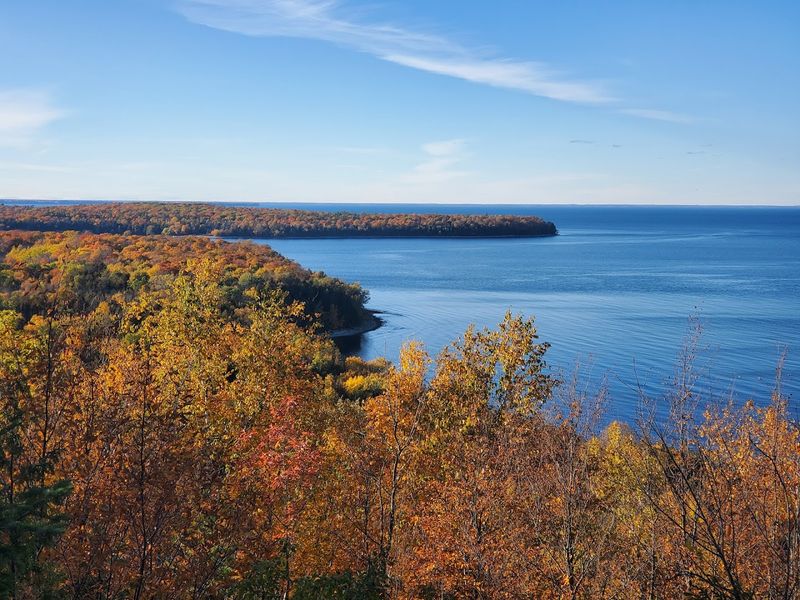
Weborg Point extends into the water near the southern section of the park, offering a mix of wetland edges and scrubby vegetation. Orioles arrive in late spring, their orange plumage bright against the green foliage.
Red-winged blackbirds claim the cattails and reeds, their distinctive calls echoing across the point.
The habitat at this Wisconsin park differs from the dense interior forests, attracting species that prefer open spaces and water access. Swallows dart over the surface catching insects.
Kingfishers rattle from exposed branches before diving for fish.
Mornings provide the calmest conditions and the most vocal activity. A short walk from the parking area leads to viewing spots where you can set up without disturbing the birds.
The point remains less visited than other areas of the park, so you often have the space to yourself. Patience pays off as birds move through the area following feeding patterns tied to insect hatches and water levels.
Peninsula State Park Is Home To About 125 Bird Species
The park supports roughly 125 bird species throughout the year, making it one of the most biodiverse locations in the region. Forests, meadows, wetlands, and shoreline create distinct zones that attract different types of birds.
Woodpeckers tap through the mature hardwoods while sparrows flit through the understory.
Waterfowl gather along the bays and inlets. Raptors circle overhead, scanning the open areas for prey.
The variety means you can spot something new almost every visit, depending on the season and time of day.
Located at 9462 Shore Road in Fish Creek, Wisconsin the park opens at 6 AM daily, giving early risers the best chance to hear dawn choruses. Spring and fall migrations bring the most activity, but winter offers opportunities to see hardy species that stay through the cold months.
Bringing a field guide helps identify the less common visitors that appear without warning.
Mid-May Migration Brings Warblers Through The Park
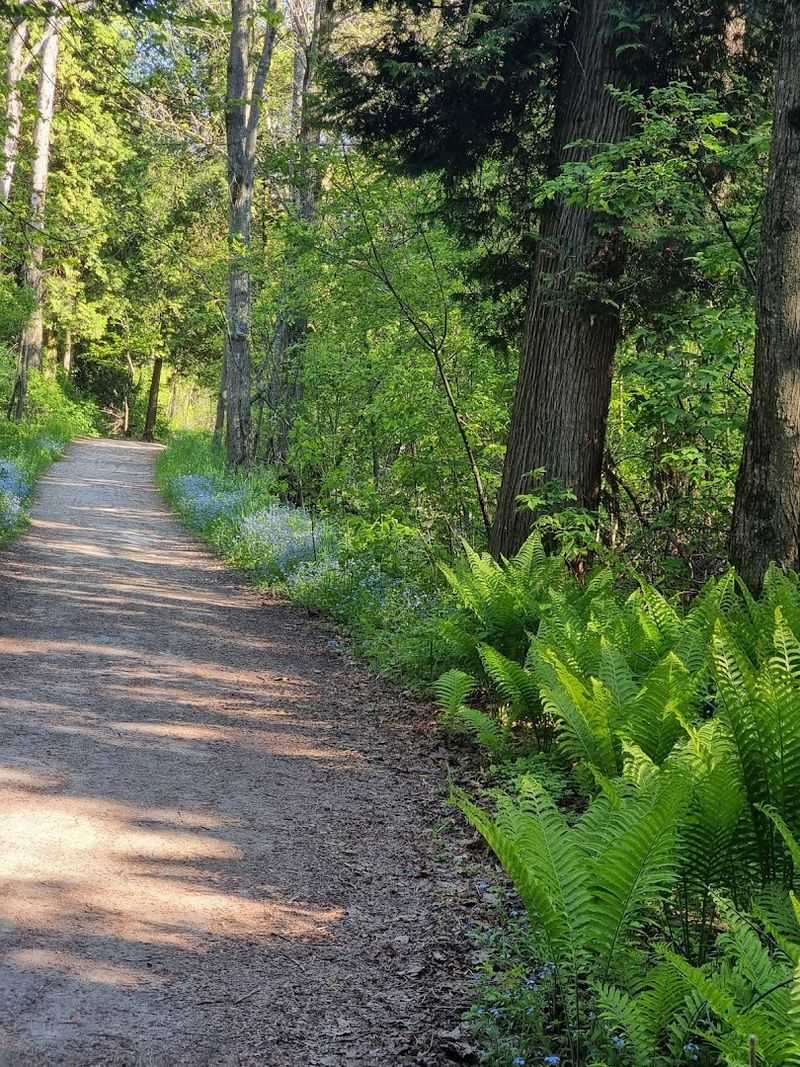
Warblers pass through in waves during mid-May, traveling north to breeding grounds in Canada. These small, active birds move quickly through the canopy, feeding on insects before continuing their journey.
Yellow warblers, American redstarts, and black-throated green warblers appear regularly, along with less common species that birders watch for each year.
The timing of peak migration shifts slightly depending on weather patterns and temperature. Warm fronts push birds northward in larger numbers.
Cold snaps slow their progress, concentrating more individuals in the park for a few days.
Early morning offers the best viewing before the birds settle into quieter midday routines. Binoculars with good magnification help track their movements in the treetops.
The trails near Nicolet Bay and the interior forest loops provide good vantage points. Migration only lasts a couple of weeks, so planning a visit around mid-May increases the chances of seeing multiple warbler species in a single outing.
Eight Miles Of Shoreline Give Birds Plenty Of Habitat

Eight miles of Green Bay shoreline wind through the park, creating continuous habitat for waterbirds and shorebirds. Rocky points, sandy beaches, and sheltered coves each attract different species.
Gulls rest on the rocks while sandpipers probe the wet sand at the water’s edge.
Loons sometimes appear offshore during migration, their eerie calls carrying across the water. Cormorants perch on pilings and dead snags, spreading their wings to dry.
Great blue herons stalk the shallows, moving with slow precision as they hunt for fish.
Walking the shoreline trails reveals new birds around each bend. The water moderates temperatures, making the shore slightly warmer in fall and cooler in summer compared to inland areas.
This affects when insects emerge and when birds arrive to feed. The length of the shoreline means you can find solitude even on busy weekends, especially if you venture beyond the main beach areas toward the northern reaches of the park.
Eagle Tower Offers A Bird’s-Eye View Over Door County

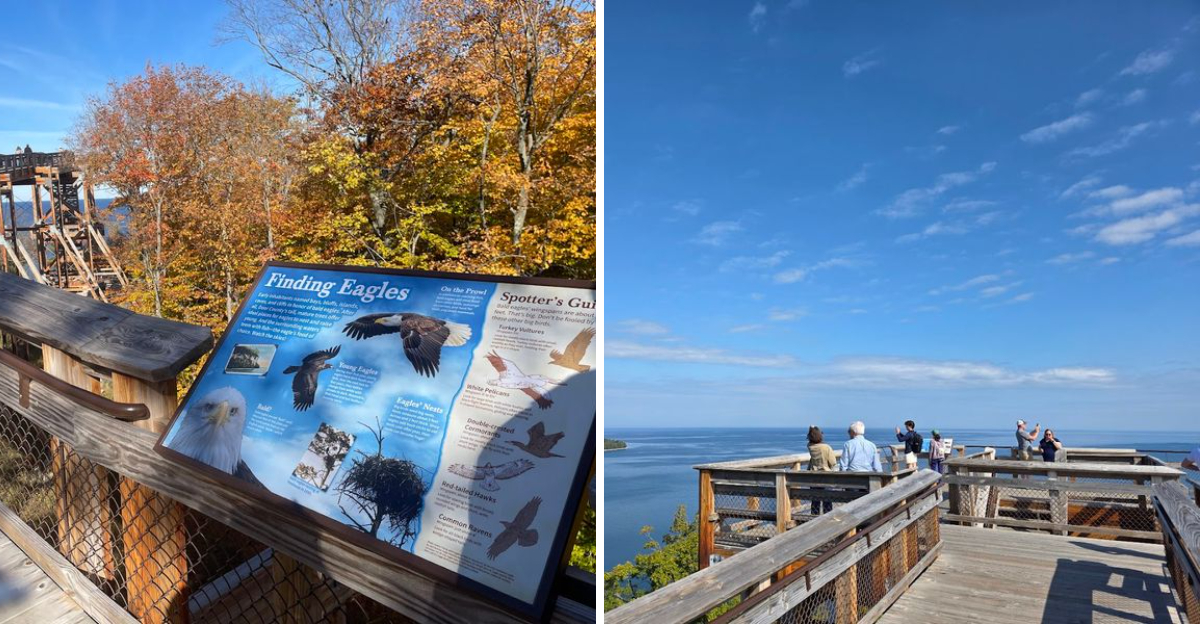
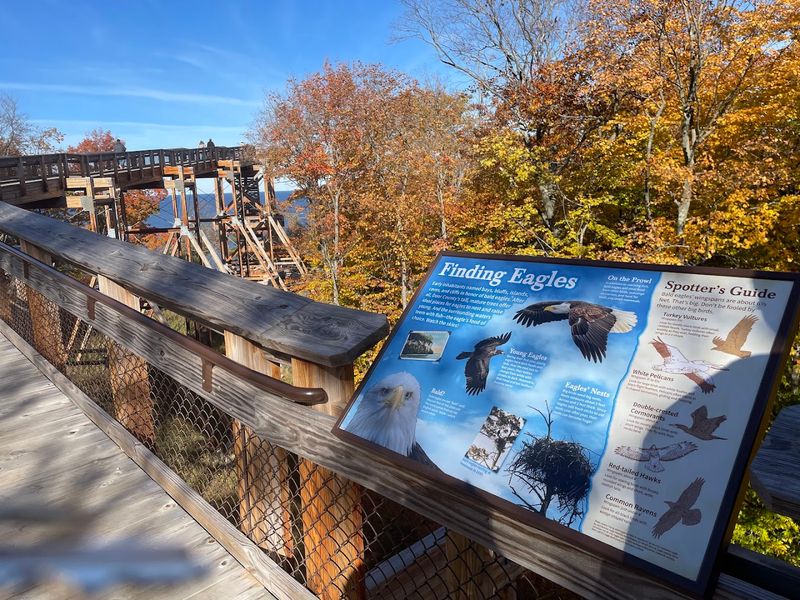
Eagle Tower rises 60 feet above the bluffs, providing a perspective over the forest canopy and Green Bay beyond. From the top platform, you can scan the treetops for hawks and eagles riding thermals.
Turkey vultures circle below eye level, their wings tilted as they search for carrion.
The tower reopened in 2021 with an accessible ramp that spirals to the top, making it easier for visitors of all abilities to reach the observation deck. The structure sits near the center of the park, accessible by a short trail from the parking area.
Visiting during migration increases the chances of spotting raptors passing overhead. Fall brings the most dramatic flights as birds funnel down the Door County peninsula.
The height advantage lets you see birds that remain hidden when viewed from ground level. Bringing a spotting scope adds detail to distant sightings.
The tower stays open until 11 PM, but wildlife viewing works best during daylight hours when birds remain active.
The Park’s Forests, Bluffs, And Water Create Ideal Birdwatching Variety
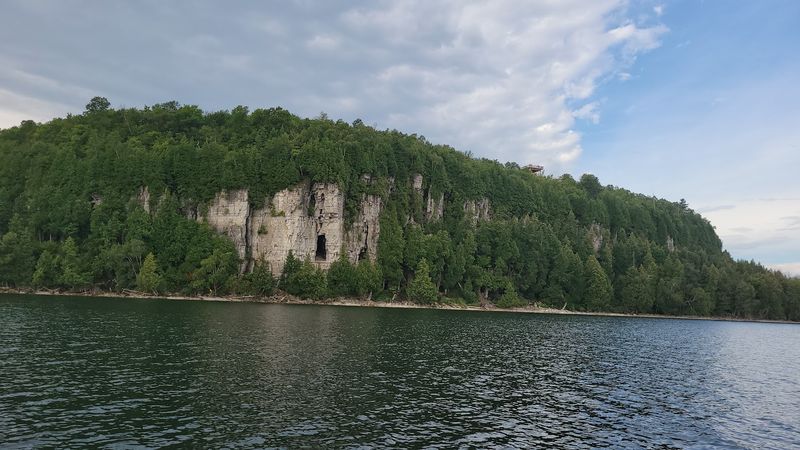
The combination of mature hardwood forests, limestone bluffs, and freshwater shoreline creates habitat diversity that supports a wide range of species. Forest-dwelling birds like thrushes and vireos occupy the interior woods.
Cliff-nesting species find ledges along the bluffs. Waterbirds patrol the bays and inlets.
Each habitat type functions independently while connecting through the park’s landscape. Birds move between zones throughout the day, feeding in one area and roosting in another.
This movement increases the number of species you might encounter along a single trail.
The bluffs rise over 150 feet in places, creating microclimates that affect which plants grow and which insects thrive. These differences ripple through the food chain, influencing bird distribution.
Understanding how the habitats connect helps predict where certain species might appear. The park’s size, covering nearly 4,000 acres, means these habitats exist at a scale that supports healthy populations rather than just transient visitors passing through.
Eagle Trail Combines Birding With Dramatic 150-Foot Cliffs
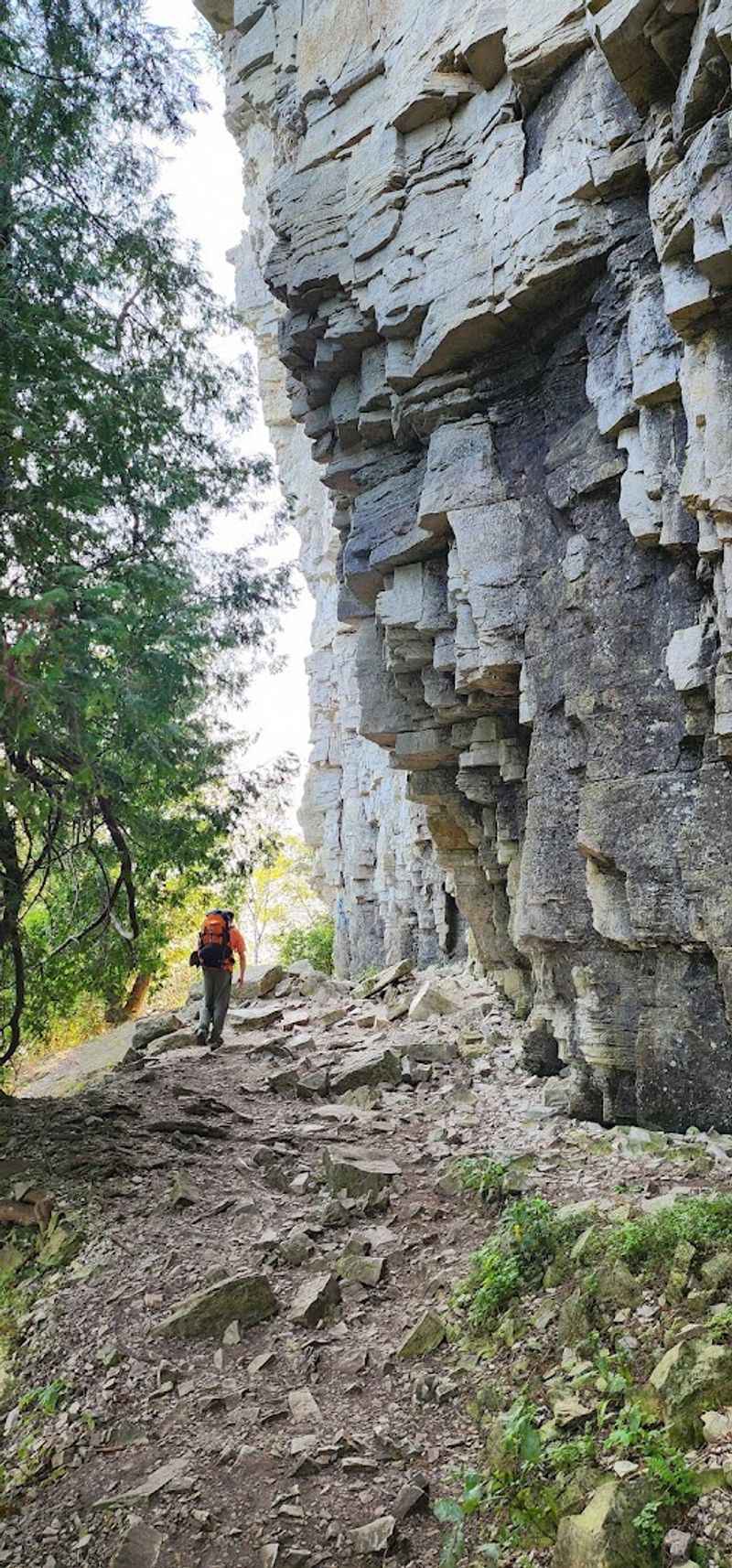
Eagle Trail follows the edge of the bluffs, offering views down 150-foot cliffs to the water below. The trail passes through forest and along open ledges where the exposure creates different growing conditions.
Birds of prey sometimes perch in dead trees near the cliff edge, scanning for movement below.
The elevation gain challenges some hikers, but the birding opportunities reward the effort. Ravens occasionally soar past at eye level, their deep croaks distinct from the higher-pitched calls of crows.
Peregrine falcons have been spotted hunting along the cliffs, though sightings remain uncommon.
The trail connects to other paths in the park, allowing you to extend the hike into a longer loop. Morning light illuminates the eastern-facing cliffs, making photography easier.
The combination of elevation, exposure, and habitat edges concentrates bird activity. Parents with young children should use caution near the cliff edges, as some sections lack barriers.
The trail remains open year-round, though ice can make footing treacherous in winter months.
The Quiet Trails Make It Easy To Slow Down And Listen
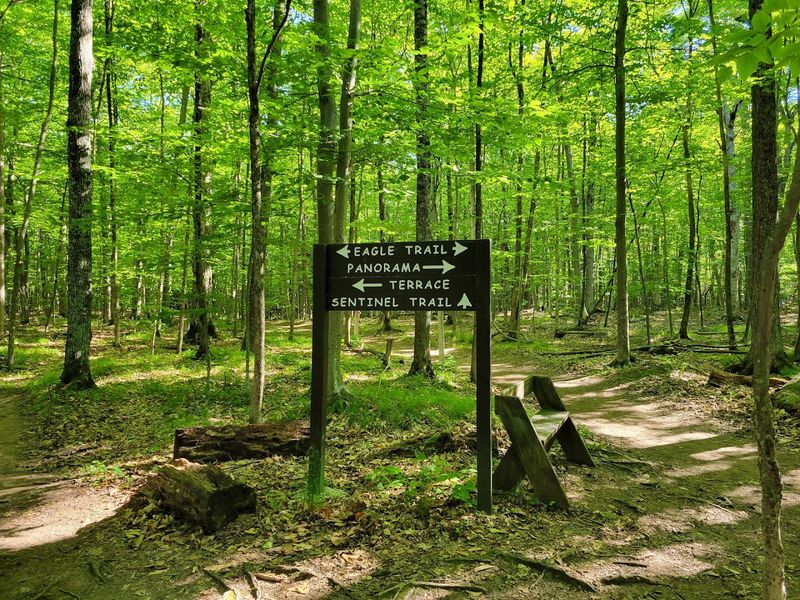
The network of trails throughout the park provides access to different habitats without the noise and crowds that disturb wildlife. Many paths wind through the interior forests where sound carries clearly.
Stopping to listen reveals more birds than constant movement ever could.
Birding by ear takes practice but opens up a new dimension to observation. Many species remain hidden in dense foliage but announce themselves through songs and calls.
Learning a few common vocalizations helps identify birds without seeing them.
The trails vary in difficulty from flat shoreline paths to steep bluff climbs. Choosing routes based on target species improves success rates.
Early morning hours before other visitors arrive offer the quietest conditions. Some trails allow bikes, so staying alert for approaching riders prevents startling wildlife.
The park maintains the trails well, though roots and rocks require attention. Sitting quietly at a promising spot often produces better results than covering long distances.
Birds resume normal behavior when they no longer perceive a threat, revealing feeding and social interactions that rushed visitors never witness.
Water Birds Add Another Reason To Watch The Shoreline

Green Bay attracts diving ducks, grebes, and loons during migration periods. These birds spend most of their time on the water, diving for fish and aquatic invertebrates.
Common mergansers appear in spring and fall, their serrated bills designed for catching slippery prey.
Scanning the water with binoculars picks out birds that blend into the waves from shore. Buffleheads bob on the surface, diving suddenly and popping up yards away.
Red-breasted mergansers gather in small flocks, fishing cooperatively.
The shallow bays warm faster in spring, attracting the first migrants. Deeper water stays open longer in fall, providing habitat after inland lakes freeze.
Watching from points that jut into the bay gives better angles for observation. Wind conditions affect visibility and bird behavior, with calmer days offering clearer views.
Some species raft up in large groups offshore, requiring a spotting scope to identify individuals. The shoreline provides year-round opportunities since some hardy ducks overwinter in areas that remain ice-free.
Patience and repeated visits build familiarity with seasonal patterns and regular visitors.
The Park Feels Wild Even Though It Is Close To Fish Creek
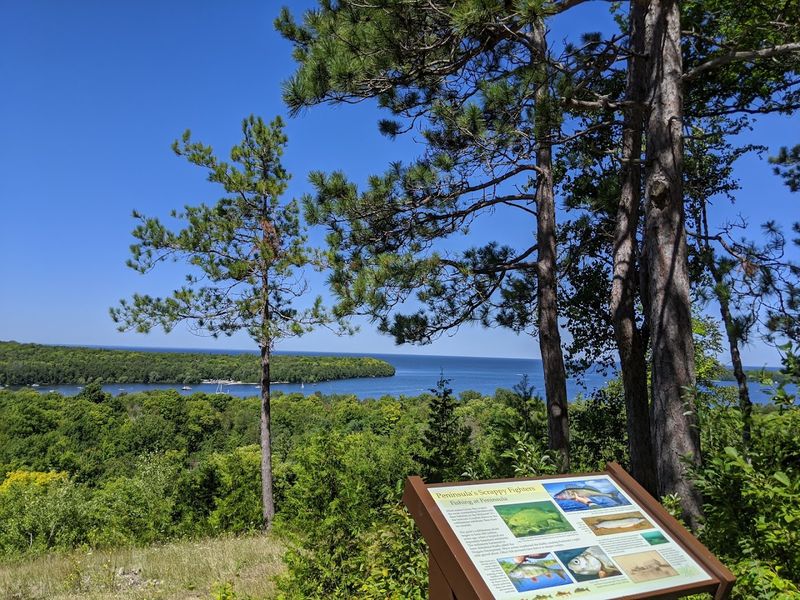
Despite sitting just minutes from the shops and restaurants of Fish Creek, the park maintains a sense of wildness that disappears in more developed areas. The forests have matured over decades, creating the structure that wildlife needs.
Old trees provide nesting cavities while fallen logs support insects and fungi that feed birds.
The proximity to town makes the park accessible without long drives, yet once inside the boundary the human world fades. Roads wind through the property but never dominate the landscape.
Trails penetrate areas where silence returns minutes after leaving the parking lot.
This balance between accessibility and preservation explains why the park supports such diverse wildlife. Birds need undisturbed habitat during sensitive periods like nesting and migration.
The park provides that space while remaining open to visitors who respect the environment. Reaching the park from Fish Creek takes less than ten minutes, making it practical for multiple visits during a stay in Door County.
The combination of convenience and quality habitat creates opportunities that more remote locations cannot match.