
This Wisconsin Restaurant Does One Dish Really, Really Well (And You’ve Probably Never Heard Of It)
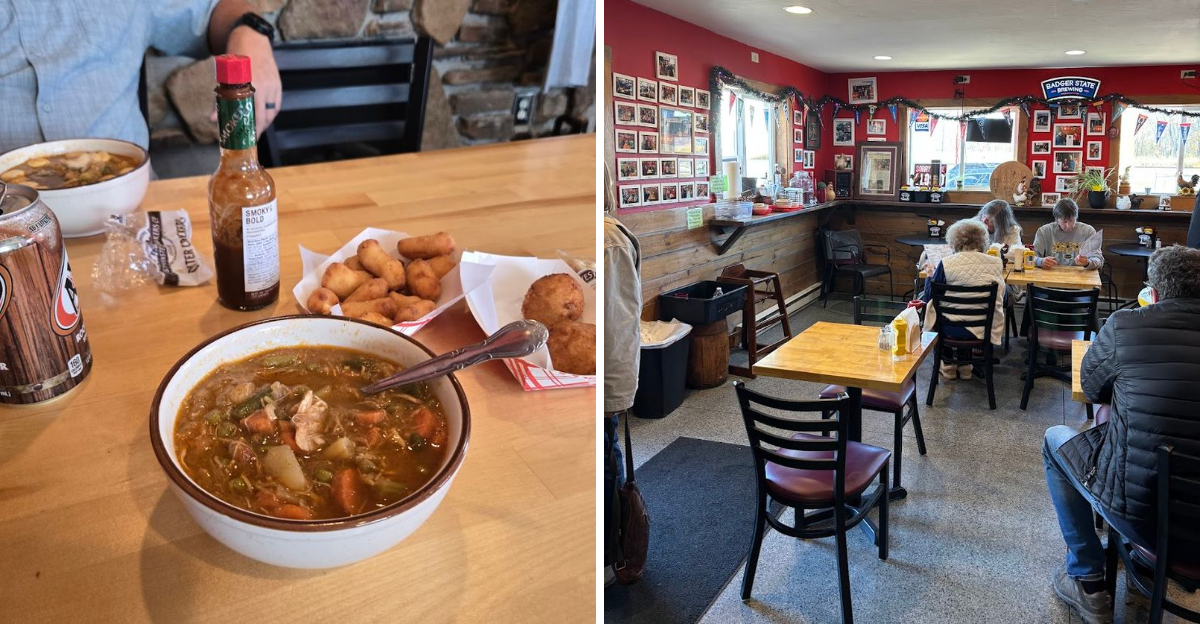
Football and cheese curds may get the loudest applause, but Green Bay has another Wisconsin classic worth talking about. It comes steaming hot, loaded with old-school comfort, and served without any need for fancy tricks.
You know a place is doing something right when locals keep coming back for the same bowl again and again. No giant menu.
No overdone gimmick. Just a hearty recipe with deep roots, a loyal following, and enough flavor to make a simple lunch feel like a local ritual.
That is the charm here. One dish carries the whole reputation, and somehow, that makes the visit even better.
After one spoonful, you understand why people make the drive and why this tradition still matters.
Booyah Is The Wisconsin Comfort Dish Many Visitors Still Do Not Know
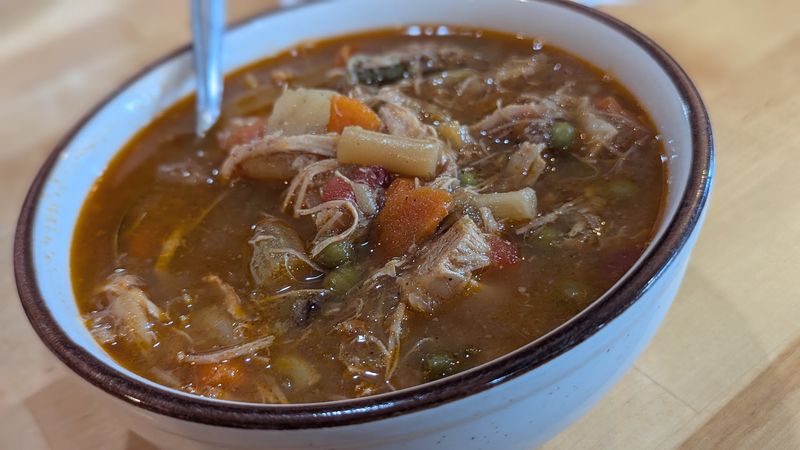
Most people passing through Wisconsin know about cheese curds and bratwurst. Fewer understand that booyah represents one of the state’s most cherished culinary traditions, particularly around Green Bay.
This hearty cross between soup and stew developed from Belgian immigrant communities who gathered for massive outdoor cooking sessions that lasted hours.
The dish combines chicken, beef, and vegetables simmered slowly until flavors marry into something greater than individual ingredients suggest. What makes booyah special goes beyond taste.
Community gatherings traditionally centered around enormous kettles of this stew, with neighbors contributing ingredients and labor.
At The Booyah Shed on 1800 South Ashland Avenue, this regional specialty gets proper respect. The restaurant keeps the tradition alive by serving bowls that honor original recipes while making them accessible to anyone curious enough to try.
Visitors often walk past without realizing they missed tasting something genuinely local and historically significant to the area.
The Restaurant Keeps Its Focus On One Bowl Instead Of A Huge Menu
Walking into The Booyah Shed reveals a philosophy that runs counter to most modern restaurants. Rather than overwhelming customers with endless choices, the space centers attention on what matters most.
Bright walls and straightforward counter service create an atmosphere where food takes priority over fancy presentation or elaborate dining room design.
The menu does offer other items like cheese curds, tacos, and Friday fish fry. However, booyah remains the undeniable star, the reason most people make the trip.
This focused approach allows the kitchen to perfect recipes instead of spreading effort thin across dozens of dishes that never quite reach their potential.
Quality improves when a restaurant commits to doing fewer things with greater care. The Booyah Shed understands this principle completely.
Customers ordering that signature bowl receive something made with attention and consistency that only comes from repetition and genuine dedication to craft rather than chasing trends or expanding menus unnecessarily.
Green Bay’s Booyah Tradition Runs Deep
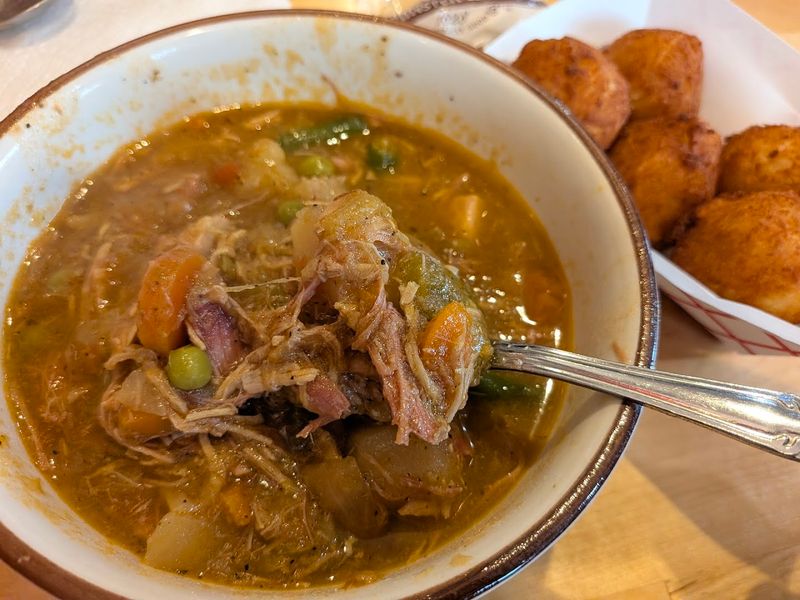
Booyah arrived in Wisconsin with Belgian settlers who brought recipes from their homeland during the late 1800s. These immigrants settled heavily around Green Bay and Door County, establishing farming communities that maintained cultural traditions through food.
Large kettles became centerpieces for church fundraisers, family reunions, and neighborhood celebrations where everyone contributed something to the pot.
The cooking process itself fostered community bonds. Men tended fires and stirred massive batches for eight to twelve hours while women prepared vegetables and organized serving logistics.
Children played nearby, absorbing traditions they would eventually pass to their own families.
Modern life changed how people gather, but The Booyah Shed keeps these connections alive through bowls served daily. The restaurant functions as a living museum where culinary history remains edible and relevant.
Eating booyah there connects diners to generations of Wisconsin residents who understood that good food brings people together better than almost anything else can manage.
The Dish Is Part Soup, Part Stew, And Fully Wisconsin
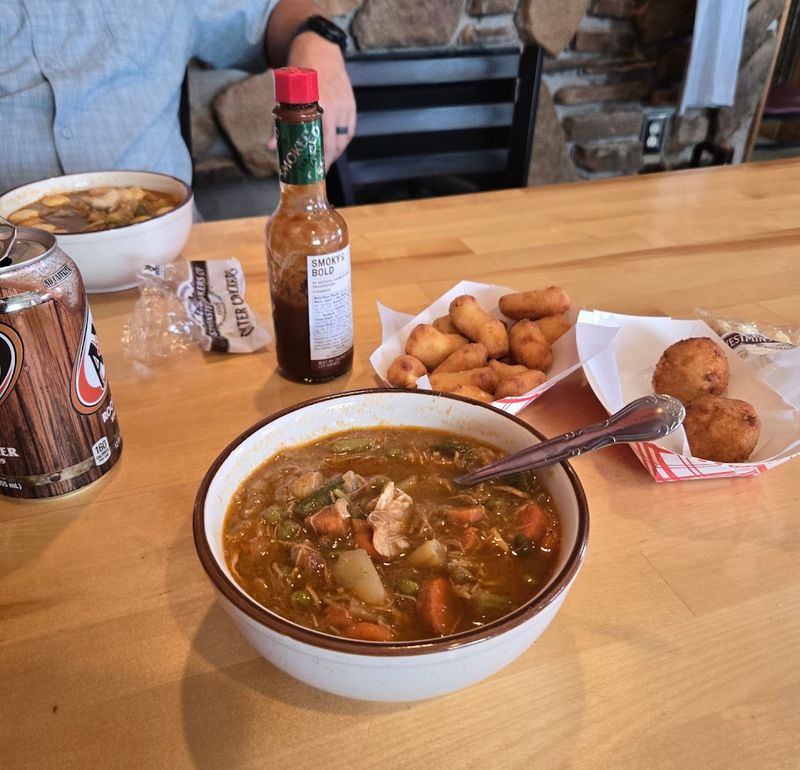
Categorizing booyah challenges people accustomed to clear distinctions between soups and stews. The consistency falls somewhere in between, thicker than broth-based soups but looser than typical stews.
This texture comes from long cooking times that break down ingredients while maintaining enough structure to feel substantial and satisfying in every spoonful.
Wisconsin identity shines through in how booyah combines practicality with flavor. Farmers used whatever vegetables grew abundantly, making the dish adaptable to seasons and available ingredients.
Chicken provided protein that cooked affordably in large quantities, while beef added depth that elevated the entire pot beyond simple chicken soup.
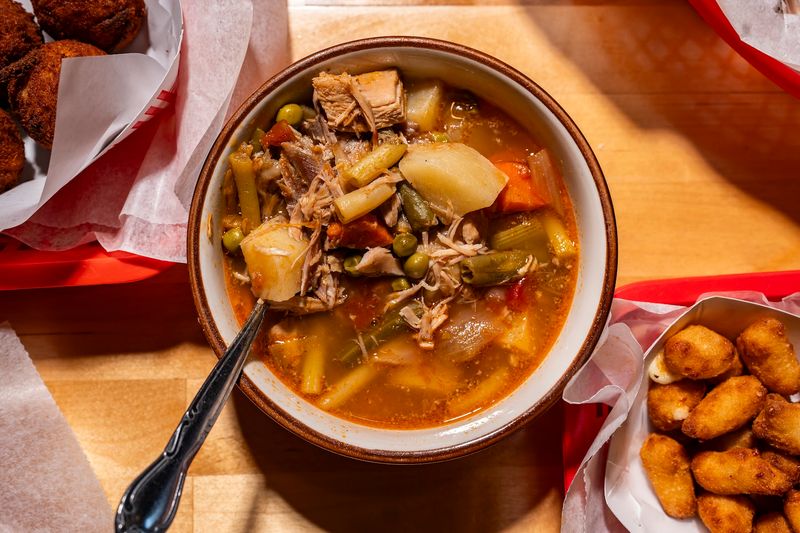
The Booyah Shed honors this balanced approach. Their version contains generous portions of both meats along with potatoes, carrots, cabbage, and beans that create layers of flavor without overwhelming the palate.
Each bowl demonstrates how regional cooking develops from necessity and transforms into something people crave regardless of whether ingredients cost pennies or dollars anymore.
Slow Cooking Gives Booyah Its Rich, Hearty Flavor
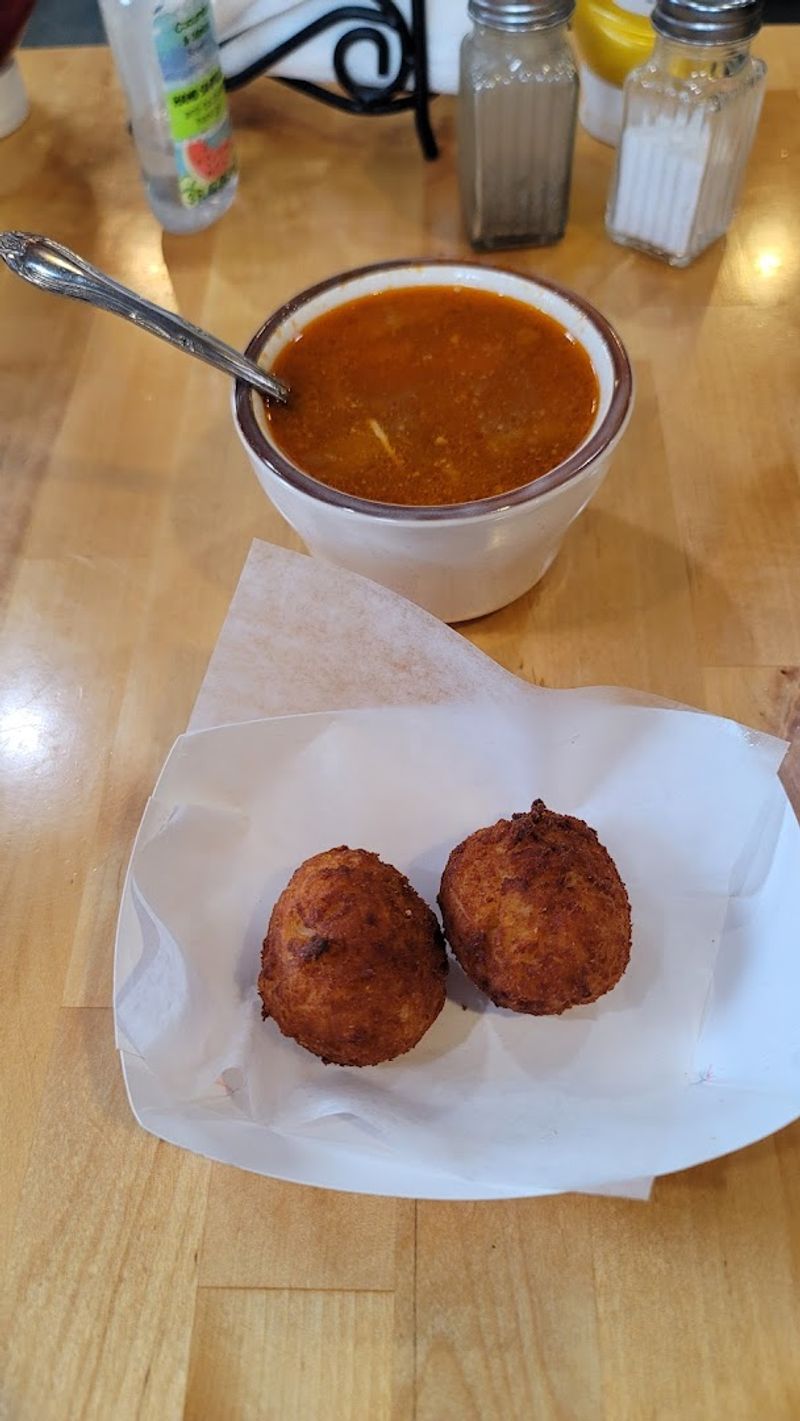
Patience separates good booyah from mediocre attempts that miss the point entirely. Traditional recipes require hours of gentle simmering that cannot be rushed without sacrificing the depth that makes this dish memorable.
Proteins break down gradually, releasing gelatin that thickens broth naturally while vegetables soften and contribute their essence to the collective flavor profile.
Quick cooking methods produce soup that tastes like separate ingredients floating together rather than a unified dish. Slow cooking allows flavors to meld and develop complexity that no amount of seasoning can replicate artificially.
The process also tenderizes tougher cuts of meat into morsels that practically dissolve on the tongue.
At The Booyah Shed, this time-honored approach remains non-negotiable. The kitchen commits to proper preparation that respects both ingredients and tradition.
Customers taste the difference immediately when that first spoonful delivers warmth and richness that only develops through patient cooking methods that many modern restaurants abandoned decades ago in favor of speed and convenience.
Chicken, Vegetables, And Broth Make The Bowl Feel Like Home
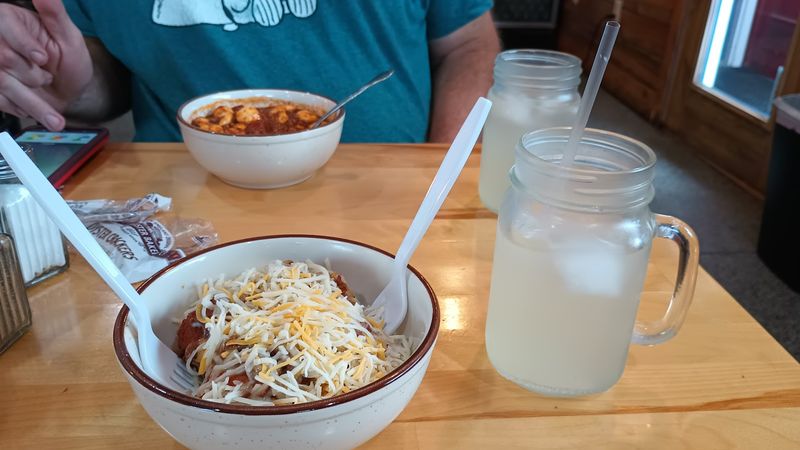
Comfort food earns its name by triggering memories and emotions beyond simple hunger satisfaction. Booyah accomplishes this through familiar ingredients combined in ways that feel both nourishing and reassuring.
Chicken provides protein without heaviness, vegetables add color and nutrition, and broth ties everything together into something greater than component parts suggest individually.
The combination recalls childhood meals and family gatherings where food meant more than sustenance. Large potato chunks offer substance that makes the bowl filling without relying on bread or pasta.
Carrots contribute subtle sweetness that balances savory notes from chicken and beef, while cabbage adds texture that keeps each bite interesting rather than monotonous.
Walking into The Booyah Shed and ordering a bowl creates an instant connection to home cooking at its finest. The restaurant achieves what many attempt but few manage: making customers feel cared for through food that tastes like someone’s grandmother spent all day preparing it specifically for them, even though it serves dozens of people daily.
The Simple Setup Makes The Food Feel Even More Local
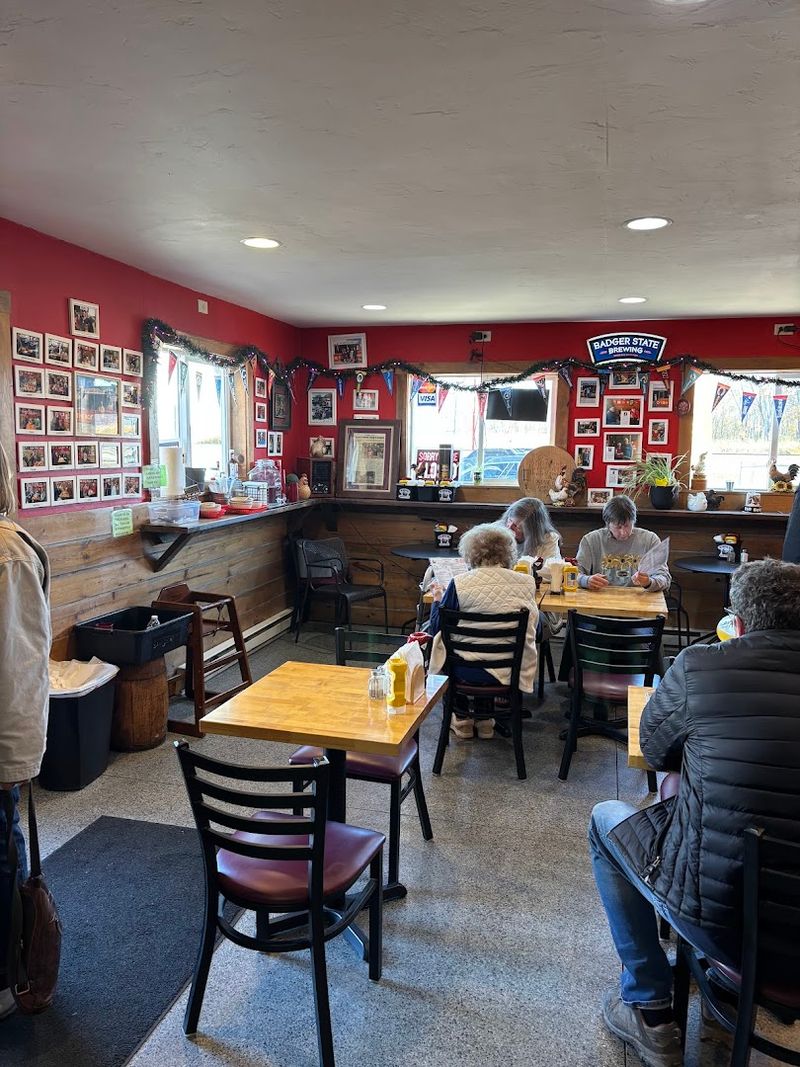
Fancy restaurants often hide their best qualities behind elaborate presentations and complicated service rituals. The Booyah Shed takes the opposite approach, stripping away pretense to let food and hospitality speak for themselves.
Counter service and casual seating create an environment where everyone feels equally welcome regardless of what they wear or how much money sits in their wallet.
The famous squeeze chicken for service adds playful charm that immediately puts customers at ease. This quirky detail, along with colorful walls and friendly staff who remember regulars by name, establishes atmosphere that feels authentically local rather than manufactured for tourist consumption.
Located near Lambeau Field at 1800 South Ashland Avenue, the restaurant attracts both visitors and locals who appreciate straightforward quality over manufactured ambiance. The setup proves that great food needs no gimmicks beyond proper preparation and genuine hospitality.
Simplicity becomes the ultimate sophistication when executed with care and consistency that customers recognize and reward with continued loyalty and enthusiastic recommendations to friends.
Regulars Come Back Because The Recipe Feels Familiar And Filling
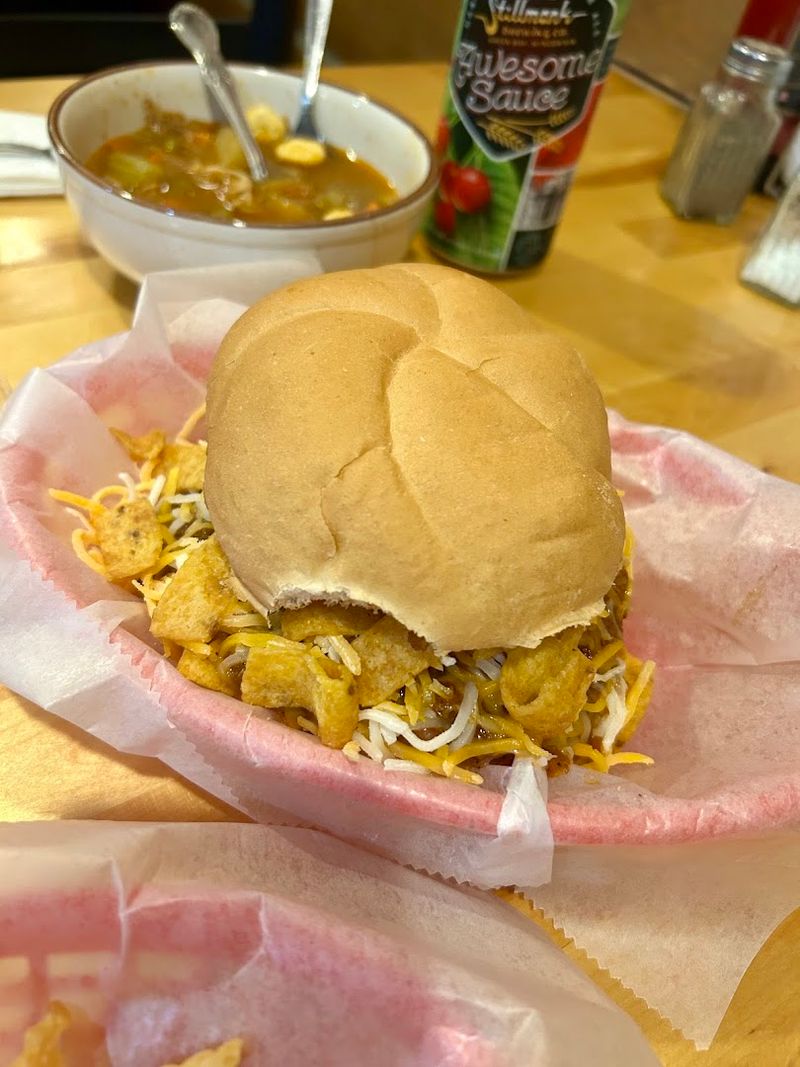
Building a loyal customer base requires more than good food served once. Consistency matters enormously, particularly for dishes that customers come to rely on for comfort and satisfaction.
The Booyah Shed earns repeat business by delivering the same quality bowl after bowl, visit after visit, creating trust that today’s lunch will taste as good as last week’s or last month’s experience.
Regulars develop personal relationships with food that meets expectations reliably. Booyah becomes something they crave on cold days or when life feels overwhelming and a familiar bowl offers reassurance that some things remain dependable.
The restaurant understands this psychology and protects recipe integrity rather than experimenting with variations that might alienate people who return specifically for what they know and love.
Staff recognition adds another layer to customer loyalty. Being greeted by name and having orders remembered creates community connections that keep people coming back beyond just food quality.
The combination of consistent recipes and genuine hospitality builds the kind of devoted following that sustains restaurants through economic ups and downs.
Booyah Works Best When It Is Served Hot, Simple, And Generous
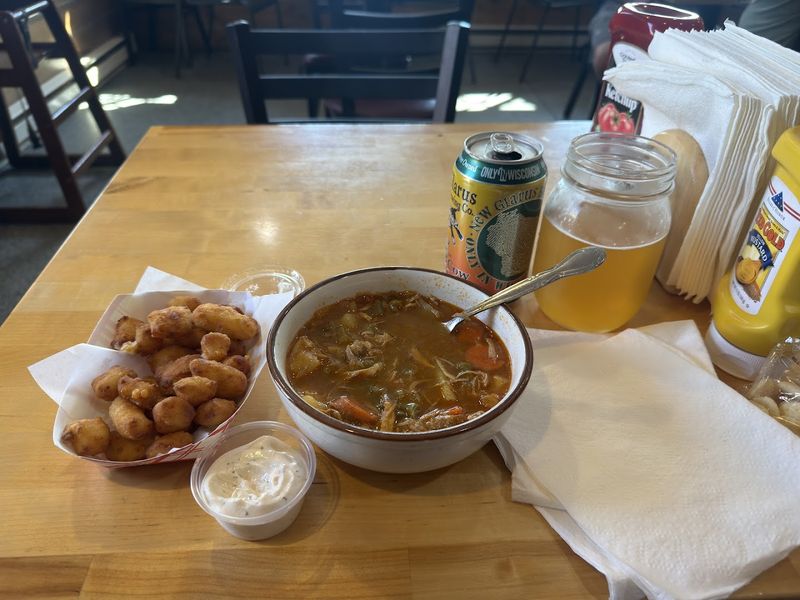
Temperature matters critically for dishes designed to warm both body and spirit. Booyah served lukewarm loses the comforting quality that makes people crave it during Wisconsin winters or rainy autumn afternoons.
The Booyah Shed serves every bowl piping hot, ensuring that first taste delivers the full sensory experience that proper temperature provides to both flavor and satisfaction levels.
Generous portions demonstrate respect for customers who arrive genuinely hungry and hoping to leave satisfied. Skimpy servings undermine comfort food by creating anxiety about whether the meal will actually fill you up.
The restaurant avoids this mistake by providing bowls substantial enough that finishing them requires genuine appetite rather than leaving diners still thinking about food an hour later.
Simplicity in presentation allows the dish itself to shine without distraction. No garnishes or artistic arrangements compete for attention that belongs entirely to the booyah.
This honest approach matches the food’s working-class origins and maintains authenticity that customers appreciate more than clever plating techniques that add nothing to actual eating enjoyment or value.
The Restaurant Helps Keep A Regional Food Tradition Alive
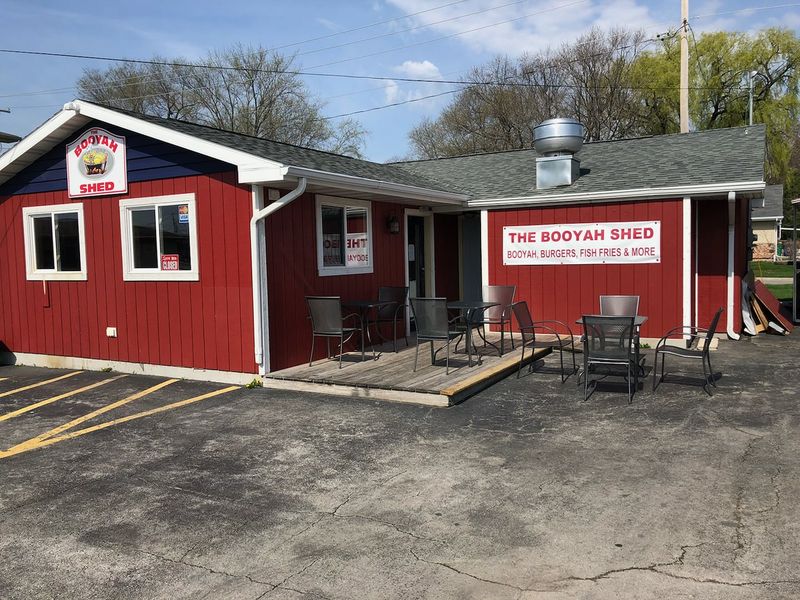
Regional food traditions disappear constantly as chains homogenize American dining and younger generations lose connections to dishes their grandparents considered essential. The Booyah Shed fights this trend by making traditional Wisconsin cooking accessible and relevant to contemporary diners who might otherwise never taste booyah or understand its cultural significance to Green Bay communities.
Preservation requires more than museum displays or cookbook recipes that nobody actually prepares. Living traditions need active participation and commercial viability that allows them to thrive rather than becoming historical curiosities.
By running a successful business centered on booyah, the restaurant proves that regional specialties can compete economically against corporate chains and trendy concepts.
Every bowl served introduces someone to Wisconsin culinary heritage worth protecting. Tourists leave with stories about discovering something unexpected and delicious.
Locals bring their children, passing traditions forward through shared meals that create memories and connections to place. The restaurant functions as both business and cultural institution, keeping food history alive one satisfied customer at a time through dedication and quality that honors the past.