
This Wisconsin Sanctuary With Hidden Boardwalks And A Lighthouse Feels Almost Magical
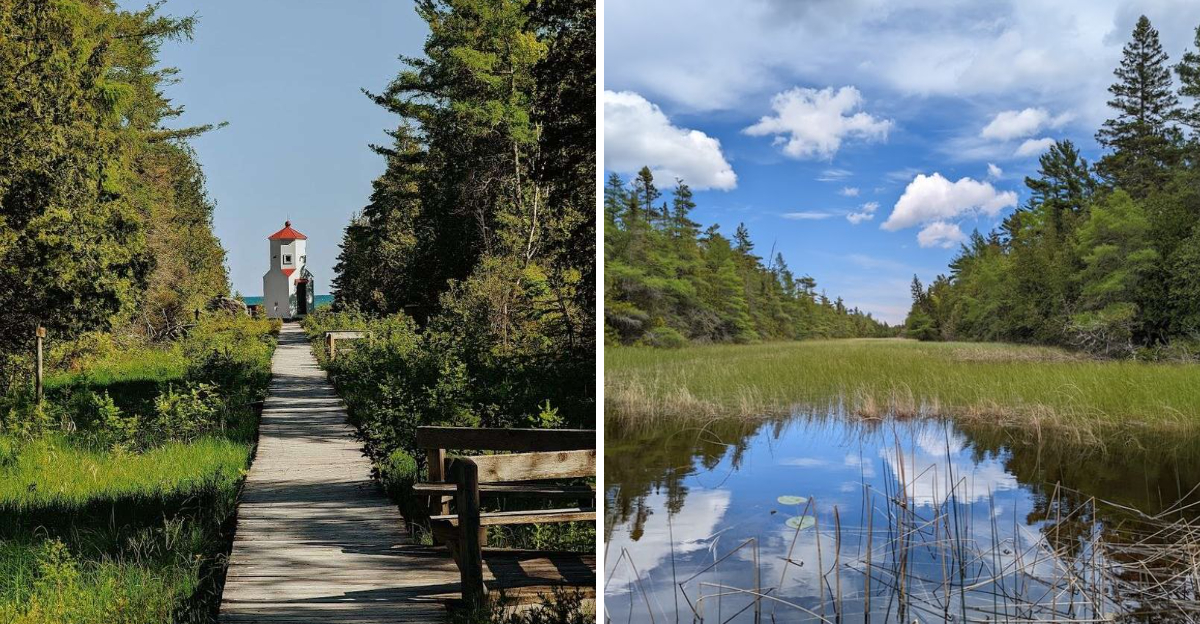
There is a nature preserve in Baileys Harbor that offers something rare in the modern world: a place where time slows down and nature takes center stage. This protected landscape combines ancient geological formations, quiet boardwalks threading through wetlands, and historic lighthouses standing guard over Lake Michigan.
With 1,600 acres of preserved wilderness and trails that reveal something new with every season, this sanctuary draws visitors who crave peaceful exploration and a deeper connection to the natural world.
A Door County Nature Sanctuary With A Fascinating History
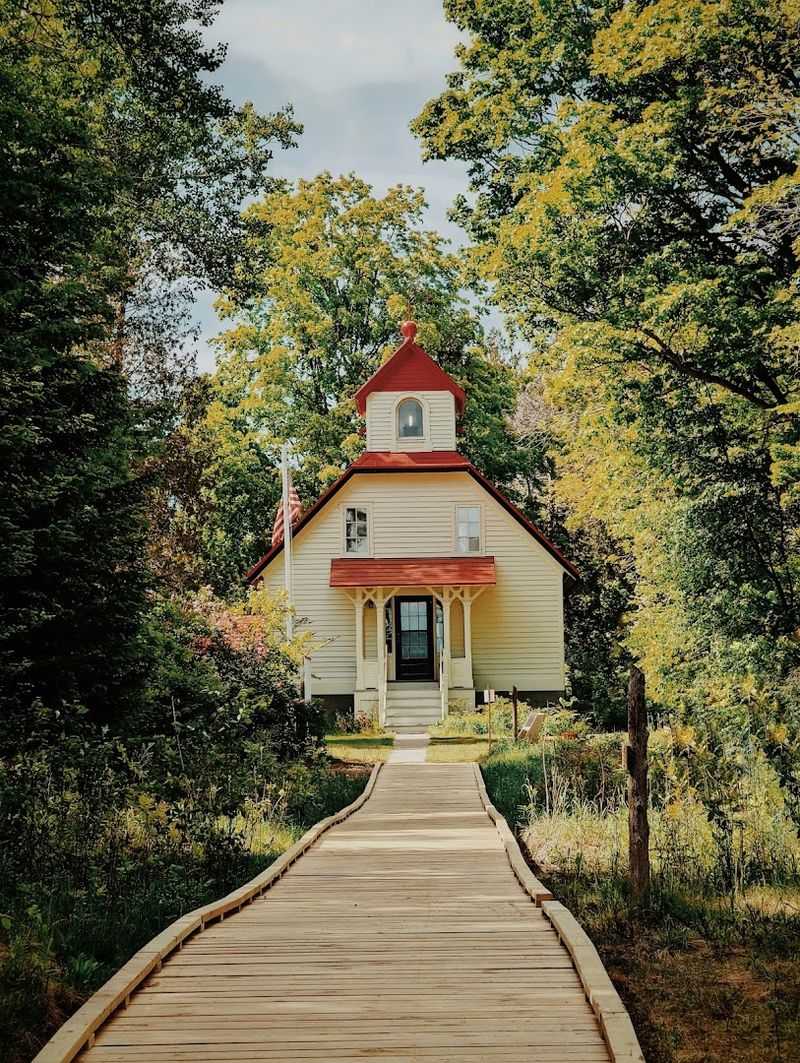
The Ridges Sanctuary has protected its unique landscape since 1937, making it one of the oldest private nature preserves in Wisconsin. Located at 8166 WI-57 in Baileys Harbor, this remarkable place began when local conservationists recognized the ecological importance of the ridges and swales ecosystem.
The sanctuary now encompasses three separate properties, including the main sanctuary and Logan Creek areas, each offering distinct natural features.
Visitors can explore the field house, which serves as both an educational hub and gateway to the trails. The staff provides maps, answers questions, and shares information about ongoing research and conservation efforts.
The building itself houses exhibits explaining the geological formations, native plant species, and wildlife that call this boreal forest home.
Entry requires a modest five-dollar donation on an honor system basis, reflecting the sanctuary’s commitment to accessibility while supporting preservation work. The grounds remain open from dawn to dusk most days, with the visitor center operating Friday through Monday from 10 AM to 3 PM.
Miles Of Wooden Boardwalks Winding Through Quiet Forest And Wetlands
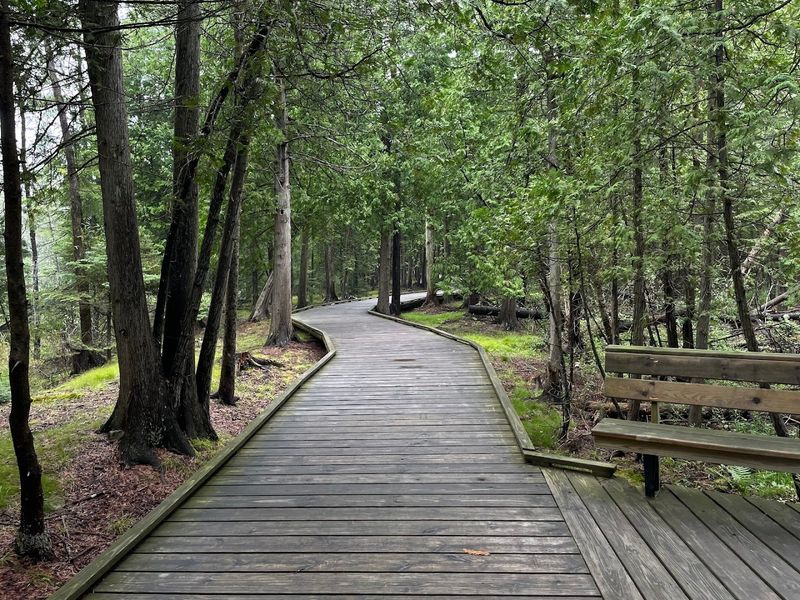
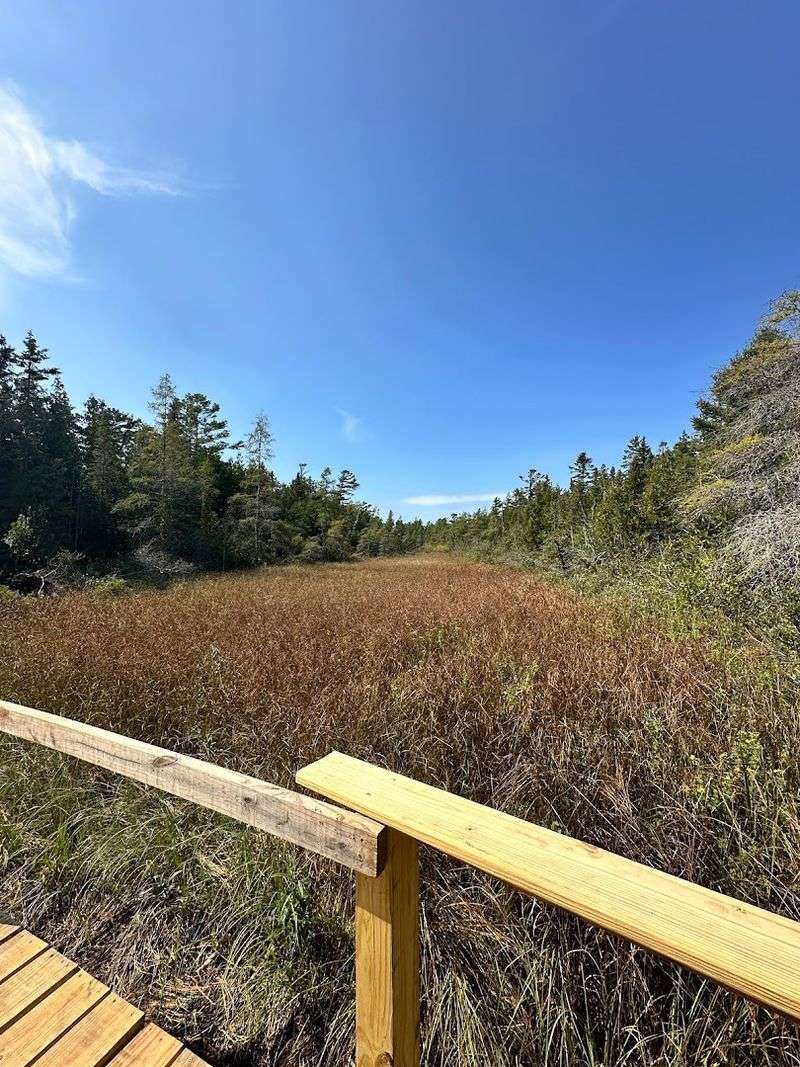
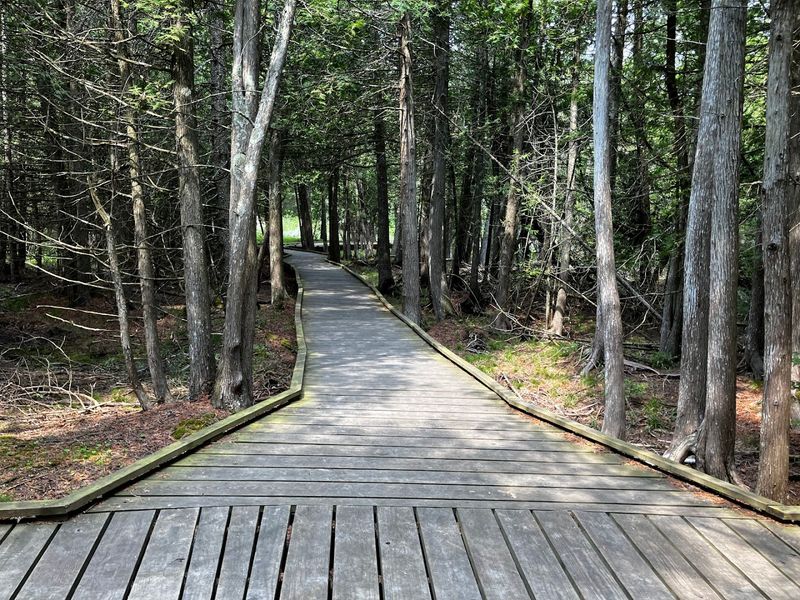
The boardwalk system at The Ridges represents one of the most thoughtfully designed trail networks in Door County. These elevated wooden pathways wind through areas that would otherwise be impassable during wet seasons, allowing visitors to experience the wetland ecosystem without disturbing its delicate balance.
The boards stretch for considerable distances, creating an almost floating sensation as you move through the landscape.
Walking these paths brings you face to face with the sanctuary’s diverse plant communities. Towering cedars and firs create dense shade overhead, while beneath the canopy, carnivorous pitcher plants and the federally threatened dwarf lake iris thrive in specialized microhabitats.
The boardwalks include several spacious clearings where shallow lakes reflect the surrounding evergreens, creating ideal spots for photography.
The construction quality ensures accessibility for wheelchairs and strollers along the main routes. Beyond the boardwalks, mulched paths and well-worn trails marked with tape extend deeper into the wooded areas, offering options for those seeking more rugged exploration.
A Rare Landscape Shaped By Ancient Sand Ridges And Swales
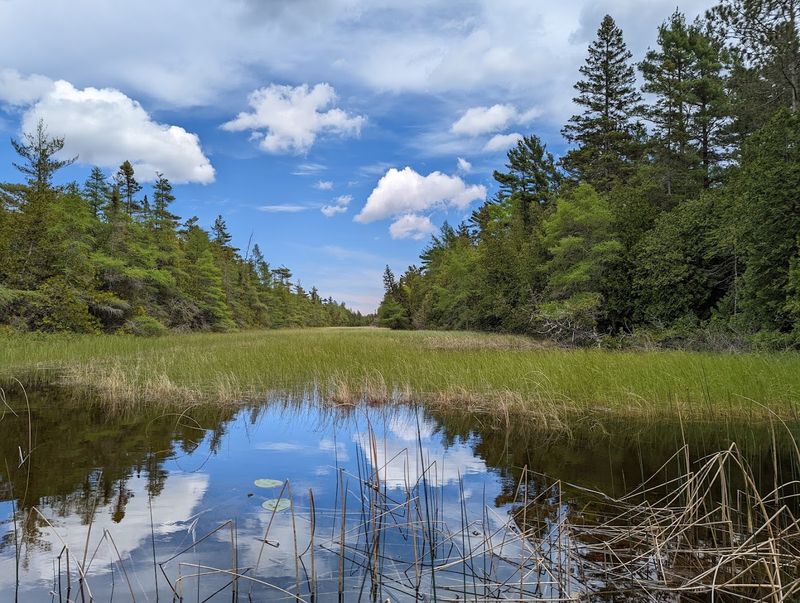
The sanctuary takes its name from a geological phenomenon found in few other places. Thirty parallel ridges run through the property, separated by low areas called swales, creating a distinctive wavelike topography.
These formations developed thousands of years ago as ancient Lake Michigan receded, leaving behind successive shorelines that evolved into the ridges visible today.
This unusual terrain creates microclimates that support plant communities rarely seen together in Wisconsin. The ridges provide drier conditions suitable for certain species, while the swales collect moisture and harbor wetland plants.
The loose soil and sand combination makes hiking easier on your feet compared to traditional forest trails or pure sand dune environments.
The ridges and swales system supports a boreal forest character uncommon this far south. Species typically found in more northern latitudes thrive here, protected by the unique conditions the topography creates.
Understanding this geological backstory enhances every walk through the sanctuary, as you begin recognizing how elevation changes of just a few feet dramatically alter the plant communities surrounding you.
The Historic Range Lights That Guide Ships Along Lake Michigan
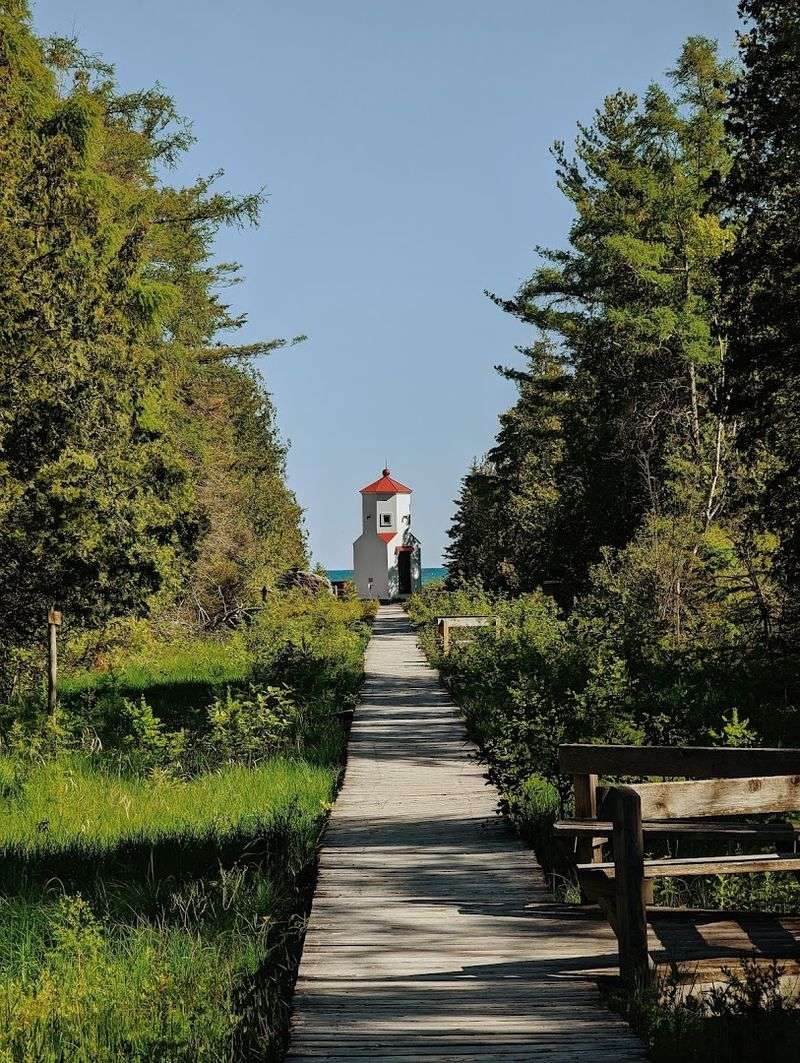
The Range Lights at The Ridges served a crucial maritime function for decades, guiding ships safely along the Lake Michigan coast. This lighthouse setup differs from typical single-tower designs you might expect.
Two separate structures stand at different elevations, and when viewed in alignment from offshore, they provided captains with a precise navigational bearing through dangerous waters.
The larger lighthouse includes period rooms showing how keepers lived while maintaining these vital beacons. Walking through these spaces reveals the isolation and dedication required of lighthouse families.
Newspaper used for insulation between walls speaks to the resourcefulness of those early residents, making do with available materials in a remote location.
The boardwalk trail connects both lights, creating a popular 1.3-mile loop that showcases the sanctuary’s most iconic features. Tour guides stationed at the Range Lights offer brief overviews of the maritime history and technical aspects of range light navigation.
The structures stand as reminders of Door County’s shipping heritage while anchoring the sanctuary’s historical significance alongside its natural value.
A Lighthouse Stop That Feels Like Stepping Into The Past
Visiting the larger Range Light building transports you to a different era of Great Lakes maritime life. The museum inside preserves the living areas much as they appeared when keepers and their families occupied the space.
Each room tells stories through carefully maintained furnishings, tools, and household items that illuminate daily routines from decades past.
The attention to historical detail makes this more than a typical museum stop. You can examine the small touches that made this remote posting livable, from the kitchen setup to the sleeping quarters.
The insulation technique using newspapers provides a tangible connection to the practical challenges lighthouse keepers faced, adapting to harsh winters with limited resources.
Knowledgeable guides share information about specific families who lived here, adding personal dimensions to the historical narrative. The lighthouse museum visit comes included with the sanctuary entrance donation, making it an exceptional value.
Snow falling on the grounds during winter visits creates particularly memorable atmospheres, according to those who have experienced the site across different seasons.
Wildflowers And Native Plants That Change With The Seasons

The Ridges Sanctuary protects an extraordinary concentration of native plant species, including several rare and threatened varieties. The dwarf lake iris, a federally protected species, blooms here in conditions found in few other locations.
Wild irises, orchids, and numerous wildflower species create changing displays throughout the growing season, rewarding repeat visitors with new discoveries.
Spring brings early bloomers pushing through the forest floor, while summer fills the swales with moisture-loving plants. Autumn transforms the landscape with turning tamaracks and late-season flowers preparing for winter dormancy.
Even winter hikes reveal botanical interest, with evergreen species maintaining the forest structure and dried plant stalks creating sculptural forms against snow.
The diversity stems directly from the ridges and swales topography, which creates varied growing conditions within small areas. Carnivorous pitcher plants occupy specialized niches where nutrient-poor soils favor their insect-trapping adaptations.
Reading the interpretive signs along trails deepens understanding of these plant communities and the conservation work protecting them for future generations to study and enjoy.
A Peaceful Birdwatching Haven Along The Lake Michigan Shore
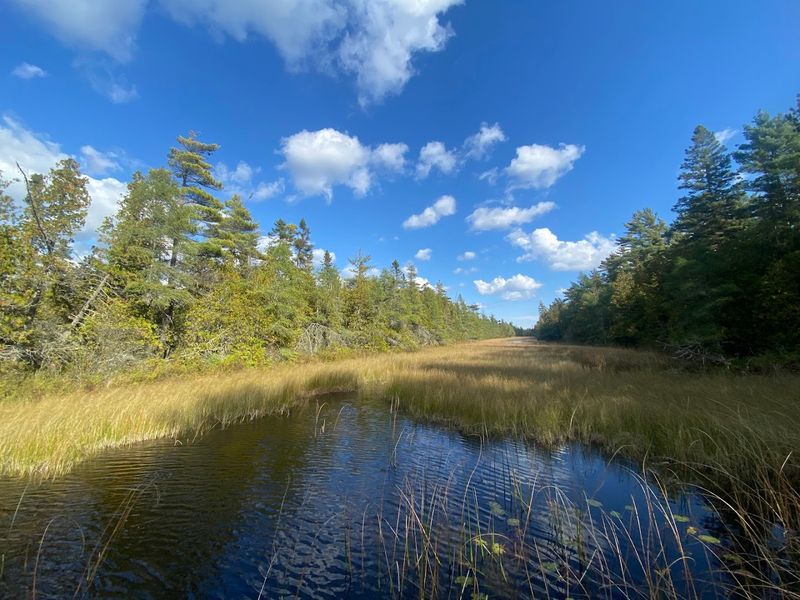
Bird enthusiasts find The Ridges Sanctuary particularly rewarding, as the diverse habitats attract numerous species throughout the year. The wetlands, forests, and proximity to Lake Michigan create conditions that support both resident birds and seasonal migrants.
Great egrets land in marsh areas, while forest species move through the canopy overhead, and the variety of songs fills the air during active periods.
The quiet trail system allows for patient observation without the crowds found at more heavily visited parks. Early morning visits often yield the best sightings, when bird activity peaks and few other hikers have arrived.
The boardwalks provide stable, silent platforms for watching without disturbing the wildlife or struggling through muddy terrain.
Serious birders appreciate the sanctuary’s reputation among Wisconsin ornithologists as a significant stopover point. The boreal forest character attracts northern species not commonly seen in other Door County locations.
Bringing binoculars and a field guide enhances any visit, though even casual observers will notice the abundance and variety of avian life calling this protected landscape home.
Educational Nature Programs That Bring Visitors Closer To The Landscape
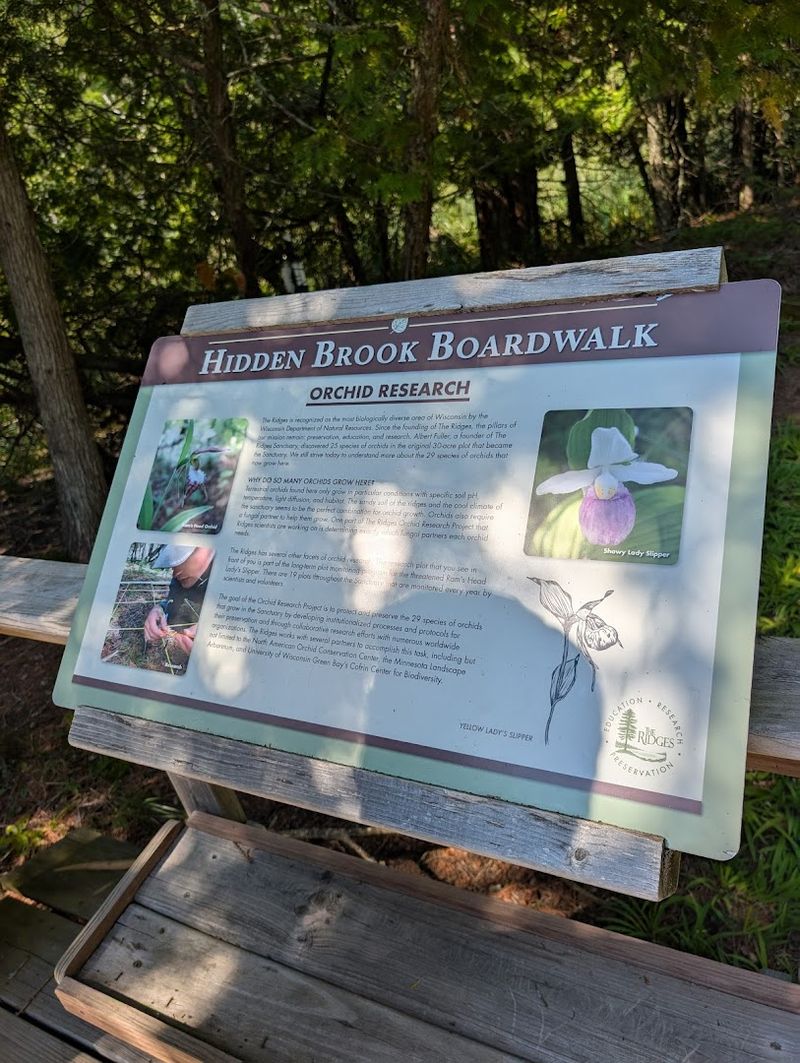
The Ridges Sanctuary offers guided tours that transform a simple hike into an educational journey through ecology, geology, and history. Knowledgeable guides lead groups along the trails, pointing out features and species that self-guided visitors might overlook.
These programs typically last around two hours and provide context that enriches understanding of what makes this landscape scientifically significant.
Winter tours have gained particular popularity, as guides explain how the ecosystem functions during cold months. Snow covering the ground creates magical conditions while revealing animal tracks and structural details of the forest.
Participants consistently praise the expertise and enthusiasm of the guides, who tailor information to group interests and questions.
The sanctuary also provides resources for self-guided learning through interpretive signs, brochures, and materials available at the field house. The gift shop stocks an impressive selection of nature guides, field identification books, and educational materials.
Classes and special programs run throughout the year, covering topics from plant identification to conservation techniques, making the sanctuary both a recreational destination and a genuine learning environment.
Quiet Trails That Make It Easy To Slow Down And Explore
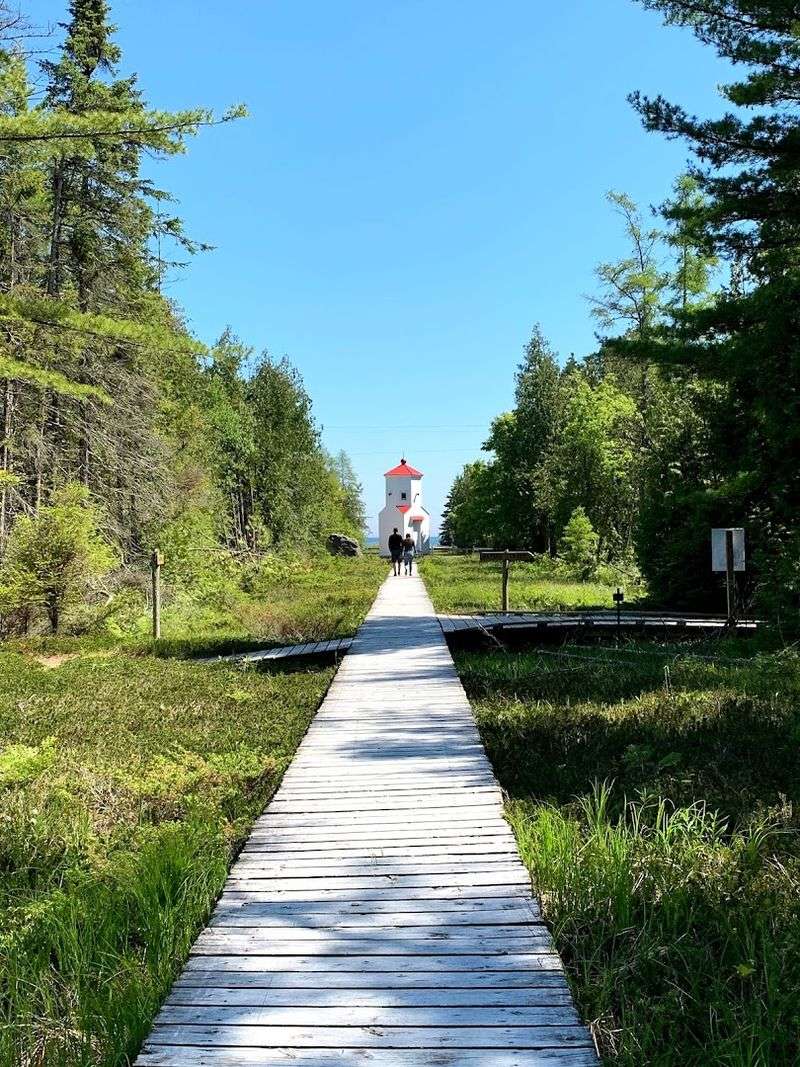
The trail network at The Ridges encourages a slower pace of exploration compared to many hiking destinations. Wide mulched paths through wooded areas invite leisurely walks rather than aggressive hiking.
The flat terrain accommodates visitors of varying fitness levels, making the sanctuary accessible to families with young children and older adults seeking gentle outdoor experiences.
Multiple trail options allow you to customize your visit based on available time and energy. The classic boardwalk loop to the Range Lights covers about 1.3 miles, while longer routes through the Logan Creek property and extended sanctuary trails can occupy several hours.
Well-maintained conditions mean you can focus on observation rather than navigating obstacles.
The relative solitude enhances the experience significantly. Many visitors report encountering only a handful of other people during their entire visit, creating opportunities for genuine immersion in the natural setting.
The absence of crowds and the sanctuary’s prohibition on dogs contribute to the peaceful atmosphere. Taking time to sit quietly at one of the clearings or overlook points often reveals wildlife activity and subtle details that rushed visitors miss completely.
A Protected Natural Area Dedicated To Research And Conservation
Beyond providing public access, The Ridges Sanctuary functions as an active research and conservation site. Scientists study the unique plant communities, monitor threatened species populations, and track ecological changes over time.
This ongoing work contributes to broader understanding of boreal forest ecosystems and informs conservation strategies for similar landscapes.
The sanctuary’s protected status ensures that 1,600 acres will remain undeveloped, preserving habitat for plants and animals facing pressure elsewhere. Management practices maintain the delicate balance required for rare species to survive.
Controlled burns, invasive species removal, and careful trail maintenance all support the conservation mission while allowing public enjoyment.
Visitor donations and memberships directly fund this important work. The five-dollar suggested entry fee represents remarkable value considering the quality of the preserve and the significance of the conservation efforts it supports.
The Ridges demonstrates how private conservation organizations can protect ecologically important lands while providing educational opportunities and peaceful recreation. Supporting places like this through visits and donations helps ensure future generations will experience these rare natural communities.