
This Wisconsin State Park Has A Sandy Beach, Kayaking, Trails And A Historic Log Cabin All In One Place
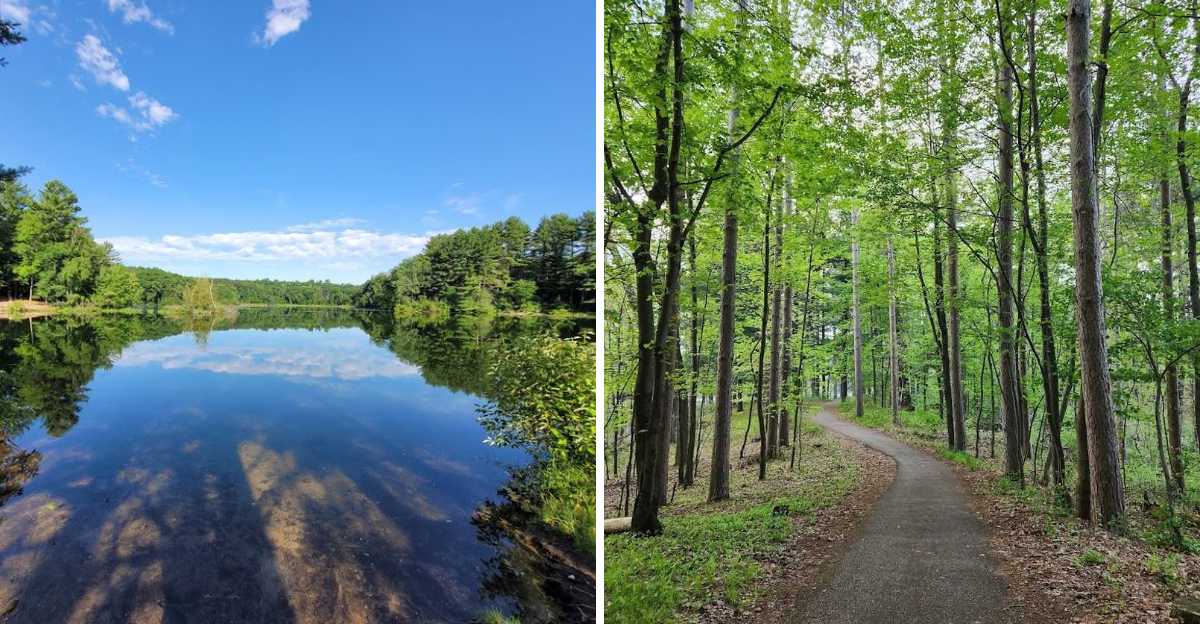
Grab the beach towel, lace up the trail shoes, and leave room in the car for paddles because this Wisconsin escape refuses to pick one personality. One minute, the day smells like sunscreen and lake water. Next, birds are calling overhead while the path slips under leafy shade.
Families can claim a sandy swimming area, paddlers can glide over quiet blue water, and curious wanderers can step near a log cabin that has been standing since the 1800s.
That mix of splashy fun, fresh-air exploring, and old-time character makes the place feel like a full weekend squeezed into one easy outing. Bring snacks, bring energy, and bring that friend who always says they are only coming for the view.
Hartman Lake Has A 300 Foot Sand Beach
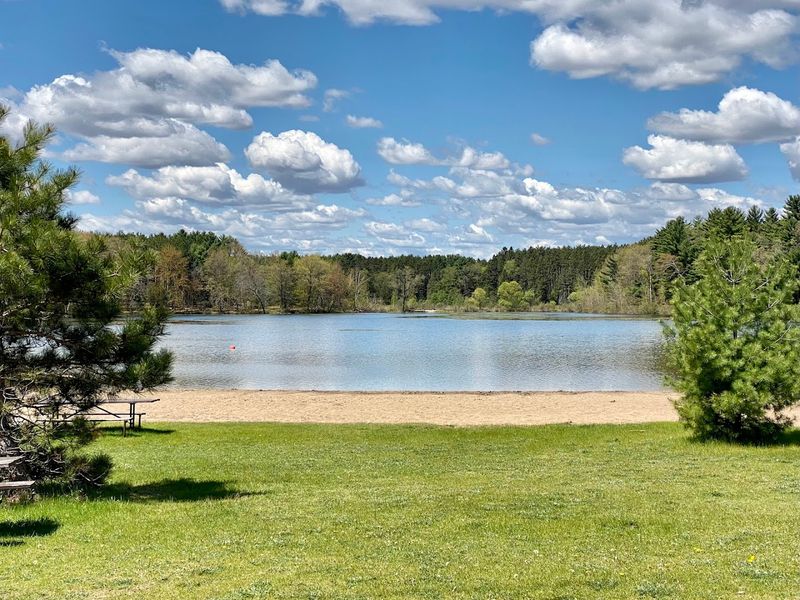
The main beach at Hartman Lake stretches 300 feet along the water and provides a spacious spot for swimming and sunbathing. Families arrive early on summer weekends to claim their favorite sections of sand.
The water stays shallow for quite a distance from shore, which makes it safe for younger swimmers still learning to navigate lake conditions.
A concession stand operates during peak season and sells snacks, drinks, and ice cream. Visitors can rent tubes and other flotation equipment right at the beach.
The sand gets combed regularly to keep the surface clean and comfortable for bare feet.
Restrooms and changing facilities sit within easy walking distance. Lifeguards do not staff this beach, so adults need to supervise children at all times.
The shallow water and gentle slope make this beach particularly welcoming for first-time lake swimmers.
Kayaks Can Launch Right From The Park
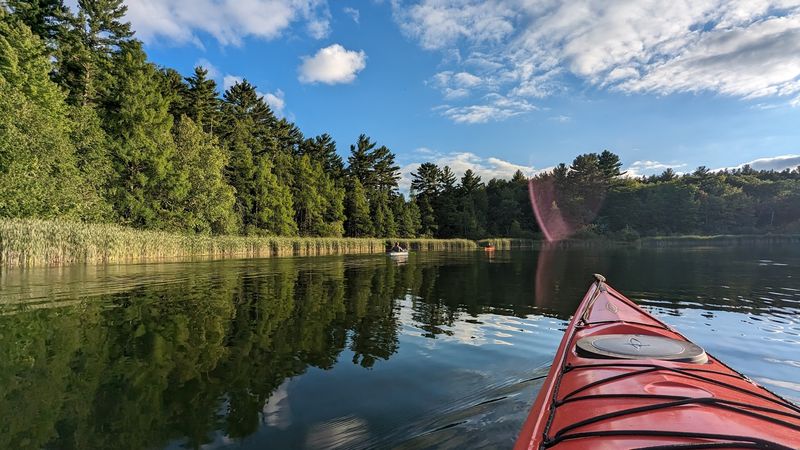
Hartman Creek maintains its own rental facility where visitors can borrow kayaks without hauling their own equipment. The rental rates stay affordable at around eighteen dollars for the first hour.
Staff members provide basic paddling instructions for beginners who have never sat in a kayak before.
The launch area connects directly to the lake system, so paddlers can start their journey immediately after signing the rental agreement. Multiple access points throughout the park allow kayakers to begin trips from different locations.
Some visitors bring their own boats and use the public launch ramps at no additional charge beyond the park entrance fee.
Rental hours align with park operations during warmer months. The calm waters around the beach area give novice paddlers a chance to practice before venturing into more open sections of the lakes.
Return times get enforced to keep equipment available for other guests throughout the day.
Marl Lake Is A Quiet Paddling Spot
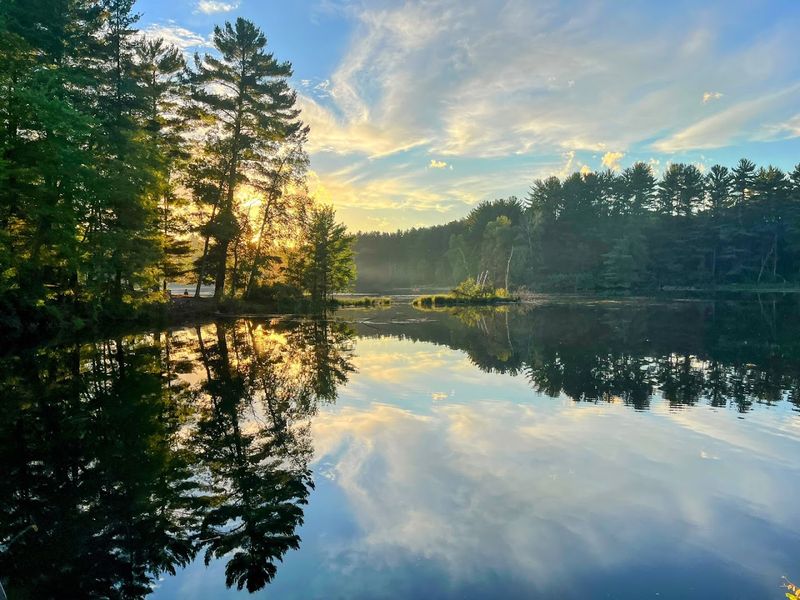
Marl Lake offers a more secluded paddling experience away from the busier swimming beach. The lake supports a healthy ecosystem that attracts birds and other wildlife throughout the day.
Paddlers often spot herons standing in shallow areas hunting for fish.
No motorized boats operate on Marl Lake, which keeps the water surface calm and peaceful. The quiet conditions let you hear bird calls and wind moving through the trees along the shoreline.
Channels connect this lake to other bodies of water in the park, creating opportunities for longer paddling routes.
The water clarity varies depending on recent weather and seasonal conditions. Spring runoff sometimes reduces visibility temporarily.
By midsummer, the lake usually settles into clearer conditions. Some aquatic plants grow in shallow sections, but they rarely interfere with paddling routes.
The lake maintains enough depth for comfortable kayaking throughout most of the season.
Manomin Lake Adds More Water To Explore
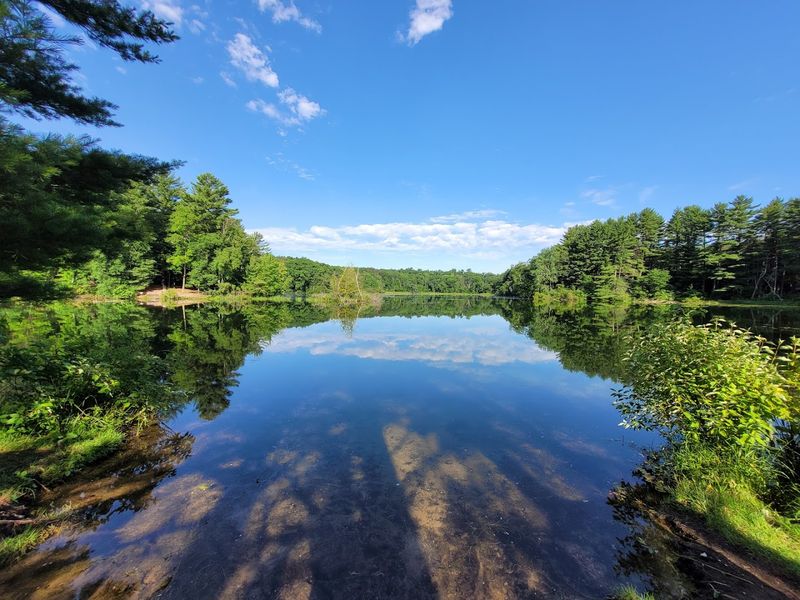
Manomin Lake forms part of a chain that allows paddlers to explore multiple bodies of water during a single outing. Narrow channels connect the lakes, though water levels sometimes drop too low for easy passage between them.
During years with adequate rainfall, the entire chain opens up for extended paddling adventures.
This lake sees less traffic than Hartman Lake, which appeals to paddlers seeking solitude. The shoreline remains mostly undeveloped, with natural vegetation growing right to the water’s edge.
Fish rise to the surface in early morning and evening hours, creating ripples across the calm water.
Navigation between lakes requires attention to water depth in connecting channels. Some paddlers check with park staff about current conditions before planning multi-lake routes.
The extra effort of reaching Manomin Lake rewards visitors with a genuine wilderness atmosphere. Bring drinking water and sun protection for longer paddling sessions across the chain.
The Park Has More Than 12 Miles Of Trails
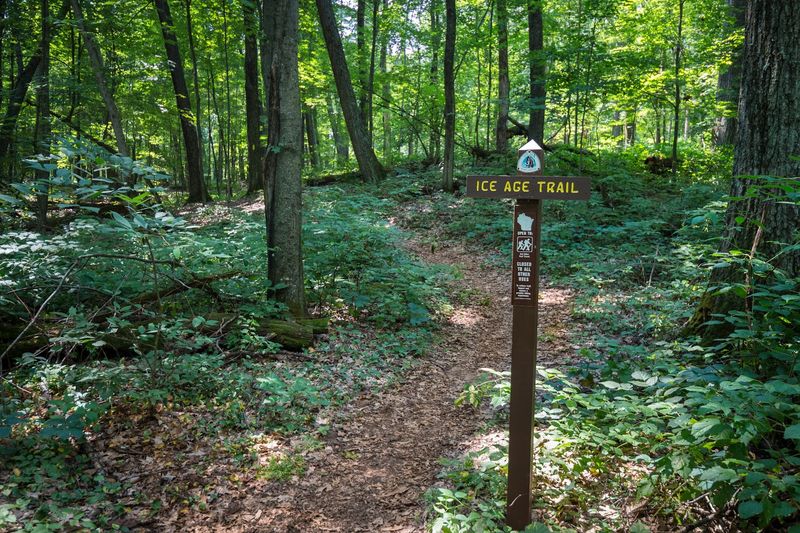
Trail systems wind throughout Hartman Creek and provide access to forests, lakes, and wetland areas. The paths range from easy lakeside loops to more challenging routes through hilly terrain.
Well-placed signs mark intersections and help hikers stay oriented even when exploring unfamiliar sections.
Gravel surfaces cover most trails, which keeps them passable even after rain. Some routes follow old logging roads that date back decades.
The varied terrain means hikers encounter different landscapes within a single outing, from open meadows to dense forest canopy.
Trail maps are available at the park office and at major trailheads. Spring hiking reveals wildflowers blooming along the paths, while fall brings spectacular color to the hardwood forests.
Winter transforms these same trails into cross-country skiing routes. The extensive network means visitors can return multiple times and still discover new sections they have not yet walked.
Hikers Can Follow Part Of The Ice Age Trail
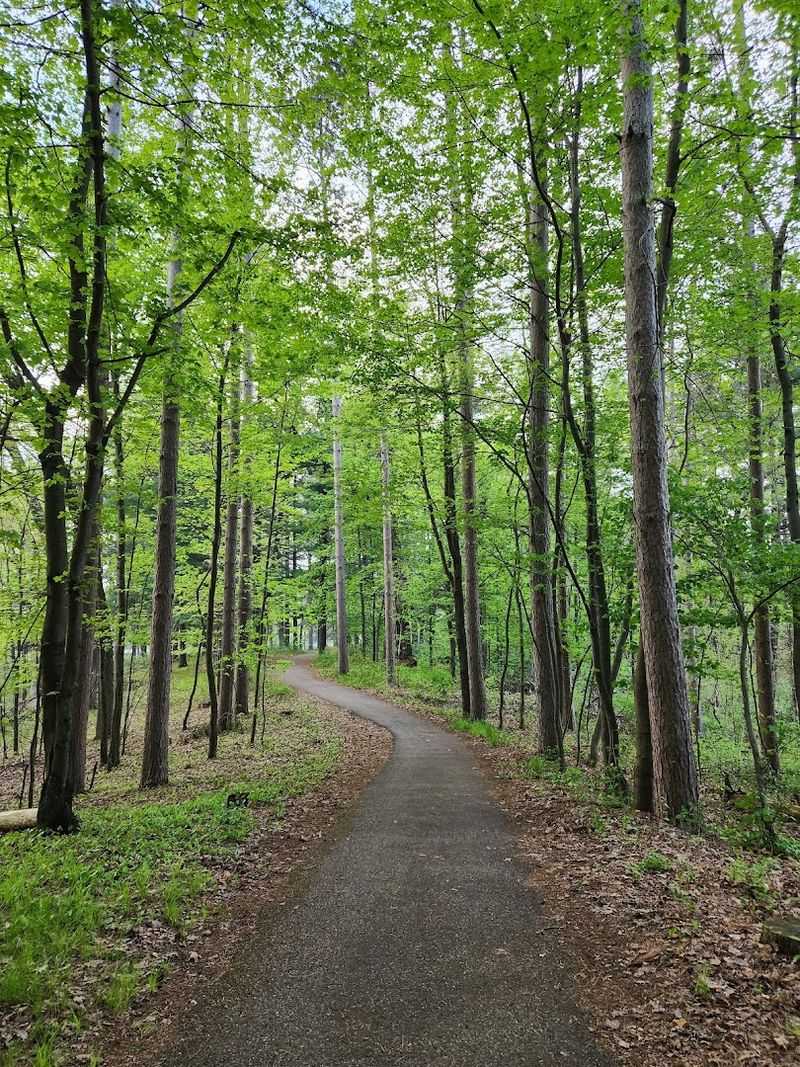
A segment of the Ice Age National Scenic Trail passes directly through Hartman Creek State Park. This long-distance footpath eventually stretches across Wisconsin, following the edge of ancient glacial formations.
The section within the park allows day hikers to experience this historic route without committing to a multi-day backpacking trip.
Yellow blazes mark the Ice Age Trail and distinguish it from other park paths. The trail follows the topography shaped by glaciers thousands of years ago.
Interpretive signs along the route explain geological features visible in the landscape.
Serious hikers use this section as training for longer Ice Age Trail segments elsewhere in the state. The terrain includes moderate elevation changes that provide good exercise without becoming too strenuous.
Both directions from the park connect to additional Ice Age Trail segments for those wanting to extend their hike beyond park boundaries.
Mountain Bikers Get Dedicated Off Road Trails
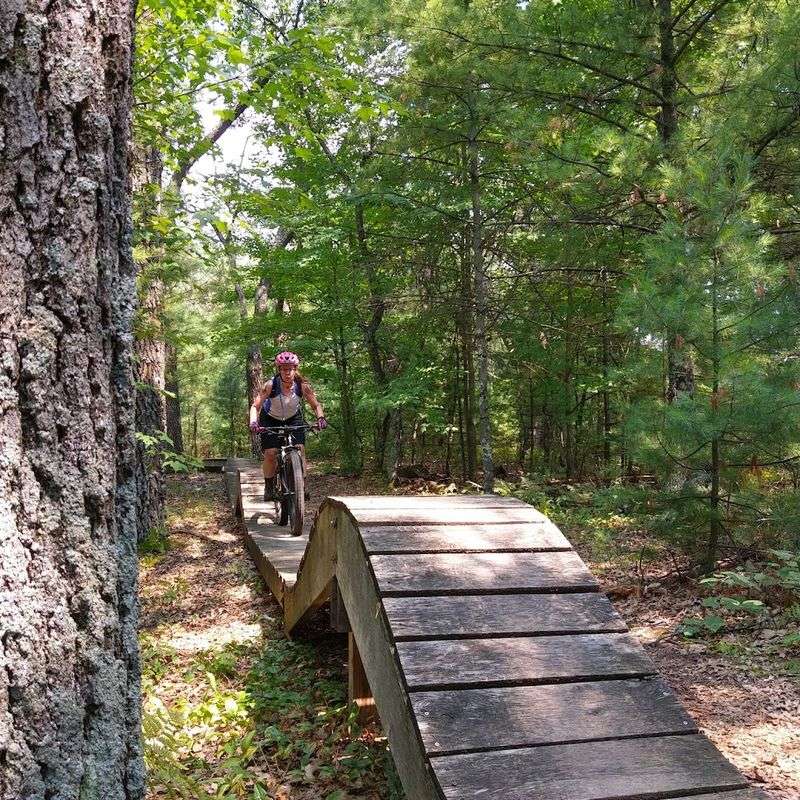
Designated mountain biking trails separate cyclists from foot traffic and create a safer experience for everyone. These paths incorporate natural features like roots and small hills that challenge riders while remaining accessible to intermediate skill levels.
The dirt surface provides better traction than gravel during dry conditions.
Trail maintenance keeps the routes clear of fallen branches and excessive erosion. Cyclists share some sections with hikers, so awareness and courtesy matter when approaching blind corners.
The park requests that bikers yield to foot traffic when paths intersect.
Different loops allow riders to customize their route length based on available time and energy levels. The forested setting provides shade during hot summer rides.
Spring conditions can leave trails muddy, so checking recent weather helps riders decide if conditions suit biking. The dedicated trails have made Hartman Creek increasingly popular among central Wisconsin cycling groups who appreciate having quality off-road options close to home.
The Hellestad House Dates Back To The 1800s
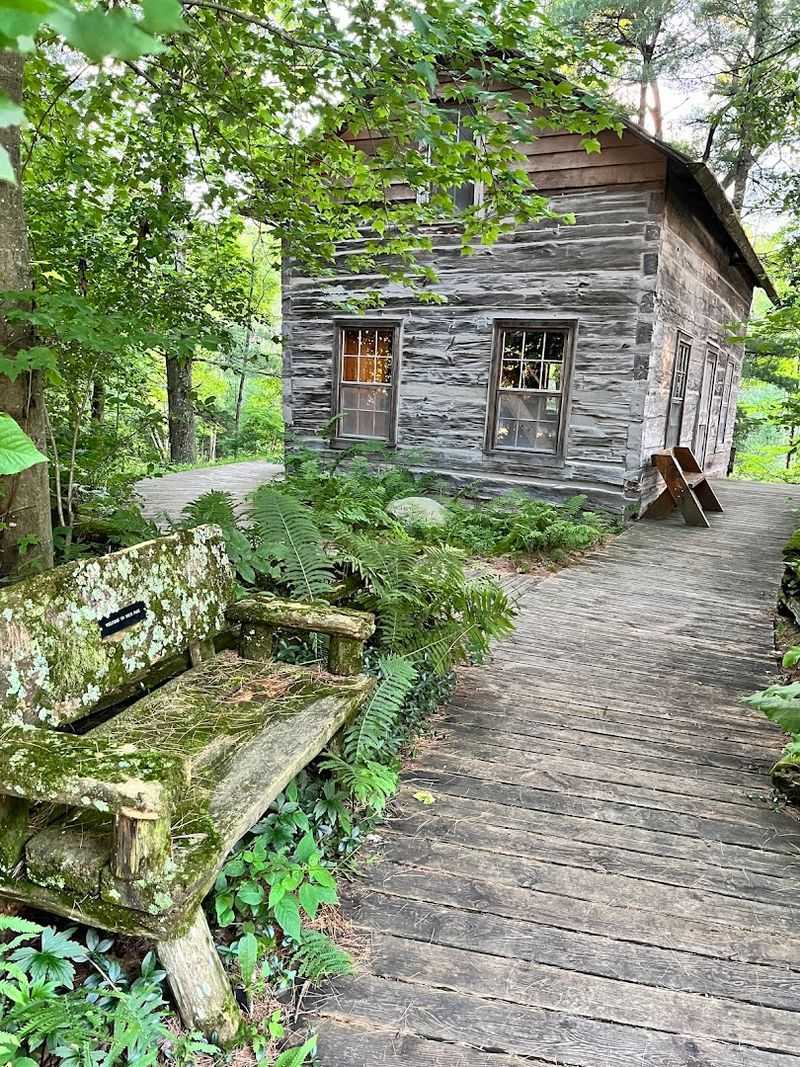
The Hellestad House stands as one of the oldest structures in the park and represents the lifestyle of early Wisconsin settlers. Built in the 1800s, the house used construction techniques common during that era.
Visitors can peer through windows to see the interior layout and imagine how families lived without modern conveniences.
The house sits along one of the park trails, making it easy to include in a longer hike. Interpretive signs around the building explain its history and the people who once called it home.
The structure has been stabilized to prevent further deterioration while maintaining its authentic appearance.
Photography enthusiasts find the house particularly appealing during fall when colorful leaves frame the weathered wood. The building remains closed to interior tours, but the exterior alone tells a compelling story.
This historic site adds an educational element to outdoor recreation and helps visitors connect with the human history of the region.
The Log Cabin Adds Real History To The Park
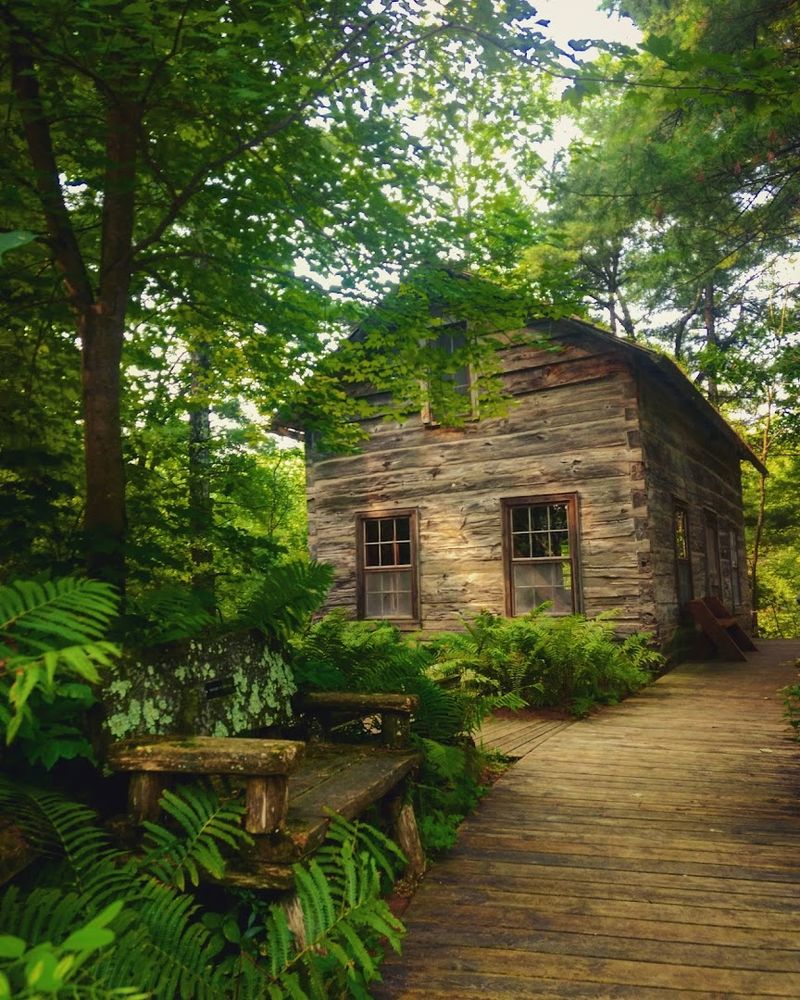
A preserved log cabin demonstrates the building methods pioneers used when settling this part of Wisconsin. The hand-hewn logs fit together using traditional joinery techniques that required considerable skill.
Chinking between the logs would have been essential for keeping out cold winter winds.
The cabin stands near the Hellestad House and together they create a small historic area within the park. These structures remind visitors that forests now used for recreation once supported farming families carving out homesteads.
The simple construction contrasts sharply with modern camping equipment and facilities elsewhere in the park.
Families with children often stop at the cabin to discuss how life differed in earlier centuries. The small size of the structure surprises many visitors who are accustomed to larger modern homes.
Preservation efforts continue to protect the cabin from weather damage and decay. The presence of authentic historical buildings distinguishes Hartman Creek from parks that focus solely on natural features.
Allen Lake Is One Of The Park’s Prettiest Corners
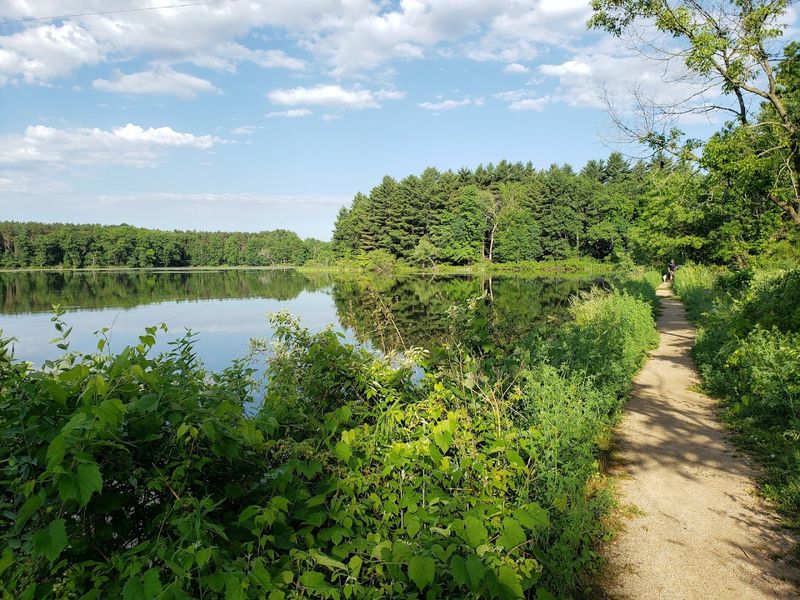
Allen Lake occupies a quieter section of the park away from the main beach and camping areas. The lake maintains a more intimate scale than Hartman Lake, which creates a peaceful atmosphere.
Campsites overlook portions of the shoreline and offer direct water views from tent and RV spots.
A trail loops around Allen Lake and provides an easy walk suitable for all fitness levels. The path stays close to the water for most of its length, offering continuous lake views.
Photographers visit during golden hour when light filters through trees and reflects off the water surface.
Fishing from shore remains popular, though boat access is more limited than at larger lakes in the park. The water clarity can vary seasonally, and some visitors report seeing more aquatic vegetation than in other park lakes.
Despite these natural variations, Allen Lake consistently ranks among favorite spots for visitors seeking a tranquil corner of Hartman Creek.
Fishing Keeps The Day Moving At A Slower Pace
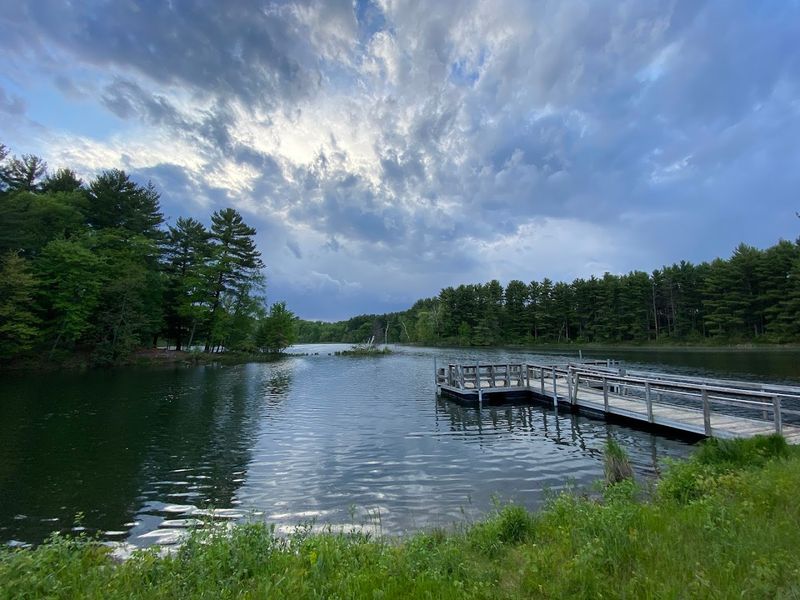
Multiple lakes within Hartman Creek hold populations of northern pike, largemouth bass, and panfish. Anglers cast from shore or launch small boats to reach deeper water.
Early morning and evening hours produce the most activity as fish feed near the surface.
Wisconsin fishing regulations apply throughout the park, and anglers must carry valid licenses. Some visitors combine fishing with camping to maximize time on the water.
Catch and release practices help maintain healthy fish populations for future seasons.
Picnic areas near fishing spots let families spend entire afternoons by the water even if not everyone wants to fish. The slower pace of fishing appeals to visitors looking for relaxation rather than constant activity.
Children learning to fish find the park lakes forgiving, with enough action to maintain interest. Experienced anglers appreciate having multiple lakes to try when one location proves slow.
The combination of accessible shoreline and boat launch options accommodates different fishing styles and preferences.
The Campground Makes Weekend Trips Easy
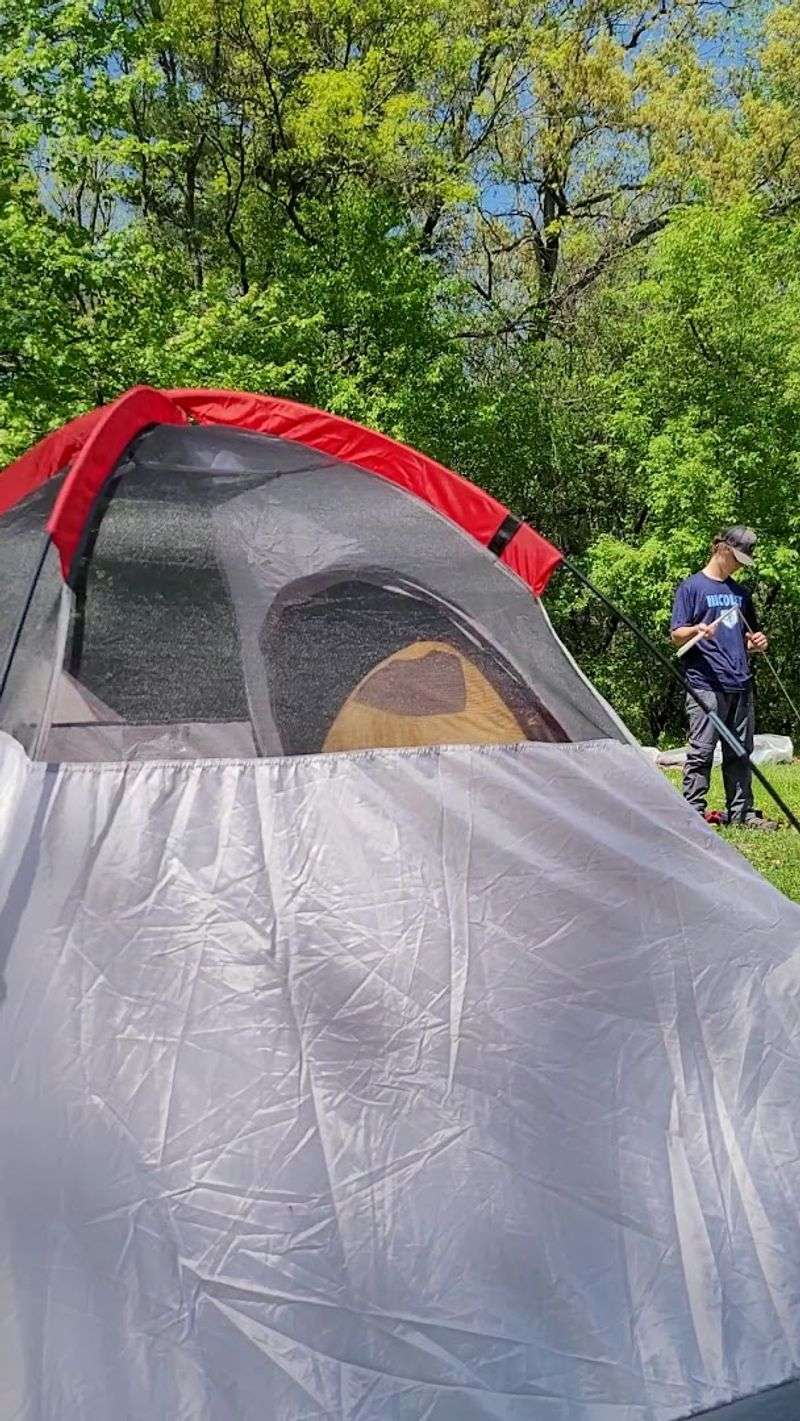
Hartman Creek operates a full-service campground with sites accommodating both tents and RVs. The layout spaces sites far enough apart to provide privacy while maintaining a sense of community.
Mature trees shade most locations and help keep temperatures comfortable during summer heat.
Modern bathroom facilities include showers, which campers appreciate after days spent hiking and swimming. A new bathhouse recently opened, improving the overall camping experience.
Reservation systems allow visitors to secure specific sites well in advance of popular weekends.
The campground location provides easy access to trails, lakes, and other park features. Some sites offer direct views of Allen Lake, while others nestle deeper in the woods.
Quiet hours are enforced to ensure all campers can enjoy peaceful evenings. Group camping areas accommodate larger parties and organizations.
The combination of natural setting and maintained facilities has made this campground a repeat destination for families throughout Wisconsin and neighboring states.
Picnic Areas Sit Close To Water And Trails
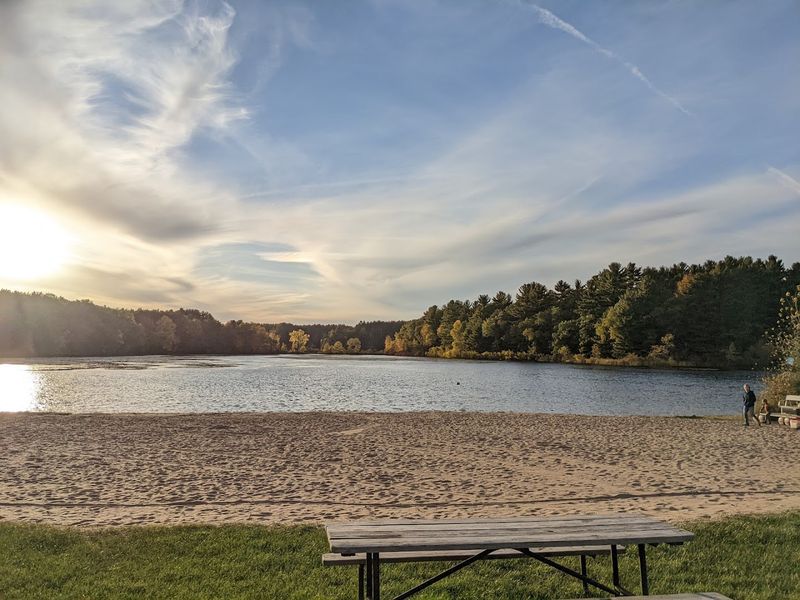
Designated picnic areas scatter throughout Hartman Creek and offer convenient spots for outdoor meals. Tables and grills sit in locations chosen for their proximity to water or trail access.
Some areas include shelters that provide protection from sun and unexpected rain showers.
Families often pack lunches and spend full days at the park, using picnic areas as base camps between activities. The setup near fishing spots lets anglers take breaks without leaving the water completely.
Groups celebrating birthdays or reunions can reserve certain picnic facilities in advance.
The placement of these areas shows thoughtful park planning that recognizes visitors want to eat near the features they came to enjoy. Trash receptacles and recycling bins keep the sites clean.
Tables get maintained regularly and replaced when weather takes its toll. The combination of natural beauty and practical amenities makes these picnic areas more than just places to eat—they become gathering spots where memories form during Wisconsin summer days.