
This Wisconsin Waterfall Is One Of The State’s Most Surprising Sights
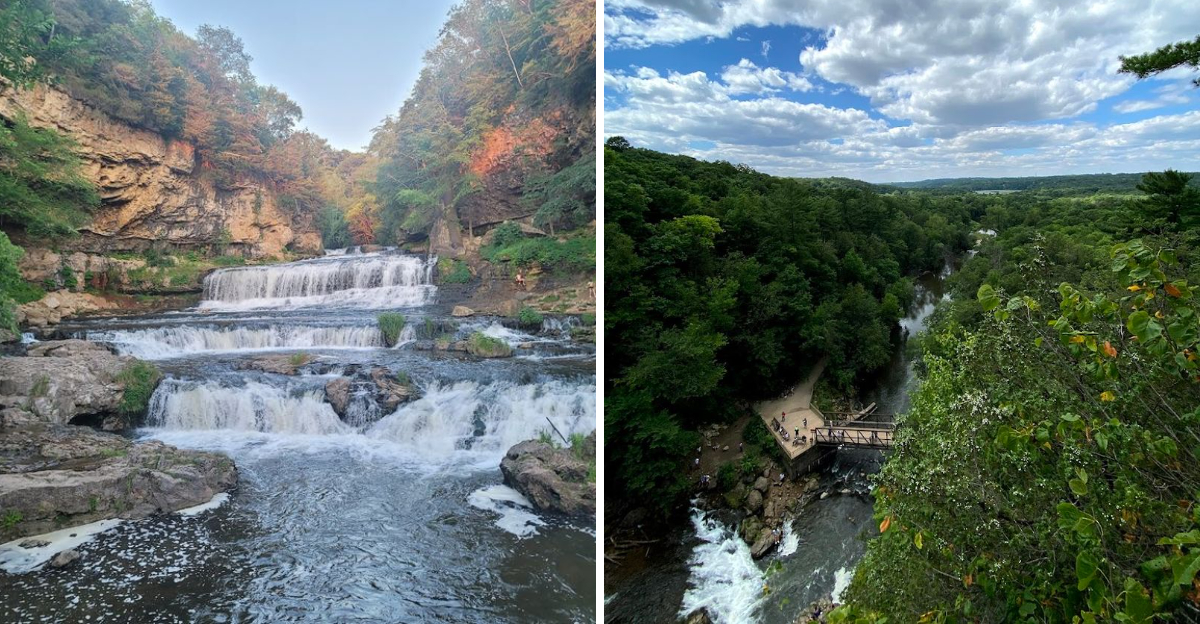
A rushing waterfall is probably not the first thing that comes to mind when people picture Wisconsin. That is exactly why this place catches so many visitors off guard.
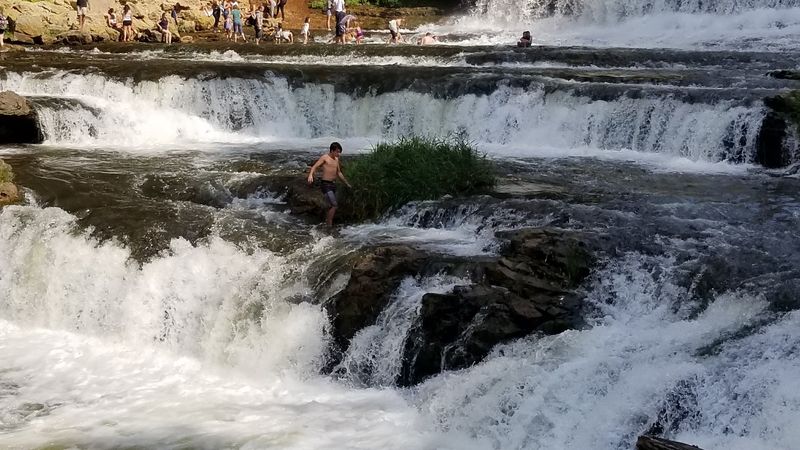
Water crashes through rocky layers carved over thousands of years, creating a scene that feels far bigger than anyone expects. The sound alone is enough to make you slow down and stay a little longer.
Towering rock walls, flowing water, and a rugged river gorge come together in a landscape that looks more like something from a distant adventure than a quick day trip. Cameras get a workout here, but standing still and taking it all in is just as rewarding.
One visit is usually enough to understand why people keep returning to this remarkable corner of Wisconsin.
The Waterfall Is The Park’s Main Attraction
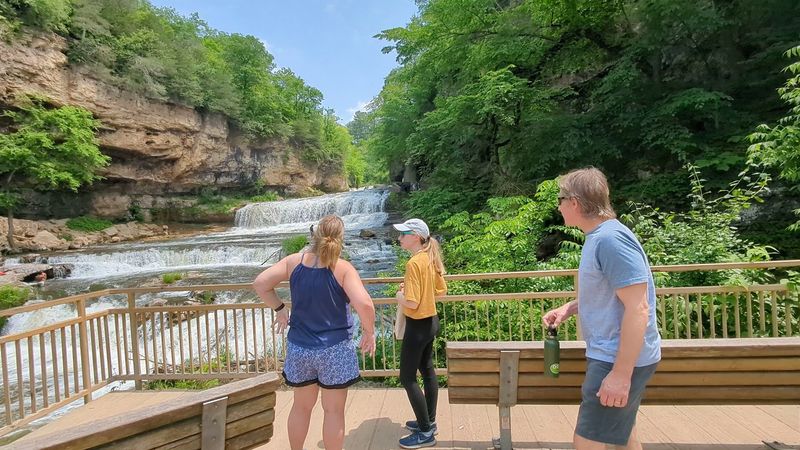
Most people come to Willow River State Park specifically to see the waterfall. The main viewing platform offers an unobstructed look at the entire cascade from a safe vantage point.
A sturdy bridge spans the river just downstream, providing another angle for photos and observation.
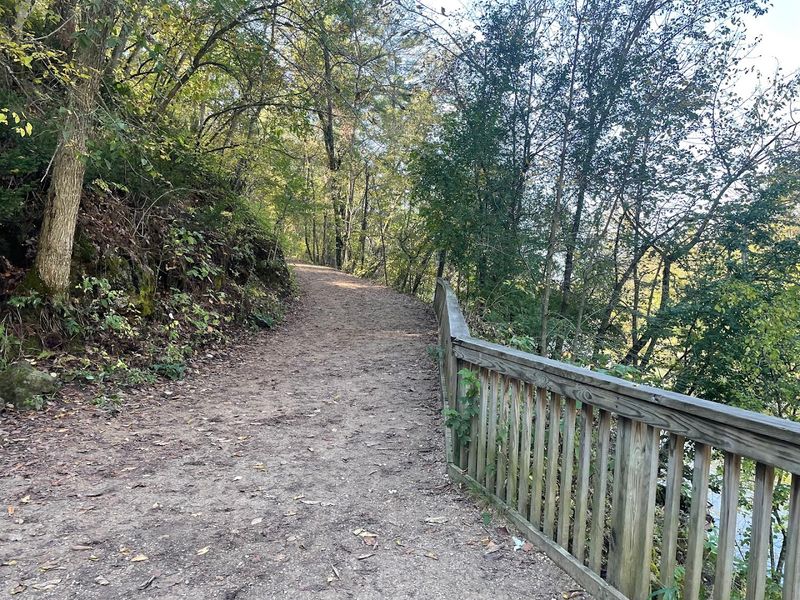
The trail to the falls descends steeply from the parking area, losing elevation quickly as it winds through the forest. Hikers should expect a moderate workout on the return climb.
The path is well maintained but can be slippery after rain or during winter months.
Park officials estimate that tens of thousands of visitors make the trip to the falls each year. Peak times occur during spring runoff when water volume reaches its highest levels.
Summer and fall also draw crowds, while winter visitors often find the frozen falls equally captivating.
The Willow River Gorge Adds Big Scenic Payoff
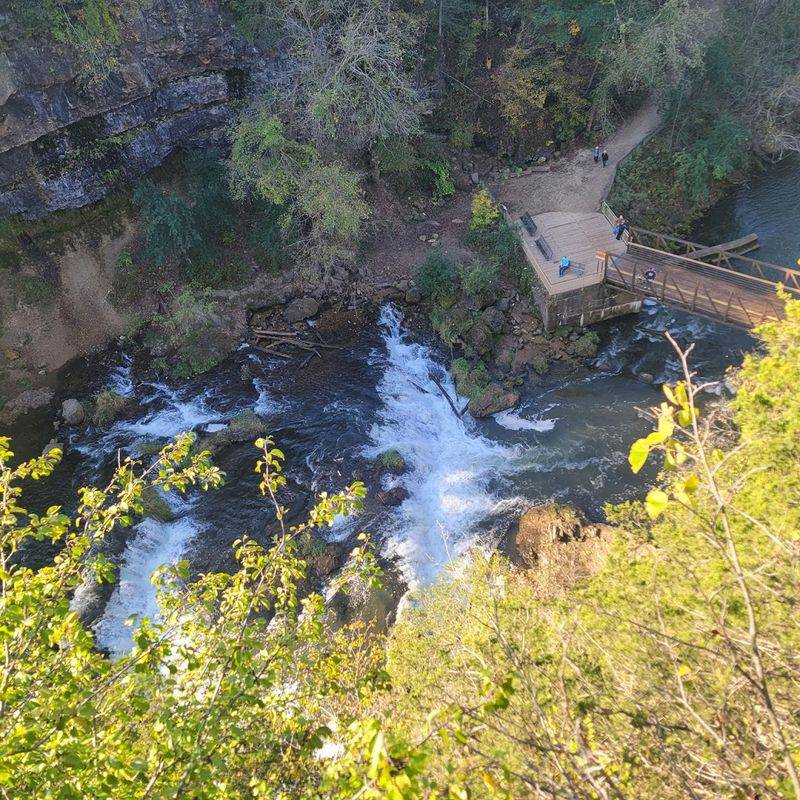
The gorge extends well beyond the falls themselves, creating a scenic corridor that rewards exploration. Trails follow the rim and descend into the valley, offering changing perspectives on the landscape.
The depth of the gorge surprises first-time visitors who expect gentler terrain.
Rock outcrops along the gorge walls provide habitat for unique plant communities. Ferns and mosses cling to the shaded stone, thriving in the cool, moist microclimate.
These species rarely appear in the surrounding uplands.
Photographers find endless compositions within the gorge. Morning light filters through the canopy in summer, while autumn colors frame the river in brilliant reds and golds.
Winter ice formations transform the gorge into a frozen sculpture garden. Each season brings its own character to this remarkable geological feature.
The Falls Drop Through A Dramatic River Gorge
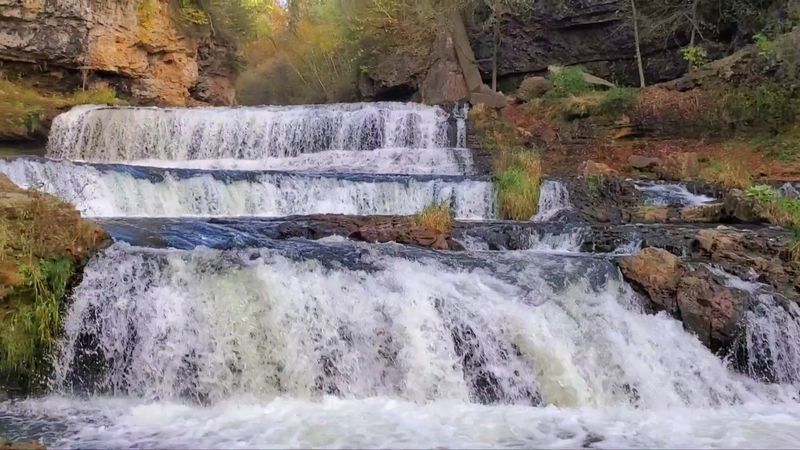
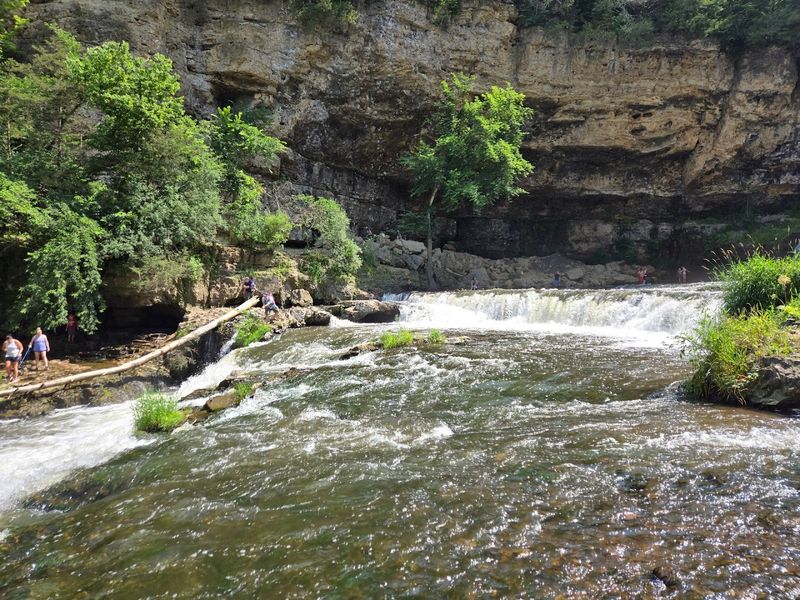
The gorge at Willow Falls cuts deep into layers of ancient sandstone and limestone. Water has carved this channel over millennia, creating steep walls that rise sharply on both sides of the river.
The result is a narrow chasm where the falls tumble in multiple stages, each tier adding to the visual drama.
Geologists point to the last ice age as the beginning of this formation. Meltwater from retreating glaciers began the erosion process, and the Willow River has continued the work ever since.
The exposed rock layers tell a story that spans hundreds of millions of years.
Standing at the base of the gorge, visitors can see the power of moving water on full display. The walls amplify the sound of the cascade, creating an immersive experience.
This natural amphitheater makes the falls feel larger and more remote than their actual size might suggest.
Willow Falls Sits Inside Willow River State Park
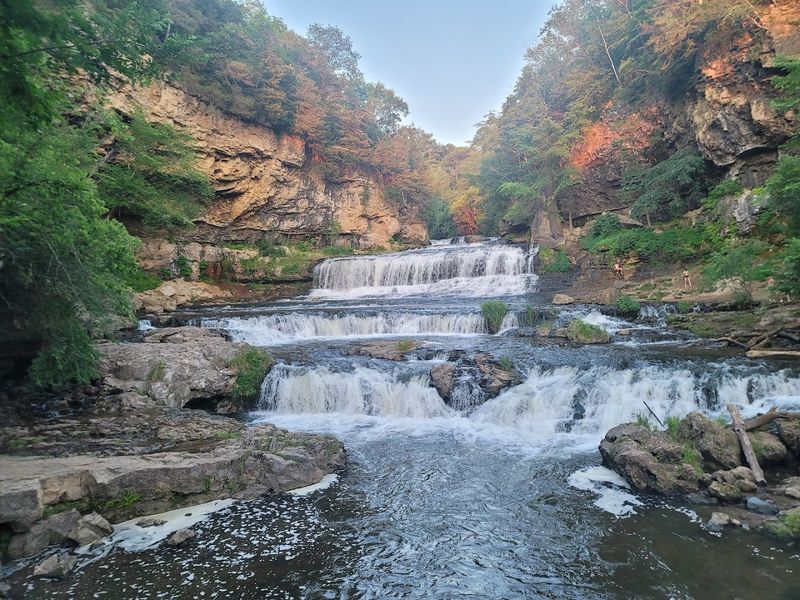
Willow River State Park provides the setting for one of Wisconsin’s most impressive waterfalls. The park opened in 1971 and quickly became a destination for anyone seeking a natural retreat close to the Twin Cities metro area.
Willow Falls anchors the entire preserve, drawing thousands of visitors each year who come to witness the powerful cascade.
The falls sit near the center of the park grounds at Hudson, WI 54016. Parking areas and trailheads offer convenient access to the main viewing areas.
Park staff maintain the trails and facilities year round, making it possible to visit in every season.
The state designated this land as a park after recognizing its unique geology and recreational potential. Today it serves as a model for balancing conservation with public enjoyment.
Families, photographers, and hikers all find something to appreciate within its boundaries.
The Park Covers About 2,800 Acres
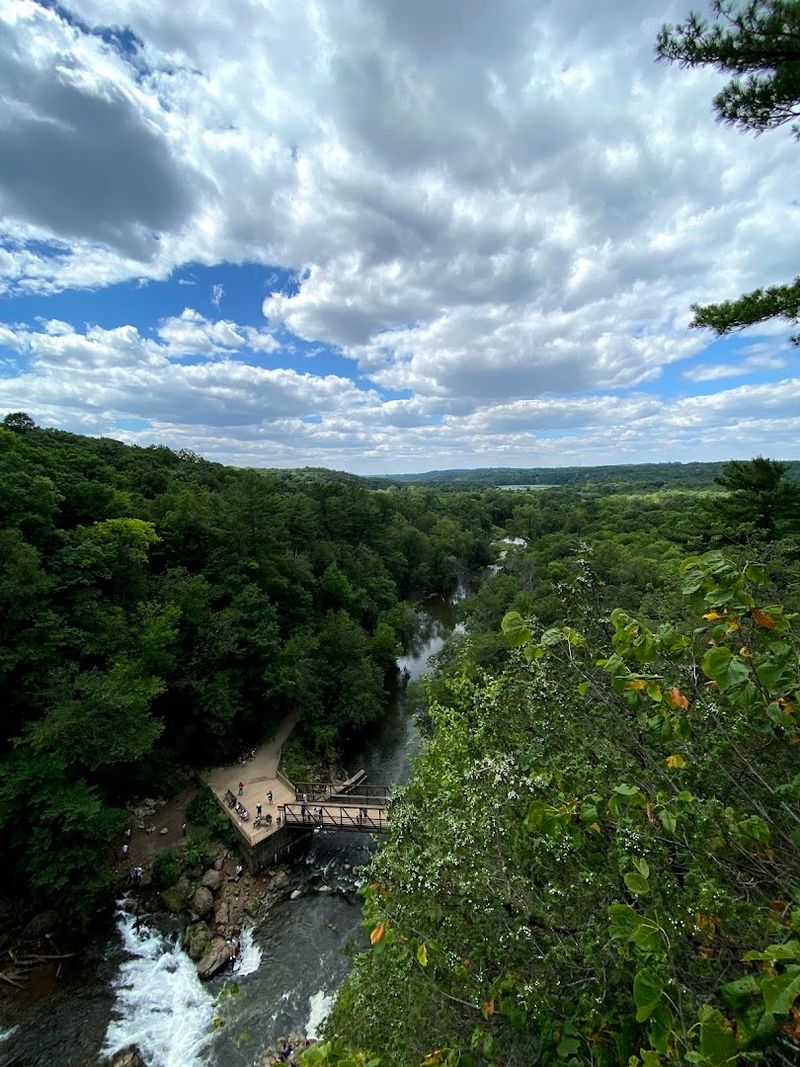
Willow River State Park encompasses roughly 2,800 acres of diverse Wisconsin landscape. This substantial size allows for multiple ecosystems to coexist within park boundaries.
Visitors can experience everything from dense hardwood forests to open prairie remnants in a single visit.
The acreage includes not only the gorge and falls but also two lakes, numerous stream valleys, and upland ridges. This variety supports a wide range of wildlife.
Deer, foxes, and numerous bird species make their homes throughout the park.
Park managers work to maintain the ecological balance across all these acres. Prescribed burns help restore prairie areas, while selective timber management keeps forests healthy.
The size of the park makes it possible to offer solitude even on busy weekends. Hikers willing to venture beyond the main attractions often find themselves alone on remote trails.
Miles Of Trails Lead To Different Views
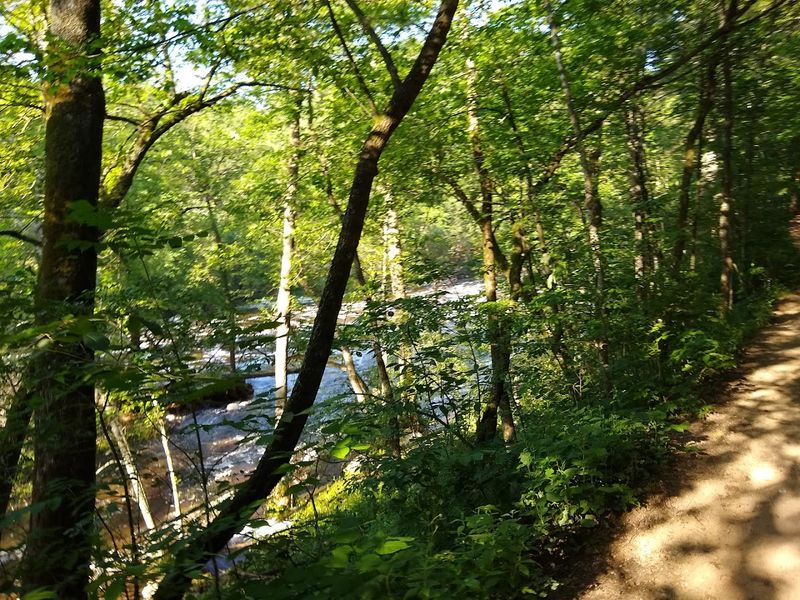
More than thirteen miles of trails wind through Willow River State Park. These paths range from easy walks suitable for families to more challenging routes that test endurance.
The trail system connects the major attractions while also providing access to quieter corners of the park.
The most popular trail leads directly to Willow Falls, but other paths explore the upper gorge and climb to overlook points. Some trails follow the river at water level, while others trace the rim high above.
Each route offers distinct scenery and varying difficulty levels.
Trail maps are available at the park entrance and at major trailheads. Signage along the routes helps visitors navigate and estimate distances.
During winter, some trails become cross-country ski routes. The park grooms these paths regularly, making them accessible to winter sports enthusiasts seeking snowy adventure.
Little Falls Lake Adds Swimming And Paddling
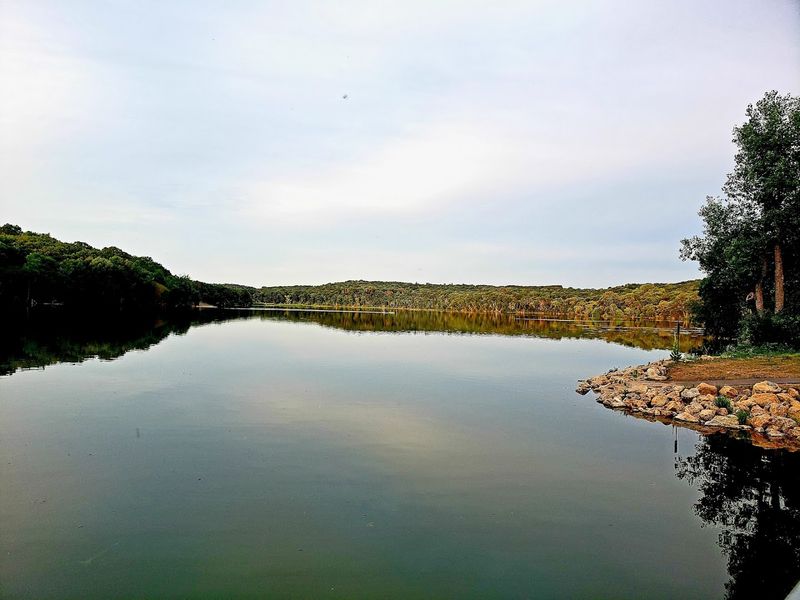
Little Falls Lake provides a completely different recreational experience within the same park. This impoundment on the Willow River offers a designated swimming beach that draws families during summer months.
The sandy shore and gradual depth make it ideal for children and less confident swimmers.
Kayakers and canoeists launch from the shore to explore the quiet waters. The lake remains relatively small, making it perfect for beginners or those seeking a peaceful paddle.
Fishing is permitted, with anglers trying their luck for panfish and bass.
A picnic area near the beach includes tables, grills, and shelters that can be reserved for group gatherings. The combination of water activities and shoreline amenities makes this section of the park popular for day trips.
Lifeguards are not typically on duty, so swimmers take responsibility for their own safety.
The Park Has Prairie Remnants And Rolling Countryside
Before European settlement, much of this region supported oak savanna and prairie ecosystems. Willow River State Park preserves and restores portions of this vanished landscape.
Prairie remnants within the park display native grasses and wildflowers that once dominated southern Wisconsin.
The rolling countryside provides a pleasant contrast to the dramatic gorge. Gentle hills rise and fall across the upland sections of the park.
These open areas offer long views across the landscape, especially beautiful during sunrise and sunset.
Park staff use prescribed fire and other management techniques to maintain prairie health. These efforts have brought back species that had nearly disappeared from the area.
Visitors in late summer can see the prairies in full bloom, with purple coneflowers, black-eyed susans, and big bluestem grass creating a tapestry of color and texture.
The Nature Centre Adds An Educational Stop
The park’s nature center serves as an educational hub for visitors of all ages. Inside, displays explain the geology of the gorge, the ecology of the park, and the history of the area.
Taxidermy specimens and hands-on exhibits help children learn about local wildlife.
Park naturalists staff the center during peak season, answering questions and leading interpretive programs. These programs might include guided hikes, wildlife talks, or demonstrations of traditional skills.
The schedule varies throughout the year, with more offerings during summer months.
The building itself provides a comfortable place to warm up in winter or cool down in summer. Restrooms and drinking fountains serve visitors who need a break.
Information about trail conditions, recent wildlife sightings, and special events is posted prominently. This makes the nature center an ideal first stop for anyone unfamiliar with the park.
The Hudson Location Makes It An Easy Day Trip
Hudson sits just across the St. Croix River from Minnesota, making Willow Falls accessible to millions of people in the Twin Cities metropolitan area. The drive from downtown Minneapolis or St. Paul takes less than an hour.
This proximity turns the park into a popular destination for those seeking nature without committing to a long journey.
The town of Hudson offers additional attractions for those who want to extend their visit. Restaurants, shops, and riverfront parks provide options before or after exploring the state park.
The combination makes for an excellent day trip itinerary.
Wisconsin residents from Madison, Milwaukee, and other parts of the state also find the park reasonably accessible. The location near Interstate 94 simplifies navigation.
Ample parking at the falls trailhead accommodates the steady stream of visitors who discover this remarkable natural feature.