
10 Under-The-Radar Small Towns In Wisconsin Most Travellers Have Never Heard Of
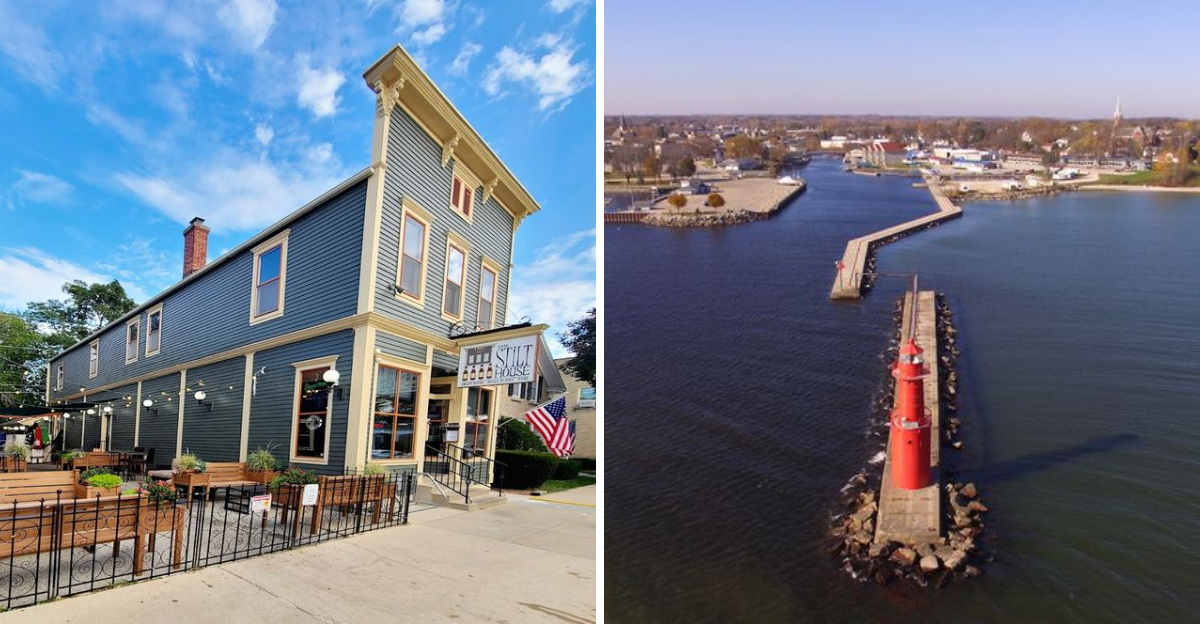
Wisconsin is famous for cheese, the Packers, and Lake Michigan, but the state hides something even better just off the main highways. Scattered across rolling hills, lakeshores, and river valleys are small towns so charming and full of life that they almost feel like a secret.
Most travelers speed right past them without a second glance, and honestly, that just means more magic for the rest of us. Pack a bag, grab some snacks, and get ready to discover ten Wisconsin towns that deserve a serious spot on your travel list.
1. Mineral Point
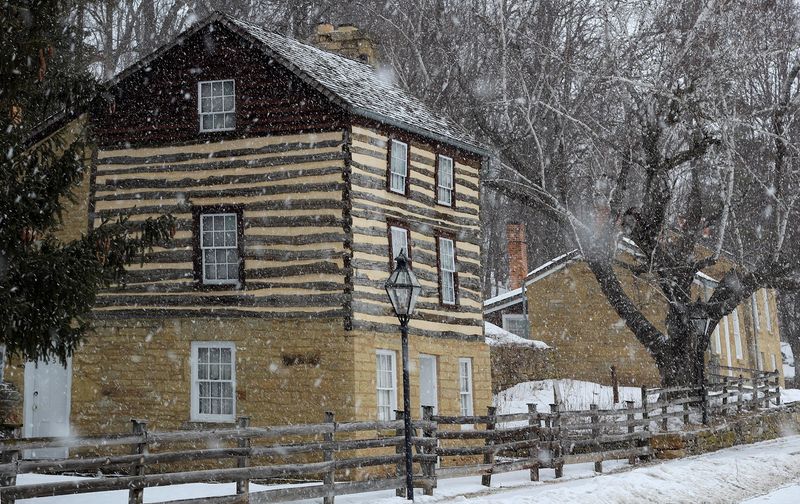
Back in the 1820s, lead miners from Cornwall, England, crossed an ocean and carved a life into the rugged hills of southwest Wisconsin. What they left behind in Mineral Point is nothing short of remarkable.
The stone cottages they built still stand today, giving this tiny town a look that feels more like the English countryside than the American Midwest.
Shake Rag Street is the heart of the historic district, lined with galleries, studios, and craft shops run by working artists. You can watch potters throw clay, painters stretch canvases, and glassblowers shape molten art right before your eyes.
The Pendarvis State Historic Site gives you a proper guided tour through restored Cornish miners’ homes dating back nearly two centuries.
Food here punches well above its weight class. The Red Rooster Cafe serves up Cornish pasties, those hearty meat-and-vegetable pastries that miners once carried into the tunnels for lunch.
Spring and fall bring art studio tours that draw visitors from across the Midwest, but even on a quiet Tuesday, Mineral Point rewards every single person who bothers to stop.
2. Ephraim
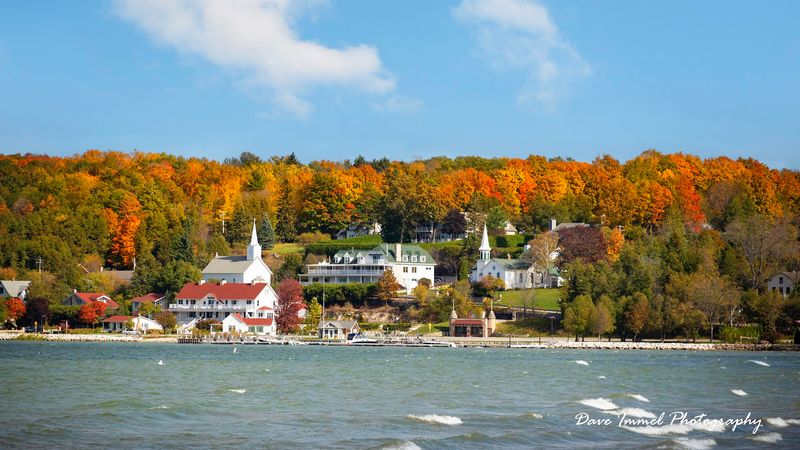
Perched right on the western shore of Green Bay in Door County, Ephraim carries a quiet dignity that sets it apart from its louder neighbors. Founded in 1853 by Moravian settlers, the town made a bold decision early on and it stuck: Ephraim still does not allow the sale of alcohol within its limits.
That unusual rule gives the place a calm, unhurried atmosphere you rarely find in popular tourist destinations.
The harbor is the soul of the town. Kayakers glide past white clapboard buildings that have barely changed since the nineteenth century, and the Anderson Dock, built in 1858, still juts into the bay like a postcard waiting to happen.
Sunsets over Eagle Harbor are the kind that make people pull over and just stand there for a while.
Summer brings the Fyr Bal Festival, a beloved Scandinavian-inspired celebration where the community burns a bonfire at the water’s edge to welcome the season. Eagle Bluff Lighthouse sits nearby and offers tours that connect you to the maritime history of the Great Lakes.
Ephraim moves at its own gentle pace, and once you match it, you will not want to leave.
3. New Glarus
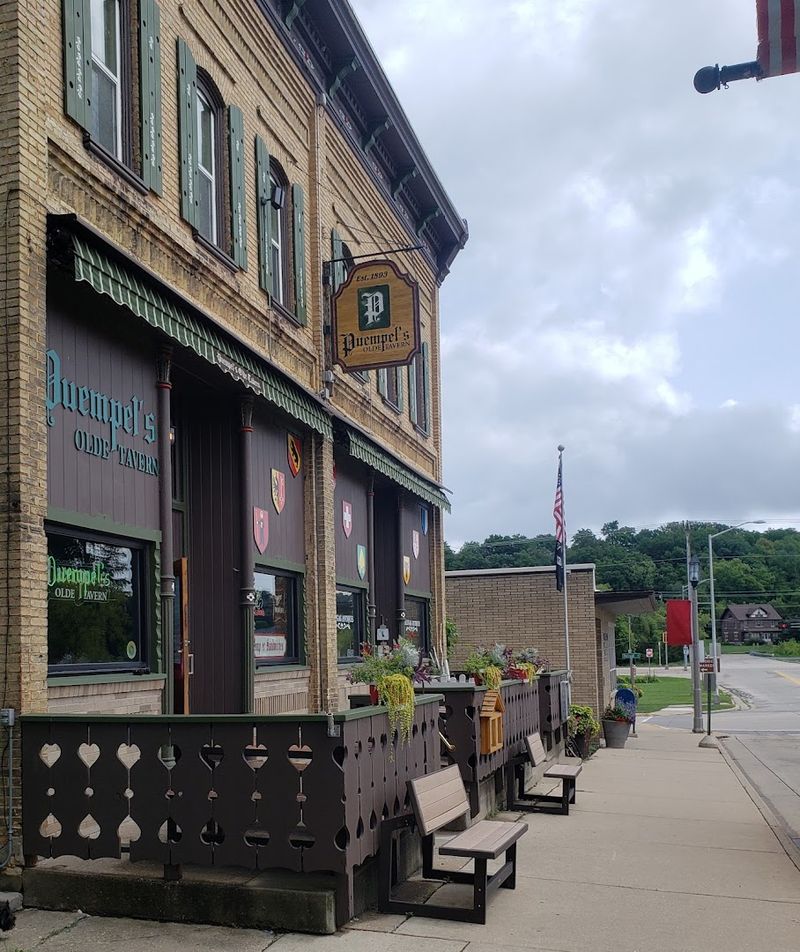
Imagine walking down a small-town Wisconsin street and suddenly feeling like you accidentally boarded a flight to Switzerland. That is the New Glarus experience, and it never gets old.
Swiss immigrants founded this village in 1845 after a group from the canton of Glarus, Switzerland, set out specifically to build a new home in America. They succeeded in the most delightful way possible.
The architecture here is unmistakably Alpine. Buildings sport painted murals, decorative shutters, and flower-draped balconies that would look right at home in the Alps.
The Wilhelm Tell Pageant, performed every Labor Day weekend since 1938, retells the famous Swiss legend through an outdoor drama that draws thousands of people annually. It is one of the longest-running outdoor theatrical productions in the entire country.
New Glarus Brewing Company is a pilgrimage site for craft beer lovers across the Midwest. Their Spotted Cow farmhouse ale is so popular that Wisconsin law actually prevents it from being sold outside the state, giving you a very good reason to visit in person.
Swiss Miss Lace Shop, local bakeries, and a genuinely warm community make this one of the most distinctive small towns in all of Wisconsin.
4. Algoma
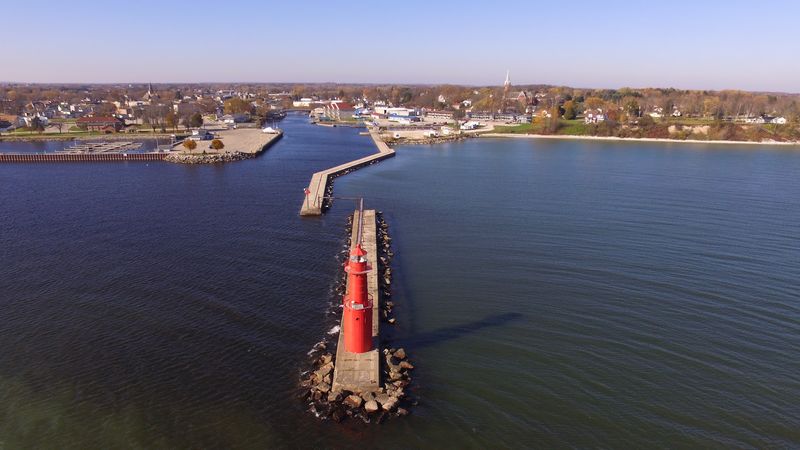
Algoma sits right where the Ahnapee River meets Lake Michigan, and that geography alone makes it worth the drive. This small Lake Michigan port town flies under the radar even among Wisconsin locals, yet it packs in more character per square mile than places ten times its size.
The lighthouse at the end of the north pier is one of the most photographed spots on the entire western shore of Lake Michigan.
Charter fishing is a serious draw here. Lake Michigan yields impressive hauls of salmon, trout, and walleye, and Algoma’s fishing fleet is well-equipped and experienced.
The Von Stiehl Winery, located in a historic building that once housed a cheese factory, produces award-winning wines made from Wisconsin-grown fruit and grapes. It is one of the oldest licensed wineries in the state and the tasting room is genuinely fun to spend an afternoon in.
The Algoma Pierhead Lighthouse glows a warm red at sunset, reflecting off the water in a way that feels almost cinematic. Kewaunee County’s rolling farm fields surround the town, and the nearby Ahnapee State Trail offers miles of flat, scenic biking through the countryside.
Algoma is the kind of place that surprises you completely.
5. Stockholm
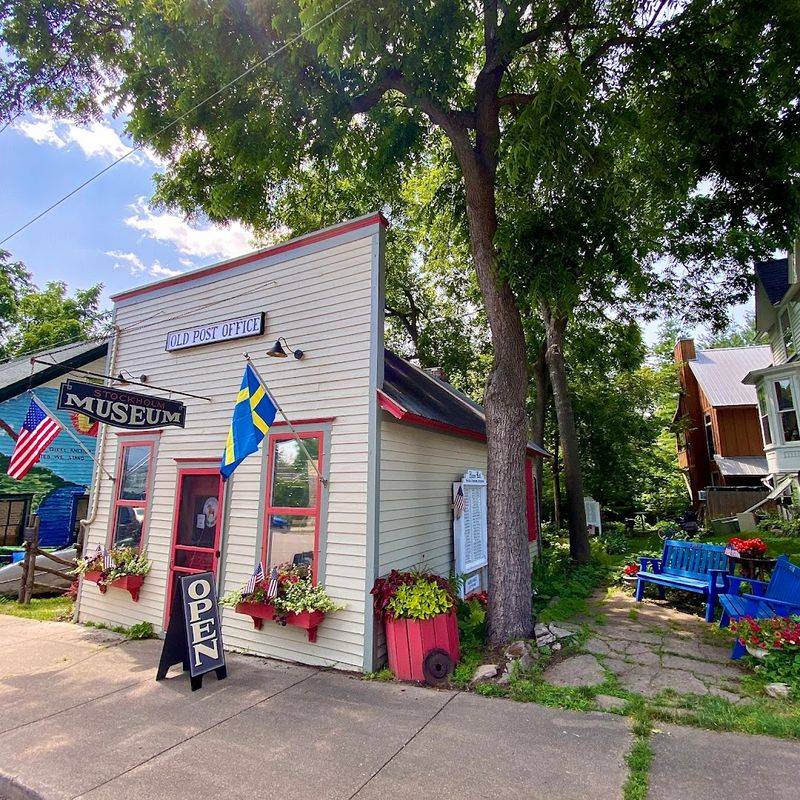
Stockholm, Wisconsin, has a population of roughly 66 people. You read that correctly.
It is one of the smallest incorporated villages in the entire United States, yet on a busy summer weekend, it draws hundreds of visitors who come specifically for its art, food, and spectacular Mississippi River scenery. Size clearly means nothing when you have this much personality.
Swedish immigrants founded the town in 1854, and the Scandinavian heritage still shows up in the local culture and festivals. The Stockholm Pottery and Gallery is a regional landmark, showcasing handmade ceramics that artists have been producing here for decades.
Amish quilts, local jams, and handcrafted goods fill the small shops along the single main street, making it one of the best spots in western Wisconsin for one-of-a-kind souvenirs.
The Great River Road runs right through town, and the bluffs above the Mississippi offer some of the most jaw-dropping views in the entire state. Stockholm Pie and General Store serves slices of homemade pie that people drive hours for, and honestly, the hype is fully justified.
Sitting on a bench along the river with a slice of pie and nowhere to be is about as good as a travel day gets.
6. Mazomanie
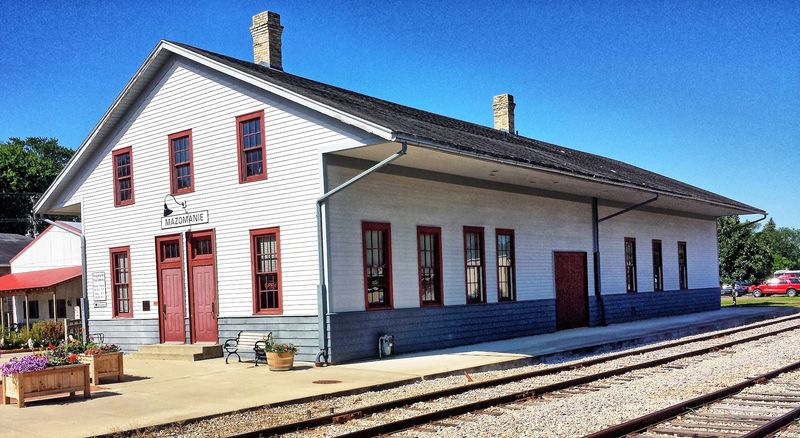
Mazomanie does not get written up in glossy travel magazines, and that is precisely what makes it so appealing. Tucked into the rolling hills of Dane County just west of Madison, this small town carries a deep railroad history that shaped its entire layout and character.
The name itself comes from a Winnebago word meaning iron that walks, a reference to the steam locomotive that first connected this community to the wider world in the 1850s.
The Mazomanie Historical Society Museum does a wonderful job of preserving that railroad legacy along with the broader story of the community’s agricultural roots. Walking through the downtown, you get a genuine sense of a place that has held onto its identity without trying too hard to reinvent itself for tourists.
That authenticity is rare and worth appreciating.
The Wisconsin River is just minutes away, and the Mazomanie Beach area along the river is a popular local swimming and recreation spot during summer months. Black Earth Creek, a famous trout stream among fly fishing enthusiasts, runs nearby and draws anglers from across the region.
For cycling fans, the Military Ridge State Trail passes close to town and offers a smooth, scenic ride through the Driftless Area landscape.
7. Bayfield
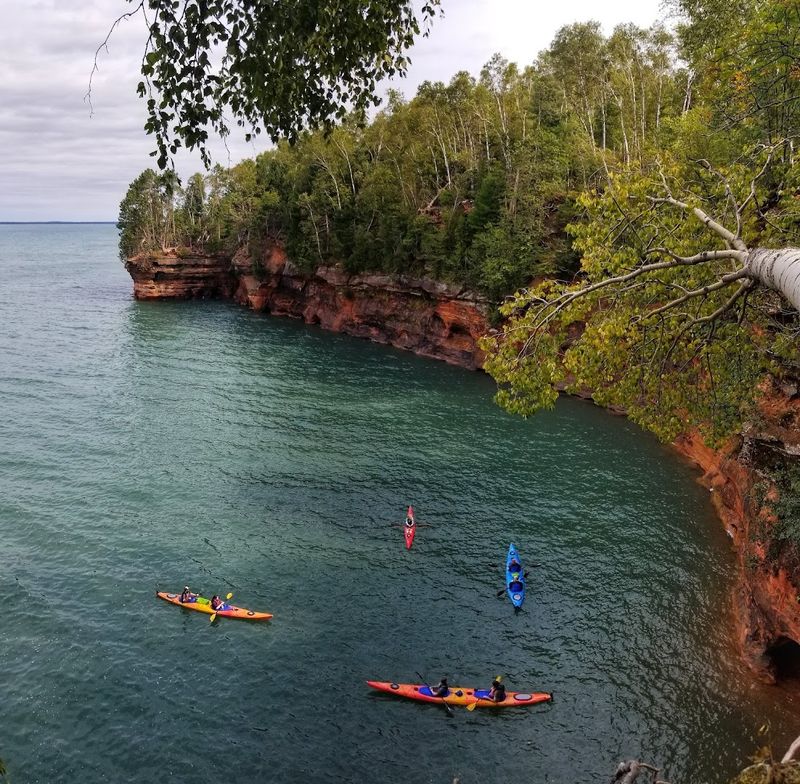
Standing on the hillside above Bayfield and looking out at Lake Superior on a clear October morning is one of those experiences that quietly rearranges your priorities. This small town on the Bayfield Peninsula has been charming visitors since the late 1800s, yet it still manages to feel like a discovery rather than a destination.
The Apostle Islands National Lakeshore, a collection of 21 islands spread across the world’s largest freshwater lake, is accessible right from town.
Apple orchards cover the hillsides above Bayfield, and the fall harvest season transforms the whole area into a fragrant, colorful spectacle. Apple festival weekends in October bring cider, pies, and a festive energy that feels completely genuine rather than manufactured for tourists.
Sea caves along the lakeshore freeze into spectacular ice formations in winter, drawing ice hikers from across the country during cold snaps.
Big Top Chautauqua, an outdoor music venue under a blue-and-white striped tent, hosts concerts all summer long featuring folk, blues, and original historical musicals about Wisconsin. The ferry to Madeline Island, the only inhabited Apostle Island, departs from downtown Bayfield.
Kayaking, sailing, fishing, and simply sitting on the docks watching the lake shift colors will fill every hour you have here.
8. Princeton
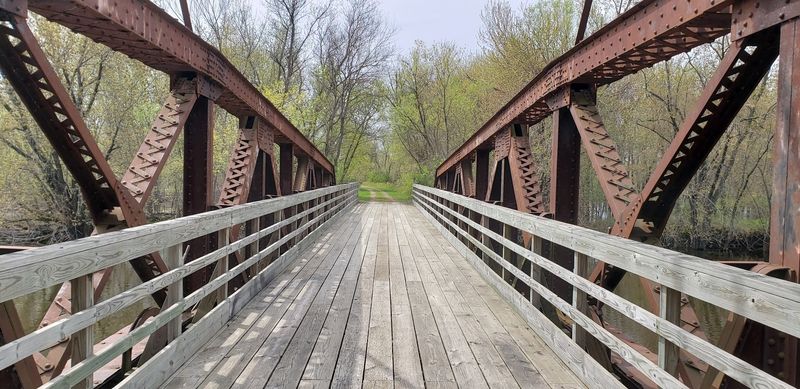
Every Saturday morning from May through October, Princeton transforms into one of the largest outdoor flea markets in the entire Midwest. Vendors set up along the Fox River and spill through the downtown streets, selling antiques, fresh produce, handmade crafts, vintage clothing, and items so random and unexpected that browsing for a few hours feels like a genuine treasure hunt.
Princeton’s Saturday market has been running for decades and locals treat it with the same reverence as a community tradition.
The Fox River adds a scenic backdrop to the whole town, and the historic downtown retains a classic small-town Wisconsin look with brick storefronts and wide sidewalks. Princeton is in Green Lake County, one of Wisconsin’s most beautiful lake districts, so the surrounding landscape rewards anyone who ventures beyond the main street.
Green Lake itself, the deepest inland lake in Wisconsin, is just a short drive away.
The town has a low-key, unpretentious vibe that feels refreshing compared to more polished tourist destinations. Local diners serve hearty breakfasts that fuel a full morning of market browsing, and the pace of life here moves exactly as slowly as you want it to.
Princeton is proof that a great Saturday is really all you need.
9. Elkhart Lake
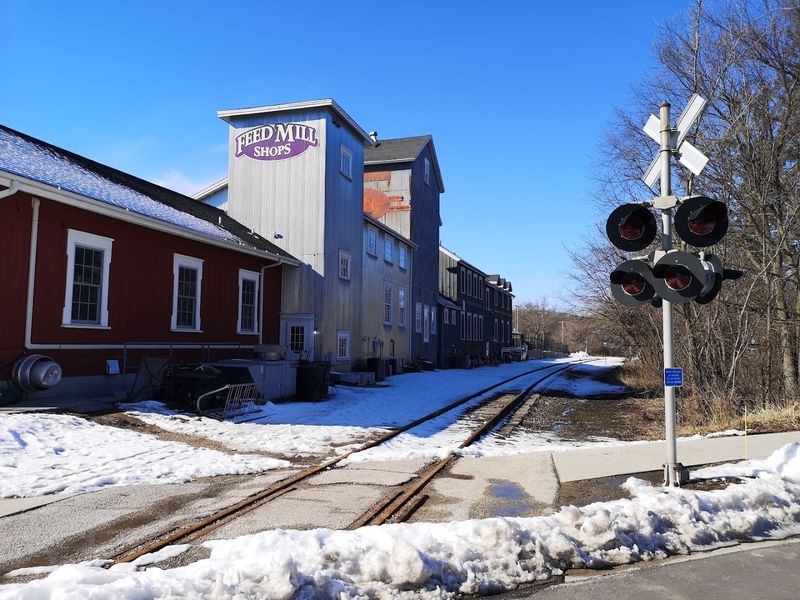
Elkhart Lake looks like someone took a European resort village and quietly dropped it into the Wisconsin countryside. The lake itself is strikingly clear, fed by underground springs, and the water holds a blue-green color that looks almost tropical on sunny days.
This small village in Sheboygan County has been a summer retreat since the late 1800s, when wealthy Milwaukee families built grand cottages along the shoreline.
Road America, one of the most celebrated motorsports facilities in North America, sits just outside town and hosts major racing events throughout the summer. The four-mile road course draws professional racing series, vintage car rallies, and motorcycle competitions that fill the village with an electric buzz of engines and enthusiasm.
Even if racing is not your thing, watching vintage cars parade through a charming lakeside village is genuinely entertaining.
The village beach is clean, well-maintained, and far less crowded than you might expect given how beautiful it is. Paddleboarding, kayaking, and swimming are all popular, and the surrounding countryside offers scenic cycling routes through dairy farms and rolling hills.
Siebkens Resort, operating continuously since 1916, gives the whole place a sense of timeless hospitality that modern hotel chains simply cannot replicate. Elkhart Lake earns every bit of admiration it rarely gets.
10. Cedarburg
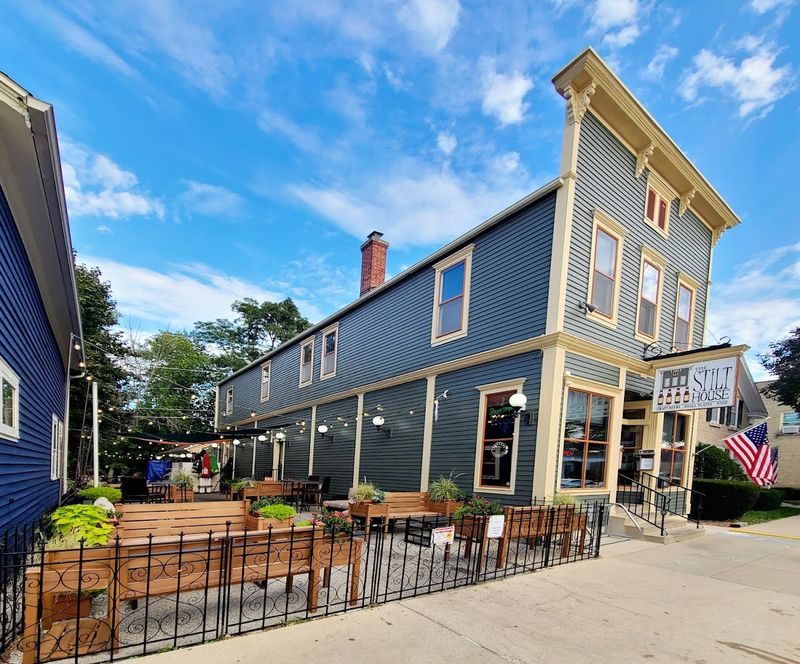
Just twenty miles north of Milwaukee, Cedarburg sits close enough to the city to be convenient but feels like an entirely different world once you arrive. The entire downtown is listed on the National Register of Historic Places, and the buildings that line Washington Avenue are genuinely beautiful, constructed from cream-colored Cream City brick and locally quarried limestone during the mid-1800s.
Walking through this town is like stepping into a living history lesson that also happens to have excellent coffee shops.
The Cedar Creek Settlement, a converted woolen mill complex built in 1864, now houses artists’ studios, wine tasting rooms, antique dealers, and specialty shops spread across several floors of beautifully restored industrial space. Cedar Creek Winery operates right inside the mill and produces fruit wines in a setting that is hard to beat for atmosphere.
Festivals happen here almost every weekend during the warmer months, from strawberry festivals to wine and harvest celebrations.
The Interurban Trail follows the old electric railway line through town and connects to a broader trail network perfect for cycling. Local breweries, a thriving arts scene, and an independent spirit give Cedarburg a creative energy that feels organic rather than forced.
It rewards slow exploration far more than a quick drive-through ever could.