
12 Underrated Mountain Villages In Western North Carolina For Your Next Weekend Escape
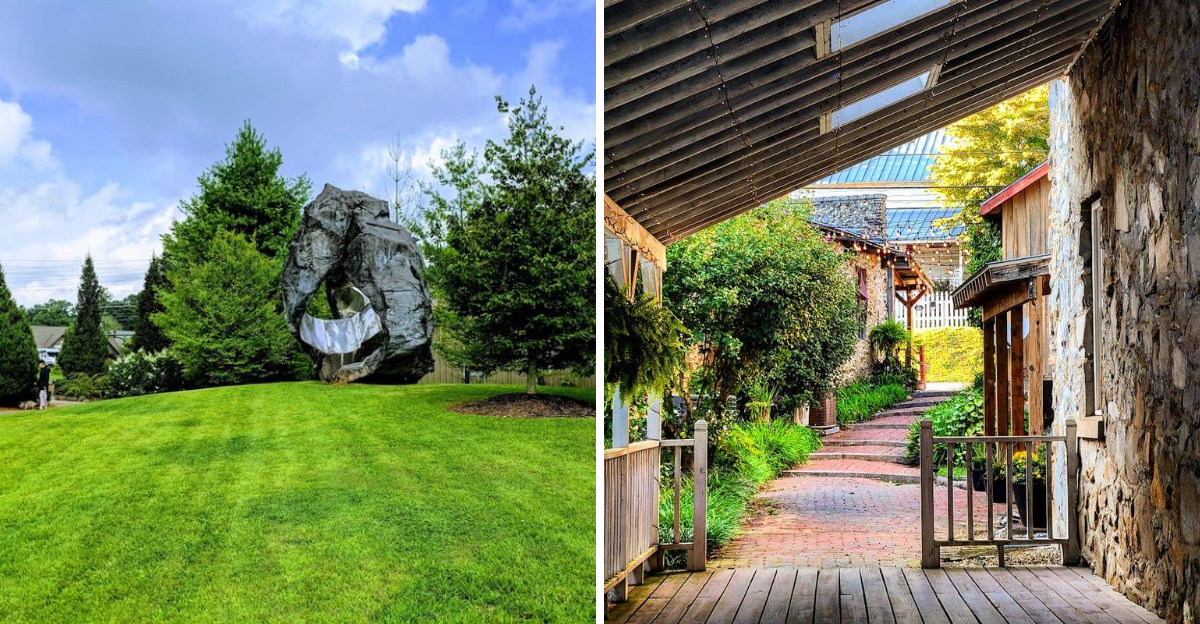
Western North Carolina hides some of the most charming mountain villages you’ve probably never heard of, and honestly, that’s what makes them so special. While everyone flocks to Asheville or Boone, these twelve small towns offer the same stunning views, incredible hiking, and cozy mountain vibes without the crowds.
I’ve spent weekends exploring these hidden gems, and each one has its own personality, from artsy downtown streets to waterfalls you can have all to yourself. Pack your bags and get ready to discover the mountain escapes that locals have been keeping quiet about.
1. Saluda
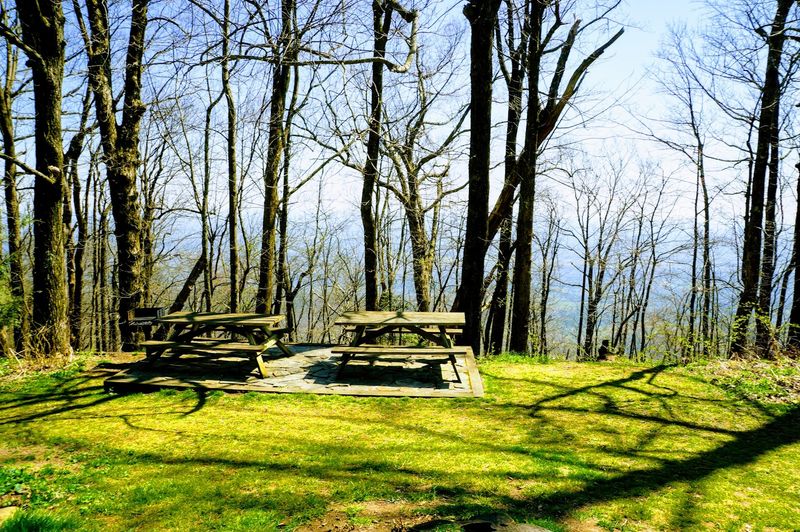
Perched on the edge of the Blue Ridge Escarpment, Saluda feels like stepping into a postcard where time slows down just enough to let you breathe. The entire downtown stretches only a few blocks, but those blocks pack in art galleries, antique shops, and cafes that serve coffee strong enough to wake up your sense of adventure.
Main Street sits at one of the steepest railroad grades in the country, which gives this tiny town serious bragging rights. You can explore the historic depot, browse handmade crafts, or just sit on a bench and watch the world go by at a pace that feels wonderfully old-fashioned.
Hiking trails surround the area, including paths to stunning waterfalls like Pearson’s Falls, where the cool mist hits your face after a short walk through the forest. Local restaurants serve up Southern comfort food that tastes like someone’s grandmother made it with love.
Saluda proves that the best weekends don’t require fancy resorts or packed itineraries, just good company and a willingness to slow down.
2. Sylva
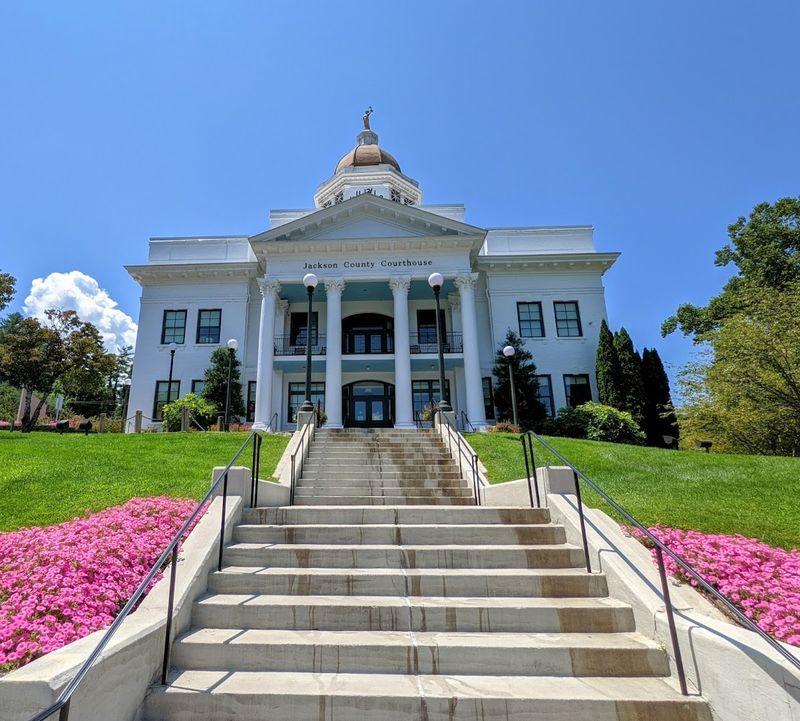
The Jackson County Courthouse crowns the hill in downtown Sylva like a beacon, and honestly, the view from up there will make you understand why people fall in love with Western North Carolina. This college town has energy that feels both laid-back and creative, thanks to Western Carolina University students mixing with long-time residents who know every trail and fishing spot by heart.
Downtown streets curve around the hillside, lined with locally-owned restaurants, breweries, and shops that sell everything from hiking gear to handmade jewelry. You won’t find chain stores here, which means every purchase supports someone’s dream and every meal tastes like the chef actually cares.
The surrounding mountains offer incredible hiking, especially in the Nantahala National Forest, where trails range from easy strolls to challenging climbs that reward you with panoramic views. Sylva sits close enough to bigger attractions but far enough away to maintain its authentic mountain town character.
Summer evenings bring live music to outdoor venues, and fall transforms the hillsides into a painter’s palette of reds and golds.
3. Dillsboro
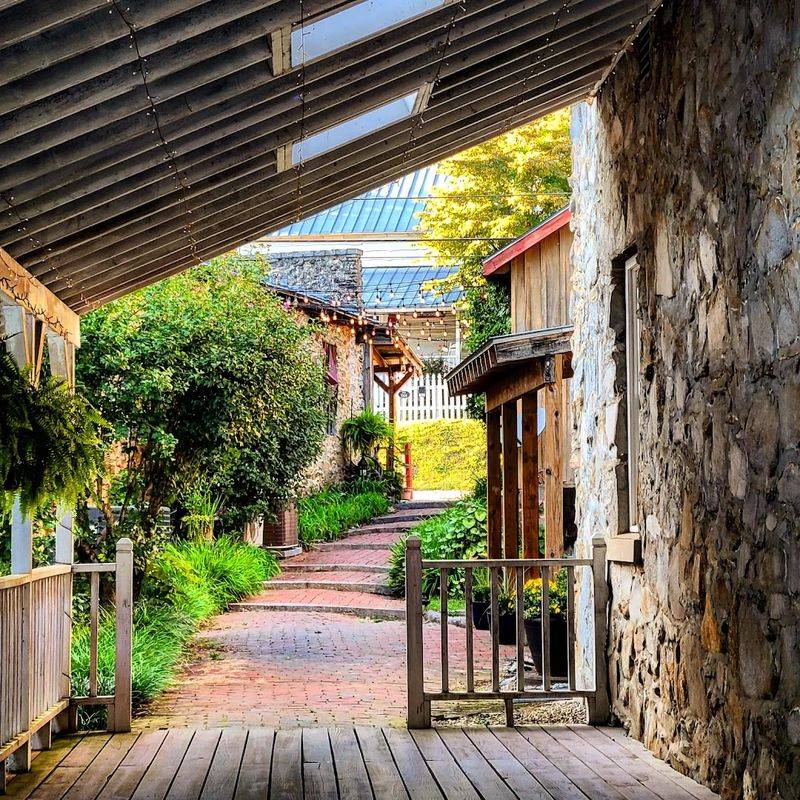
Right along the Tuckasegee River, Dillsboro feels like an artist’s colony that decided to become a village, and the result is absolutely magical. The whole town spans just a few streets, but those streets overflow with pottery studios, craft galleries, and shops where you can watch artisans create beautiful things right before your eyes.
The Great Smoky Mountains Railroad stops here, and riding those vintage trains through the mountains gives you views that highways just can’t match. After your train ride, you can wander from shop to shop, picking up handmade treasures that actually mean something because you met the person who made them.
River tubing and kayaking draw adventure seekers during warmer months, while the surrounding trails offer peaceful walks through forests that feel untouched by modern chaos. Local restaurants serve mountain trout fresh from nearby streams, and the portions are generous enough to fuel your afternoon explorations.
Dillsboro proves that small towns can pack big experiences into tiny spaces, especially when creativity and natural beauty team up perfectly.
4. Little Switzerland
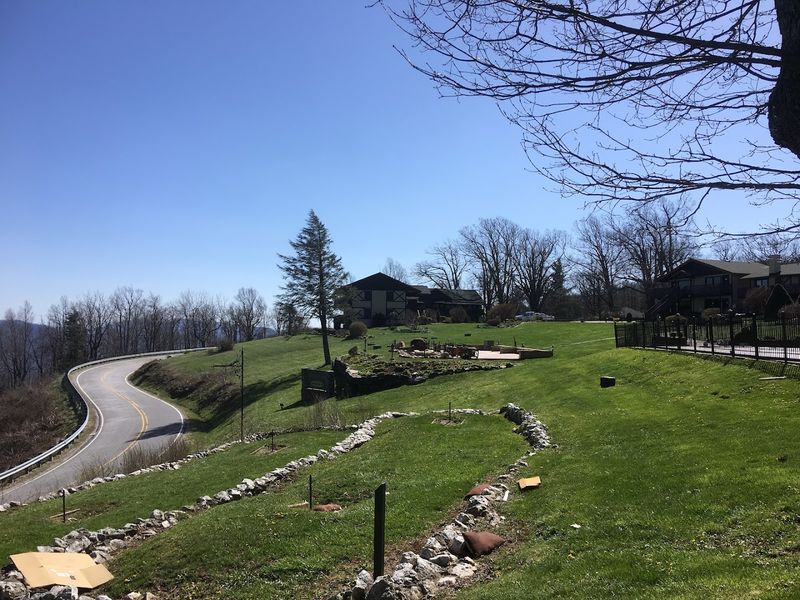
At 3,500 feet elevation along the Blue Ridge Parkway, Little Switzerland earned its name honestly because the views really do look like someone transplanted a piece of the Alps to North Carolina. The village itself is tiny, but the scenery surrounding it is absolutely enormous, with layer after layer of mountain ridges fading into the distance like waves frozen in stone.
Swiss-inspired architecture gives the buildings a distinctive European flair that sets this place apart from typical mountain towns. The inn and shops embrace the Alpine theme without going overboard, creating an atmosphere that feels special but not gimmicky or forced.
Hiking access to the Blue Ridge Parkway means you can park your car and immediately start exploring trails that showcase some of the most spectacular views in the entire region. Nearby Linville Falls and Linville Caverns add even more adventure options within easy driving distance.
Cooler temperatures make summer visits especially pleasant, while fall brings leaf-peepers from across the country to witness the mountainsides explode in color that cameras never quite capture accurately.
5. Cashiers
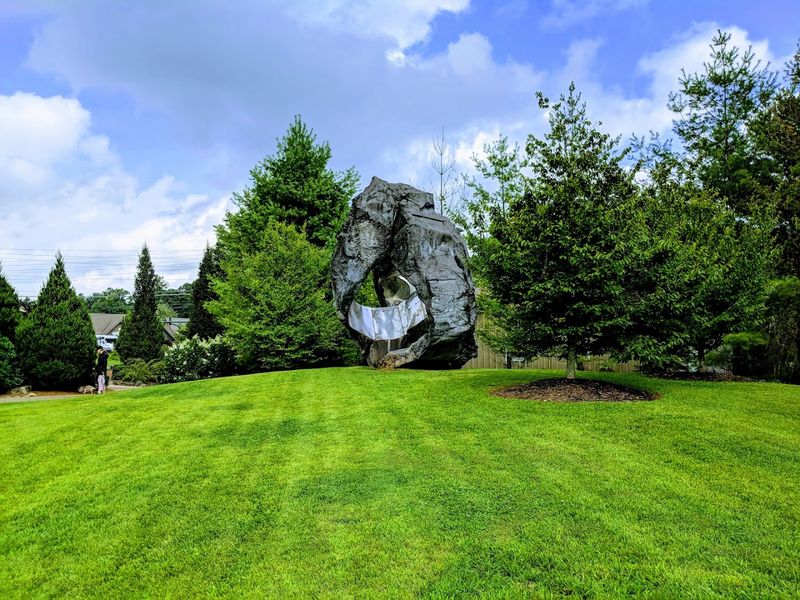
Tucked into a high-altitude plateau, Cashiers combines upscale mountain living with wild natural beauty that reminds you money can’t buy everything, especially not the feeling of standing beside a roaring waterfall. The village serves as a base camp for exploring some of the region’s most impressive cascades, including Whitewater Falls, which drops further than Niagara and makes you feel absolutely tiny standing at the overlook.
Local shops and restaurants cater to a mix of seasonal residents and visitors who appreciate quality without pretension. You’ll find gourmet dining options alongside casual mountain eateries, all serving food that takes advantage of local ingredients and Southern cooking traditions.
Lake Glenville offers boating and swimming with mountain views that make every photo look like a professional shot it. The surrounding Nantahala National Forest provides endless hiking opportunities through old-growth forests where sunlight filters through the canopy in golden shafts.
Cashiers maintains a refined atmosphere while staying connected to the raw mountain environment that makes Western North Carolina so captivating and worth returning to year after year.
6. Cedar Mountain
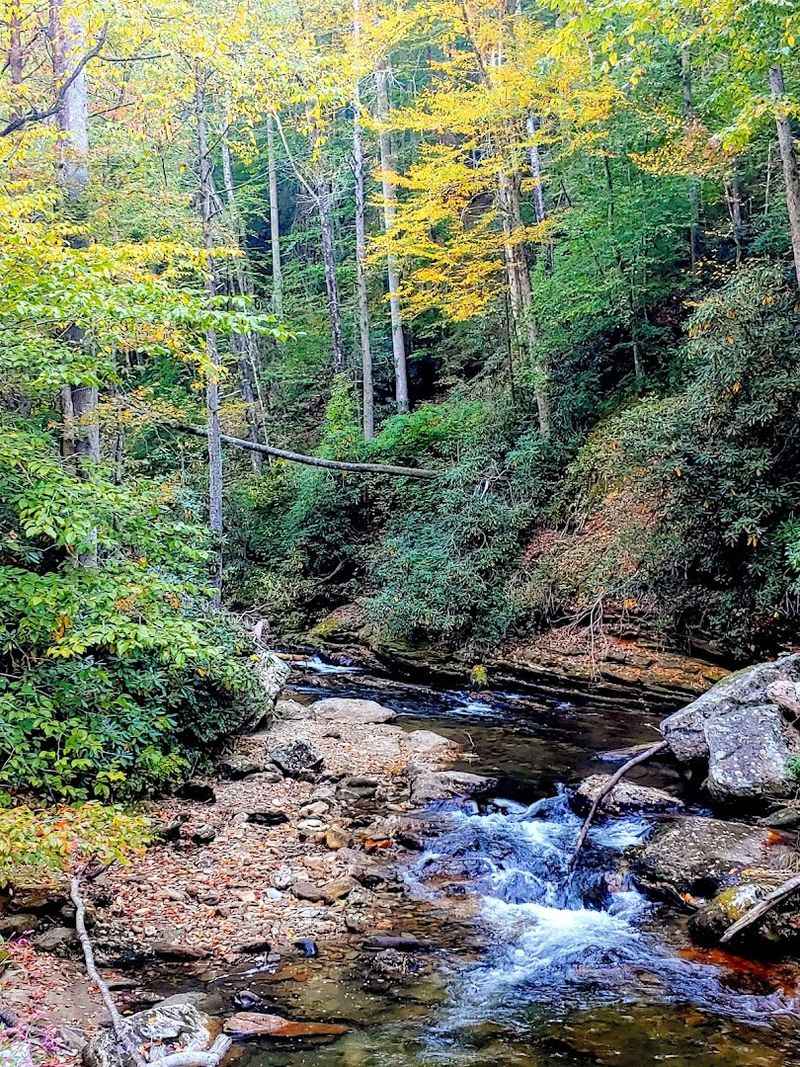
Blink while driving through Cedar Mountain and you might miss it entirely, which is exactly what gives this tiny community its peaceful, undiscovered charm. The village sits in the shadow of Looking Glass Rock, that massive granite dome that catches sunlight and glows like its name suggests, drawing rock climbers from around the world to test their skills on its challenging face.
A handful of local businesses serve the community, including a general store that feels like stepping back fifty years when neighbors actually knew each other’s names. The lack of commercial development means you get authentic mountain living without tourist traps or manufactured experiences trying to separate you from your money.
Trails throughout Pisgah National Forest put you within minutes of waterfalls, mountain streams, and forest paths where you might hike for hours without seeing another soul. The Davidson River flows nearby, offering some of the best trout fishing in the region for anglers who appreciate cold, clear mountain water.
Cedar Mountain proves that sometimes the best destinations are the ones that never tried to become destinations at all.
7. Franklin
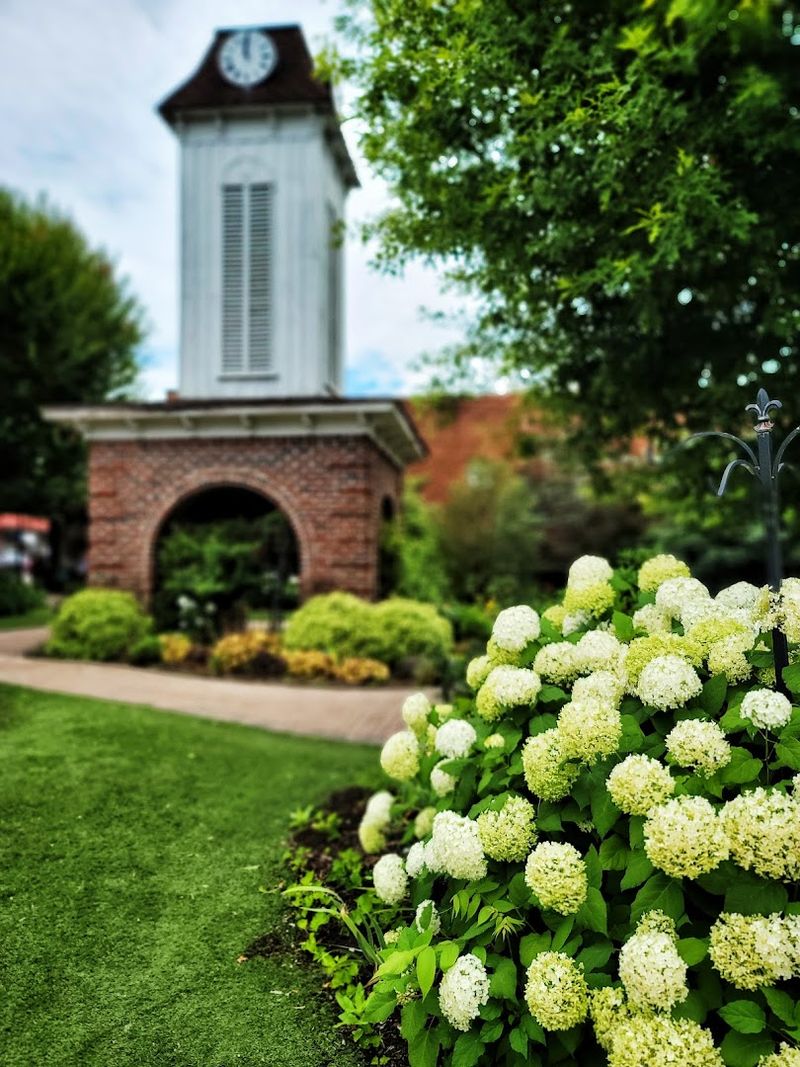
Known as the gem capital of the world, Franklin lets you dig for rubies and sapphires at mines where finding actual gemstones isn’t just marketing hype but a real possibility. The town sits at the southern end of the Appalachian Trail, which means hikers with stories and trail names regularly pass through, adding an adventurous energy to the downtown area.
Main Street offers a mix of gem shops, outdoor outfitters, and restaurants that serve hearty meals perfect for refueling after a day spent hiking or mining. Local shops will cut and polish any gems you find, turning your discovery into jewelry or keepsakes that carry actual memories instead of just price tags.
The surrounding mountains provide hiking trails for every skill level, from easy nature walks to challenging climbs that test your endurance and reward your effort with views that stretch across multiple states. Waterfalls hide throughout the area, including some that require short hikes and others that demand serious commitment.
Franklin combines geological wonders with mountain beauty, creating a destination where you can literally take home pieces of the earth while making memories that last even longer.
8. Burnsville
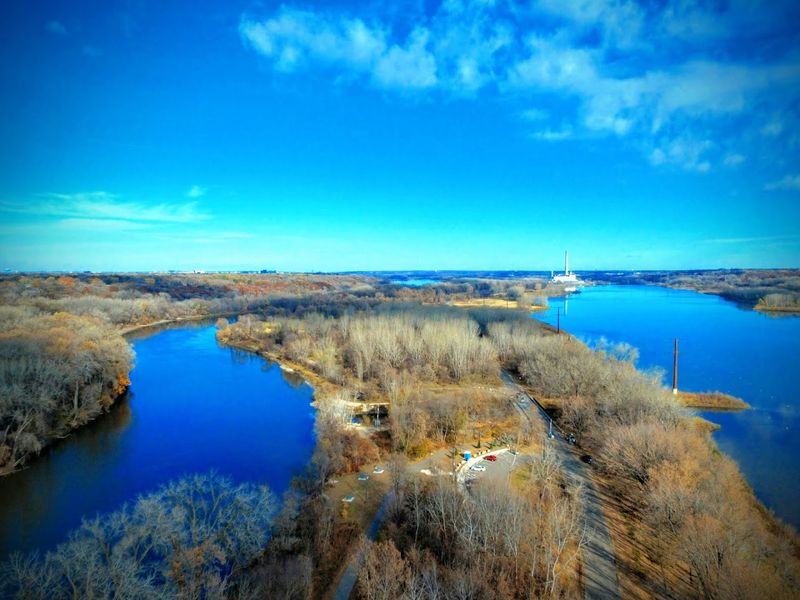
The town square in Burnsville feels like the heart of a community that never forgot what matters most, with locally-owned businesses surrounding a green space where people actually gather and talk to each other. Mount Mitchell, the highest peak east of the Mississippi, looms nearby, reminding everyone that this area plays in the big leagues of mountain scenery.
Art galleries and craft studios showcase work from local artists who found inspiration in these mountains and decided to stay. The creative energy flows through the town, showing up in unexpected places like the designs on coffee shop walls or the handmade signs directing you to hiking trails.
Access to Mount Mitchell State Park puts you within reach of that famous summit, where the air feels thinner and the views extend so far that you can see weather systems moving across the landscape. The Blue Ridge Parkway runs nearby, offering scenic drives that make you want to pull over every few minutes to take another photo.
Burnsville balances artistic sensibility with outdoor adventure, creating a weekend destination where culture and nature enhance each other instead of competing for your attention and time.
9. Banner Elk
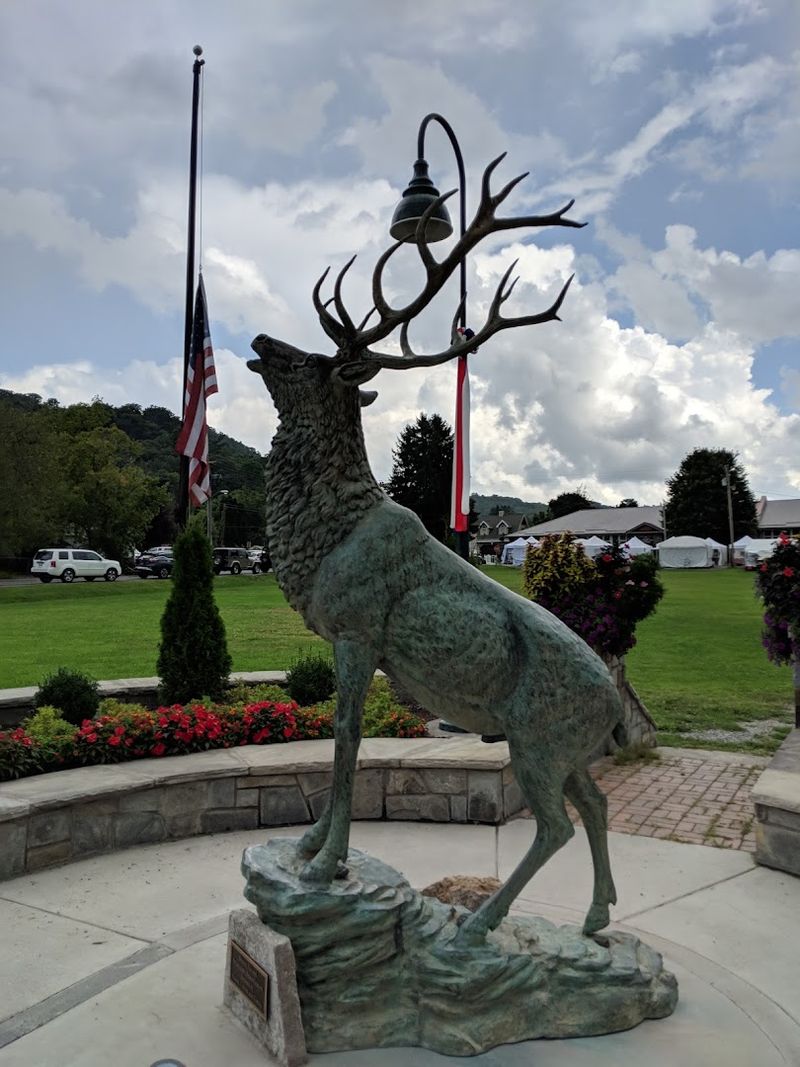
High in the North Carolina mountains, Banner Elk transforms with the seasons, offering skiing in winter and hiking in summer, which means this town knows how to make the most of elevation and weather. The village maintains a resort-town vibe without feeling overdeveloped, keeping that authentic mountain character even as visitors arrive for seasonal recreation and weekend getaways.
Beech Mountain and Sugar Mountain ski resorts sit close enough to make Banner Elk a perfect base for winter sports enthusiasts. When snow melts, those same mountains become hiking and mountain biking destinations where trails wind through forests and meadows that bloom with wildflowers nobody bothered to plant.
Downtown offers restaurants and shops that stay open year-round, serving a community that includes both long-time residents and seasonal visitors who return faithfully every year. The surrounding high country provides some of the coolest summer temperatures in the region, making this area a favorite escape when lower elevations feel like ovens.
Banner Elk proves that mountain towns can embrace tourism while maintaining authenticity, creating experiences that feel genuine no matter which season brings you through these peaks and valleys.
10. Hot Springs
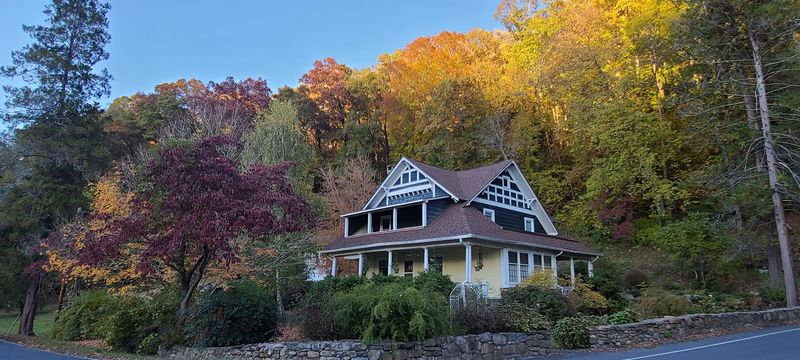
The Appalachian Trail literally runs down the main street of Hot Springs, which means you can high-five thru-hikers from your car window if you’re feeling friendly and they’re feeling sociable. Natural hot springs bubble up from the earth here, feeding outdoor tubs where you can soak tired muscles while watching the French Broad River flow past and mountains rise on all sides.
This tiny town has embraced its role as a trail town, with hostels, outfitters, and restaurants that understand what hikers need after days in the wilderness. But you don’t have to be hiking the AT to appreciate the laid-back atmosphere and stunning natural setting that make Hot Springs feel like a secret worth sharing.
River rafting and kayaking draw water lovers to the French Broad, where rapids range from gentle floats to exciting challenges that get your heart pumping. The combination of hot springs, river access, and trail culture creates a unique vibe that you won’t find in more polished tourist destinations.
Hot Springs reminds you that the best experiences often happen in places that stay true to themselves instead of trying to be everything to everyone.
11. Maggie Valley
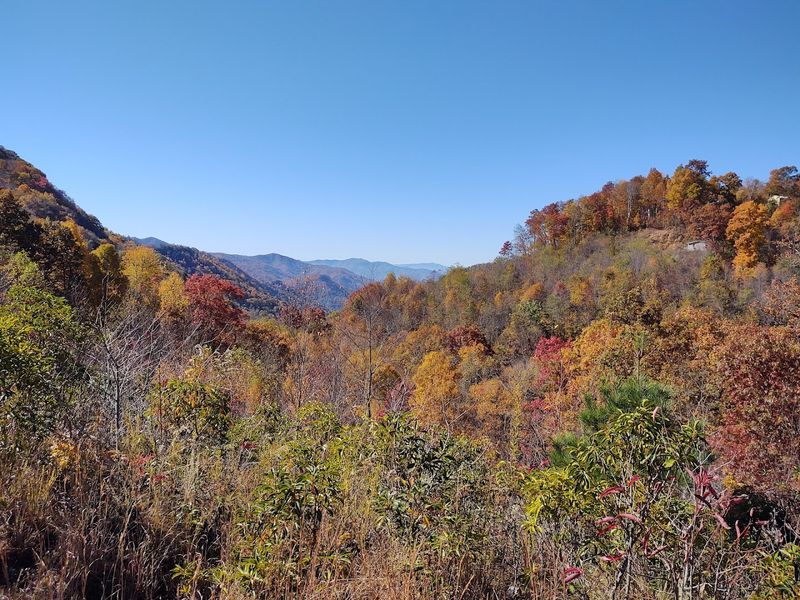
Stretching along a scenic valley with the Great Smoky Mountains rising dramatically on both sides, Maggie Valley serves as a gateway to some of the most famous mountain scenery in America. The town embraces its tourist heritage without apology, offering attractions and activities that range from outdoor adventures to quirky roadside stops that make road trips memorable and worth the detours.
Cataloochee Ski Area provides winter sports when snow falls, while summer brings motorcyclists who love the winding roads and mountain curves that challenge riding skills. The valley’s main road connects various attractions, restaurants, and shops that cater to visitors looking for both adventure and relaxation in equal measures.
Access to Great Smoky Mountains National Park sits just minutes away, putting you within reach of trails, waterfalls, and wildlife viewing that draw millions of visitors annually to America’s most-visited national park. Ghost Town in the Sky, though its operational status has varied over the years, remains part of local lore and conversation.
Maggie Valley understands that mountain vacations should include both natural beauty and human-created fun, delivering both without pretending to be something it’s not or ever was.
12. Waynesville
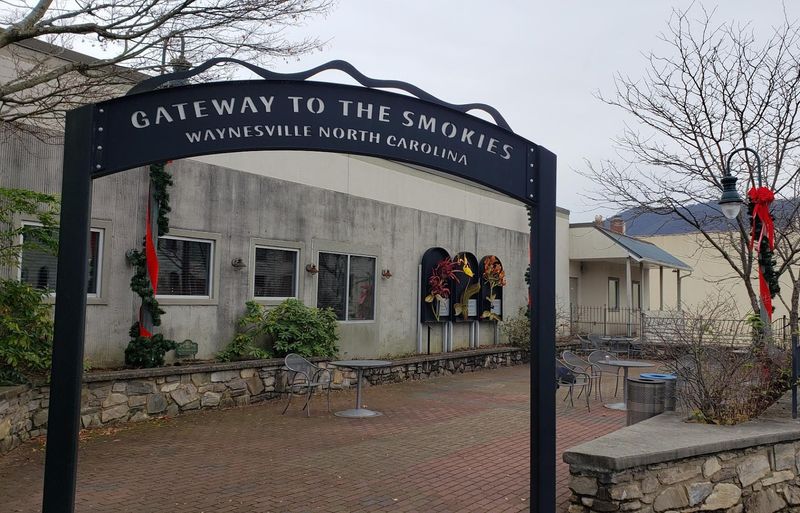
Main Street in Waynesville curves gently through downtown, lined with galleries, bookstores, and restaurants that prove small towns can have sophisticated culture without losing their mountain soul. The town has cultivated an arts scene that attracts creative people from across the region, resulting in festivals, performances, and exhibitions that punch way above what you’d expect from a community this size.
Local shops sell everything from outdoor gear to fine art, with owners who actually know their inventory and can recommend trails or galleries based on your interests. The food scene includes everything from traditional Southern cooking to international cuisine, all served with mountain hospitality that makes you feel welcome immediately.
Proximity to Great Smoky Mountains National Park makes Waynesville an excellent base for exploring the park without dealing with gateway town crowds and prices. The Blue Ridge Parkway access provides scenic drives that showcase why people write songs and paint pictures about these mountains.
Waynesville combines cultural richness with natural beauty, creating a destination where you can hike all day and then enjoy live music or theater at night without driving hours between experiences.