
10 Unique Outdoor Adventures In Northern California You Need To Try
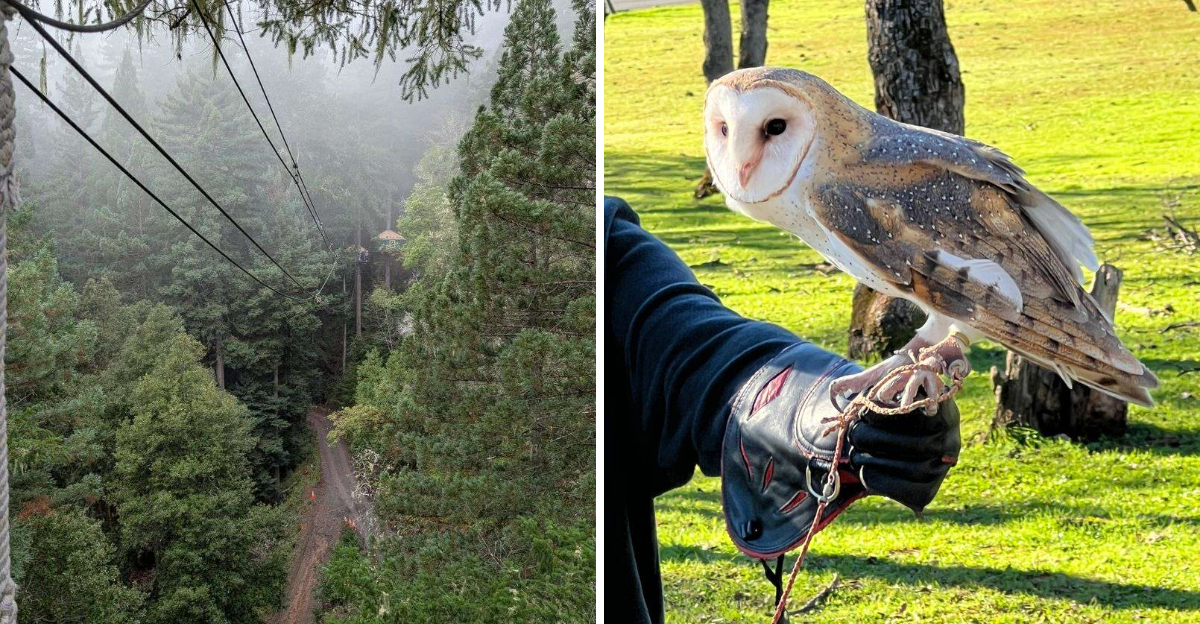
Northern California isn’t just about city life and wine country, it’s a treasure trove of wild, unforgettable outdoor experiences that will challenge you, thrill you, and reconnect you with nature in ways you never imagined. From ancient forests that tower overhead to rugged coastlines where the Pacific crashes against rocky cliffs, this region offers adventures that go far beyond the ordinary.
Whether you’re seeking adrenaline-pumping activities or peaceful moments surrounded by breathtaking scenery, Northern California delivers experiences that will stay with you long after you’ve packed up and headed home.
1. Guided Kayaking & Rafting On The Smith River (Redwood National & State Parks Area)
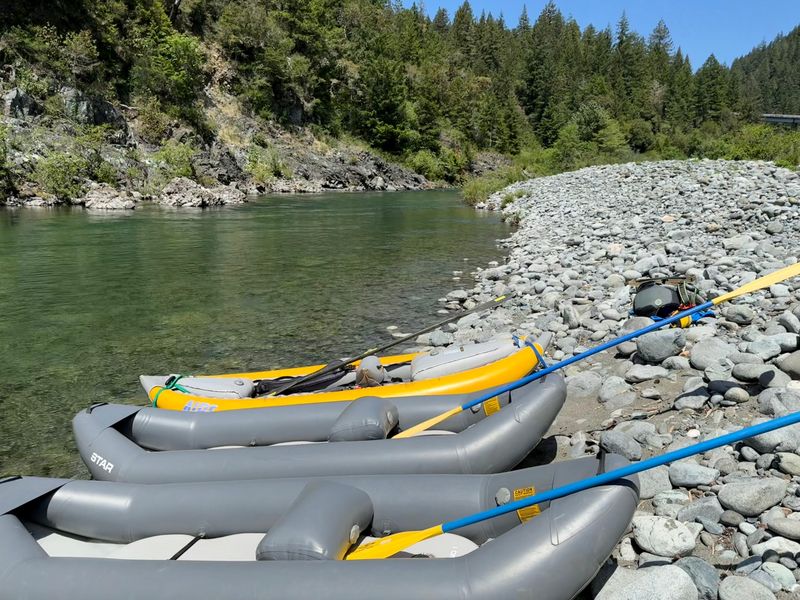
Crystal-clear turquoise water rushes beneath your paddle as you navigate one of California’s last undammed rivers. The Smith River cuts through pristine wilderness near the Redwood National and State Parks, offering some of the most spectacular water-based adventures in the entire state.
Depending on the season and your skill level, you can choose between peaceful kayaking trips or heart-pounding whitewater rafting expeditions.
Spring brings higher water levels and more challenging rapids, while summer offers calmer conditions perfect for families and beginners. Local outfitters provide all necessary equipment and experienced guides who know every bend and rapid.
You’ll spot wildlife along the banks—deer coming to drink, birds diving for fish, and occasionally even river otters playing in the current.
The surrounding canyon walls and forest create a sense of complete isolation from the modern world. Between rapids, you can float peacefully and listen to nothing but water and birdsong.
Most trips range from half-day to full-day excursions, with options for overnight camping adventures for those wanting extended wilderness time.
2. Ziplining Through The Redwoods (Sonoma County, CA)
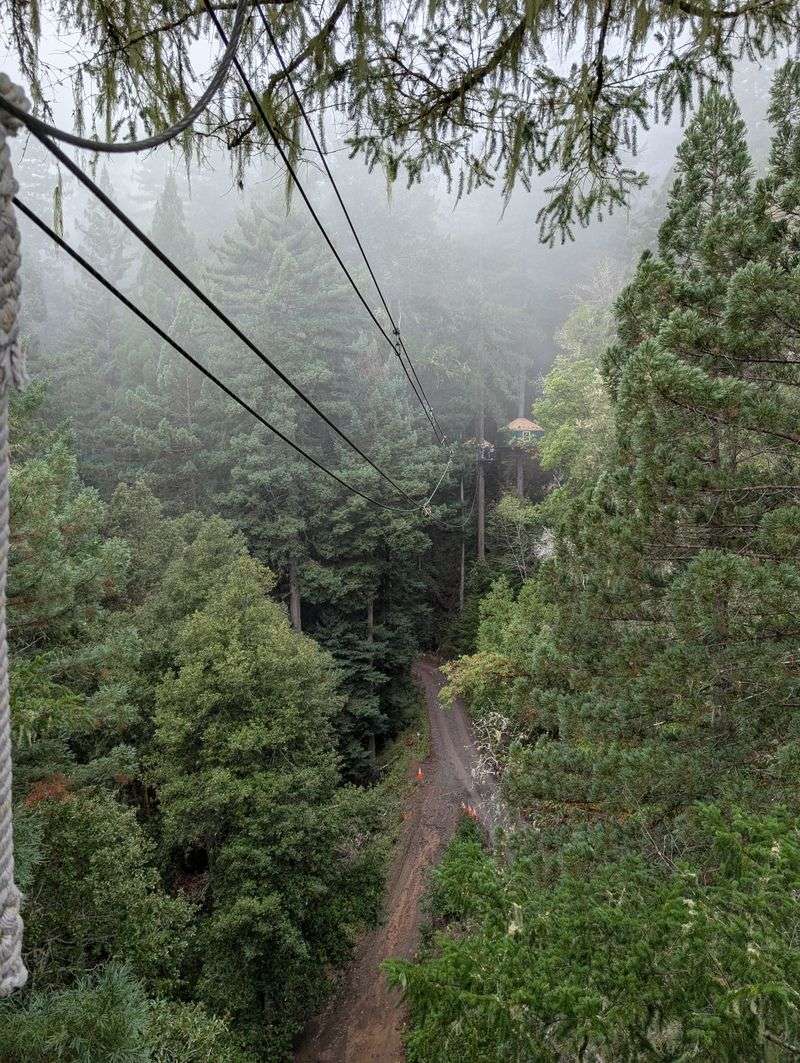
Flying through a canopy of ancient redwoods gives you a perspective few people ever get to experience. Sonoma County’s zipline tours launch you high above the forest floor, where sunlight filters through massive trees that have stood for centuries.
Your heart races as you glide from platform to platform, surrounded by the earthy scent of redwood bark and the whisper of wind through towering branches.
These guided adventures typically include multiple ziplines of varying lengths and speeds, so you’ll get plenty of time to soak in the aerial views. Guides share fascinating facts about the ecosystem while keeping safety as the top priority.
Even if you’re nervous about heights, the harness system and professional instruction make this surprisingly accessible.
Most tours last between two to three hours and accommodate beginners. You’ll want to wear comfortable clothes and closed-toe shoes.
The combination of adrenaline and natural beauty creates memories that photographs can’t quite capture. It’s an experience that transforms how you see these magnificent forests forever.
3. Bigfoot Trail (Klamath Mountains)
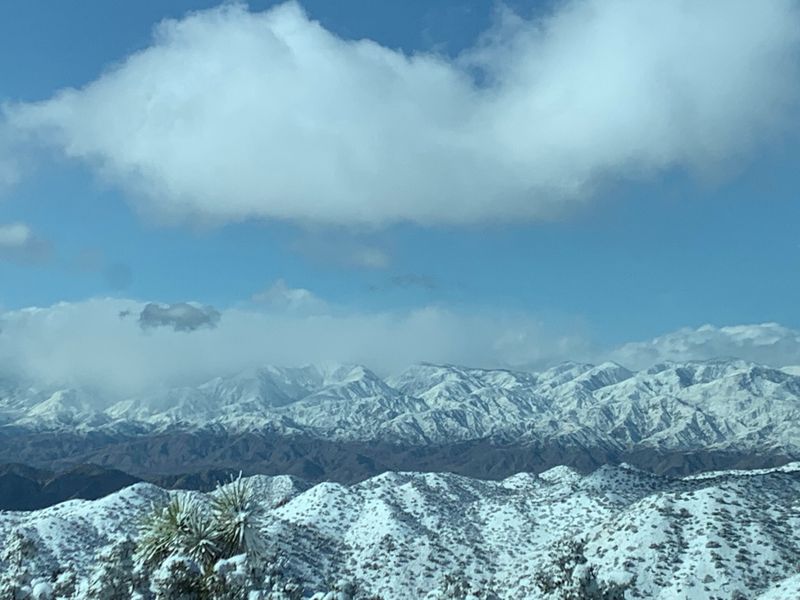
Stretching over 360 miles through some of the most remote wilderness in California, the Bigfoot Trail isn’t for casual hikers—it’s for adventurers ready to test their limits. Named after the legendary creature said to roam these mountains, this trail winds through the Klamath Mountains, connecting various wilderness areas and offering solitude that’s increasingly rare in our crowded world.
You’ll traverse alpine meadows bursting with wildflowers, cross rushing streams, and climb to ridgelines with views that stretch for miles in every direction. The trail passes through old-growth forests where trees create natural cathedrals of shade and silence.
Wildlife sightings are common, from black bears to mountain lions, so proper food storage and awareness are essential.
Most hikers tackle sections rather than the entire trail, which can take three to four weeks to complete. Spring through fall offers the best conditions, though snow can linger at higher elevations into early summer.
You’ll need serious backpacking skills, navigation tools, and physical endurance. The reward?
An authentic wilderness experience that few modern adventurers ever achieve, far from cell service and civilization’s constant buzz.
4. Coastal Walks & Tidepooling (Seawood Cape Preserve, Humboldt County, CA)
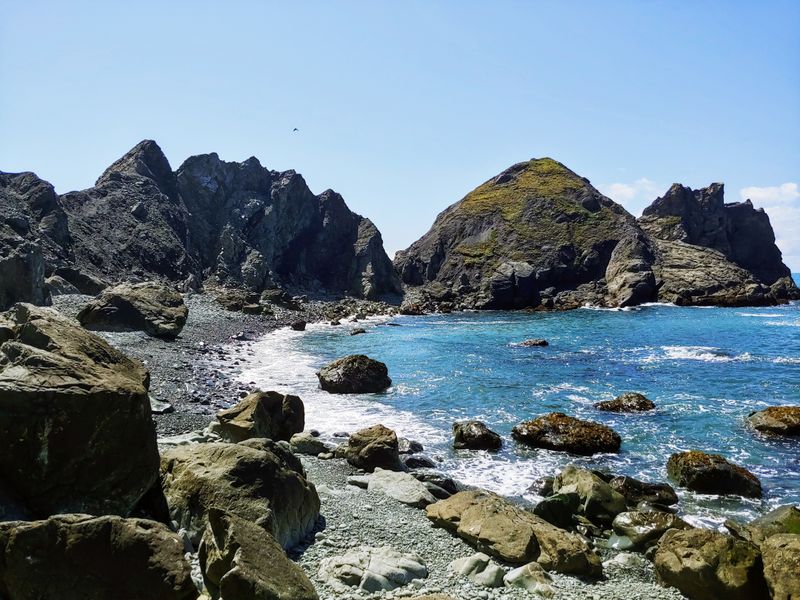
Low tide reveals an entirely different world along the rocky shores of Seawood Cape Preserve. Tidepools become temporary aquariums filled with creatures perfectly adapted to survive where ocean meets land.
Bright orange and purple sea stars cling to rocks, anemones wave their tentacles in shallow water, and tiny crabs scurry for cover when your shadow passes overhead.
The preserve offers relatively easy coastal trails that wind along dramatic cliffs and down to accessible beach areas. Timing your visit with low tide is crucial—check tide charts before heading out.
Bring a guidebook or use a tide pool identification app to learn what you’re seeing. The rule is simple: look but don’t touch, and never remove anything from its habitat.
Beyond the tidepools, the coastal walks themselves are spectacular. Wind-sculpted trees frame ocean views, and the sound of waves crashing against rocks provides a constant soundtrack.
Seals often haul out on offshore rocks, and migrating whales pass by during spring and winter months. Dress in layers since coastal weather changes quickly, and wear shoes with good grip for navigating slippery rocks safely.
5. Salt Point State Park Adventure (Sonoma County, CA)
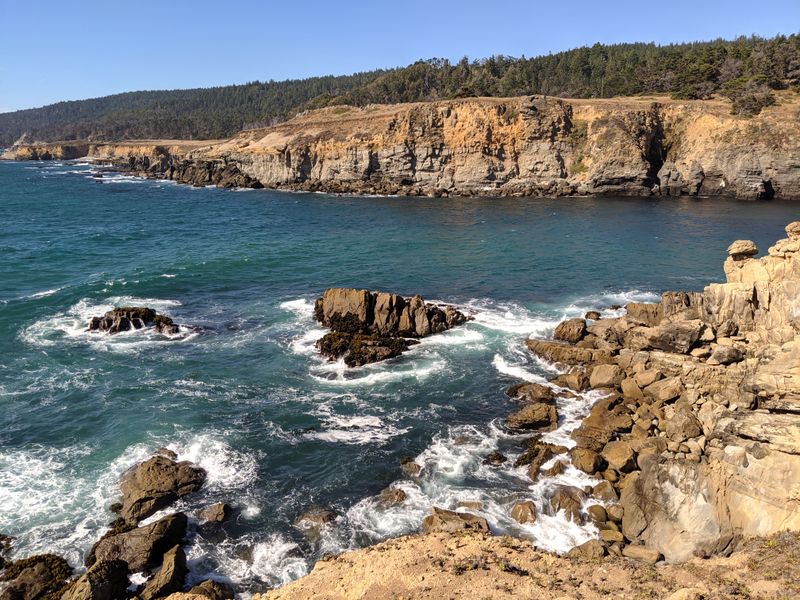
Rugged coastline meets dense forest at Salt Point State Park, creating a playground for multiple outdoor pursuits. This 6,000-acre park along Highway 1 offers everything from challenging coastal hikes to underwater adventures for experienced divers.
The park’s unique sandstone formations, carved by wind and waves into honeycomb patterns called tafoni, create otherworldly landscapes that photographers adore.
Hiking trails range from easy coastal strolls to strenuous inland routes through pygmy forests and fern-filled canyons. Gerstle Cove Marine Reserve attracts divers and snorkelers to explore kelp forests teeming with marine life.
The cold water requires wetsuits, but the underwater visibility and biodiversity make it worthwhile for those properly equipped.
Abalone harvesting once drew crowds here, though it’s now prohibited to protect declining populations. You can still explore the historic sites and learn about the area’s cultural significance.
The park includes campgrounds if you want to extend your stay and experience sunset and sunrise over the Pacific. Spring brings wildflower blooms, while fall offers clearer skies and calmer seas.
Whatever season you choose, bring wind-resistant clothing and be prepared for sudden weather changes typical of this exposed coastline.
6. Point Reyes National Seashore Exploration (Marin County, CA)

Jutting into the Pacific like California’s outstretched hand, Point Reyes National Seashore packs incredible diversity into 71,000 acres of protected coastline. Elephant seals battle for territory on windswept beaches, tule elk graze in coastal prairies, and the historic lighthouse stands sentinel against crashing waves at the continent’s edge.
This peninsula exists on a different tectonic plate than the rest of California, slowly creeping northward along the San Andreas Fault.
More than 150 miles of trails crisscross the seashore, leading to hidden beaches, forested ridges, and panoramic viewpoints. The Tomales Point Trail offers excellent elk viewing, while Alamere Falls creates a rare beach waterfall that tumbles directly onto the sand.
Kayakers can explore Tomales Bay’s calmer waters, paddling past oyster farms and seal haul-out sites.
Winter and spring bring gray whale migrations, with the lighthouse area providing prime viewing spots. The Point Reyes Lighthouse itself requires descending 300 steps, but the views and whale-watching opportunities justify the effort.
Fog is common, especially in summer, creating moody atmospheres but potentially obscuring views. Plan for variable weather, bring layers, and check conditions before attempting the lighthouse stairs.
7. Exploring Fern Canyon (Redwood National & State Parks)
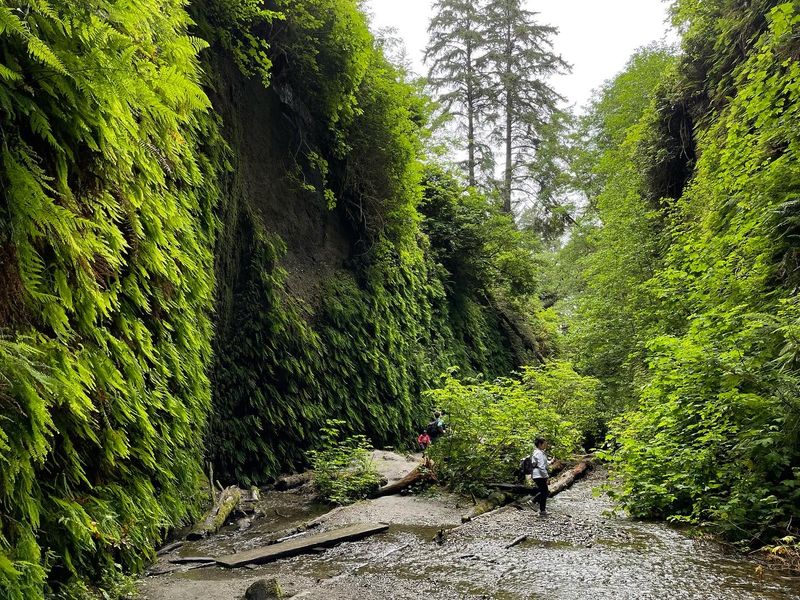
Walking into Fern Canyon feels like stepping onto a movie set—which makes sense since Spielberg filmed scenes from Jurassic Park here. Fifty-foot walls draped in five-fingered ferns, lady ferns, and chain ferns create a living green tapestry that seems almost impossibly lush.
Home Creek trickles along the canyon floor, requiring visitors to hop across rocks or simply wade through shallow water during most of the year.
The canyon stretches about three-quarters of a mile, though you’ll want to move slowly to appreciate the otherworldly atmosphere. Sunlight filters down from above, creating dappled patterns on fern-covered walls.
The air feels several degrees cooler and noticeably more humid than the surrounding forest. During winter and spring, waterfalls occasionally cascade over the canyon walls, adding even more drama to the scene.
Access requires driving a rough, unpaved road that’s not suitable for all vehicles, especially RVs or low-clearance cars. The road may close during winter due to flooding.
Once there, the short trail is relatively easy, though expect wet feet. Wear water-friendly shoes and bring a camera with good low-light capability.
Visit early morning or late afternoon for the best lighting and fewer crowds.
8. Forest Hiking & Redwood Immersion (Various NorCal Sites)
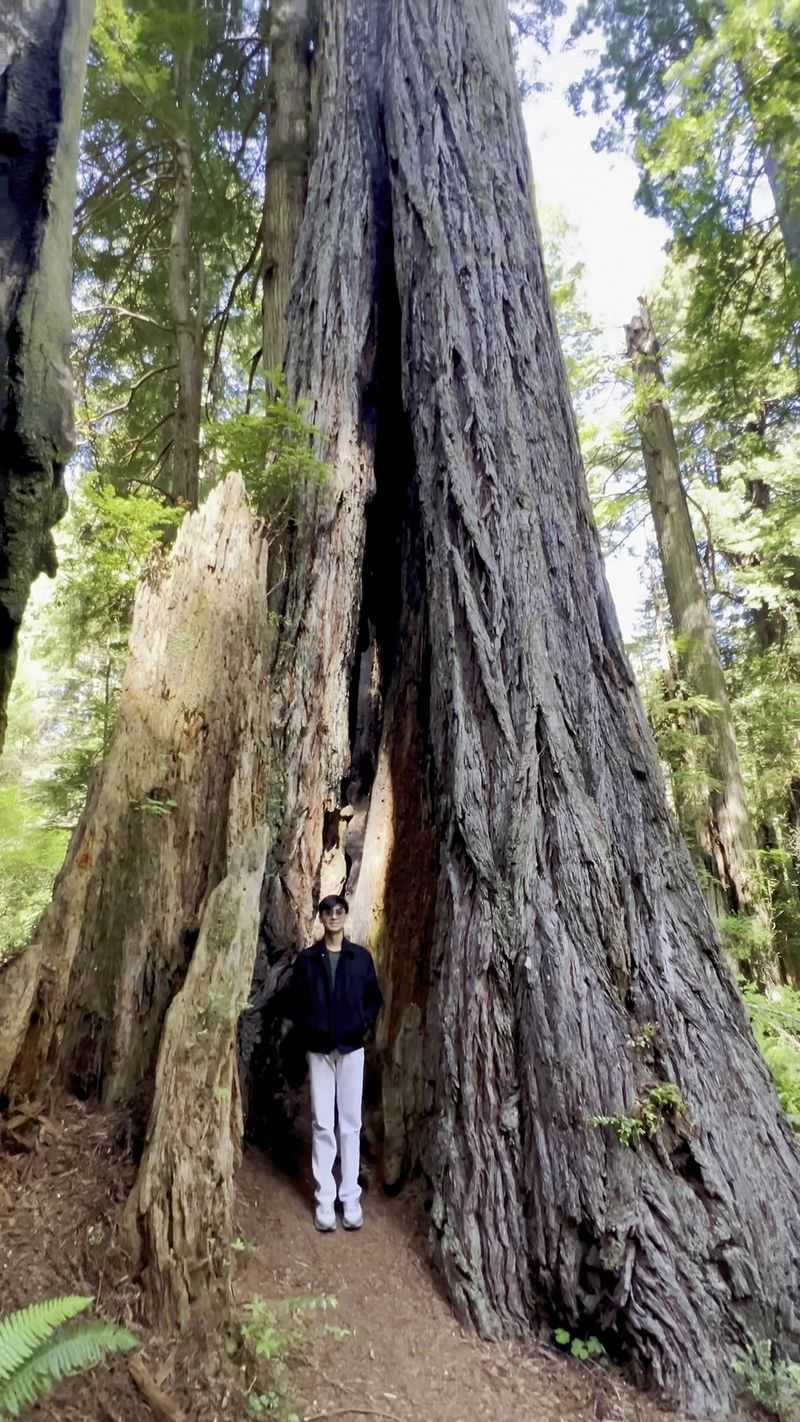
Nothing quite prepares you for standing at the base of a coast redwood, craning your neck to see the crown disappearing into mist hundreds of feet overhead. Northern California’s redwood forests offer countless opportunities for immersive hiking experiences, from wheelchair-accessible boardwalks to challenging backcountry routes.
Each grove has its own character—some cathedral-quiet, others alive with birdsong and rustling wildlife.
Popular spots include Prairie Creek Redwoods State Park, Humboldt Redwoods State Park, and the Avenue of the Giants, though lesser-known groves often provide more solitude. Trails like the Boy Scout Tree Trail or Tall Trees Grove require permits but reward hikers with pristine old-growth environments.
The forest floor hosts incredible biodiversity—banana slugs, salamanders, mushrooms of every description, and sorrel plants that taste pleasantly tart.
Redwoods create their own microclimates, trapping fog and moisture that sustains the entire ecosystem. Morning often brings thick fog that burns off by afternoon, creating dramatic lighting changes.
These trees have survived for over a thousand years, witnessing history we can barely imagine. Walking among them provides perspective that’s both humbling and energizing.
Bring rain gear regardless of forecast, wear layers, and consider visiting midweek to avoid weekend crowds at popular trailheads.
9. West Coast Falconry Experience (Yuba City Area)
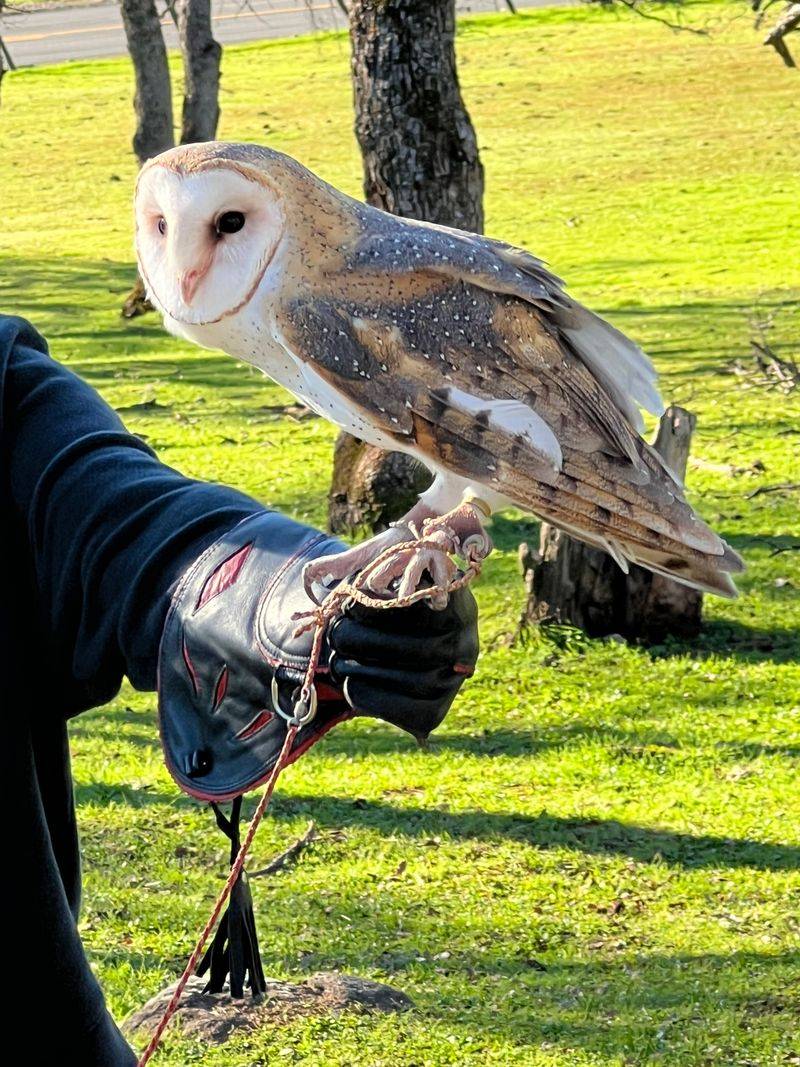
Feeling a bird of prey take flight from your gloved hand creates a connection to nature that’s both ancient and electrifying. West Coast Falconry near Yuba City offers hands-on experiences where you learn the art of falconry, a practice dating back thousands of years.
Professional falconers guide you through handling techniques, bird behavior, and the deep bond between handler and raptor.
You’ll work with various birds depending on the experience level you choose—perhaps a Harris’s hawk, a peregrine falcon, or even a golden eagle. Watching these magnificent hunters soar, circle, and return to your glove demonstrates intelligence and trust that’s genuinely moving.
The experience includes education about raptor conservation, rehabilitation efforts, and the critical role these predators play in healthy ecosystems.
Sessions typically last one to two hours and accommodate people of various ages and abilities. No prior experience is necessary, though you’ll need to follow safety instructions carefully.
The facility also participates in conservation breeding programs and educational outreach. Photography is encouraged, and staff help capture those unforgettable moments.
This isn’t a zoo experience—it’s an intimate encounter with wild nature, mediated by experts who’ve dedicated their lives to understanding and protecting these incredible birds.
10. Arcata Community Forest Trails Exploration (Arcata, CA)
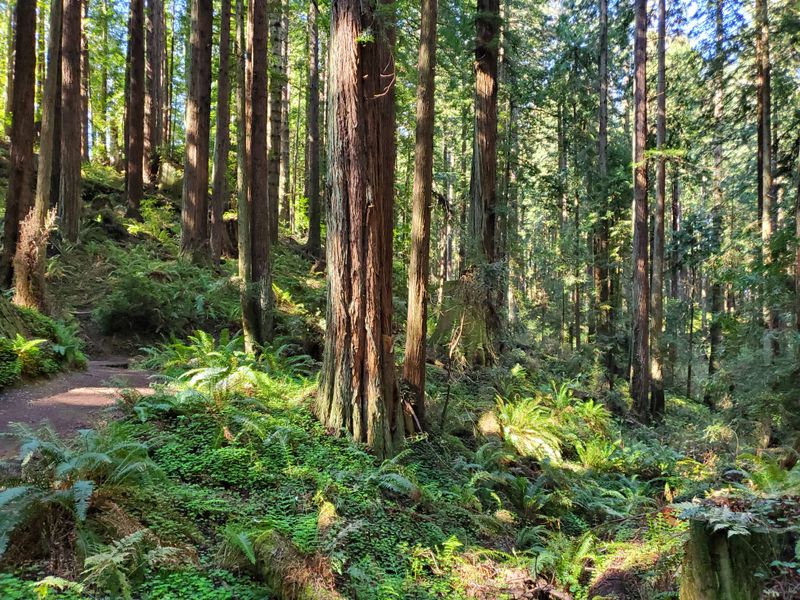
Just minutes from downtown Arcata, over 600 acres of second-growth redwood and Douglas fir forest offer an accessible wilderness escape that locals treasure and visitors often overlook. The Arcata Community Forest features nearly ten miles of trails ranging from easy nature walks to more challenging hill climbs.
What makes this forest special isn’t just its proximity to town, but its story—it’s one of the first community forests in California, protected by residents who recognized its value decades ago.
Trails wind past logging remnants that tell the forest’s history of use and recovery. Redwood stumps large enough to hold small parties show where giants once stood, while younger trees demonstrate nature’s resilience.
Mountain bikers, runners, and hikers share the trails peacefully, and the forest serves as an outdoor classroom for local schools teaching environmental science.
The Sunny Brae Trail offers easier terrain, while Fickle Hill Road climbs to viewpoints overlooking Humboldt Bay. Wildflowers bloom in spring clearings, and mushroom hunters flock here during wet months.
Dogs are welcome on most trails, making this perfect for four-legged adventure companions. The forest is free to access year-round, with parking available at multiple trailheads around the perimeter.