
11 Unusual Places In Wisconsin That Will Satisfy Your Thirst For Exploration
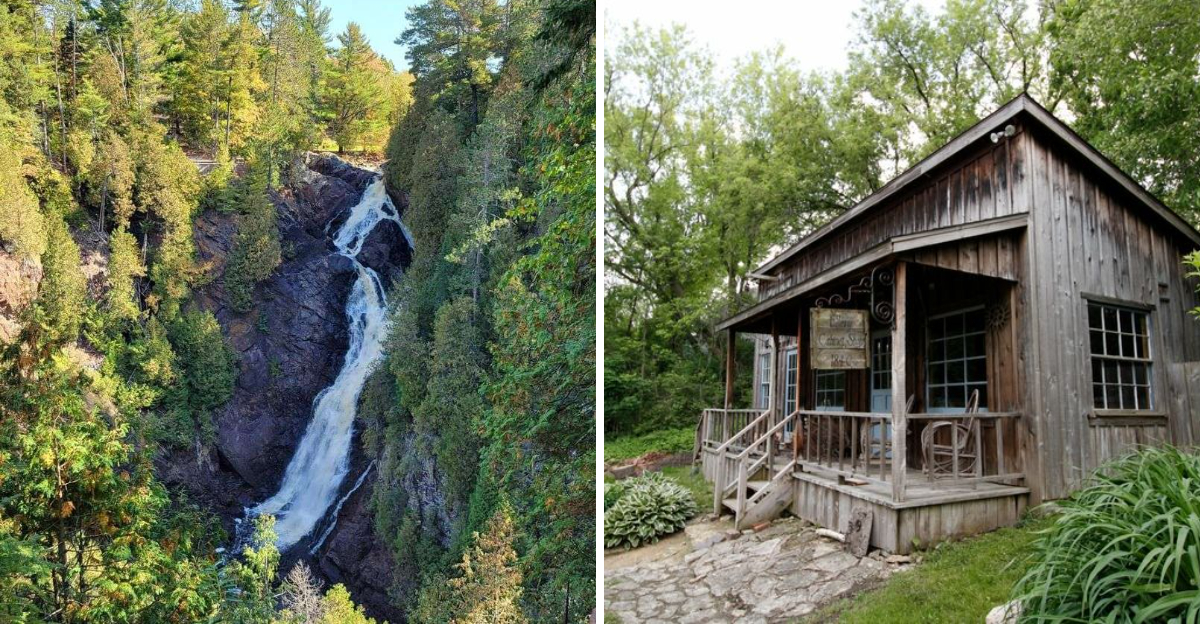
The best Wisconsin trips are the ones that make you check the map twice. I love places that do not announce themselves with polished entrances or big promises. Just a strange shape on the horizon, an old mound with a heavy story, or a sculpture that makes everyone in the car go quiet for a second.
This side of the state feels less like a planned itinerary and more like a collection of odd little discoveries you brag about later. You might come for familiar flavors and lake views, but these stops add the twist.
They are curious, a little weird, and hard to explain in the best way. That is exactly what makes them worth chasing.
1. House On The Rock
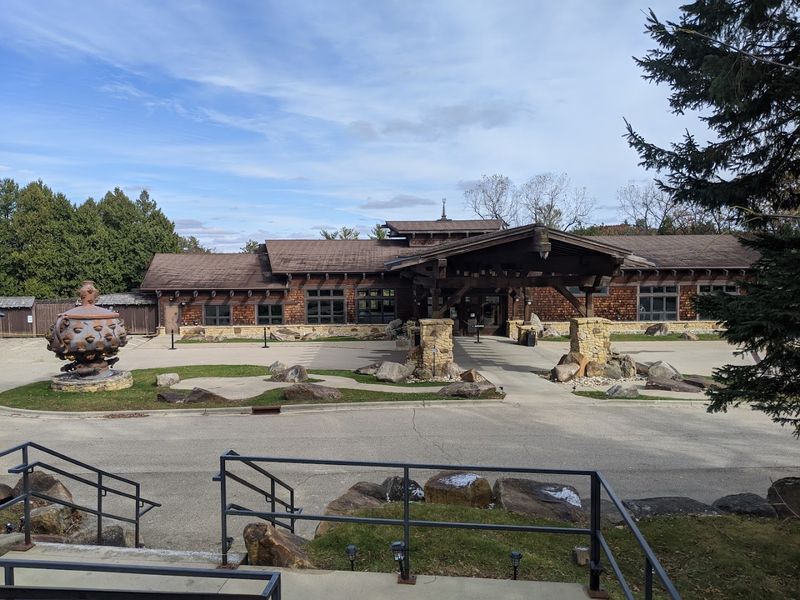
Imagine walking into a place where reality bends and your eyes don’t know where to look first. Alex Jordan Jr. built this architectural marvel on top of a rock column at 5754 WI-23, Spring Green, and what started as a simple retreat turned into one of the most bizarre collections of stuff you’ll ever witness.
Rooms spiral endlessly, each one more unexpected than the last.
You’ll wander through galleries packed with automated music machines, carousels that never seem to end, and the world’s largest indoor carousel with over 20,000 lights. The Infinity Room juts out 218 feet over the valley below, with 3,264 windows offering views that make your stomach flip.
Every corner reveals something new: dollhouses, weaponry, suits of armor, or even a giant sea creature battling a whale.
Plan to spend at least three hours here because you’ll want to explore every twist and turn. The house doesn’t follow normal building rules, with hallways that slope and staircases leading to unexpected places.
Some people find it magical while others think it’s overwhelming, but nobody walks away without a story to tell. Bring comfortable shoes because you’ll be walking a lot, and prepare for sensory overload in the best possible way.
2. Dr. Evermor’s Sculpture Park
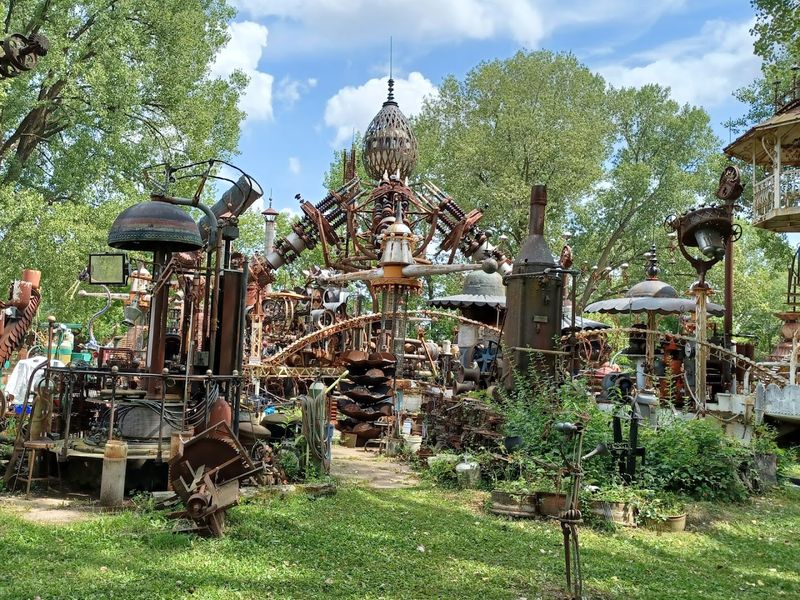
Tom Every, who called himself Dr. Evermor, spent decades turning scrap metal into fantastical creatures and machines. His sculpture park sits at S7703 US-12, North Freedom, and you can visit for free to witness his incredible vision.
The centerpiece is the Forevertron, which weighs 320 tons and stands as the world’s largest scrap metal sculpture.
Dr. Evermor believed this massive creation would launch him into space inside a glass ball, powered by a magnetic lightning force beam. Around it, hundreds of smaller sculptures create a landscape that feels like stepping onto another planet.
You’ll spot birds made from old tools, insects crafted from industrial parts, and towers that reach toward the clouds.
Every piece came from salvage yards, old factories, or demolished buildings across Wisconsin. The artist saw beauty in discarded objects that others considered junk.
Walking through the park feels like exploring an outdoor museum where steampunk meets science fiction meets pure imagination. There’s no set path, so you can wander freely among the metal creatures and inventions.
Photography is encouraged, and every angle offers a new perspective on these incredible works. The park remains open to visitors who want to experience one man’s extraordinary artistic legacy.
3. Cave Of The Mounds
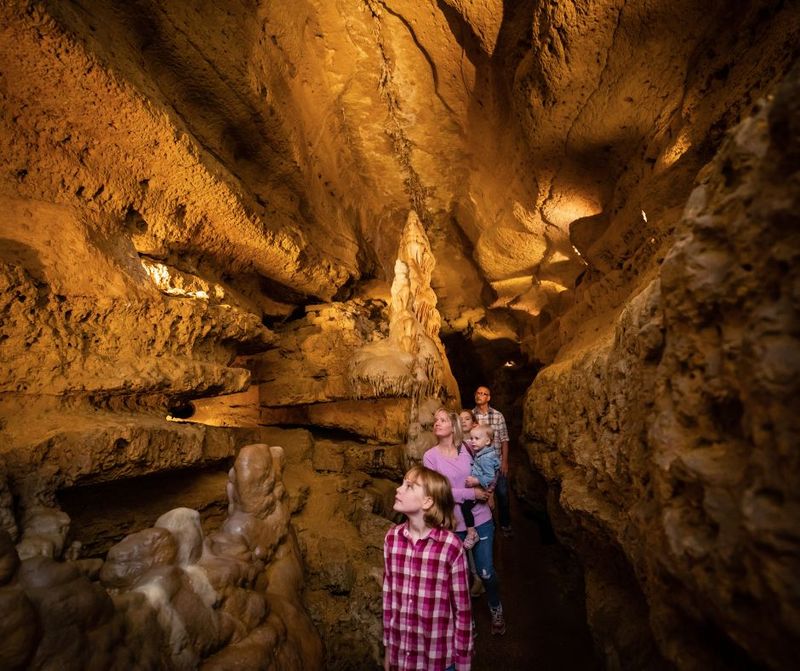
Beneath rolling farmland lies a hidden world that took millions of years to create. Workers discovered this cave at 2975 Cave of the Mounds Rd, Blue Mounds by accident in 1939 while quarrying limestone, and what they found stunned everyone.
The cave sparkles with formations that nature sculpted drop by drop over countless centuries.
Guided tours take you through rooms filled with stalactites hanging like stone icicles and stalagmites rising from the floor. The colors range from pure white to golden brown, created by different minerals seeping through the rock.
You’ll see formations with names like the Painted Waterfall and the Veil of Lace, each one more delicate and beautiful than the last.
The temperature stays at a constant 50 degrees year-round, so bring a jacket even on hot summer days. Your guide will explain how water and time worked together to create these underground masterpieces.
Some formations grow only one inch every 150 years, which makes you appreciate just how ancient everything around you is.
Special events like lantern tours let you experience the cave the way early explorers did, with only flickering light to guide your way. The cave stays active, meaning it’s still growing and changing with each drop of water that falls.
4. Mount Horeb Trollway

Downtown Mount Horeb celebrates its Norwegian heritage in the most delightful way possible. Over 30 hand-carved wooden trolls stand guard along Main Street, each one with its own personality and story.
Local artist Michael Feeney created these guardians, and they’ve become beloved symbols of the town.
Some trolls fish, others play instruments, and a few just sit and watch the world go by. Each sculpture stands several feet tall and features intricate details that reward close inspection.
The town embraces its troll identity completely, with businesses joining in the fun through troll-themed decorations and names.
You can grab a free map from local shops to make sure you find every single troll along your walk. Kids absolutely love hunting for them, and adults enjoy the craftsmanship and humor in each piece.
The trolls come from Scandinavian folklore, where they’re known as mischievous creatures who live in mountains and forests.
Main Street also offers antique shops, cafes, and restaurants worth exploring between troll sightings. The whole experience takes about an hour if you’re moving quickly, but most people linger to take photos and appreciate the artistry.
Special events throughout the year bring even more troll-related festivities to this charming small town.
5. Aztalan State Park
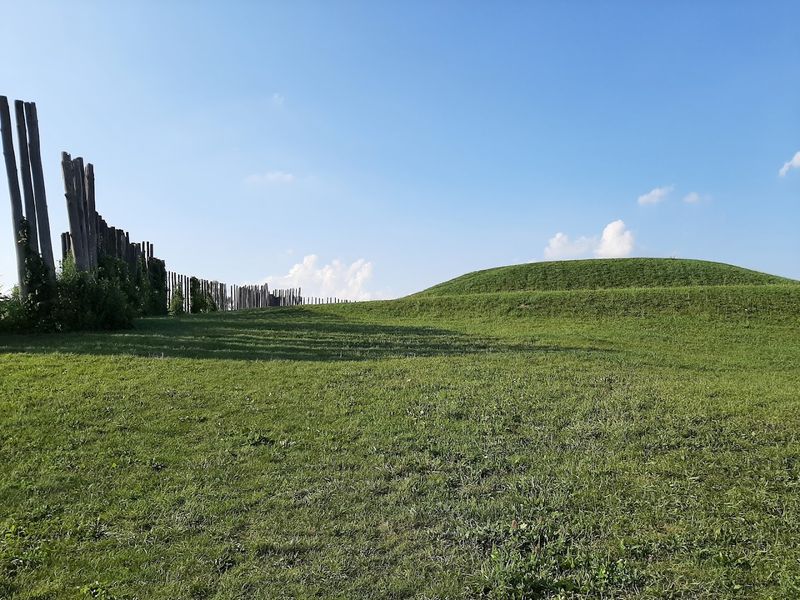
Between 900 and 1200 AD, a sophisticated civilization built a thriving settlement along the Crawfish River. Today, you can walk among the reconstructed stockade walls and climb the ancient ceremonial mounds they left behind.
This place served as the northern outpost of a Mississippian culture that stretched all the way to Cahokia in Illinois.
Three platform mounds still stand, with the largest one rising 16 feet high and measuring 128 feet long. Archaeologists believe leaders and priests used these elevated platforms for ceremonies and important gatherings.
The settlement once housed hundreds of people who farmed corn, hunted, and traded with distant communities.
Walking the grounds at N6200 County Rd Q, Jefferson gives you a powerful connection to Wisconsin’s deep history that existed long before European contact. Information signs explain what different areas were used for and how people lived their daily lives.
You can see where they built homes, where they buried their dead, and where they performed sacred rituals.
The park offers hiking trails that wind through woods and along the river, giving you time to reflect on the people who called this place home. Bring a picnic to enjoy while overlooking the same landscape that ancient residents knew.
The site remains sacred to many Native American groups who consider it an important part of their heritage.
6. Parfrey’s Glen State Natural Area
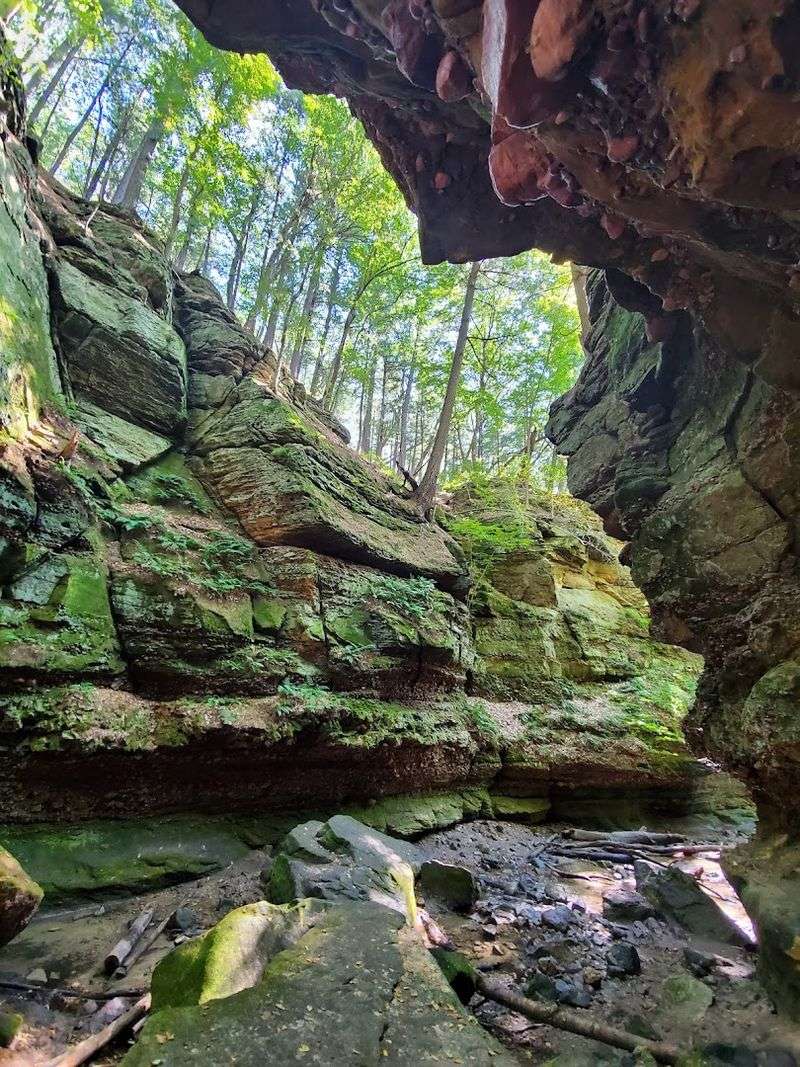
Wisconsin’s first State Natural Area protects a narrow gorge that feels like stepping into a secret garden. Towering sandstone walls rise 100 feet on either side of a cool, shaded trail that follows a gentle stream.
Moss and ferns cling to the rock faces, creating a lush green tapestry that stays vibrant even in summer heat.
The trail stretches only three-quarters of a mile located at 1377 County Rd DL, Merrimac, but every step reveals new beauty. Water trickles over rocks, creating a peaceful soundtrack for your walk.
The gorge formed over thousands of years as water carved through the sandstone, leaving smooth curves and interesting patterns in the stone.
You’ll need to hop across stones to cross the stream several times, which adds a bit of adventure to the journey. Wear shoes with good grip because rocks can be slippery.
The narrowest section of the gorge creates an almost magical atmosphere, with limited sunlight filtering down from above.
Visiting in spring brings rushing water from snowmelt, while fall offers colorful leaves against the stone walls. Summer provides cool relief from the heat, making it a perfect escape on sweltering days.
The area stays relatively quiet compared to more famous Wisconsin attractions, giving you a peaceful experience. Respect the fragile ecosystem by staying on the trail and not disturbing the plants or rocks.
7. Pattison State Park
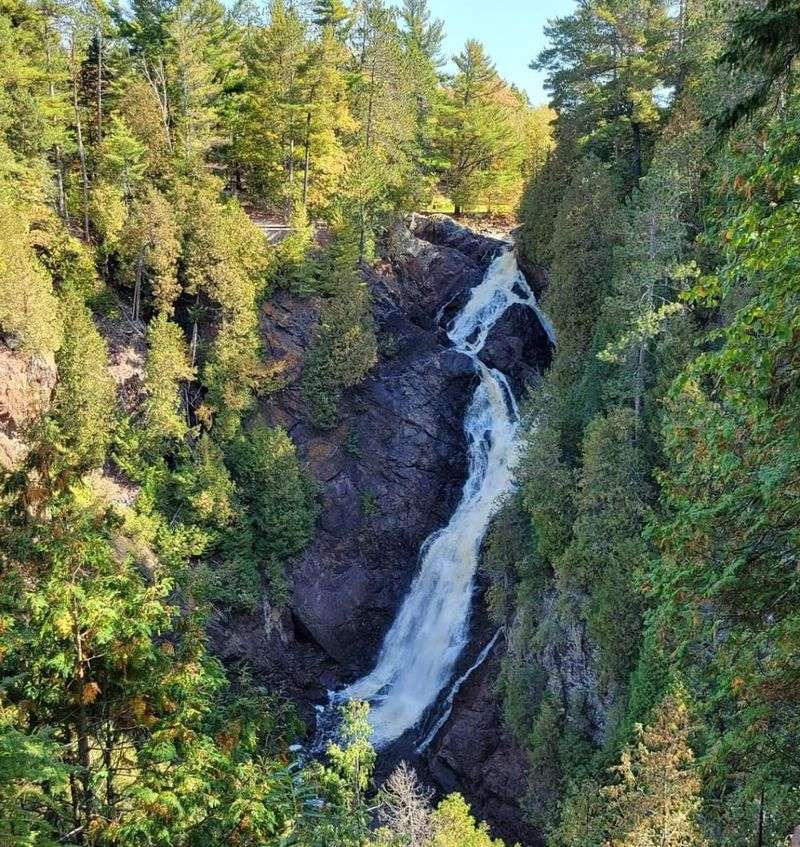
Big Manitou Falls in Superior plunges 165 feet into the gorge below, making it Wisconsin’s tallest waterfall and the fourth highest east of the Rocky Mountains. The roar of water crashing down fills the air long before you reach the viewing platforms.
Martin Pattison donated this land to the state in 1917 to preserve these spectacular falls for future generations.
A short trail from the parking area leads to multiple viewpoints where you can watch the Black River thunder over the edge. Mist rises from the base, creating rainbows on sunny days.
The surrounding forest of pine and hardwood trees frames the falls beautifully, especially during autumn when leaves turn brilliant colors.
The park also features Little Manitou Falls, a smaller but still impressive 31-foot cascade worth visiting. Hiking trails wind through the park, offering chances to spot wildlife like deer, eagles, and the occasional black bear.
Camping facilities let you stay overnight and wake up to the sound of rushing water.
Winter transforms the falls into a frozen wonderland with massive ice formations, though viewing areas can be treacherous. The Ojibwe people considered this a sacred place and believed spirits lived within the falls.
Today, it remains a powerful natural wonder that reminds us how small we are compared to nature’s might.
8. Schoolhouse Beach
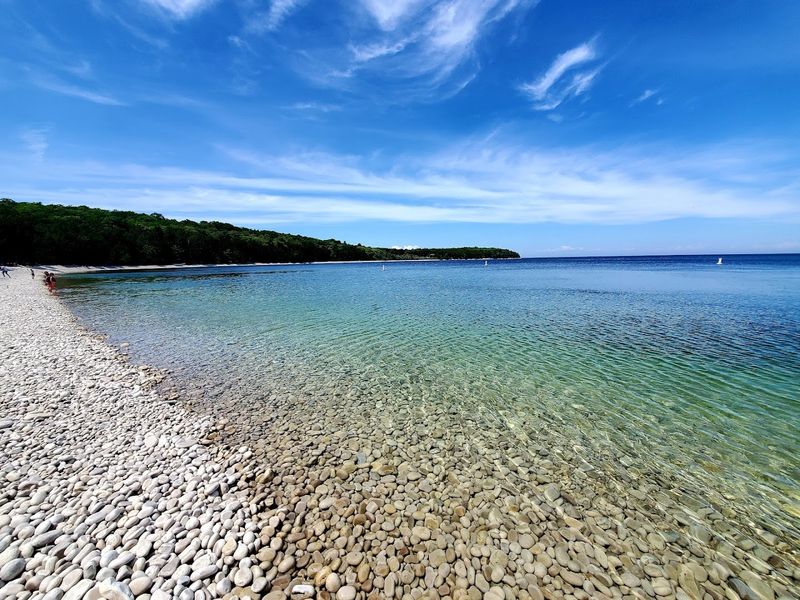
Only five beaches in the entire world are made entirely of smooth limestone pebbles, and Schoolhouse Beach in Washington, WI is one of them. No sand exists here, just millions of rounded stones polished by Lake Michigan’s waves over thousands of years.
Walking barefoot takes some getting used to, but the unique experience is worth the initial discomfort.
The water is incredibly clear because there’s no sand to cloud it up. You can see straight to the bottom even in deeper areas.
The beach gets its name from the old schoolhouse that once stood nearby, though that building is long gone now. Washington Island locals treasure this spot and have worked hard to protect it from erosion and theft.
Taking stones from the beach is strictly prohibited because removing even a few could damage this rare natural feature. The pebbles range in size from tiny marbles to fist-sized rocks, all smooth and pleasant to hold.
Swimming here feels different than at sandy beaches, with the stones shifting under your feet as waves roll in.
Getting to Washington Island requires a ferry ride from the mainland, which makes the whole trip feel like a real adventure. The island offers other attractions too, including lavender farms, art galleries, and excellent restaurants.
Pack a picnic and spend the afternoon enjoying this geological wonder that few people know exists.
9. Witches Gulch
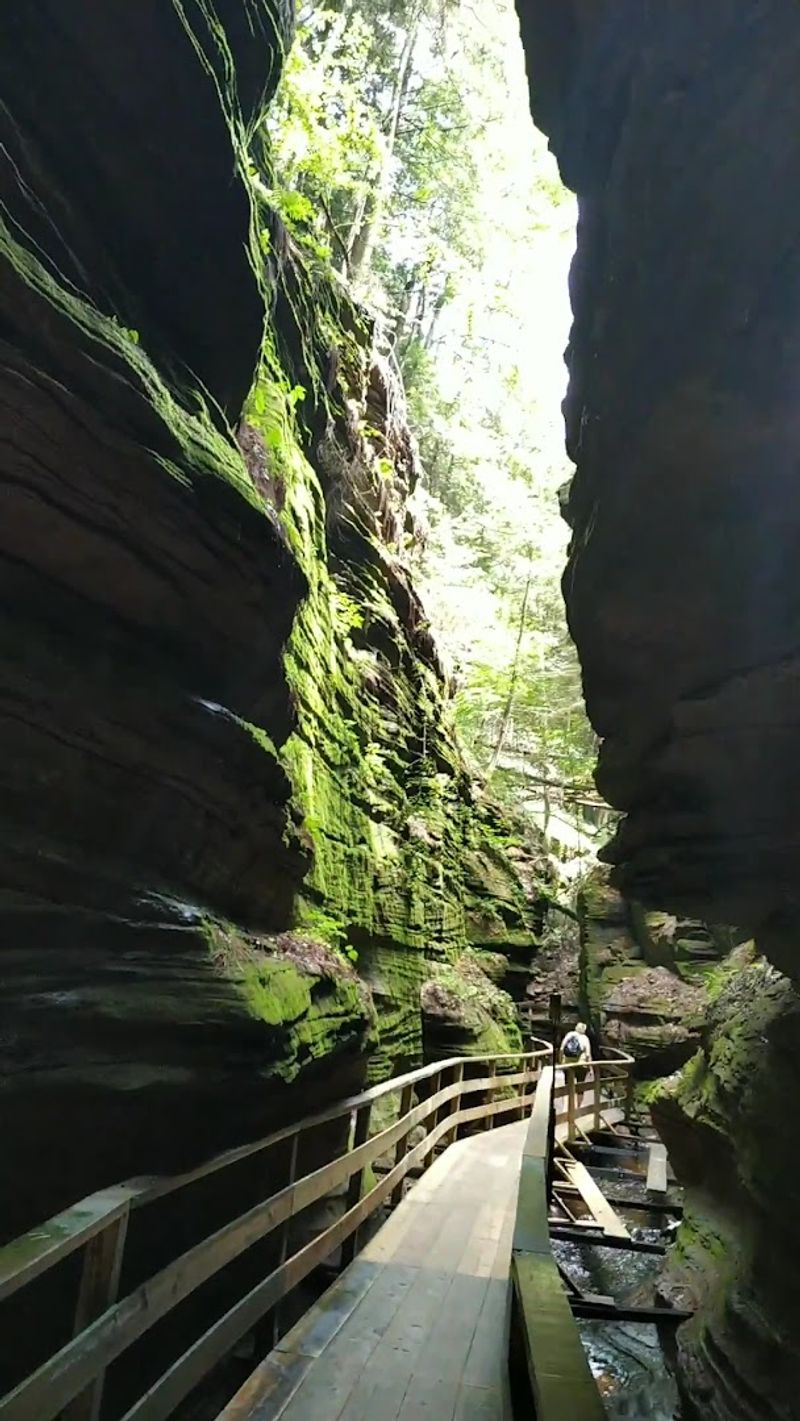
Water carved this impossibly narrow canyon over thousands of years, creating a passage where rock walls tower overhead and nearly touch at the top. Witches Gulch earned its spooky name from the way shadows dance across the moss-covered walls and the cool, mysterious atmosphere that fills the space.
You can only reach it by boat, which adds to the adventure. The canyon stretches only about 100 feet long but feels much longer because of how the walls twist and turn. Some spots are so narrow that you can touch both sides at once.
Ferns and moss thrive in the constant shade and moisture, creating a miniature ecosystem unlike anywhere else in the Wisconsin Dells.
Local legends say witches once gathered here to perform secret rituals, though no historical evidence supports these stories. Still, the name stuck and the atmosphere certainly feels magical.
Sunlight rarely reaches the canyon floor, keeping temperatures cool even on the hottest summer days.
Tour boats from the Dells dock nearby, and guides share stories about the geology and folklore. The rock formations show distinct layers that reveal millions of years of geological history.
Photographers love the challenge of capturing the unique lighting conditions and dramatic rock formations. Visiting early in the morning or late afternoon provides the best light and fewer crowds.
10. Mineral Point
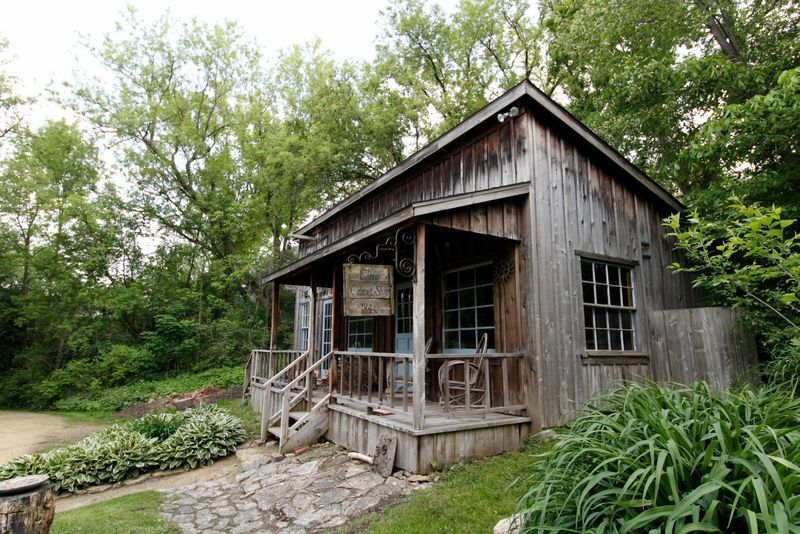
Step into a town where time seems to have paused somewhere around 1840. Mineral Point grew rich from lead mining in the early 1800s, attracting Cornish immigrants who brought their distinctive building style with them.
Today, their beautifully preserved limestone and log cottages line the streets, creating one of the most authentic historic districts in the Midwest.
Artists and craftspeople have embraced Mineral Point in recent decades, opening galleries, studios, and shops in the old buildings. You can watch potters at their wheels, painters at their easels, and jewelers crafting unique pieces.
The town celebrates its heritage with festivals throughout the year, including the famous Cornish Festival featuring traditional pasties and music.
Pendarvis, a historic site operated by the Wisconsin Historical Society, showcases restored 1840s buildings and tells the story of Cornish miners who settled here. Walking tours reveal fascinating details about how people lived and worked during the mining boom.
The architecture alone makes the visit worthwhile, with hand-cut stone walls and traditional designs you won’t find elsewhere in Wisconsin.
Restaurants serve authentic Cornish cuisine alongside modern farm-to-table fare. Shops sell everything from antiques to contemporary art.
The entire downtown area invites leisurely exploration, with friendly locals happy to share stories about their unique community. This hidden gem proves that small Wisconsin towns can offer big cultural experiences.
11. Taliesin
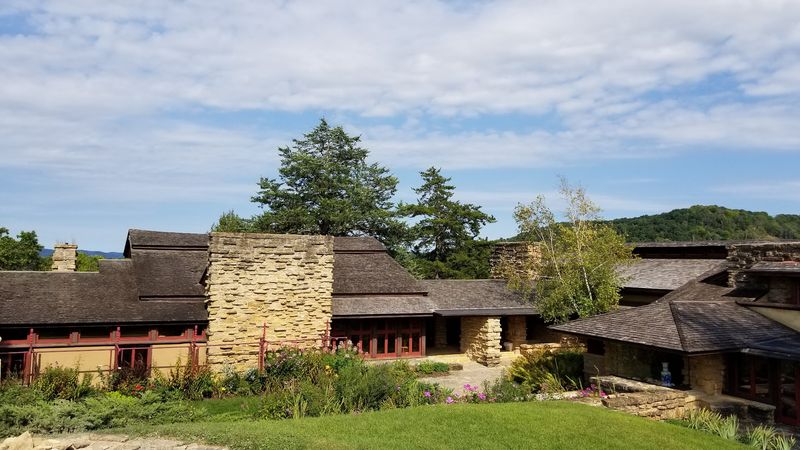
Frank Lloyd Wright, perhaps America’s most famous architect, built his home and studio on this beautiful Wisconsin hillside. Taliesin (pronounced tally-ESS-in) served as Wright’s primary residence for most of his life and stands as a masterpiece of his Prairie School philosophy.
The buildings seem to grow naturally from the landscape rather than being imposed upon it.
Tours guide you through rooms where Wright lived, worked, and entertained famous visitors from around the world. You’ll see furniture he designed, art he collected, and spaces that demonstrate his revolutionary ideas about architecture.
The way he used natural materials, integrated buildings with their surroundings, and played with light and space influenced generations of architects.
Wright’s relationship with Taliesin was complicated by tragedy when fire destroyed parts of the estate twice, and a disturbed employee committed murders here in 1914. Yet Wright rebuilt each time, pouring his vision and energy into making Taliesin even more magnificent.
The estate located at 5481 County Rd C, Spring Green includes multiple buildings, gardens, and structures spread across 800 acres of rolling countryside.
Reservations are required for tours, which range from basic house tours to extended explorations of the entire property. The Visitor Center features exhibits about Wright’s life and work.
Visiting in autumn provides stunning views as the surrounding hills blaze with fall colors. This pilgrimage site for architecture lovers offers insight into creative genius and the power of determination.