
Welcome To Your New Favorite Mississippi Antique Market With More Than 50,000 Square Feet To Explore
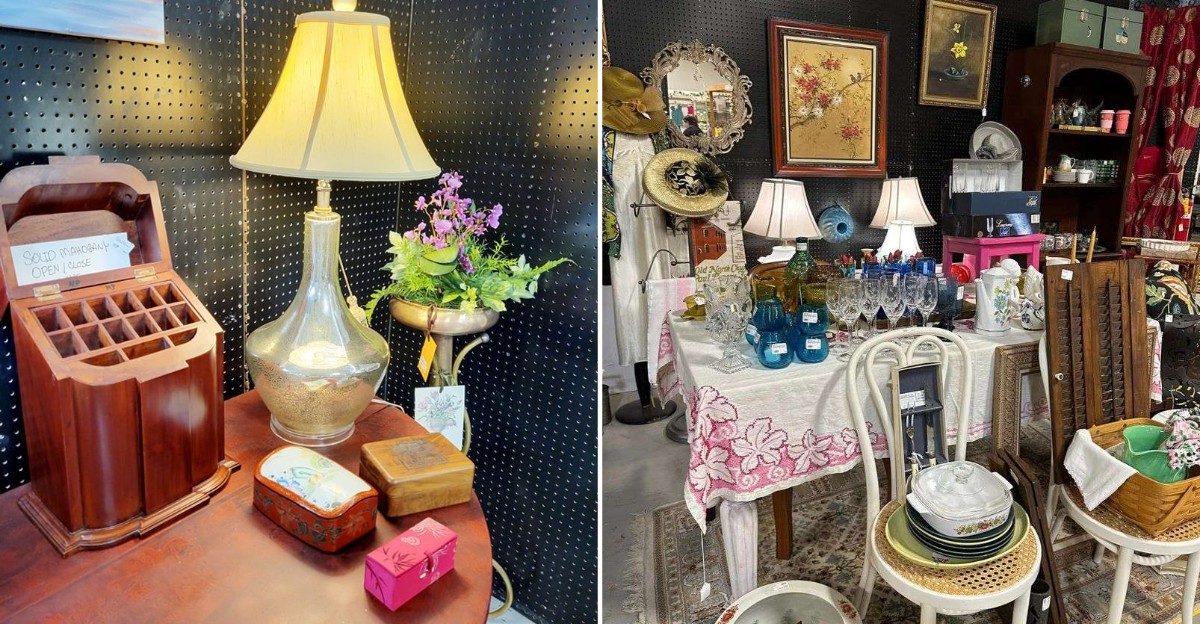
Antique markets are supposed to draw you in slowly, but this Mississippi spot throws more than fifty thousand square feet at you all at once. Vendors sell everything from vintage furniture to handmade crafts and rare collectibles across the massive space.
Walking the entire market takes real time, something regulars plan for rather than rush through. Nothing about the selection feels curated or predictable from one visit to the next.
Treasure hunters know certain vendors restock on specific days, timing their visits accordingly. Prices vary widely, rewarding those willing to browse patiently instead of buying the first thing they see.
This market proved that sometimes the best finds require actual searching, not just showing up.
A Grand Entrance To History
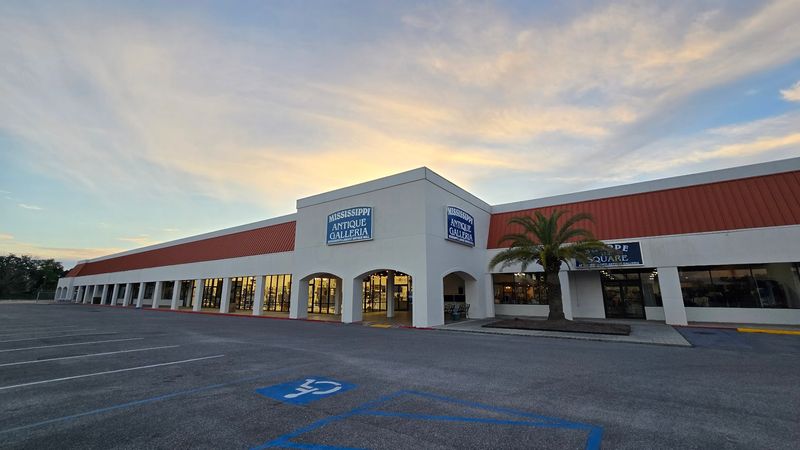
The building plays a trick on people. From the parking lot, it looks like a tidy strip-style storefront with fresh paint and bold blue letters above the doors, the sort of place you assume holds a few rooms of dishes.
Then the doors open and the space keeps going. And going.
More than 50,000 square feet sits behind that modest front, with some accounts putting the total closer to 55,000.
Locals call it the largest antique destination on the Mississippi Gulf Coast, and the numbers back that up. Shoppers drive in from Alabama and Louisiana for a single afternoon of hunting.
Parking is easy, which matters when you are hauling out a credenza. The entrance area doubles as an art gallery, so the first thing catching your eye might be a framed painting rather than a stack of vintage suitcases.
Two hours is a reasonable guess for a quick pass. Serious browsers block off half a day and still miss corners.
Worth knowing before you go: hours shift by day, opening at 10 AM Thursday through Saturday and at noon the rest of the week, with Sunday closing at 5 PM.
Find the Mississippi Antique Galleria at 1909 E Pass Rd, Gulfport, MS 39507.
A Maze Of Marvels And Memories
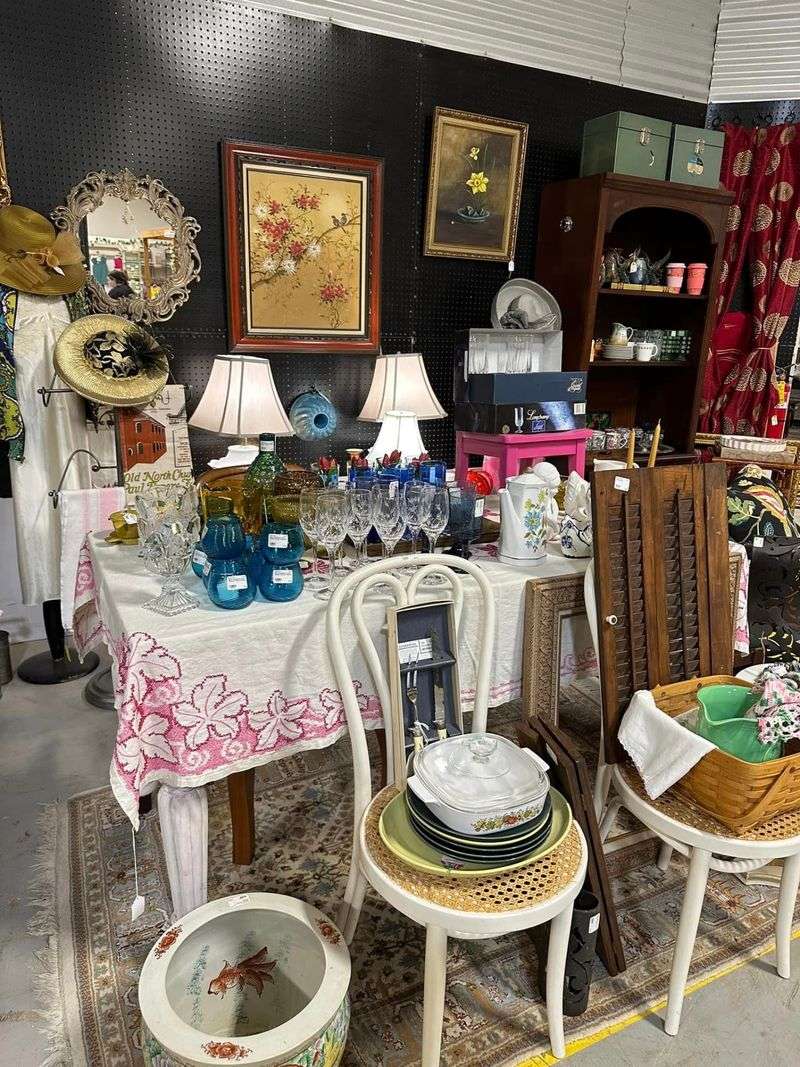
Yellow lines painted on the concrete floor sound like a strange design choice until you understand the problem they solve. People get turned around in here.
The floor plan opens up into a labyrinth of connected rooms and booths. You follow a path, admire a shelf of glassware, turn a corner, and land in a completely different decade.
The best part is the fake ending. Shoppers regularly think they have finished the whole store, then spot one more doorway leading into another full room of treasures.
Aisles run wide on purpose. Carts roll through without knocking over anything breakable, and mobility scooters navigate the entire building without trouble.
That width changes the whole mood of the visit. Nobody has to shuffle sideways past a stack of china or apologize for blocking a booth.
Staff members hand out carts near the front, and they will also carry your finds to the counter so you can keep exploring empty-handed. Smart system, honestly.
A practical tip for first-timers: pick a direction and commit to it. Wandering randomly means covering the same booths twice while missing entire sections.
Some visitors start at the art gallery end and work backward. Others head straight for the antique side and save the newer goods for last.
Either way, the yellow lines keep you honest.
Curated Corners And Changing Collections
Over 400 vendors have space connected to this building, with more than 120 actively stocking and restocking booths. The math works out to an inventory that refuses to sit still.
Come back in three weeks, and the place looks different. A booth that held vintage fishing gear might now be full of ironstone platters and enamel kitchenware.
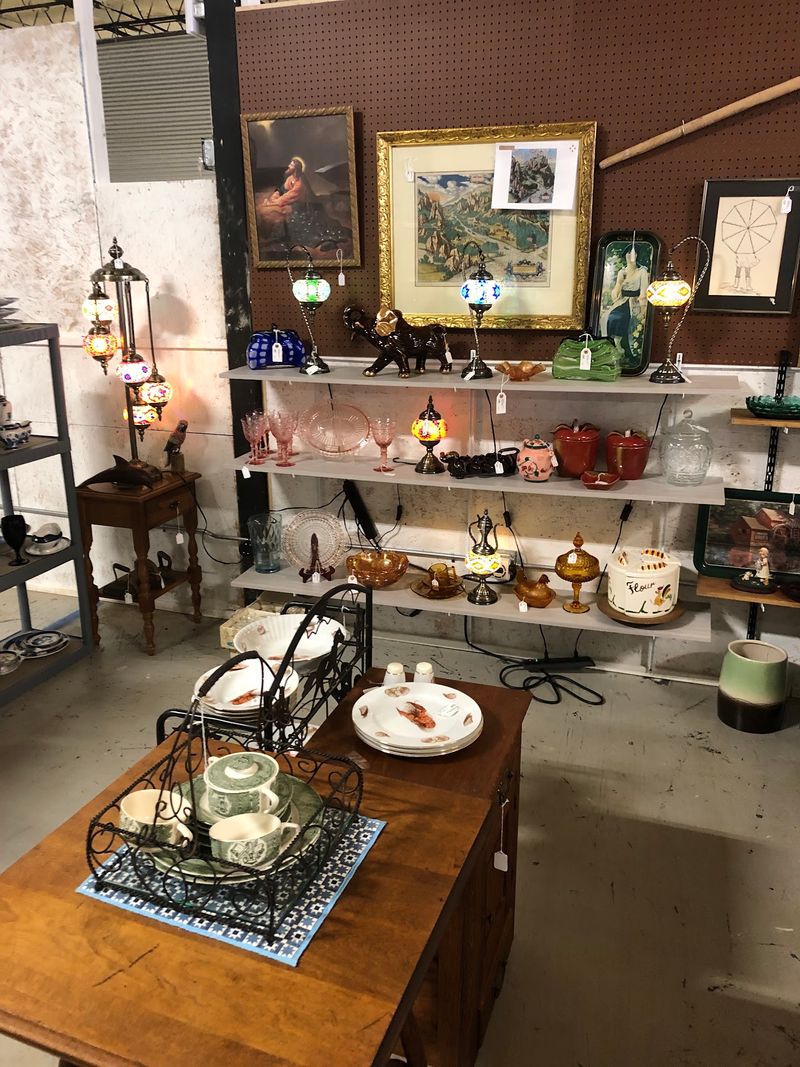
Each vendor decorates their own area, so the personality shifts every few steps. One booth leans farmhouse, the next goes full 1950s kitsch, and the one after that could pass for a small museum.
Displays stay neat and easy to scan, which is not always true of antique malls. Nothing is buried under three layers of junk you have to excavate.
Vintage furniture, delicate glassware, records, quirky old signs, and collectibles all share the floor. Coastal-themed decor shows up often, which makes sense given the zip code.
Repeat visitors treat the rotating stock like a game. The thing you passed on last month is almost certainly gone, and the thing you never knew you wanted has taken its place.
A note on the mix: roughly half the building leans antique and vintage, while the other portion holds newer gifts and handmade goods. Knowing that split helps you aim your energy at whichever side you came for.
The Stories Held Within Each Piece
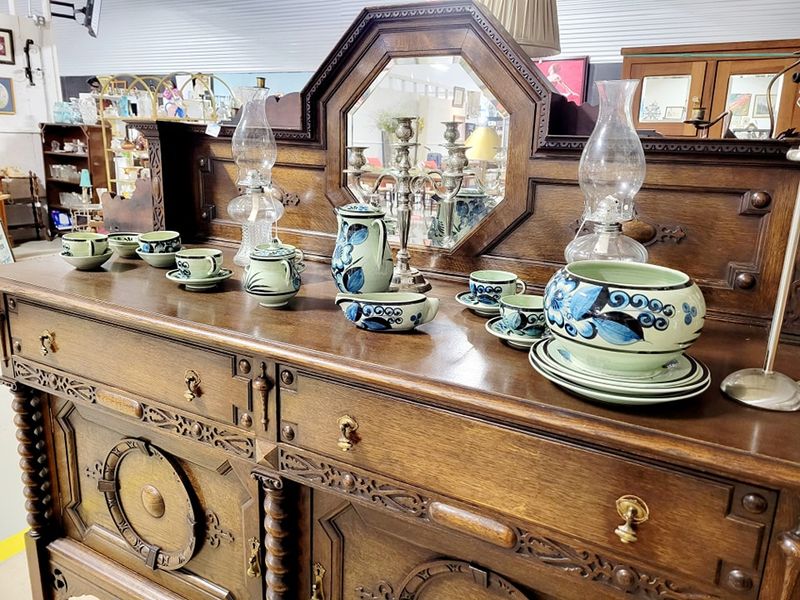
An old tabletop radio sitting on a shelf is never just a radio. Somebody listened to news broadcasts through that speaker, maybe a ball game, maybe a song they danced to.
That is the quiet appeal of a building this size. Every aisle holds objects that outlived the households they belonged to.
A worn armchair raises questions. How many people sank into it after long workdays, and who finally decided to let it go?
Antique furniture shares space with artwork, nostalgic memorabilia, and shelves of small things that once mattered enormously to somebody. Sewing notions, hand-painted teacups and school yearbooks.
Time travel is the phrase people reach for, and it fits better than most cliches. The decades sit side by side instead of in neat order.
Coastal pieces carry their own history here, since the Gulf Coast has weathered plenty and salvaged plenty. Old maps, ship lanterns, and beach cottage decor turn up regularly.
Collectors tend to move slowly through these sections, reading maker marks and checking the undersides of dishes. Casual browsers just enjoy the recognition factor.
Something in a booth will look exactly like an object from a grandparent’s house, and that jolt is half the reason people keep coming back. The other half is hoping to take it home this time.
Beyond Just Antiques With Shoppe The Square
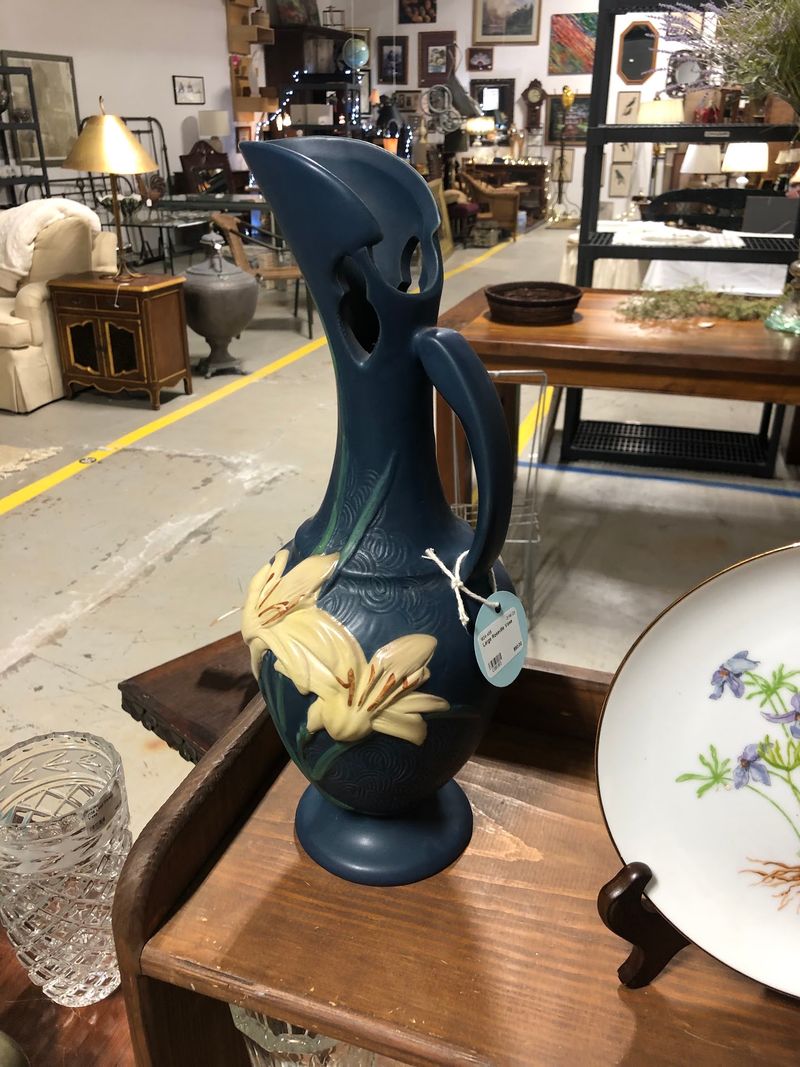
Not everyone wants a hundred-year-old sideboard, and the building accounts for that. A whole section called Shoppe the Square operates as its own retail storefront and vendor mall.
Brightness is the first difference you register. Clean displays, fresh merchandise, and lighter colors make it feel separate from the antique wing.
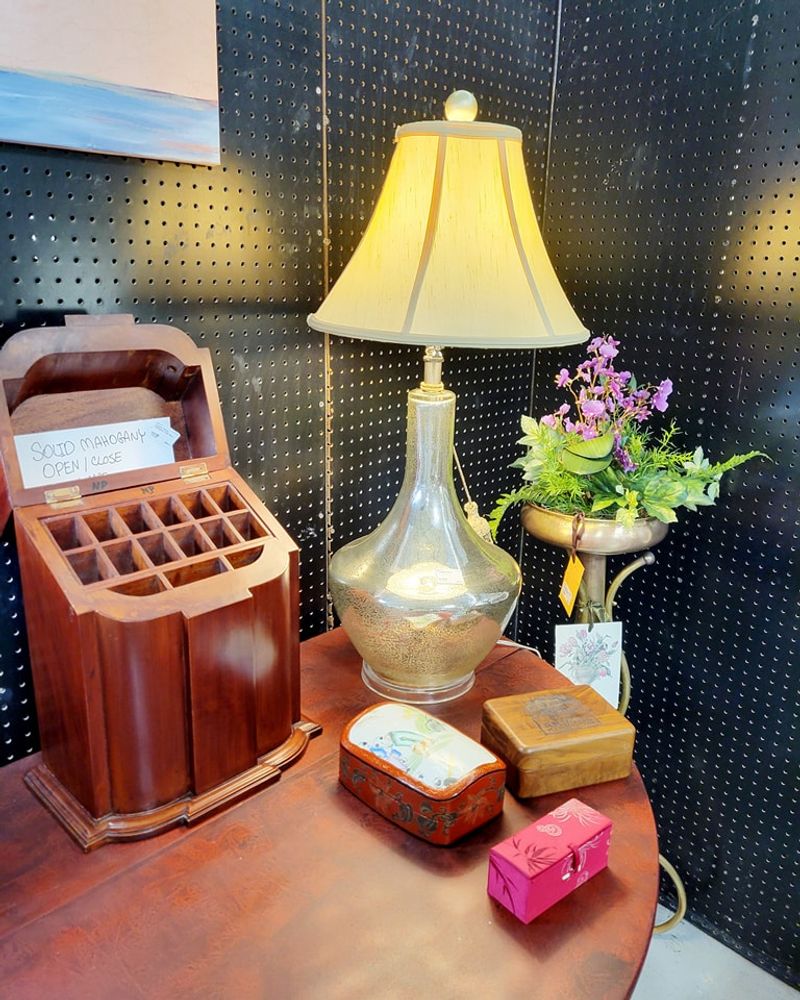
Gifts fill much of the space, along with home decor and original art from local creators. Gulf Coast artists get real wall space here rather than a token corner.
Shoppers hunting holiday presents often skip the antique side entirely and camp out in this area. One-of-a-kind gifts are much easier to find here than at any mall.
Handmade goods and crafts rotate with the seasons, so autumn stock looks nothing like spring stock. Vendors refresh their booths often.
The contrast between the two sides is the whole point. You can go from digging through a box of vintage postcards to browsing brand-new candles in about thirty seconds.
Families with mixed interests do well here. One person heads for mid-century furniture while another lingers over pottery and prints, and nobody has to compromise.
An art gallery sits near the entrance and exit area, which means you either start your visit with paintings or end with them. Both work.
Hidden Treasure For Every Taste
Quilters have a section here that borders on unfair. Booths dedicated to vintage fabric and linens stock yardage that is genuinely hard to find anywhere else.
Old cotton prints, embroidered tablecloths, and lace pieces stack up by the bolt. Sewers walk out with fabric that has not been manufactured in fifty years.
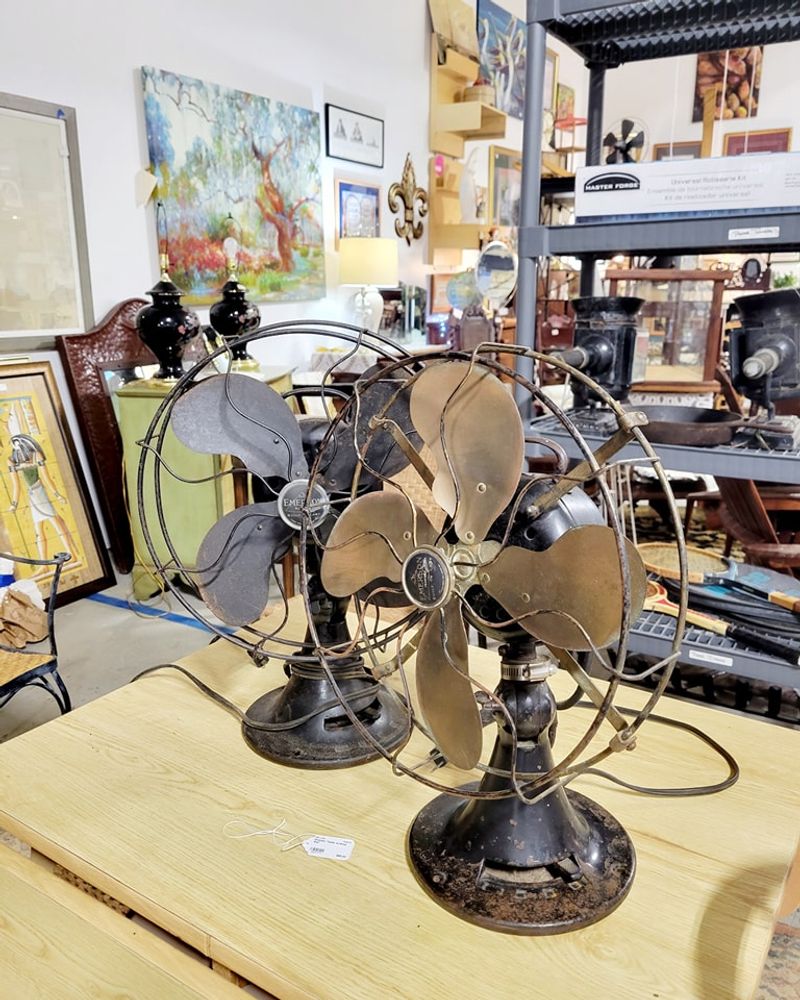
Head toward the back of the building for the heavy hitters. European furniture lives there, and the craftsmanship on those carved pieces separates them from anything mass-produced.
Armoires, sideboards, and dining sets with hand-cut joinery fill that area. Even people with no room for more furniture wander through just to look.
Mid-century fans have their own reliable territory. Low credenzas and tapered-leg tables show up in booths regularly, usually in walnut or teak.
Record collectors flip through crates too, and the stock turns over fast enough to justify repeat visits.
There is also a men’s lounge area, which solves a very old shopping problem in a genuinely funny way. Some visitors call it the best idea in the building.
Strategy helps if you have a specific target. Ask a staff member where a category lives rather than wandering 50,000 square feet on hope.
Miss something? You probably skipped a whole section without realizing it.
Comforts Of The Hunt
Air conditioning deserves top billing in any honest description of a Mississippi shopping trip. July on the Gulf Coast is not a browsing climate, and this building stays cool throughout.
Rainy days work in your favor here too. When the beach plans collapse, an indoor maze of 50,000 square feet suddenly sounds excellent.
Floors stay clean, and displays stay tidy, which is more unusual than it should be. The musty smell people brace for in old-goods stores simply is not present.
Restrooms are kept spotless, a detail that matters enormously when your visit stretches past the two-hour mark. Long browsing days require infrastructure.
Complimentary coffee sits ready for anyone flagging halfway through. Caffeine has rescued many a shopper who still had three rooms left to cover.
Carts are available near the front, and staff will ferry your finds to the counter while you keep hunting. No juggling a lamp and a stack of records.
Wide aisles and smooth floors make the whole building workable for mobility scooters and strollers alike.
Practical footwear advice applies. Comfortable shoes are the single most repeated tip about this place, and the square footage explains exactly why.
Bring a tape measure if furniture is on your mind.
A Place With A Past And A Present
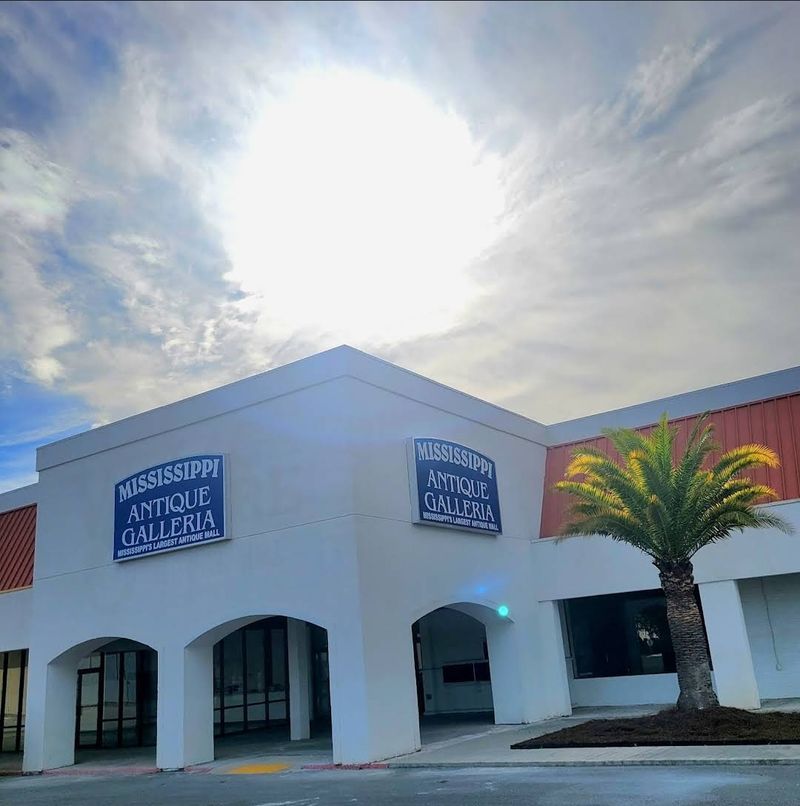
Doors officially opened in November 2022, though the story starts well before that. Owners spent years preparing the space before a single customer walked in.
The building itself has seen several lives. A camera shop operated here once, and so did a dancewear store.
Later came a fabric store, and at one point a Dollar General filled part of the square footage. Renovating all of that into one cohesive antique mall took serious work.
Walls came down, layouts changed, and a patchwork of old retail spaces turned into connected rooms. The maze-like floor plan makes more sense once you know that history.
Locals shortened the name to The MAG almost immediately, which sounds like a nickname for a nightclub but fits a destination this size.
Growth has been steady since opening. The vendor count climbed, hours expanded to seven days a week, and the newer gift side developed alongside the antique wing.
Visit Mississippi lists it among the coast’s shopping stops, and shoppers from neighboring states plan whole-day trips around it.
Something is fitting about a building that kept reinventing itself finally becoming a home for objects with their own second lives. The place practically had to end up this way.