
Why This Drive Through Wyoming Is One Of The Most Beautiful And Painterly Landscapes In America
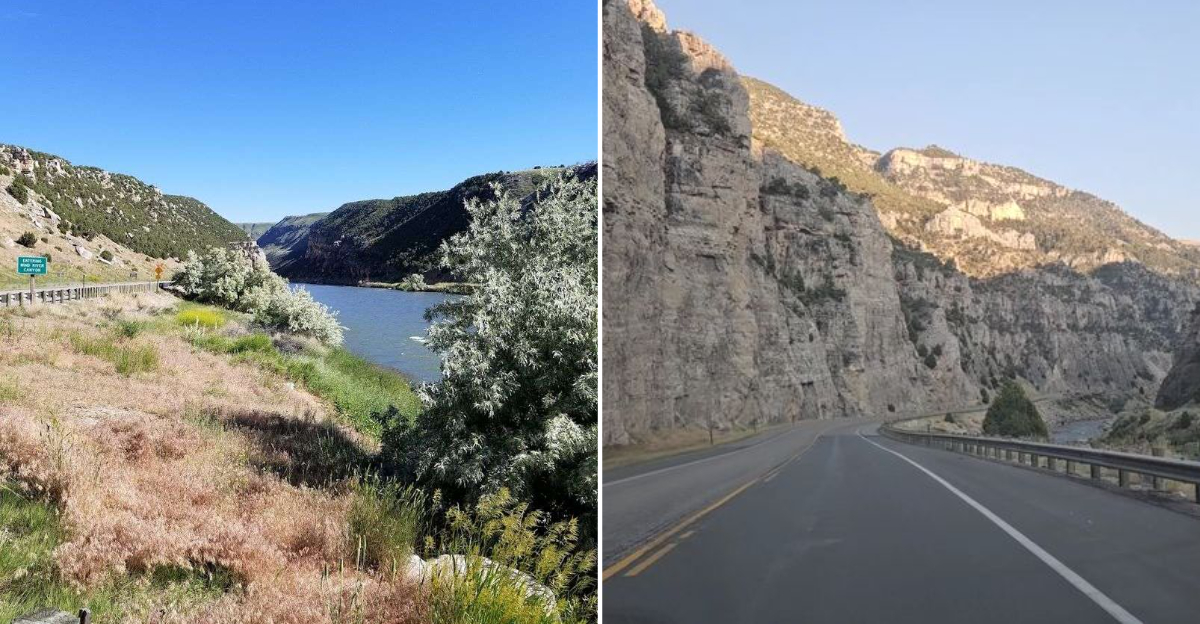
The road doesn’t build toward anything. The landscape simply arrives, fully formed, as if the view was always what waited on the other side of the windshield.
Painterly is the word most people land on somewhere around the second hour. Wyoming arranges color and distance and open sky in proportions that feel composed rather than accidental, and this drive catches that quality at its most sustained.
Pull-offs appear just often enough to feel deliberate. Each one frames something different from the last without any drop in what the frame contains.
Artists have been making the case for this particular stretch of road for decades. Photographers who came once built return trips into their annual calendar without much deliberation about whether it was worth the drive.
America has scenic routes that deliver a single unforgettable moment and coast on that memory for miles in either direction. This drive doesn’t operate that way.
The landscape holds its standard from the first turn to the last, and the people who reach the end of it tend to sit quietly for a moment before deciding what comes next.
Unique Geological Features Along The Route
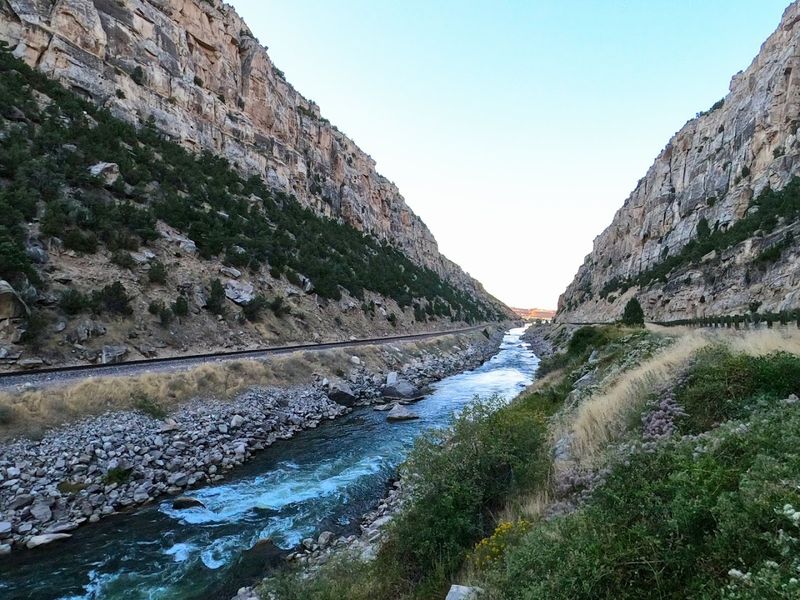
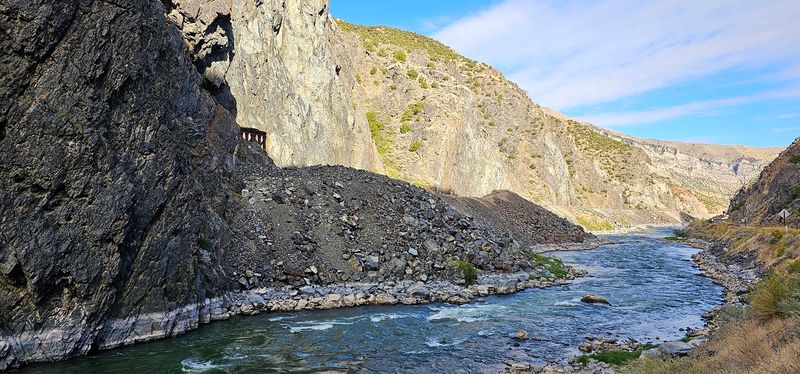
This canyon is basically a geology textbook you can drive through. The canyon walls rise to 2,500 vertical feet on either side of the road.
That alone is worth slowing down for.
The rocks here date back to the Precambrian period, some over 2.9 to 3 billion years old. You can see granite, basalt, limestone, dolomite, sandstone, siltstone, and shale all exposed along the route.
Interpretive signs along the byway explain what each layer represents in geologic time.
One of the most fascinating facts is that the Wind River is actually older than the mountains it carved through. The river was flowing long before the Owl Creek Mountains rose around it.
The canyon cuts right through those mountains as a result.
Three tunnels pass through the narrowest sections of Precambrian rock, where the highway and a Burlington Northern Santa Fe railroad line share tight quarters. The tunnels are short but dramatic.
Driving through them feels like passing through solid history.
Triassic rocks over 200 million years old are also visible directly from the road. The variety of exposed rock types makes this one of the most complete geologic records in America.
You can find this incredible route along WY-789, Thermopolis, WY 82443.
Diverse Flora And Fauna In The Area
Rocky Mountain Bighorn sheep are the stars of Wind River Canyon. They roam the canyon rim and rocky ledges like they own the place.
Honestly, they kind of do.
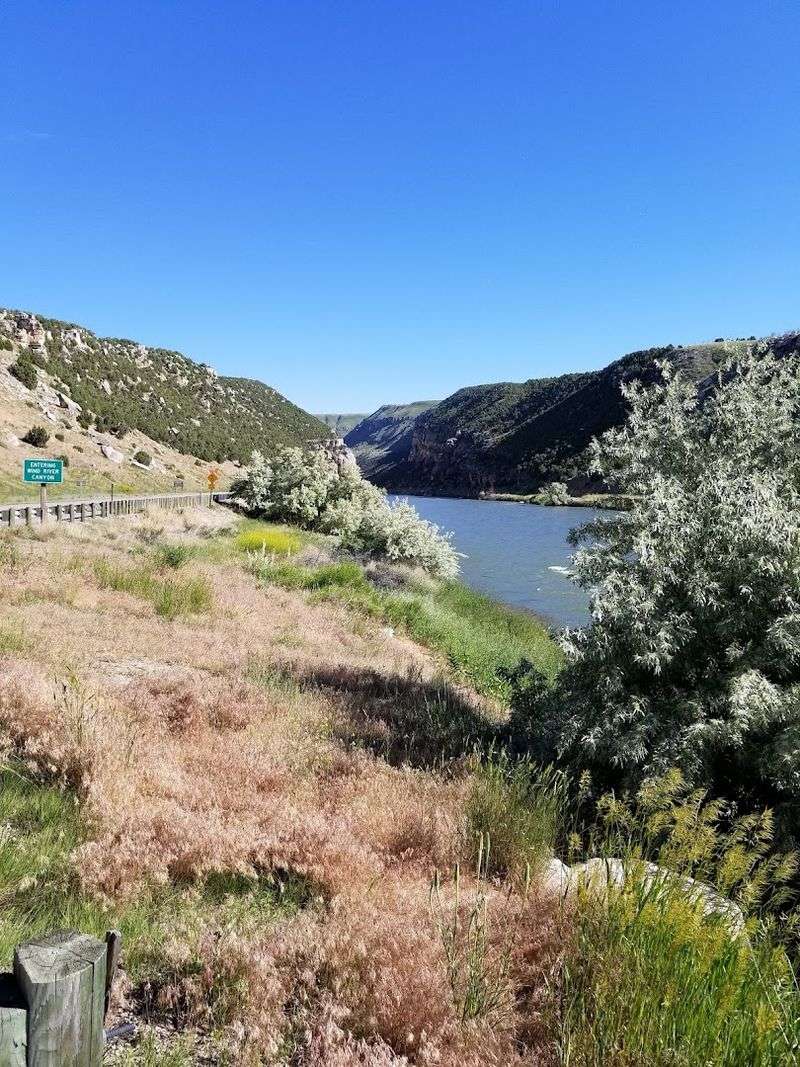
The canyon sits within the Wind River Indian Reservation, which has helped preserve the natural habitat here. Native grasses and sagebrush cover the lower slopes.
Higher up, you will find scattered pines clinging to the rocky walls.
The Wind River and its banks support cottonwood trees and willows that turn gold in autumn. These riparian areas attract songbirds, hawks, and eagles throughout the year.
Birdwatchers find this stretch particularly rewarding during migration seasons.
Mule deer often graze near the roadside in the early morning hours. Pronghorn antelope are common in the open areas just outside the canyon.
Both animals move quickly, so keep your eyes scanning the terrain as you drive.
The river itself supports healthy populations of brown and rainbow trout. Anglers frequently stop at pull-offs to fish along the banks.
The ecosystem here is surprisingly rich given how rugged and exposed the landscape looks from the road.
Wildflowers bloom in the spring and early summer along the canyon floor. Yellow and purple blooms contrast sharply against the red and gray rock walls.
It is a small but beautiful detail that rewards attentive drivers.
Seasonal Changes Enhancing The Scenery
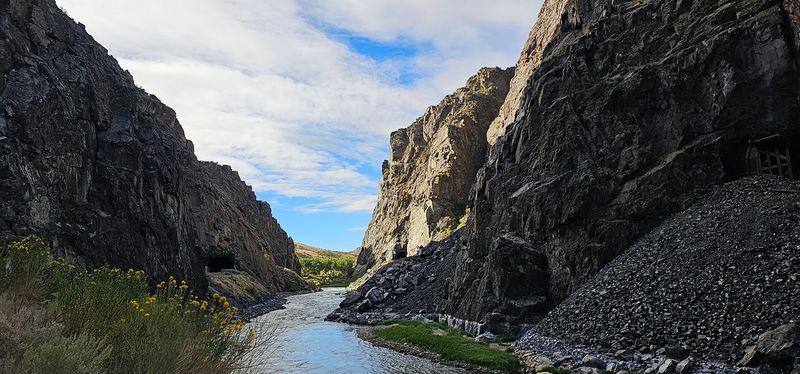
Every season transforms Wind River Canyon into a completely different painting. Spring brings snowmelt rushing through the canyon, swelling the river and turning the walls a deep, saturated red.
The contrast against new green growth is striking.
Summer is the most popular time to visit. Long daylight hours mean you get more time to enjoy the canyon views without rushing.
The rock walls glow warm orange and gold in the afternoon sun.
Fall is arguably the most dramatic season here. Cottonwood and willow trees along the riverbanks turn brilliant yellow and amber.
The golden foliage against the ancient dark canyon walls creates a color palette that looks almost unreal.
Winter driving through the canyon requires caution. Snow and ice can make WY-789 slippery in spots.
That said, the canyon in winter has a quiet, almost eerie beauty that very few people get to experience.
The Boysen Reservoir just south of the canyon changes appearance dramatically with the seasons, too. In summer, the water is a deep blue.
In winter, it can freeze partially, creating a frosty, surreal landscape that contrasts with the bare yellow and red rock of the Owl Creek Mountains.
No matter when you visit, the canyon offers something visually compelling. Planning around the season just helps you decide what kind of mood you want from the drive.
Each visit genuinely feels like a new place.
Best Times For Wildlife Spotting During The Drive
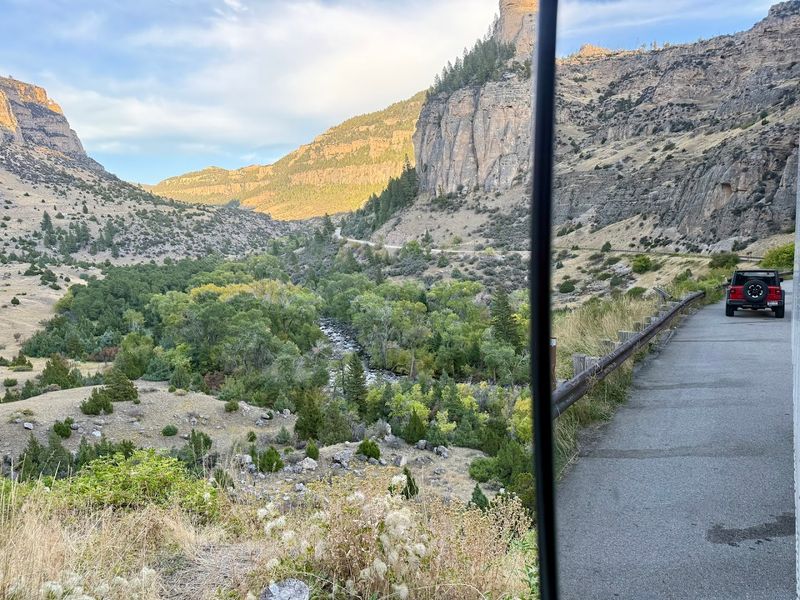
Early morning is hands down the best time for wildlife spotting along Wind River Canyon. Animals are most active in the hour after sunrise.
The light is also spectacular at that time, which is a bonus.
Bighorn sheep are most commonly spotted on the upper canyon rims. They tend to move around in the cooler parts of the day.
Look up toward the ridgelines rather than just along the road.
Mule deer and pronghorn are easier to spot in the flat areas just before and after the canyon narrows. They prefer open terrain where they can see approaching threats.
Slow down and scan the hillsides as you enter the canyon from the south near Shoshoni.
Evening drives just before sunset also produce great wildlife sightings. Animals return to lower elevations to drink from the river.
The Wind River itself becomes a gathering spot for various species at dusk.
Raptors, including golden eagles and red-tailed hawks, are visible year-round. They ride thermal updrafts along the canyon walls throughout the afternoon.
Watching one soar above those ancient cliffs is genuinely breathtaking.
Avoid midday if wildlife viewing is your primary goal. Animals retreat to shade and shelter when temperatures peak.
The canyon can get hot in summer, and most creatures are smart enough to wait it out until the air cools down again.
Historical Significance Of The Surrounding Land
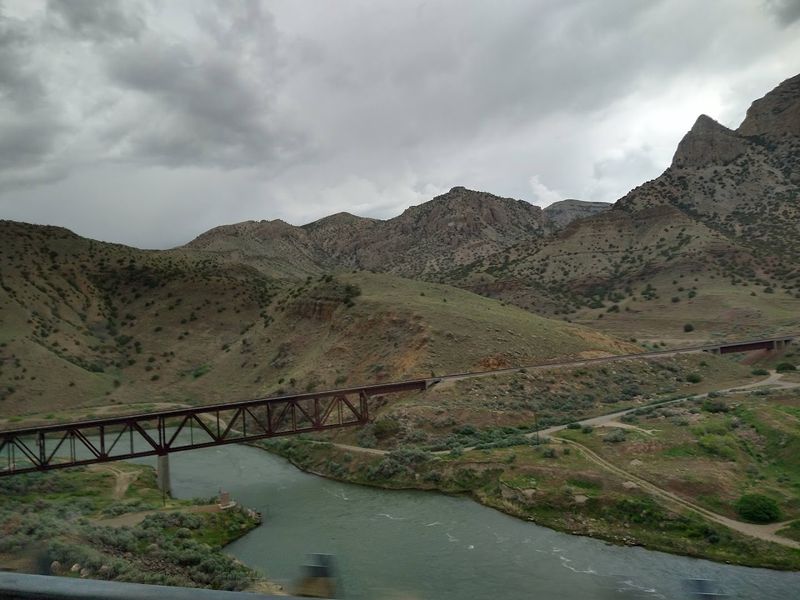
Wind River Canyon passes directly through the Wind River Indian Reservation. This land holds deep cultural and historical significance for the Eastern Shoshone and Northern Arapaho peoples.
Driving through here means passing through living history, not just scenic rock.
The canyon itself became a Wyoming Scenic Byway in 2005. Before that designation, it had long been recognized as a landmark by travelers moving between central Wyoming and the Bighorn Basin.
Explorers and settlers used this route for generations.
One of the most interesting historical landmarks along the drive is the Wedding of the Waters. This is the point where the Wind River officially changes its name to the Bighorn River.
The name change happens as the river exits the Wind River Indian Reservation boundary.
The Burlington Northern Santa Fe railroad line runs parallel to the highway through the canyon. Railroad history in Wyoming is tied closely to the expansion of the American West.
Watching a train pass through those narrow tunnels is a genuine throwback moment.
Boysen State Park, which sits at the southern entrance to the scenic byway near Shoshoni, also carries historical weight. The area was used by Indigenous peoples long before it became a state park.
Archaeological evidence of early human habitation has been found in the region.
The 32-mile byway between Shoshoni and just north of Thermopolis covers a stretch of land that has witnessed thousands of years of human presence. That depth of history adds a layer to the drive that no guidebook can fully capture.
Photography Tips For Capturing Scenic Views
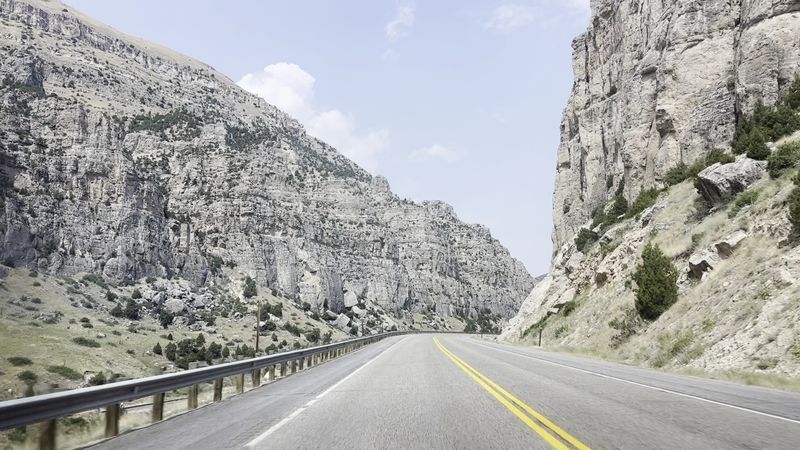
Wind River Canyon rewards photographers who show up early. Morning light hits the canyon walls at a low angle, creating long shadows and rich textures in the rock.
That warm golden tone makes every shot look intentional.
Use the river as a foreground element whenever possible. The Wind River adds depth, movement, and color contrast to canyon shots.
A slow shutter speed can blur the water into a silky effect that looks polished and dramatic.
Pull-offs along WY-789 are plentiful and well-placed. Use them.
Stopping at multiple points gives you different angles and compositions throughout the 32-mile drive. Do not try to capture everything from a moving car.
The three tunnels make for surprisingly interesting photos. Shooting from just outside a tunnel entrance frames the canyon perfectly.
The dark tunnel walls create a natural vignette around the bright landscape beyond.
Evening light works just as well as morning. The canyon walls turn deep red and orange in the last hour before sunset.
Position yourself with the sun behind you for the most vivid color saturation on the rock faces.
A wide-angle lens helps capture the full scale of the 2,500-foot walls. Zoom lenses are useful for isolating bighorn sheep on distant ridgelines.
Bring both if you can, because this canyon rewards versatility. A polarizing filter also cuts glare off the water and deepens the blue sky overhead.
Accessibility And Safety Information For Travelers
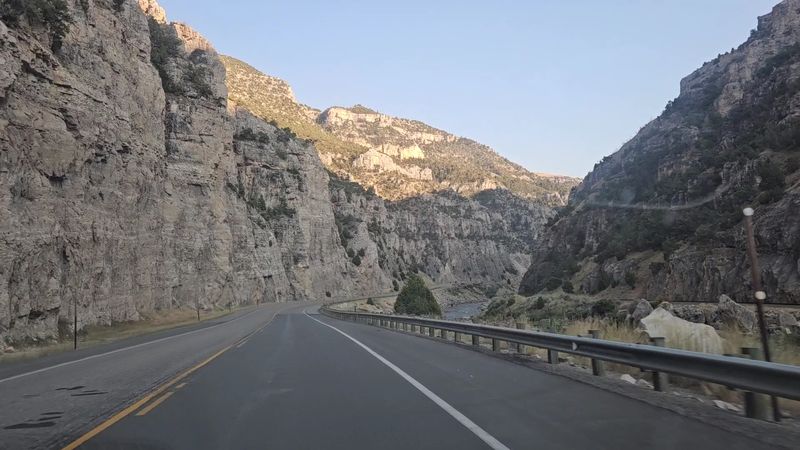
Wind River Canyon Scenic Byway runs along WY-789 and U.S. Highway 20 between Shoshoni and just north of Thermopolis.
The full drive covers approximately 32 to 34 miles. Without stopping, the drive takes about 40 minutes.
The road is paved and well-maintained for most of the year. Winter conditions can bring ice and snow, so check road conditions before driving between November and March.
Wyoming Department of Transportation posts real-time updates online.
Speed limits are enforced strictly through the canyon. The roads narrow in certain sections, especially near the tunnels.
Keep a safe following distance and watch for vehicles stopping suddenly at pull-offs.
Cell service is limited or nonexistent through much of the canyon. Download offline maps before your trip.
Let someone know your planned route and estimated arrival time as a basic safety precaution.
Pull-offs are available at multiple points along the byway. These are designed for stopping safely to take photos or enjoy the views.
Never stop on the road itself, even for a quick look.
The byway passes through the Wind River Indian Reservation. Respect posted signs and stay on designated roads and pull-off areas.
Some areas adjacent to the highway are private or tribal land and are not open to public access without permission.
RVs and large vehicles can navigate the route, but the tunnels have height and width restrictions. Check clearance requirements before bringing oversized vehicles through.
The tunnels are short but tight in the narrowest sections.
Nearby Outdoor Activities To Complement The Drive
Thermopolis sits just north of Wind River Canyon and is a perfect base for exploring the area. The town is home to Hot Springs State Park, which features one of the largest mineral hot springs in the world.
After a long drive, soaking in those thermal waters feels like a genuine reward.
Boysen State Park is located at the southern end of the scenic byway near Shoshoni. The reservoir there is popular for boating, fishing, and camping.
It offers a completely different outdoor experience from the canyon itself.
Fly fishing along the Wind River and Bighorn River is world-class. Brown and rainbow trout are abundant in these cold, clear waters.
Anglers come from across the country, specifically to fish this stretch of river.
Hiking opportunities exist in the Owl Creek Mountains surrounding the canyon. Trails range from short walks near pull-off areas to longer backcountry routes.
Always check trail conditions and carry enough water, as the terrain can be dry and exposed.
The nearby Bighorn Canyon National Recreation Area is worth a day trip. It sits about 90 miles north and offers additional dramatic canyon scenery, boating, and camping.
The landscape there complements everything you see along the Wind River Canyon byway.
Wildlife photography hikes near the canyon rim are also popular. Guided tours of the Wind River Indian Reservation offer cultural and historical context.
Combining those experiences with the scenic drive creates a well-rounded Wyoming adventure that goes far beyond just the road itself.