
Wisconsin Has An Underground Cave You Can Actually Explore And It’s Been There 485 Million Years
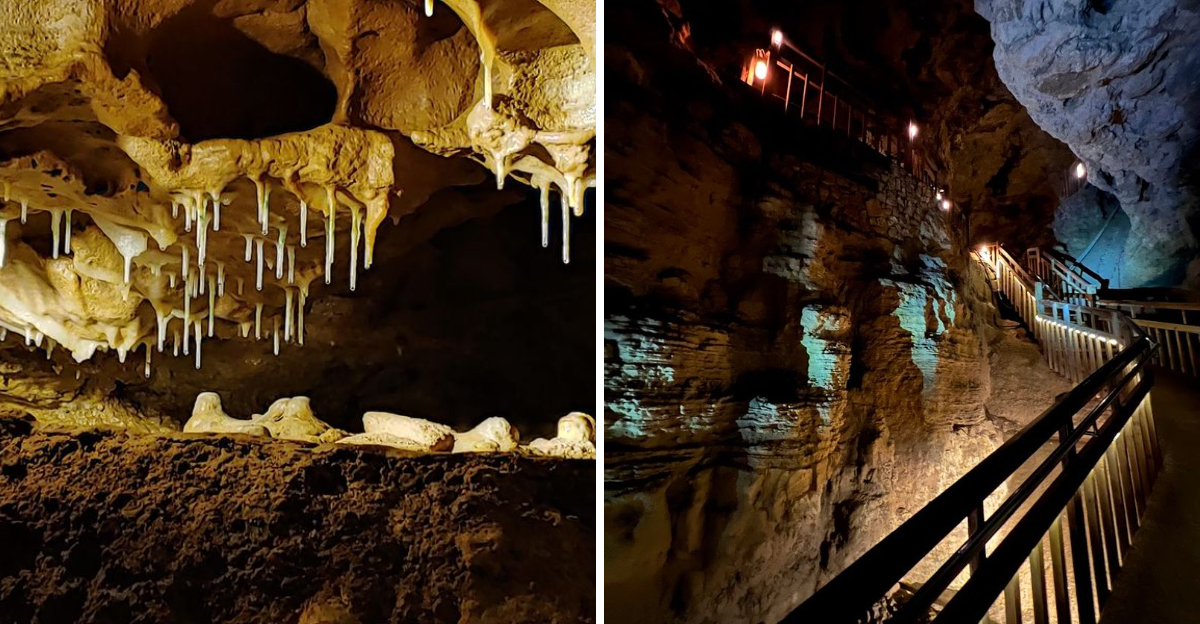
Beneath the rolling farmland of western Wisconsin, something extraordinary has been hiding for 485 million years. Long before humans existed, ancient seas covered this entire region and slowly carved out a network of underground passages that stretch deeper into the earth than any other cave system in the state.
Today, visitors can descend more than 70 feet below ground and walk through chambers decorated with mineral formations that took millions of years to grow. The air gets cooler with every step down. The silence is complete.
What waits at the bottom is a world that has existed since before the dinosaurs, perfectly preserved and completely undisturbed. Few natural wonders in Wisconsin are this ancient, this beautiful, or this quietly jaw-dropping.
Wisconsin’s Longest Cave Sits Beneath Spring Valley
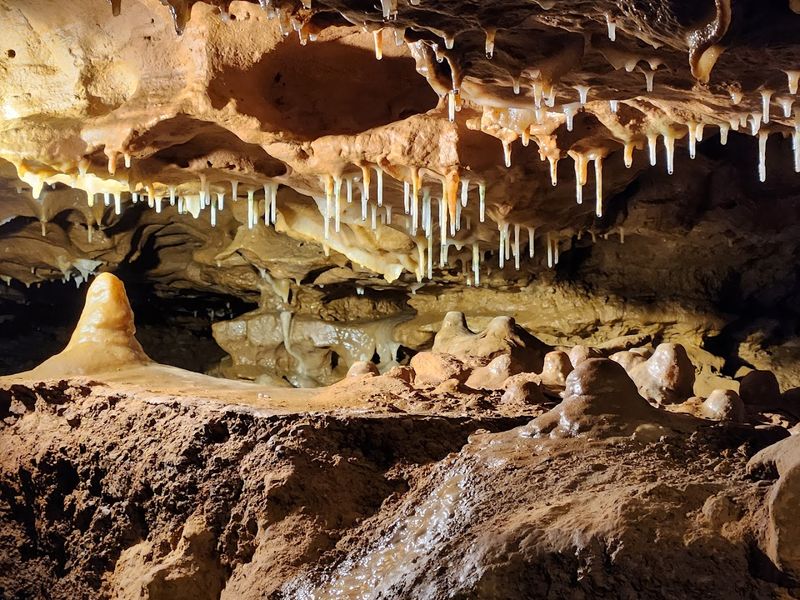
Crystal Cave winds through bedrock beneath Pierce County farmland for more than a mile. The cave system holds the record as Wisconsin’s longest explored cave, with mapped passages that continue to reveal new sections during ongoing geological surveys.
Visitors descend through multiple levels of interconnected chambers carved by acidic groundwater over countless centuries.
The cave sits at W965 WI-29 in Spring Valley, surrounded by prairie trails and wooded areas that provide context for the underground formations below. Above ground, the property includes picnic areas and nature walks that complement the subterranean experience.
The contrast between surface landscapes and underground passages gives visitors a complete picture of how water shapes limestone over geological time.
Tours operate daily from late morning through late afternoon, with slightly extended hours on weekends. The facility maintains the cave environment carefully to preserve formations while allowing safe public access year-round.
The Cave Dates Back To An Ancient Shallow Sea
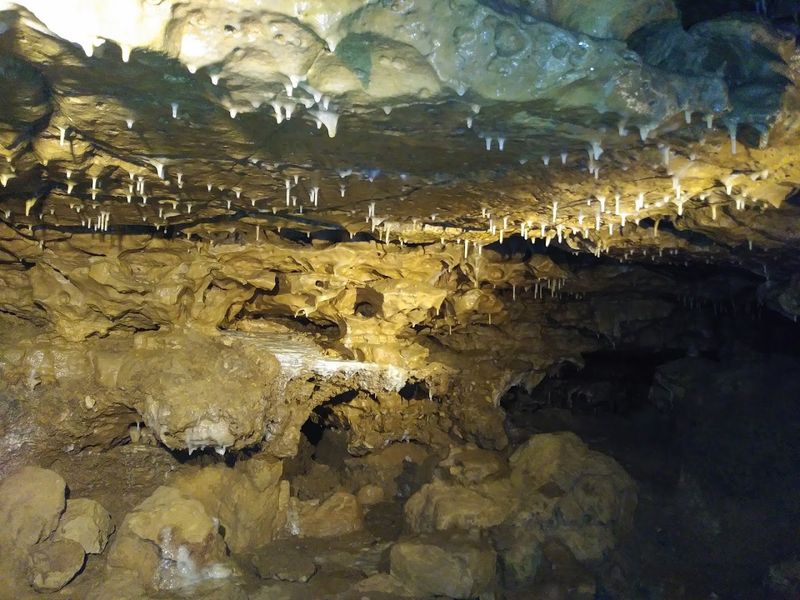
Ordovician seas covered this region 485 million years ago, depositing layers of sediment that eventually compressed into limestone. Marine organisms died and settled on the sea floor, their remains becoming part of the rock that now forms the cave walls.
Fossil evidence throughout the cave tells the story of life forms that existed before plants colonized land.
Acidic rainwater began dissolving the limestone after the seas receded and the land rose. This slow chemical process created the cave’s passages over millions of years, with water following natural weaknesses in the rock.
The same geological forces that carved the cave continue to shape it today, though at a pace too slow for human observation.
Tour guides explain how different rock layers represent distinct periods in Earth’s history. Visitors can see where ancient sea floors became ceiling rock and understand how the landscape has transformed from ocean bottom to farmland with hidden chambers beneath.
Guided Tours Take Visitors More Than 70 Feet Underground
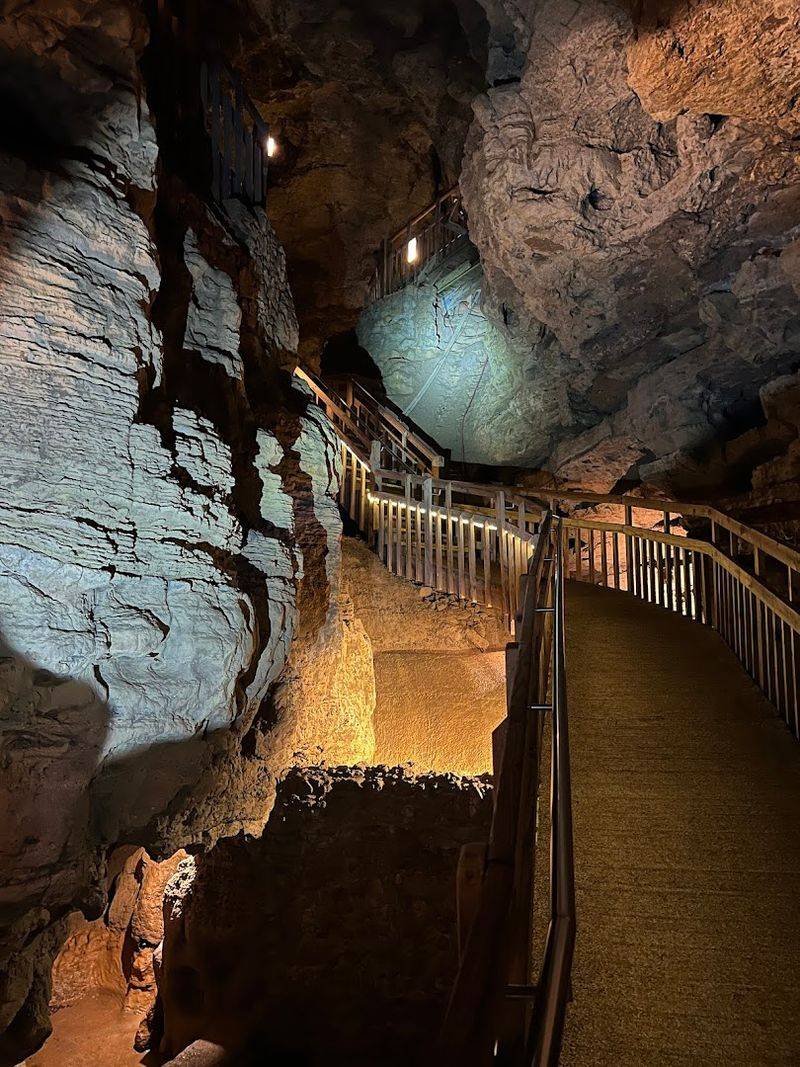
Tours descend through seven levels of stairs and ramps to reach the deepest accessible chambers. The vertical drop exceeds 70 feet from entrance to lowest point, taking visitors through distinct geological zones as they travel downward.
Carpeted walkways provide secure footing on surfaces that would otherwise be slippery from moisture and mineral deposits.
Groups typically include around 15 people, allowing guides to maintain an educational pace while answering questions. The tour route winds through passages that showcase different types of formations, from delicate mineral deposits to massive limestone walls.
Each chamber presents new features that illustrate how water creates underground architecture.
Physical requirements remain manageable for most visitors, though the stairs do require basic mobility. The carpeted surfaces and handrails make the descent safer than in many natural cave systems.
Tour guides adjust their pace based on group composition, ensuring everyone can navigate the route comfortably while still covering all major features within the hour-long experience.
The One Hour Walking Tour Makes The Cave Easy To Experience
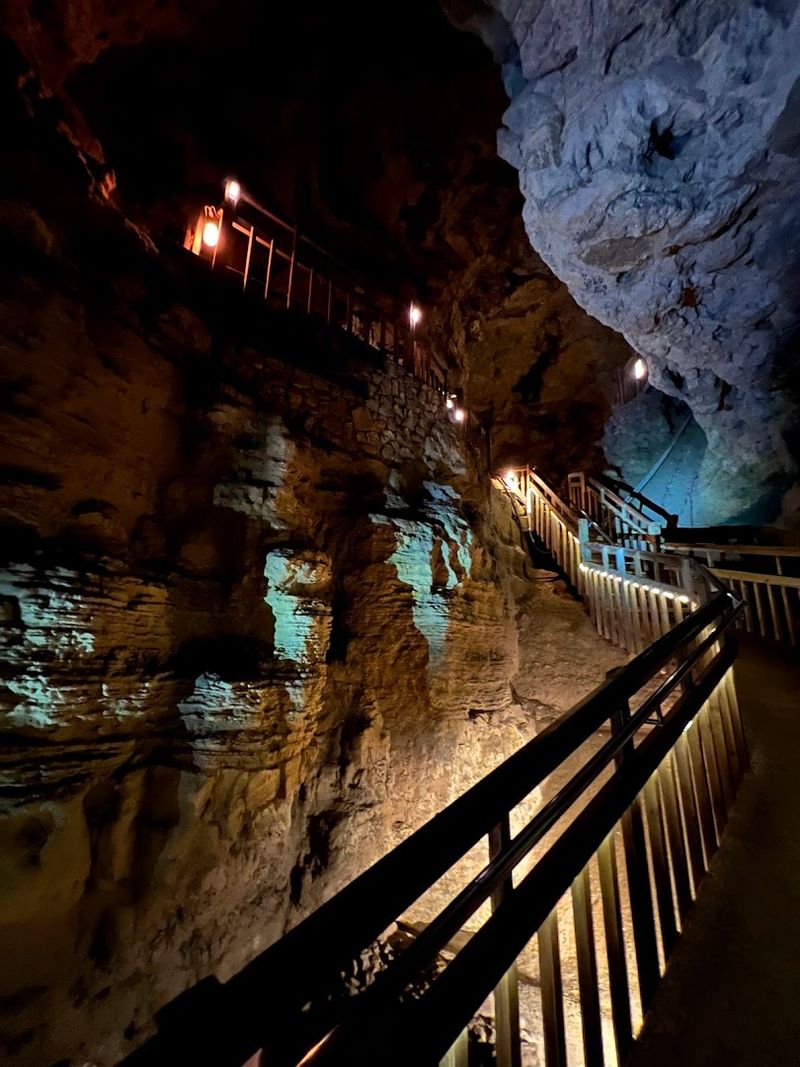
Each tour lasts approximately 60 minutes, providing enough time to explore major chambers without rushing through the experience. Guides share geological information, historical details, and cave ecology facts throughout the journey.
The pacing allows for photographs at key locations and questions from curious visitors of all ages.
Tours depart at scheduled times throughout the day, with advance ticket purchase recommended during peak seasons. The structured timing ensures groups don’t overlap in narrow passages and that each tour receives full attention from guides.
Online booking allows visitors to plan their visit around other activities on the property, from gem panning to mini golf.
Guides tailor their presentations to include younger visitors without sacrificing educational content for adults. The tour includes moments of complete darkness to demonstrate true underground conditions, though these last only briefly.
Most families find the experience accessible and engaging, with enough variety to hold attention from start to finish.
Stalactites And Stalagmites Line The Underground Passages
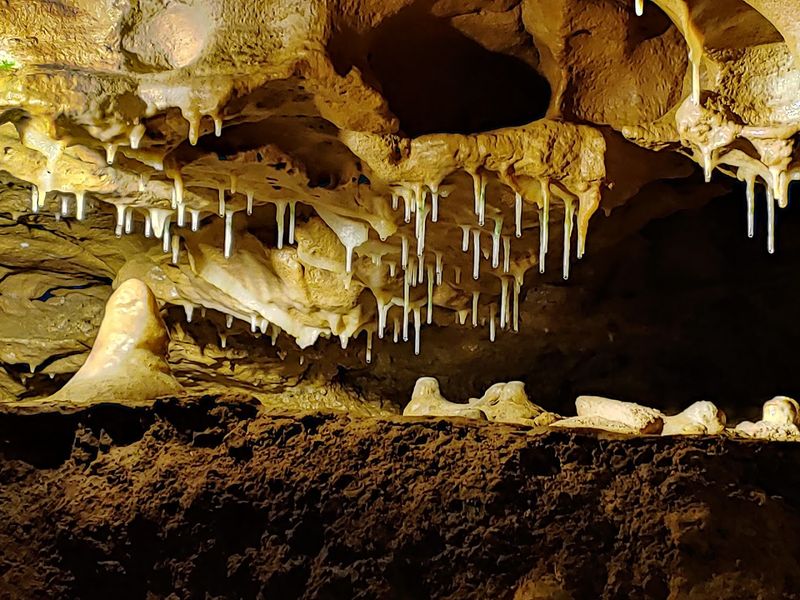
Mineral-laden water dripping from the ceiling creates stalactites that hang like stone icicles. Each drop leaves behind a tiny amount of dissolved minerals, building these formations downward at a rate measured in centuries.
Some stalactites in Crystal Cave have grown several feet long since their formation began thousands of years ago.
Where water hits the floor, stalagmites grow upward from accumulated mineral deposits. In some locations, stalactites and stalagmites have grown together to form columns that connect floor to ceiling.
These features demonstrate the persistent work of water moving through limestone, dissolving minerals in one location and depositing them in another.
Tour guides point out various stages of formation development, from tiny beginnings to mature structures. The different colors in formations reveal changes in mineral content over time, creating natural records of groundwater chemistry.
Visitors learn to distinguish between active formations, which still grow from dripping water, and inactive ones where water flow has ceased.
Tiny Crystals In The Walls Give The Cave Its Name
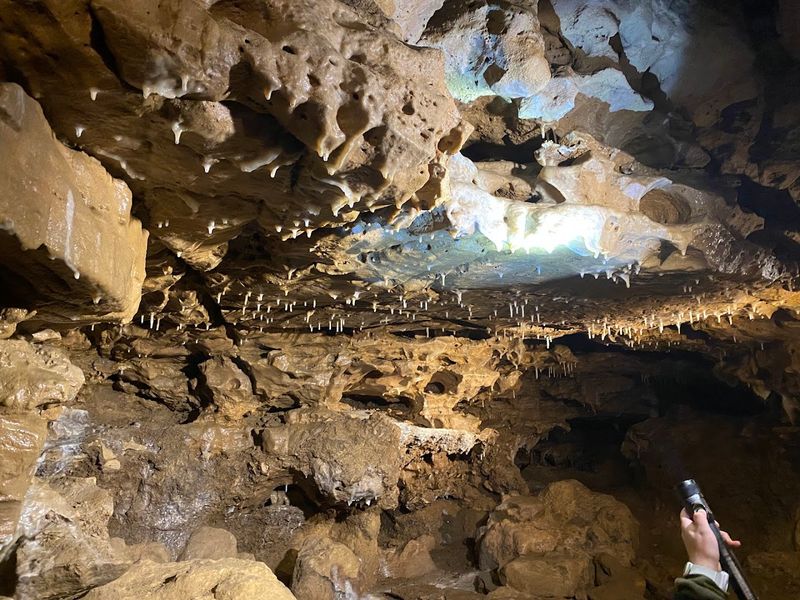
Calcite crystals embedded in the limestone walls catch light and sparkle throughout the cave system. These tiny mineral formations give the cave its name and create a distinctive visual effect as light moves across the rock surfaces.
The crystals formed as mineral-rich water evaporated, leaving behind geometric patterns of calcium carbonate.
Different areas of the cave display varying crystal densities and sizes. Some walls appear nearly smooth, while others glitter with countless small reflective surfaces.
The crystals represent a different type of mineral deposition than the larger stalactites and stalagmites, forming directly within and on rock surfaces rather than building separate structures.
Lighting installed throughout the cave enhances the natural sparkle without overwhelming the formations. Tour guides explain how these crystals form and why certain areas contain more crystal development than others.
The combination of large formations and tiny crystal details gives visitors multiple scales of geological features to observe and appreciate during their underground journey.
The Cave Stays A Cool 50 Degrees All Year
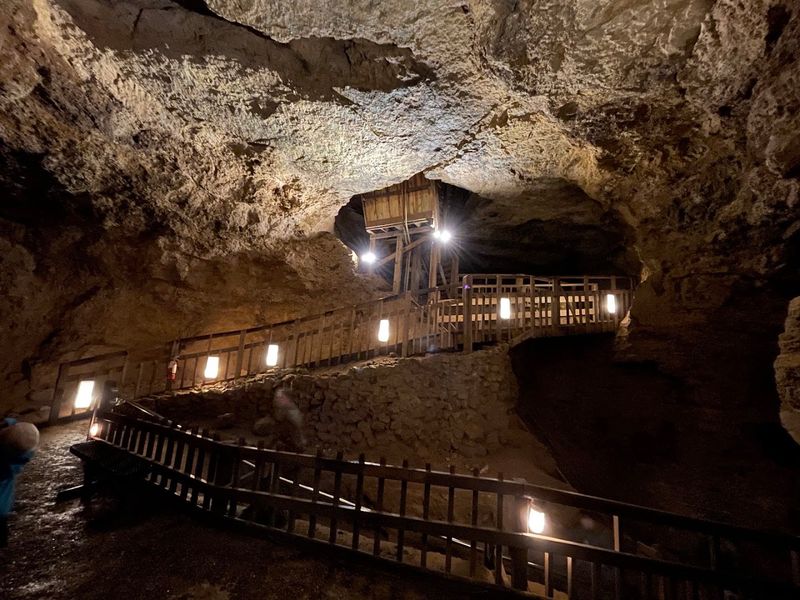
Underground temperatures remain constant at 50 degrees Fahrenheit regardless of surface weather conditions. This stable environment makes the cave a comfortable refuge during hot summer days and a relatively mild destination during Wisconsin winters.
The temperature reflects the average annual air temperature of the region, moderated by the insulating properties of surrounding rock.
Visitors should bring light jackets or sweatshirts even when visiting during warm months. The temperature difference becomes noticeable within minutes of entering the cave, and the hour-long tour provides enough time for the coolness to penetrate light clothing.
Many families keep extra layers in their vehicles for this purpose.
The constant temperature benefits both visitors and cave ecology. Bats that use the cave for hibernation rely on stable cool conditions, and the formations develop without the stress of temperature fluctuations.
Tour guides often mention the temperature as an example of how underground environments differ from surface conditions, providing a tangible lesson in earth science that visitors can feel directly.
Two Farm Boys Discovered The Cave In 1881
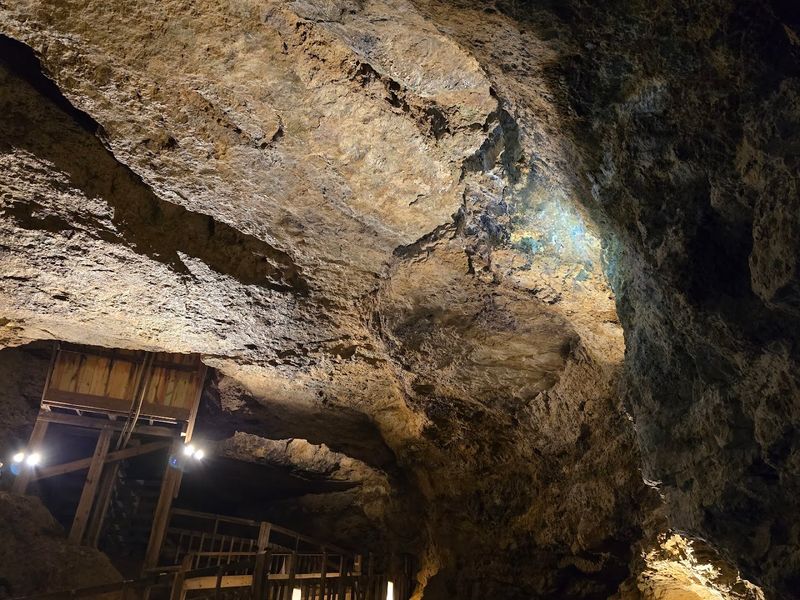
Brothers working on their family farm noticed cold air rising from a small opening in a hillside pasture. Their curiosity led them to investigate the source, and they discovered the entrance to what would become Wisconsin’s longest cave.
The year was 1881, and the boys had stumbled upon a geological feature that had existed unseen beneath farmland for millions of years.
Early explorations required simple lanterns and considerable courage to navigate unknown passages. The brothers mapped what they could reach and shared their discovery with neighbors, though the cave remained largely a local curiosity for decades.
Their initial documentation provided the foundation for later geological studies and eventual commercial development.
The discovery story resonates with visitors who imagine the excitement of finding such a feature by accident. Tour guides share details about early exploration methods and how understanding of the cave has evolved since that first entry.
The farm boys’ curiosity opened access to an underground world that now educates thousands of visitors annually.
Crystal Cave Opened For Public Tours In 1942
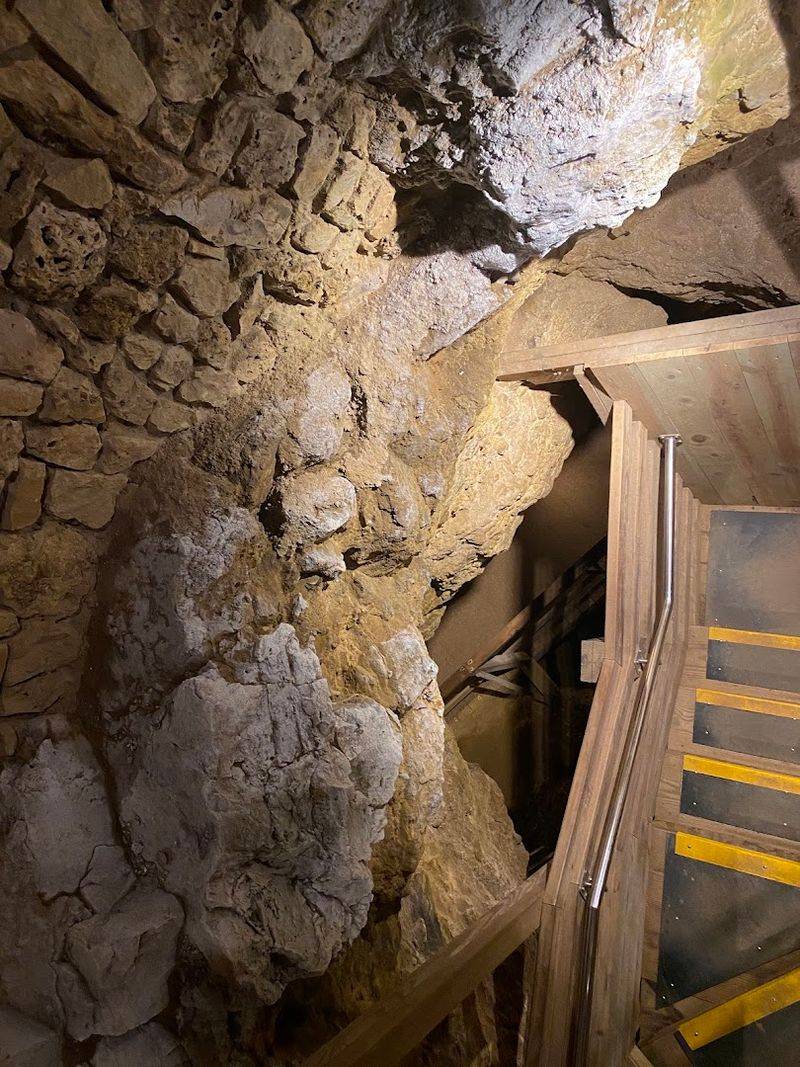
Public access began during World War II when the cave opened as a commercial attraction. Development included installation of electric lighting, construction of safer walkways, and training of tour guides to share geological and historical information.
The timing proved fortunate, as domestic tourism increased during the war years when international travel became difficult.
Early tours followed similar routes to modern ones, though safety features and lighting have improved considerably. The basic experience of descending into natural chambers and observing formations has remained consistent for more than eight decades.
Generations of Wisconsin families have visited the cave, with some returning after 40 or 50 years to share the experience with their own children and grandchildren.
The facility has expanded over time to include additional attractions like gem panning and mini golf. These additions provide surface activities that complement the cave tour, making the site a full-day destination.
The core attraction remains the underground passages, preserved and presented much as they appeared when tours first began in the 1940s.
Visitors Learn About Geology History And Bats
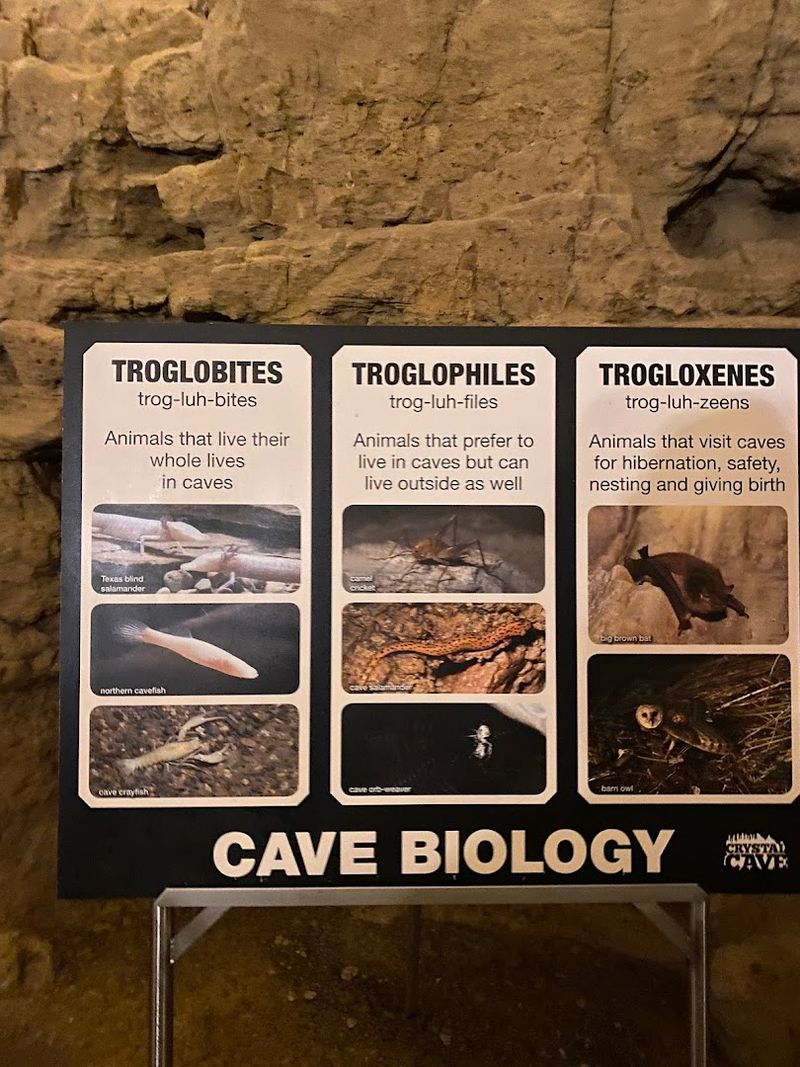
Educational content covers multiple scientific disciplines during the hour underground. Geological explanations detail how limestone forms, how acidic water creates caves, and how mineral deposits build formations over thousands of years.
Historical information places the cave in context of regional development and its discovery by local farmers.
Bat ecology receives particular attention because several species use the cave seasonally. Guides explain hibernation requirements, the role bats play in controlling insect populations, and conservation efforts to protect these mammals.
Visitors occasionally spot bats during tours, though sightings depend on season and time of day.
The combination of topics appeals to different interests and age groups. Children often remember the darkness demonstration and bat facts, while adults appreciate geological time scales and formation processes.
The educational approach balances scientific accuracy with accessible language, making complex concepts understandable without oversimplifying. Visitors leave with genuine understanding of cave systems and their importance in both natural history and current ecosystems.
The Passageways Wind Through Multiple Underground Levels
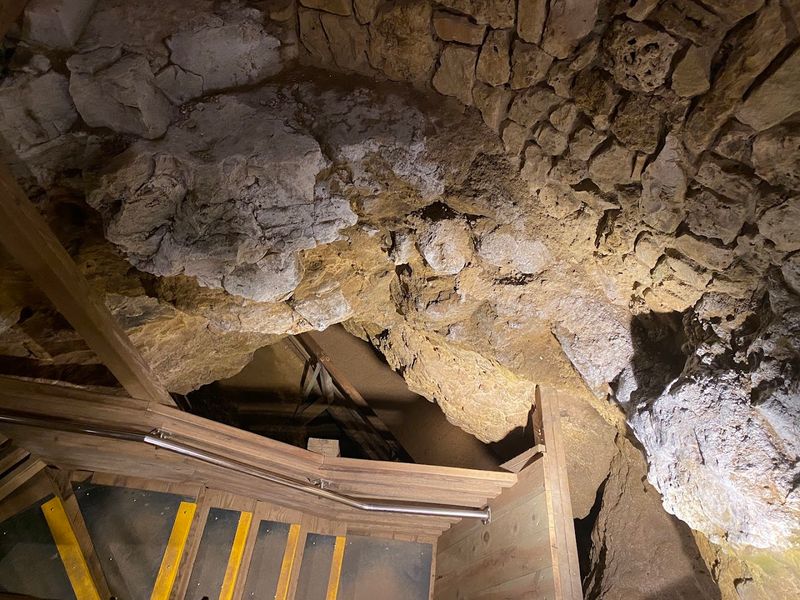
The cave system extends both horizontally and vertically through the limestone. Passages connect chambers at different elevations, creating a three-dimensional maze carved by water following natural fractures in the rock.
Tour routes take advantage of this vertical complexity, allowing visitors to experience the cave as a multi-story structure rather than a single tunnel.
Different levels formed during different geological periods as water tables changed over millions of years. Upper passages represent older water flow patterns, while lower chambers indicate more recent development.
This vertical arrangement provides a timeline of cave formation that guides can explain as groups descend through the system.
The interconnected nature of the passages means tour routes can vary slightly based on conditions and group needs. Multiple chambers offer different features, from tight passages to large rooms with high ceilings.
This variety keeps the tour visually interesting and demonstrates the complexity of natural cave systems. Visitors gain appreciation for how water creates elaborate underground architecture through persistent chemical action over geological time.