
8 Wisconsin Adventures That Even Longtime Residents Might Not Know About
Wisconsin holds secrets that surprise even those who have called it home for decades. Beyond the cheese curls and Packers games lie adventures so unexpected, so tucked away from the tourist trail, that many locals have never experienced them.
From frozen ice caves that shimmer like cathedrals to bizarre sculptures that defy explanation, the Badger State rewards curious explorers willing to venture off the beaten path. Get ready to discover corners of Wisconsin that might just make you fall in love with your home state all over again.
1. Apostle Islands Sea Caves (Bayfield)
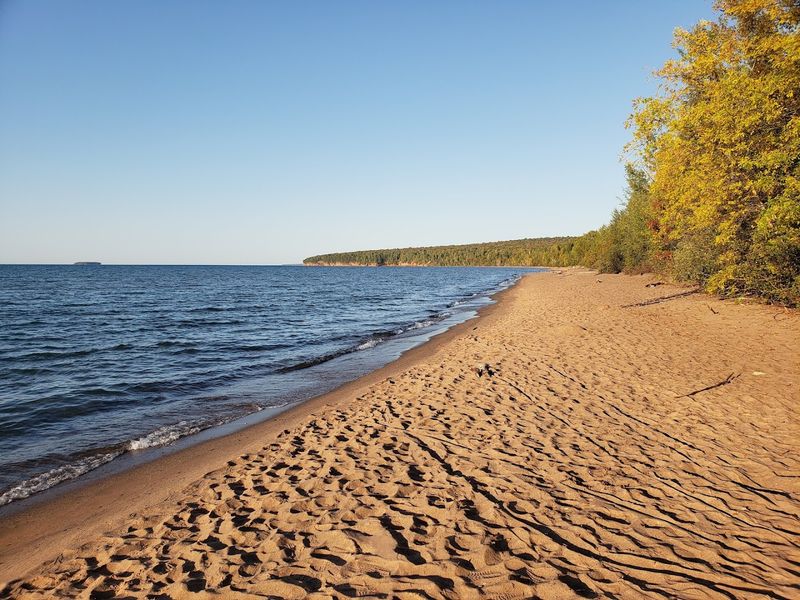
Imagine walking on water. When Lake Superior freezes solid in deep winter, you can hike across the ice to reach sea caves transformed into glittering ice palaces.
Icicles drip from sandstone archways like frozen chandeliers, and sunlight filters through translucent curtains of blue ice.
The trek requires careful planning since conditions change rapidly. Rangers monitor ice thickness throughout winter, and you should always check current safety reports before heading out.
Dress in serious winter gear because windchill on the lake can be brutal.
Summer offers a completely different experience when kayakers paddle through these same caves, exploring hidden chambers and narrow passages carved over millennia. The red sandstone walls glow in afternoon light, and you might spot eagles soaring overhead.
Tours run from Bayfield, where guides share geological history while navigating the archipelago.
Timing matters tremendously for this adventure. Ice caves typically form between January and March, but some winters they never become safe to visit.
Summer kayaking runs from June through September when waters calm down. Both seasons reveal why this place earned National Lakeshore status, showcasing Wisconsin’s wild side in ways that feel almost otherworldly.
2. Cave Of The Mounds (Blue Mounds)
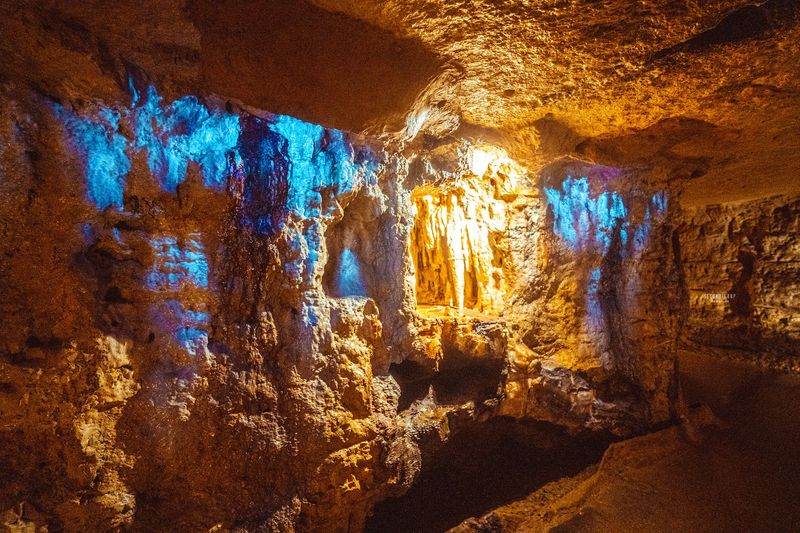
A farmer blasting limestone in 1939 accidentally discovered one of the Midwest’s most stunning underground worlds. What started as a routine quarry operation revealed chambers filled with delicate formations that took millions of years to create.
Today, you can walk through rooms where calcium carbonate has built sculptures that seem impossibly intricate.
Guides lead you past formations with names like the Painted Waterfall and Painted Forest, pointing out features that look like frozen waterfalls, delicate straws, and flowstone draperies. The temperature stays at a constant 50 degrees year-round, so bring a jacket even on scorching summer days.
Tours last about an hour and cover easy walking paths with good lighting.
Above ground, the property includes gardens, gemstone mining for kids, and picnic areas where you can relax after your subterranean journey. Educational programs explain how these caves formed and why preservation matters.
Unlike some commercial caves that feel overdeveloped, this one maintains a balance between accessibility and natural beauty.
The cave earned National Natural Landmark status for good reason. Geologists consider it one of the most significant limestone caves in the Upper Midwest, with formations still actively growing.
Each drip of mineral-rich water adds microscopic layers to structures that will outlast us all.
3. Dr. Evermor’s Forevertron (North Freedom)
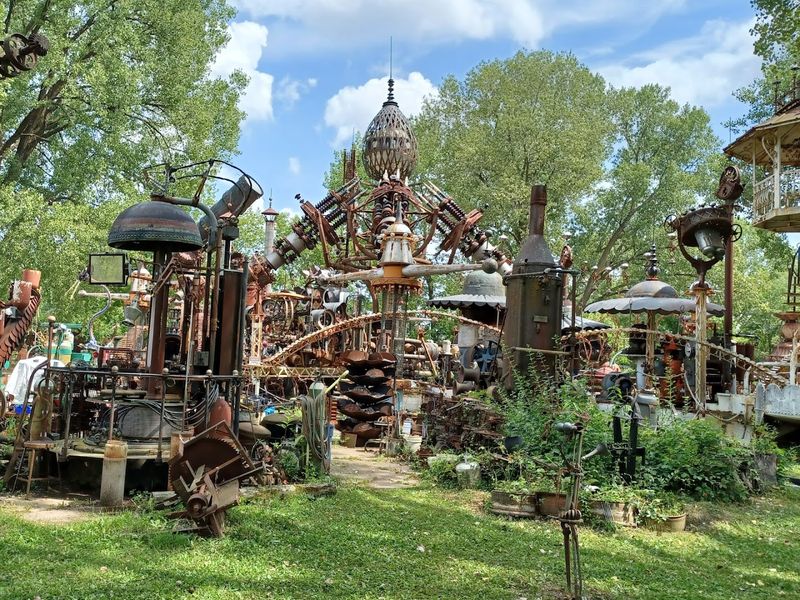
Standing before the world’s largest scrap metal sculpture feels like stumbling into a steampunk fever dream. Tom Every, who called himself Dr. Evermor, spent decades welding together salvaged industrial parts into a 300-ton masterpiece he claimed would launch him into space.
The central structure towers overhead, bristling with Victorian-era detonators, dynamos, and mysterious copper spheres.
Every piece tells a story. Components came from demolished power plants, old breweries, and Apollo space program equipment.
Dr. Evermor imagined this contraption as a retirement vehicle that would propel him into the heavens inside a glass ball, accompanied by a magnetic lightning force beam. The surrounding sculpture park contains hundreds of additional pieces, including a bird band made from salvaged instruments and a telescope for viewing distant galaxies.
This free outdoor gallery sits behind a antique shop on Highway 12. No admission fees, no gift shop pressure, just pure outsider art in its natural habitat.
The current caretakers maintain the site and welcome visitors who want to wander among the creations. Bring your camera because every angle reveals new details and unexpected combinations of industrial archaeology.
Dr. Evermor passed away in 2020, but his vision lives on in rusted metal and impossible dreams. This place proves that Wisconsin embraces eccentricity and celebrates artists who think bigger than practical.
4. Amnicon Falls State Park (South Range)
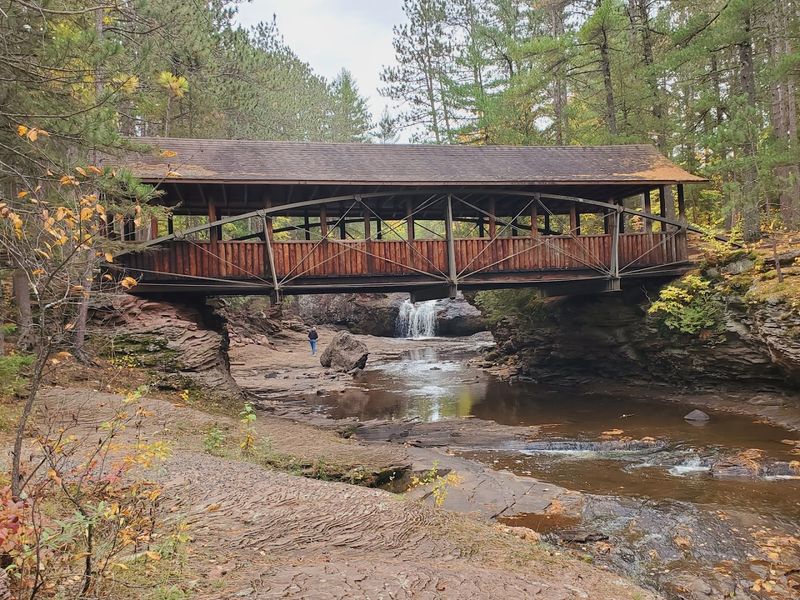
Most Wisconsin waterfall chasers head north to the Porcupine Mountains or west to Minnesota, completely missing this gem near Superior. The Amnicon River tumbles over ancient volcanic rock in a series of falls that feel more like the Pacific Northwest than the Upper Midwest.
Douglas fir trees frame the scene, and the dark basalt creates dramatic contrast with white rushing water.
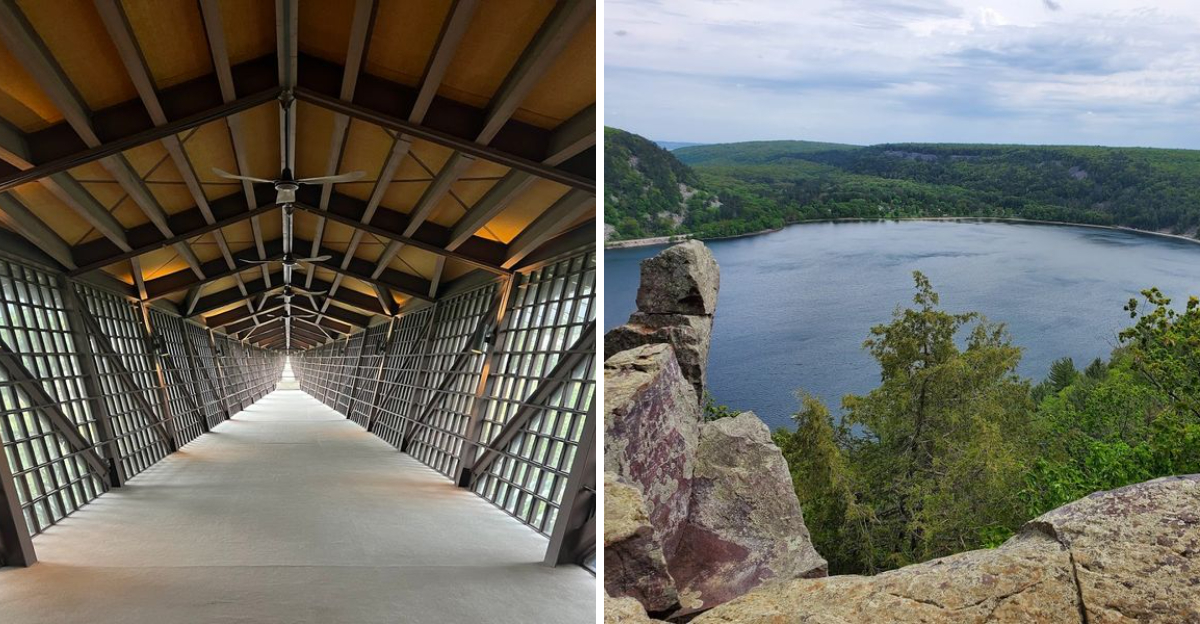
A covered footbridge built in 1930 connects the two sides of the river, giving you front-row views of the upper and lower falls. The structure itself deserves attention, with its rustic timber construction and creaky boards that add character to every crossing.
On sunny days, light filters through the wooden slats and dances on the water below.
The park stays relatively quiet even during peak summer months. Local families picnic near the falls, and photographers stake out spots during golden hour when the light turns magical.
Trails wind through the forest, offering easier walks along the river or more challenging routes up the hillsides. Fall color transforms this place into a painter’s palette of reds, oranges, and yellows.
Spring runoff creates the most dramatic water flow, though conditions can make the footbridge slippery. Winter visits reward brave souls with ice formations that cling to the basalt cliffs.
Pack a lunch and plan to linger because this park invites slow exploration and quiet contemplation.
5. House On The Rock (Spring Green)
Calling this place eccentric would be a massive understatement. Alex Jordan Jr. started building a retreat atop a rock column in the 1940s, then spent decades adding rooms, collections, and displays that defy categorization.
You will walk through chambers filled with automated music machines, carousel after carousel, the world’s largest cannon, and enough bizarre artifacts to fill a dozen museums.
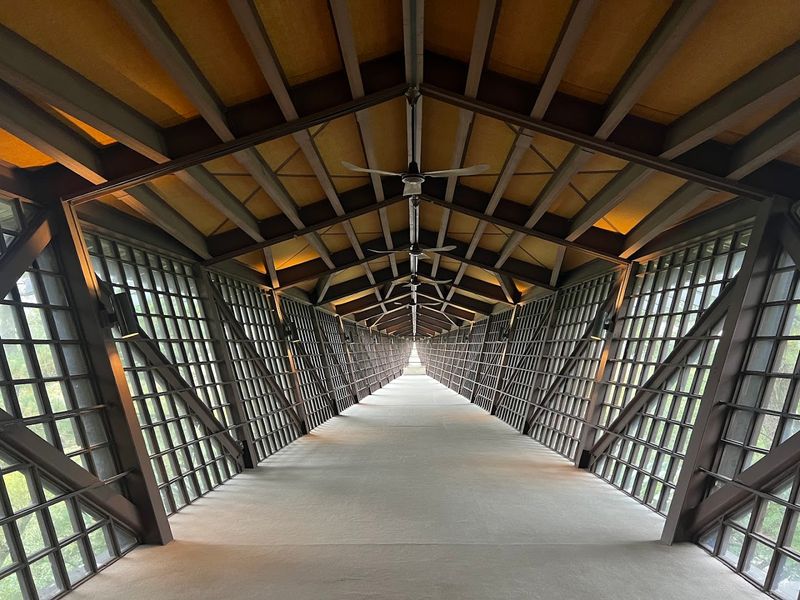
The Infinity Room extends 218 feet out over the Wyoming Valley with windows on three sides and no visible support from below. Standing at the far end tests your nerves as the room gently sways.
Some visitors turn back halfway, unable to shake the feeling that physics should not allow this structure to exist.
Collections range from fascinating to overwhelming. Thousands of Santa Claus figures, intricate dollhouses, maritime exhibits, and rooms devoted to the Orient pack the sprawling complex.
The original house itself, built directly into the rock, showcases Jordan’s architectural vision before things got really weird. Each addition reveals a mind that never met a collection he did not want to expand.
Plan for three to four hours minimum, and wear comfortable shoes because you will walk miles of hallways and stairs. Some find it magical, others find it claustrophobic, but nobody walks away without strong opinions.
This attraction divides people into those who appreciate outsider vision and those who just want to escape the sensory overload.
6. Cave Point County Park (Jacksonport)
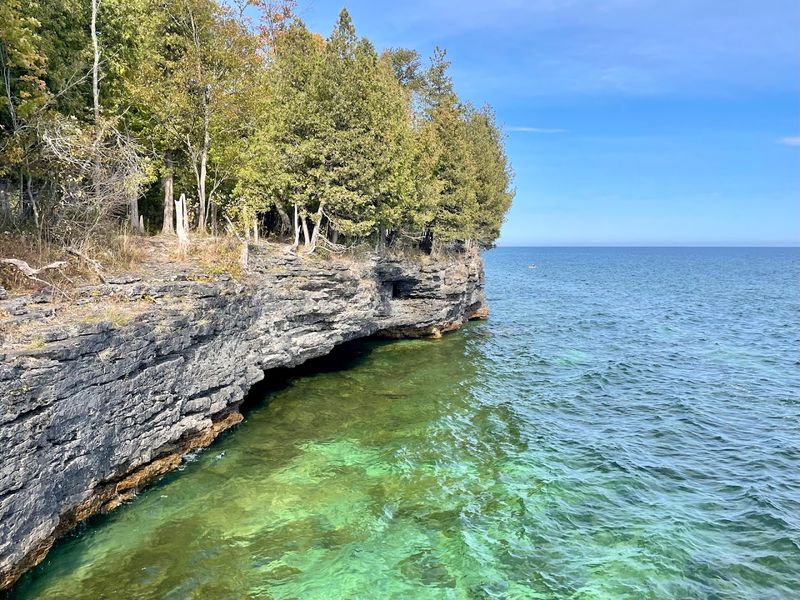
Door County attracts millions of tourists annually, yet somehow Cave Point remains relatively undiscovered. Lake Michigan crashes against limestone cliffs here, creating caves and crevices that boom and echo with each wave.
The shoreline looks more like coastal Maine than the Midwest, with layered rock formations and crystal-clear turquoise water.
Waves have carved smooth caves into the cliff face over thousands of years. When conditions are right, water surges into these openings and creates spectacular displays of spray and sound.
Stand on the viewing platforms and feel the vibrations as waves hit with surprising force. The underwater visibility here attracts scuba divers who explore the submerged cave systems and shipwrecks just offshore.
Trails along the clifftop offer different perspectives on this geological wonderland. Bring sturdy shoes because the limestone can be slippery, especially near the spray zones.
Sunrise visits reward early risers with incredible light on the water and fewer crowds competing for the best photo spots. The park stays open year-round, and winter visits reveal ice formations that build up on the cliffs like frozen sculptures.
Swimming is not recommended due to dangerous currents and sharp rocks, but kayakers with experience can paddle along the cliffs during calm conditions. The contrast between Door County’s busy tourist towns and this wild shoreline feels jarring in the best way.
Nature still rules here, and the lake reminds you of its power with every crashing wave.
7. Taliesin (Spring Green)
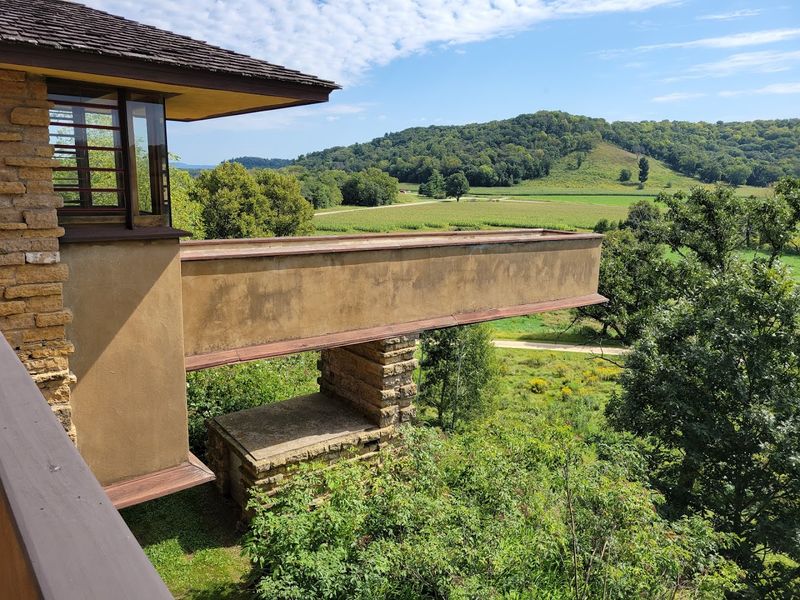
Frank Lloyd Wright’s personal estate sprawls across 800 acres of rolling hills overlooking the Wisconsin River. This was not just a house but a constantly evolving laboratory where America’s most famous architect tested ideas and lived according to his philosophy of organic architecture.
The buildings seem to grow from the landscape rather than sitting on top of it.
Multiple tour options let you explore different aspects of the property. The house tour reveals Wright’s living spaces, studio, and the evolution of his design thinking over five decades.
Guides share stories about his complicated personal life, the tragic fire that destroyed the original house, and his determination to rebuild. Hillside tours showcase the school buildings where his apprentices lived and worked.
The estate continues to function as an architectural school and preservation site. Students still study here, maintaining the tradition Wright established when he founded the Taliesin Fellowship in 1932.
Gardens, farm buildings, and landscape features demonstrate his belief that architecture should integrate seamlessly with nature. Every sightline was carefully considered, every material chosen to harmonize with the surroundings.
Spring and fall offer the most comfortable touring weather, though the landscape looks beautiful in every season. Reservations are required for all tours, and some sell out weeks in advance during peak season.
Photography rules are strict inside the buildings, so put away your phone and simply absorb the experience. This place offers insight into a creative mind that changed American architecture forever.
8. Devil’s Lake State Park (Baraboo)
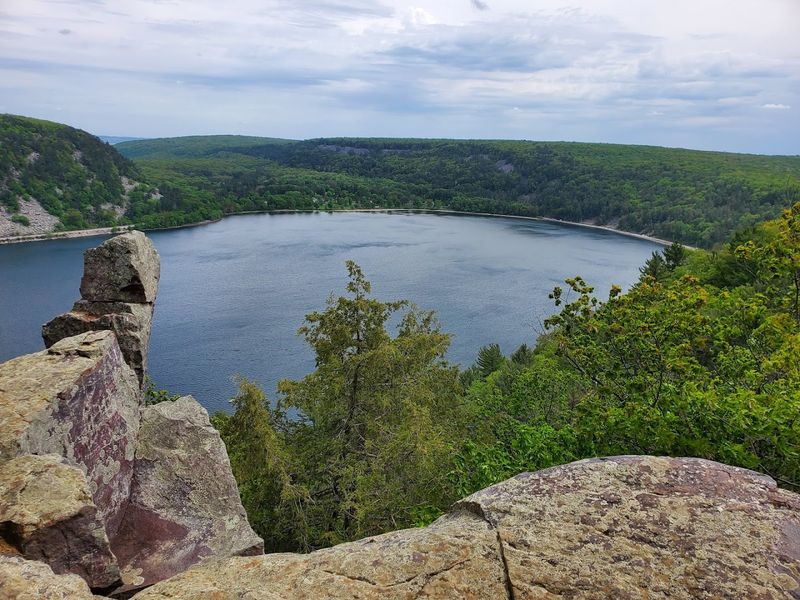
Wisconsin’s most popular state park earns its crowds, but most visitors stick to the beach and miss the real adventure. Ancient quartzite bluffs rise 500 feet above a spring-fed lake, creating terrain that challenges hikers and rewards climbers.
These rocks are among the oldest exposed formations in North America, dating back over a billion years to when this area sat at the bottom of a shallow sea.
The East and West Bluff trails demand effort but deliver views that stretch for miles across the Baraboo Range. Rock formations with names like Devil’s Doorway and Balanced Rock mark the route, and each viewpoint offers different perspectives on the lake below.
Climbers tackle routes ranging from beginner-friendly to seriously technical, with over 1,600 established climbs on the quartzite faces.
Swimming in the lake provides relief after a tough hike. The water stays cool even in summer because springs feed it from below.
No motorized boats are allowed, keeping the water clean and peaceful for paddlers and swimmers. Rental kayaks and canoes let you explore from water level and appreciate how the bluffs tower overhead.
Fall transforms the surrounding forest into a riot of color, and the park becomes even busier than summer. Arrive early on weekends to secure parking, or visit on weekdays when trails feel less crowded.
Winter brings cross-country skiers and ice climbers, proving this park offers adventures in every season for those willing to explore beyond the beach blanket.