
Wisconsin Has A Mexican Restaurant Inside A Historic Train Depot And It Is Unlike Anything Else In The State
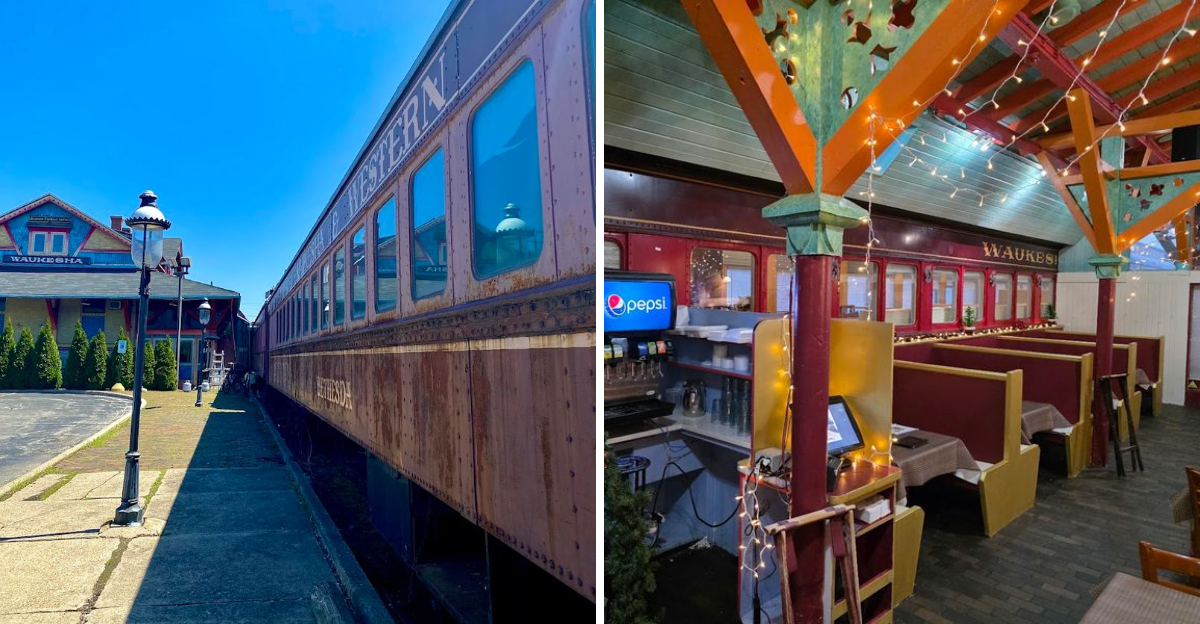
Dinner feels a lot more memorable when the building has its own story. At this Wisconsin restaurant, the setting is not just background noise.
You are eating inside a real 1881 train depot, with rail cars nearby and tracks that still feel very much alive. That alone would be enough to make people curious, but then the food shows up.
Bright salsa, sizzling plates, warm tortillas, and the sound of conversation turn the whole meal into something you actually remember later. It is the kind of place where history does not sit behind glass. It surrounds your table.
Come hungry, look around, and do not be surprised if dinner feels a little like a tiny trip through time.
The Restaurant Sits Inside An 1881 Train Depot
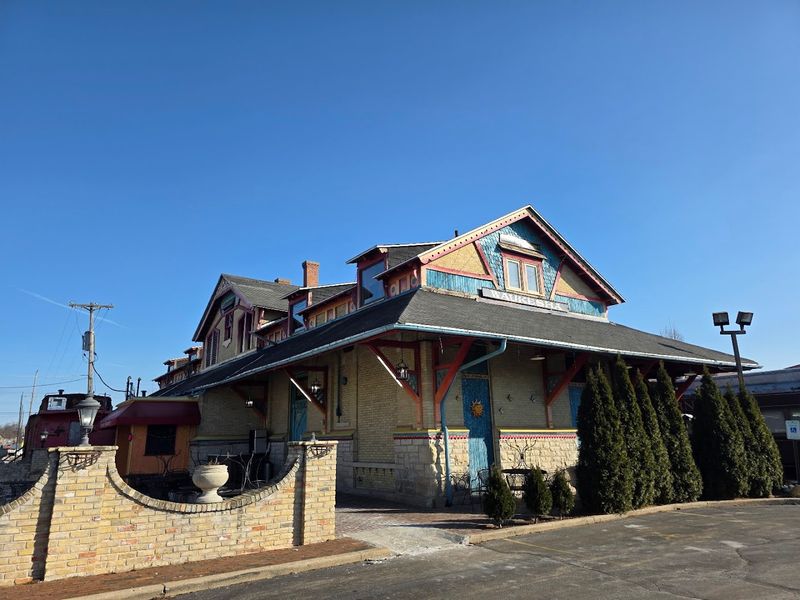
Architecture tells stories, and this building has plenty to share. Built in 1881, the depot served passengers and freight for decades when railroads connected every corner of Wisconsin.
The original stone and brick construction remains intact, preserving details that modern buildings rarely attempt.
Walking through the entrance feels like stepping backward in time. High ceilings, original woodwork, and structural elements remind visitors of an era when train travel defined American life.
The building stood abandoned for years before its transformation into a dining destination.
Preservation efforts maintained the depot’s character while adapting spaces for restaurant use. Exposed beams, vintage lighting fixtures, and carefully restored surfaces honor the building’s past.
This authentic setting distinguishes La Estacion from typical restaurant conversions that merely adopt a theme without substance behind it.
Dinner Comes With Real Railroad History
Railroad artifacts and photographs line the walls, documenting Waukesha’s connection to America’s rail expansion. Old timetables, conductor uniforms, and ticket punches occupy display cases throughout the building.
These items belonged to actual workers who operated from this very depot generations ago.
The station once bustled with travelers heading to Milwaukee, Chicago, and points beyond. Farmers shipped produce, families reunited on platforms, and businessmen negotiated deals in the waiting rooms.
Understanding this context adds depth to every meal served here today.
Staff members often share historical tidbits with curious diners. Learning about the depot’s role in local commerce and transportation makes the space feel alive with purpose.
The building earned its place in Waukesha’s story long before becoming a restaurant, and that legacy remains palpable in every corner of the property.
Guests Can Eat Inside Train Cars
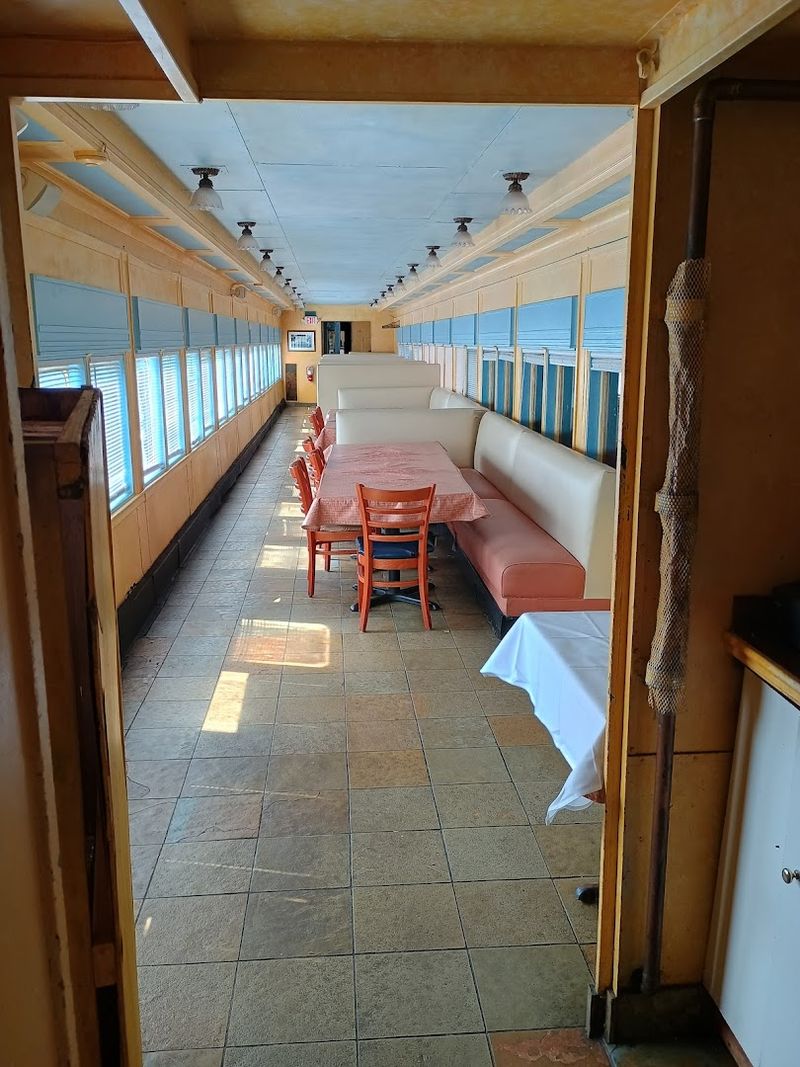
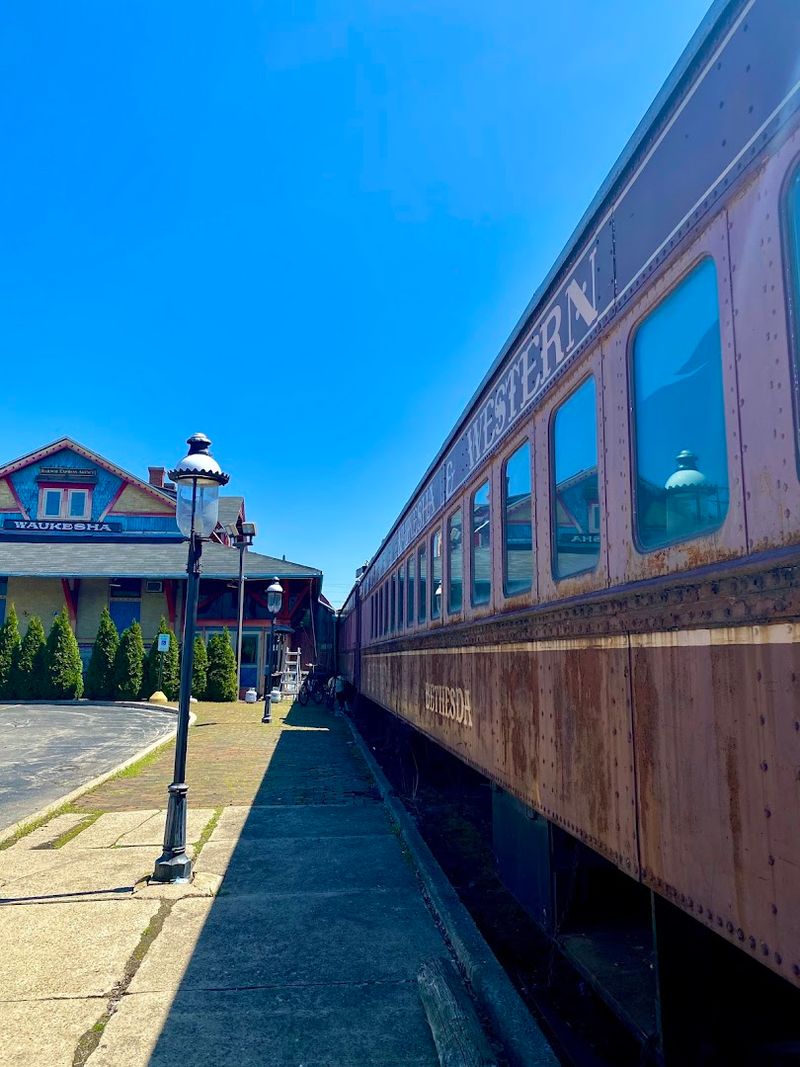
Actual retired passenger cars sit on the property, fully restored and transformed into unique dining spaces. Climbing aboard one of these cars transports guests into a completely different atmosphere.
Original seats, luggage racks, and window frames create an intimate setting unlike standard restaurant tables.
The cars accommodate smaller parties perfectly, offering privacy while maintaining connection to the depot’s overall energy. Sunlight filters through vintage windows, casting patterns across tables set with colorful linens.
Temperature control keeps the cars comfortable year-round, addressing what might otherwise be a seasonal limitation.
Families especially enjoy requesting train car seating, as children find the novelty thrilling. The enclosed space creates a sense of adventure, turning an ordinary meal into something memorable.
Reserving one of these cars for special occasions adds an element of surprise that standard private dining rooms cannot match in terms of pure originality and charm.
Active Trains Still Pass Behind It
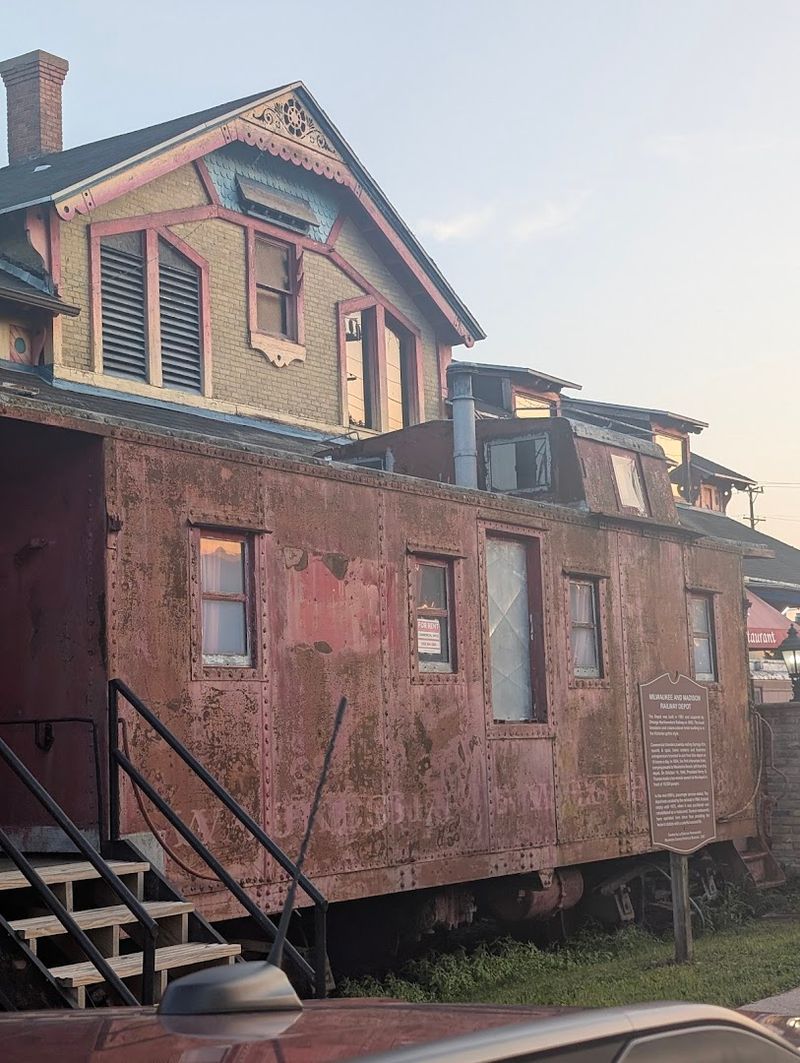
Modern freight trains rumble past the property regularly, providing unexpected entertainment during meals. The tracks remain fully operational, connecting industries and commerce just as they did when the depot first opened.
Hearing a train approach adds authenticity that no decorator could fabricate.
Outdoor diners on the patio get front-row seats to these passing trains. The ground vibrates slightly as locomotives pull their loads, and the distinctive whistle echoes across the property.
Some guests time their visits hoping to catch this experience, which transforms an ordinary Tuesday into something slightly extraordinary.
The juxtaposition feels poetic in its own way. Historic and contemporary rail operations coexist at the same location, separated by more than a century but sharing the same iron rails.
This living connection to working railroads distinguishes La Estacion from museums or static historical sites that preserve the past without participating in the present reality of rail transport.
The Depot Setting Makes It Feel Different
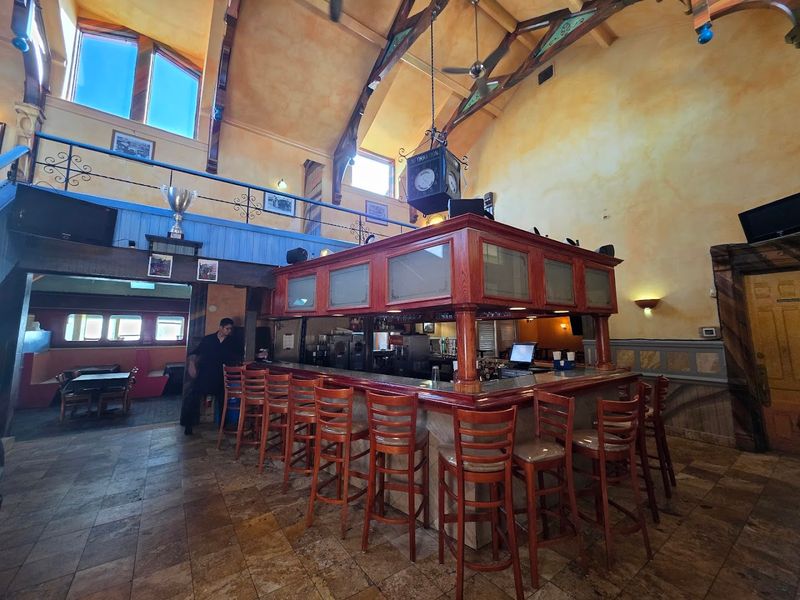
Atmosphere matters more than many people realize when choosing where to eat. Strip mall restaurants all blur together after a while, offering similar lighting, similar layouts, and similar background music.
La Estacion breaks that pattern completely by virtue of its unusual bones.
The high ceilings prevent the crowded feeling common in modern restaurant designs that maximize seating density. Natural light pours through tall windows that once welcomed travelers scanning platforms for arriving loved ones.
Acoustics differ from standard restaurants, with sounds carrying in ways that feel more spacious and less chaotic.
Even the air seems different inside these thick stone walls, cooler in summer and insulated in winter. The building’s thermal mass creates comfort without relying entirely on modern climate control.
Every sensory detail combines to create an environment that feels intentional, rooted, and fundamentally different from the generic dining experiences dominating contemporary restaurant culture across Wisconsin and beyond.
Mexican Flavors Fill A Historic Wisconsin Landmark
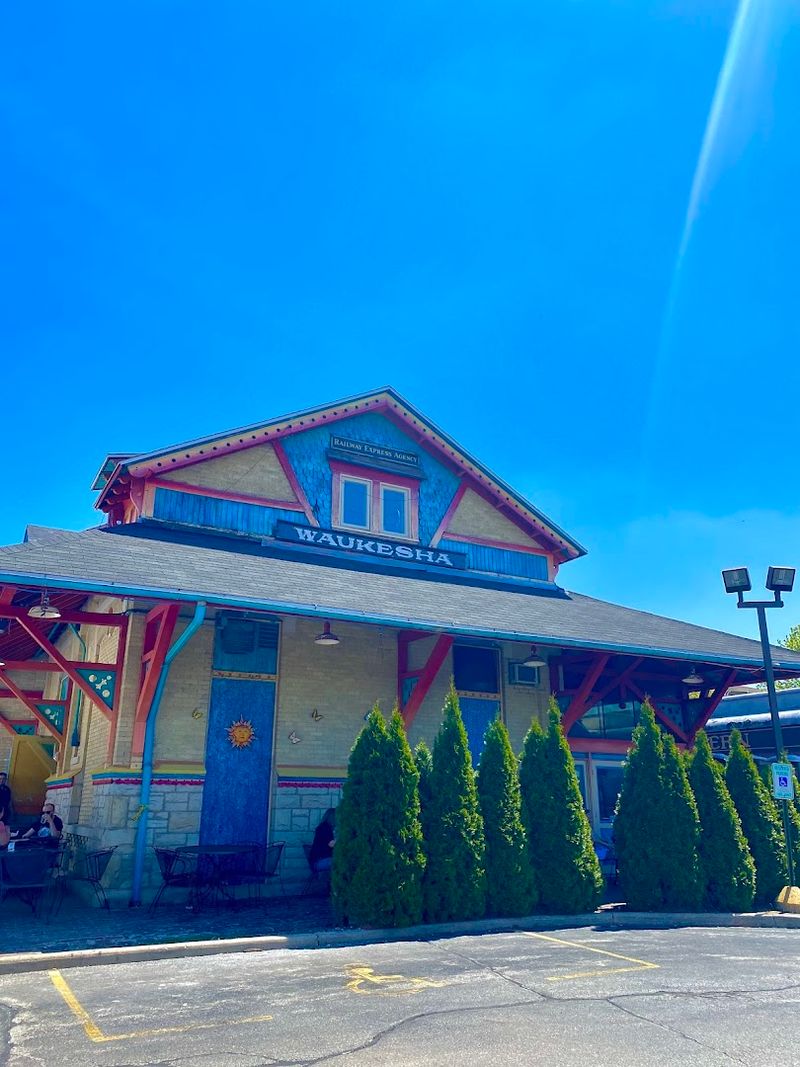
Pairing Mexican cuisine with a Midwestern railroad depot might seem unusual at first consideration. Yet the combination works beautifully, with bold flavors and vibrant presentations contrasting against the muted tones of historic architecture.
The menu draws from authentic Mexican traditions while accommodating Wisconsin palates that appreciate substance and generous portions.
Familiar dishes like enchiladas, tacos, and fajitas anchor the menu alongside less common offerings that showcase regional Mexican cooking styles. The kitchen uses proper techniques and seasoning that distinguish their food from generic Tex-Mex operations.
Fresh ingredients and careful preparation show respect for both the cuisine and the customers.
This cultural blending reflects modern Wisconsin more accurately than some might expect. The state’s growing Hispanic population has enriched local food culture significantly.
Seeing Mexican traditions honored inside a landmark of Wisconsin history creates a metaphor for how communities evolve and integrate, building new traditions while respecting old foundations that shaped the landscape generations before.
Colorful Décor Brings The Building To Life
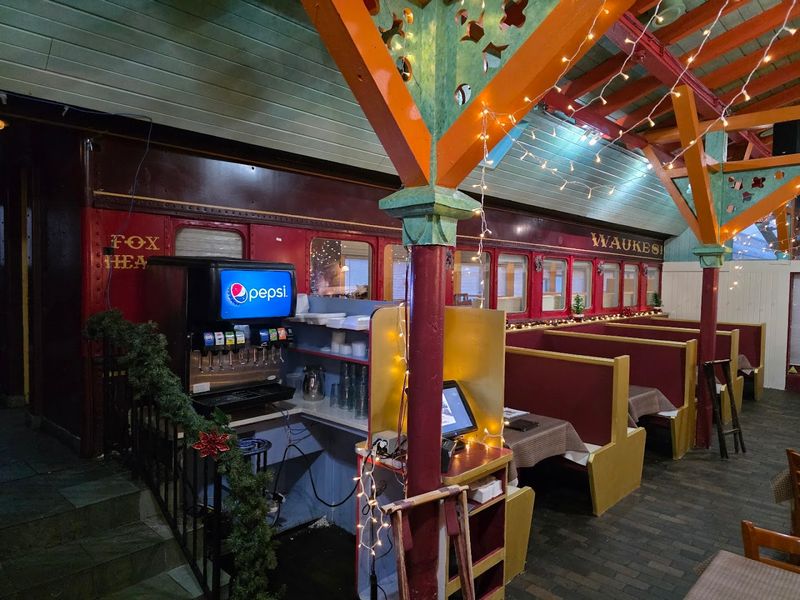
Brilliant hues of red, orange, yellow, and turquoise pop against the depot’s neutral stone and weathered wood. Traditional Mexican artwork, pottery, and textiles add warmth to spaces that might otherwise feel austere.
The decorating choices honor Mexican visual traditions without overwhelming the building’s inherent character.
Careful balance makes the difference here. Too much decoration would obscure the architecture that makes the location special.
Too little would fail to establish the restaurant’s cultural identity. The current approach threads that needle successfully, allowing both elements to coexist and enhance each other rather than compete for attention.
Lighting plays a crucial role in creating ambiance after sunset. Warm fixtures supplement natural daylight, casting flattering glows across tables and highlighting decorative elements.
The overall effect feels festive without becoming kitschy, authentic without being heavy-handed. Seasonal touches appear during holidays, keeping the visual experience fresh for regular customers who return throughout the year to enjoy consistent quality and ever-evolving details.
The Menu Is Much Bigger Than Tacos
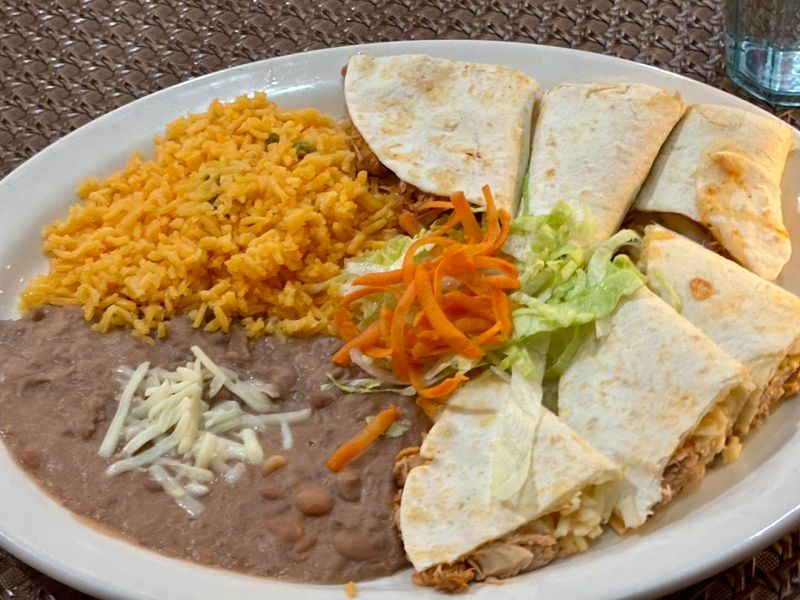
Assuming Mexican restaurants only serve tacos and burritos shortchanges the cuisine’s actual breadth and sophistication. La Estacion’s menu explores regional specialties, seafood preparations, and traditional plates that many Wisconsin diners may never have encountered.
Gorditas, tortas, and tamales offer alternatives to the expected options.
Seafood selections surprise guests who associate Mexican food primarily with beef and chicken. Fish tacos, shrimp preparations, and salmon dishes demonstrate the kitchen’s range.
Vegetarian options go beyond simply removing meat from standard recipes, instead offering thoughtfully composed plates that stand on their own merits.
The dessert menu deserves attention too, featuring flan, tres leches cake, and other sweets that provide proper endings to substantial meals. Portion sizes tend toward generous, reflecting both Mexican hospitality traditions and Midwestern expectations.
This comprehensive approach rewards adventurous eaters while accommodating those who prefer familiar comfort foods executed with care and quality ingredients.
The Patio Adds A Pretty Summer Option
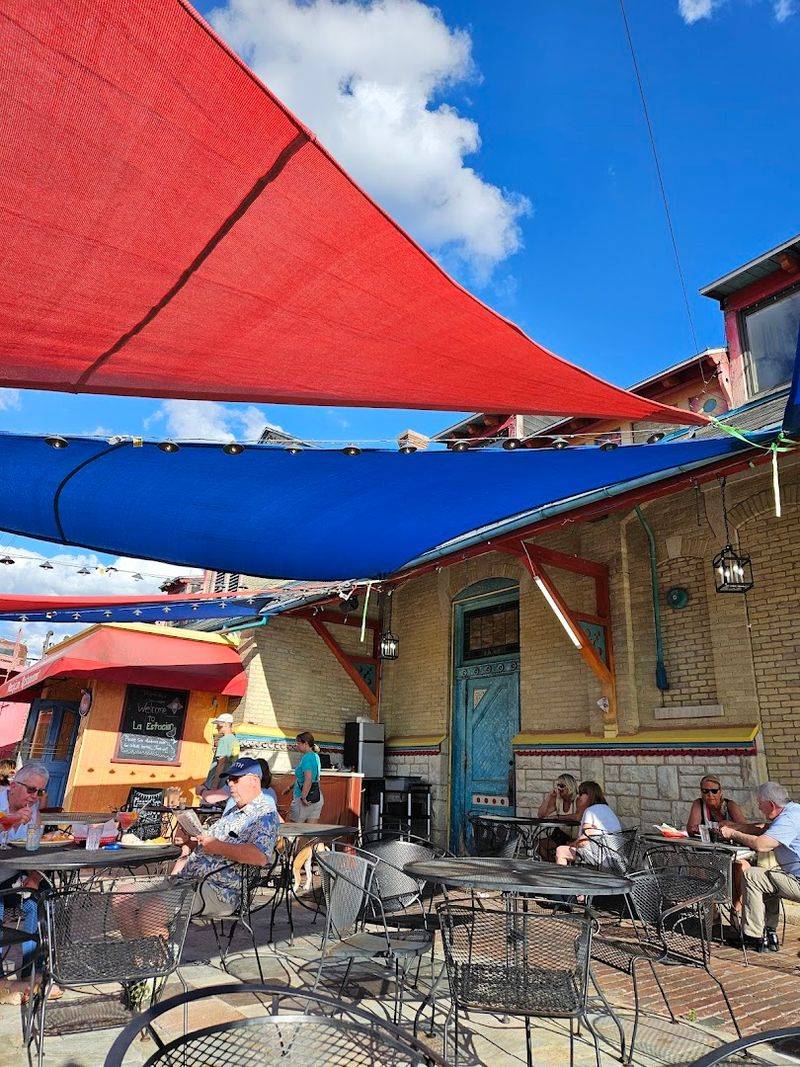
Warm weather transforms the property’s outdoor spaces into prime dining real estate. The patio stretches along the depot’s exterior, offering tables shaded by umbrellas and surrounded by plantings that soften the industrial railroad setting.
Birds sing, breezes blow, and the occasional train provides entertainment that indoor seating cannot match.
Summer evenings bring a particularly pleasant atmosphere as temperatures moderate and golden hour light bathes the historic building. The patio becomes a social hub where conversations flow easily and meals stretch longer than originally planned.
String lights add sparkle after dark, extending the usable hours into comfortable Wisconsin nights.
Families with energetic children appreciate the outdoor option, which allows kids to move around more freely than indoor dining permits. The proximity to active railroad tracks adds educational value, sparking questions about trains, history, and how things work.
For couples seeking romantic settings, the patio delivers charm without pretension, combining natural beauty with human-made history in ways that feel effortless and unforced.
It Blends Local History With Mexican Culture
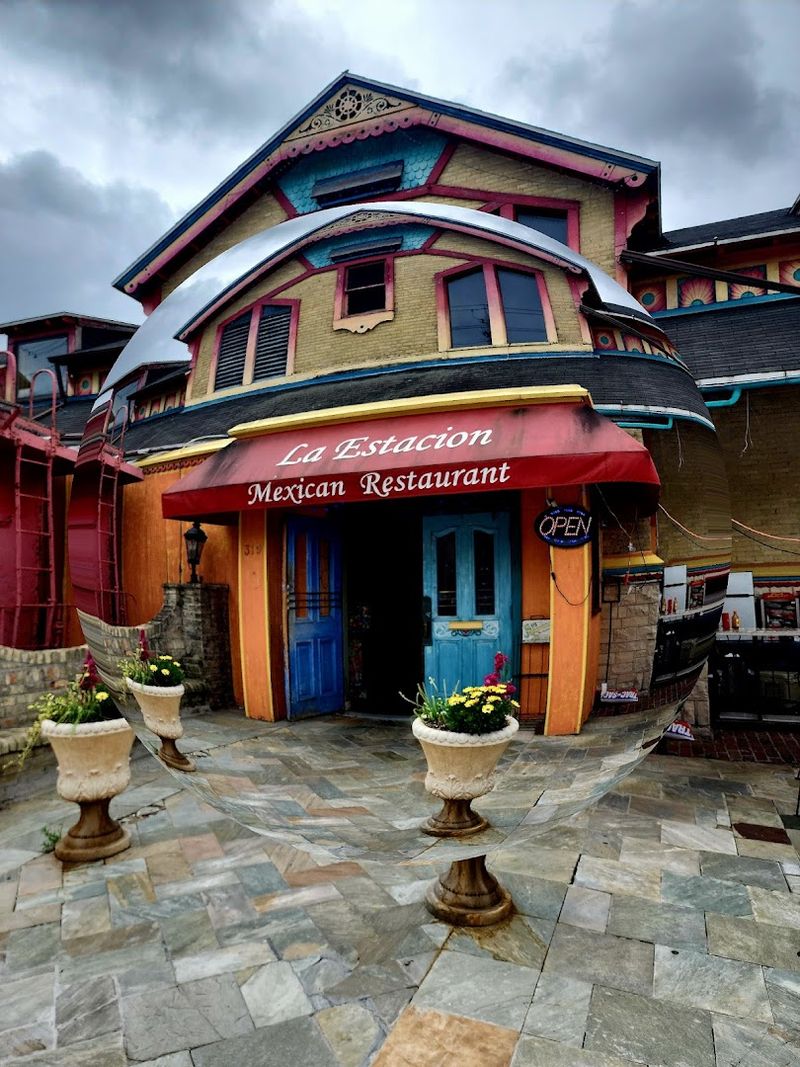
Cultural intersections create the most interesting spaces in modern America. La Estacion occupies that intersection proudly, respecting both the building’s Wisconsin railroad heritage and the Mexican culinary traditions it now houses.
Neither element diminishes the other; instead, they create something richer than either could achieve alone.
The staff reflects this blending, with team members who understand both the depot’s historical significance and the cultural importance of Mexican foodways. Their knowledge enhances the dining experience, answering questions about the building while explaining unfamiliar menu items.
This dual expertise creates bridges between communities and histories.
Waukesha itself benefits from this cultural landmark. The restaurant draws visitors who might not otherwise explore the city, boosting local commerce while preserving architectural heritage.
It demonstrates how adaptive reuse can honor the past while serving contemporary needs. The success of this combination proves that innovation and tradition need not conflict, but can instead support each other in creating spaces that feel both rooted and fresh, familiar and surprising.