
Wisconsin Invented A Mysterious Ice Cream Flavor That Nobody Outside The State Can Agree On
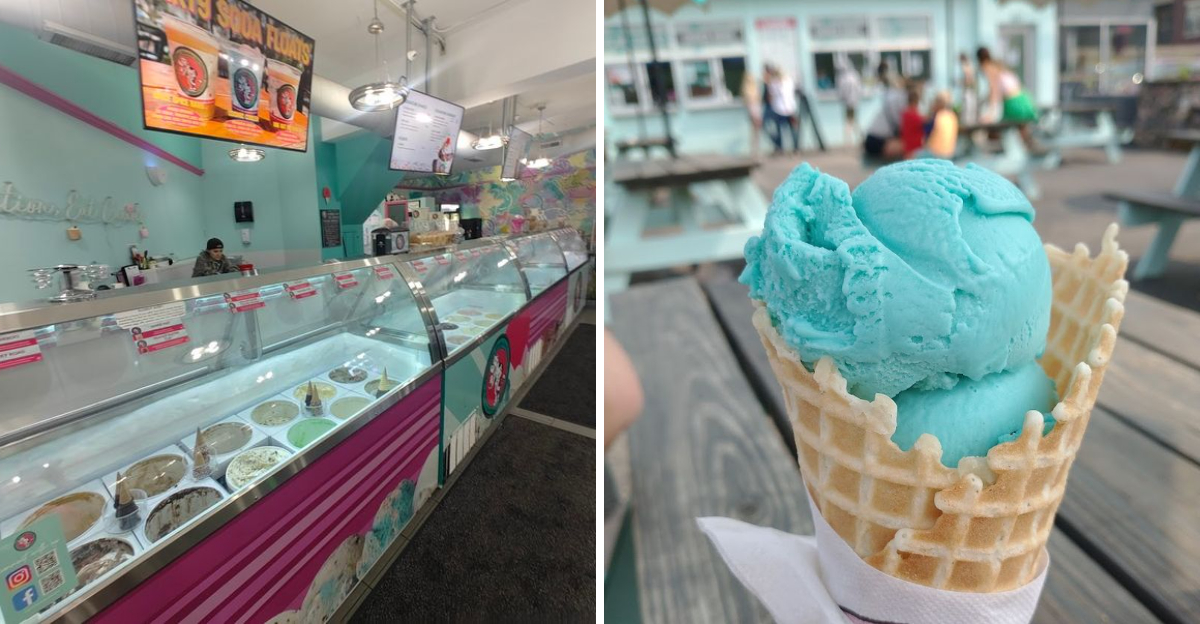
What tastes like fruit cereal, marshmallows, vanilla, and absolutely none of those things at once? Wisconsin has spent generations debating the answer while happily ordering another bright turquoise scoop.
Its color looks almost too bold for the freezer case, but the flavor creates the real confusion. Children choose it because it looks fun. Adults choose it because childhood memories are difficult to resist. Then everyone tries to explain what they just tasted.
Raspberry? Almond? Citrus? Cake frosting? Each guess seems convincing until the very next bite changes the argument completely. Nobody appears bothered by the lack of agreement.
That mystery is part of the pleasure. A cone disappears quickly, opinions multiply, and Wisconsin keeps its strangest frozen tradition deliciously unresolved.
Why Blue Moon Still Confuses First-Time Tasters
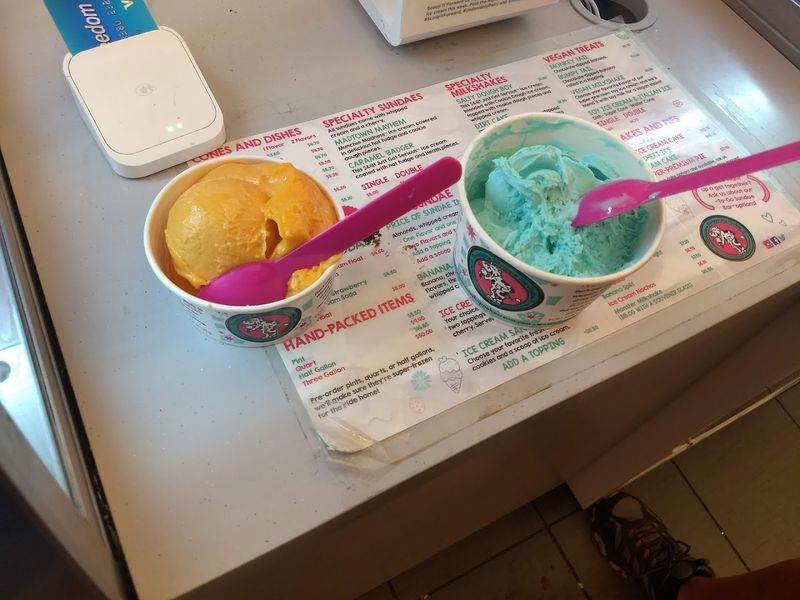
First encounters with Blue Moon typically follow a predictable pattern of confusion followed by either devotion or complete bewilderment. The flavor hits taste buds with an initial sweetness that seems straightforward before morphing into something altogether harder to pin down.
That transformation happens so quickly that many people take a second spoonful immediately, hoping repetition will clarify what their mouth just experienced.
The problem stems from Blue Moon’s refusal to align with any single familiar taste reference. Chocolate tastes like chocolate, strawberry announces itself clearly, but Blue Moon occupies some undefined territory that human vocabulary struggles to capture adequately.
First-timers often resort to comparisons rather than direct description, saying it reminds them of Froot Loops cereal or cotton candy without actually tasting like either.
Ice cream shops near 1313 East Brady Street in Milwaukee watch newcomers sample Blue Moon with predictable reactions ranging from delighted surprise to genuine perplexity. Some return the next day for a full scoop while others walk away shaking their heads, unable to reconcile the flavor with their expectations of what ice cream should deliver to willing taste buds.
Wisconsin’s Most Mysterious Ice Cream Flavor
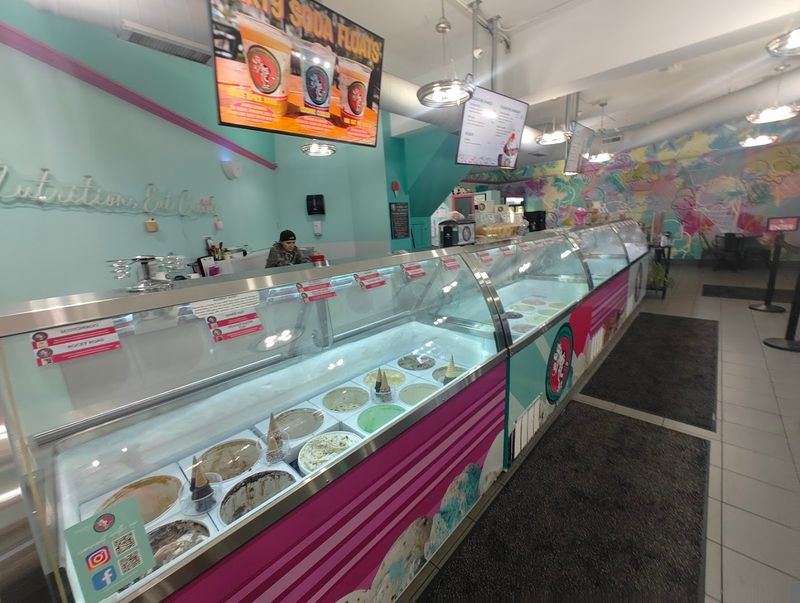
Blue Moon ice cream stands as one of the most peculiar contributions Wisconsin has made to American dessert culture. The flavor defies conventional categorization, existing somewhere between fruity and vanilla, yet belonging to neither camp entirely.
Its electric blue color catches eyes immediately, drawing curious customers who want to understand what could possibly taste like that shade suggests.
Most ice cream flavors announce themselves clearly through familiar ingredients or straightforward combinations. Blue Moon refuses such simplicity.
The taste registers differently on each palate, creating a phenomenon where siblings raised in the same household describe completely different flavor experiences. Some detect raspberry notes while others insist they taste almond extract or even bubblegum undertones.
Wisconsin ice cream parlors stock Blue Moon with the same regularity they offer chocolate and vanilla, treating this enigmatic flavor as essential rather than experimental. Shops throughout Madison, Milwaukee, and small towns across the state display it prominently at 2611 Monroe Street in Madison, confident that locals and adventurous visitors will request it by name despite having no clear idea what they’re about to taste.
How Blue Moon Became A Wisconsin Ice Cream Staple
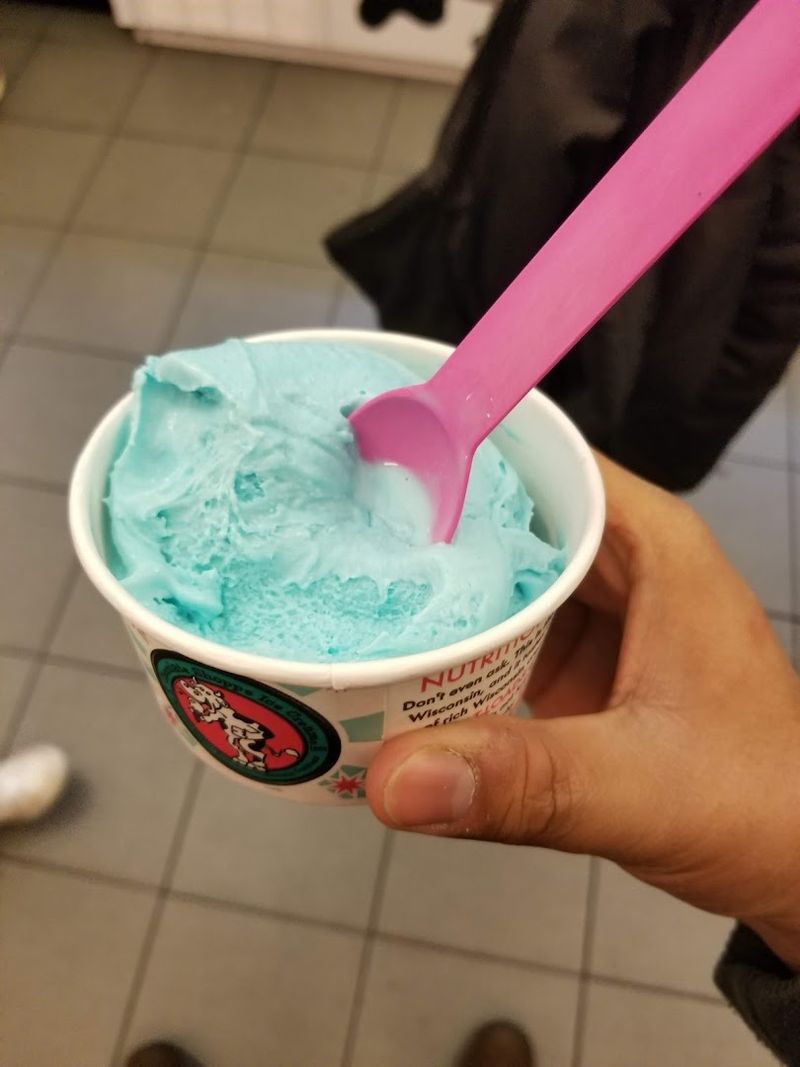
Blue Moon’s journey from novelty to necessity happened gradually across Wisconsin’s ice cream landscape throughout the mid-twentieth century. Small dairies and ice cream manufacturers began producing the flavor in the 1950s, though its exact origin point remains contested among regional producers who each claim some version of invention rights.
The bright color helped it stand out in freezer cases during an era when most ice cream came in predictable brown, white, or pink shades.
Children gravitated toward Blue Moon immediately, drawn by the unusual color and the sweet flavor that didn’t challenge young palates with complex or bitter notes. Parents appreciated that their kids would finish every bite without complaint, making Blue Moon a reliable choice for family outings to local ice cream shops.
That childhood association created lifelong loyalty among Wisconsinites who continued ordering Blue Moon well into adulthood.
The flavor gained institutional status as Wisconsin ice cream parlors realized they couldn’t afford to discontinue it without facing customer complaints. Shops throughout Green Bay, including those near 2295 South Oneida Street, found that Blue Moon outsold more conventional flavors during summer months, cementing its position as a permanent menu fixture rather than seasonal experiment.
The Milwaukee Connection Behind The Flavor
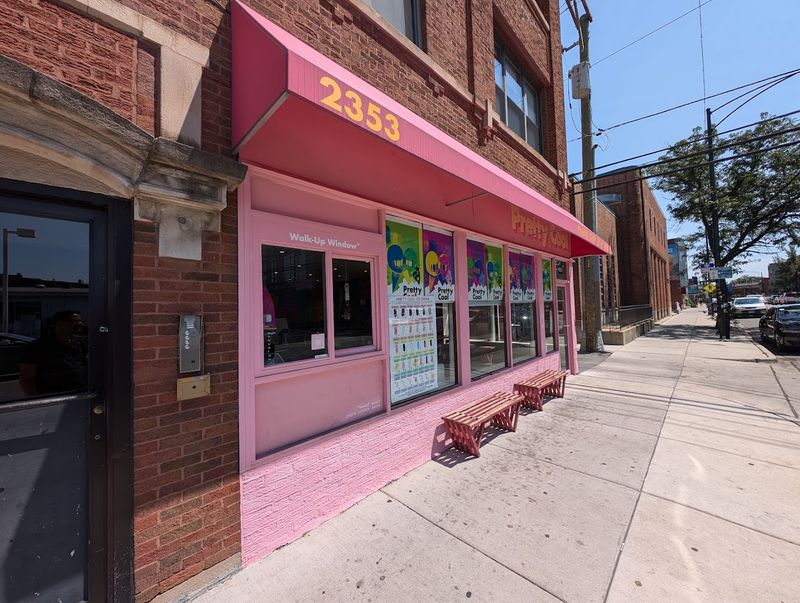
Milwaukee claims a particularly strong connection to Blue Moon’s development, with several local ice cream producers asserting their role in creating or popularizing the flavor. Petran Products, a Milwaukee-based company, has long been associated with Blue Moon production, supplying the mysterious turquoise treat to ice cream parlors throughout the region.
The company’s involvement helped standardize the flavor across southeastern Wisconsin, though exact recipes remained closely guarded secrets.
Other Milwaukee dairies developed their own Blue Moon variations during the same era, leading to subtle differences in flavor profile depending on which manufacturer supplied a particular ice cream shop. These variations only deepened the mystery surrounding what Blue Moon actually tasted like, since customers visiting different parlors encountered slightly different versions of supposedly the same flavor.
The inconsistency became part of the charm rather than a quality control problem.
Historic ice cream shops throughout Milwaukee’s East Side neighborhood, particularly those near North Avenue, became testing grounds where Blue Moon either succeeded or failed based on customer response. The overwhelmingly positive reception convinced manufacturers to expand production, eventually spreading the flavor throughout Wisconsin and into neighboring states where it gained cult followings among those lucky enough to discover it.
Why The Recipe Has Stayed So Secretive
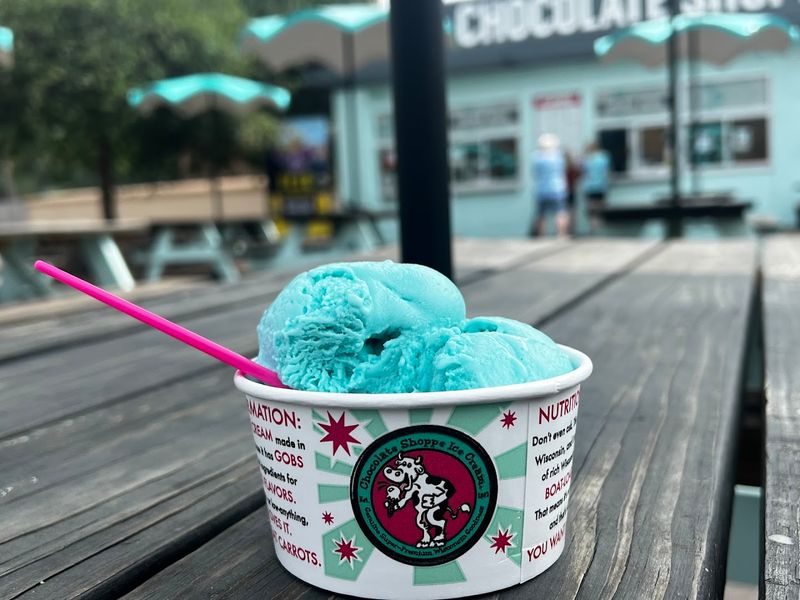
Blue Moon manufacturers have maintained remarkable secrecy around their recipes for over half a century, refusing to disclose the precise combination of ingredients that creates the distinctive flavor. This tight-lipped approach stems partly from competitive business practices and partly from the recognition that mystery enhances Blue Moon’s appeal.
Revealing the exact formula would eliminate the guessing game that keeps people talking about and seeking out the flavor.
Some ice cream makers hint that Blue Moon contains raspberry flavoring as a base component, while others suggest vanilla, almond extract, or even citrus oils play crucial roles. The truth likely involves a proprietary blend that varies slightly between manufacturers, explaining why Blue Moon tastes subtly different depending on where you purchase it.
Each producer protects their specific version while acknowledging the general category they all contribute to.
The secrecy has spawned countless home recipes from ambitious cooks attempting to recreate Blue Moon in their own kitchens. These experiments rarely satisfy longtime fans who insist that authentic Blue Moon requires industrial production methods or secret ingredients unavailable to home cooks.
Shops throughout Wisconsin, including those along University Avenue in Madison, benefit from this manufacturing mystique that keeps customers returning rather than attempting homemade substitutes.
The Many Theories About What Blue Moon Tastes Like
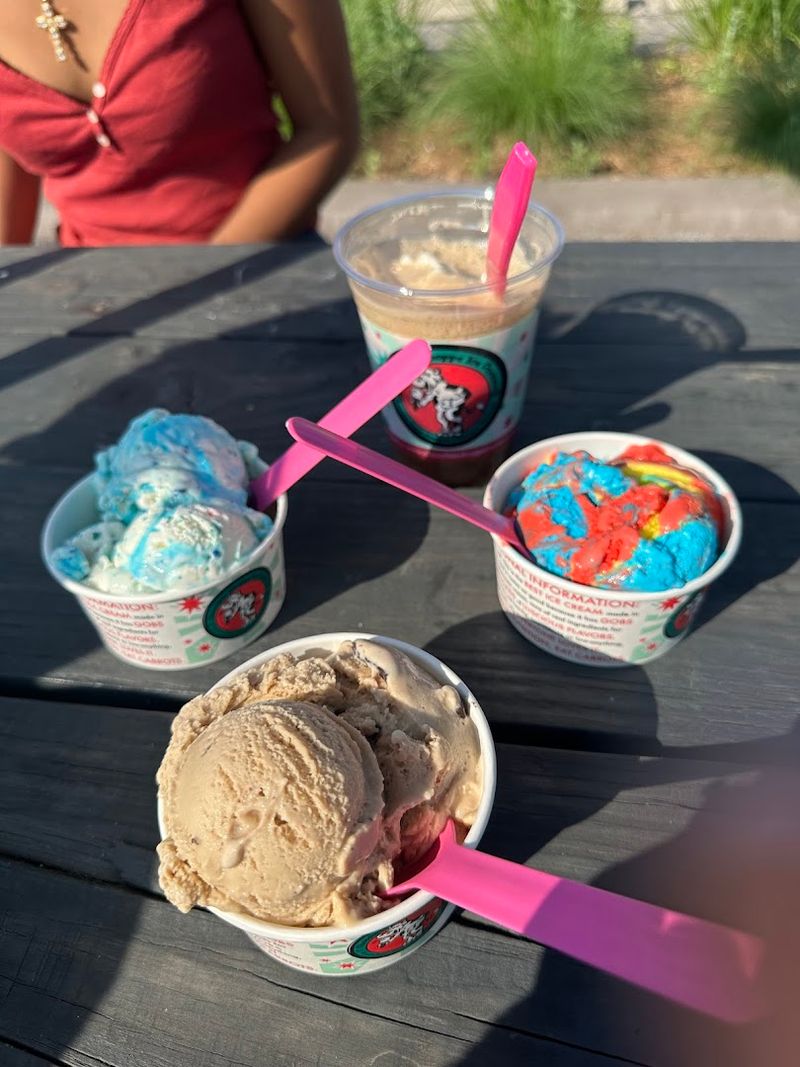
Theories about Blue Moon’s actual flavor composition range from scientific to completely fanciful, with passionate advocates defending each interpretation. The Froot Loops theory enjoys particularly strong support among millennials who grew up eating the colorful cereal and detect similar fruity notes in Blue Moon.
This comparison makes intuitive sense given that both products target similar sweet flavor profiles without committing to any specific fruit.
Another popular theory suggests Blue Moon tastes primarily of marshmallow with subtle vanilla undertones, pointing to the creamy sweetness that lacks the sharpness of fruit-forward flavors. Supporters of this interpretation often mention Lucky Charms marshmallows as a reference point, though Blue Moon carries more complexity than simple marshmallow flavoring would provide.
The vanilla theory gains traction from those who taste a familiar base beneath the mystery elements.
Some adventurous tasters propose that Blue Moon contains almond extract, citrus oils, or even lavender, pointing to subtle floral or nutty notes they detect in certain batches. Ice cream enthusiasts gather at shops throughout Wisconsin, including popular spots near State Street in Madison, specifically to debate these theories while sampling fresh scoops, hoping repetition will finally reveal definitive answers that continue eluding even the most dedicated flavor detectives.
How Blue Moon Became A Favorite At Wisconsin Ice Cream Shops
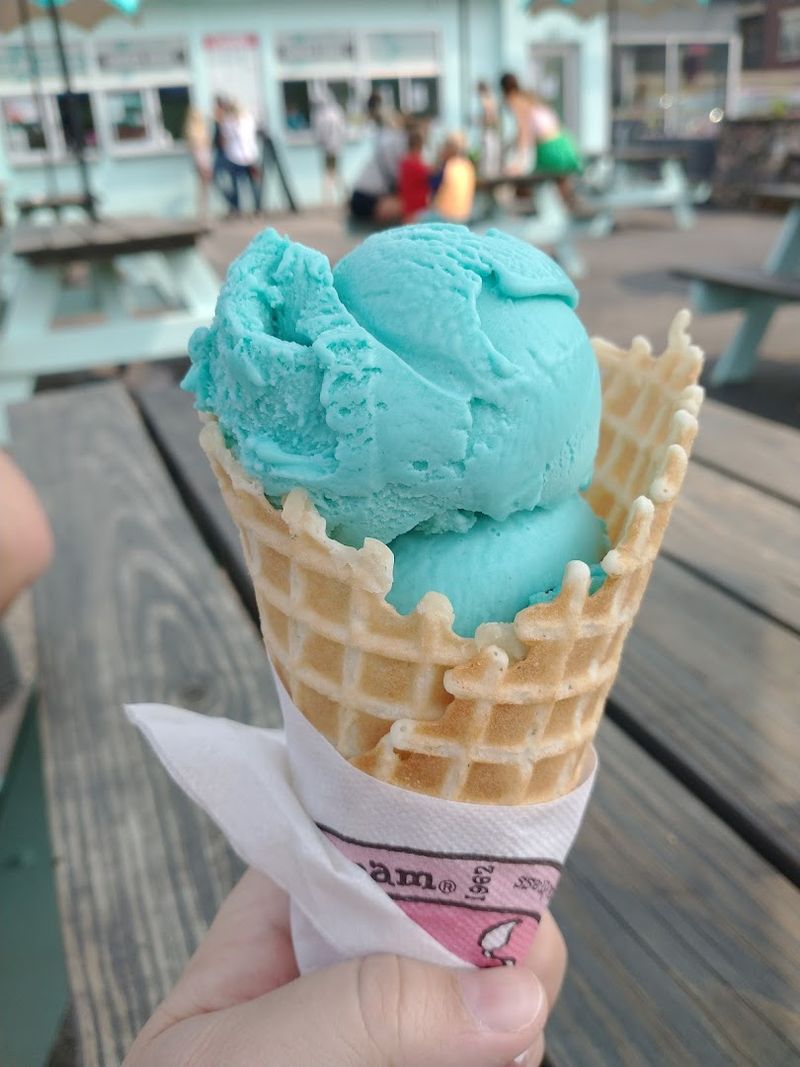
Blue Moon earned its place as a Wisconsin ice cream shop staple through sheer customer demand rather than aggressive marketing campaigns. Shop owners noticed that children requested the bright blue flavor consistently, drawn by the unusual color that stood out dramatically against conventional chocolate and vanilla options.
Parents who grew up eating Blue Moon introduced their own children to the flavor, creating generational continuity that ensured steady sales year after year.
The flavor’s popularity created a self-reinforcing cycle where ice cream shops felt obligated to stock Blue Moon or risk losing customers to competitors who carried it. Small-town parlors and big-city shops alike discovered that Blue Moon attracted curious tourists alongside loyal locals, making it a profitable addition to their freezer cases.
The bright color photographed beautifully, creating social media appeal long before Instagram existed to showcase such visual treats.
Modern Wisconsin ice cream shops treat Blue Moon with the same respect they afford classic flavors, positioning it prominently in display cases and training staff to describe it confidently despite its indescribable nature. Popular establishments throughout the state, including those near Capitol Square in Madison at 1 South Pinckney Street, report that Blue Moon consistently ranks among their top five sellers during peak summer months when ice cream consumption reaches its annual peak.
Why The Color Is Almost As Famous As The Flavor
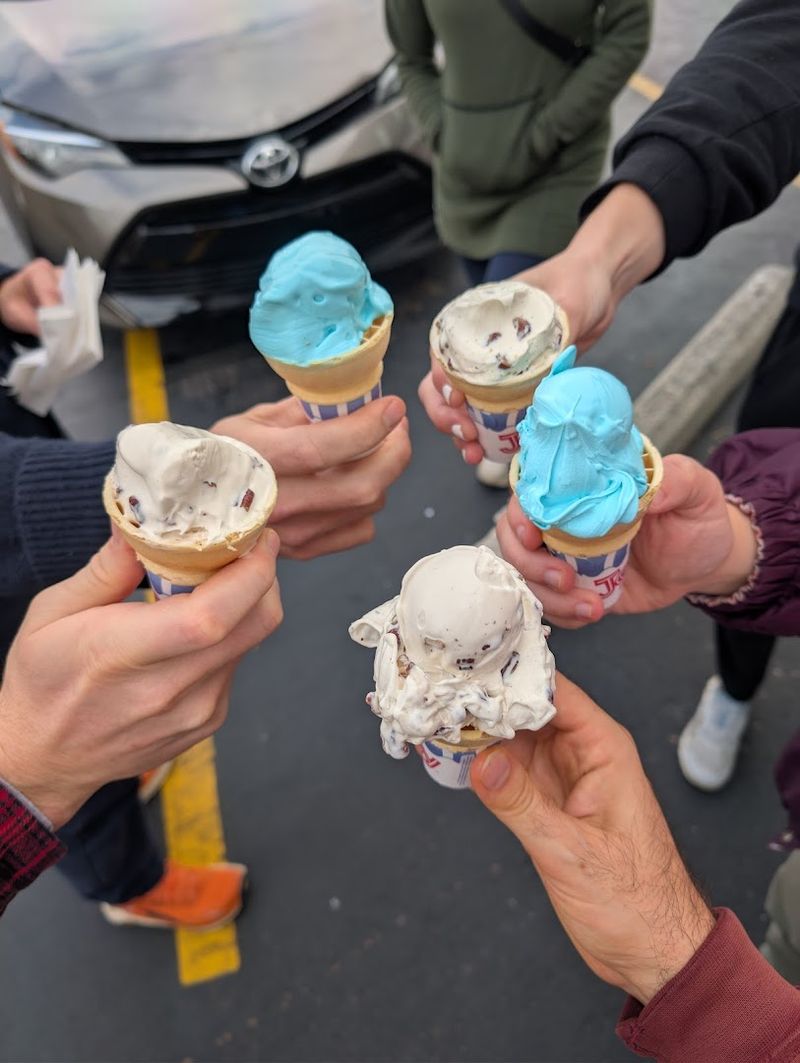
Blue Moon’s electric turquoise color commands attention in ways that flavor alone never could, making it instantly recognizable even to people who have never tasted it. The shade sits somewhere between sky blue and aquamarine, achieving an intensity that natural food colors rarely produce.
That artificial brightness signals fun and whimsy rather than sophisticated culinary craftsmanship, which perfectly suits ice cream’s role as a treat rather than serious dining experience.
The color sparked concerns among health-conscious parents during various decades when artificial food dyes faced scrutiny, yet Blue Moon survived these controversies largely intact. Manufacturers adjusted their formulations when necessary to meet changing regulations while maintaining the distinctive hue that defined the product.
Removing or significantly altering the color would effectively destroy Blue Moon’s identity, making the shade as essential as the flavor itself.
Social media has amplified Blue Moon’s visual appeal, with the bright blue scoops creating eye-catching content that spreads Wisconsin’s ice cream culture far beyond state borders. Photographs of Blue Moon cones generate curiosity and questions from viewers unfamiliar with the regional specialty, effectively providing free advertising for Wisconsin ice cream shops.
The color guarantees that Blue Moon will never blend into the background, maintaining its status as conversation starter wherever it appears in freezer displays.
Why Blue Moon Is Harder To Find Outside The Region
Blue Moon remains largely confined to Wisconsin and small pockets of neighboring states, creating a regional specialty that rarely appears in national ice cream chains or supermarket freezers. The limited distribution stems partly from manufacturing concentration in the upper Midwest and partly from lack of awareness in markets where the flavor never gained initial footholds.
Ice cream companies focus their production and distribution on flavors with proven demand, making it difficult for regional specialties to break into new territories.
Wisconsinites who relocate to other states often complain about Blue Moon’s absence, sometimes requesting that family members ship containers packed in dry ice or timing visits home around opportunities to enjoy their favorite flavor. This diaspora creates scattered demand in cities far from Wisconsin, but not enough concentrated interest to justify large-scale production and distribution in those markets.
Regional pride keeps Blue Moon anchored to its home state.
Some ice cream shops in neighboring Illinois and Michigan carry Blue Moon, particularly in areas near the Wisconsin border where customer bases overlap. These outposts serve as ambassadors for the flavor, introducing it to people who might never visit Wisconsin but appreciate discovering regional specialties.
The scarcity outside Wisconsin actually enhances Blue Moon’s mystique, transforming it into a destination flavor worth seeking out during travels through America’s Dairyland.