
10 Wisconsin Small Towns That Look Frozen In Time
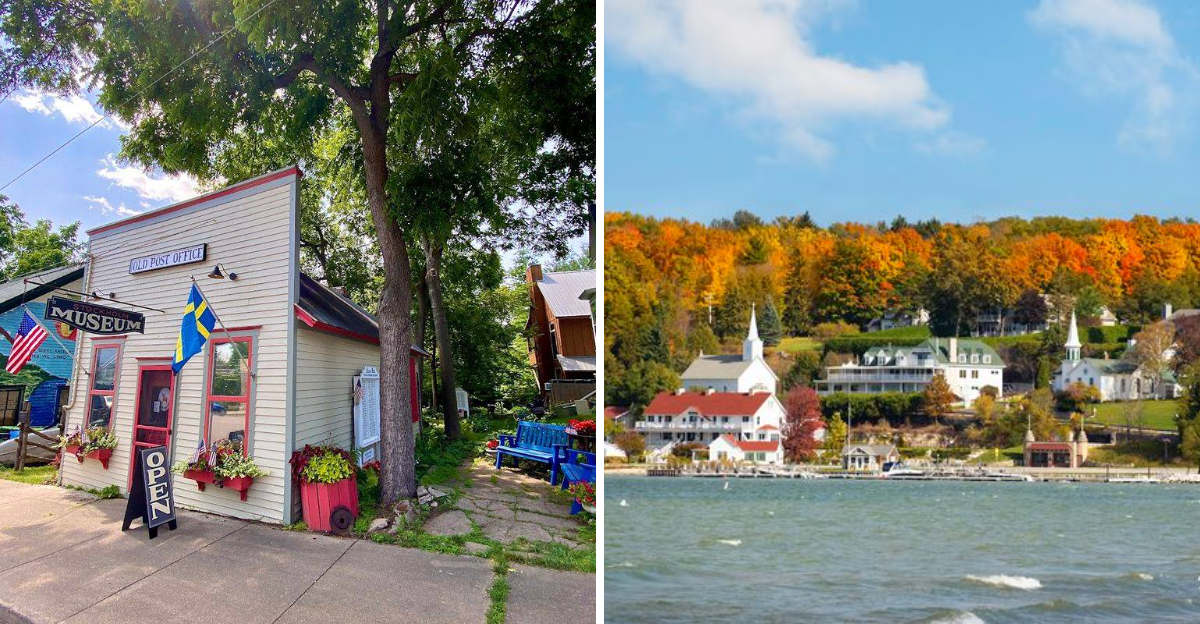
A slow drive through Wisconsin can quickly turn into a trip through another era. Brick storefronts, old signs, quiet sidewalks, and historic buildings give the day a softer pace.
You might pass a bakery that feels decades old, a courthouse square that still anchors local life, or a riverfront street with stories built into every corner. Nothing feels staged.
That is the charm. These towns hold onto their past in a way that feels natural, not frozen behind glass.
Swiss-style details, mining history, steamboat-era streets, and classic Main Streets all add something different. For anyone who loves pretty photos, gentle walks, and places with real character, these Wisconsin towns make history feel close enough to touch.
1. Mineral Point
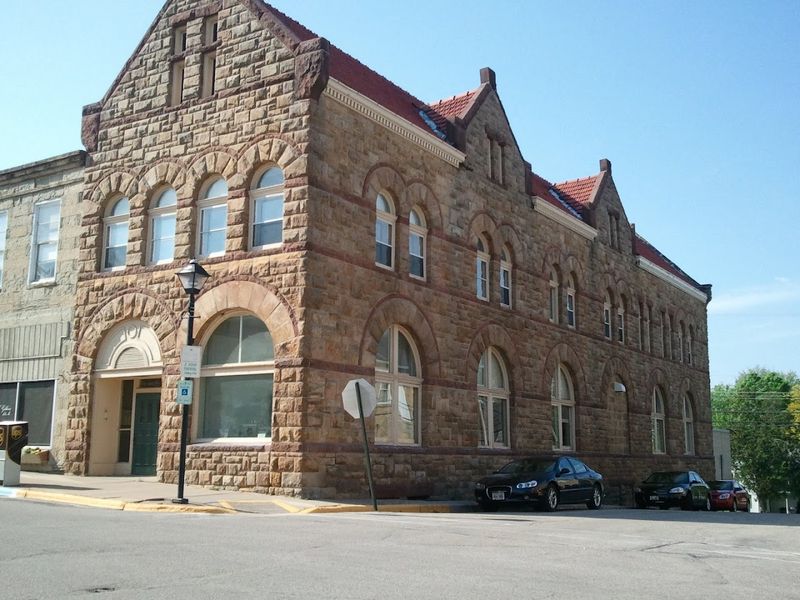
Walking down High Street in Mineral Point feels like you’ve stumbled onto a movie set from the 1800s. The limestone buildings that Cornish miners built still stand strong, their thick walls and sturdy construction a testament to craftsmanship that modern builders can only admire.
You’ll find art galleries tucked into former general stores and restaurants serving pasties in buildings that once housed mining families.
The town boomed when lead mining brought fortune seekers from Cornwall, England, in the 1830s. They carved homes right into the hillsides, creating unique “shake rag” districts where wives would wave dish towels to call their husbands home for lunch.
Many of these stone cottages survive today, lovingly restored and open for tours.
Pendarvis Historic Site preserves six of these original Cornish stone houses, complete with period furnishings and gardens. The entire downtown district earned National Historic Landmark status, protecting its authentic character from modern development.
Antique shops overflow with genuine treasures, not reproductions, and local artisans keep traditional crafts alive in their studios throughout town.
2. Cedarburg
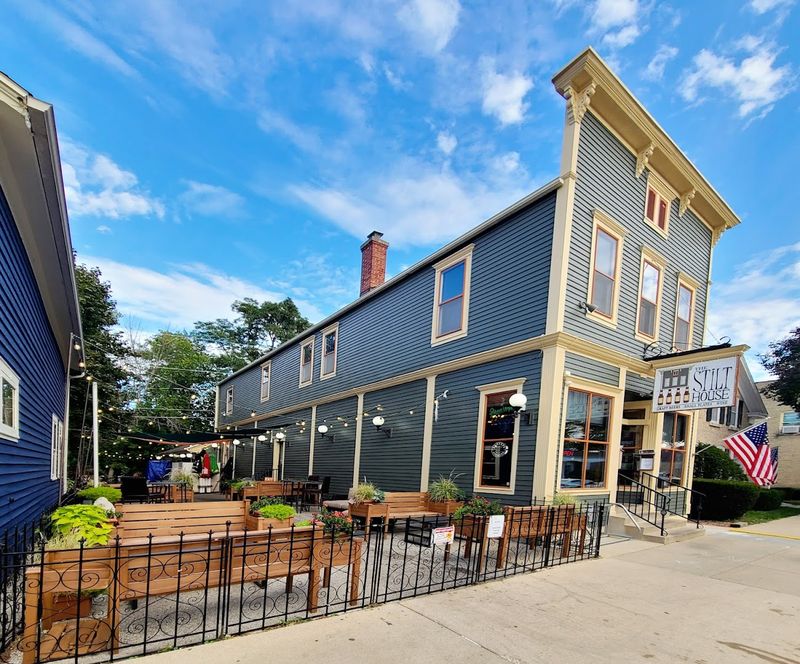
Cedarburg’s downtown district transports you straight to the 1800s with over 100 buildings on the National Register of Historic Places. The five-story woolen mill dominates the landscape, its cream-colored brick walls rising above Cedar Creek just like they did when water power turned the massive machinery inside.
Today it houses shops and galleries, but the industrial bones remain completely intact.
This town takes preservation seriously, refusing to let chain stores or modern facades compromise its authentic character. Every storefront maintains its original architectural details, from decorative cornices to large display windows designed to show off merchandise to horse-drawn carriage passengers.
The covered bridge spanning Cedar Creek still carries foot traffic, its weathered timbers groaning pleasantly underfoot.
Summer brings art fairs that fill the historic streets with craftspeople, while winter transforms the town into a Victorian Christmas card come to life. The Washington House Inn operates in an 1846 building where travelers once stopped during their journeys between Milwaukee and Green Bay.
Local businesses occupy structures built by German settlers whose attention to quality construction ensured these buildings would outlast generations.
3. New Glarus
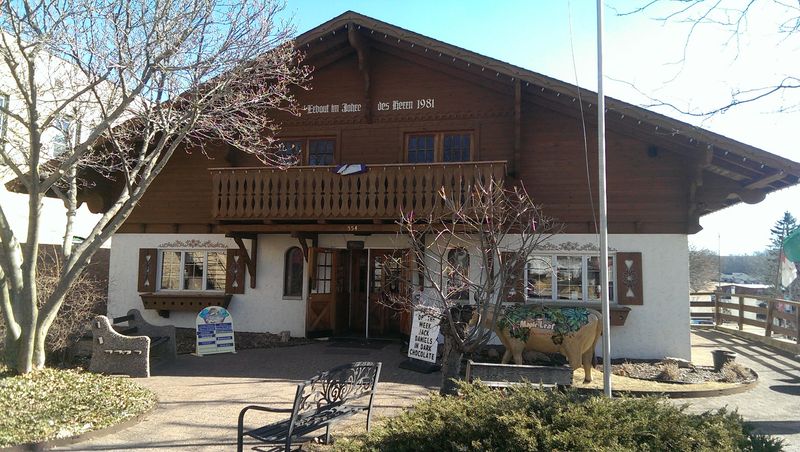
Swiss settlers founded New Glarus in 1845, and their descendants have kept Alpine traditions so alive that you might forget you’re in Wisconsin. Every building downtown features chalet-style architecture with decorative woodwork, flower boxes overflowing with geraniums, and painted murals depicting scenes from Swiss folklore.
The aesthetic isn’t a recent tourist gimmick but a continuous cultural thread stretching back nearly 180 years.
You can watch traditional Swiss cheese being made at local factories using methods brought over from the old country. The Swiss Historical Village preserves original log cabins, a one-room schoolhouse, and a church where services were conducted in Swiss German well into the 20th century.
Costumed interpreters demonstrate blacksmithing, weaving, and other pioneer crafts exactly as the original settlers practiced them.
During Heidi Festival, locals dress in authentic dirndls and lederhosen, performing traditional folk dances and yodeling competitions. The town hall features a glockenspiel that chimes throughout the day, its mechanical figures reenacting Swiss legends.
Even the street signs use Gothic script, and many shops still sell imported Swiss goods alongside locally made products crafted using old-world techniques.
4. Stockholm
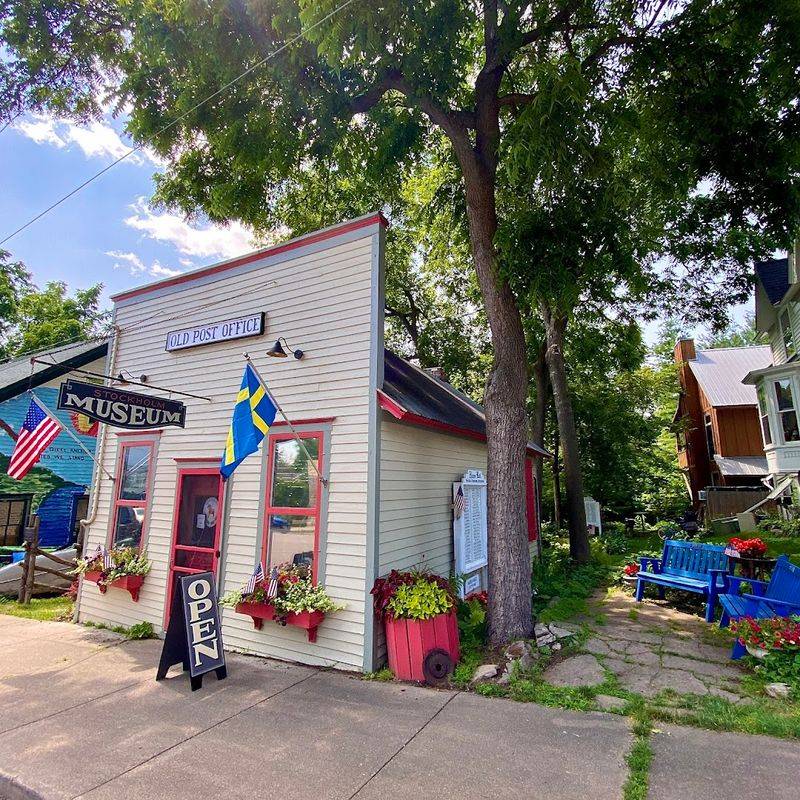
Stockholm stretches along Lake Pepin with a population that hovers around 60 people, making it one of Wisconsin’s tiniest incorporated villages. The entire downtown consists of a single block of 1800s buildings facing the water, their false fronts and wooden awnings unchanged since steamboats regularly docked here.
Time moves differently in this riverside hamlet where artists outnumber other residents and gallery openings qualify as major social events.
Swedish immigrants established the town in 1851, drawn by the wide Mississippi River valley that reminded them of home. The original mercantile building now houses an antique shop crammed with genuine period pieces, not reproduction junk.
Next door, the Stockholm Institute hosts art exhibitions in a former schoolhouse where children learned their lessons by kerosene lamp.
No traffic lights interrupt your stroll down Main Street because none are needed. The historic Stockholm Hotel offers rooms decorated with furniture from the Victorian era, creaky floors and all.
Local pie shops serve slices made from scratch in kitchens that haven’t been remodeled since your grandmother was young.
Standing on the riverbank at sunset, watching the water turn golden, feels exactly like it must have felt 150 years ago.
5. Bayfield
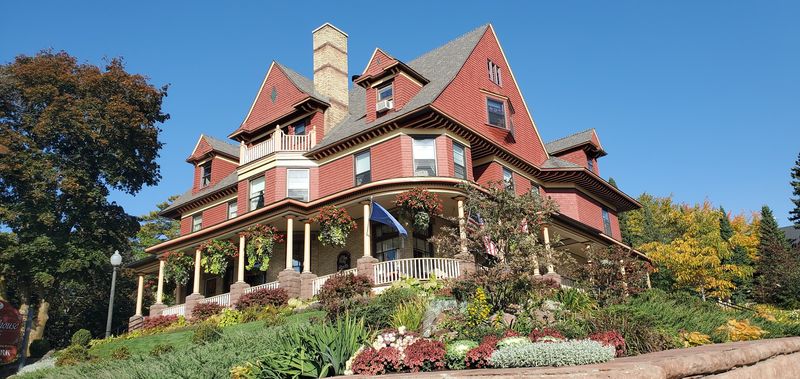
Perched on Lake Superior’s south shore, Bayfield showcases Victorian architecture that wealthy lumber barons and ore shipping magnates built during the town’s 1880s heyday. Grand homes with turrets, wraparound porches, and ornate gingerbread trim line the hillside streets, many converted into bed and breakfasts where you can sleep in rooms that once hosted Gilded Age society.
The downtown commercial district retains its original brick buildings, their tall windows and decorative stonework speaking to an era when even utilitarian structures received artistic attention.
Bayfield served as a crucial port when logging dominated northern Wisconsin’s economy. The harbor bustled with schooners loading timber bound for distant markets, and the town grew wealthy provisioning both lumber camps and shipping operations.
When those industries declined, Bayfield simply stopped growing, inadvertently preserving its 19th-century character through benign neglect.
Today, fishing boats and sailboats occupy the harbor where commercial vessels once crowded. The Bayfield Maritime Museum documents this nautical heritage in a building constructed during the boom years.
Apple orchards planted by early settlers still produce fruit sold at roadside stands, and the annual Apple Festival celebrates harvest traditions dating back generations.
6. Ephraim
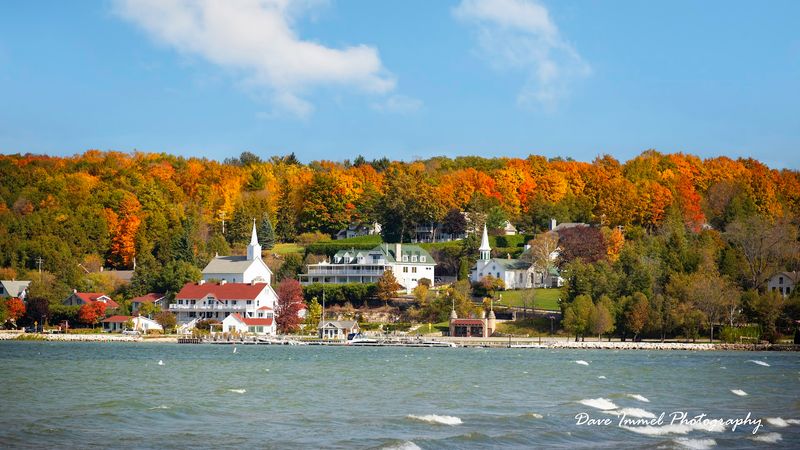
Norwegian Moravians founded Ephraim in 1853, establishing a religious community where simple living and faith took precedence over material concerns. This spiritual foundation shaped the village’s development, resulting in pristine white buildings with green shutters clustered around Eagle Harbor.
The architectural uniformity wasn’t accidental but reflected the settlers’ belief in communal harmony and modest living.
The Anderson Barn and Store Museum preserves the original 1858 general store exactly as customers found it, with goods stacked on wooden shelves and account books recording transactions in careful script. Next door, the Pioneer Schoolhouse still contains original desks carved with generations of student initials.
These aren’t reconstructions but actual buildings that have served the community continuously since before the Civil War.
Ephraim maintains strict building codes that require new construction to match the historic aesthetic, ensuring no jarring modern intrusions disrupt the 19th-century atmosphere. The village beach looks identical to old photographs, with the same rocky shoreline and clear water that attracted those first Norwegian settlers.
Local ordinances even ban alcohol sales, continuing a temperance tradition the founders established 170 years ago.
7. Mount Horeb
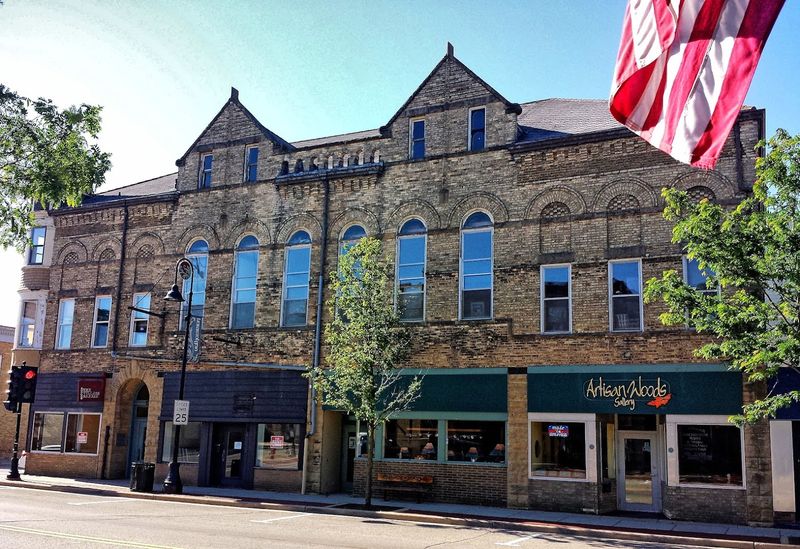
Mount Horeb celebrates its Norwegian heritage with dozens of hand-carved wooden trolls positioned throughout downtown, but beneath this whimsical overlay stands an authentic 19th-century commercial district. The brick buildings lining Main Street date from the 1890s when this agricultural hub served surrounding farms with everything from hardware to harnesses.
Original tin ceilings, wooden floors, and storefront windows remain intact inside shops now selling antiques and Norwegian imports.
The town earned the nickname “Troll Capital of the World” not as a tourist gimmick but as a genuine expression of Scandinavian folklore passed down through immigrant families. Each troll sculpture tells a traditional story, connecting modern visitors to ancient Nordic mythology.
The Little Norway heritage site nearby preserves an actual Norwegian homestead and stave church brought from Norway and reassembled here.
Walking the downtown trollway, you’ll notice buildings retain their original architectural details because local preservation efforts began early. The old Dahl Brothers Hardware building still displays vintage tools and equipment, its wooden floors worn smooth by generations of farmers’ boots.
Several restaurants occupy structures that once housed boarding houses where traveling salesmen stayed overnight, their upstairs rooms now converted to dining spaces filled with antique furniture.
8. Prairie Du Chien
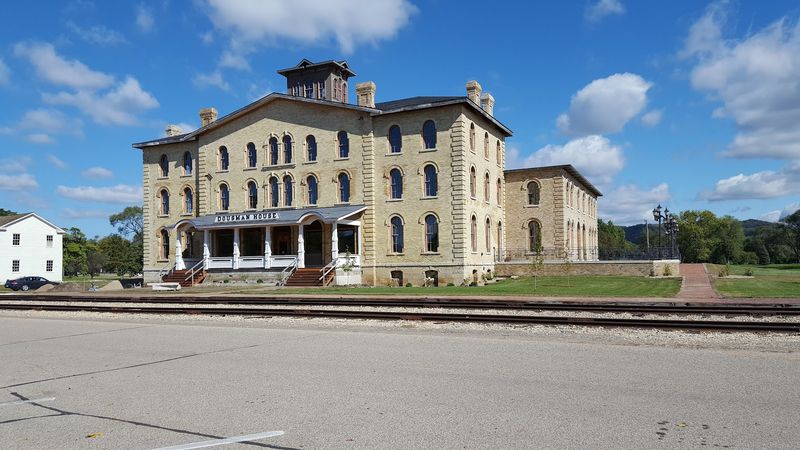
As Wisconsin’s second-oldest city, Prairie du Chien witnessed French fur traders, British soldiers, and American settlers all leave their architectural marks. The Villa Louis mansion rises above the Mississippi River, its Italianate towers and ornate interiors frozen in 1870s opulence.
This wasn’t a reproduction but the actual home of the Dousman family, Wisconsin’s first millionaires, preserved with original furnishings including the family’s personal belongings still arranged on tables and desks.
Fort Crawford Museum occupies a reconstructed military hospital from the 1830s when this frontier outpost protected settlers from conflicts during westward expansion. The original fort’s parade grounds remain visible, and interpretive markers show where barracks and officers’ quarters once stood.
Downtown’s brick commercial buildings date from the post-Civil War boom when river trade made Prairie du Chien a regional commercial center.
St. Feriole Island preserves the town’s French heritage with buildings constructed using vertical log construction methods brought from Quebec. The railroad depot stands ready for trains that still rumble past daily, its Victorian waiting room looking exactly as it did when steam locomotives dominated transportation.
Walking these streets means following paths first worn by voyageurs paddling canoes laden with beaver pelts.
9. Baraboo
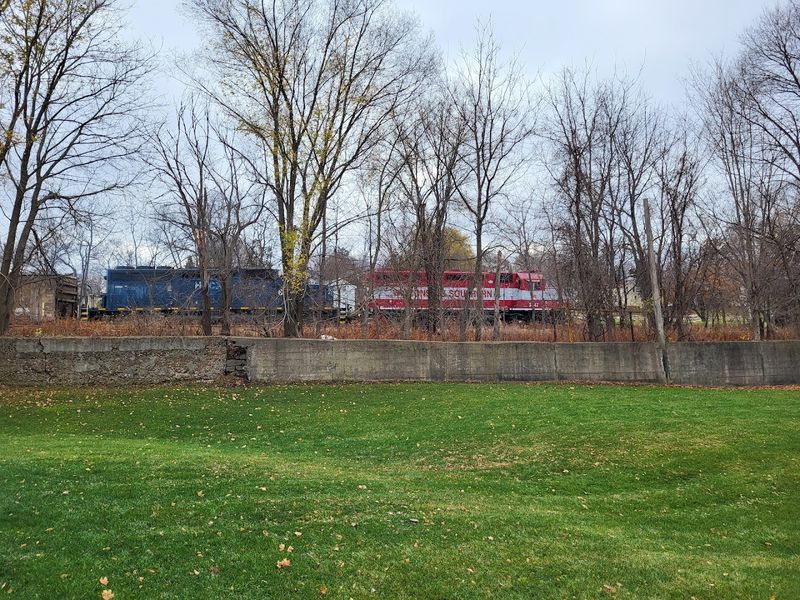
Baraboo’s claim to fame as the original winter headquarters of Ringling Brothers Circus gives it unique historical character. The Al Ringling Theatre, built in 1915 by one of the circus-founding brothers, dominates downtown with its ornate facade and lavish interior complete with original murals, gilt plasterwork, and a mighty Barton organ.
This wasn’t just another small-town movie house but a palace built with circus fortune money and designed to rival big-city venues.
The Circus World Museum occupies the actual grounds where the Ringling Brothers assembled their shows before railroad cars carried them across America. Original circus wagons, hand-carved and gilded, sit in barns built to house them over a century ago.
The buildings themselves qualify as historic structures, their heavy timber construction designed to withstand the weight of elephants and equipment.
Beyond circus history, Baraboo’s downtown square showcases Victorian commercial architecture surrounding the Sauk County Courthouse. These buildings served a thriving 19th-century community that combined farming, manufacturing, and entertainment industry in unique ways.
The old railroad depot reminds visitors that Baraboo once connected to the wider world through steam-powered transportation, its tracks still carrying freight through town.
10. Potosi
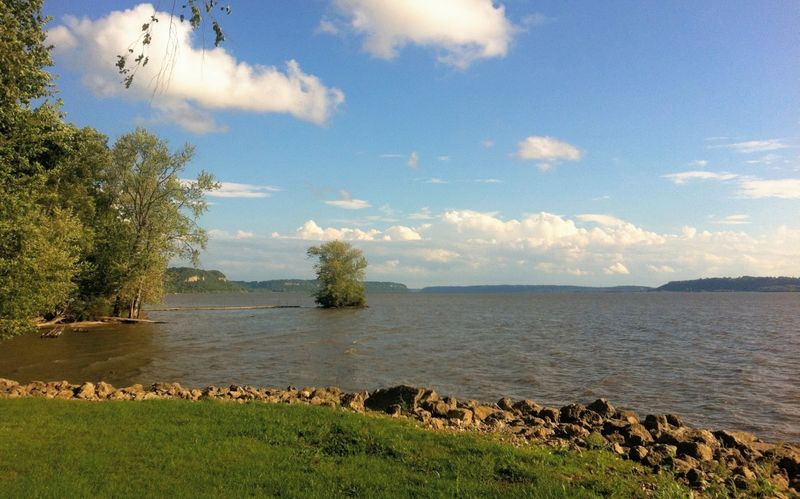
Potosi clings to limestone bluffs above the Mississippi River, its Victorian brewery building dominating the tiny downtown. The Potosi Brewing Company operated from 1852 until Prohibition killed it, then sat empty for decades before restoration brought it back to life.
The massive stone structure with its cave-like cellars represents 19th-century brewing technology perfectly preserved through abandonment, its thick walls maintaining the cool temperatures necessary for lagering beer long before refrigeration existed.
Main Street consists of perhaps two dozen buildings, most dating from the lead mining boom that put Potosi on the map. The National Brewery Museum inside the restored brewery documents American brewing history using artifacts and equipment that survived because nobody bothered removing them.
Original wooden fermentation tanks, copper kettles, and bottle-filling machinery stand exactly where brewmasters positioned them over 150 years ago.
The surrounding hills hide old mine shafts from the 1830s lead rush that created this community. St. Thomas Aquinas Church rises above town with Gothic Revival architecture unchanged since 1858.
Standing in Potosi feels like visiting a place that progress forgot, where buildings survive because they’re too sturdy to fall down and too remote to warrant replacement.