
10 Wisconsin Towns Where Groceries, Gas, And Dining Out Still Feel Surprisingly Affordable
Finding places where your paycheck actually stretches feels like winning the lottery these days. Across Wisconsin, some towns have managed to keep everyday costs reasonable while other places watch prices climb higher and higher.
Filling the gas tank, picking up groceries, or sitting down for a casual dinner with friends doesn’t have to feel like a splurge here. These communities show that life in the Badger State can still be comfortable and enjoyable without putting constant pressure on your wallet.
1. Antigo

Your wallet will thank you in this north-central Wisconsin gem. Gas stations here consistently price fuel below state averages, and grocery stores compete to offer the best deals on everything from produce to pantry staples.
Local diners serve up hearty breakfasts for less than ten bucks, making weekend brunches a regular treat instead of a budget-buster.
Shopping at the local supermarkets feels refreshingly different from big-city experiences. You can actually fill a cart with a week’s worth of meals without watching the total climb into scary territory.
The town’s butcher shops offer quality meat cuts at prices that seem frozen in time, and farmers markets during summer months bring fresh vegetables straight from nearby farms at unbeatable rates.
Dining out remains an affordable pleasure rather than a special occasion splurge. Family-owned restaurants dish out generous portions of comfort food, pizza joints offer large pies that feed the whole crew without breaking twenty dollars, and the local coffee shops charge reasonable prices for your morning caffeine fix.
Living costs stay manageable because the community values keeping things accessible for everyone, from young families starting out to retirees stretching fixed incomes.
2. Wisconsin Rapids

Cranberry country brings more than just tart berries to the table. Grocery bills here run noticeably lower than in Madison or Milwaukee, with major chain stores and local markets battling for your business through competitive pricing.
Produce sections overflow with fresh options that won’t drain your bank account, and weekly sales actually make a difference when you’re feeding a household.
Fuel costs stay surprisingly kind to commuters and road-trippers alike. Multiple gas stations keep prices in check, often dipping well below what you’d pay heading toward the bigger cities.
This means filling up your tank doesn’t require financial planning or a deep breath before swiping your card.
Restaurant culture thrives without the inflated prices found elsewhere. Supper clubs serve classic Wisconsin fare with portions so generous you’ll likely take home leftovers, all for prices that feel like stepping back a decade.
Pizza delivery won’t cost you an arm and a leg, and grabbing sandwiches for lunch runs cheaper than packing your own in some pricier towns. The community has maintained its commitment to affordability even as costs elsewhere have skyrocketed, making everyday expenses feel manageable and stress-free for residents.
3. Merrill

Stretching your dollar comes naturally in this Lincoln County community. Supermarkets here price staples competitively, from milk and eggs to bread and cheese, making weekly shopping trips less painful on the budget.
Local bakeries sell fresh goods at prices that encourage treating yourself without guilt, and the butcher counter offers quality without the premium markup you’d find in trendier locations.
Pump prices remain consistently lower than state averages throughout the year. Drivers heading through town often make it a point to fuel up here rather than waiting until they reach pricier destinations.
This savings adds up quickly for anyone making regular trips or commuting to work daily.
Eating out feels like a normal activity instead of a luxury reserved for birthdays. Breakfast spots flip pancakes and eggs for pocket-friendly prices, lunch counters serve satisfying meals that keep you fueled through afternoon work, and dinner options range from family-style restaurants to casual eateries where nobody needs to check their bank balance before ordering.
The town’s cost of living reflects a community that values accessibility, where working families can enjoy simple pleasures like grabbing burgers after a ballgame without worrying about the tab.
4. Prairie du Chien
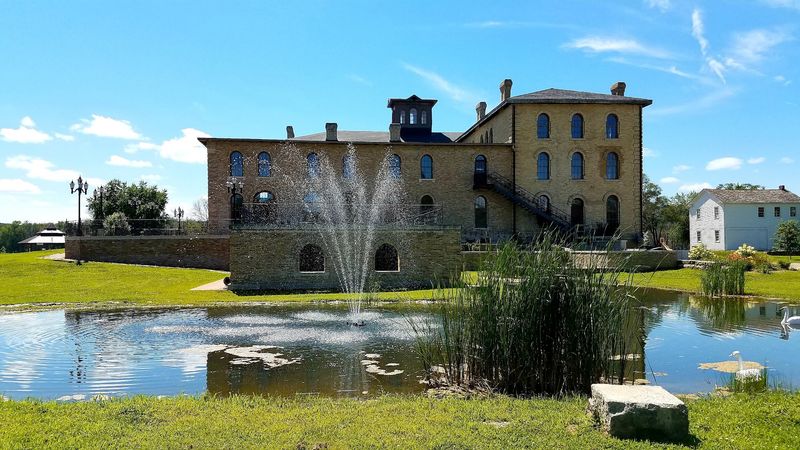
Perched along the Mississippi River, this historic town delivers modern affordability. Grocery shopping here costs significantly less than in neighboring states across the river, drawing shoppers from Iowa who appreciate the savings on everything from canned goods to fresh meat.
Local stores keep prices reasonable while maintaining quality selections that rival bigger city options.
Gas stations scattered throughout town compete for customers by keeping fuel costs low. Whether you’re a local running errands or a traveler exploring the Great River Road, filling your tank here beats the alternatives.
The difference might seem small per gallon, but it matters when you’re budgeting carefully or planning longer trips.
Restaurant dining remains accessible for everyone, not just special occasions. Riverside cafes offer scenic views without charging extra for the atmosphere, hometown diners serve comfort food at comfort prices, and pizza places deliver family-sized meals that actually feed the family without requiring a second mortgage.
The community has preserved its small-town values where businesses succeed by serving neighbors fairly rather than maximizing every transaction. Daily expenses feel manageable here, allowing residents to enjoy life’s simple pleasures without constant financial stress or sacrifice.
5. Wausau

Central Wisconsin’s largest city manages to keep costs down despite offering big-city amenities. Grocery chains here run frequent promotions that actually save money, not just create the illusion of deals.
Ethnic markets bring diverse ingredients at prices lower than specialty stores elsewhere, and discount grocers provide budget-friendly alternatives without sacrificing too much selection or quality.
Fuel prices hover below what you’d pay in comparable-sized cities across the state. The competition among numerous gas stations benefits drivers who can easily comparison shop while running errands.
This accessibility to affordable fuel makes commuting or weekend adventures less of a financial burden than in pricier markets.
Dining options span every price range, with plenty clustering toward the affordable end. Local brewpubs offer dinner and drinks without requiring you to skip other entertainment for the month, Asian restaurants serve generous portions at prices that encourage trying new dishes, and classic American eateries provide familiar favorites without inflated bills.
The city’s size brings variety while maintaining the Midwest sensibility of fair pricing. Residents enjoy urban conveniences like diverse shopping and entertainment options while keeping their cost of living reasonable, proving you don’t need to sacrifice affordability for access to good restaurants and services.
6. Beloit
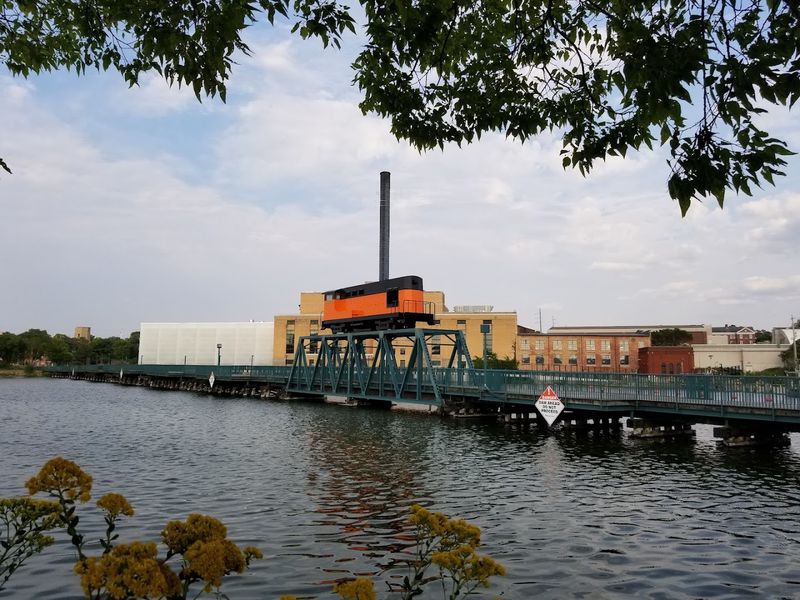
Border-town living brings unexpected advantages to your budget. Grocery stores price competitively knowing shoppers can easily cross into Illinois if deals aren’t good enough, creating a buyer’s market for residents.
Weekly shopping trips cost less here than in many Wisconsin communities, with savings on basics like produce, dairy, and household essentials adding up quickly over months.
Gas stations engage in friendly price wars that benefit everyone at the pump. Drivers from surrounding areas often detour through Beloit specifically to fuel up before continuing their journeys.
The consistent savings make it worth planning your fill-ups around trips through town.
Restaurant culture has exploded recently without abandoning affordable options. New cafes and eateries have joined longtime favorites, but competition keeps prices reasonable across the board.
Breakfast joints still serve eggs and coffee for a few dollars, lunch spots offer daily specials that won’t wreck your budget, and dinner options range from pizza to ethnic cuisine at prices that encourage exploring different flavors regularly. The downtown revitalization has brought energy and variety while maintaining the accessibility that makes dining out a regular pleasure rather than a rare splurge, proving economic development and affordability can coexist successfully.
7. Oshkosh

College-town economics work in everyone’s favor here. Grocery stores understand their customer base includes students watching every penny, so prices stay competitive on staples and quick meal options.
Discount chains and traditional supermarkets both maintain presence, giving shoppers choices based on their budget priorities. Buying a week’s worth of food doesn’t require choosing between eating well and paying other bills.
Fuel costs remain student-friendly, which means they’re friendly for everyone. Gas stations near campus and throughout town keep prices low enough that driving home for weekends or taking road trips stays feasible.
This accessibility benefits not just students but also families and retirees who appreciate keeping transportation costs manageable.
Eating out feels designed for tight budgets without tasting like it. Pizza places offer student specials that feed groups affordably, sandwich shops provide quick lunches that don’t drain daily spending money, and sit-down restaurants keep prices reasonable knowing their customers have options.
The lakeside setting adds charm to dining experiences without adding premium charges to your bill. Local establishments thrive by serving quality food at fair prices, creating a dining scene where going out for meals remains a regular part of life rather than an occasional luxury reserved for paydays or celebrations.
8. Marinette
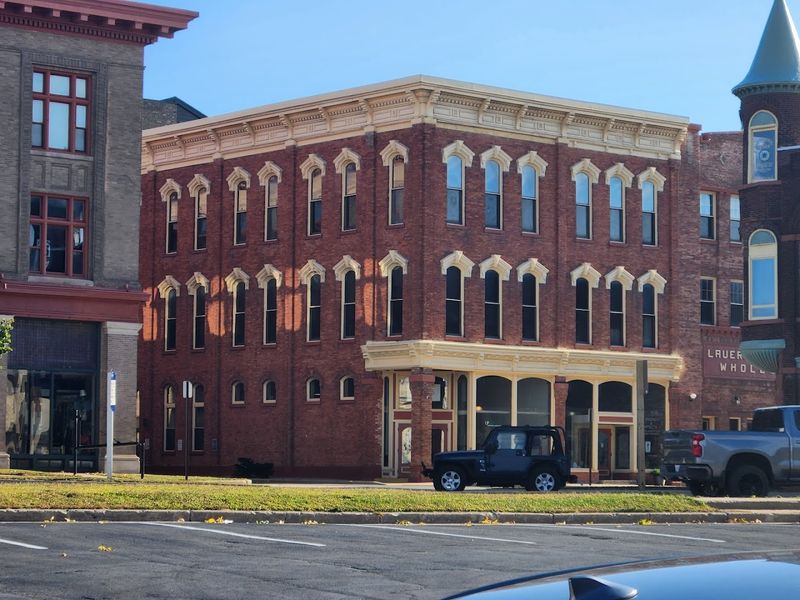
Harbor-town living delivers affordability along with scenic water views. Grocery shopping costs less here than in many Wisconsin communities, with local stores offering competitive prices on everything from canned goods to fresh bakery items.
The proximity to Michigan creates healthy competition that benefits shoppers, and seasonal sales on local products like fish and produce provide additional savings opportunities throughout the year.
Gas prices consistently run below state averages, making this an ideal stop for travelers heading to Upper Michigan or exploring Door County. Locals benefit from these competitive rates daily, keeping commuting costs and errand-running affordable.
The savings per gallon might seem modest, but they compound significantly for households running multiple vehicles.
Restaurant options blend waterfront ambiance with working-class prices. Seafood doesn’t come with tourist-trap markups despite the harbor location, breakfast diners serve hearty portions that fuel you through lumberjack-sized workdays, and family restaurants provide comfort food at prices reflecting community values rather than maximizing profit margins.
The town maintains its blue-collar roots in the best way possible, where businesses succeed by treating customers fairly and keeping everyday expenses within reach. Residents enjoy quality dining experiences without the financial stress common in pricier tourist destinations or larger cities.
9. Racine
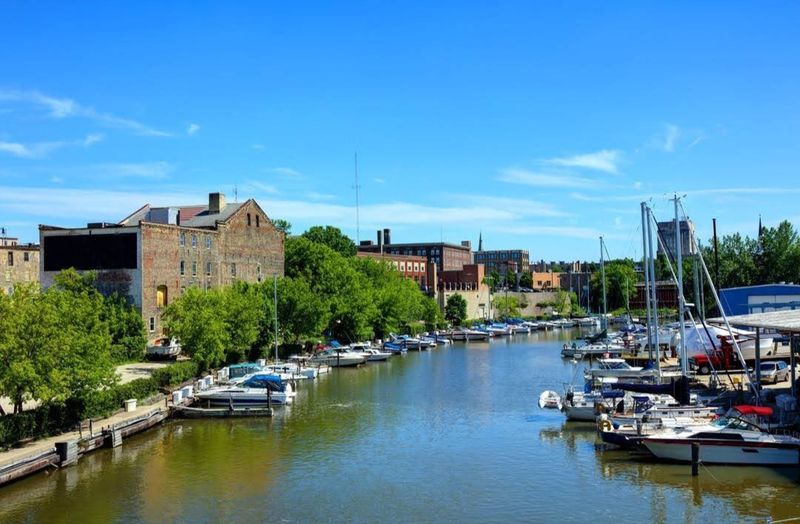
Lake Michigan views come without the Lake Michigan price tags here. Grocery stores offer urban variety at suburban prices, with ethnic markets providing specialty ingredients far cheaper than you’d find in Milwaukee.
Major chains compete aggressively for customers, resulting in weekly deals that actually impact your bottom line. Stocking your kitchen with quality ingredients doesn’t require financial gymnastics or coupon-clipping marathons.
Fuel stations throughout the city price gas noticeably lower than communities just miles north. Commuters working in Milwaukee often wait to fill up in Racine, saving enough over time to make the strategy worthwhile.
This price difference reflects the city’s overall commitment to affordability despite offering big-city amenities and lakefront access.
Dining diversity rivals much larger cities without the matching price inflation. Danish bakeries sell authentic pastries at prices encouraging daily treats, Mexican restaurants serve generous portions for pocket-friendly tabs, and classic diners provide breakfast-all-day menus without charging premium prices for off-hours service.
The waterfront location adds beauty to meals without adding surcharges to menus. Residents enjoy the benefits of urban living, cultural diversity, and scenic settings while maintaining budgets that work for working families, proving affordability and quality of life aren’t mutually exclusive goals.
10. Appleton
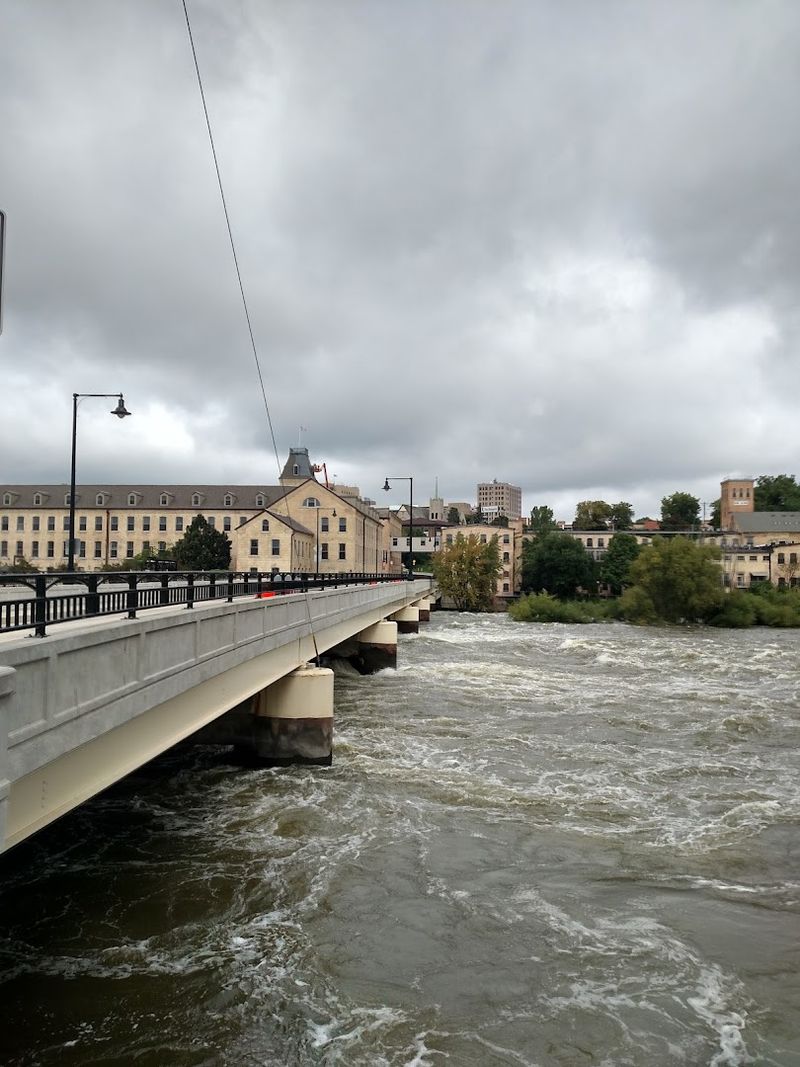
Fox Cities living brings unexpected affordability despite the area’s economic vitality. Grocery stores compete fiercely for customers, keeping prices reasonable on everything from organic produce to budget-friendly staples.
Warehouse clubs and traditional supermarkets both thrive here, giving shoppers options based on their household size and shopping preferences. Weekly grocery runs cost less than you’d expect for a city with this much economic activity and cultural offerings.
Gas prices stay competitive thanks to numerous stations throughout the metro area. The healthy competition means drivers rarely pay premium rates unless they’re specifically choosing convenience over savings.
This accessibility to affordable fuel supports the commuting lifestyle many residents maintain while working throughout the Fox Valley region.
Restaurant culture explodes with variety while maintaining Midwest pricing sensibility. Brewpubs serve craft beer and elevated pub food without charging craft prices, ethnic restaurants bring authentic flavors at authentic affordability, and family chains offer reliable meals that won’t shock you at checkout.
The vibrant downtown and spreading suburbs both feature dining options where taking the family out for dinner remains a weekly possibility rather than a monthly splurge. The community has grown and diversified while preserving the values that make daily living affordable and enjoyable for residents across income levels.