
8 Wisconsin Towns Where Rising Property Taxes Are Driving People Away
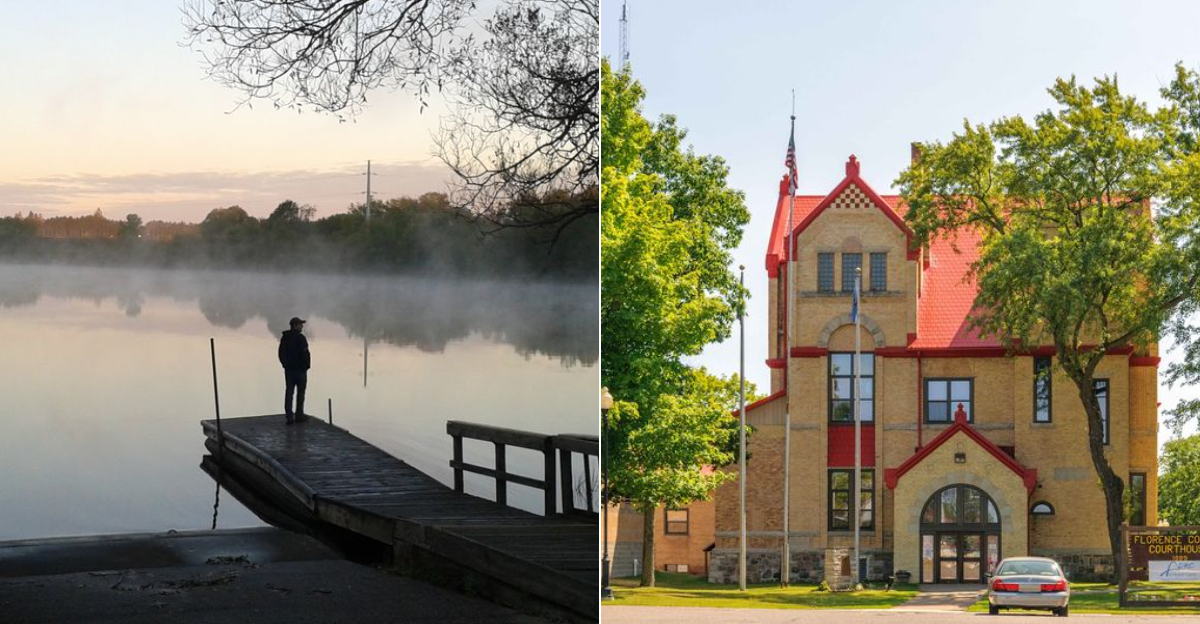
Living somewhere beautiful does not always mean living somewhere affordable.
In Wisconsin, some Northwoods communities are discovering that stunning lakes, towering pines, and peaceful surroundings can come with a growing financial burden that longtime residents never expected.
The scenery has not changed, but the numbers have. Who would not want quiet forests, clear water, and small-town life if staying there did not become harder every year?
For many homeowners, the challenge is no longer finding a reason to stay. It is finding a way to keep up.
Rising property taxes are reshaping decisions that once seemed unthinkable for families who planned to spend the rest of their lives there.
These eight towns tell that story more clearly than most. Wisconsin’s natural beauty remains as strong as ever, but for many residents, the cost of calling it home is becoming the hardest part.
1. Phillips
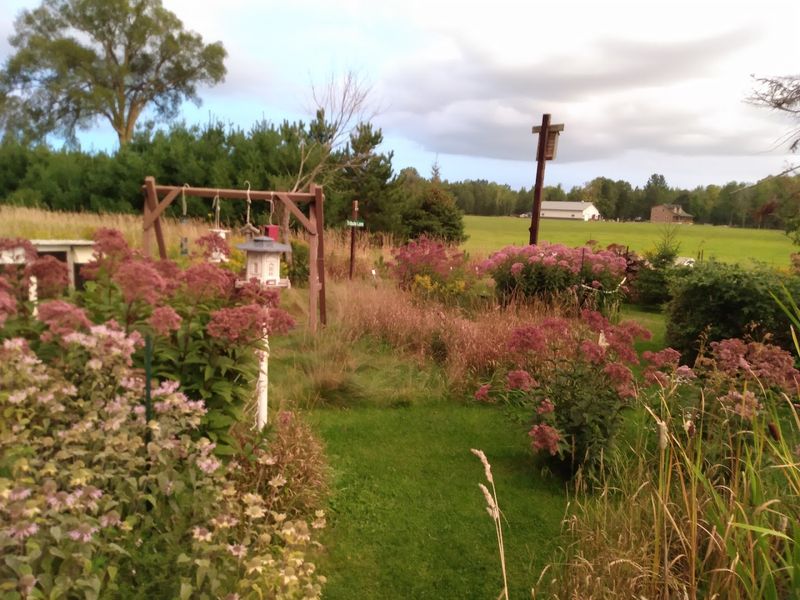
Phillips is the county seat of Price County, and it carries that quiet authority well. The downtown has a classic Midwestern feel, with brick storefronts and wide streets that invite a slow afternoon walk.
The town is surrounded by lakes and forests that make it genuinely appealing to anyone looking to unplug. Fishing, snowmobiling, and hiking are practically built into the local lifestyle here.
But beneath the peaceful surface, property tax pressures have been mounting. Price County, like much of the Northwoods, faces the challenge of a shrinking tax base paired with rising municipal costs.
Inflation has pushed up the price of everything from road maintenance to local services. When those costs rise, property owners end up absorbing much of the difference.
Families who have lived in Phillips for generations are now asking hard questions. Is it still affordable to stay?
That question did not used to come up so often.
For visitors, Phillips remains a great base camp for exploring north-central Wisconsin. The lakes in Price County number in the hundreds, which is not something you find everywhere.
Local diners and small businesses in downtown Phillips are worth a stop. Always check current hours before you plan your visit, as schedules can vary by season.
Phillips is located along Wisconsin Highway 13 in Price County, in north-central Wisconsin, roughly 100 miles north of Wausau.
2. Ladysmith, Wisconsin
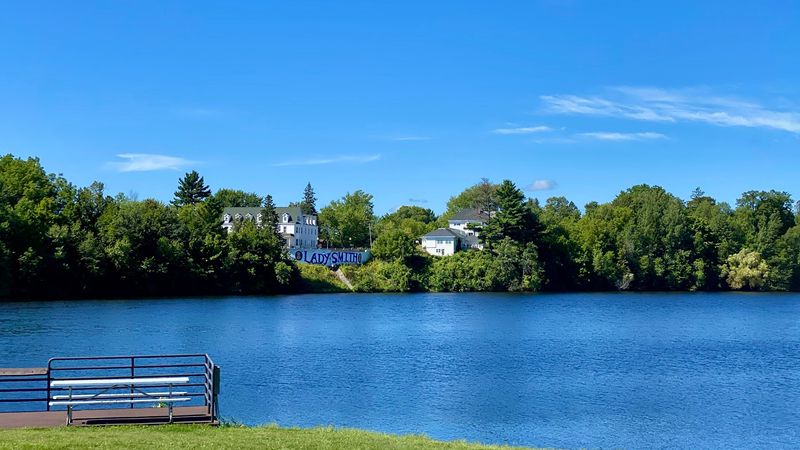
Ladysmith sits along the Flambeau River in Rusk County, and its setting alone is enough to make you stop and appreciate the scenery. The river runs right through the heart of the community.
It is the kind of town where people wave to each other from their porches. That warmth is real, and visitors tend to notice it immediately when passing through.
Rusk County has not been immune to Wisconsin’s broader property tax surge. Gross property tax levies statewide rose 4.2% in 2024, and smaller counties like Rusk feel every percentage point.
For residents on modest incomes, those increases add up quickly. The cost of staying in a town you love should not feel like a penalty, but for many here, it increasingly does.
The local economy in Ladysmith has faced challenges over the years, including shifts in manufacturing and timber industries that once anchored the region. That history shapes how residents respond to new financial pressures.
Travelers who make it to Ladysmith are often surprised by what they find. The Flambeau River offers great paddling opportunities, and the surrounding countryside is genuinely beautiful in all four seasons.
A few local spots in town serve up solid, no-fuss meals worth seeking out. Confirm operating days before you go.
Ladysmith is located along U.S. Highway 8 in Rusk County, in northwestern Wisconsin, about 80 miles east of Eau Claire.
3. Ashland
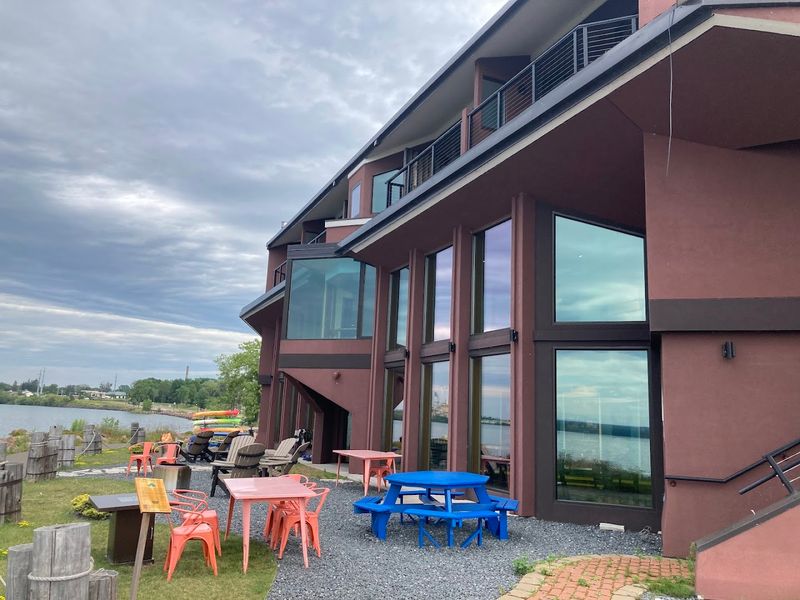
Sitting on the southern shore of Lake Superior, Ashland has one of the most dramatic natural backdrops of any small city in Wisconsin. The lake stretches to the horizon like an inland sea.
Ashland is home to Northland College, a small liberal arts school with a strong environmental focus. That presence gives the town an interesting mix of longtime locals and younger, idealistic residents.
Despite its scenic appeal, Ashland County has been dealing with rising property tax pressures that mirror trends across the Northwoods. The region’s aging population and large tracts of public land limit the tax base significantly.
When fewer properties share the burden, each one carries more weight. For homeowners already managing tight budgets, that reality has become harder to ignore each year.
The historic Soo Line ore docks along the waterfront are an iconic piece of Ashland’s industrial past. They stand as a reminder of how the town once thrived on trade and transport across the Great Lakes.
Visitors can explore Chequamegon Bay, kayak along the shoreline, or head to the nearby Apostle Islands National Lakeshore for a truly unforgettable experience. Plan that trip soon.
Local shops and eateries near the waterfront are worth a visit. Check their schedules ahead of time, especially outside of peak summer months.
Ashland is located along U.S. Highway 2 on the southern shore of Lake Superior, in Ashland County, northwestern Wisconsin.
4. Florence
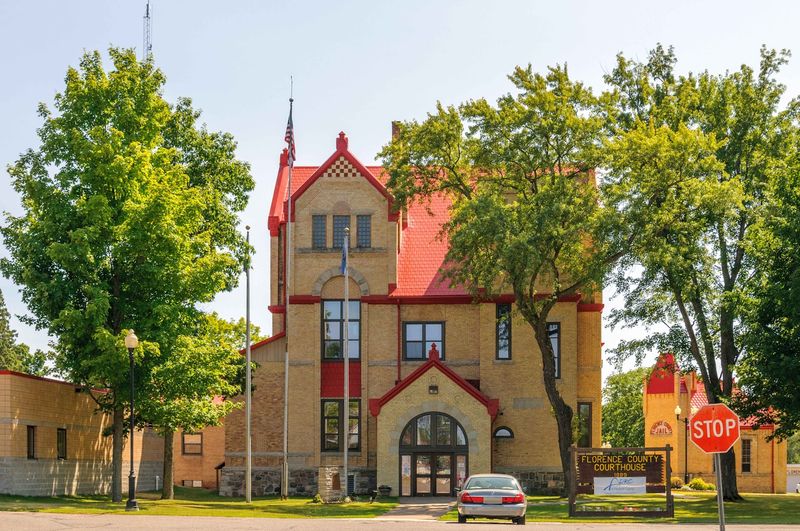
Florence County is the least populated county in Wisconsin, and Florence is its quiet, unhurried seat. The forests here feel endless, and the stillness is the kind you actually have to seek out these days.
The area sits near the Nicolet National Forest and the Pine River, making it a magnet for anglers, hunters, and hikers who want to get far from city noise. That crowd knows what they are doing.
But Florence faces a property tax problem that is especially sharp. With so little private taxable land and such a small population, any increase in municipal costs hits residents harder here than almost anywhere else in the state.
The county has one of the highest ratios of public land to private land in Wisconsin. That structural imbalance makes budgeting a constant challenge for local officials and property owners alike.
Longtime residents describe a feeling of being caught between loving where they live and struggling to afford staying there. That tension is real and it is growing.
For visitors, Florence offers something rare: genuine solitude. You can spend a full day on the water or in the woods without seeing another soul.
A handful of local businesses serve the community and passing travelers. Always verify days of operation before making the drive out.
Florence is located along U.S. Highway 2 in Florence County, in the far northeastern corner of Wisconsin, near the Michigan border.
5. Park Falls, Wisconsin
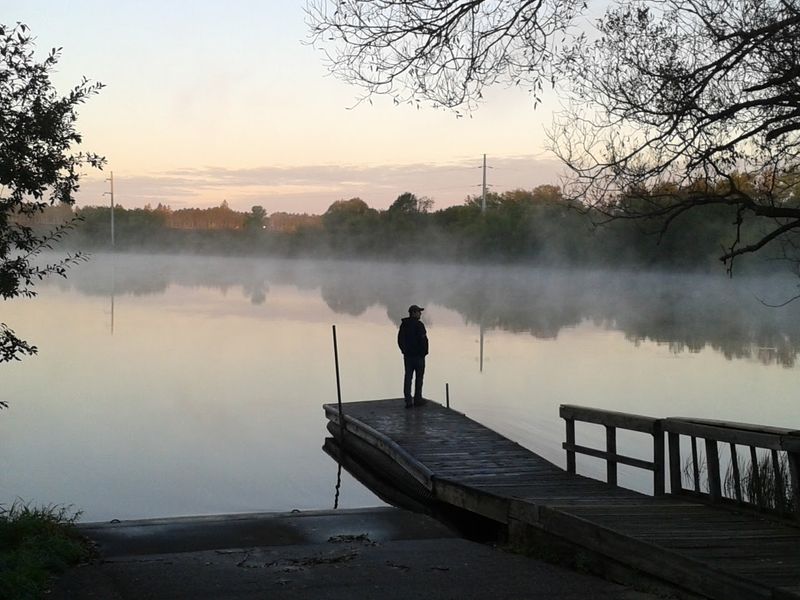
Tucked deep in Price County, Park Falls sits along the Flambeau River and draws visitors year-round with its access to some of Wisconsin’s most beautiful wild land.
The Chequamegon-Nicolet National Forest surrounds the area. That means miles of trails, paddling routes, and wildlife viewing right at the doorstep of this small city.
Park Falls has a population that has been slowly shrinking for years. Rising property taxes are one reason longtime residents cite for leaving or thinking about it.
The Northwoods region’s tax burden is tied to a tricky reality. A large portion of land here is publicly owned and therefore untaxed, which pushes more of the cost onto private property owners.
That math gets painful fast for retirees or working families without growing incomes to match growing bills. Some residents have described feeling squeezed from every direction.
Still, Park Falls offers something genuinely special. The pace is slow, the air is clean, and the sense of space is something city dwellers genuinely crave.
The Flambeau River State Forest nearby is a paddler’s dream. Local outfitters and shops are worth exploring, so check their schedules before heading out.
Park Falls is located along U.S. Highway 13 in Price County, in north-central Wisconsin, about 90 miles north of Wausau.
6. Hurley
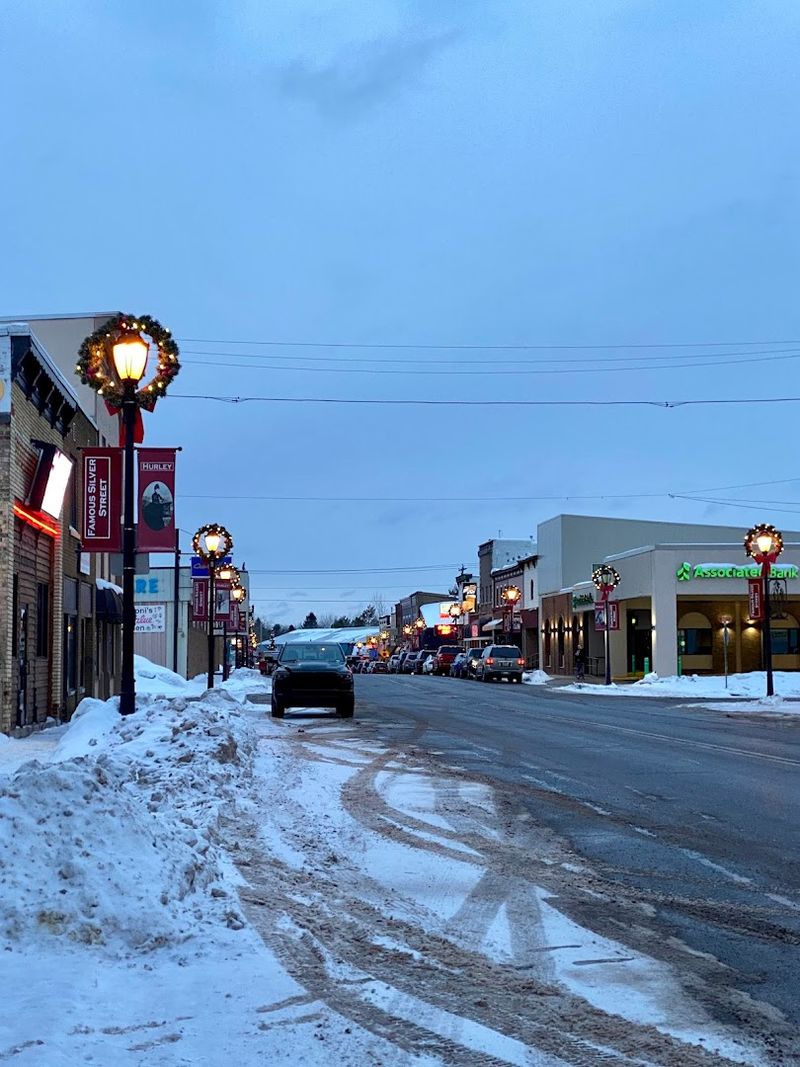
Right on the border of Wisconsin and Michigan, Hurley sits in Iron County and carries a history as rich as the iron ore once pulled from its ground.
The town has long attracted outdoor lovers. The Montreal River, the Penokee Hills, and nearby ski trails make it a real destination for people who love nature.
But the charm of the area has not protected residents from rising costs. Property tax levies across Wisconsin’s Northwoods region have been climbing steadily, and Hurley is no exception.
Many longtime homeowners here are on fixed incomes. When tax bills jump without warning, it forces hard conversations about whether staying makes financial sense.
The Northwoods region faces a tough combination of an aging population, slow economic growth, and a high share of untaxable public land. That means fewer properties carry the full tax burden.
Visitors still find Hurley worth the trip. The scenery is stunning in every season, and the town has a gritty, authentic feel you will not find in polished tourist spots.
Local shops and diners along Silver Street give you a real taste of the community. Check ahead for days of operation before you visit.
Hurley is located at the intersection of U.S. Highway 51 and U.S.
Highway 2, in Iron County, northern Wisconsin.
7. Mercer, Wisconsin
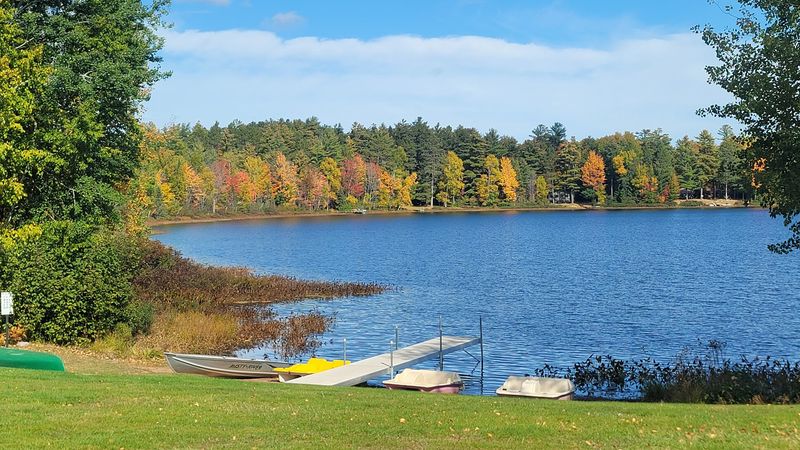
Mercer calls itself the Loon Capital of Wisconsin, and that is not just a fun nickname. The area is home to a thriving loon population, and hearing that haunting call echo across a lake at dusk is something you will not forget.
Iron County, where Mercer sits, is classic Northwoods territory. Hundreds of lakes, towering pines, and a landscape that changes beautifully with every season draw visitors from across the Midwest.
Property taxes in this part of Wisconsin have been rising in ways that alarm residents. The Northwoods region faces a compounding problem: public land cannot be taxed, the population is aging, and costs keep climbing.
Mercer has a strong seasonal tourism economy, but year-round residents often live on tighter budgets. When property tax bills increase sharply, the strain falls hardest on those who are there through the cold months.
Some families have owned cabins and homes near Mercer for multiple generations. The idea of losing that connection to the land because of tax bills feels deeply unfair to many of them.
Travelers who visit Mercer find a community that still feels genuinely connected to its natural surroundings. The lakes are clean, the fishing is excellent, and the pace of life is refreshingly unhurried.
Local shops and outfitters are scattered around the area. Confirm operating days before your visit, especially in the off-season.
Mercer is located along U.S. Highway 51 in Iron County, in northern Wisconsin, about 50 miles north of Rhinelander.
8. Crandon, Wisconsin
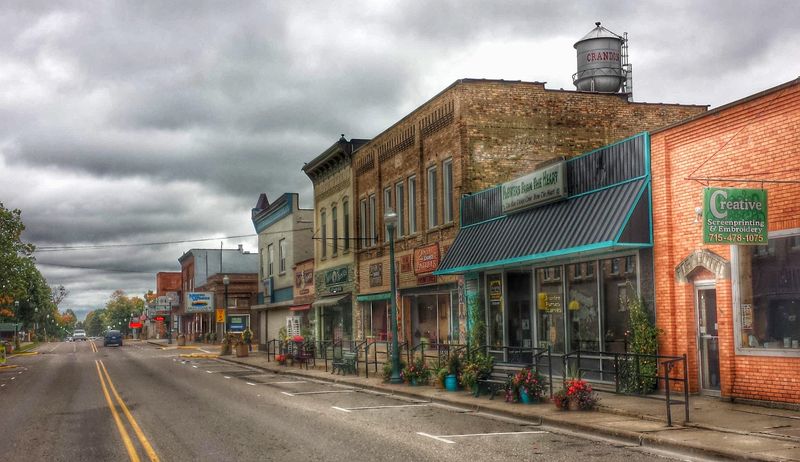
Forest County sounds exactly like what it is, and Crandon, its county seat, delivers on that promise completely. Trees line nearly every road, and the surrounding wilderness feels like it goes on forever.
Crandon is perhaps best known outside the region for the Crandon International Off-Road Raceway, which draws large crowds each summer for high-energy racing events. That is not something you expect to find deep in the Wisconsin Northwoods.
Beyond race weekends, Crandon is a quiet town with a modest downtown and a community that values its connection to the land. Hunting and fishing are not just hobbies here; they are part of daily life for many residents.
Forest County has a high proportion of tribal and public land, which limits the private tax base significantly. That structural reality means property owners shoulder a heavier share of local costs.
Wisconsin’s statewide property tax levies rose 4.2% in 2024, and rural counties like Forest County feel those increases acutely. Residents with modest incomes find it harder each year to keep up.
For visitors, Crandon offers a genuine Northwoods experience without the crowds of more commercialized destinations. The Peshtigo River and surrounding lakes are outstanding for paddling and fishing.
Local businesses in Crandon serve both residents and visitors. Check operating days in advance, especially if you are visiting outside of summer.
Crandon is located along U.S. Highway 8 in Forest County, in northeastern Wisconsin, about 75 miles north of Green Bay.