
This Gorgeous Mississippi Beach Has Been Hiding In Plain Sight And Most Locals Have No Idea
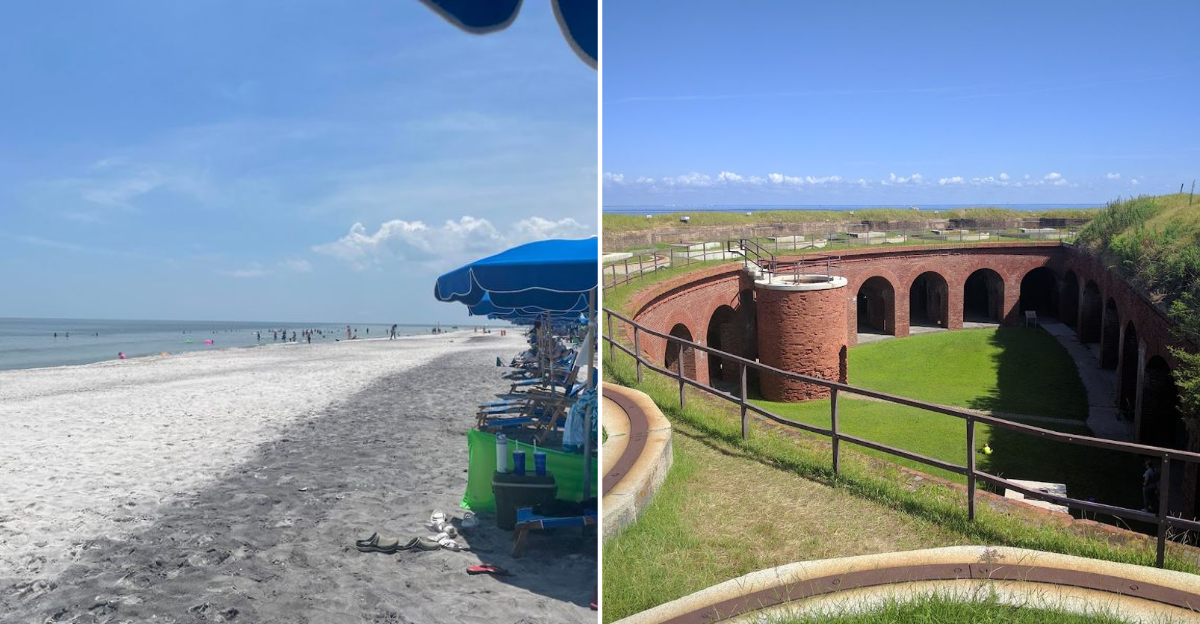
No roads lead here. That is not a problem.
That is the feature. You board a ferry and watch the mainland shrink behind you.
By the time you step off, the noise of everyday life has already started to feel like something that belongs to someone else. Mississippi sits on the Gulf in a way most people never fully appreciate.
This stretch of coast has been here longer than anyone can remember, and it has spent that entire time being quietly, stubbornly beautiful. The sand is white.
The water is clear enough to make you stop and look twice. There are no hotels here, no restaurants, no gift shops selling things you do not need.
Just a barrier island doing exactly what a barrier island is supposed to do. People who make the crossing for the first time tend to go quiet when they arrive.
Not from disappointment. From the specific kind of surprise that comes from finding something this good this close to home.
You will be back. Everyone comes back.
Coastal Wildlife And Marine Life Diversity
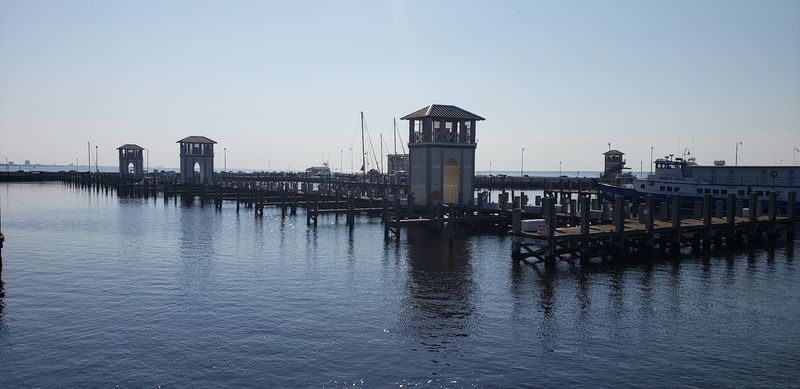
Before you even step off the ferry at this spot, the wildlife show has already started. Dolphins regularly swim alongside the boat during the one-hour ride from Gulfport.
It feels less like a commute and more like a free aquarium tour.
Once you reach the island, the marine life does not stop performing. Swimmers have spotted stingrays, blue crabs, ghost crabs, and even small sharks cruising through the shallows.
Jellyfish shaped like pink flowers have been seen floating near the shore, some over a foot wide.
Birdwatchers will find plenty to get excited about, too. The island hosts nesting shorebirds, and the National Park Service has even flagged off protected zones to keep endangered species safe.
That is how serious the wildlife situation is out here.
The boardwalk from the ferry dock to the beach crosses swampy terrain. Keep your eyes open during this half-mile walk.
You might spot crabs and birds before you even see the ocean.
Ship Island, located off the coast of Mississippi, rewards patient observers. The biodiversity packed into this small barrier island genuinely surprises first-time visitors every single time.
Unique Sand Formations And Beach Terrain
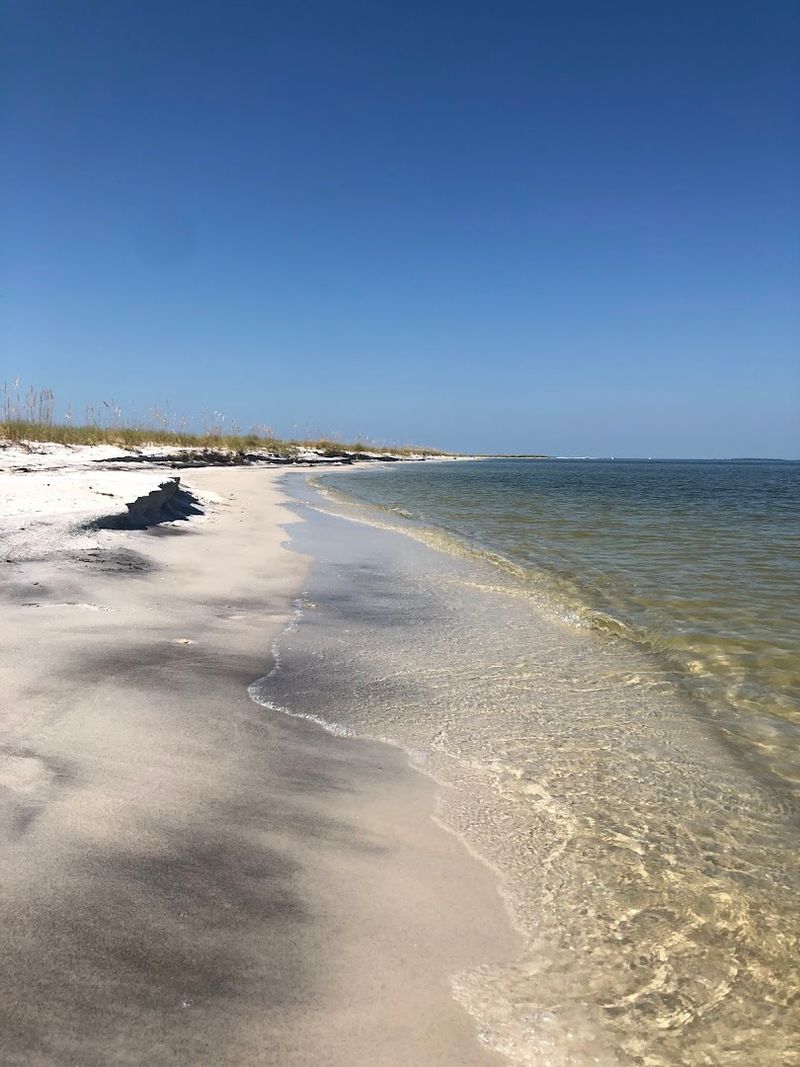
Ship Island sand is not your average beach sand. It is extremely fine, soft, and titanium-enriched, which gives it a bright, almost glowing white color.
Walking barefoot on it feels like stepping on powdered sugar.
Fair warning, though: that same sand gets scorching hot under the summer sun. Wearing sandals on the walk from the boardwalk to the waterline is a smart move.
Bare feet on midday sand here is not a fun experiment.
The Gulf side of the island offers crystal-clear blue water that looks nothing like the mainland Mississippi beaches. The contrast is genuinely shocking if you have only seen the silty shoreline along the coast.
This water is calm, clear, and inviting.
The terrain of the island itself is flat and open, with almost no natural shade. The landscape shifts from swampy marsh near the dock to open dunes and a wide beach near the Gulf.
It is a surprisingly dramatic transition for such a small stretch of land.
Restoration work completed in December 2020 reshaped parts of the island after hurricane damage. The project reconnected sections that had been split apart.
The beach terrain today reflects both natural beauty and serious conservation engineering.
Best Times For Beachcombing And Shell Collecting
Shell collectors, Ship Island is calling your name. The beach regularly turns up an impressive variety of shells, from small sand dollars to larger whelks.
Arriving on an early morning ferry gives you first pick before the crowds spread across the shoreline.
Spring and fall are the golden seasons for beachcombing here. The summer crowds thin out, the sand cools down, and the shells seem to pile up more generously after storm activity.
October visits especially reward patient walkers with great finds.
The ferry runs seasonally from Gulfport between March and October. Biloxi departures run May through August.
Planning around those windows gives you the most flexibility for timing your shell-hunting trip.
Walking the less-traveled stretches near the ferry drop-off side of the island can be surprisingly productive. Most visitors head straight to the main swim beach.
That means the quieter sections often have untouched shells waiting.
Bring a small mesh bag for collecting. The island store sells basic supplies if you forget anything.
Just remember that glass containers are not allowed on the island, so leave the mason jars at home and pack a soft bag instead.
Outdoor Activities Suitable For All Ages
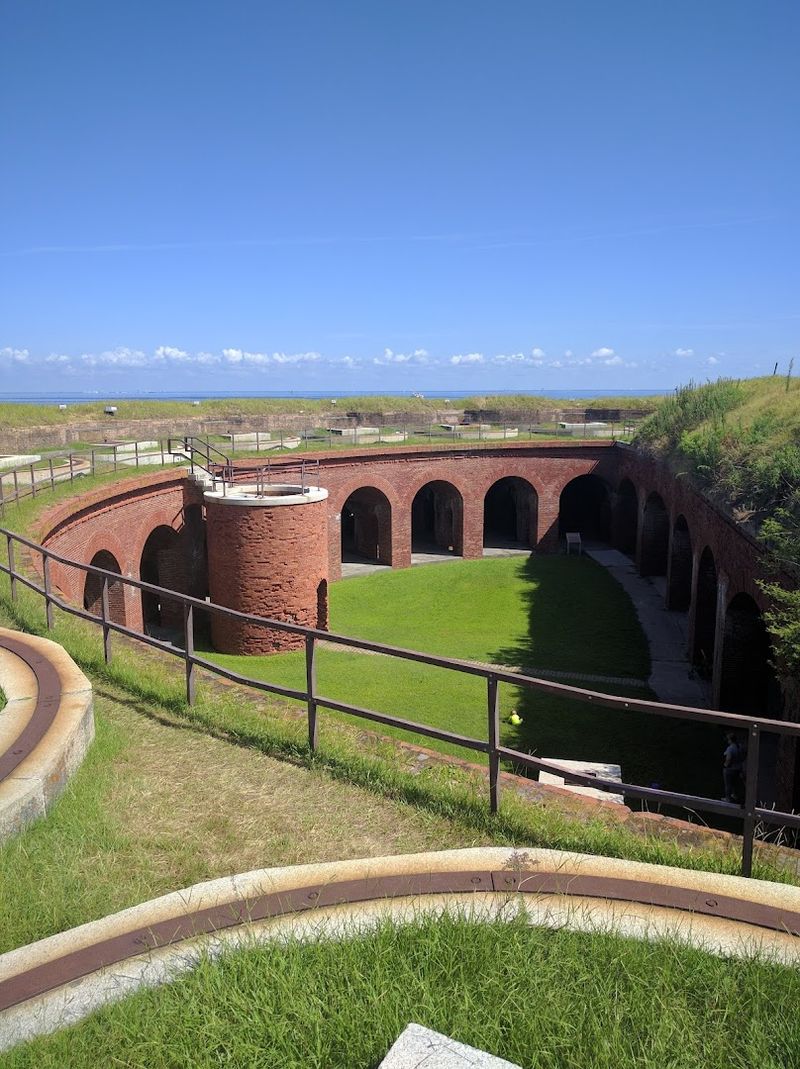
Ship Island keeps everyone busy, from toddlers splashing in the shallows to grandparents exploring the fort. There is genuinely no shortage of things to do once you step off that ferry.
The variety is one of the island’s quiet strengths.
Swimming is the main attraction on the Gulf side. Seasonal lifeguards are on duty during peak months, which makes it a comfortable choice for families.
The water is clear enough to see your feet at waist depth, which kids absolutely love.
Fort Massachusetts offers free guided tours led by National Park Service rangers. The tours are educational and genuinely interesting, covering Civil War history and the fort’s strategic role.
Climbing the spiral staircase to the top level is a highlight most visitors remember long after the trip.
Snorkeling, fishing, and birdwatching are all popular options, too. Beach chairs and umbrellas are available for rent near the swim area.
Picnic areas give families a spot to spread out and eat without paying for the snack bar every meal.
The half-mile boardwalk crossing is itself an activity. It passes over marsh terrain and offers great views of the island’s interior.
Benches along the way make it manageable even for those who need to take it slow.
Local Flora That Thrives Near The Shoreline
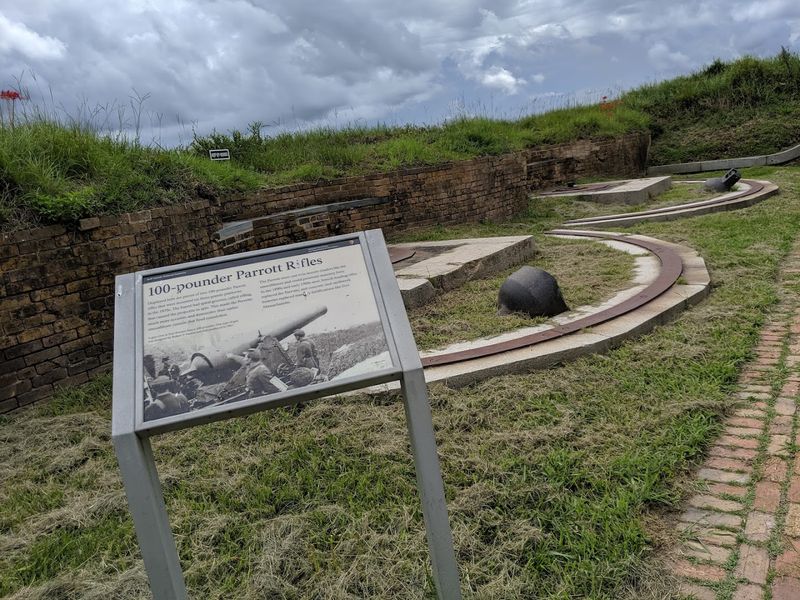
Ship Island does not have a jungle of greenery, but the plants that do grow here are remarkable survivors. Sea oats line the dune edges, their golden stalks bending in the Gulf breeze.
These grasses are critical for holding the sandy dunes in place against wind and waves.
Salt meadow cordgrass thrives in the marshy terrain between the ferry dock and the main beach. This is the swampy stretch you cross on the boardwalk.
Those tall grasses are doing serious ecological work, stabilizing the island’s interior from erosion.
Coastal shrubs and low-lying vegetation cluster in small patches across the island. They offer almost no shade for visitors, but they provide critical nesting cover for shorebirds.
The National Park Service monitors these plant communities carefully as part of its broader conservation mission.
The lack of dense vegetation is actually part of what makes Ship Island feel so open and wild. No trees are blocking the horizon.
Just sky, sand, grass, and water stretching in every direction.
After the 2020 restoration project, native plant species were reintroduced to stabilized areas. These plantings help anchor newly restored sections of the island.
The flora and the land are growing back together, slowly but steadily.
Conservation Efforts And Environmental Protection
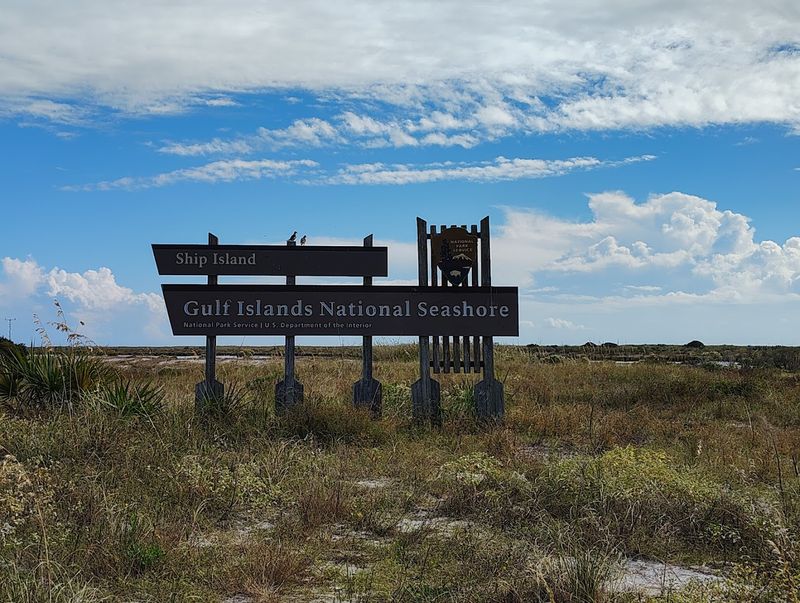
Ship Island is not just a pretty beach. It is an actively protected natural and cultural resource managed by the U.S.
National Park Service as part of the Gulf Islands National Seashore. That designation keeps development off the island entirely.
The most significant conservation milestone in recent years was the 2020 restoration project. It was the second-largest restoration effort in National Park Service history.
The project reconnected parts of the island that hurricanes Camille and Katrina had split apart over decades.
Habitat restoration, dune rebuilding, and native plant reintroduction were all part of the work. The project cost significant resources but dramatically improved the island’s resilience against future storms.
It also restored critical wildlife habitat that had been lost.
Strict rules protect the environment daily. No glass is allowed on the island.
Pets, except certified service animals, are not permitted. These rules exist to protect nesting birds, marine life, and the fragile coastal ecosystem.
Endangered bird species nest on the island during certain seasons. The Coast Guard and park staff flag off protected zones to prevent disturbance.
Visitors are asked to respect these boundaries, and most people do without complaint once they understand why they matter.
Photography Tips For Capturing Coastal Beauty
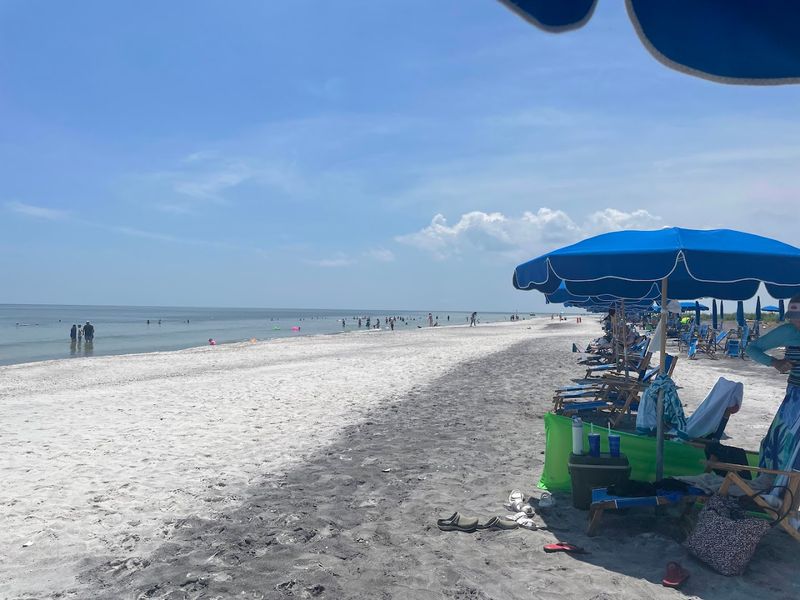
Ship Island is genuinely one of the most photogenic spots on the Gulf Coast. The combination of white sand, clear water, and open sky creates natural light that photographers dream about.
Getting there on an early ferry puts you in a position for the best morning light.
Sunrise shoots on the Gulf side produce stunning results. The water reflects the pink and orange tones beautifully, and the beach is usually empty that early.
You will not be competing with crowds for your frame.
Wide-angle lenses work especially well here because the landscape is so open and flat. There are no trees or buildings to block compositions.
The fort provides a dramatic architectural contrast against the natural surroundings and makes for a compelling foreground element.
Wildlife photography is rewarding on the boardwalk crossing. Shorebirds, crabs, and marsh vegetation all make excellent close-up subjects.
Move slowly and quietly on the boardwalk, and you will be surprised at what holds still long enough for a good shot.
Cell service is extremely limited on the island, so do not rely on cloud backup during your visit. Bring extra memory cards and a portable charger.
Sunscreen on your hands matters too, since bright reflective sand can make equipment surprisingly warm to handle.
Historical Significance Of The Mississippi Coast
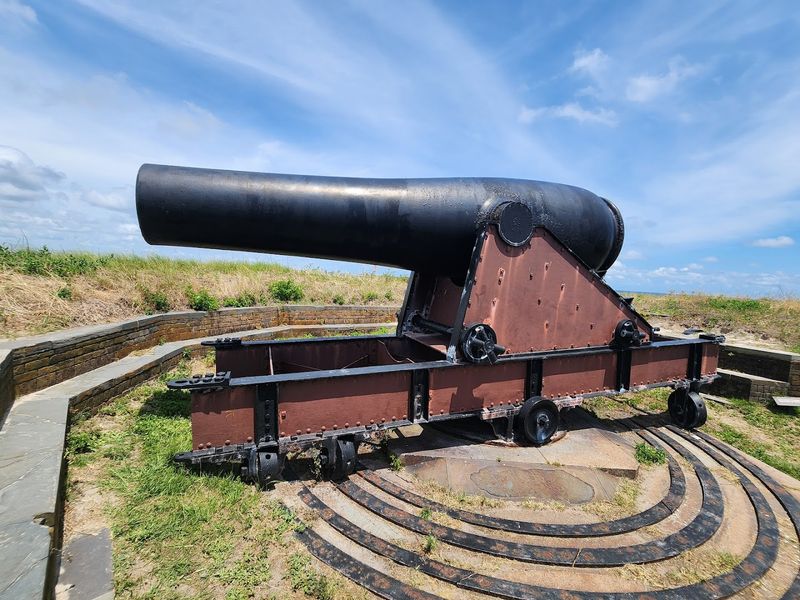
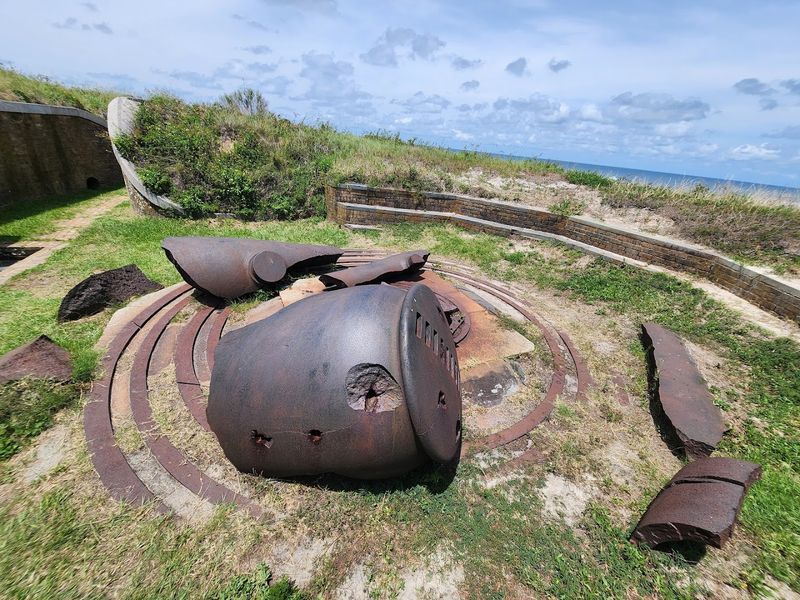
Fort Massachusetts is the kind of place that makes history feel real. Built starting in the 1850s, this brick fortification on Ship Island played a significant role during the Civil War.
Union forces used it as a base of operations and as a prison camp for Confederate soldiers.
The fort is remarkably well preserved for its age. National Park Service rangers lead seasonal guided tours that bring the history to life with stories about soldiers, strategy, and the island’s wartime significance.
The self-guided tour option through the NPS app works year-round.
Climbing the spiral staircase inside the fort leads to rooftop views of the entire island. From up there, you can see the Gulf on one side and the Mississippi Sound on the other.
It is a perspective that puts the island’s geography into sharp context.
Ship Island served as a staging point for the Union capture of New Orleans during the Civil War. That strategic importance shaped the course of the entire Gulf Coast campaign.
Standing inside the fort walls, that history feels surprisingly close.
The island’s story does not begin or end with the Civil War either. Indigenous peoples, Spanish explorers, and French colonists all passed through this stretch of the Gulf Coast long before the fort was ever built.