
Wisconsin’s Perfectly Preserved White Village Is One Of Its Most Surprising Historic Finds
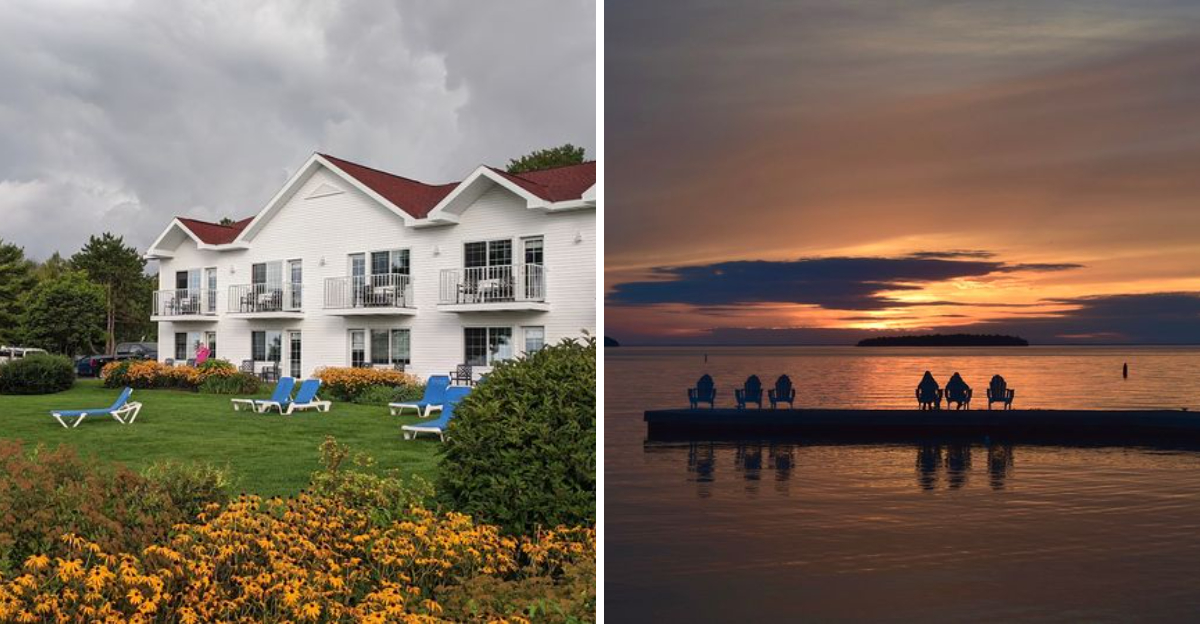
Along the quiet shores of Green Bay in Door County, Wisconsin, there is a small village that feels as though it has gently held onto another century. White-painted buildings, old churches, historic homes, and a calm waterfront setting give it a look that feels carefully preserved without seeming frozen in time.
Its roots reach back to Moravian settlers of the 1850s, and that early history still shapes the streets, landmarks, and unhurried atmosphere visitors find today. Every corner has a soft, old-fashioned charm, yet the place still feels lived-in and welcoming.
Walking through it feels less like touring the past and more like meeting Wisconsin history at its own peaceful pace.
A White Village That Still Looks Deeply Connected To Its Past
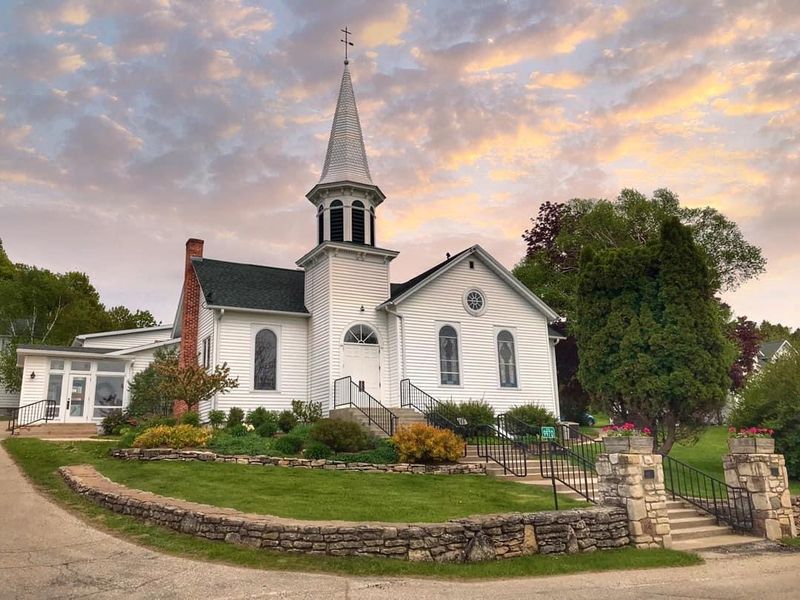
Ephraim stands out immediately because nearly every building wears a coat of white paint. This practice began with the Moravian settlers who arrived in the mid-1800s, bringing with them architectural traditions from their European roots.
The white buildings created a sense of unity and simplicity that reflected their religious values.
Walking down the village streets today, you notice how this tradition continues to shape the entire visual experience. The white facades glow softly against the blue water of Eagle Harbor and the green landscape surrounding the village.
It creates a visual harmony that feels intentional rather than accidental.
The commitment to maintaining this aesthetic has helped Ephraim avoid the visual clutter that overtakes many tourist towns. No garish signs or mismatched storefronts interrupt the flow.
Instead, the village presents itself with a quiet confidence that comes from knowing exactly what it is and choosing to stay that way.
Ephraim Was Founded In 1853 By Moravian Settlers
A group of Moravian immigrants arrived at this spot along Green Bay in 1853, led by Reverend Andreas Iverson. They came from Norway by way of the Moravian Church, seeking a place where they could build a community centered on their faith and values.
The location offered good harbor access and fertile land for farming.
The settlers named their new home Ephraim, a biblical reference that means fruitful or doubly fruitful. It reflected their hopes for what this place might become.
They brought with them specific ideas about how a community should look and function, ideas that still influence the village today.
The Moravian influence extended beyond religion into daily life, shaping everything from architecture to social customs. Their emphasis on education, music, and communal responsibility created a foundation that lasted well beyond the era when the church dominated village life.
You can still trace these values in how Ephraim presents itself to visitors and residents alike.
Its White Buildings Are Part Of The Village’s Signature Look
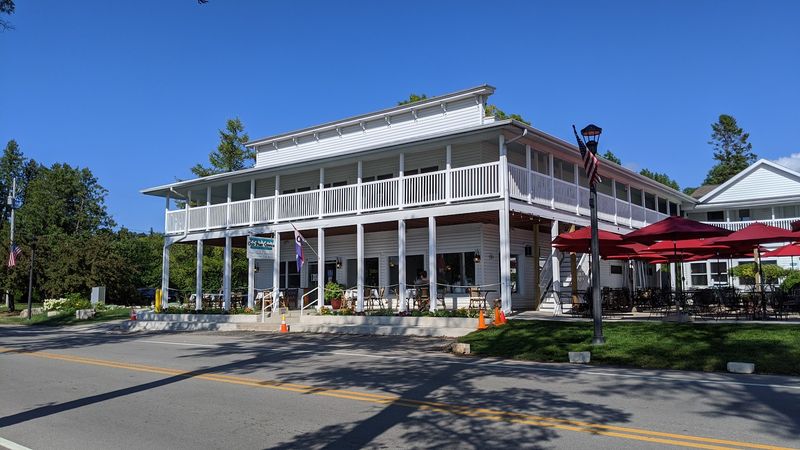
The white paint requirement in Ephraim is not just a suggestion or a happy accident. Village ordinances actually regulate building colors to maintain the historic character that defines this place.
Property owners understand that preserving this visual consistency matters to both the community identity and the tourist economy.
This uniformity creates an unusual effect in modern America, where individuality often trumps collective aesthetics. Here, the buildings seem to speak with one voice rather than competing for attention.
The white surfaces reflect sunlight in summer and make the village glow against winter snow.
Some visitors might find this level of control restrictive, but it has protected Ephraim from the visual chaos that plagues many historic towns. The result is a place that photographs beautifully from almost any angle.
Every season brings a different backdrop to the white buildings, from spring blossoms to autumn leaves to ice formations along the harbor.
The Moravian Church Dates Back To 1858
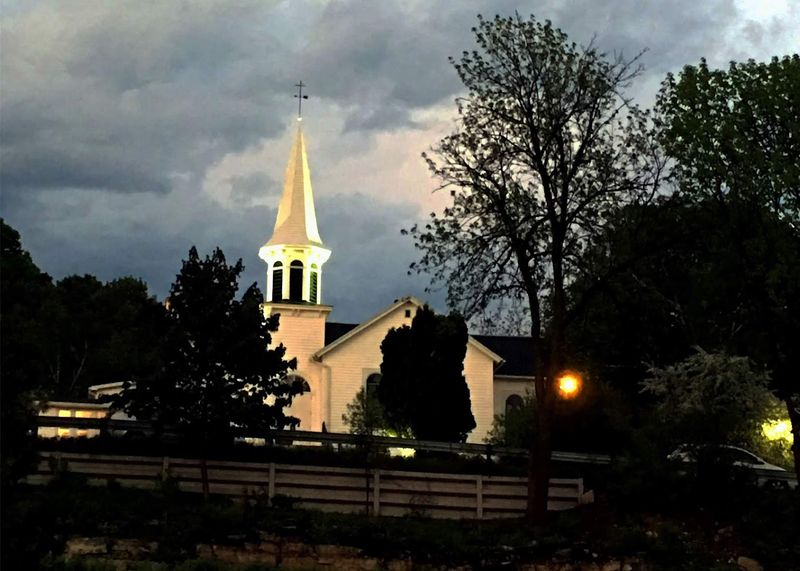
The Moravian Church building stands as one of the oldest structures in Ephraim, constructed just five years after the village was founded. Its simple white exterior and modest steeple reflect the Moravian emphasis on humility over ostentation.
The building has been carefully maintained to preserve its original character while serving modern congregational needs.
Inside, the church retains much of its 19th-century simplicity. Wooden pews, plain windows, and minimal decoration create a space focused on worship rather than spectacle.
The Moravians believed that elaborate church decoration distracted from spiritual matters, and this building embodies that philosophy.
Services are still held here during the summer months, continuing a tradition that spans more than 160 years. The church also opens for tours, allowing visitors to step into a space that has witnessed generations of baptisms, weddings, and funerals.
Standing inside, you sense the accumulated weight of all those ceremonies and the community they created.
The Anderson Store Has Been Part Of Ephraim Since 1858
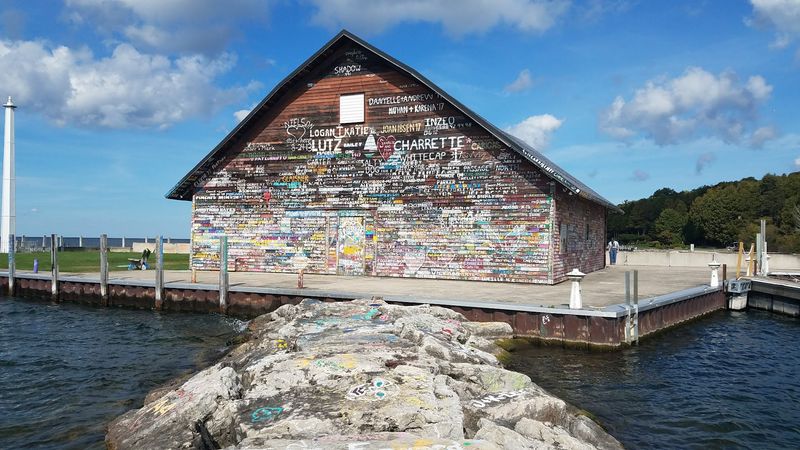
The Anderson Store opened the same year the Moravian Church was built, serving as the village general store and social hub. Aslak Anderson established the business to meet the practical needs of a growing settlement that was still quite isolated from larger supply centers.
The store sold everything from dry goods to hardware to mail-order items.
The building itself represents typical mid-19th-century commercial architecture, with its white clapboard siding and simple storefront design. Over the decades, it evolved from a necessity into a landmark, outlasting most of the other businesses that came and went.
The Anderson family operated it for generations before it eventually changed hands.
Today, the Anderson Store continues to function as a retail space, though its inventory has shifted to reflect modern tourist interests rather than pioneer necessities. Walking through the door still feels like entering a different era, even if you are buying souvenirs rather than flour and nails.
The building anchors the historic district and reminds visitors that Ephraim was once a working community, not just a pretty museum piece.
The Pioneer Schoolhouse Adds Small-Town History To The Story
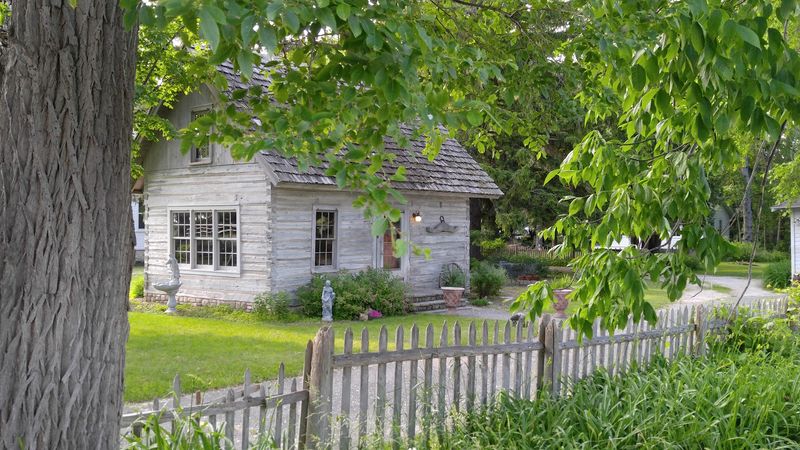
The one-room schoolhouse stands as a reminder of how education worked in rural Wisconsin during the 1800s. Children of all ages gathered in this single space, taught by one teacher who managed multiple grade levels simultaneously.
The building is small by modern standards, but it served its purpose for decades.
Inside, you can still see the original desks, blackboard, and wood stove that heated the room during harsh Wisconsin winters. The simplicity of the space reflects both the limited resources available to frontier communities and the Moravian emphasis on practical education.
Learning happened here without fancy equipment or elaborate facilities.
The schoolhouse now operates as a museum, preserved by the Ephraim Historical Foundation. Visiting it offers a tangible connection to how children learned in the 19th century.
You can almost hear the recitations and smell the wood smoke, imagining what it must have been like to attend school in such a different world.
The Village Blends Moravian Roots With Norwegian Heritage
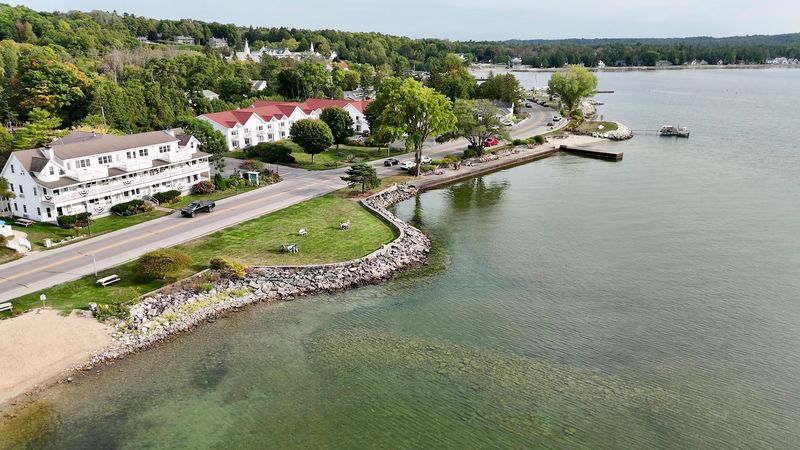
The Moravian settlers who founded Ephraim came from Norway, creating an interesting cultural blend that shaped the village character. While the Moravian Church provided the religious and social framework, Norwegian customs and traditions influenced everything from food to festivals.
This dual heritage gives Ephraim a distinct flavor that sets it apart from other Door County communities.
Norwegian language and customs persisted well into the 20th century, even as the Moravian Church’s influence gradually diminished. Many families maintained connections to Norway through letters, visits, and cultural practices.
The village still celebrates this heritage, though in ways adapted for modern audiences rather than daily life.
This combination of religious community values and ethnic cultural traditions created a particularly strong sense of identity. Ephraim residents knew who they were and where they came from, which helped the village maintain its character even as tourism became economically important.
The heritage is not just preserved in buildings but in the community’s understanding of itself.
Eagle Harbor Gives The Village Its Calm Waterfront Setting
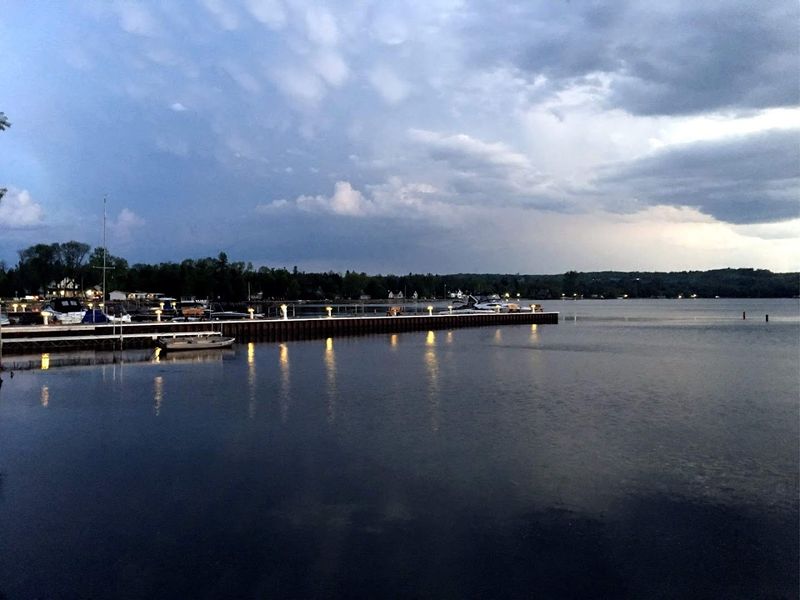
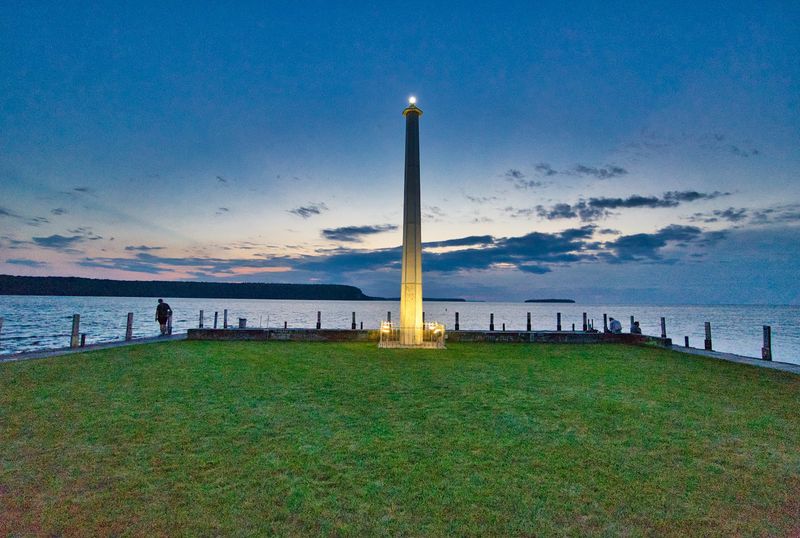
Eagle Harbor curves gently in front of Ephraim, providing the village with its defining geographic feature. The harbor offers protection from the worst of Green Bay’s weather while giving residents and visitors access to the water.
Across the harbor, the bluffs of Peninsula State Park rise dramatically, creating a stunning natural backdrop.
The waterfront has always been central to Ephraim’s identity and economy. Early settlers used the harbor for fishing and transportation, as water routes were often easier than overland travel in the 19th century.
Later, the scenic beauty of the harbor became an attraction in itself, drawing summer visitors who wanted to escape the heat of Midwestern cities.
Today, the harbor remains remarkably peaceful despite the tourist traffic. Small boats bob at moorings, and the water reflects the white buildings along the shore.
Walking the waterfront path, you understand immediately why those Moravian settlers chose this particular spot to build their community and why people keep returning to it more than 170 years later.
The Ephraim Historical Foundation Keeps The Village’s Story Alive
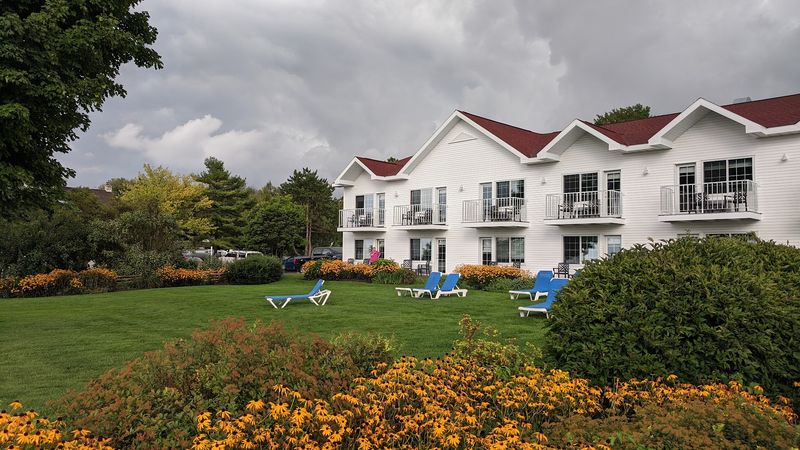
The Ephraim Historical Foundation works actively to preserve and share the village’s history through museum exhibits, educational programs, and historic building maintenance. Founded by residents who understood that history needs active stewardship, the organization has become essential to maintaining Ephraim’s character.
They operate several historic buildings and collect artifacts that tell the village story.
The foundation faces the ongoing challenge of making 19th-century history relevant to 21st-century visitors. They have developed programs that engage both children and adults, moving beyond simple preservation to active interpretation.
Their work helps visitors understand not just what Ephraim looked like historically, but how people actually lived in this small lakeside community.
Without organizations like this, historic villages often lose their authenticity, becoming theme-park versions of themselves. The foundation keeps Ephraim grounded in real history, even as the village adapts to modern tourism.
Their research and preservation efforts ensure that future generations will still be able to connect with the Moravian settlers who arrived here in 1853.
The Historic District Makes Ephraim Feel Like An Open-Air Museum
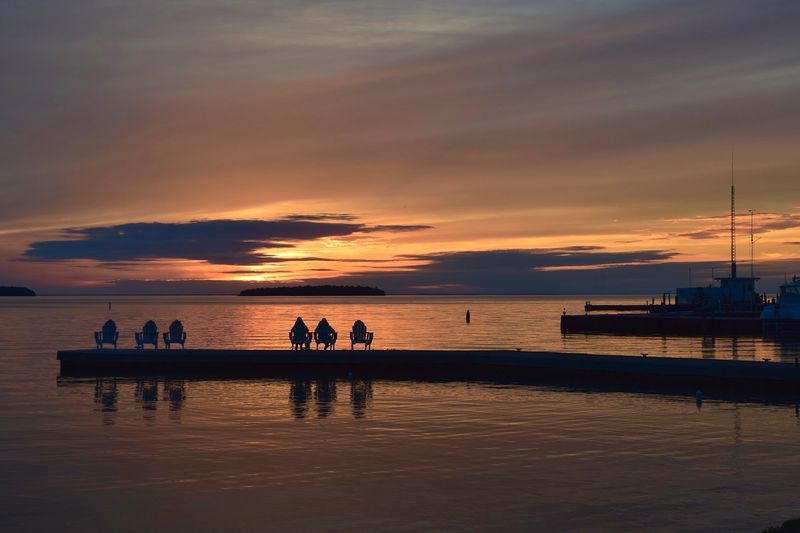
The entire central area of Ephraim functions as a historic district, with multiple buildings contributing to an overall sense of stepping back in time. Unlike museums where history is confined to specific buildings, here the historic atmosphere extends across streets and blocks.
You move through a landscape where the past feels present rather than merely preserved.
This open-air quality makes history accessible in ways that traditional museums cannot match. Children can run between historic buildings, families can picnic on grounds that have hosted gatherings for over a century, and visitors can experience the spatial relationships between church, store, and school that defined village life.
The history is not behind glass but all around you.
The challenge of maintaining a living historic district is that people still need to work, shop, and conduct modern business in these spaces. Ephraim has managed this balance better than most places, allowing contemporary life while preserving historical integrity.
The result is a village that honors its past without becoming a lifeless relic.