
10 Peaceful Wisconsin Places For A Quiet Day Away From The Crowds
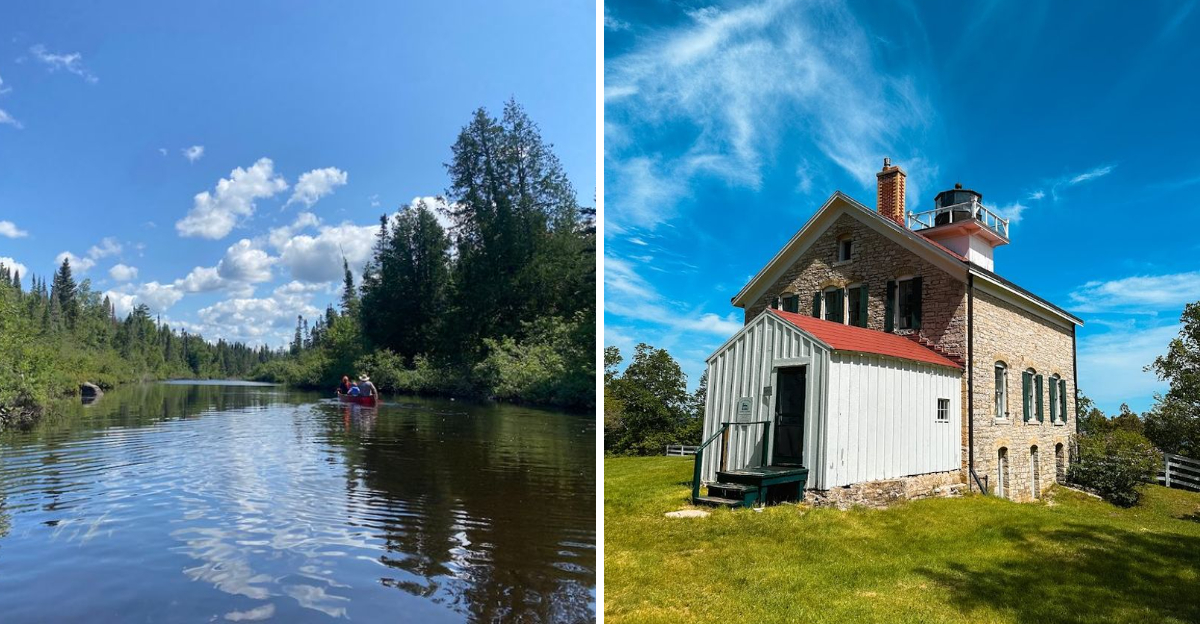
Sometimes the best kind of getaway is the quiet kind, with no packed sidewalks, no traffic noise, and no rush to be anywhere. Wisconsin has plenty of peaceful places where the pace slows down and nature gets to take over.
Think forest trails, calm lakeshores, wide river views, soft birdsong, and leaves moving in the breeze. These are the kinds of spots where you can breathe a little deeper, wander without a tight schedule, and enjoy scenery that does not need crowds to feel special.
For anyone craving space, stillness, and a simple day outside, these Wisconsin escapes offer a calmer way to reset without going too far.
1. Newport State Park (Ellison Bay)
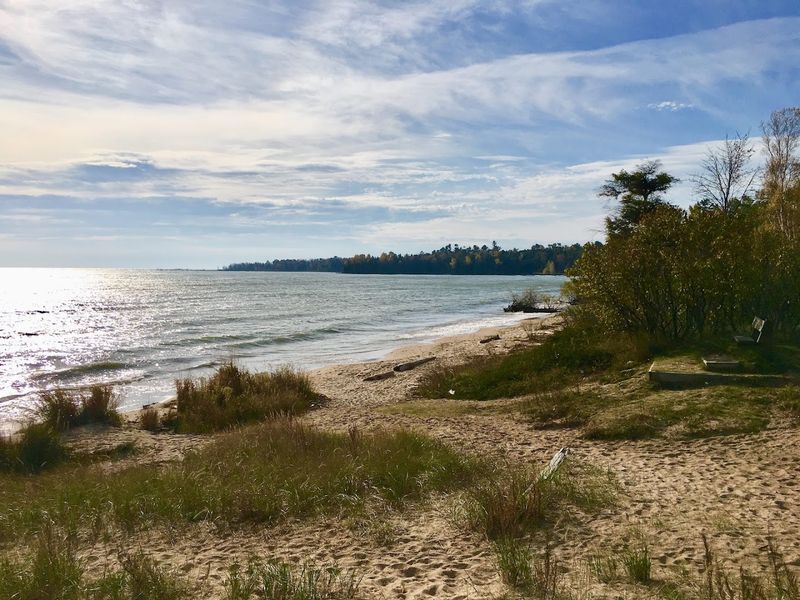
Imagine walking along a quiet beach where the only footprints are your own. Newport State Park sits at the tip of Door County’s peninsula, and it feels like stepping into a different world.
The park stretches across 2,400 acres of untouched wilderness, with eleven miles of Lake Michigan shoreline that rarely sees big crowds.
You won’t find any electricity or modern conveniences here, which is exactly the point. The park’s wilderness designation means development stays minimal, preserving that authentic backcountry feel.
Thirty miles of trails wind through forests of maple, birch, and hemlock, leading to secluded coves and rocky beaches that feel completely private.
Spring and fall bring the fewest visitors, making these seasons ideal for solitude seekers. The Europe Bay Trail offers stunning water views without the effort of longer hikes.
Pack a lunch and claim a driftwood log as your personal dining spot.
Backpackers can reserve one of sixteen primitive campsites scattered throughout the park. These sites put you deep in the forest, where nighttime brings a blanket of stars that city dwellers rarely see.
Morning fog rolling off the lake creates an almost mystical atmosphere that photographers absolutely love.
Bring binoculars because the birdwatching here ranks among Wisconsin’s best. Over 140 species have been spotted, including rare migrants during spring and fall.
2. Lower Wisconsin State Riverway (Southwestern Wisconsin)
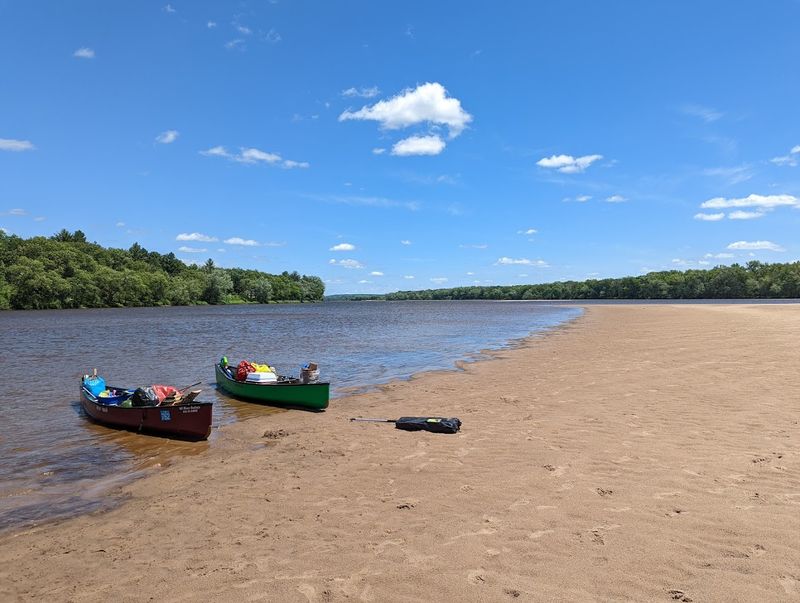
The Lower Wisconsin State Riverway protects ninety-two miles of river corridor from Sauk City to the Mississippi River. This massive stretch of protected land creates one of the longest undeveloped riverways in the Midwest.
Towering sandstone bluffs rise on both sides, creating dramatic scenery that changes with every bend.
Paddling here feels like traveling back in time. The river moves gently, making it perfect for beginners or anyone wanting a relaxing float.
Sandbars appear frequently, offering perfect spots to beach your canoe and enjoy a picnic lunch surrounded by nature.
Eagles nest along these bluffs, and spotting them soaring overhead happens more often than you’d expect. Spring and fall migrations bring additional bird species, turning the riverway into a birdwatcher’s paradise.
The water stays shallow in many sections, revealing interesting rock formations and occasional fossils.
Multiple access points let you customize your trip length. Some paddlers spend entire weekends camping on sandbars, while others prefer shorter day trips.
The river rarely gets crowded except for holiday weekends, so weekdays offer exceptional solitude.
Autumn transforms the bluffs into a kaleidoscope of reds, oranges, and yellows. The combination of colorful foliage reflected in calm water creates photography opportunities that rival anywhere in the state.
Local outfitters provide canoe rentals and shuttle services, making logistics simple even for first-time river travelers.
3. Flambeau River State Forest (Near Winter)
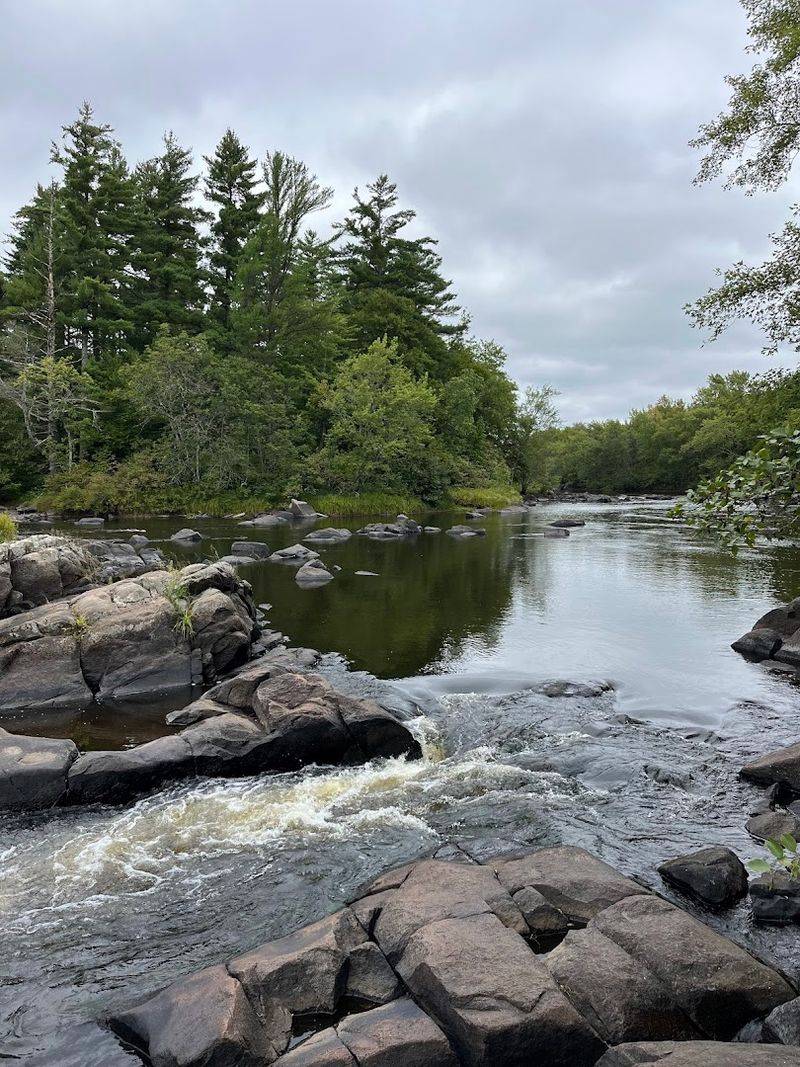
This state forest sprawls across 90,000 acres of northern Wisconsin wilderness. The Flambeau River system winds through the forest for sixty miles, creating a paddler’s paradise that sees relatively few visitors.
Dense forests of pine, maple, and aspen surround the waterways, making you feel genuinely isolated from civilization.
The North Fork Flambeau River offers the most remote experience. This section requires intermediate paddling skills due to occasional rapids, but the reward comes in absolute solitude.
You might paddle for hours without seeing another soul, just wildlife going about their daily routines.
Camping opportunities abound, with primitive sites accessible only by water. These riverside camps put you to sleep with the sound of flowing water and wake you with bird songs.
Black bears inhabit the forest, so proper food storage matters, but encounters remain rare and usually involve bears running away.
Hiking trails crisscross the forest, though they’re less developed than in more popular parks. This rough character appeals to adventurous spirits seeking genuine wilderness experiences.
The trails lead to hidden lakes, beaver ponds, and old-growth forest stands that survived logging operations.
Fall colors here rival anywhere in Wisconsin. The mix of hardwoods and conifers creates a tapestry of colors reflected in countless lakes and streams.
Photographers find endless subjects, from intimate forest scenes to sweeping river vistas. Winter brings snowmobilers, but vast sections remain quiet for snowshoers and cross-country skiers.
4. Governor Earl Peshtigo River State Forest (Near Crivitz)
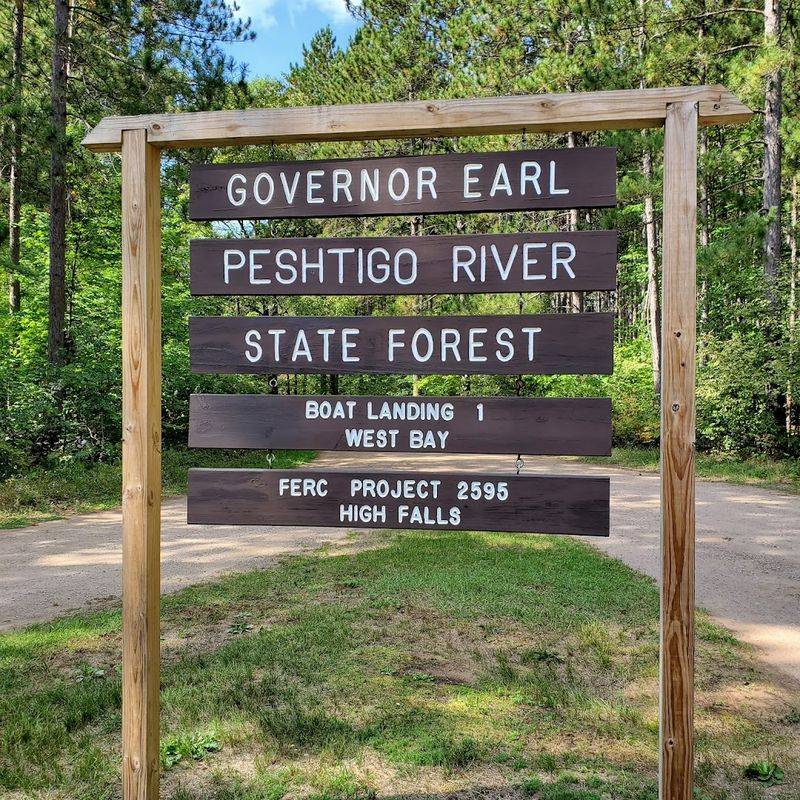
The Peshtigo River cuts through 14,000 acres of state forest in northeastern Wisconsin. This river carries a wild reputation due to whitewater sections downstream, but the stretches within the state forest offer peaceful paddling and stunning scenery.
Towering hemlocks line the banks, their branches creating shaded tunnels over the water.
Several hiking trails explore the forest interior, leading to quiet spots perfect for reflection. The Thunder Mountain Trail climbs to scenic overlooks where you can see for miles across forested ridges.
Spring wildflowers carpet the forest floor, creating bursts of color beneath the still-bare trees.
Fishing remains excellent throughout the river system. Smallmouth bass, walleye, and various panfish provide action for anglers of all skill levels.
The combination of moving water and quiet pools creates ideal habitat that supports healthy fish populations.
Primitive camping areas give you options for overnight stays. These sites lack modern amenities but offer something more valuable: genuine connection with nature.
Campfires under the stars feel magical when you’re surrounded by deep forest with no artificial lights for miles.
The forest sees its busiest times during summer weekends, but even then, finding solitude isn’t difficult. Weekdays remain remarkably quiet, with trails and river sections all to yourself.
Autumn transforms the forest into a showcase of color, while winter blankets everything in peaceful snow that muffles sound and creates a serene atmosphere perfect for contemplation.
5. Rock Island State Park (Washington Island Area)
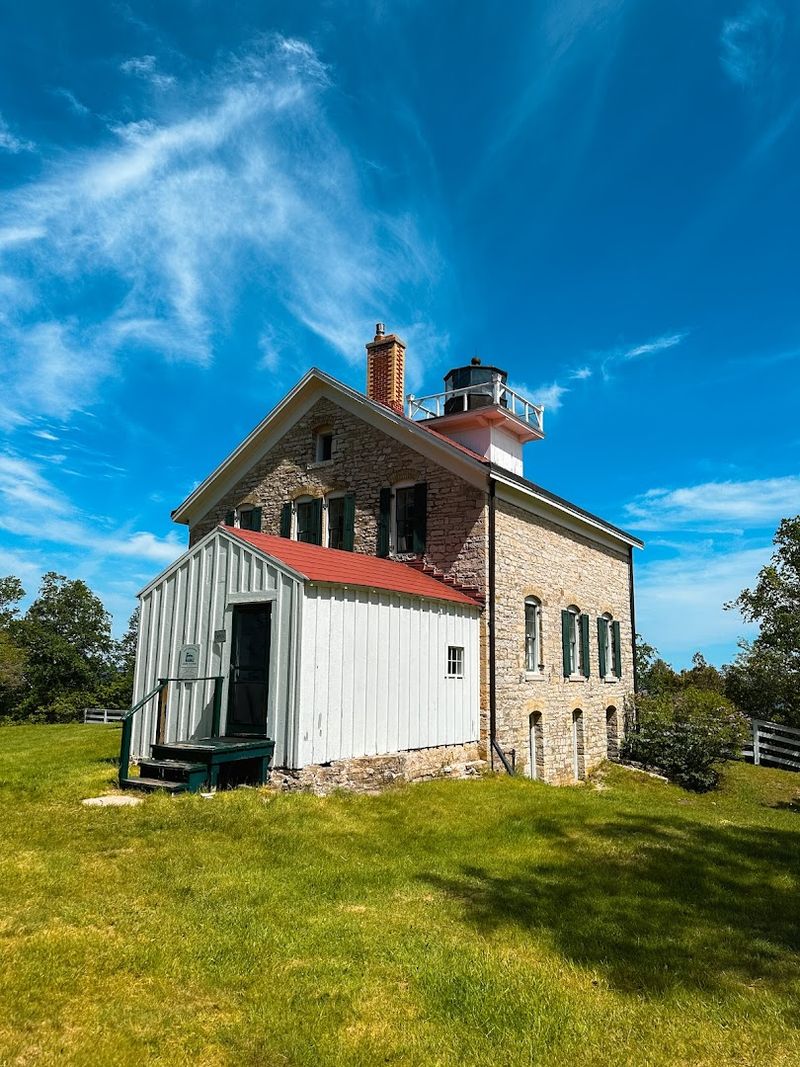
Getting to Rock Island requires two ferry rides, which automatically filters out the casual day-trippers. This 900-acre island sits beyond Washington Island, accessible only by a smaller passenger ferry that makes the journey feel like a true adventure.
Once you arrive, you’ll find yourself in one of Wisconsin’s most remote state parks.
Cars aren’t allowed on Rock Island, so everything moves at walking pace. The island features ten miles of trails that loop through boreal forests and along limestone beaches.
Pottawatomie Lighthouse, built in 1858, stands as a beautiful reminder of maritime history and offers tours during summer months.
The northwest shore provides jaw-dropping views of Lake Michigan stretching endlessly toward the horizon. Smooth stones cover many beaches, making them perfect for quiet contemplation and stone skipping.
The water stays incredibly clear, revealing the rocky bottom even in deeper areas.
Primitive camping sites dot the island, each offering a genuine wilderness experience. You’ll need to haul your gear from the ferry dock, but the payoff comes in complete peace and solitude.
Campfires under the stars feel extra special when you’re surrounded by water on all sides.
Wildlife thrives here without human interference. White-tailed deer wander fearlessly, and the bird population includes species rarely seen on the mainland.
Visit during weekdays in May or September for the ultimate quiet experience.
6. Brule River State Forest (Brule)
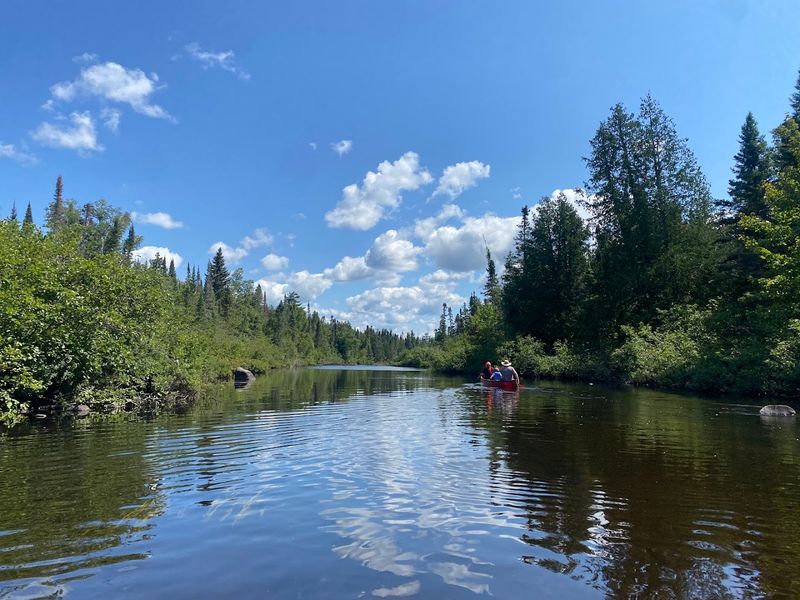
Presidents have fished the Brule River, and once you see it, you’ll understand why. This legendary trout stream flows through 50,000 acres of state forest in far northern Wisconsin.
The water runs cold and clear, fed by springs that keep temperatures perfect for brook, brown, and rainbow trout.
Forty-four miles of river corridor provide endless exploration opportunities. Some sections rush over rocky rapids, while others flow smooth and glassy through cedar swamps.
The forest surrounding the river feels primeval, with towering pines and hemlocks creating cathedral-like spaces along the banks.
Hiking trails parallel the river in many areas, offering peaceful walks even if you’re not into fishing. The sound of rushing water creates a natural soundtrack that drowns out every worry.
Wildlife sightings happen regularly, including black bears, otters, and occasionally even wolves.
Several rustic campgrounds dot the forest, placing you right in the heart of this wilderness. These sites fill up during peak fishing season, but spring and fall offer plenty of availability.
Morning mist rising off the river creates an ethereal atmosphere that photographers dream about.
The forest includes the historic Bois Brule River, which Native Americans and fur traders used as a vital transportation route. Walking these same paths connects you to centuries of history.
Winter transforms the forest into a cross-country skiing paradise, with groomed trails following the river through snow-laden forests.
7. Chippewa Flowage (Near Hayward)
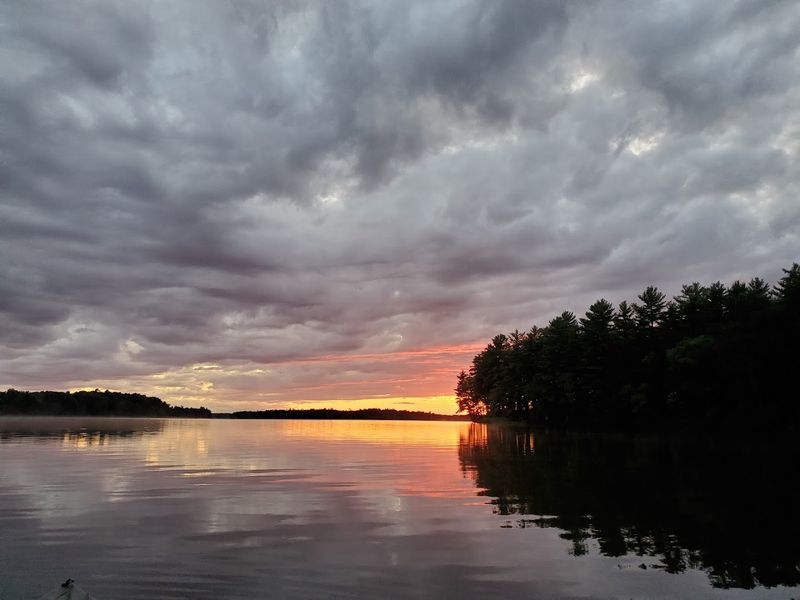
Chippewa Flowage sprawls across 15,300 acres, making it one of Wisconsin’s largest lakes. Despite its size, development remains minimal, with most shoreline staying wild and natural.
Over 200 miles of shoreline create countless hidden bays and channels where you can spend entire days without seeing other people.
The lake’s irregular shape results from flooding multiple river valleys when a dam was built in 1923. This created a maze of islands, points, and backwaters that paddlers love exploring.
Wild rice beds grow in shallow areas, attracting waterfowl and creating important wildlife habitat.
Muskie fishing made this lake famous, but you don’t need to fish to appreciate its beauty. Paddling a kayak or canoe through quiet channels reveals a different side of the flowage.
Loons call across the water, eagles soar overhead, and occasionally you’ll spot otters playing along the shore.
Several public landings provide access, but many visitors never venture far from these entry points. Push deeper into the flowage’s backcountry, and you’ll find pristine wilderness that feels untouched.
Some islands offer primitive camping spots, perfect for overnight adventures under star-filled skies.
Sunrise and sunset paint the water with incredible colors reflected off the glassy surface. Morning mist creates an otherworldly atmosphere that transforms familiar landscapes into mysterious dreamscapes.
Fall brings spectacular foliage, with the surrounding Chequamegon National Forest exploding in autumn colors that frame the lake perfectly.
8. Ed’s Lake National Recreation Trail (Laona)
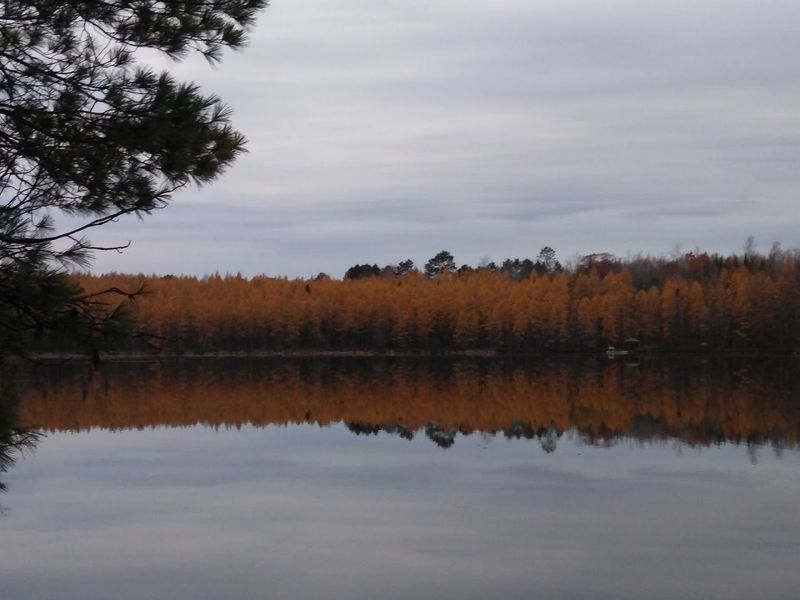
Ed’s Lake National Recreation Trail loops for just 1.3 miles through the Nicolet National Forest near Laona. Don’t let the short distance fool you into thinking this trail lacks substance.
The path winds through old-growth hemlock forest surrounding a pristine lake that mirrors the sky like polished glass.
This trail earned National Recreation Trail status due to its outstanding natural features. Ancient hemlocks tower overhead, some over 400 years old, creating a forest cathedral that inspires awe.
The trail stays relatively flat, making it accessible for most fitness levels while still delivering a genuine wilderness experience.
Ed’s Lake itself covers only fifteen acres, but its small size contributes to the intimate atmosphere. The trail circles the entire shoreline, offering constantly changing perspectives on the water and surrounding forest.
Benches placed at scenic spots invite you to sit and simply absorb the peace.
Spring brings woodland wildflowers and migrating birds. Summer offers cool shade under the hemlock canopy, providing relief from hot days.
Autumn transforms the understory into a golden carpet of fallen leaves, while winter creates a snow-covered wonderland perfect for snowshoeing.
The trailhead includes basic parking but little else, which keeps crowds minimal. Most visitors come during summer weekends, but even then, the trail rarely feels busy.
Early morning visits reward you with wildlife sightings and that special quality of light filtering through the ancient trees. This short hike delivers an outsized dose of tranquility.
9. Straight Lake State Park (Luck)
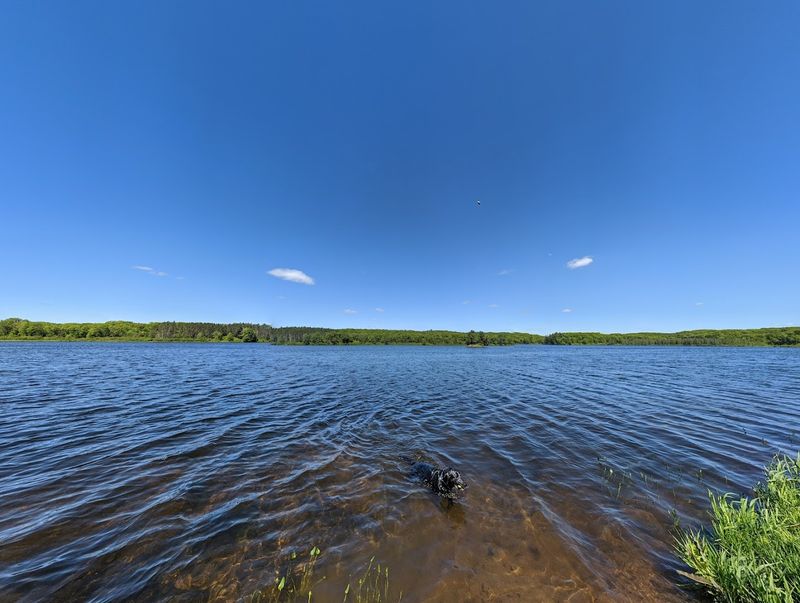
Straight Lake State Park protects 3,000 acres of pristine wilderness in northwestern Wisconsin. The centerpiece is Straight Lake itself, a crystal-clear body of water surrounded entirely by undeveloped forest.
This park sees far fewer visitors than more famous Wisconsin destinations, making it perfect for solitude seekers.
The lake earned its name from its unusually straight, narrow shape. This glacial lake features incredibly clear water that reveals the sandy bottom even in deeper areas.
Swimming feels refreshing without the weedy, murky conditions found in many Wisconsin lakes. The designated beach area remains small and uncrowded, even on hot summer weekends.
Hiking trails total about seven miles, winding through diverse habitats including oak savanna, wetlands, and dense forest. The Ridge Trail climbs to higher ground, offering views across the lake and surrounding landscape.
Spring wildflowers create colorful displays, while fall foliage transforms the forest into a painter’s palette.
Camping facilities include both drive-in and backpack sites. The backpack sites require short hikes, rewarding you with extra privacy and quieter surroundings.
These sites fill rarely, so reservations often aren’t necessary except for holiday weekends.
Wildlife thrives in this protected environment. White-tailed deer browse along trail edges, and the bird population includes species like pileated woodpeckers and scarlet tanagers.
The park’s remote location means light pollution stays minimal, creating excellent conditions for stargazing. Bring a telescope or just lie on your back and marvel at the Milky Way.
10. Timm’s Hill County Park (Ogema)
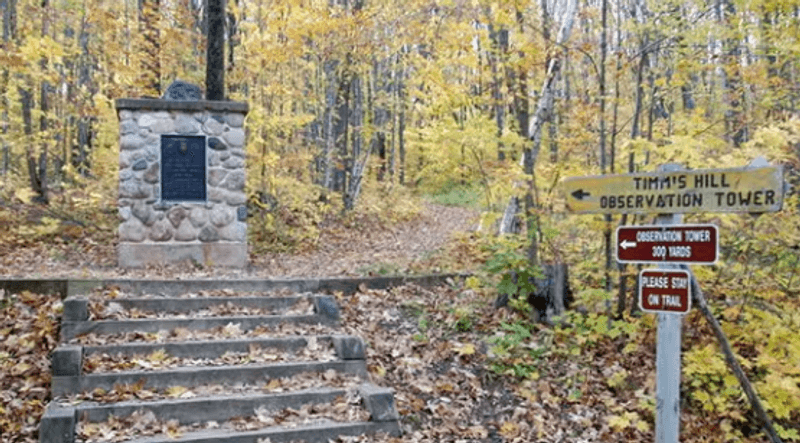
It rises to 1,951 feet above sea level, making it Wisconsin’s highest natural point. The summit sits within a small county park that offers big rewards for minimal effort.
A short trail leads from the parking area to an observation tower that provides panoramic views across the northern forests.
The tower climb adds another sixty feet of elevation, bringing your total height to over 2,000 feet. From the top platform, forests stretch to the horizon in every direction, creating a sea of green in summer and a riot of colors in autumn.
On clear days, you can see for miles, watching weather systems move across the landscape.
The park itself covers 153 acres of peaceful woodland. Several short trails explore the summit area, perfect for leisurely walks through mature forest.
These paths see light use, so you’ll likely have them to yourself except during peak fall color weekends.
Picnic facilities near the parking area provide spots for lunch with a view. The park’s remote location means you won’t find crowds or commercial development.
This simplicity creates an atmosphere of pure relaxation, where the biggest decision involves which trail to walk first.
Winter transforms the park into a quiet wonderland. Snow-covered trees and frozen landscapes create stunning beauty that few people witness.
The observation tower remains accessible year-round, offering brave visitors incredible winter vistas. Sunrise and sunset paint the sky in dramatic colors that look even more spectacular from Wisconsin’s highest point.